Port Orange Near Shore Wreck Fishing Adventure
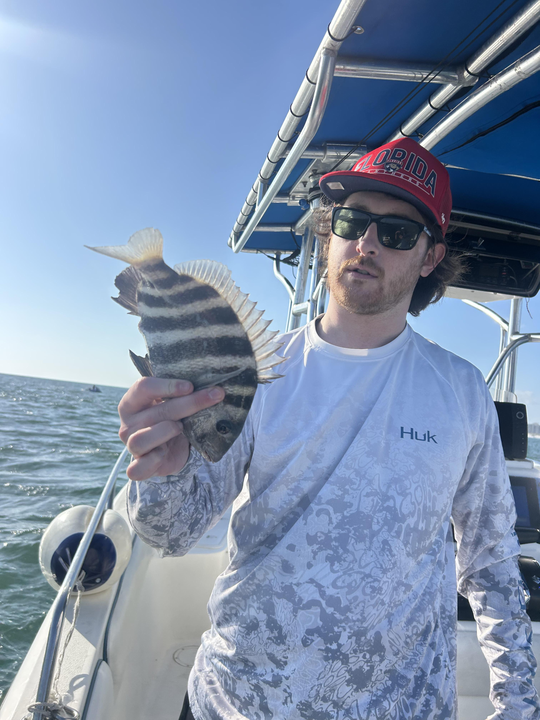
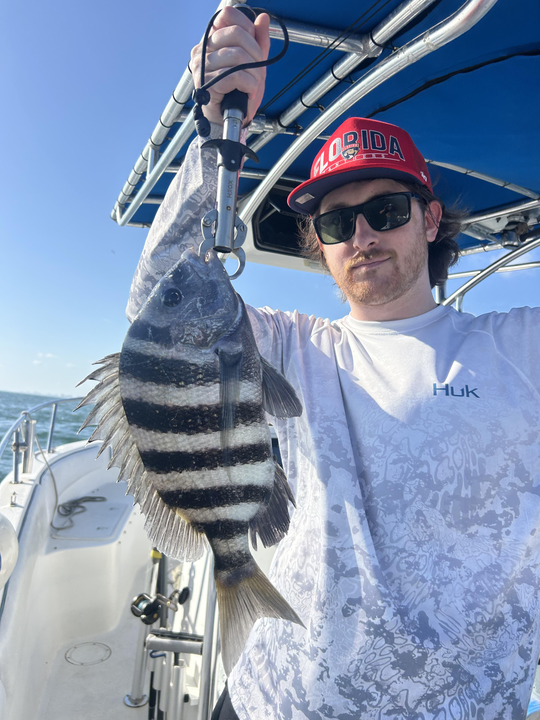
When you want solid fishing action without burning half your day getting there, Port Orange nearshore waters deliver big time. Captain Aaron knows these local wrecks like the back of his hand, and this 4-hour charter hits all the sweet spots where fish stack up thick. We're talking reefs, artificial structures, and rocky bottom that holds everything from snapper to sharks just a few miles from the inlet. Perfect for couples or small groups who want personalized attention and plenty of rod-bending action without the crowd.
What to Expect on the Water
This isn't your typical party boat scene—with just 2 anglers max, you get the VIP treatment and all the fishing time you can handle. We launch from Port Orange and make a quick run to the productive nearshore zone where the Gulf Stream influence brings in pelagic species while the structure holds resident fish year-round. The beauty of wreck fishing here is the variety—one minute you're pulling up a feisty lane snapper, the next you've got a king mackerel screaming drag. Captain Aaron provides all the tackle and knows exactly when to move spots if the bite slows down. The shallow water means less travel time and more lines-in-the-water time, plus it's easier on anyone prone to seasickness.
Wreck Fishing Techniques
We fish these wrecks smart, using a mix of live bait, cut bait, and artificials depending on what's biting. Most of the action happens in 40-80 feet of water over hard bottom, shipwrecks, and artificial reefs that create the perfect ambush points for predators. Captain Aaron rigs everything from light spinning tackle for the snappers to heavier conventional gear when the kings and cobia show up. We'll anchor up on structure and fish vertically with knocker rigs for bottom fish, then switch to drift fishing or trolling when the pelagics fire up. The key is reading the fish finder and adjusting tactics—sometimes they want fresh dead bait on the bottom, other times they're suspended mid-water column chasing baitfish.
Top Catches This Season
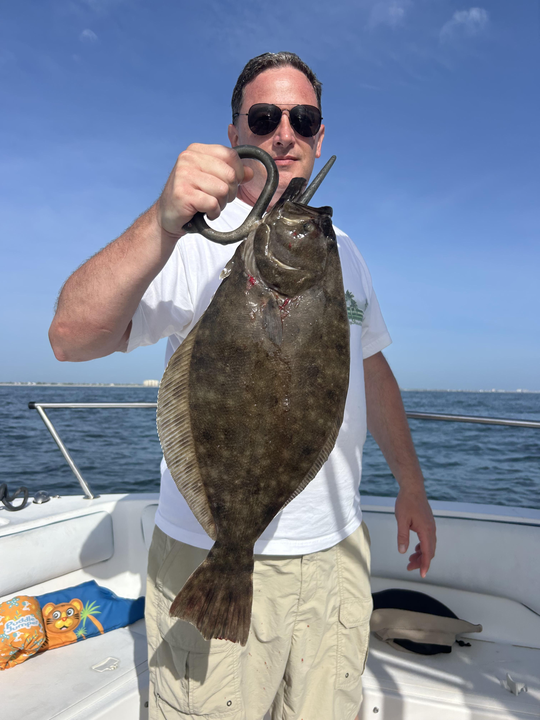
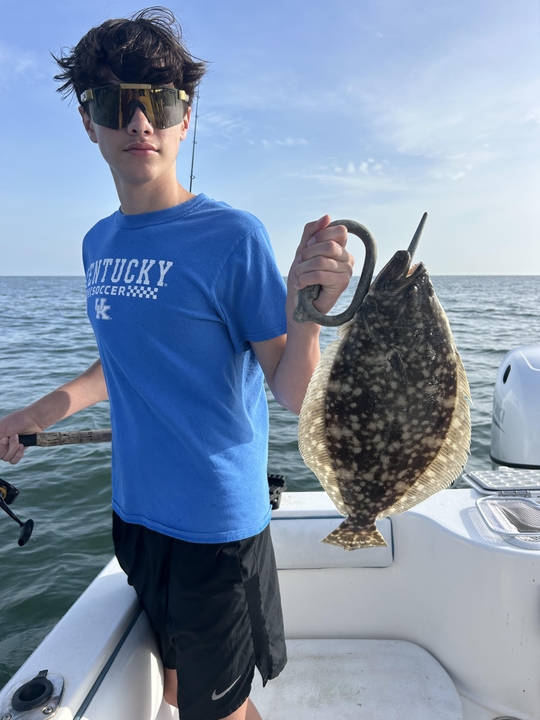
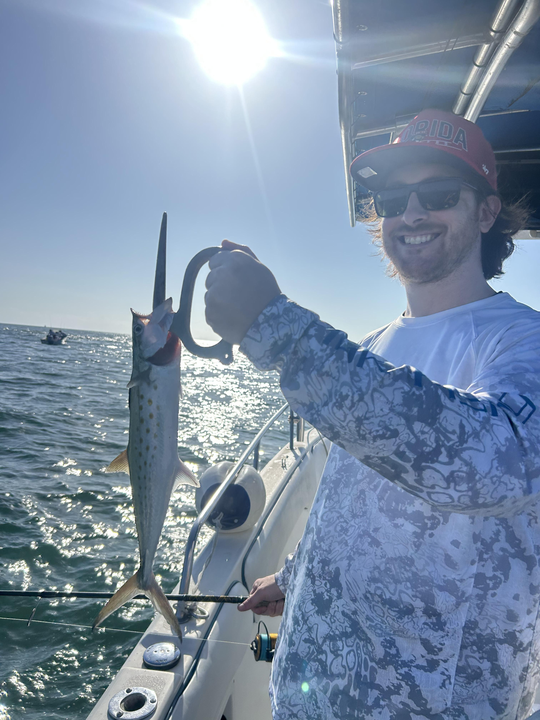
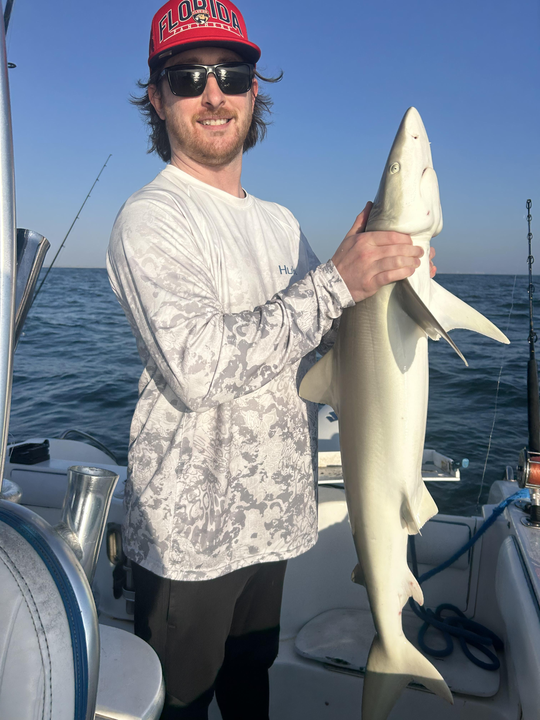
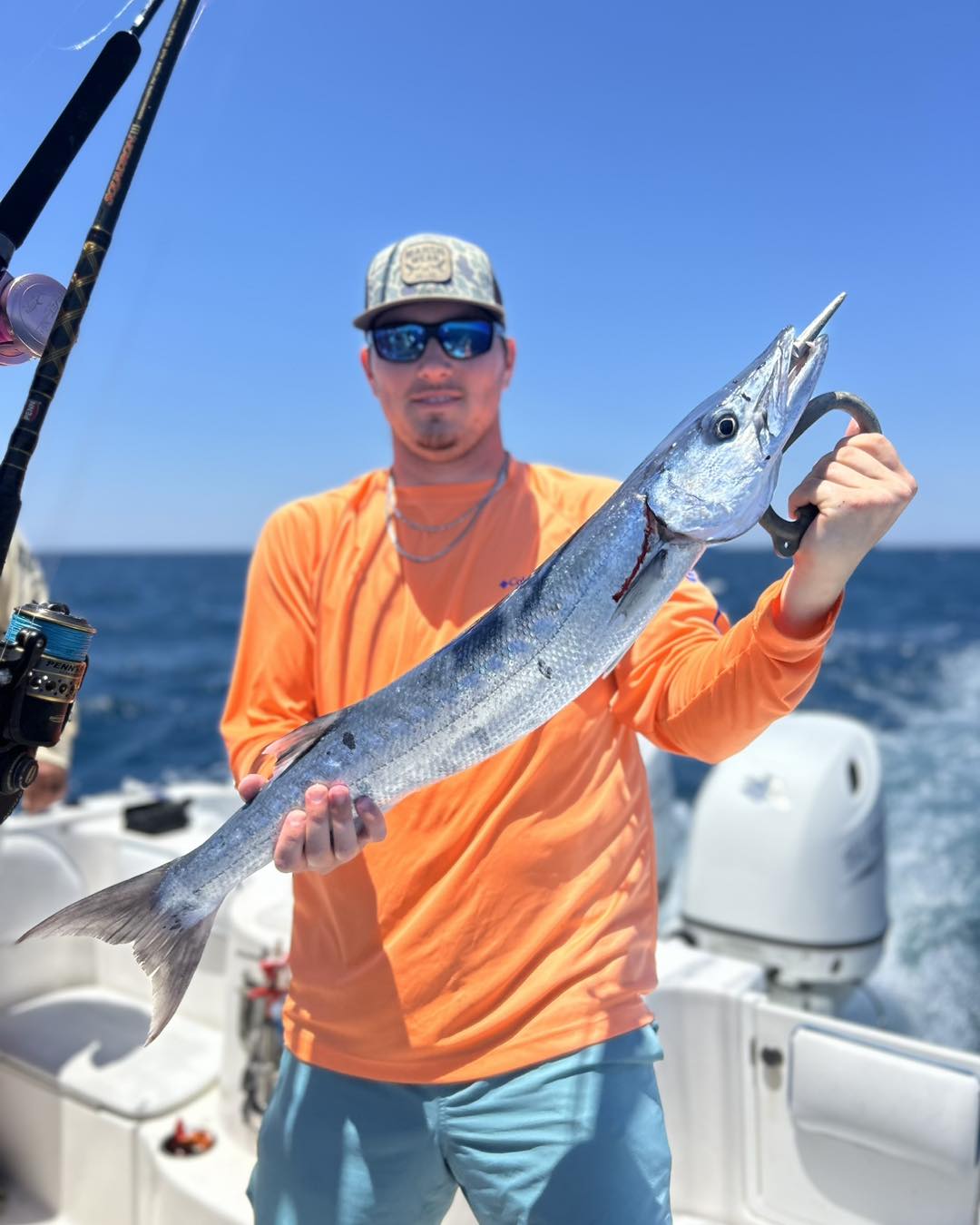
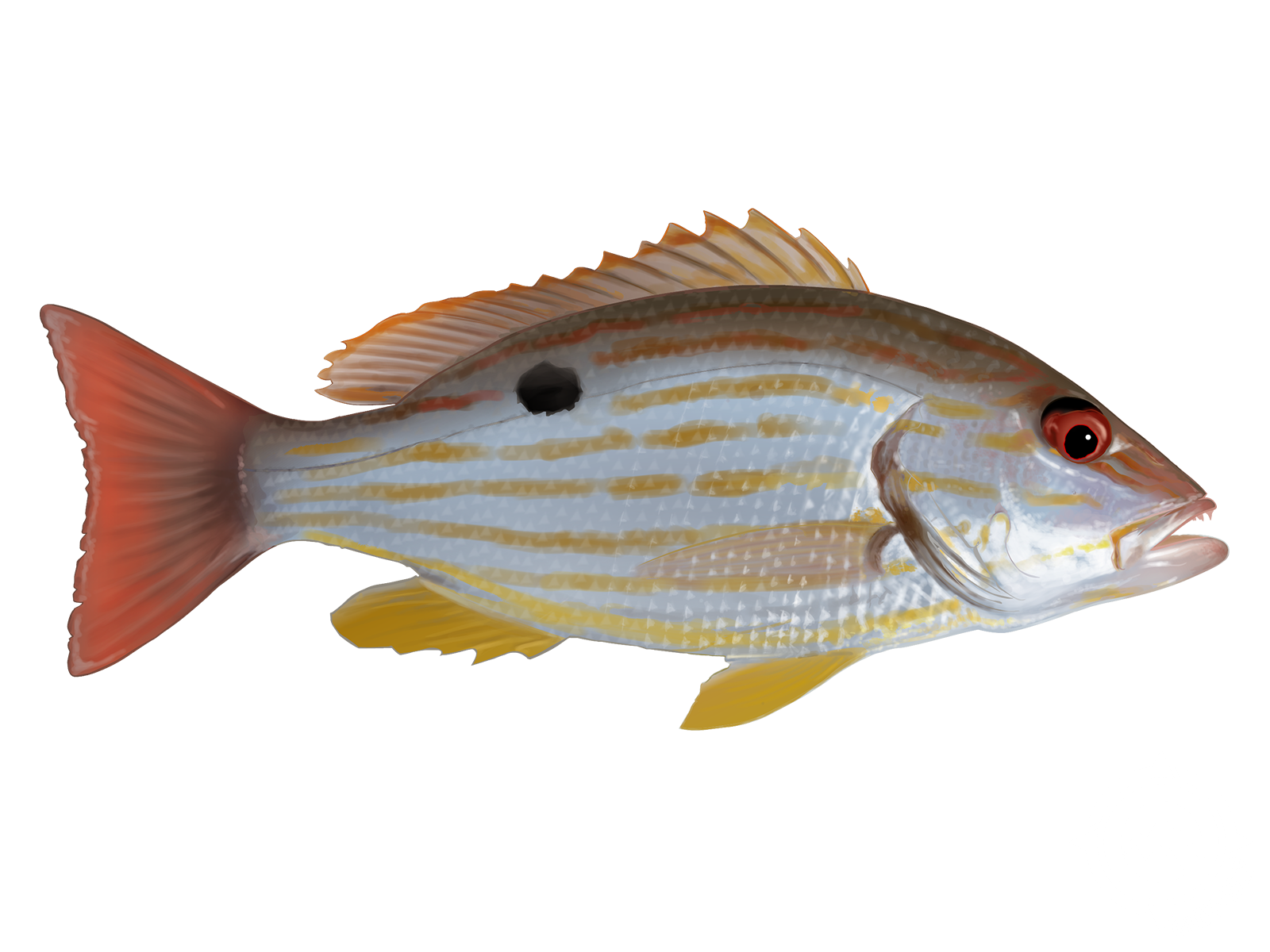
King mackerel are the bread and butter of nearshore wreck fishing around Port Orange, especially from spring through fall when they patrol the edges of structure looking for easy meals. These silver bullets typically run 15-30 pounds and will test your drag system with blistering runs. They love live pilchards or slow-trolled dead baits around the wrecks, and when you hook one, hang on tight. Mahi mahi show up during the warmer months, often around floating debris or weed lines near the offshore wrecks. These colorful fighters put on quite a show with their aerial displays and make excellent table fare. Blacktip sharks cruise these waters year-round, offering hard-fighting action on medium tackle. They're perfect for anglers who want to feel some serious power without the intimidation factor of larger shark species. Cobia are the wild cards—these brown submarines can show up anytime from spring through fall, often following rays or cruising the wreck edges. They're curious fish that respond well to sight fishing and put up a stubborn, bulldogging fight. Lane snappers round out the mix, providing steady action when the bigger fish are finicky. These colorful reef dwellers are abundant around the hard bottom and make great eating.
Time to Book Your Spot
Half-day nearshore wreck fishing trips book up fast, especially during peak season when the bite is hot and the weather's cooperating. Captain Aaron's local knowledge and small group approach means you're getting maximum fishing time with personalized instruction—whether you're a seasoned angler or picking up a rod for the first time. The 4-hour format gives you enough time to hit multiple spots and target different species without wearing yourself out. Plus, you'll be back at the dock with time to clean your catch and still have most of your day left. Don't wait until the last minute to secure your dates—the best fishing windows fill up quick, and you don't want to miss out on some of the most consistent wreck fishing on Florida's east coast.
 Private Trip
 Wrecks/Reefs Fishing
 Port Orange



 Four-hour nearshore charter targeting reefs, wrecks, and jetties