South Florida Inshore Charter – 6 Hours
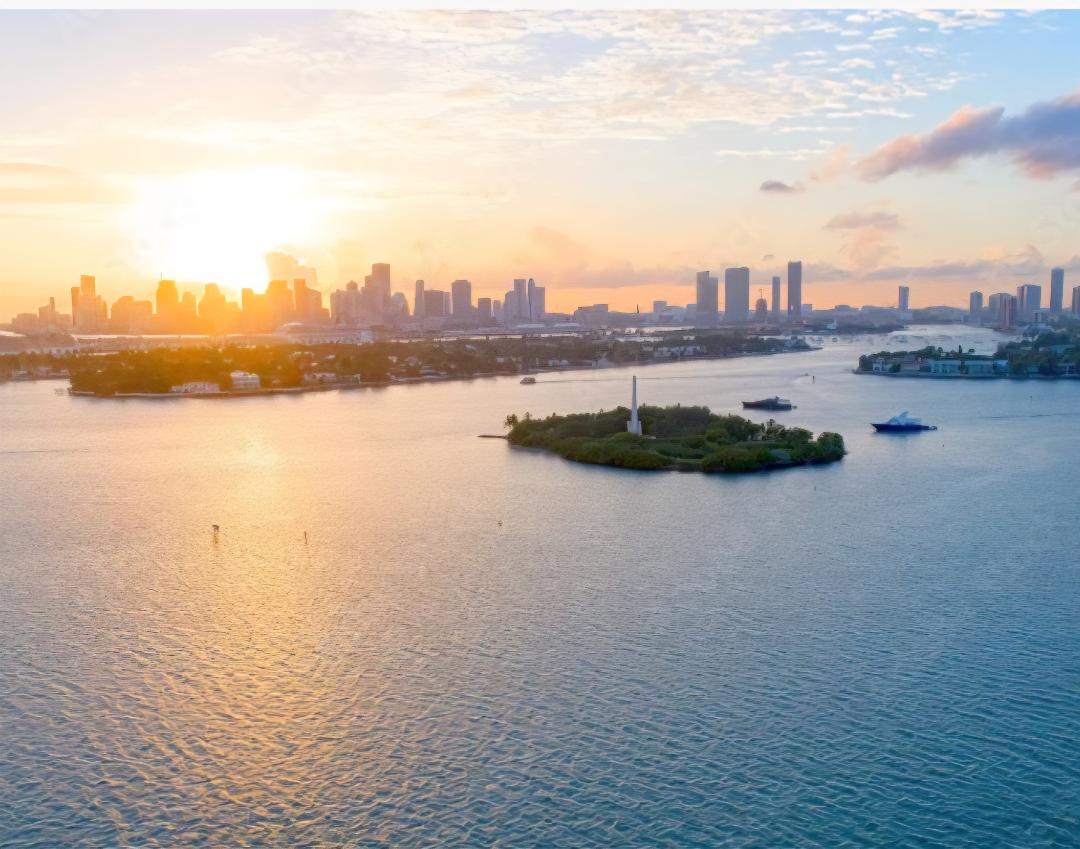
Looking for a solid day on the water without the rough seas and long runs? This 6-hour private inshore charter gets you and up to three buddies into some of South Florida's most productive shallow water fishing grounds. You've got options here – launch from Crandon Park Marina in Miami, Flamingo Marina deep in the Everglades, Homestead Bayfront in Biscayne National Park, or head down to the Keys at Caribbean Club or Founders Park. Your captain knows these waters like the back of their hand and will put you on fish whether you're slinging flies or chunking bait. All your gear, tackle, bait, licenses, ice, and fuel are covered, so you just show up ready to fish.
What to Expect on the Water
This isn't your typical party boat deal – it's your private charter, which means the captain's focused entirely on your group's success. Depending on where you launch and what's biting, you might find yourself poling through skinny mangrove creeks, working grass flats in knee-deep water, or targeting structure along channel edges. The beauty of inshore fishing down here is the variety – one minute you're sight-casting to cruising tarpon, the next you're dropping a live shrimp near a dock piling hoping for a snook to come calling. Your captain reads the conditions daily and adjusts the game plan accordingly. Wind direction, tides, water temperature, and seasonal patterns all factor into where you'll spend your six hours. Don't worry if you're new to saltwater fishing – these guides eat, sleep, and breathe this stuff, and they're stoked to share what they know. Experienced anglers will appreciate the local knowledge and access to spots you'd never find on your own.
Techniques & Tackle Setup
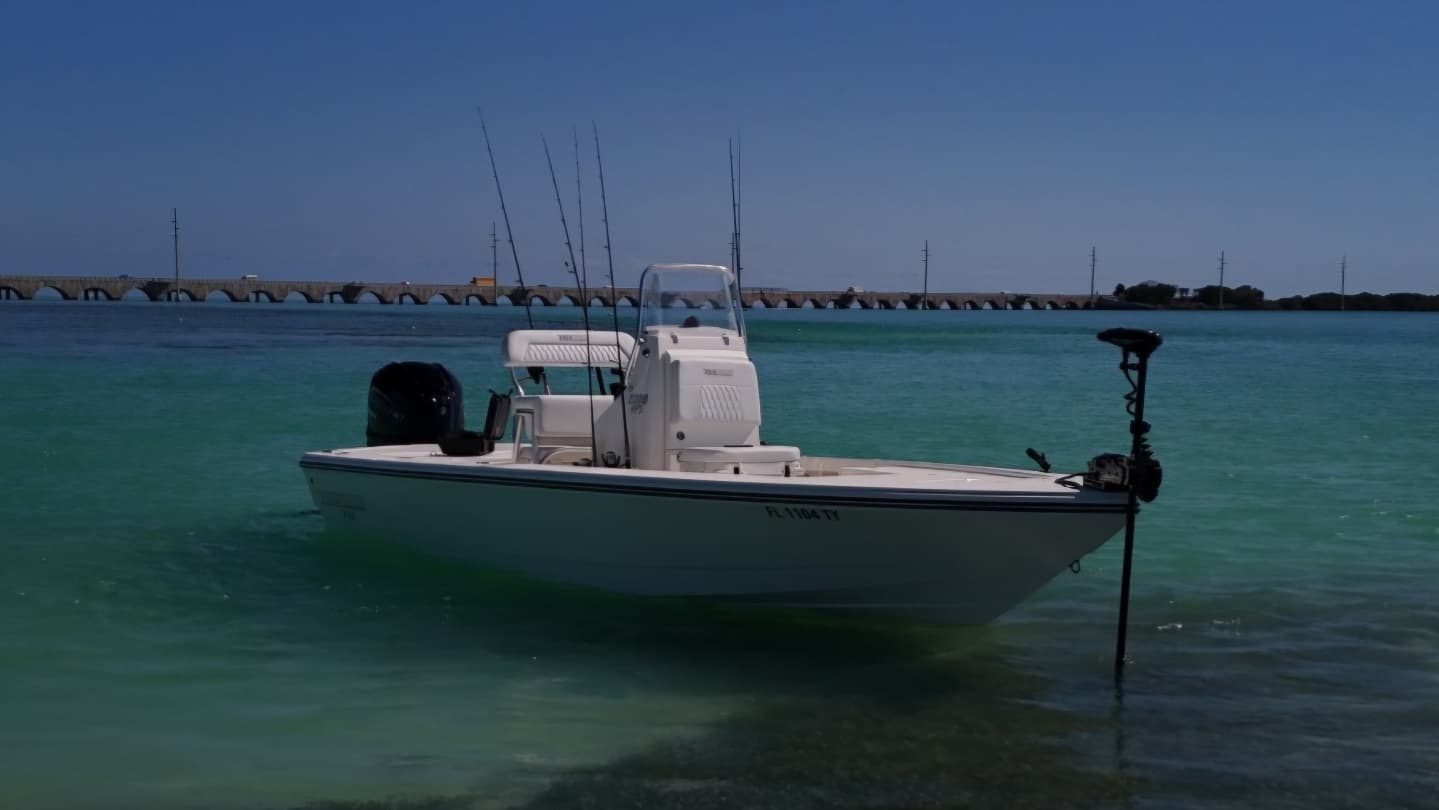
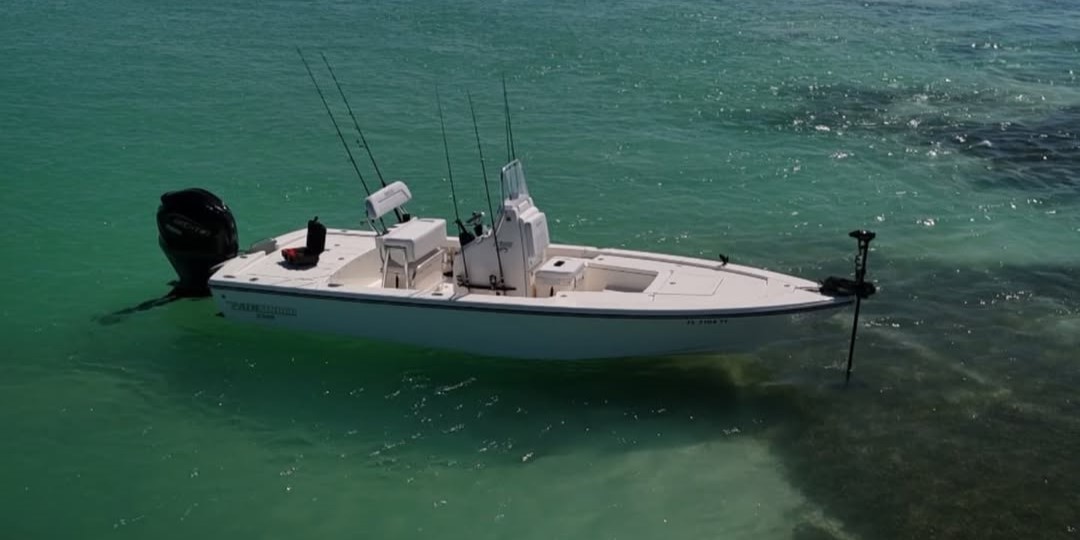
Inshore fishing in South Florida means adapting to conditions and species throughout the day. Your captain comes equipped with spinning reels spooled with 15-30 pound test, perfect for the variety of fish you'll encounter. Live bait is king down here – expect to see pilchards, pinfish, shrimp, and maybe some finger mullet in the well. Artificial lures get plenty of work too, especially soft plastics like DOA shrimp, paddle tails, and topwater plugs when fish are feeding aggressively. The flats boat you'll be on draws just inches of water, letting you access backcountry areas where bigger boats can't go. Polarized sunglasses aren't optional – you'll be sight-fishing a lot, and being able to see into the water makes all the difference. Your captain handles the boat positioning, reading water, and spotting fish, while you focus on making accurate casts and working your baits properly. Techniques vary from drift fishing over grass beds to anchoring up on productive structure, plus plenty of moving and casting to visible fish or likely holding spots.
Target Species Breakdown
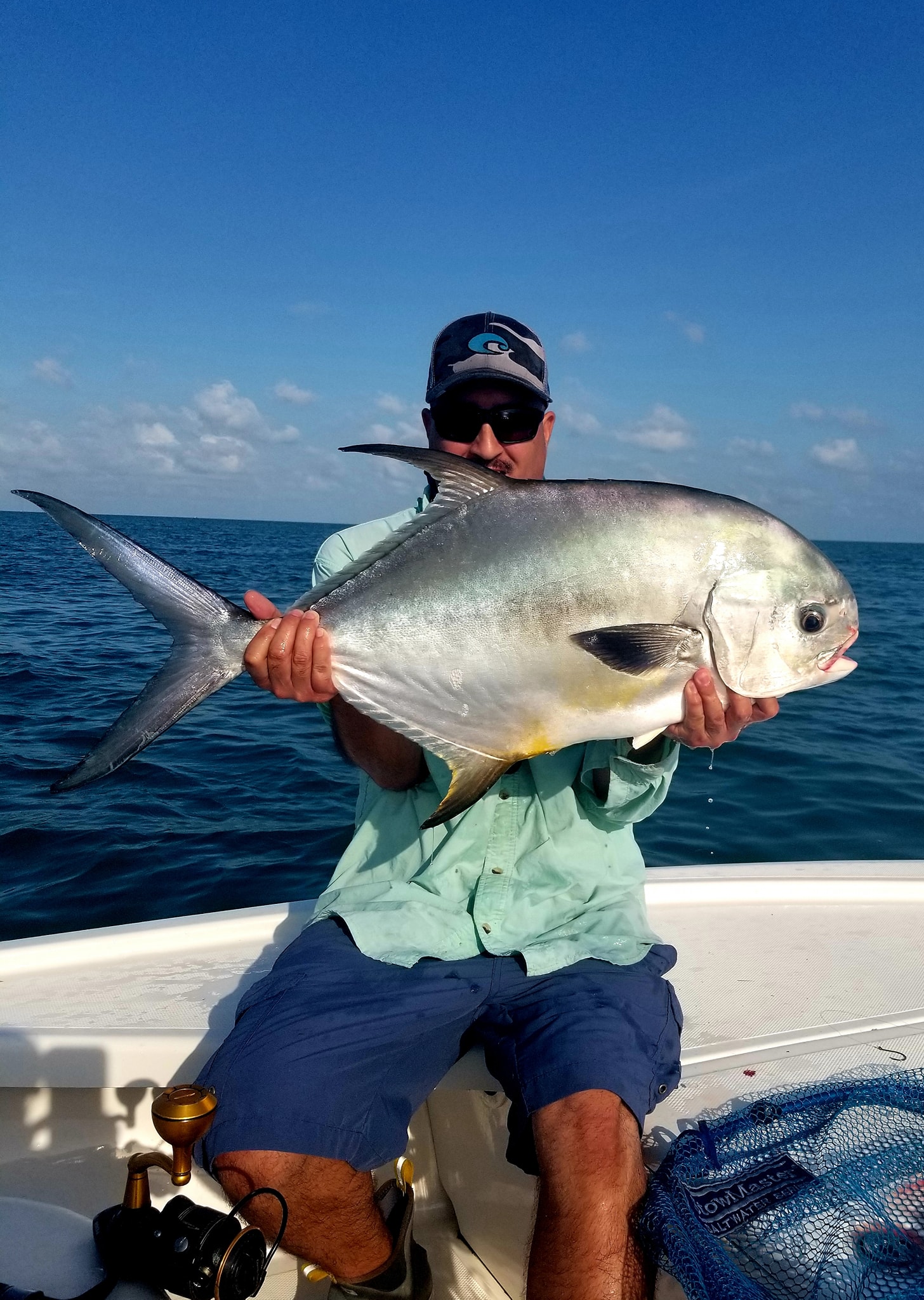
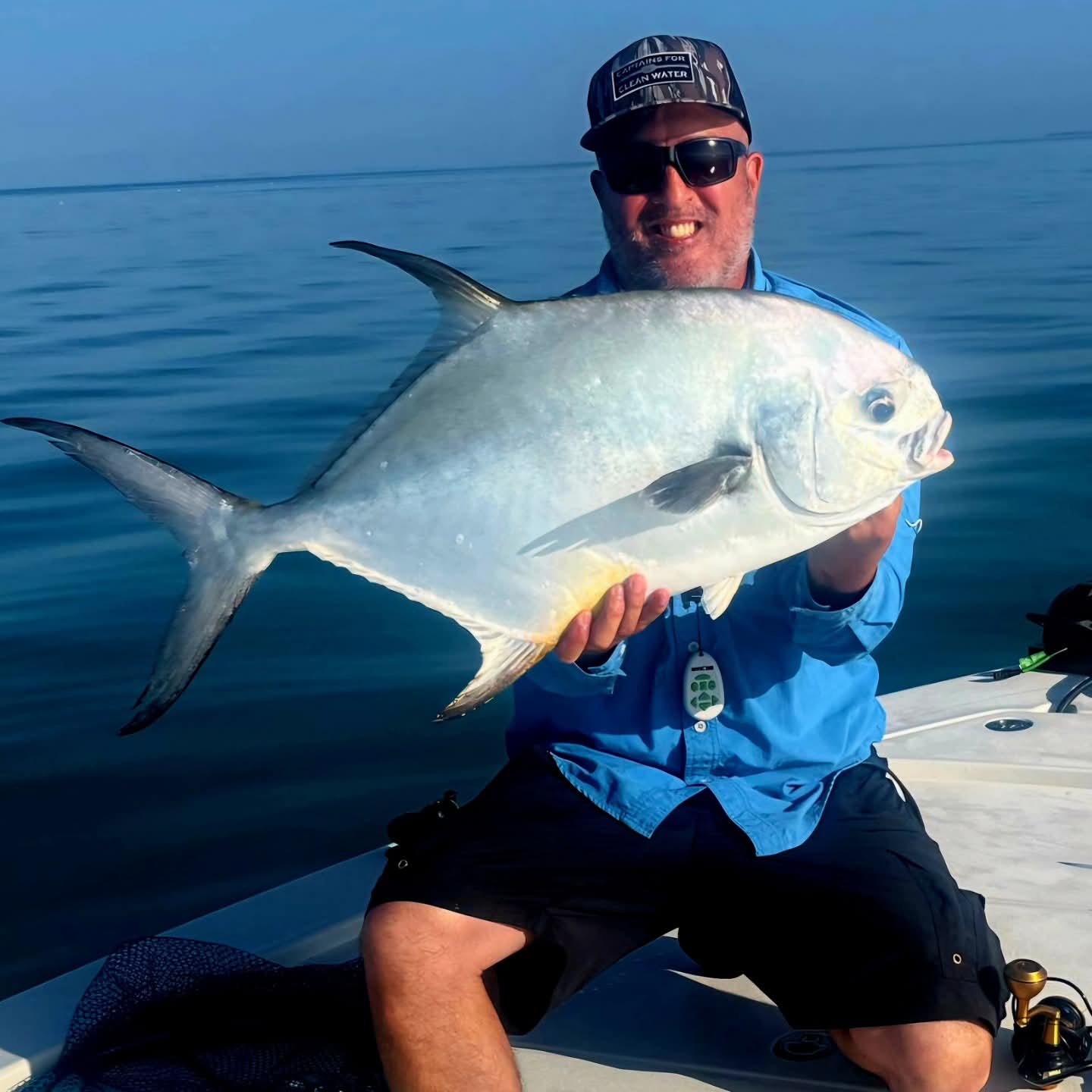
Permit are the holy grail of South Florida flats fishing, and for good reason. These disc-shaped fighters are notoriously spooky and selective, often requiring perfect presentations with live crabs or small jigs. They cruise the flats in small schools, tailing in shallow water as they root around for crustaceans. Spring through fall offers your best shot, especially on incoming tides when they move up to feed. When you hook one, expect blistering runs and stubborn fights that'll test your drag and patience. Permit are bucket-list fish for most anglers – their reputation for being difficult only makes landing one that much sweeter.
Cobia show up along channel edges, around markers, and cruising the flats from spring through early fall. These brown sharks (they're not actually sharks) are curious fish that often approach the boat, giving you shot opportunities with live bait or large jigs. They're excellent table fare and put up a solid fight, using their broad tails to pull hard once hooked. Look for them following rays on the flats or hanging around structure in 10-20 feet of water. Cobia in the 20-40 pound range are common, with bigger fish possible during peak season.
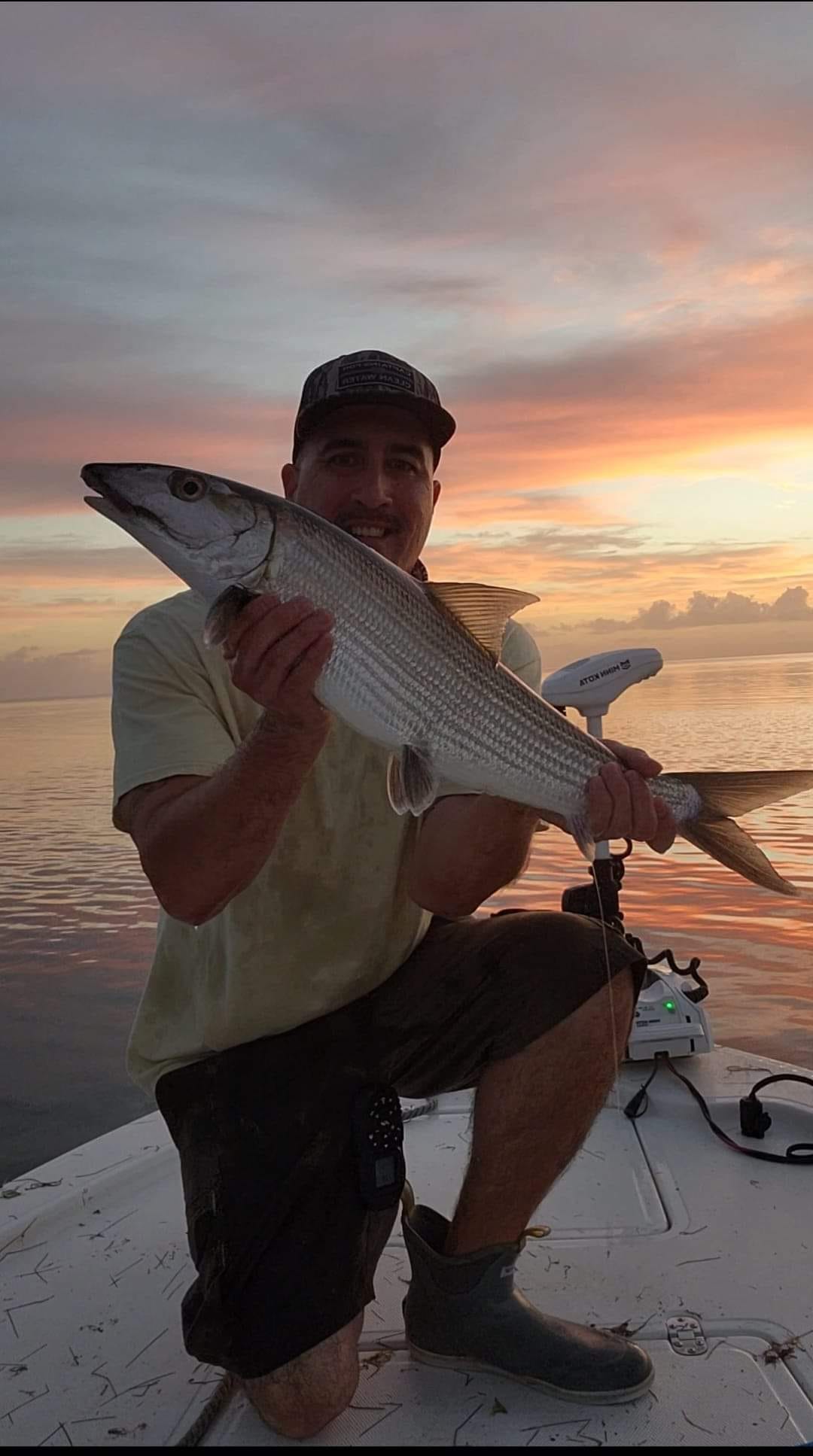
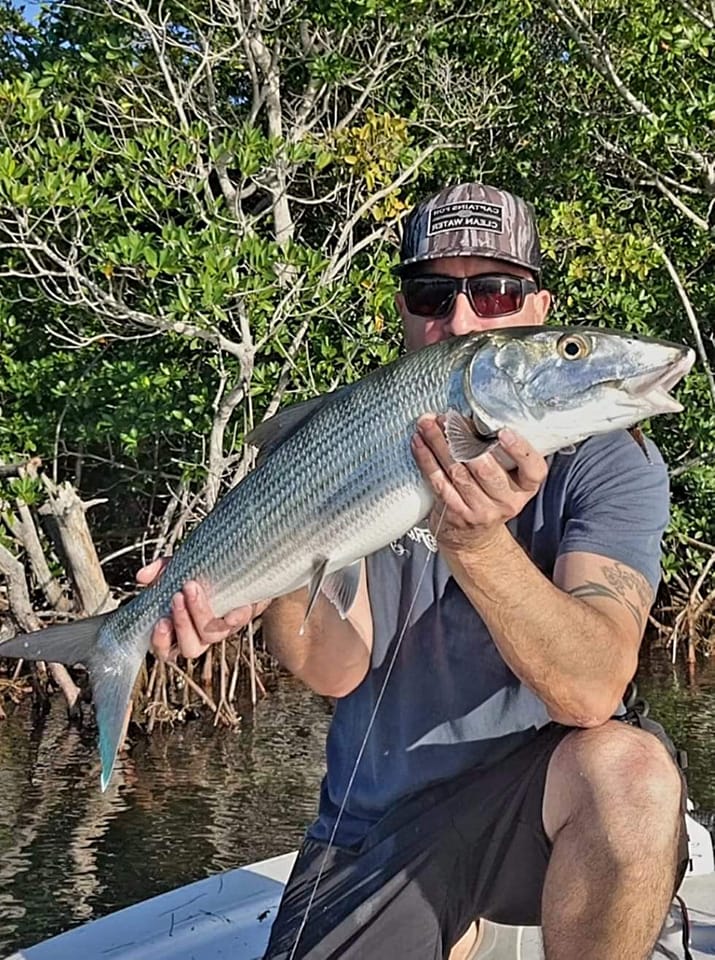
Bonefish are the ghosts of the flats – silver bullets that materialize out of nowhere and disappear just as fast. These fish feed in water so shallow their backs are often exposed, creating nervous water as they tail and cruise. They're incredibly spooky, so quiet approaches and accurate casts are essential. Small shrimp, crabs, or bone-colored jigs work best. The fight is what makes bones special – they strip line like nothing else their size, making multiple smoking runs across the flats. South Florida has year-round bonefish opportunities, with cooler months often producing the biggest fish.
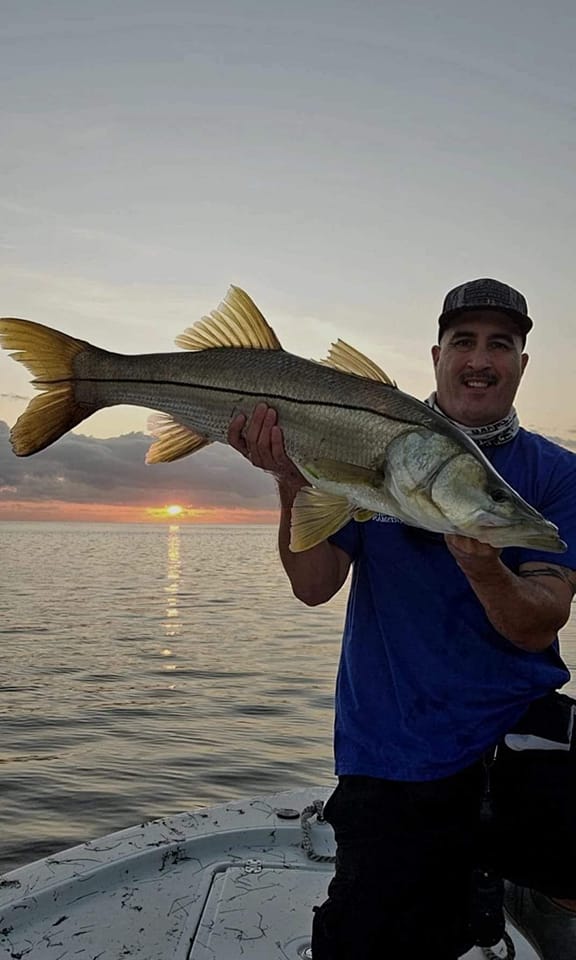
Snook are South Florida's signature inshore species, ambush predators that hang around docks, mangroves, and structure waiting for easy meals. They're highly seasonal, with warmer months bringing them into shallow water to feed aggressively. Live bait like pilchards and pinfish are deadly, but they'll also crush topwater plugs and soft plastics worked along shorelines. Snook have that distinctive black lateral line and put up acrobatic fights, often jumping repeatedly when hooked. They're catch-and-release only during certain seasons, but the fight and photo opportunities make them a favorite target for visiting anglers.
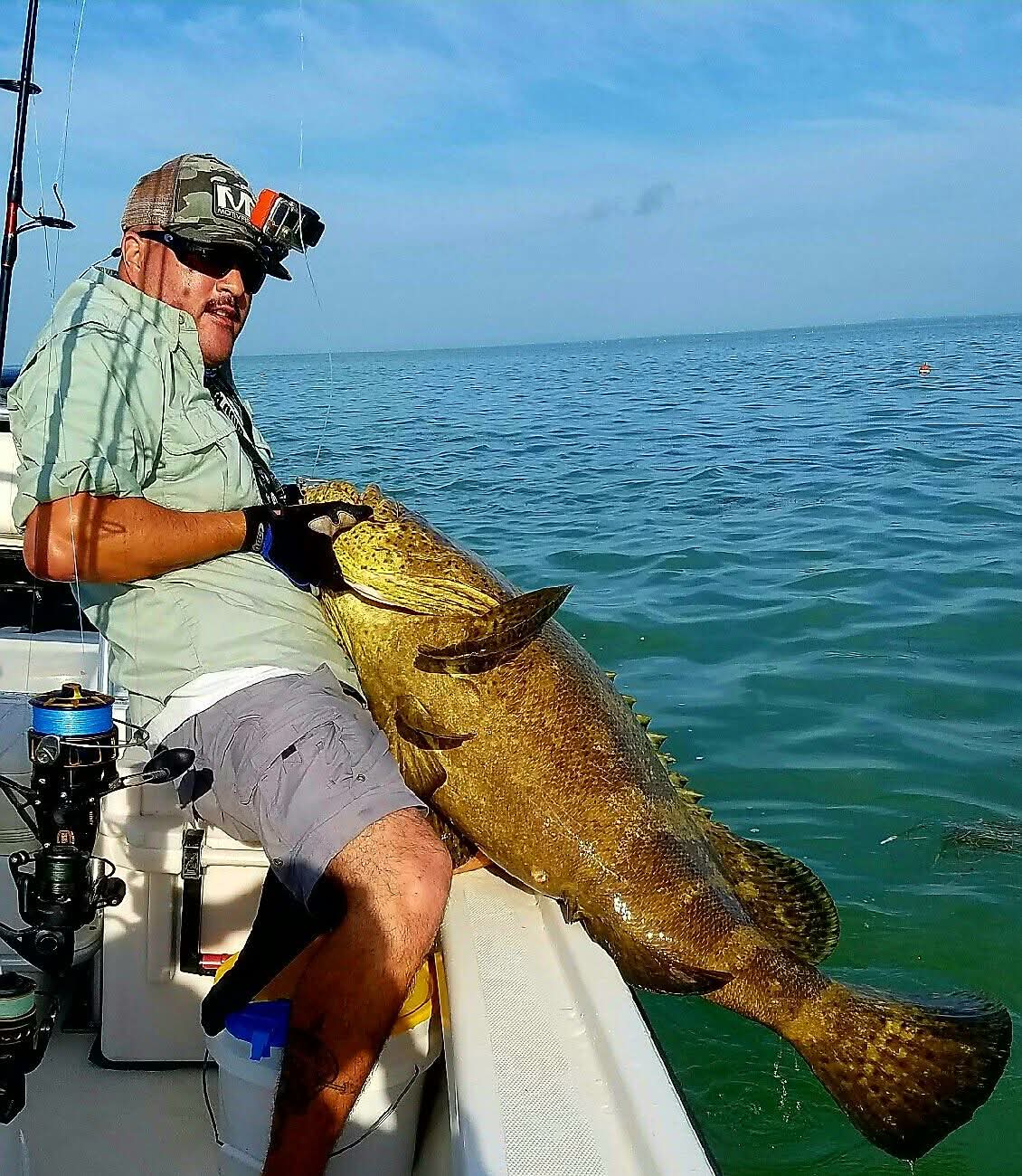
Goliath Grouper are the submarines of inshore fishing – massive fish that can exceed 200 pounds and live around docks, bridges, and artificial reefs in relatively shallow water. They're protected, so it's strictly catch-and-release, but the experience of hooking into one is unforgettable. These fish inhale large baits and immediately head for structure, testing every component of your tackle. Your captain will position the boat strategically and use heavy gear when targeting goliaths. The fight is more about power than speed – imagine trying to stop a refrigerator with an attitude. Photo opportunities are fantastic, and the fish are surprisingly hardy when handled properly for quick releases.
 Private Trip
 Inshore Fishing
 Homestead, FL


 Six-hour private inshore fishing charter accommodates up to four guests