Bowfishing Adventure at Choke Canyon Reservoir
Ready to try something different on the water? This 6-hour bowfishing trip with Twisted Arrow Bowfishing takes you to one of Texas's top-rated spots for targeting gar and carp. Whether you've never held a bow or you're looking to add some serious fish to your count, Choke Canyon Reservoir delivers the action you're after. The shallow flats and grass beds here are loaded with monster alligator gar, spotted gar, longnose gar, and common carp just waiting for the right shot. You'll bring your fishing license, snacks, and drinks – we handle everything else, from bows to arrows to getting you on the fish.
What to Expect on the Water
Your day starts early when you meet the crew at the boat launch. Choke Canyon's 26,000 acres give us plenty of room to work, but we know exactly where to find the fish. The reservoir sits in South Texas brush country, so you'll see mesquite-lined banks and clear water that makes spotting fish a whole lot easier. This isn't your typical rod-and-reel fishing – bowfishing gets you up close and personal with some serious prehistoric-looking fish. The boat moves slowly through prime areas while you scan the water for movement. When you spot a gar cruising near the surface or a carp feeding in the shallows, that's your shot. The adrenaline hits different when you're drawing back a bow instead of setting a hook. With only 3 anglers per trip, you get plenty of opportunities and personal attention from your guide who knows these waters like the back of their hand.
Gear Setup & Technique
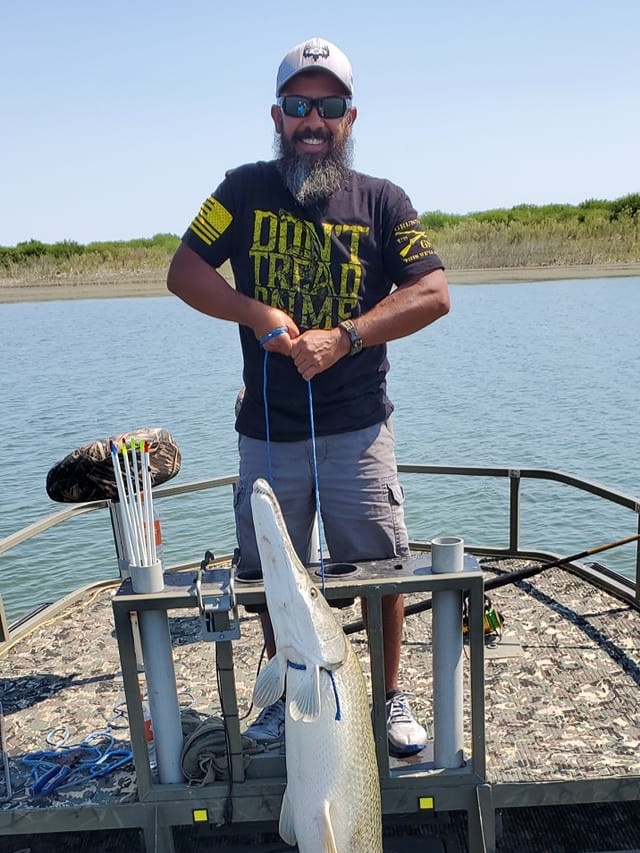
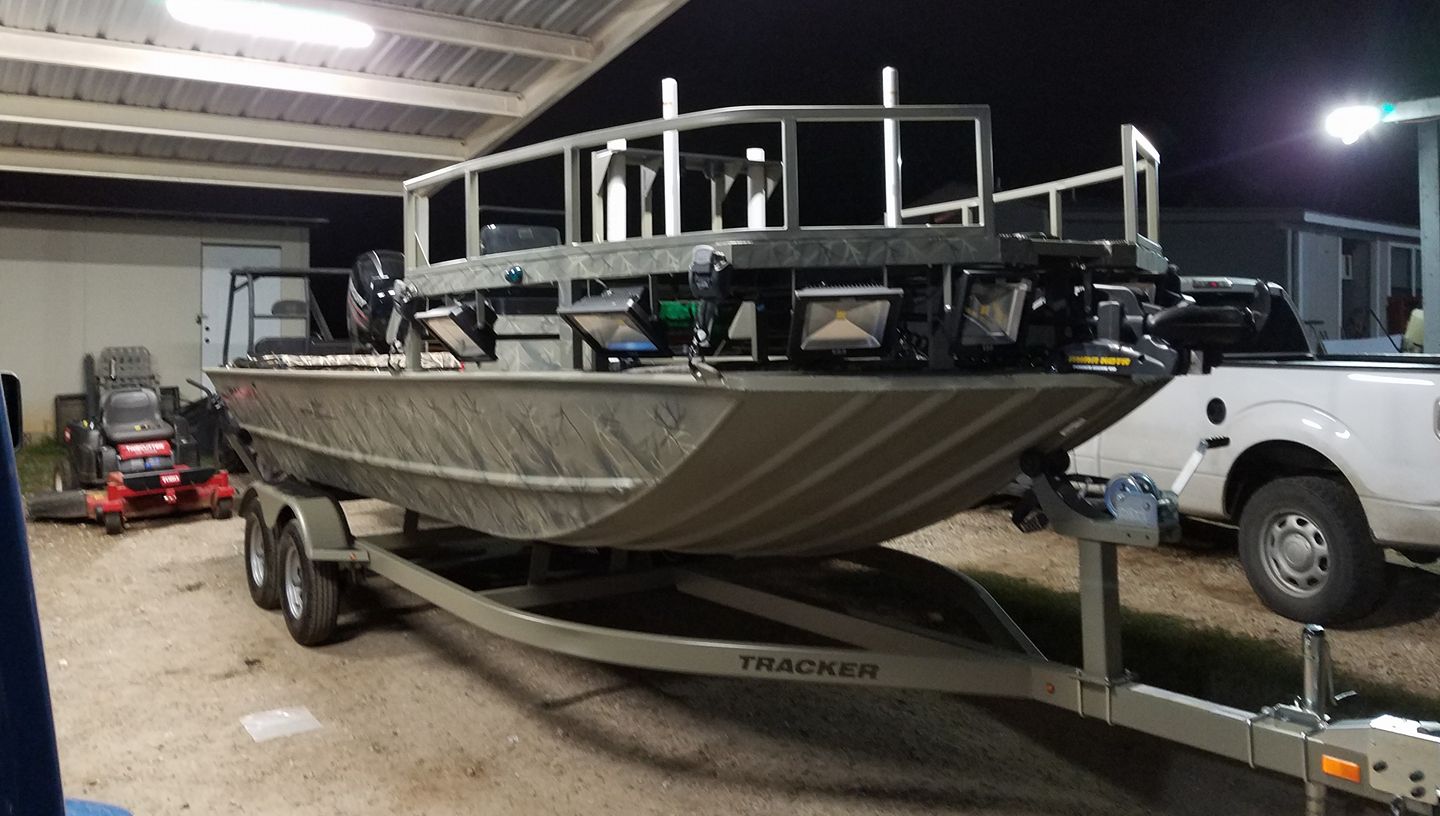
Twisted Arrow provides all the bowfishing equipment, including compound bows set up specifically for fishing, arrows with barbed points, and retrieval reels. The bows are adjusted for different draw weights, so beginners can start comfortable while experienced archers can use heavier setups. Your guide explains the basics before you start – aiming below the fish to account for refraction, drawing smoothly, and following through on your shot. The arrows are tied to the bow with heavy line, so when you connect, you can reel in your catch. Choke Canyon's structure varies from shallow grass flats perfect for stalking carp to deeper drop-offs where big gars patrol. The boat setup lets you move quietly through different areas, and polarized sunglasses help cut through surface glare so you can spot fish easier. Shot placement matters more than power – a well-aimed arrow from a lighter bow beats a rushed shot from heavy equipment every time.
Species You'll Want to Hook
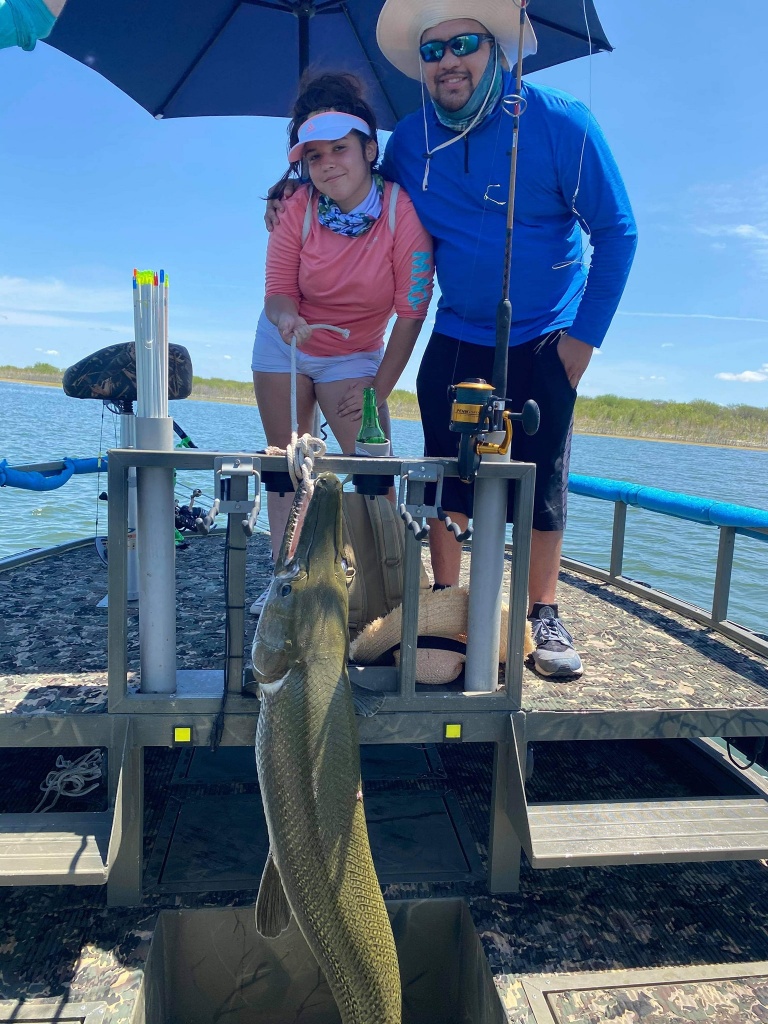
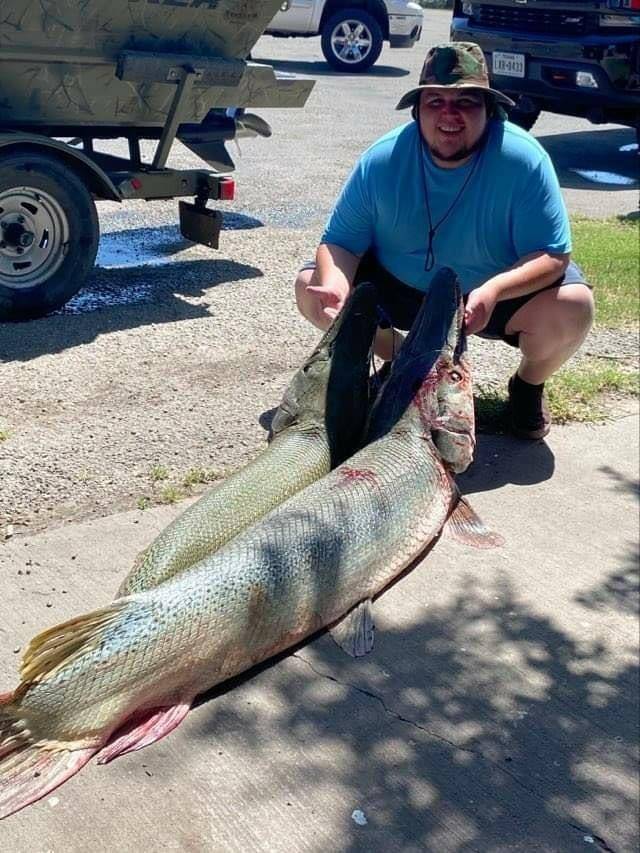
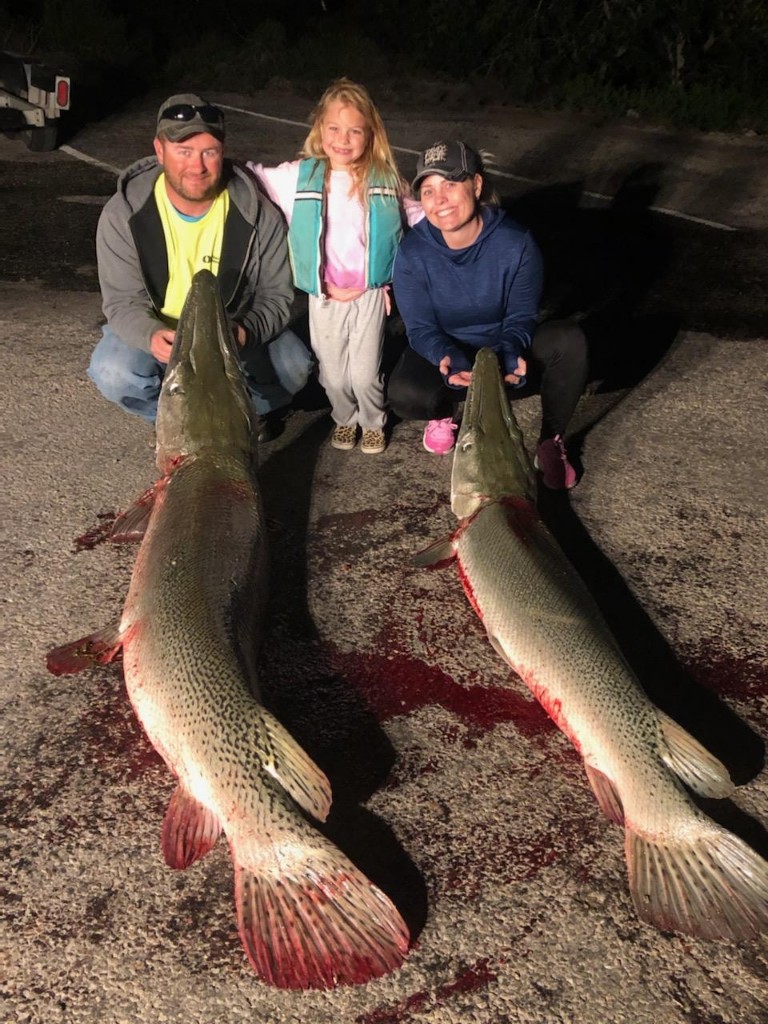
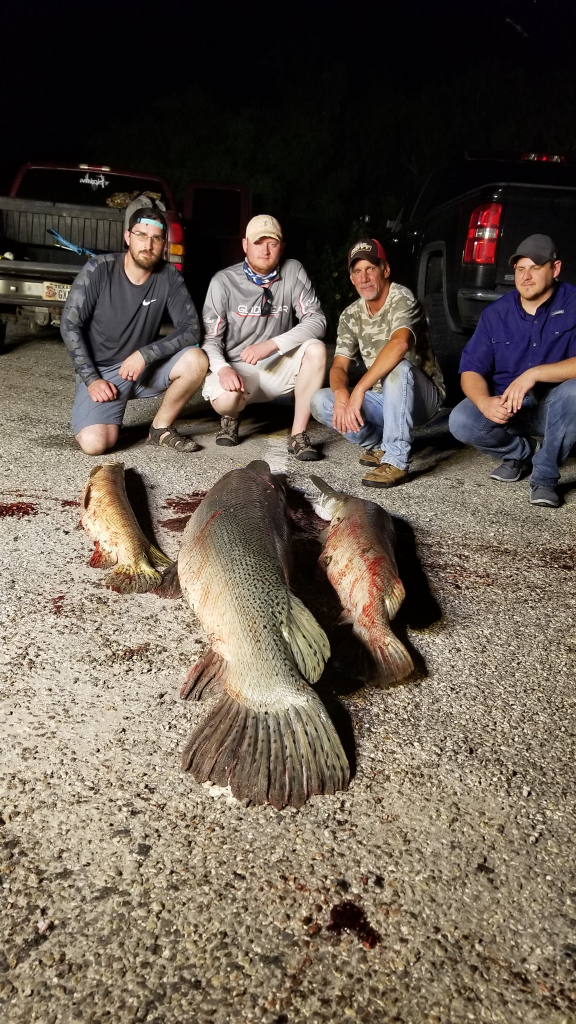
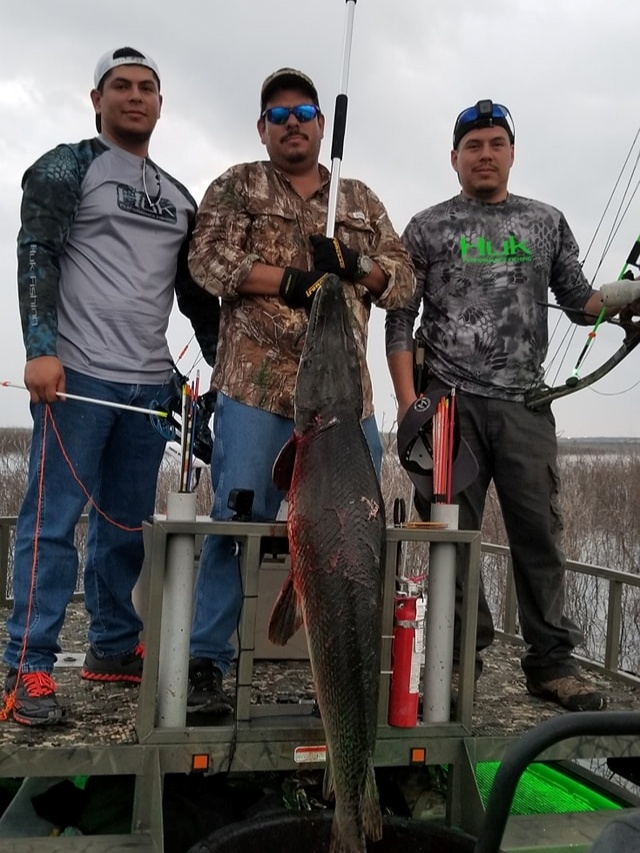
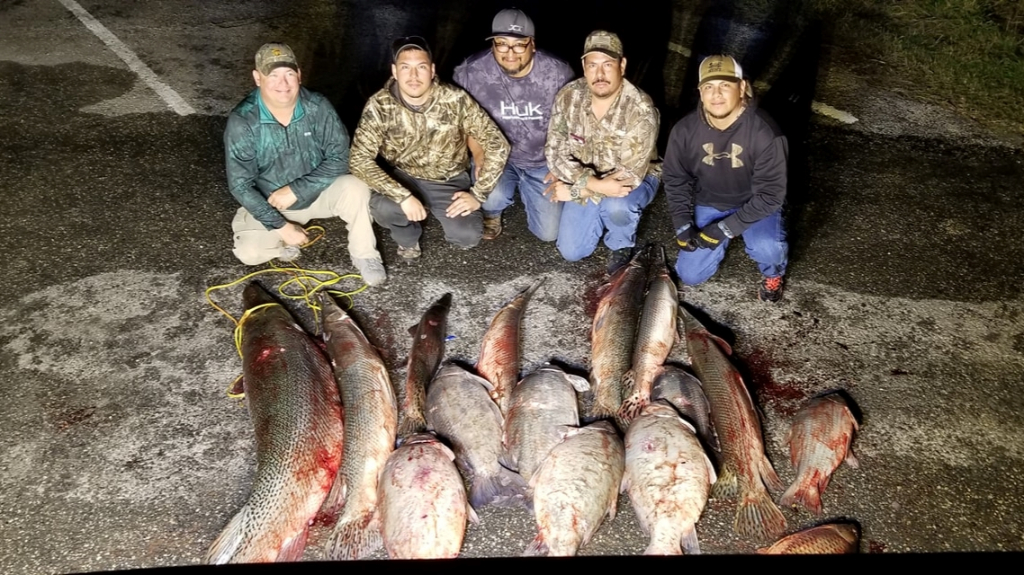
Alligator Gar are the crown jewel of Choke Canyon bowfishing. These ancient fish can reach 6 feet and over 100 pounds in Texas waters, though most you'll see run 3-5 feet. They cruise slowly near the surface, especially during warmer months from May through September. Their prehistoric appearance and massive size make them a customer favorite – landing one of these giants gives you bragging rights for years. They prefer deeper areas near structure but move into shallows to feed, making them perfect bowfishing targets.
Spotted Gar are smaller but scrappy fighters that school up in good numbers throughout the reservoir. Running 2-3 feet on average, they're more active than their bigger cousins and provide consistent action when alligator gar are being picky. Spring and fall see the best spotted gar activity as they feed heavily before and after spawning. Their torpedo shape and quick movements make them challenging targets that help sharpen your shooting skills.
Longnose Gar live up to their name with extended snouts full of needle-sharp teeth. They're surface feeders that often give away their location by rolling or creating wakes as they chase baitfish. These gar typically measure 18-30 inches and provide great practice for beginners since they move predictably and aren't as spooky as other species. Summer months bring the best longnose action when they're most active in shallow water.
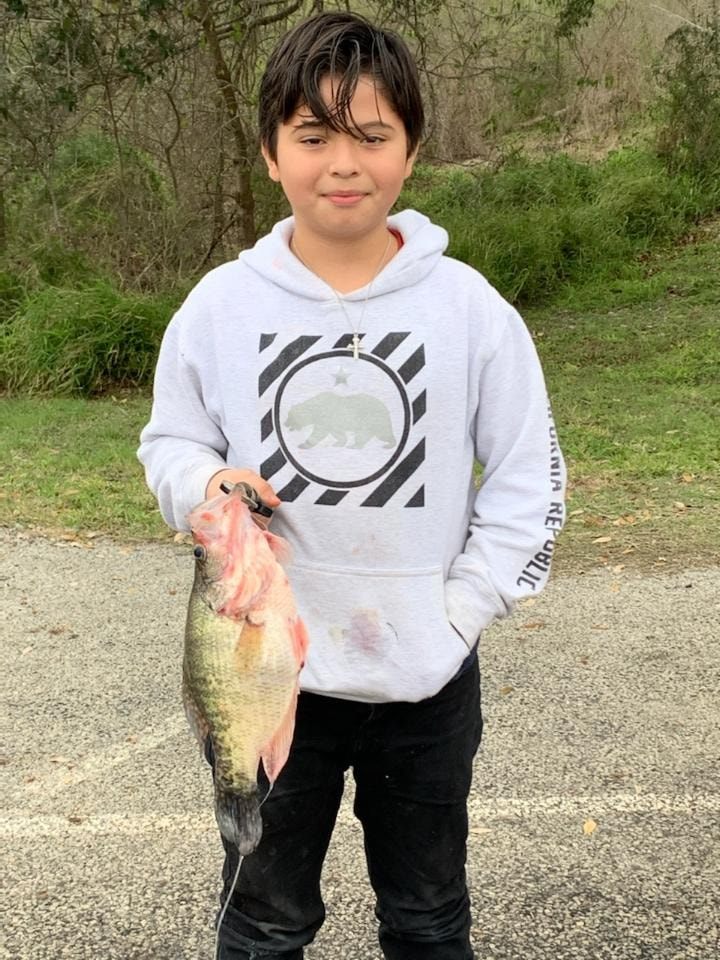
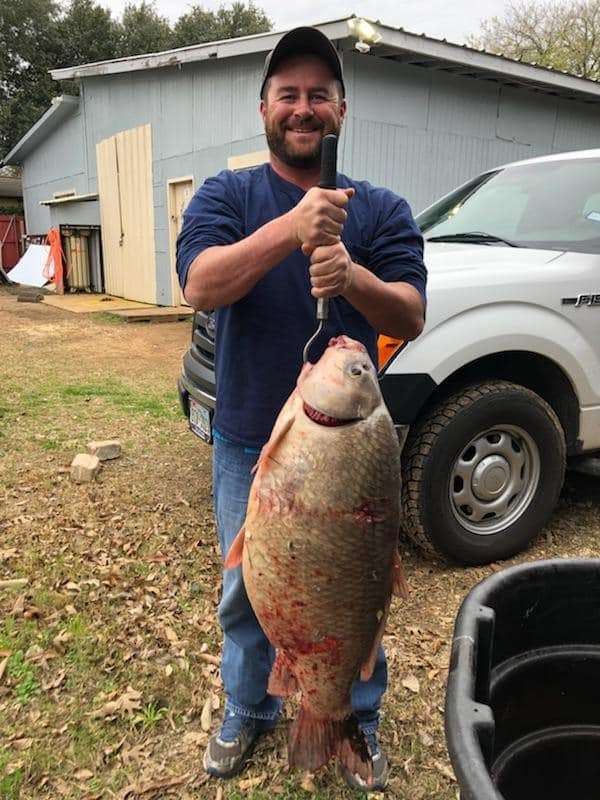
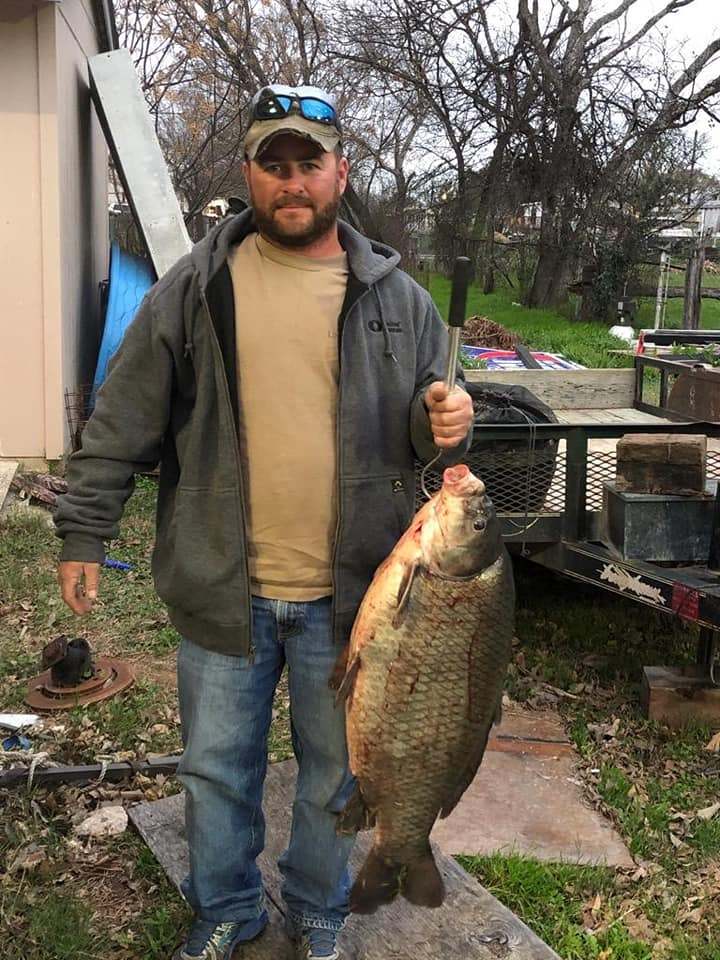
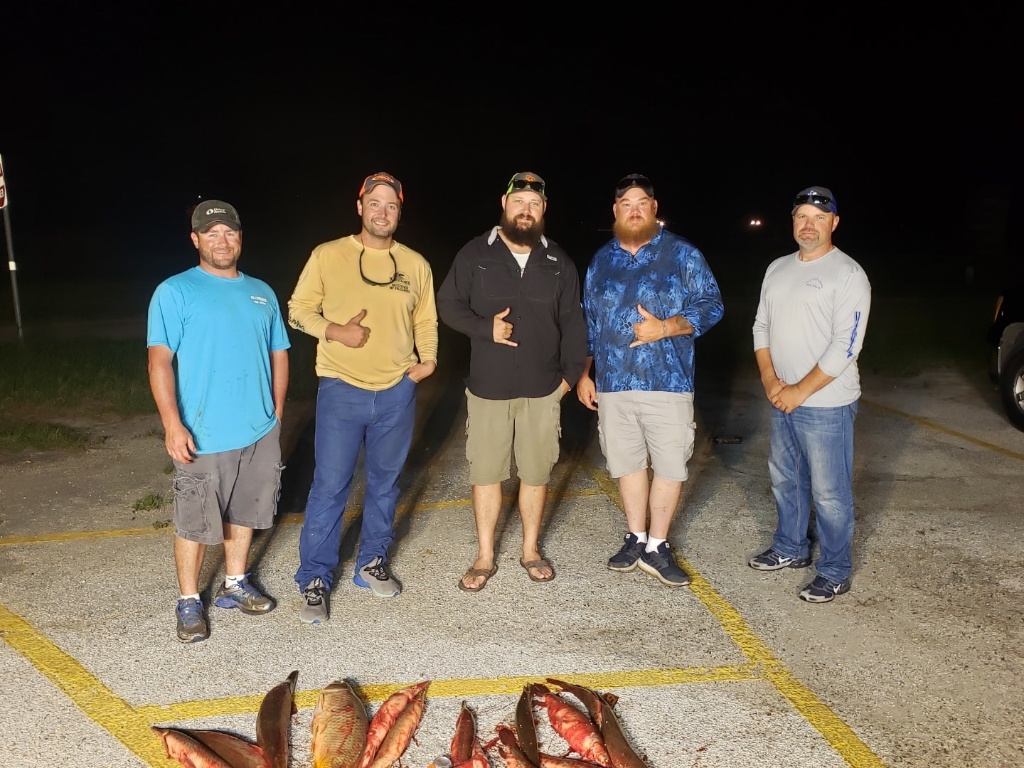
Common Carp round out your target list as abundant bottom feeders that congregate in shallow bays and around vegetation. These bronze-colored fish can exceed 20 pounds and provide excellent eating when properly prepared. They're most active during spring spawning runs when dozens might be feeding in one area. Carp are less wary than gar species, making them perfect confidence builders for new bowfishers while still providing sport for experienced shooters.
Time to Book Your Spot
Choke Canyon Reservoir offers world-class bowfishing action that keeps anglers coming back season after season. This 6-hour adventure gives you plenty of time to master your technique, target multiple species, and experience the rush of a completely different way to fish. The small group size means personalized instruction and more shots for everyone. Whether you're looking to try something new or you're already hooked on bowfishing, Twisted Arrow knows how to put you on fish. Don't forget that Texas fishing license – it's required for bowfishing just like regular angling. Pack your favorite snacks and drinks for the day, and get ready to see why bowfishing is becoming the fastest-growing segment of the fishing world. Book your trip now and discover what makes Choke Canyon one of Texas's best-kept bowfishing secrets.
 Private Trip
 Lakes/Reservoirs/Ponds Fishing
 Calliham, TX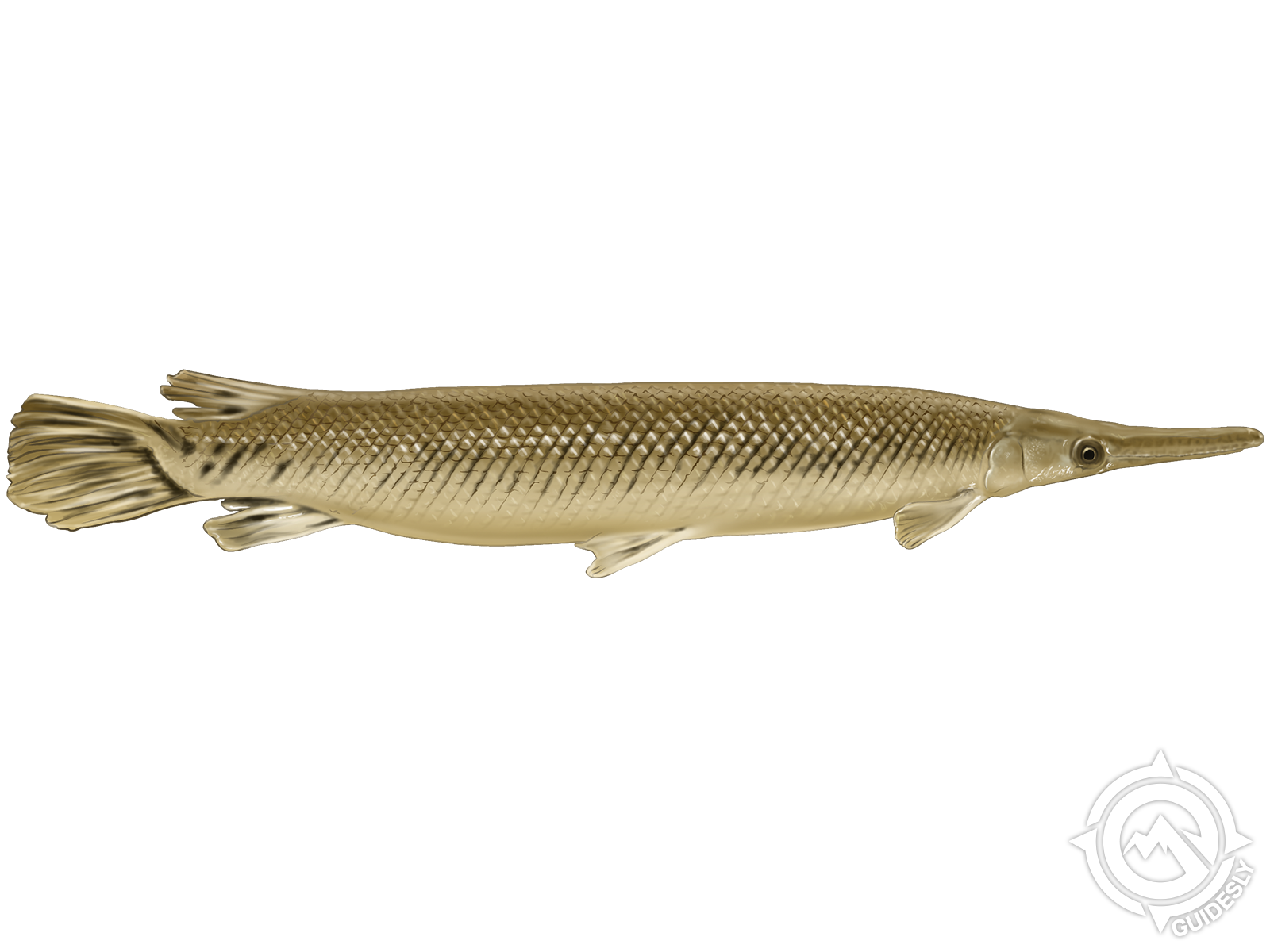

 6-hour bowfishing adventure targeting Alligator Gar at Choke Canyon.