Inshore Fishing at Saint Simons Island
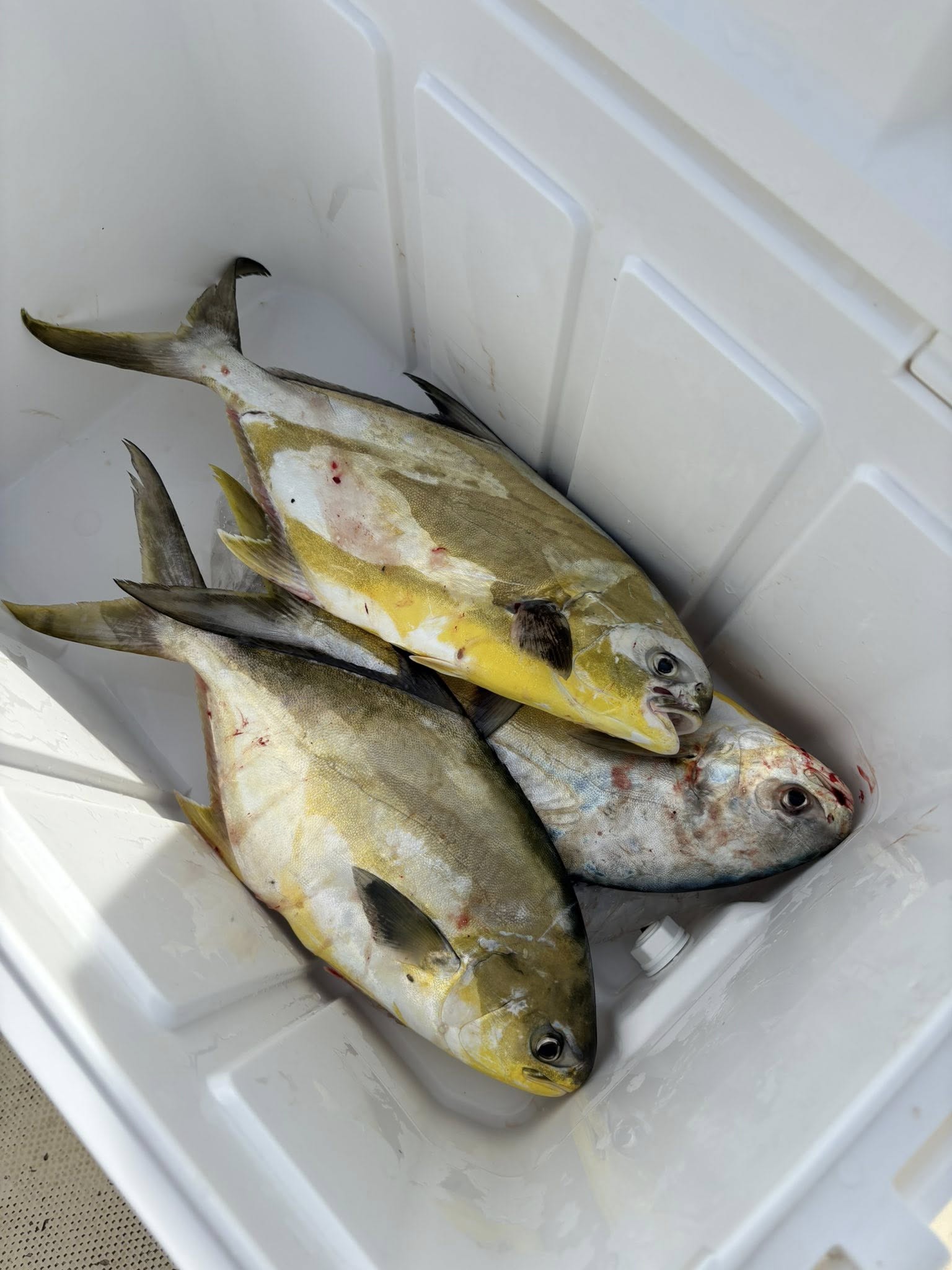
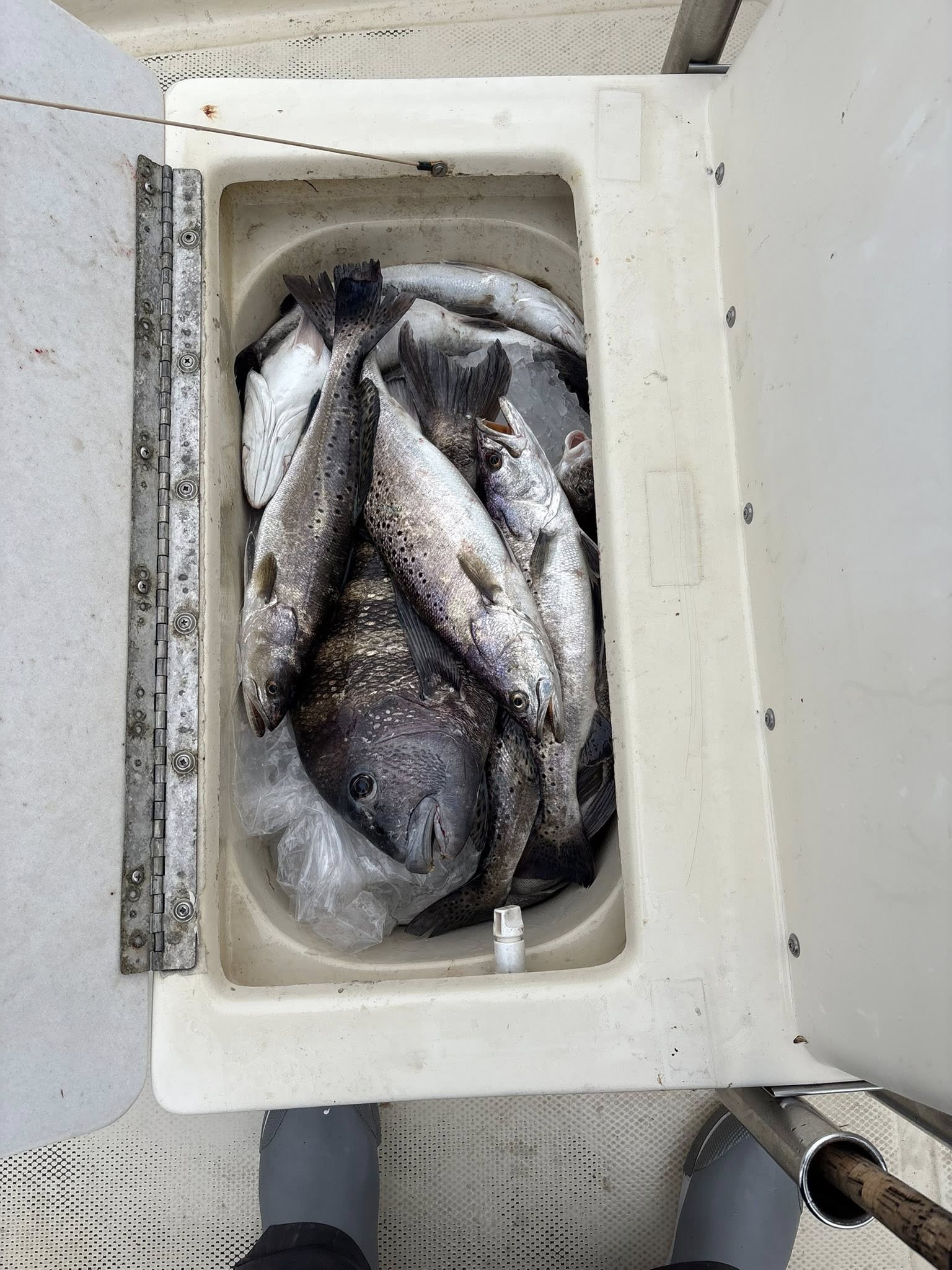
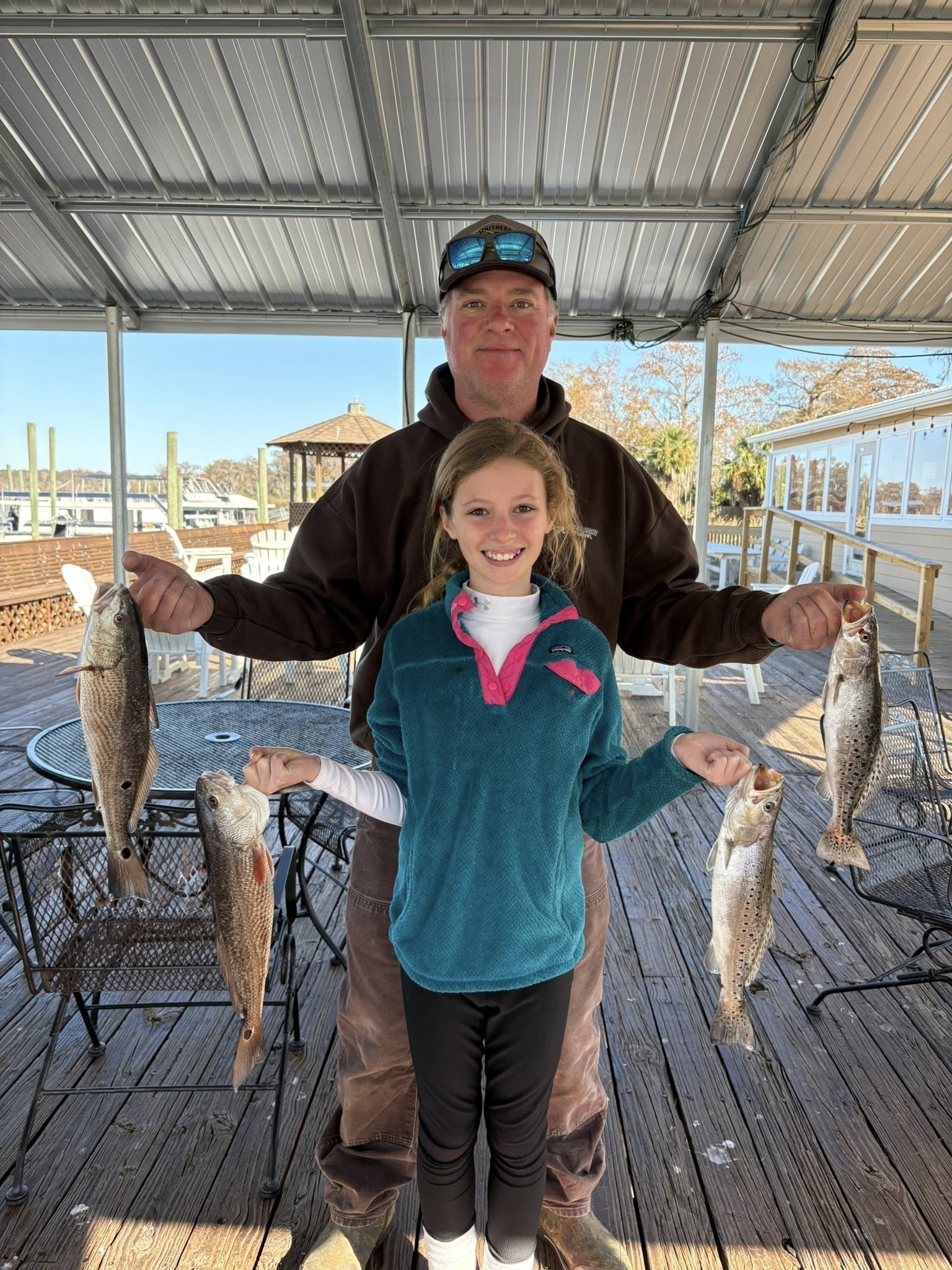
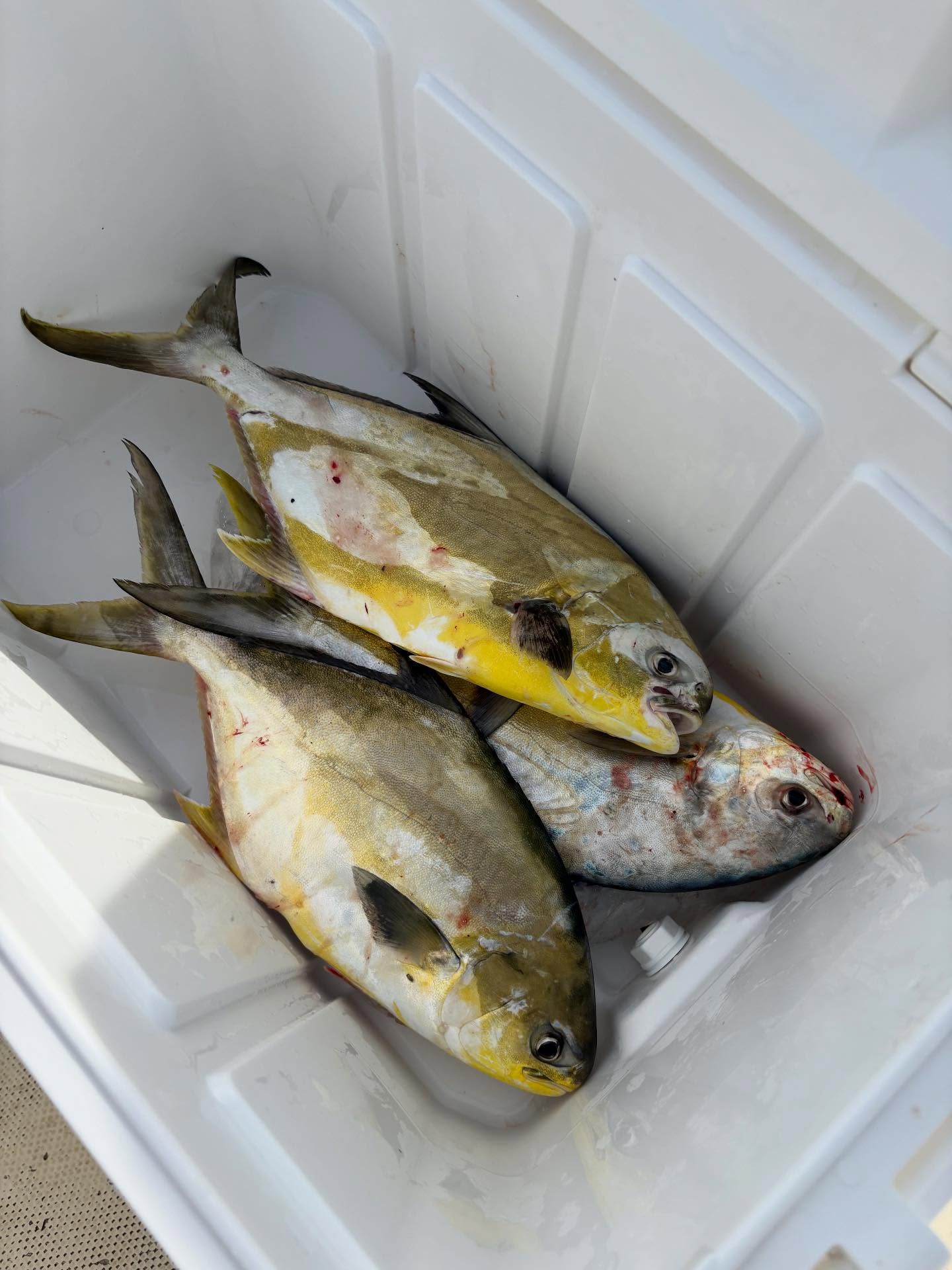
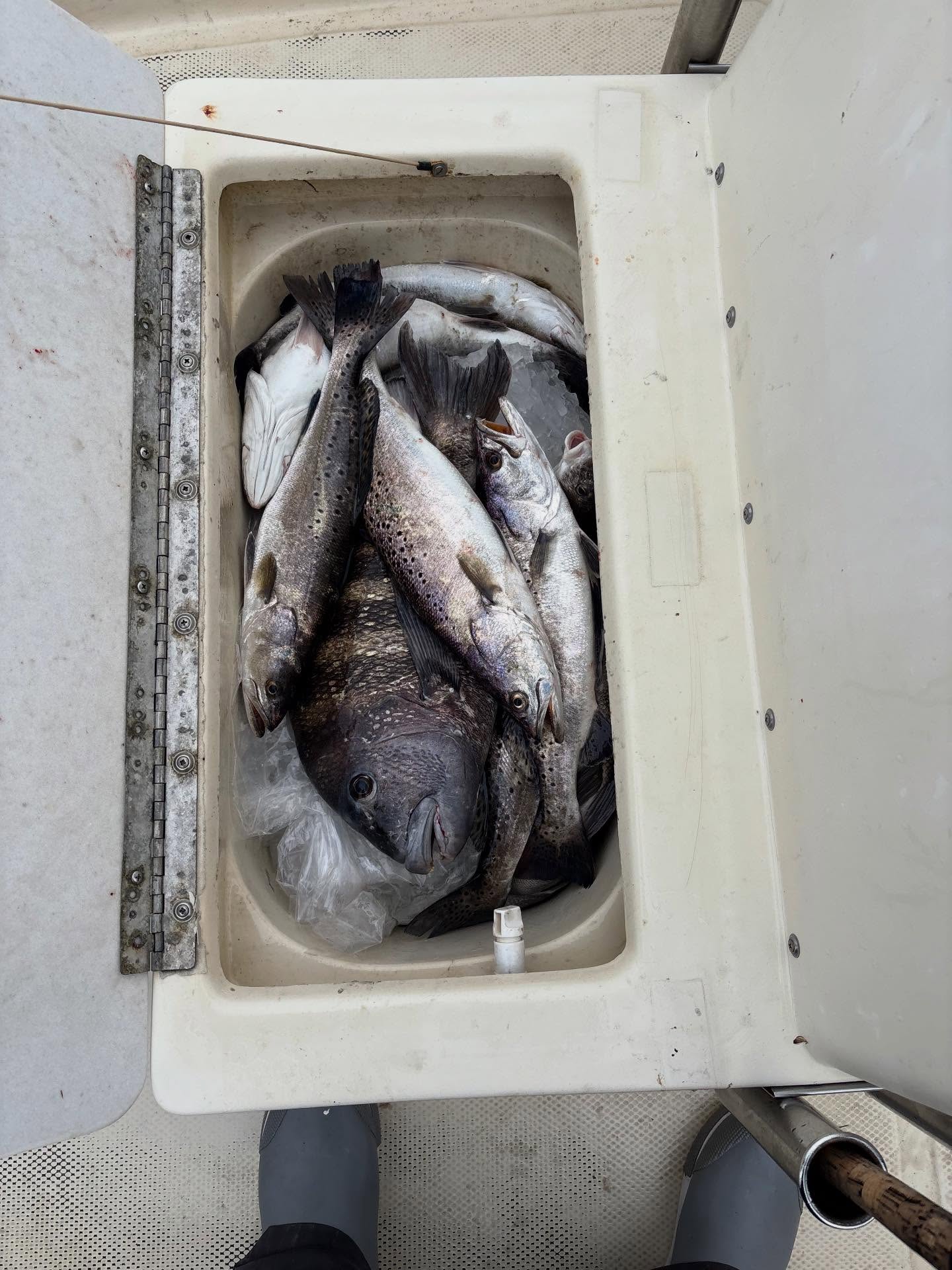
Captain Drew Jones knows these Georgia waters like the back of his hand, and he's ready to put you on some serious fish. This 4-hour inshore charter targets the bread and butter species that make Saint Simons Island a top-rated fishing destination - redfish, speckled trout, and whatever else is biting in these productive marshes and grass flats. Whether you're a weekend warrior or completely new to saltwater fishing, Drew's got the patience and know-how to make your trip a success. All gear is provided, so just bring yourself and get ready to bend some rods.
What to Expect on the Water
Your morning starts at the dock where Captain Drew will get you set up with quality tackle and walk you through the game plan. This isn't a cattle boat operation - with just 2 anglers max, you get personalized attention and plenty of elbow room to fish. Drew runs a clean, well-maintained boat that'll get you to the honey holes quickly and quietly. The beauty of inshore fishing here is the variety - one minute you're working a dock for redfish, the next you're drifting over grass beds waiting for that telltale trout tap. The scenery doesn't hurt either, with pristine marshes and the occasional dolphin keeping you company between fish. Drew's approach is hands-on but never pushy - he'll teach you the local techniques, help you read the water, and make sure your drag is set just right when that fish of the day shows up.
Artificial Bait Tactics
This charter focuses on artificial lures, which means you'll learn techniques that'll serve you well long after your trip ends. Captain Drew knows when to throw topwater plugs over shallow grass, when to work a soft plastic along a drop-off, and how to make a spoon flash just right to trigger strikes. Artificial bait fishing is active and engaging - you're constantly working the lure, reading the bottom, and staying alert for subtle bites. The tackle provided includes a variety of proven producers: paddle tails, jerk baits, gold spoons, and topwater poppers that drive redfish crazy on the right morning. Drew will match the lure to the conditions and teach you retrieval techniques that work in these specific waters. The beauty of artificials is they let you cover water efficiently while targeting aggressive feeders, and when you hook up, you know that fish really wanted what you were throwing.
Customer Stories
"Drew is a great guy and always gets us on the fish. Highly recommended. It's always a blast fishing with Unreel Charters." - Samuel
"Great charter! I highly recommend Capt. Drew! He put us on the fish! Fantastic fishing guide service!" - Clint
Species You'll Want to Hook
Redfish are the crown jewel of Georgia inshore fishing, and Saint Simons Island serves up some beauties. These copper-colored bruisers average 18-27 inches and fight like freight trains, making long runs and bulldog pulls that'll test your tackle. Peak season runs from April through November, with fall being absolutely phenomenal when schools of reds cruise the flats in skinny water. What makes them special is their willingness to eat artificials aggressively - a well-placed gold spoon or paddle tail can trigger explosive strikes. The sight of a red's back cutting through two feet of water never gets old, and the way they sound off that drag makes every angler's heart race.
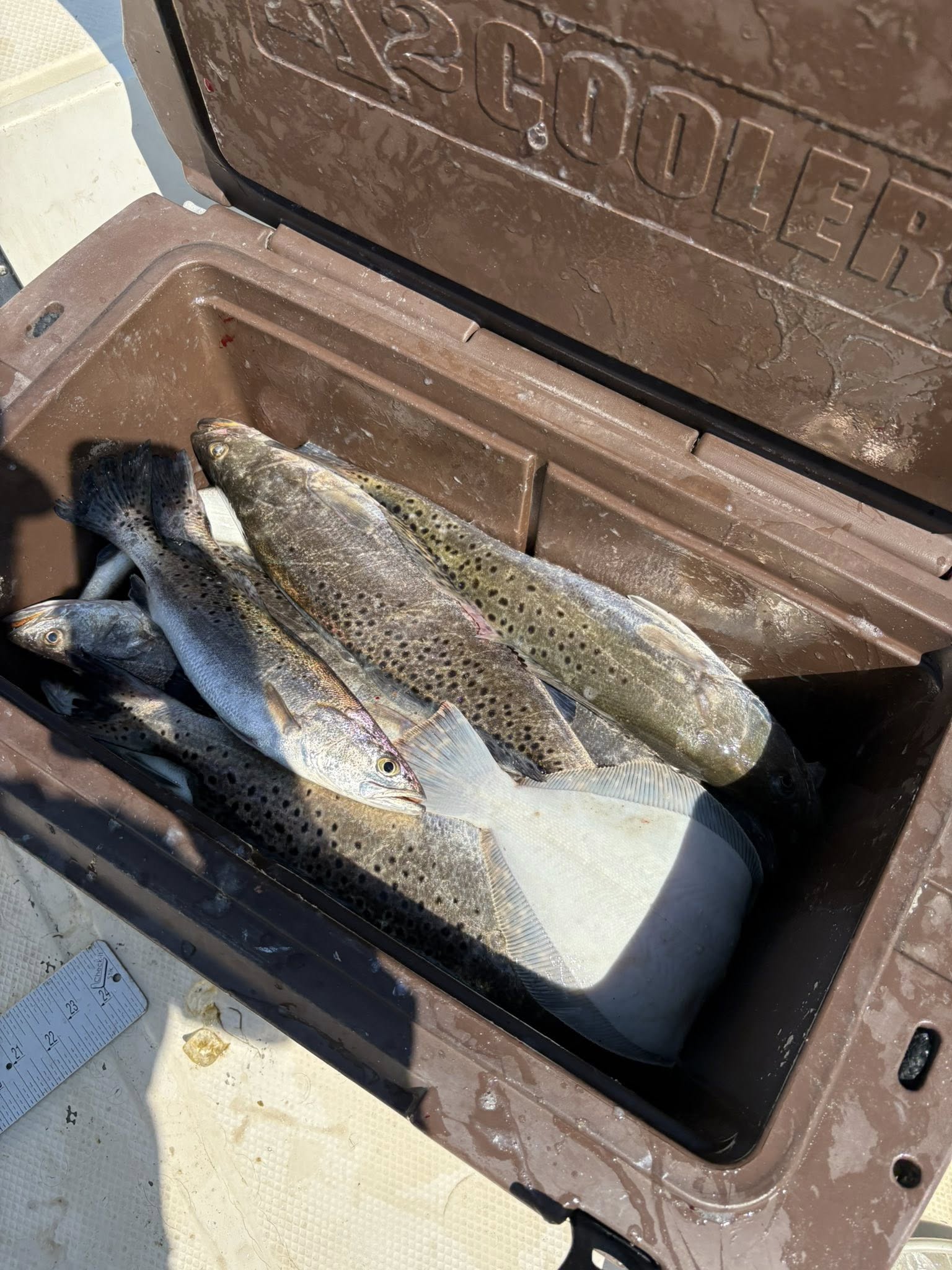
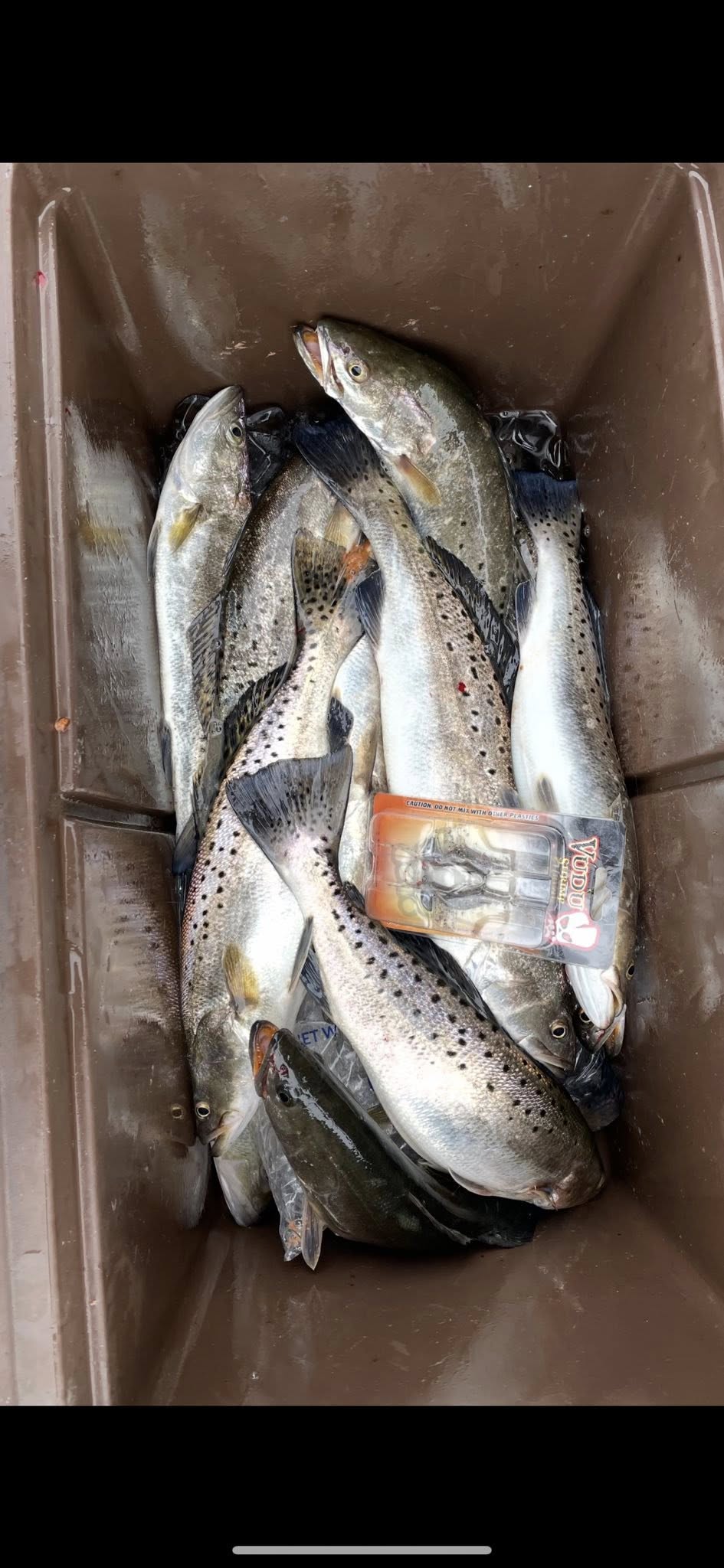
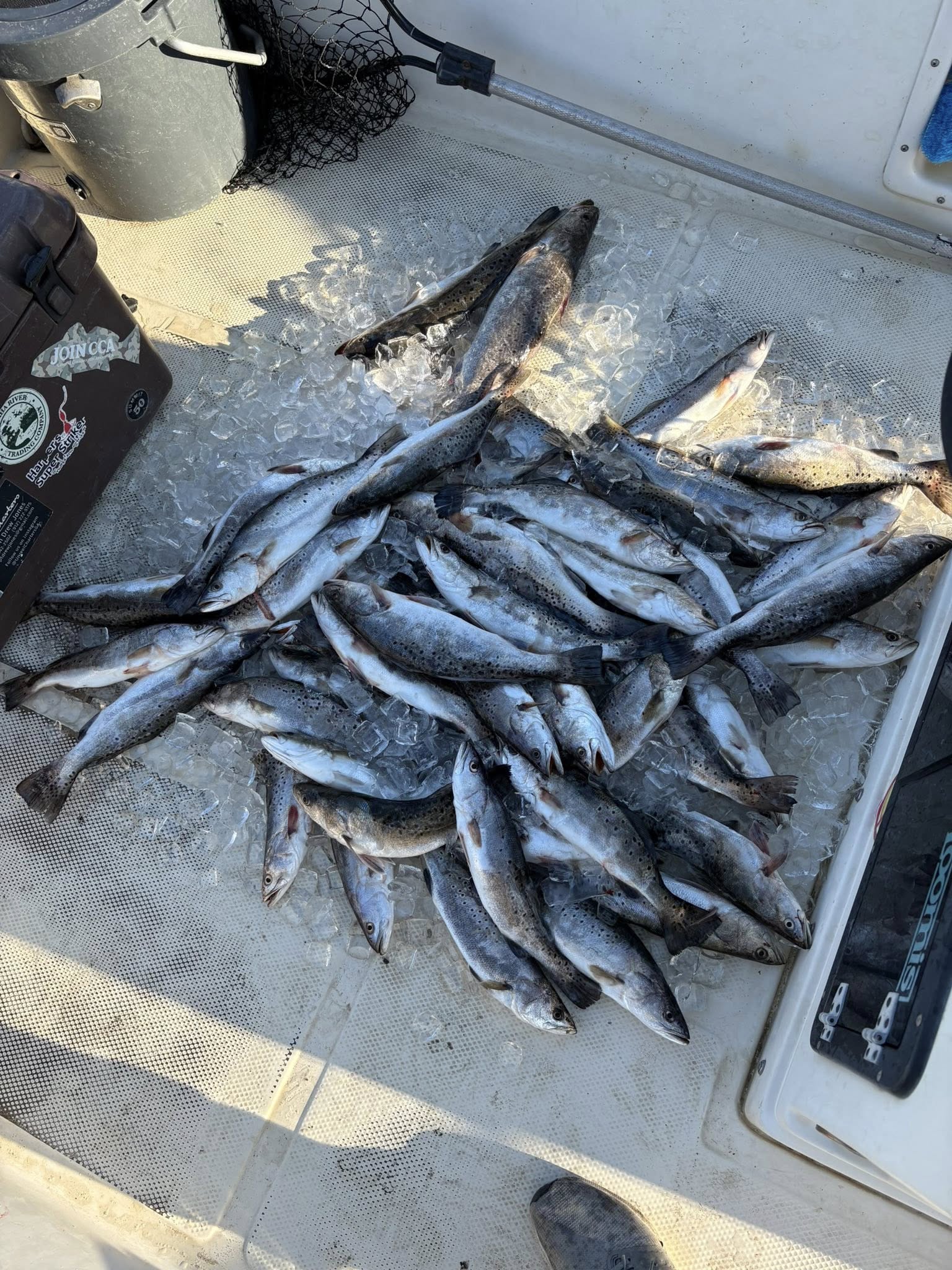
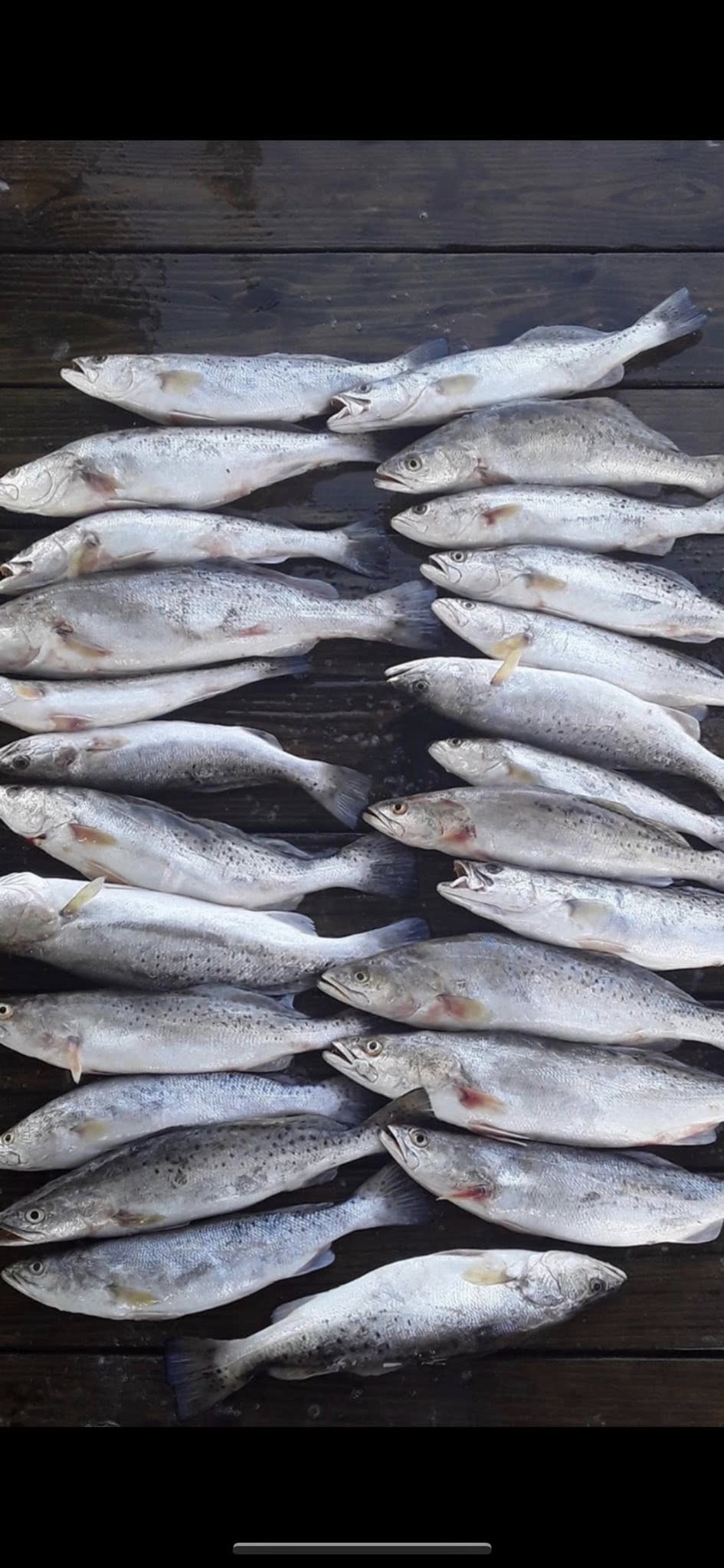
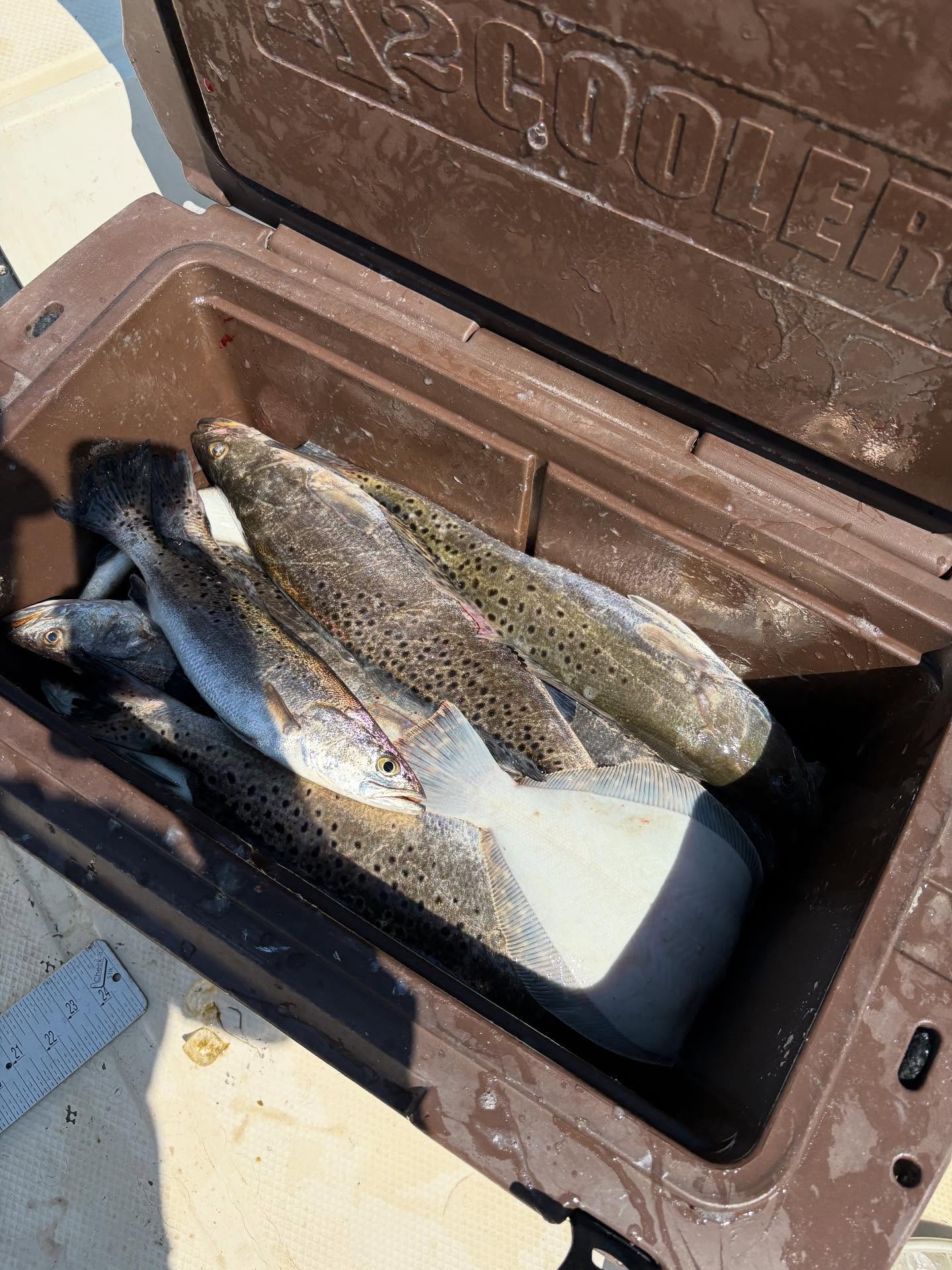
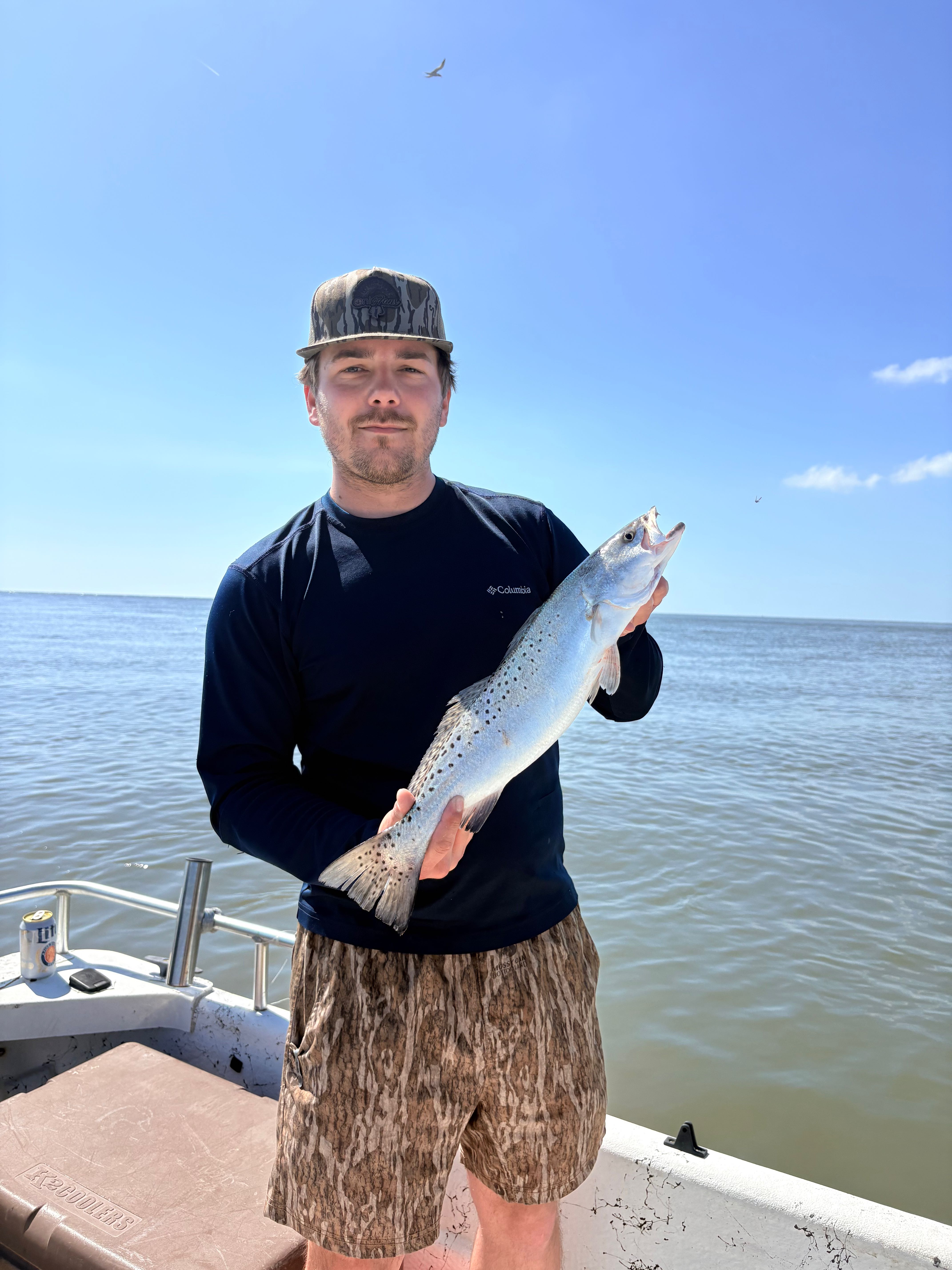
Speckled Trout are the perfect complement to redfish, offering finesse fishing over grass beds and drop-offs. These beautiful fish typically run 14-20 inches with some real doormat trout pushing 4-5 pounds lurking in deeper holes. Spring and fall provide the most consistent action, though summer can be productive in the right spots. Specks have a delicate bite - you'll feel that subtle tap-tap before they commit, and setting the hook requires a quick wrist snap rather than a power stroke. Their mouths are soft, so playing them requires patience, but watching a nice trout jump and shake its head makes the careful fight worthwhile. They're also excellent table fare if you're looking to take a few home for dinner.
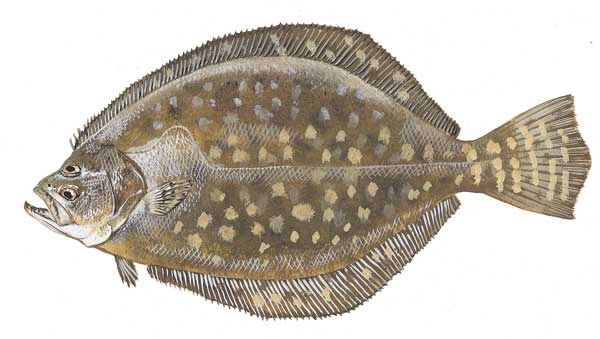
Southern Flounder bring a completely different element to the mix, lying in wait along sandy bottoms and channel edges. These flatfish can surprise you with their size - a good Saint Simons flounder might stretch 18-22 inches and provide a steady, powerful fight once hooked. Fall migration offers the best shot at bigger fish as they move toward deeper water. Flounder fishing requires patience and a good feel for your lure bouncing along bottom structure. When one grabs your bait, there's no mistaking it - they engulf the lure and head for cover immediately. Captain Drew knows the specific drops and structure where flounder consistently hold.
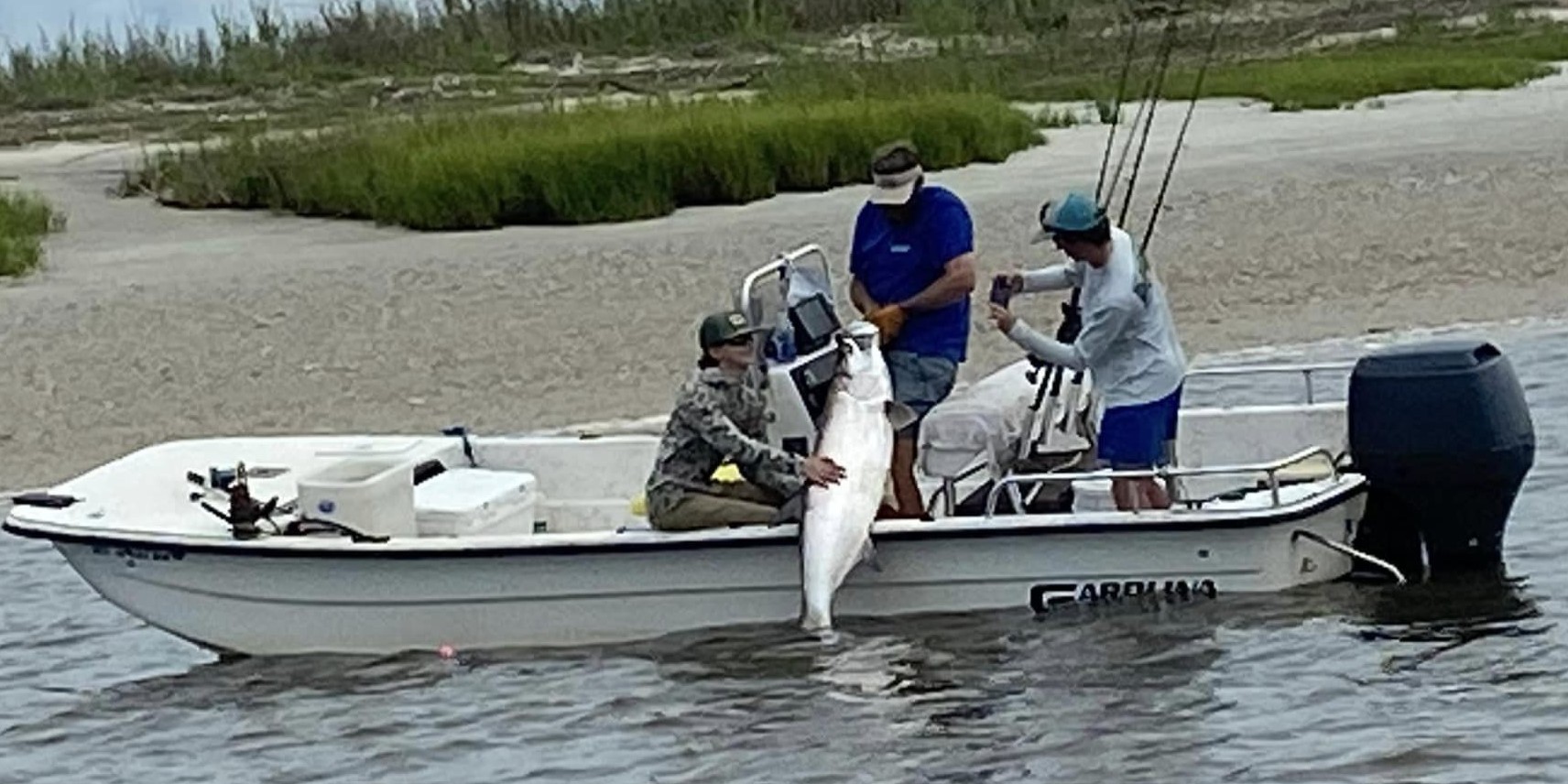
Tarpon represent the wild card species that can turn a good day into an legendary one. Baby tarpon in the 10-30 pound range frequent these waters, especially during warmer months, and hooking one on light tackle is pure magic. These silver rockets explode from the water in a series of jumps that'll have you whooping and hollering. While they're not always around, when conditions align and the tarpon are rolling, Captain Drew knows exactly where to find them. The fight is spectacular but brief - most anglers are happy just to see one jump and get some photos before a safe release.
Tripletail offer perhaps the most unique fishing experience you'll find inshore. These odd-looking fish float on their sides near structure, looking like floating debris until they come alive to eat your lure. They're not common, but when you spot one, the sight-fishing opportunity is world-class. Tripletail are phenomenal table fare and provide a surprisingly strong fight for their size, often running 3-8 pounds in these waters. Finding them requires sharp eyes and local knowledge - exactly what Captain Drew brings to the table. They're most active during
 5.0(2 Reviews)
 Private Trip
 Inshore Fishing
 St Simons Island



 Half-day inshore charter targeting redfish and speckled trout