Wisconsin Muskie & Pike Fall Float Trips
When October frost starts kissing the Wisconsin waters and the leaves turn gold, that's when Nick fires up his drift boat for some of the best muskie and pike action you'll find anywhere. This isn't your typical summer bass trip – we're talking serious trophy hunting on the St. Croix, Chippewa, and Flambeau River systems during prime fall feeding time. Four hours on the water with just you and one buddy, chasing the fish of 10,000 casts when they're actually hungry and aggressive. Whether you're slinging flies or working conventional tackle, this seasonal window is when Wisconsin's apex predators are feeding heavy before winter lockdown.
What to Expect on the Water
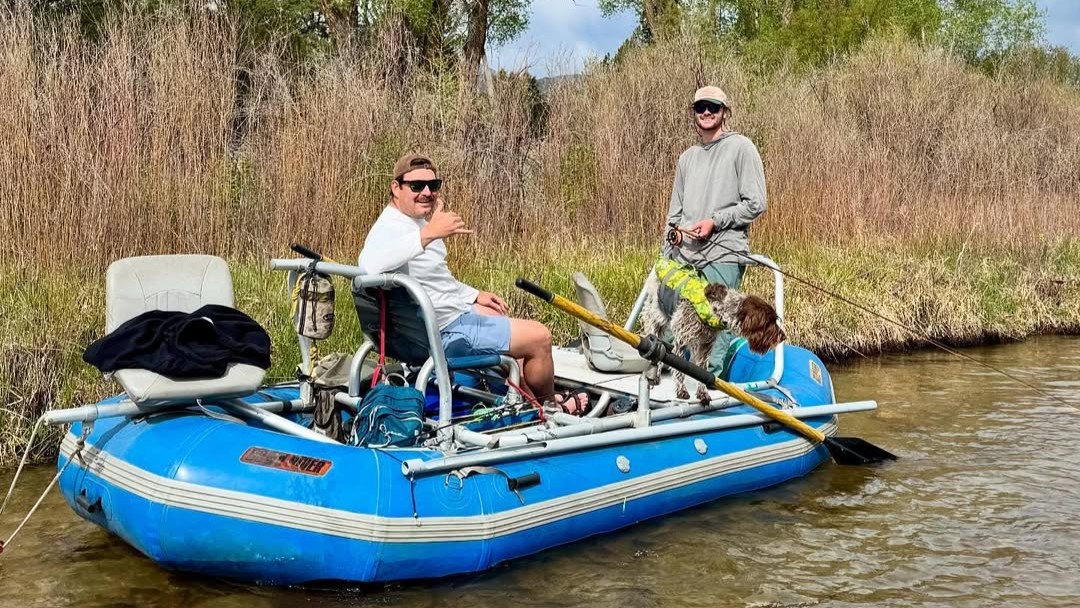
Nick runs these specialized floats from his drift boat, giving you access to prime structure and cover that bank anglers can only dream about. You've got two time slots to pick from – 8 a.m. start if you're an early bird who wants to catch the morning bite, or 1 p.m. if you prefer sleeping in and working the afternoon action. The boat holds up to two anglers, so you're not fighting crowds or waiting your turn at the best spots. This is a fly-first operation, but Nick's got light conventional gear ready if you're more comfortable with spinning tackle. All the rods, reels, and specialized terminal tackle come with the trip – he's dialed in the right presentations for these waters. You just need to show up with your Wisconsin fishing license, polarized sunglasses, and layers for October and November weather. Trust me, you'll want those hand warmers when the bite heats up but the air temperature drops.
Drift Boat Tactics & Gear
The drift boat setup gives Nick total control over presentation speed and positioning – crucial when you're targeting fish that can be moody about how they want their meal served. He'll anchor up on productive structure, work the boat along weed edges, and position you for perfect casts to undercut banks where big fish hide. The fly gear is built for throwing big streamers and articulated patterns that mimic the fall baitfish migrations these predators key on. If you're running conventional tackle, expect to work large spoons, bucktails, and soft plastics that match the aggressive feeding mood of fall pike and muskie. Nick knows exactly which presentations work best on each river system – the Chippewa fishes different than the St. Croix, and he adjusts tactics accordingly. Water temps, current breaks, and seasonal transitions all factor into where he positions the boat and what techniques produce. This isn't chuck-and-duck fishing – it's strategic hunting for fish that can easily top 40 inches.
Target Species Breakdown
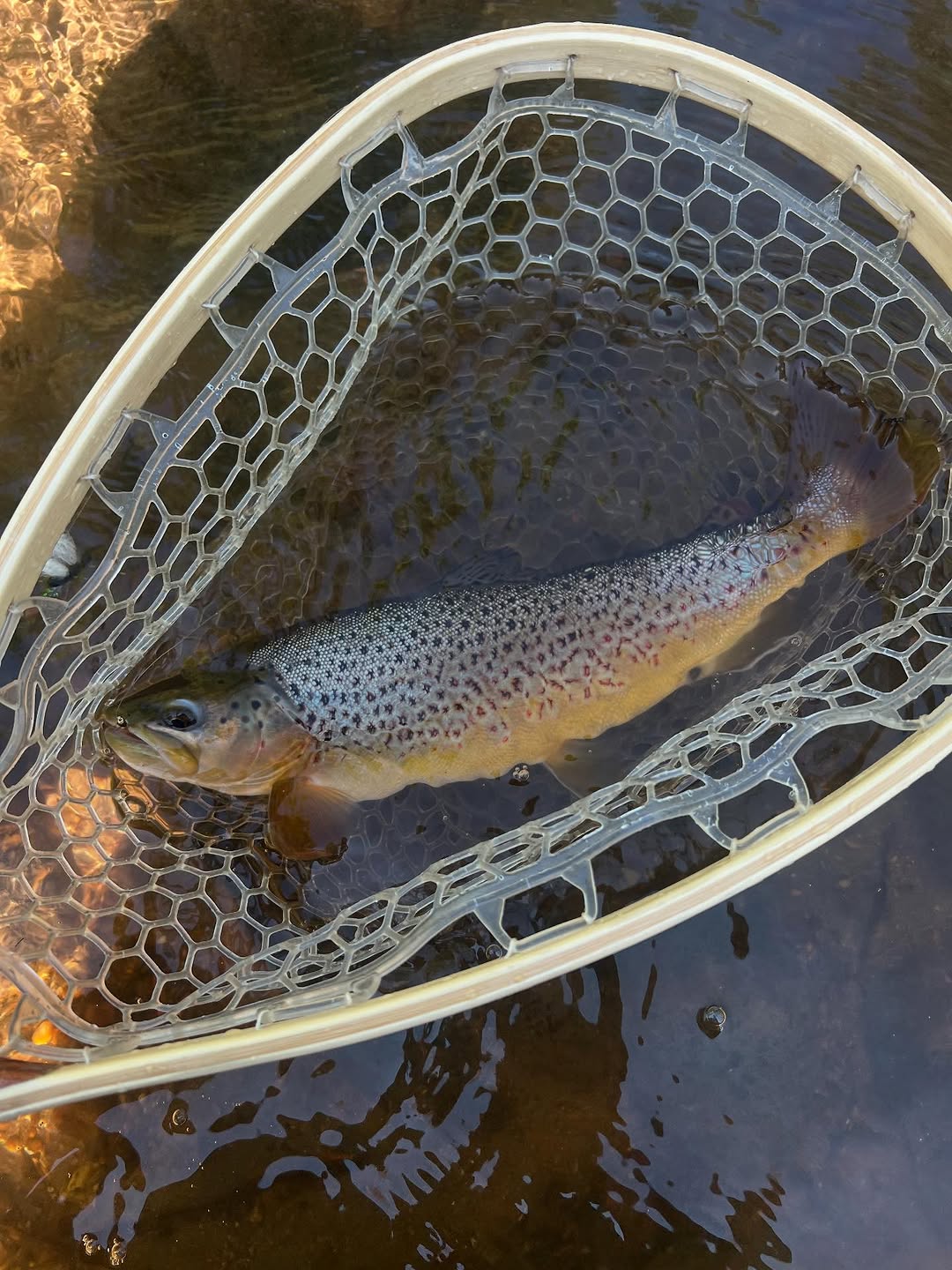
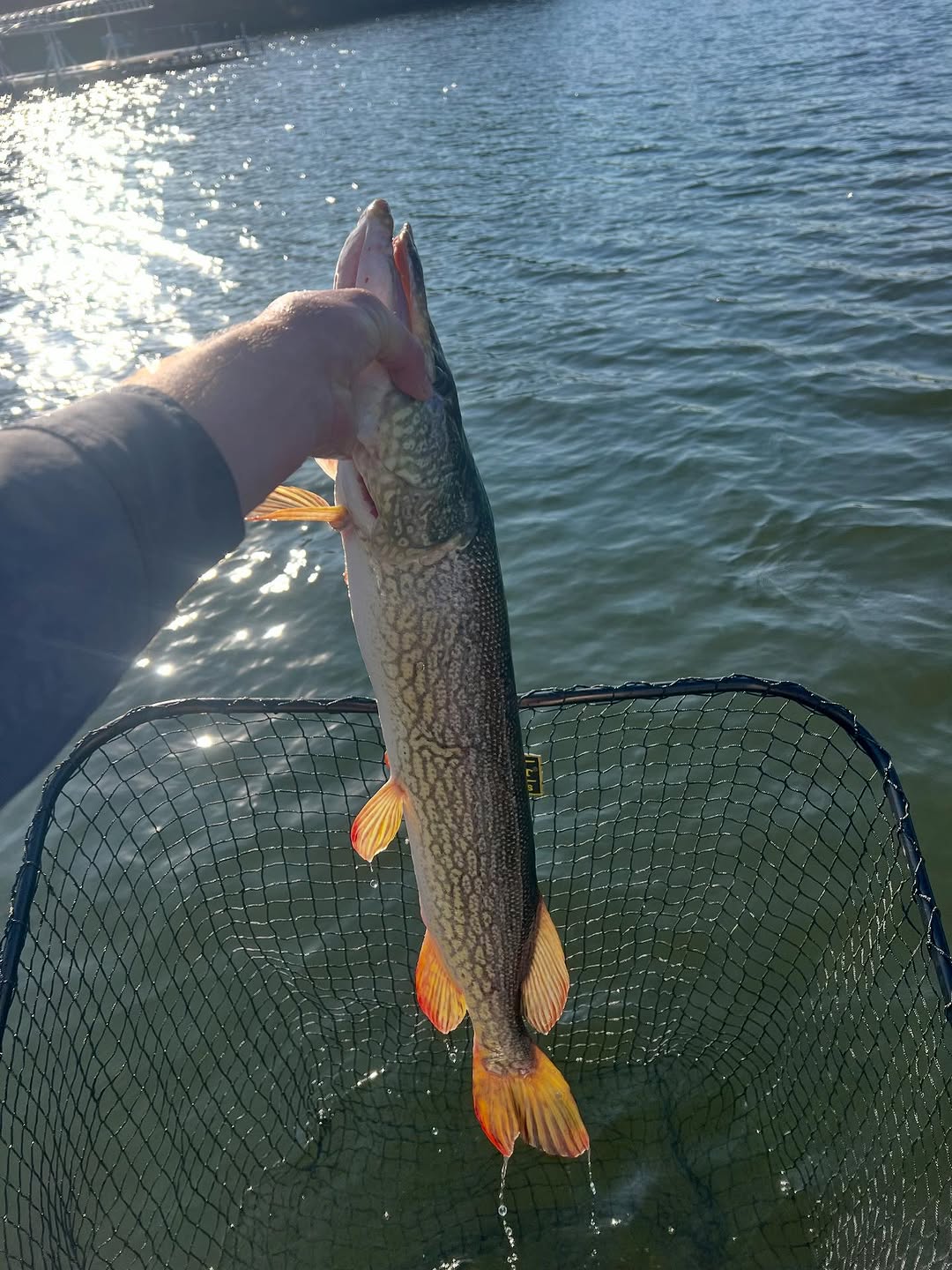
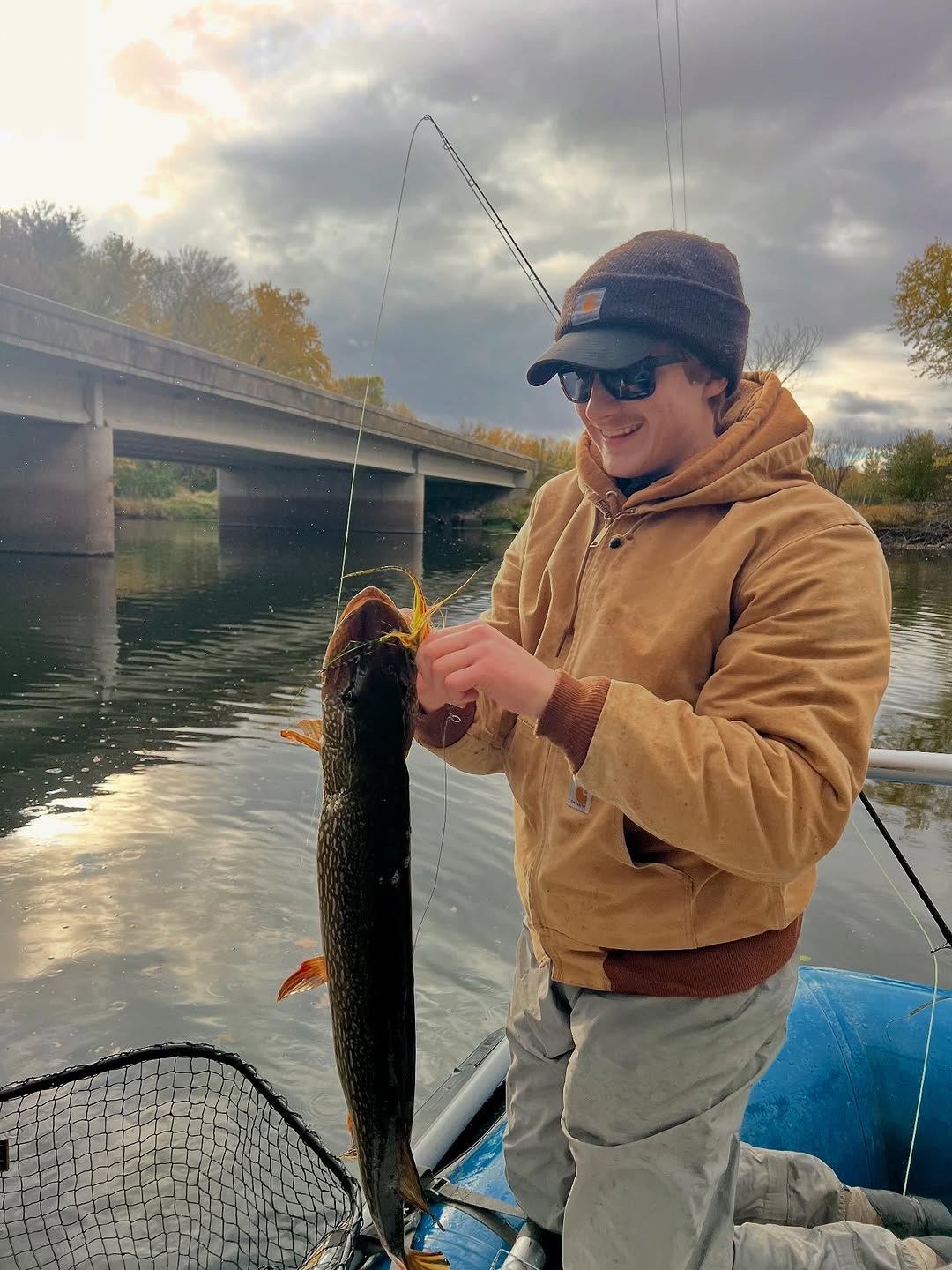
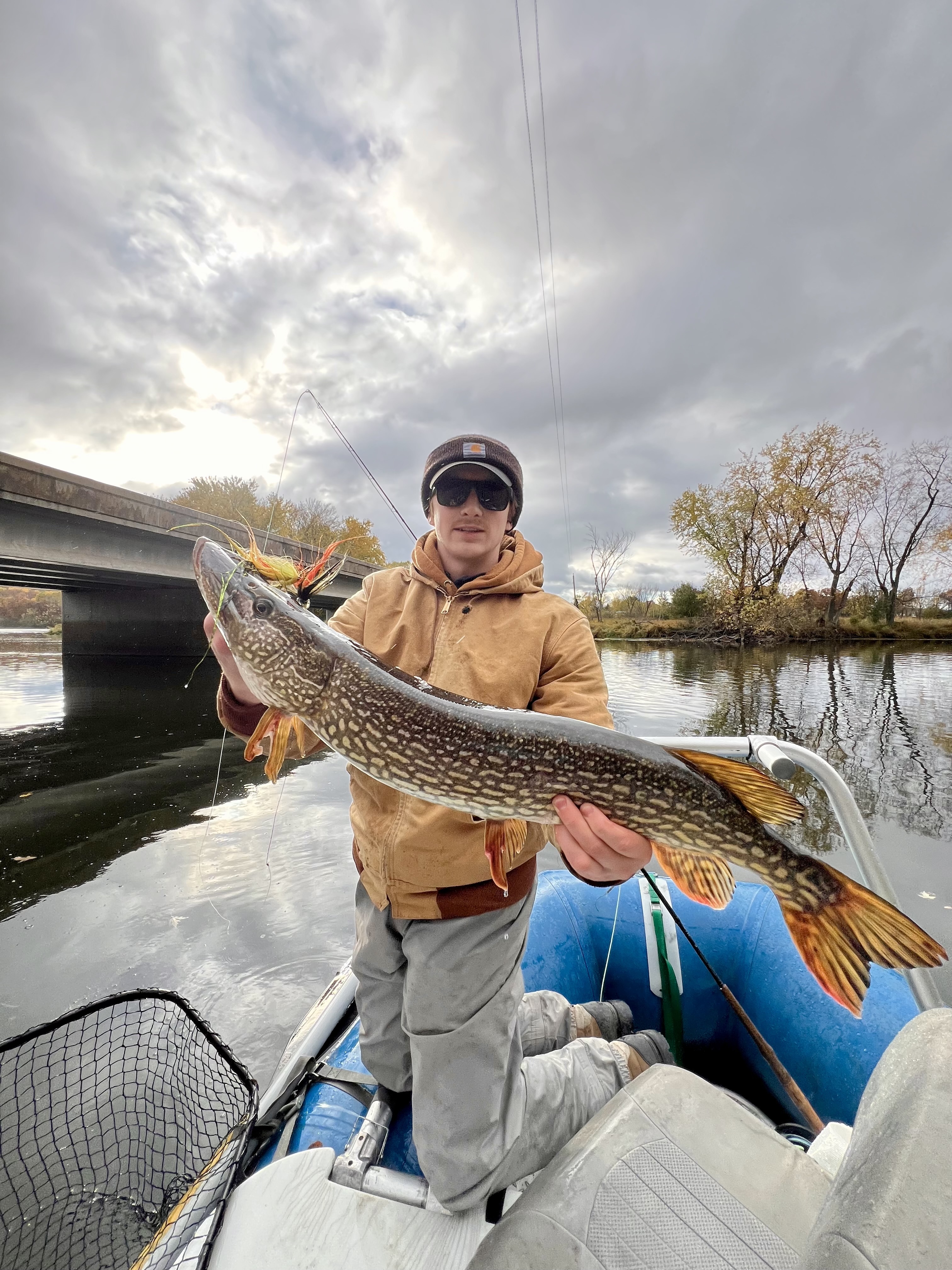
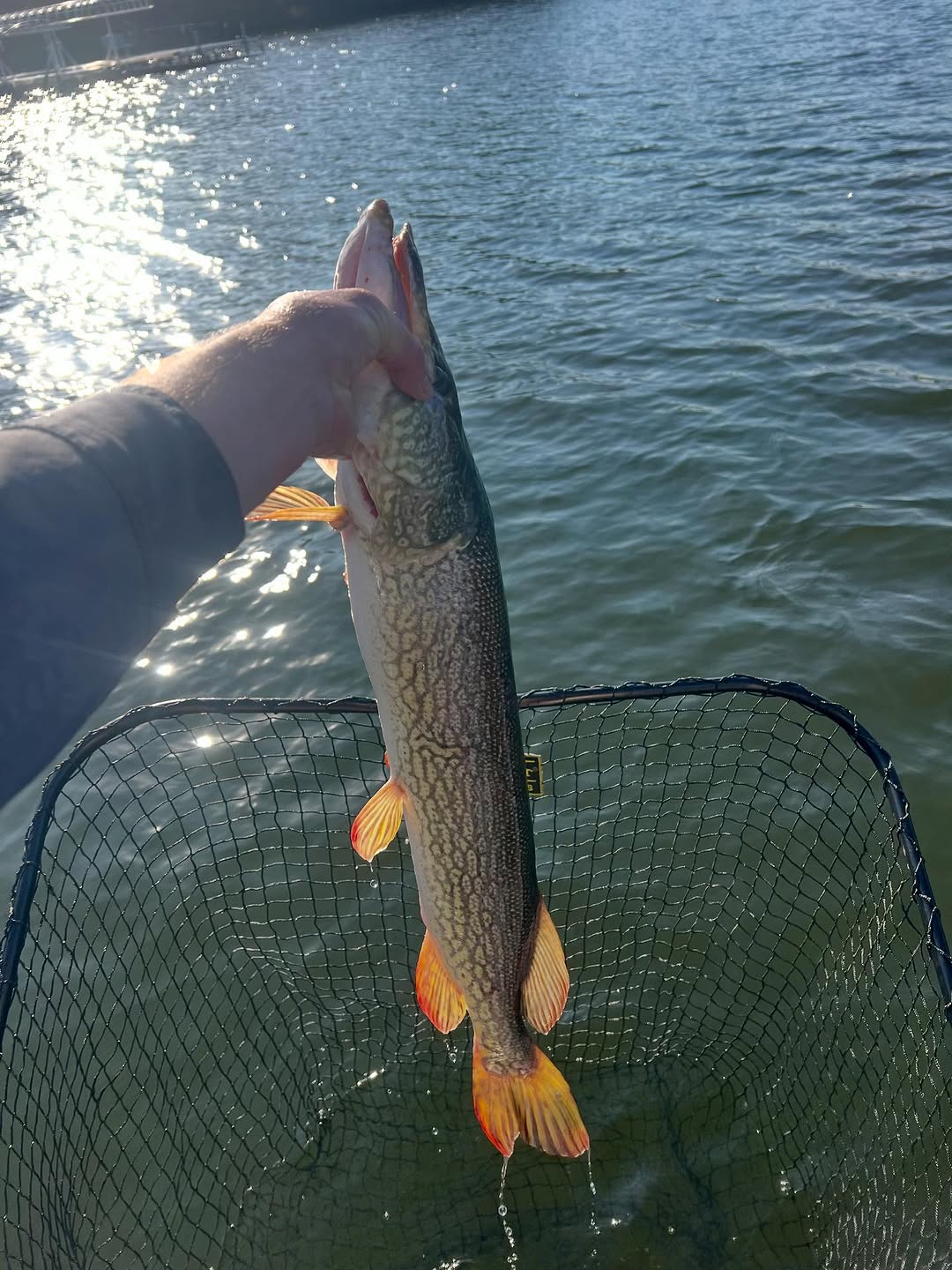
Northern pike are the workhorses of these Wisconsin river systems, and October through November is when they feed most aggressively before winter. These fish range from scrappy 20-inchers that fight like they're twice their size, up to true trophy specimens pushing 35-40 inches. Pike are ambush predators that love structure – fallen trees, weed edges, and current breaks where baitfish get funneled into kill zones. What makes pike so addictive is their explosive strikes and aerial displays when hooked. They're also more cooperative than their muskie cousins, giving you consistent action while you wait for that fish of a lifetime to show up.
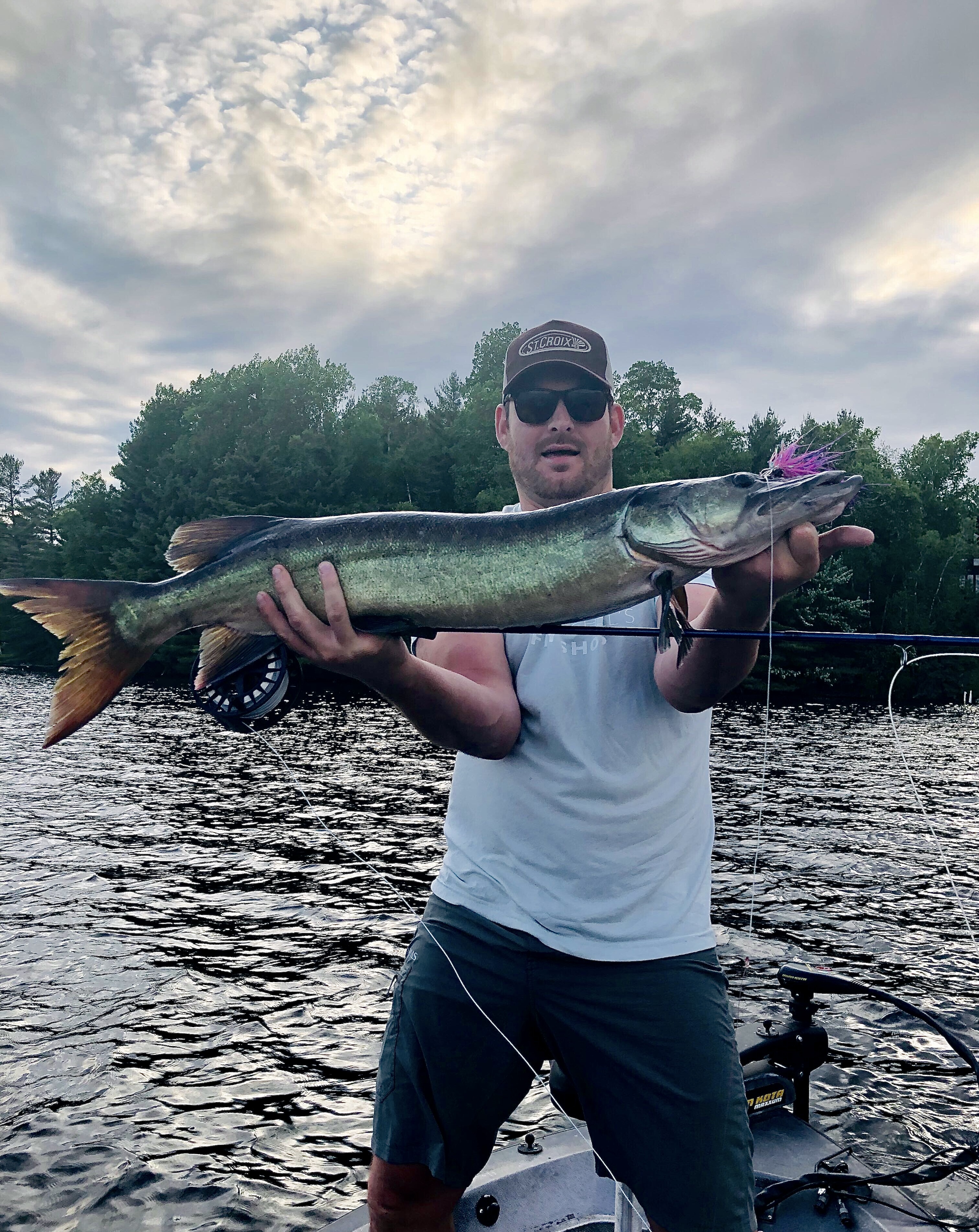
Muskellunge are the ultimate prize – Wisconsin's apex freshwater predator that can stretch over 50 inches and weigh north of 30 pounds. These fish are notorious for following lures without committing, earning their "fish of 10,000 casts" reputation. But fall is when that reputation becomes outdated. Cooling water triggers serious feeding behavior as muskie pack on calories for the long winter ahead. When a big muskie eats, it's game-changing – violent strikes, bulldogging runs, and heart-stopping jumps that'll have you shaking long after the release photos. The St. Croix and Chippewa systems both hold legitimate trophy muskie, and Nick knows the specific structure these fish use during the fall transition.
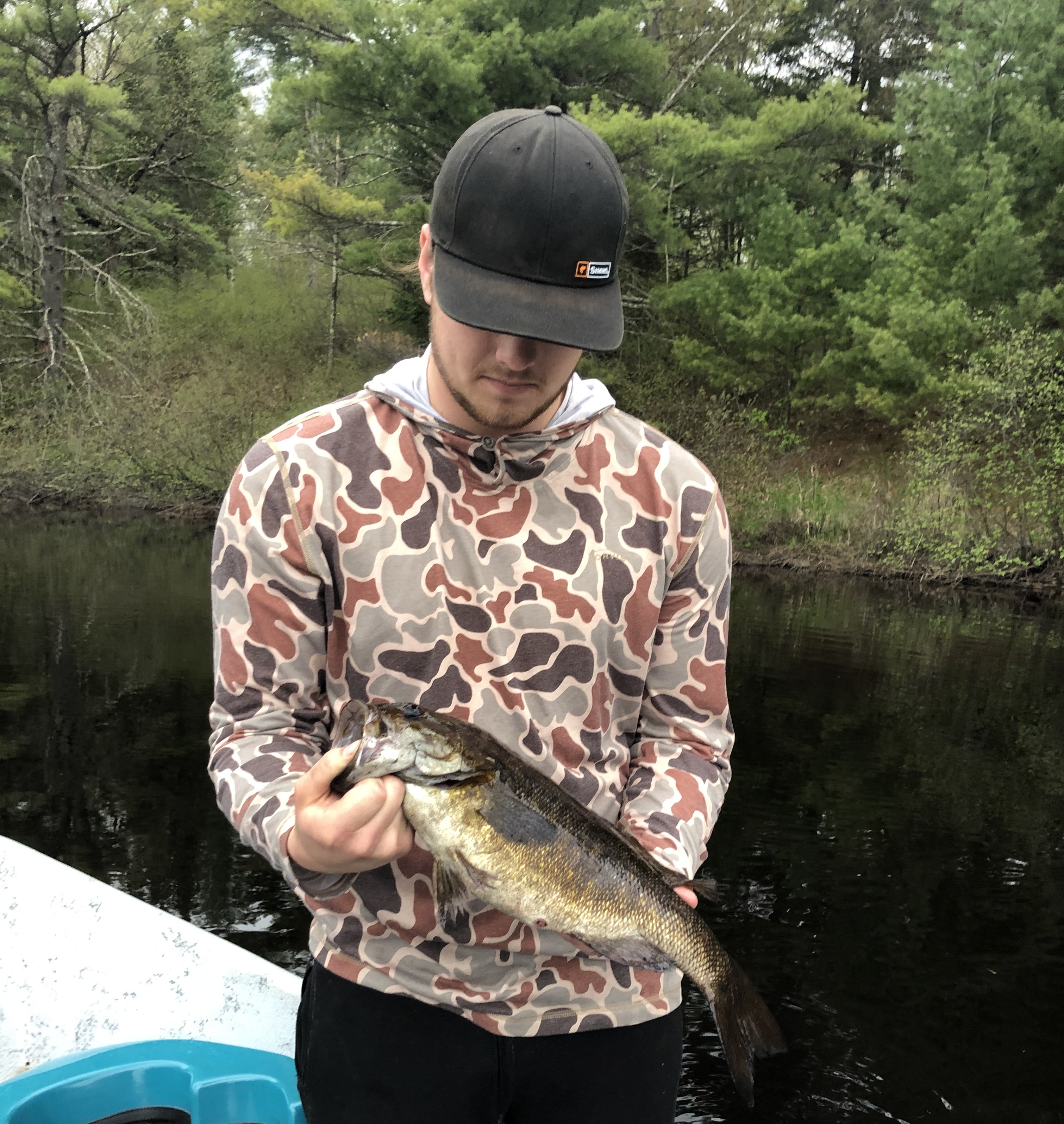
Smallmouth bass might seem like an afterthought on a muskie trip, but Wisconsin river smallies are special fish that fight way above their weight class. October and November smallmouth are thick from summer feeding and incredibly aggressive as they sense winter approaching. These bronze-backed rockets will absolutely destroy topwater presentations and put serious bends in your rod. River smallies fight different than lake fish – they use current to their advantage and make screaming runs that'll test your drag system. Plus, they're excellent confidence builders between muskie follows, keeping your rod bent and energy high throughout the day.
Largemouth bass in these river systems are often overlooked, but they shouldn't be. Fall largemouth position along slack water areas adjacent to current, ambushing baitfish that get swept out of the main flow. These fish can be surprisingly large – Wisconsin rivers grow chunky largemouth that benefit from diverse forage and cooler water temperatures. They're particularly aggressive toward big streamers and soft plastics worked slowly through their strike zones. While you might not expect giant largemouth on a muskie float, they add variety to the day and often occupy different water than the pike and muskie, giving you multiple target species as conditions change.
Time to Book Your Spot
These fall float trips book up fast because the season is short and the fishing is legendary. October and November represent just eight weeks of prime trophy fishing before Wisconsin locks up for winter. Nick's been guiding these waters long enough to know exactly when and where these fish feed, and his repeat customers prove the system works. Whether you're a die-hard muskie hunter looking for your personal best, or an angler who wants to experience world-class pike and bass fishing, this seasonal window delivers action you simply can't find during summer months. Contact Nick directly for meeting logistics and available dates – but don't wait too long. When word gets out about hot fall fishing, these spots disappear quickly.
 Private Trip
 River Fishing
 St. Croix River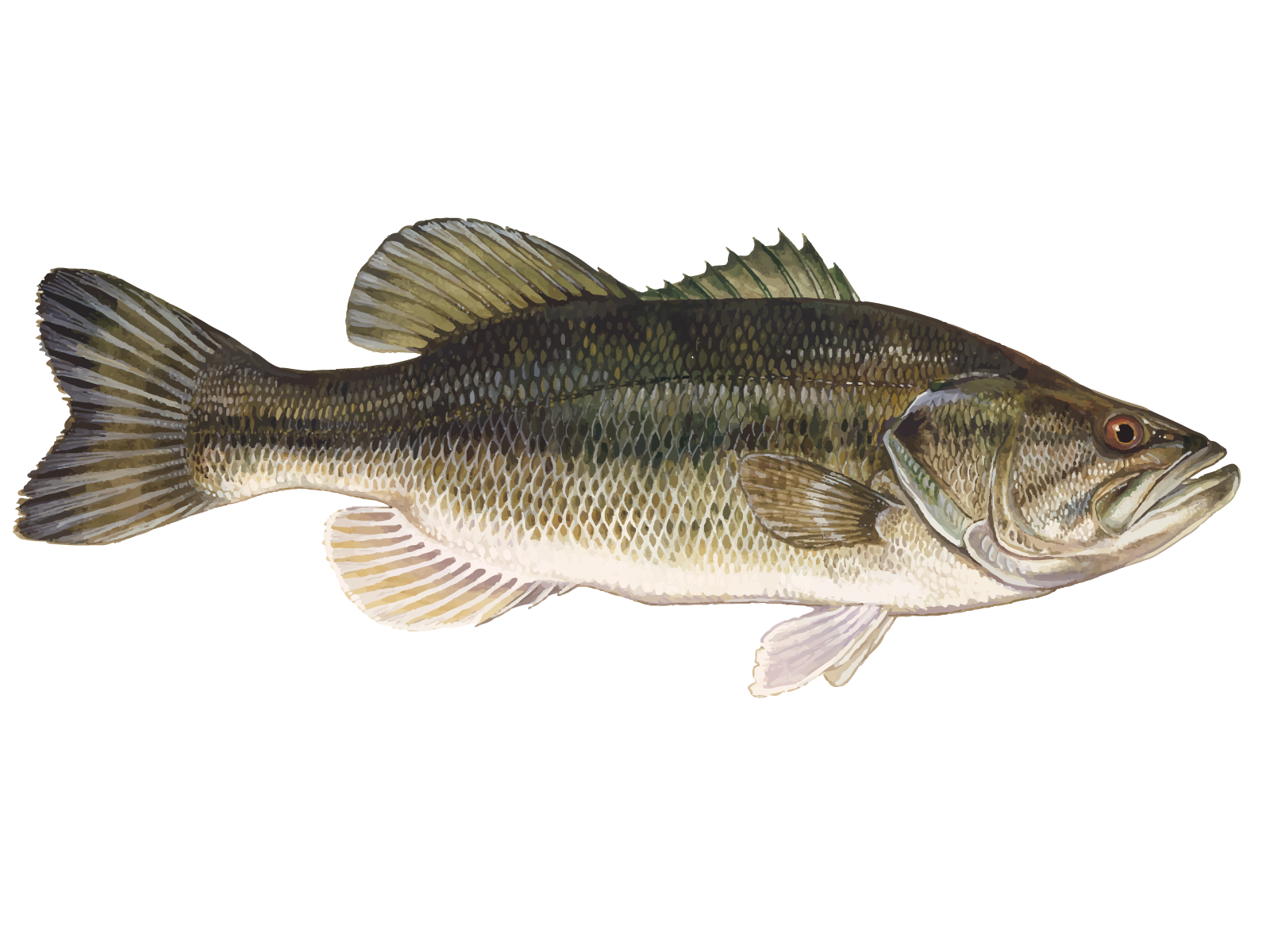


 Target trophy muskie and northern pike during peak fall season