Fly Fishing Lake Michigan | Fly Fishing Instructional
If you've been thinking about getting into fly fishing or you're tired of watching YouTube videos that leave you more confused than confident, this one-on-one instructional session on Lake Michigan is exactly what you need. I've been guiding these waters for years, and I can tell you there's no substitute for hands-on learning with someone who knows the local conditions inside and out. We'll spend our time together focusing on the fundamentals that'll actually make you a better angler – proper casting technique, reading the water like a pro, and selecting the right flies for what's running. All gear is included, so you can focus on learning without worrying about having the right setup.
What to Expect on the Water
This isn't your typical "let's see what happens" fishing trip. We're here to build your skills from the ground up, whether you're brand new to fly fishing or looking to dial in your technique. Lake Michigan offers some of the best learning opportunities you'll find anywhere – clear water where you can actually see fish working, varying depths and structures that teach you to read different scenarios, and aggressive salmonids that'll give you plenty of action once you get the hang of things. We'll start with basic casting mechanics on shore or in shallow water, then work our way into more challenging situations as your confidence builds. The beauty of this approach is that you're learning real techniques in real fishing situations, not just practicing motions that might work someday.
Techniques You'll Master
We'll cover the essential skills that separate successful fly anglers from those who struggle. Casting comes first – not just getting the line out there, but placing it where it needs to be with the right presentation. I'll show you how to read Lake Michigan's currents and drop-offs, which is crucial since these fish are constantly moving and feeding in specific zones. Rigging and knot tying might not be glamorous, but lose a fish because your connection failed and you'll understand why we spend time on it. Fly selection is where the real art comes in – matching what the trout and salmon are actually eating, not just what looks good in the box. We'll work with streamers, nymphs, and dry flies depending on conditions, and I'll explain why certain patterns work better at different times and locations along the shoreline.
Target Species You'll Hook
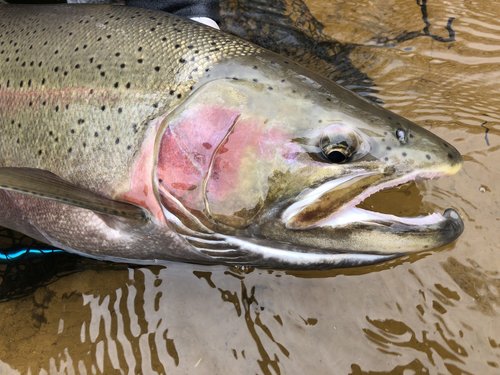
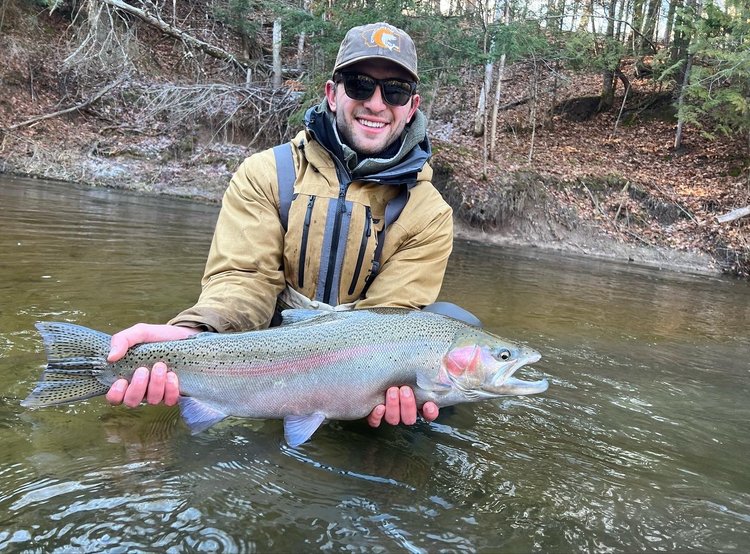
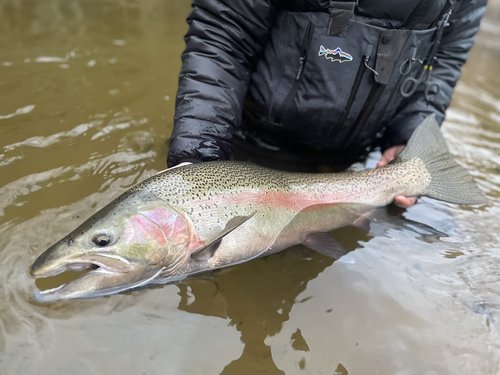
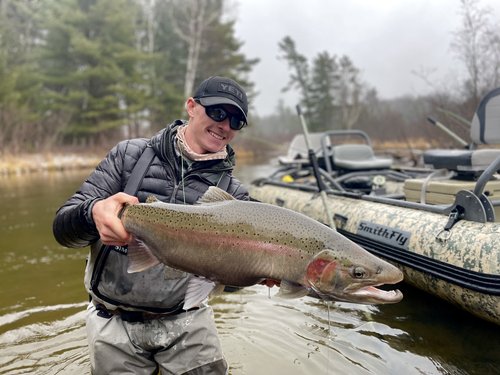
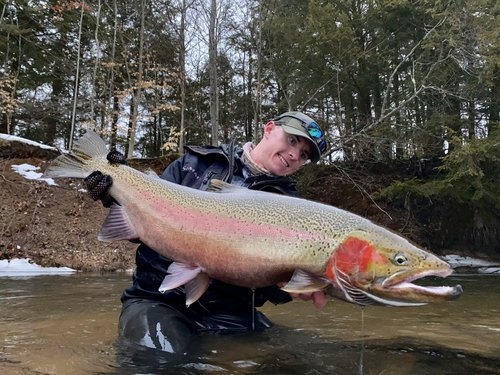
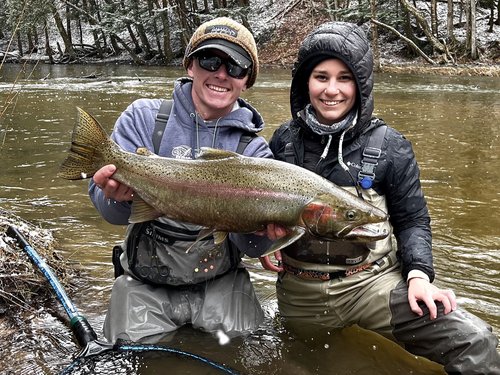
Rainbow Trout are absolutely perfect for learning fly fishing fundamentals. These fish typically run 15-25 inches in Lake Michigan and they're aggressive enough to give beginners confidence while still being selective enough to teach you proper technique. Spring through fall offers the best action, with peak times during the cooler morning and evening hours. What makes rainbows so great for instruction is their willingness to hit a variety of flies – streamers, nymphs, even dry flies during hatches. When you hook one, you'll know it immediately, and their aerial displays will remind you why fly fishing is so addictive.
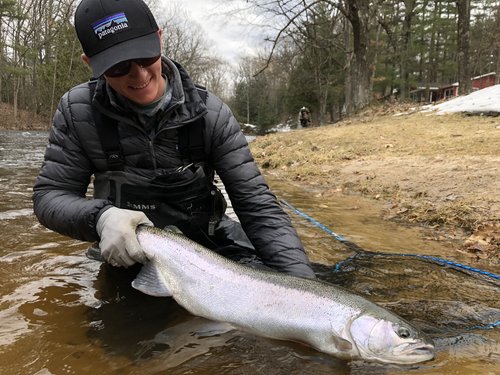
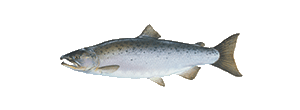
Coho Salmon bring serious excitement to any fly fishing lesson. These silver bullets average 8-12 pounds and fight like fish twice their size. Peak season runs from late summer into fall when they're staging near river mouths and along the shoreline. Cohos will absolutely demolish a properly presented streamer, and landing one on a fly rod is a milestone every angler remembers. They're perfect for teaching you how to handle bigger fish – proper drag settings, fighting techniques, and staying calm when your reel is screaming.
Chinook Salmon are the heavyweight champions of the Great Lakes, and catching one on fly gear is something special. These monsters can push 20-30 pounds or more, and they'll test every knot and technique we've practiced. Late summer and early fall offer the best opportunities when they move shallow to stage for their spawning runs. What makes kings so valuable for instruction is that everything has to be perfect – your presentation, your hookset, your fighting technique. There's no margin for error, which makes you a much more focused and skilled angler.
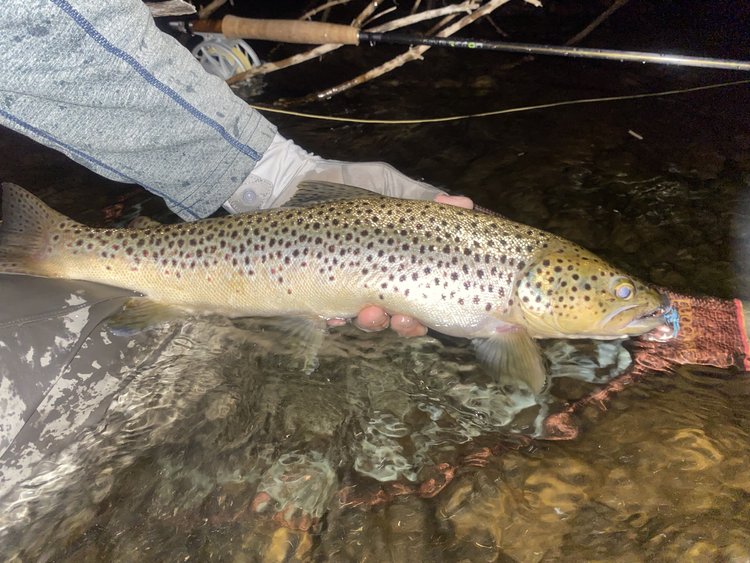
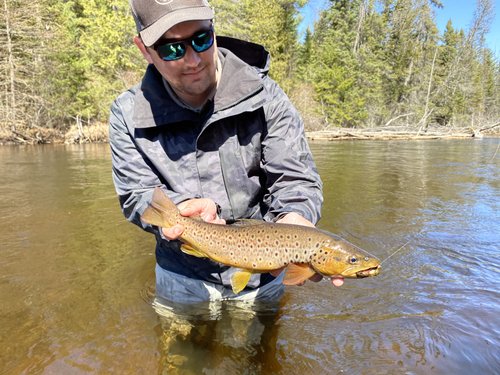
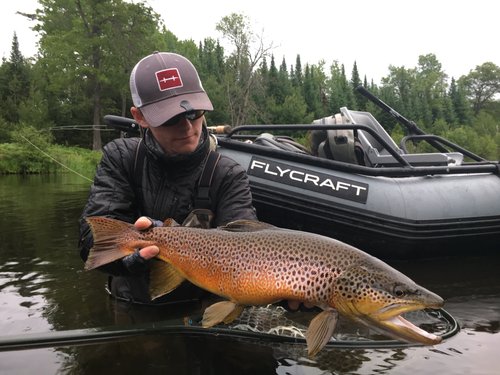
Brown Trout are the graduate-level course in Great Lakes fly fishing. These fish are notoriously selective and spooky, which makes them perfect for advanced instruction in reading water and making precise presentations. Lake Michigan browns can reach impressive sizes, with fish over 10 pounds not uncommon in deeper water. Fall offers prime opportunities when they move shallow for spawning, becoming more aggressive and accessible to fly anglers. Successfully fooling a big lake-run brown trout with a fly is a achievement that'll boost your confidence on any water.
Time to Book Your Spot
Learning to fly fish properly from the start will save you years of frustration and bad habits that are tough to break later. This personalized instruction gives you the foundation to become a confident, successful fly angler on Lake Michigan and beyond. With all gear provided and the focus entirely on your development, you'll leave with skills that'll serve you for a lifetime of fishing. The one-on-one format means we can move at your pace and focus on exactly what you need to improve. Don't spend another season struggling with technique or wondering if you're doing it right – let's get you out there and build the skills that'll make fly fishing the rewarding pursuit it should be.
 Private Trip
 Lakes/Reservoirs/Ponds Fishing
 Lake Michigan


 Professional fly fishing instruction on Lake Michigan waters