Volusia Night Bowfishing Charter
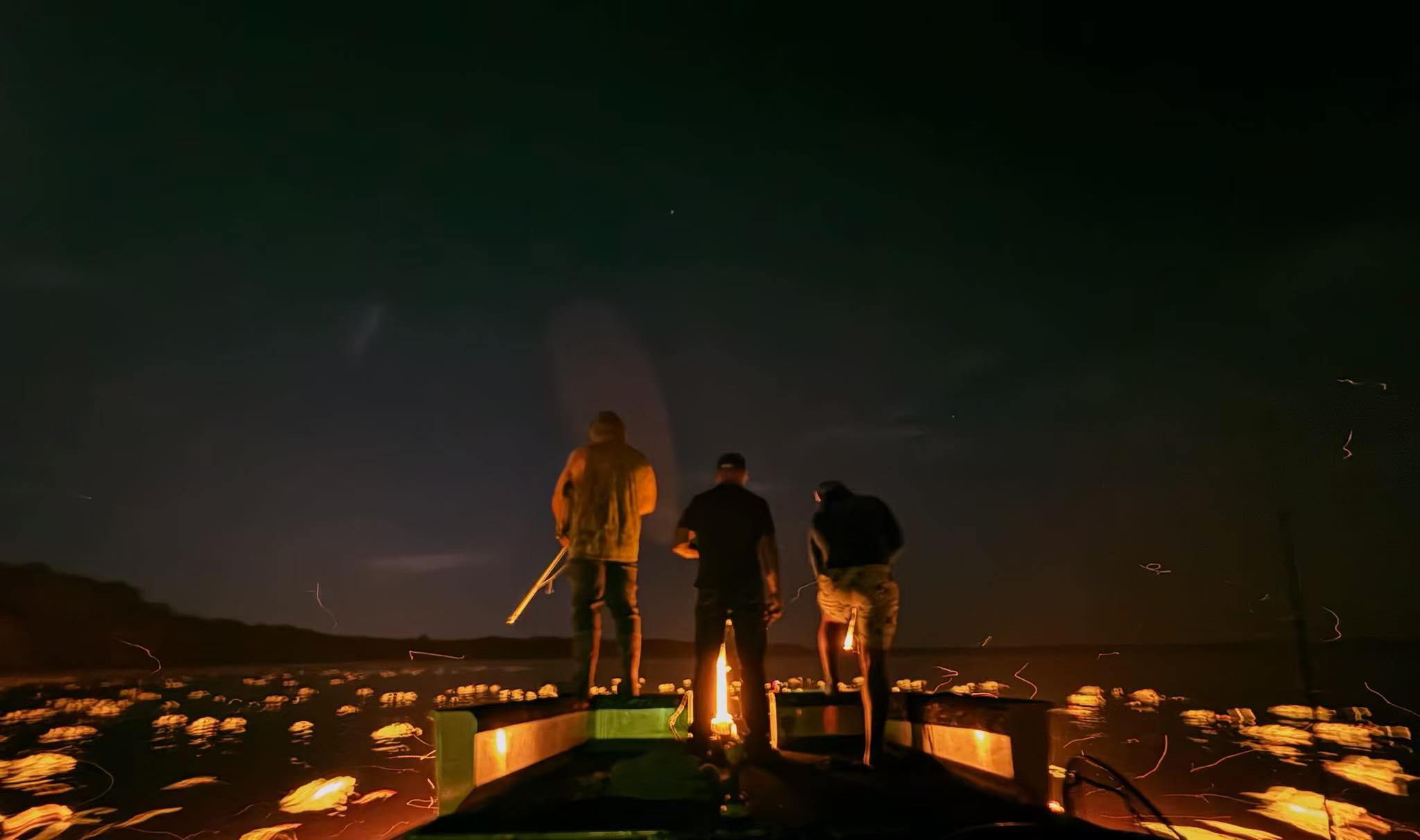
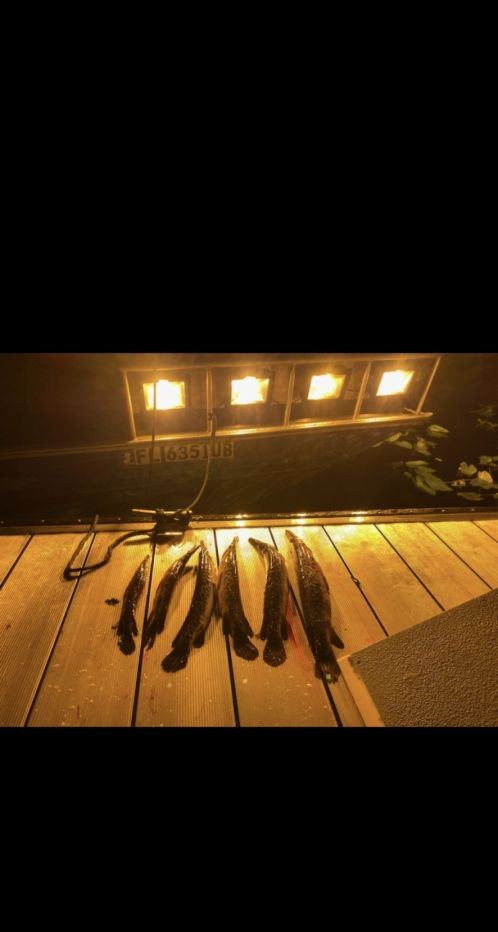
Picture this: the sun's just dipped below the treeline on the St. Johns River, and Captain Eugene Nieratko is firing up the deck lights on his custom 24-footer. You're about to experience something most anglers never get to try – bowfishing under the stars in some of Florida's most productive waters. This isn't your typical rod-and-reel trip. When you combine archery skills with fishing instincts, you get an adrenaline rush that'll have you planning your next visit before you even dock. The St. Johns River around Astor has been a top-rated bowfishing destination for years, and Captain Eugene knows every productive shallow and backwater where the fish stack up after dark.
What to Expect on the Water
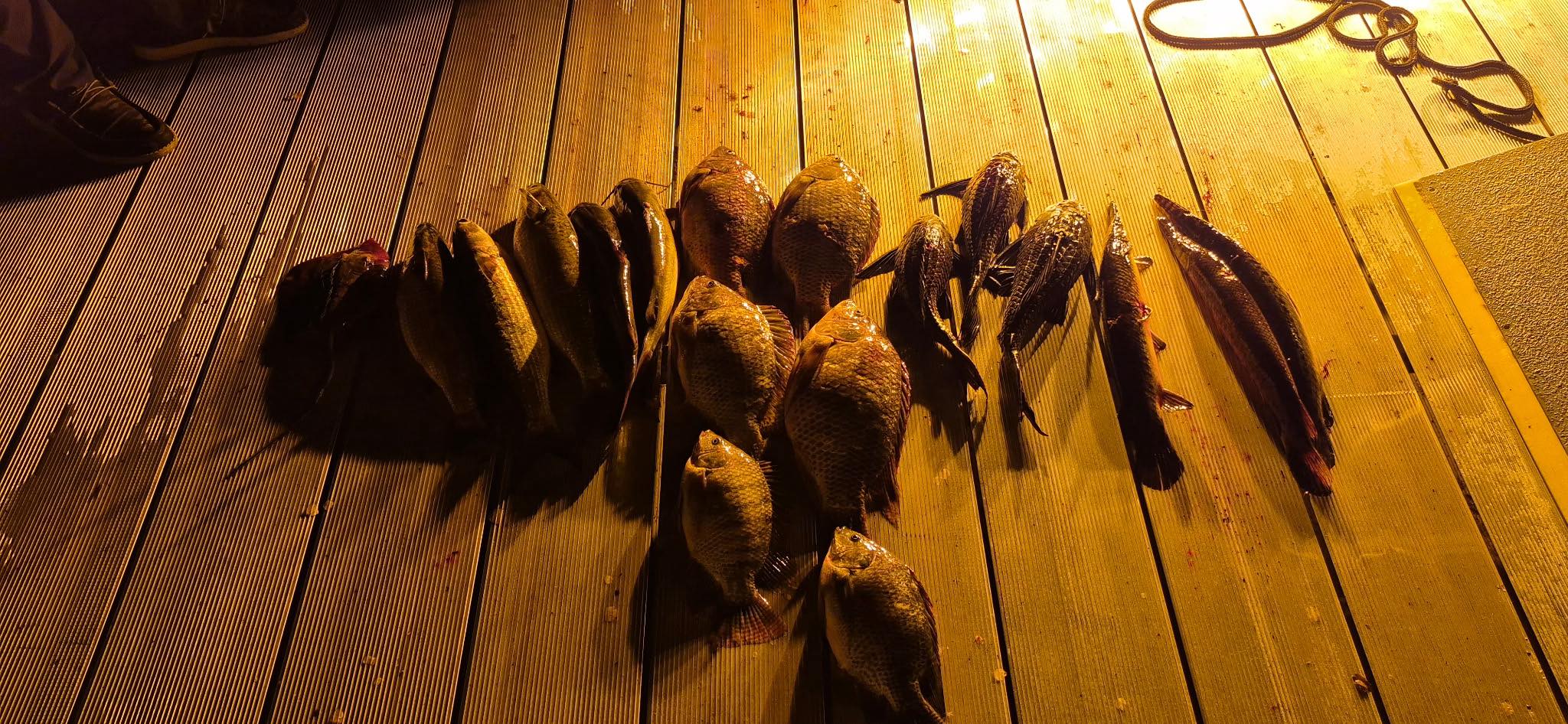
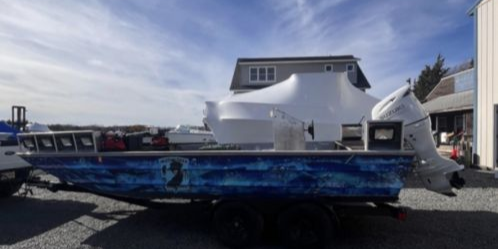
Your 4-hour adventure kicks off at 8PM, right when the action starts heating up. Captain Eugene's boat isn't just any fishing platform – it's a purpose-built bowfishing machine. The 24-foot flat bottom design gives you rock-solid stability when you're drawing back for that perfect shot, while the 140 HP Suzuki gets you to the honey holes fast and quiet. Those bright deck lights? They're your secret weapon, penetrating the dark water to reveal cruising Tilapia, prehistoric Gar, and hefty Catfish that seem to appear out of nowhere. You'll have plenty of room to move around with up to 5 other guests, but trust me, there's enough action to keep everyone busy. Captain Eugene provides all the bows, arrows, and safety gear, so even first-timers can jump right into the fun. He's got a knack for reading the water and positioning the boat where the fish are most active, turning what could be a slow night into steady shooting opportunities.
Gear Setup & Shooting Tips
The beauty of this charter is that you don't need to own a single piece of bowfishing equipment. Captain Eugene has you covered with compound bows set up specifically for water shots, plus plenty of arrows with retrieval lines attached. The shooting technique takes some getting used to – water refraction makes fish appear higher than they actually are, so you'll aim low and lead moving targets. The deck lights create perfect shooting conditions, illuminating fish at distances of 10 to 20 feet from the boat. You'll be standing on a stable platform with non-slip surfaces, giving you confidence to focus on your shot instead of worrying about your footing. The captain will coach you through proper form and help you adjust for different fish sizes and depths. Most folks get the hang of it within the first hour, and by the end of the night, you're making shots you never thought possible. The retrieval system is simple – just pull in your line and reset for the next opportunity.
Target Species
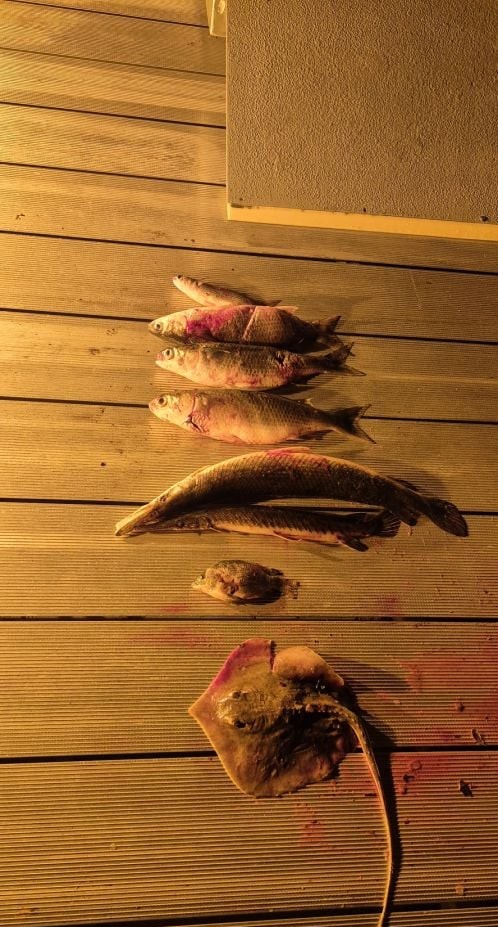
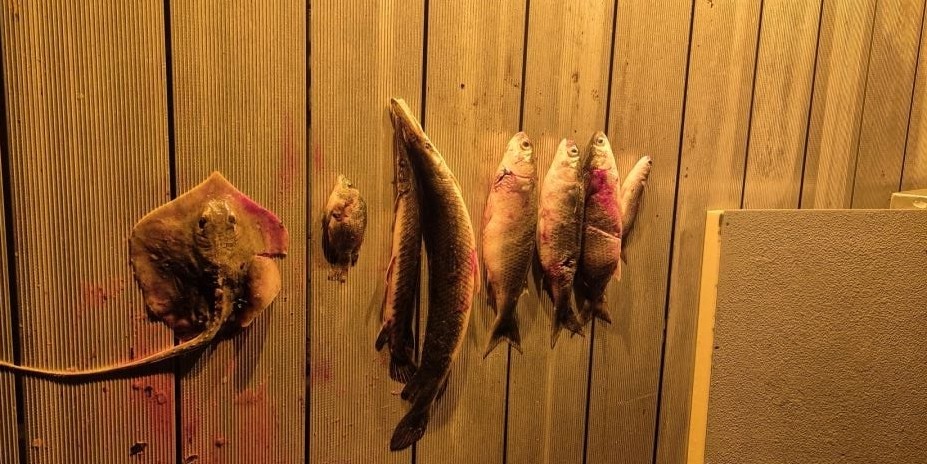
Brown Bullhead might not win any beauty contests, but these catfish are perfect for bowfishing beginners. They cruise slowly in the shallows, often in groups, giving you plenty of time to line up your shot. Most run 8 to 12 inches, and they're active year-round in the St. Johns River system. What makes them a customer favorite is their predictable behavior – they tend to hug the bottom in 2 to 4 feet of water, making them easy targets under the lights. Captain Eugene knows the muddy flats where they concentrate, especially during warmer months when they're most active.
Alligator Gar are the holy grail of bowfishing, and the St. Johns River holds some true giants. These living dinosaurs can stretch over 6 feet and weigh upwards of 100 pounds, though most shots come on fish in the 20 to 40-pound range. They're ambush predators that cruise just under the surface, their long snouts breaking water as they breathe. Spring through fall offers the best opportunities, particularly on warm nights when they're actively feeding. Landing a big Gar is a team effort – Captain Eugene will help you fight the fish and get it to the boat safely. The prehistoric look and sheer power of these fish creates photo opportunities you'll treasure for years.
Common Carp are the workhorses of bowfishing, and the St. Johns system has plenty of them. These bronze-colored fighters typically range from 5 to 15 pounds, with occasional monsters pushing 20 plus. They're most active in spring when they move into shallower areas to spawn, but you'll find them year-round in the right spots. Carp are smart and spook easily, so clean shots are essential. They'll often travel in small schools, giving you multiple opportunities when you locate a group. What anglers love about carp is their fighting ability – even after you've arrowed one, they'll put up a serious battle on the retrieval line.
Bowfin are native Florida bruisers that fight like they're twice their size. These olive-green predators average 3 to 8 pounds but pack incredible strength into their torpedo-shaped bodies. They're most active during cooler months, from October through March, when they cruise the shallows hunting for prey. Bowfin have a primitive air bladder that forces them to surface periodically, giving you those perfect shooting opportunities. Captain Eugene targets them around structure like fallen trees and grass lines where they ambush smaller fish. Their prehistoric appearance and aggressive nature make them a world-class bowfishing target that keeps guests coming back for more.
Time to Book Your Spot
This charter fills up fast, especially during prime bowfishing season when the action is most consistent. Captain Eugene runs a top-notch operation that's built a reputation among serious bowfishing enthusiasts and curious first-timers alike. The 4-hour timeframe gives you plenty of opportunities without wearing you out, and the 8PM start time means you'll be back to shore at a reasonable hour. Whether you're planning a guys' trip, family outing, or date night with a twist, this bowfishing adventure delivers memories that last long after the deck lights go dark
 Private Trip
 Lakes/Reservoirs/Ponds Fishing
 Volusia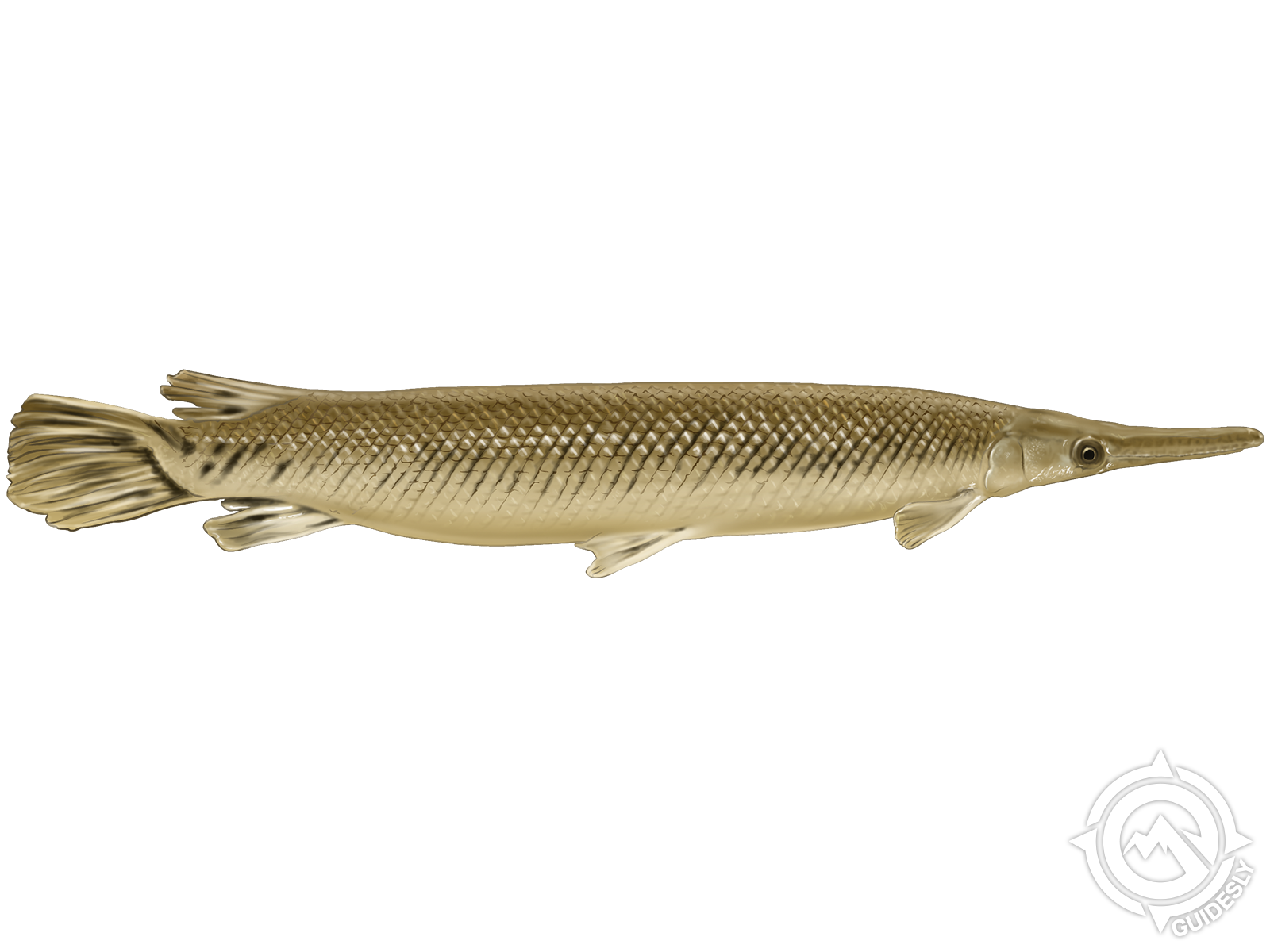


 Private 4-hour night bowfishing charter on St. Johns River