Spring Trout Fishing on Western NY Waters
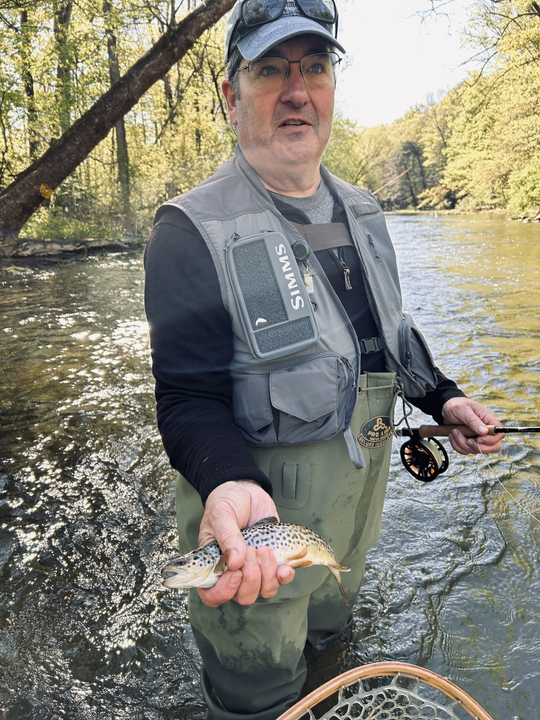
Western New York's Oatka Creek and Cohocton River offer some of the region's most pristine small creek fishing, where wild brown trout thrive in crystal-clear pools and undercut banks. This top-rated spring trout fishing experience with Wayfound Outdoors isn't about quantity – it's about quality time on the water with native fish that'll test your skills and reward your patience. Guide Jared creates an intimate wade fishing atmosphere for up to three anglers, focusing on technique, connection, and the kind of fishing that stays with you long after you've packed up your gear.
What to Expect on the Water
Your day starts and ends with prayer, setting a grounded tone that separates this trip from typical guided fishing charters. Between those quiet moments, you'll be wading through some of Western New York's most beautiful small water fisheries, where every cast counts and every fish earned feels like a victory. Jared knows these creeks like the back of his hand – where the big browns hold during spring runoff, which pools produce when the water's high, and how to read the subtle current breaks that hold fish. This isn't high-volume fishing where you're cranking through spots; it's methodical, thoughtful angling where you'll learn to slow down and fish smarter. The intimate group size means plenty of one-on-one instruction and the chance to really dial in your approach to small creek trout fishing.
Wade Fishing These Creeks
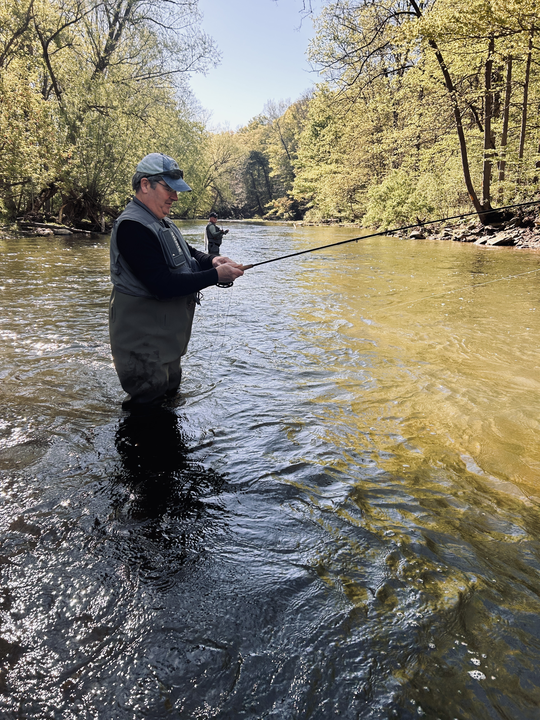
Both Oatka Creek and the Cohocton River are classic wade fishing destinations where you'll be stepping into knee-deep pools, working your way upstream through pocket water, and placing casts with precision rather than power. The bottom structure varies from gravelly runs to deeper limestone pools, and you'll need to adjust your presentation accordingly. Spring conditions can mean higher, slightly colored water, which actually works in your favor for getting close to spooky brown trout. You'll be using lighter tackle – think 4-6 weight fly rods or light spinning gear – since these aren't massive rivers requiring heavy artillery. The focus is on natural presentations, whether you're drifting nymphs through deep runs, working streamers along undercut banks, or presenting dry flies during evening hatches. Jared will show you how to read the water like a local, identifying the subtle features that hold fish and teaching you to approach each spot without spooking the entire pool.
Species You'll Want to Hook
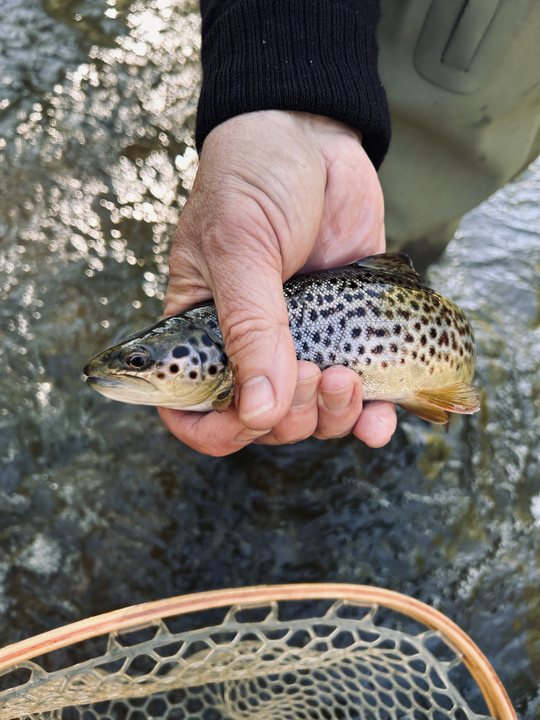
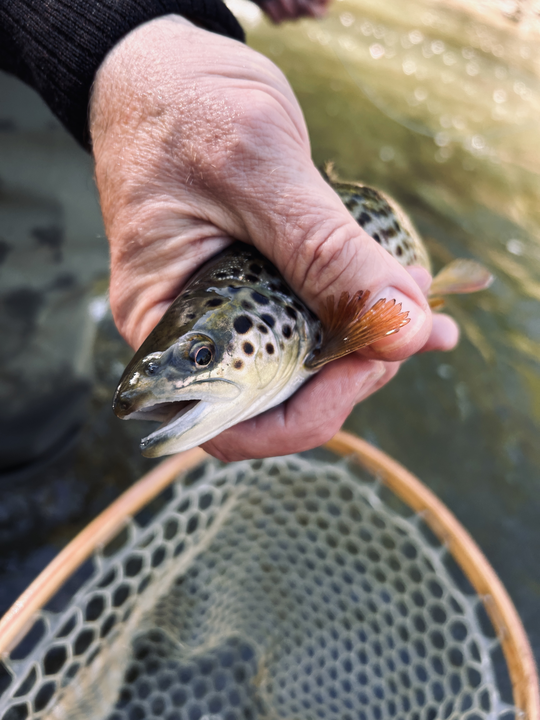
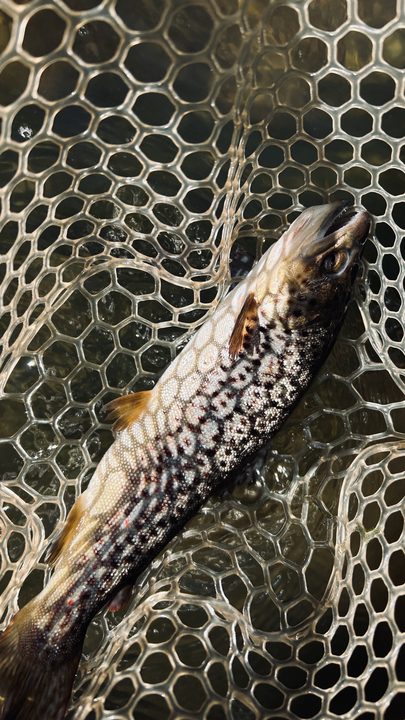
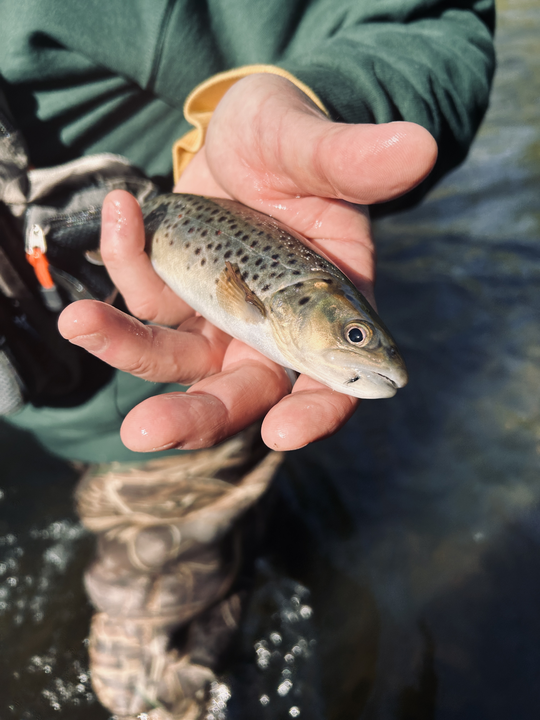
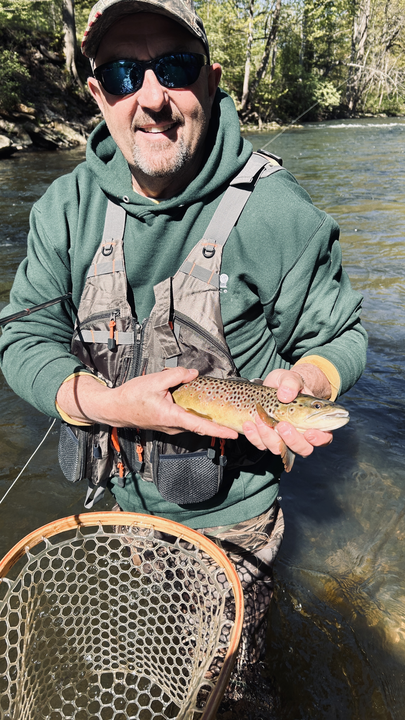
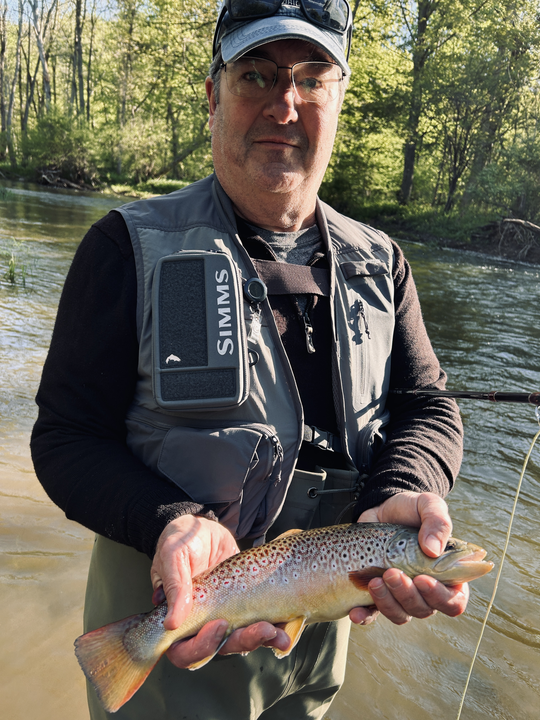
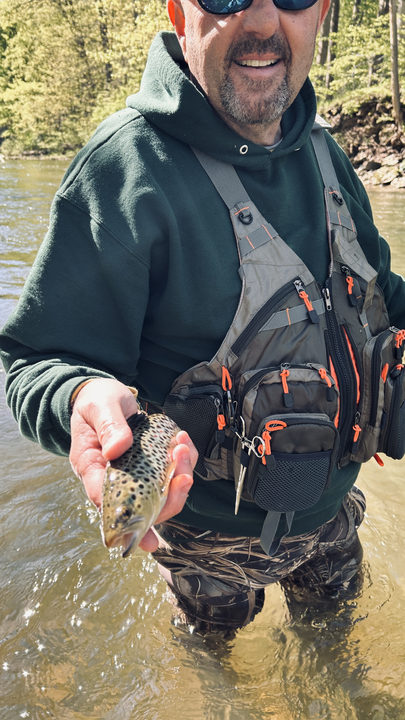
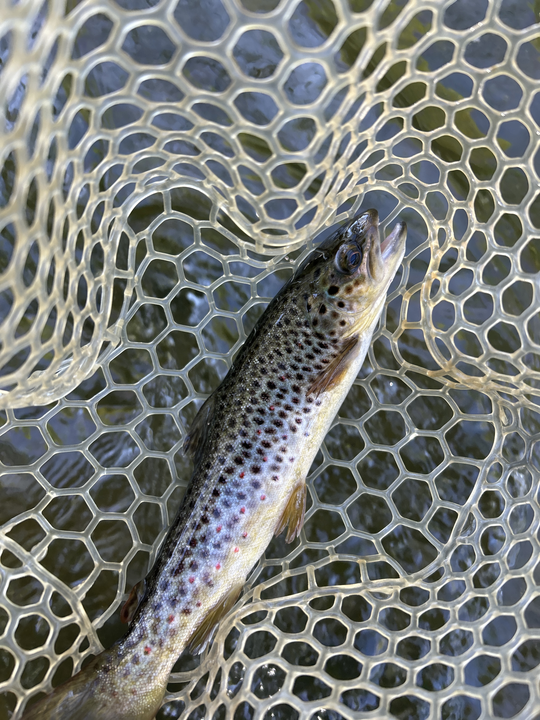
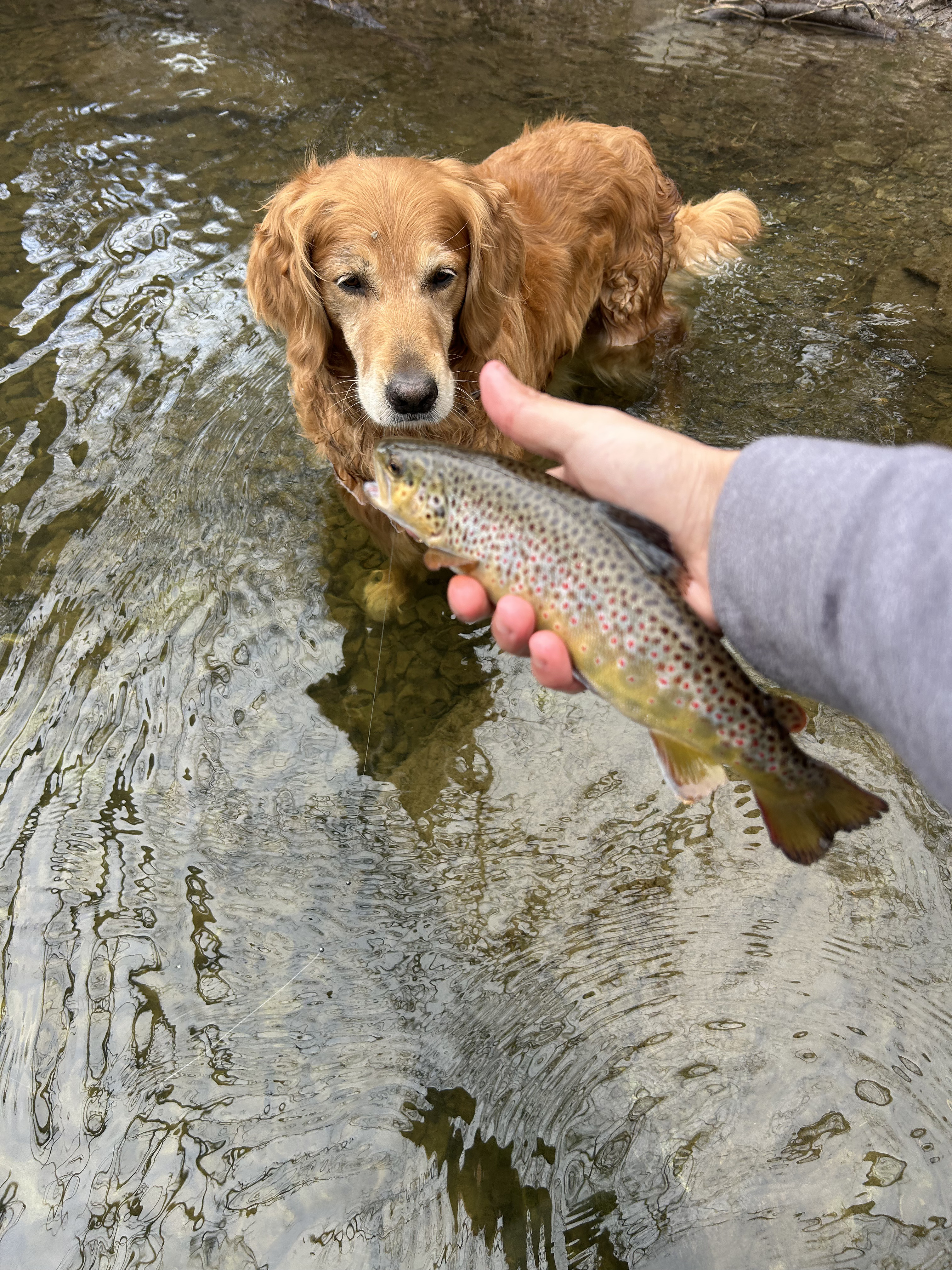
Brown trout are the main attraction in these Western New York waters, and for good reason. These wild fish are incredibly wary, beautifully colored, and fight with the kind of determination that makes every hookup memorable. Spring browns are coming out of their winter lethargy and starting to feed more aggressively as water temperatures rise and insect activity picks up. You'll find them tucked under overhanging banks, in the deeper pools where currents converge, and surprisingly shallow feeding lanes during low-light periods. These aren't stocked fish that'll hit anything you throw at them – they've survived multiple seasons by being selective and cautious. That's what makes landing one so rewarding. Browns in these creeks typically range from 10-16 inches, with the occasional larger fish that'll make your drag sing and test your knots.
Rainbow trout add another dimension to the fishing, though they're less common than browns in these particular waters. When you do hook into a spring rainbow, you'll know it immediately – they're acrobatic fighters that'll jump and make blazing runs that'll have you scrambling to keep up. Rainbows tend to hold in faster, more oxygenated water than browns, often in the tailouts of pools and along current seams where they can easily dart out to grab drifting food. They're generally more willing to chase a well-presented streamer or nymph, but don't mistake that for being easy – these wild rainbows have the same wariness that keeps them alive in pressured waters. Spring is prime time for rainbows as they're actively feeding and their colors are at their most vivid, with that distinctive pink stripe really popping against the olive-green backdrop of the creek.
Time to Book Your Spot
This customer-favorite spring trout fishing experience fills up quickly because word travels fast among serious anglers who appreciate quality over quantity. Jared's approach to guiding – combining skilled instruction with meaningful conversation and a foundation of faith – creates the kind of fishing trip that changes how you think about time on the water. Whether you're looking to improve your small creek techniques, connect with like-minded anglers, or simply step away from the noise for a day of focused fishing, this Western New York trout fishing adventure delivers on all fronts. The spring season offers some of the year's best trout fishing as fish become more active and accessible, making it the perfect time to experience what Oatka Creek and the Cohocton River have to offer. Don't wait – spots are limited to maintain that intimate, personal experience that sets this trip apart from crowded fishing charters.
 Shared Trip
 River Fishing
 Rochester, NY

 Wade fish Oatka Creek and Cohocton River for native Brown Trout