Offshore Full Day Trip at Coronado Islands
Picture this: you're 12 miles offshore, surrounded by nothing but deep blue Pacific waters, with the Coronado Islands rising from the sea like ancient sentinels. This isn't your typical half-day harbor trip – we're talking about a world-class offshore fishing adventure that'll have you battling some of the most sought-after gamefish in Southern California waters. Western Star Sportfishing runs these top-rated full-day charters with a maximum of 6 anglers, so you're getting that intimate, personalized experience that serious fishermen crave. Don't forget your passport – we'll be fishing Mexican waters where the big ones live.
What to Expect on the Water
Your day starts early, but trust me, it's worth every minute of that pre-dawn alarm. We'll motor out from San Diego Bay as the sun's coming up, and that 90-minute run to the Coronado Islands gives you time to rig up, grab some coffee, and watch the coastline fade behind us. The Islands sit right on the edge of some serious deep water – we're talking about fishing structure that drops from 60 feet to over 600 feet in the span of a few hundred yards. The kelp beds around North and South Islands hold baitfish like sardines and anchovies, which means predators aren't far behind. With breakfast and lunch provided, you can focus on what you came here for – putting fish in the boat. The small group size means you're not fighting for rail space or waiting in line for the gaff. Captain and crew know these waters like their backyard, and they'll put you on fish.
Trolling Tactics & Gear Setup
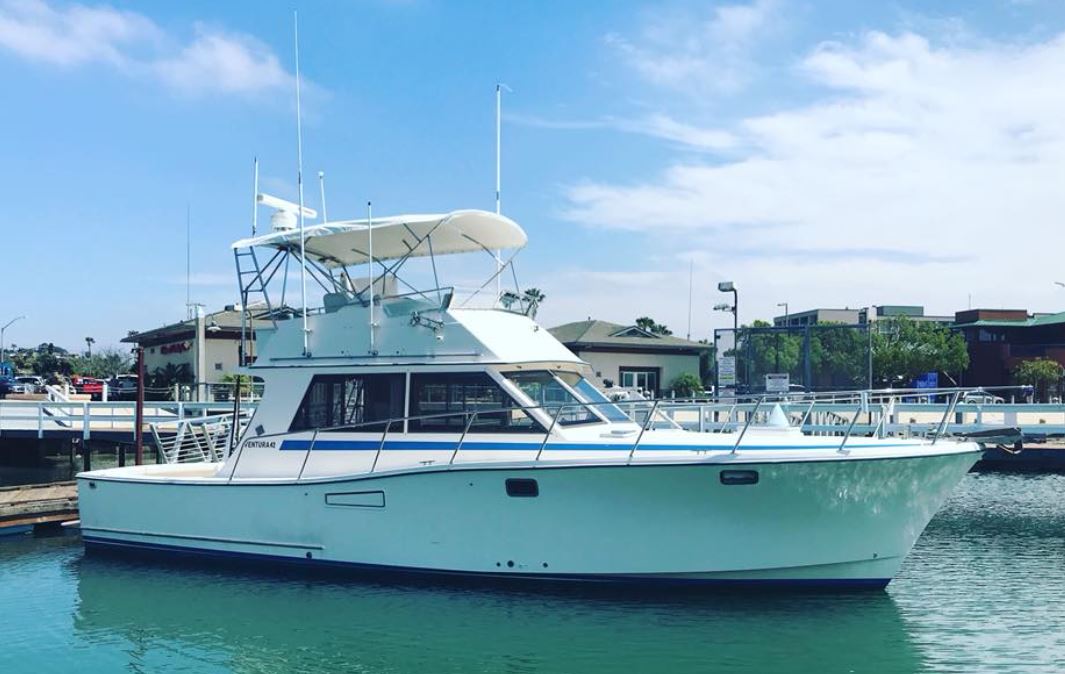
We run a combination of trolling and live bait fishing depending on what's biting and where we mark fish on the sonar. For trolling, we'll pull cedar plugs, feathers, and Rapala-style lures through the tuna grounds at 6-8 knots. The boat's rigged with outriggers and downriggers, so we can cover multiple depths and spread our baits wide. When we find kelp paddies or bird activity, that's when we switch to live bait – nothing beats a lively sardine or anchovy on a circle hook when yellowtail are fired up. The crew provides all tackle, but if you've got your own setup, bring a 20-30 pound class rod with a quality reel that can handle long runs. These fish don't mess around, and neither should your drag system. We fish barbless hooks in Mexican waters, so make sure your hooksets are solid and keep that line tight during the fight.
Species You'll Want to Hook
Mahi Mahi are the crown jewel of offshore fishing here, and these common dolphinfish are absolutely electric when they hit your bait. They travel in schools, so when you hook one, there's usually more around. Mahi average 10-25 pounds in these waters, with the occasional bull pushing 40 pounds or more. Best time to target them is late spring through early fall when water temperatures climb above 70 degrees. They love floating kelp paddies and debris lines where small baitfish gather. The fight is pure adrenaline – they jump, they run, they change colors from bright green and gold to electric blue as they battle. Plus, they're absolutely delicious on the dinner table.
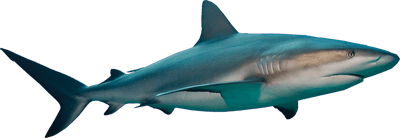
Shortfin Mako Sharks are the fighter jets of the shark world, and the Coronado Islands are prime mako territory. These apex predators cruise the deep water edges looking for tuna and other gamefish. Makos here typically run 60-150 pounds, though monsters over 200 pounds show up regularly. They're most active during summer months when baitfish concentrations are thick. What makes mako fishing so addictive is their incredible speed and aerial displays – they can hit 40 mph and launch completely out of the water when hooked. The initial run will test your equipment and your nerve. Many anglers consider mako the ultimate offshore challenge because they never give up, even at boatside.
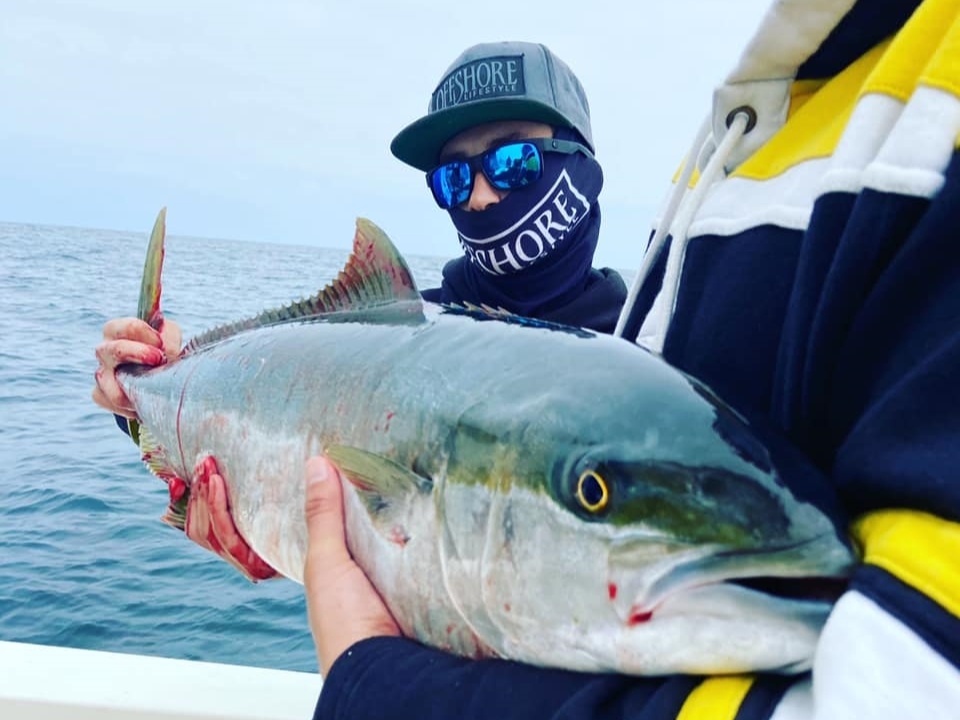
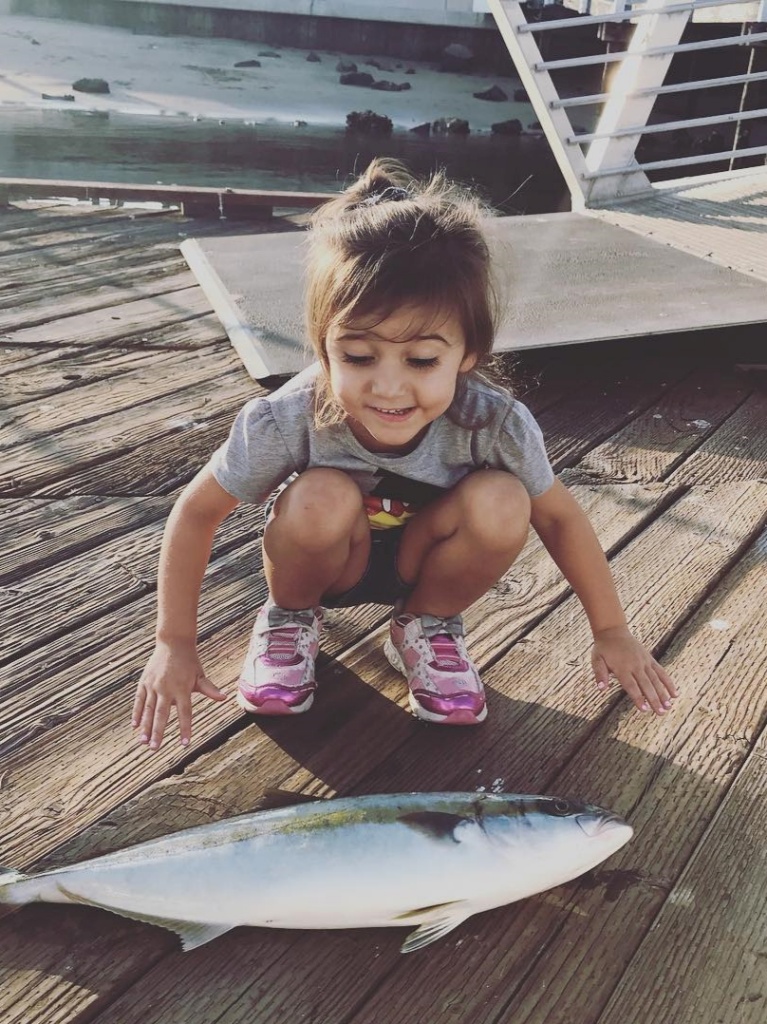
Yellowtail Amberjack are the bread and butter of Southern California offshore fishing, and the Islands produce some true trophy-class fish. These amberjacks range from 15-pound "firecrackers" up to 40-pound bruisers that'll smoke your reel in seconds. Peak season runs April through October, with the largest fish typically showing in late summer and fall. Yellowtail are structure-oriented, hugging the kelp beds and rocky pinnacles around the Islands. They hit live bait aggressively and make powerful runs toward the bottom or back into the kelp. Smart yellowtail use the structure to their advantage, so you need to muscle them away from cover quickly. The meat is outstanding – firm, white, and perfect for sashimi or the grill.
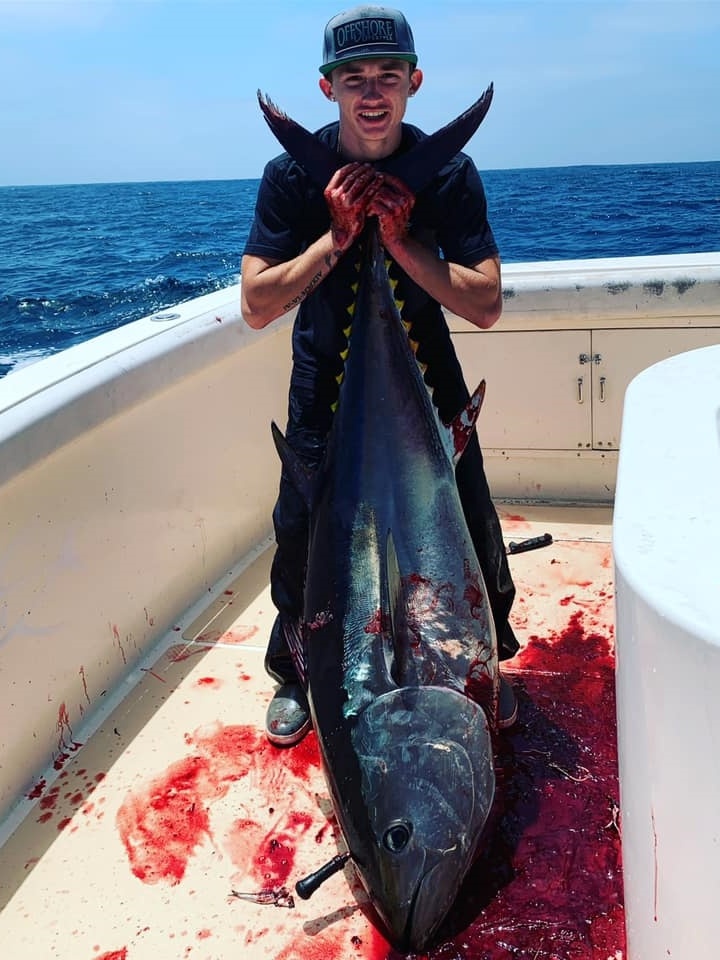
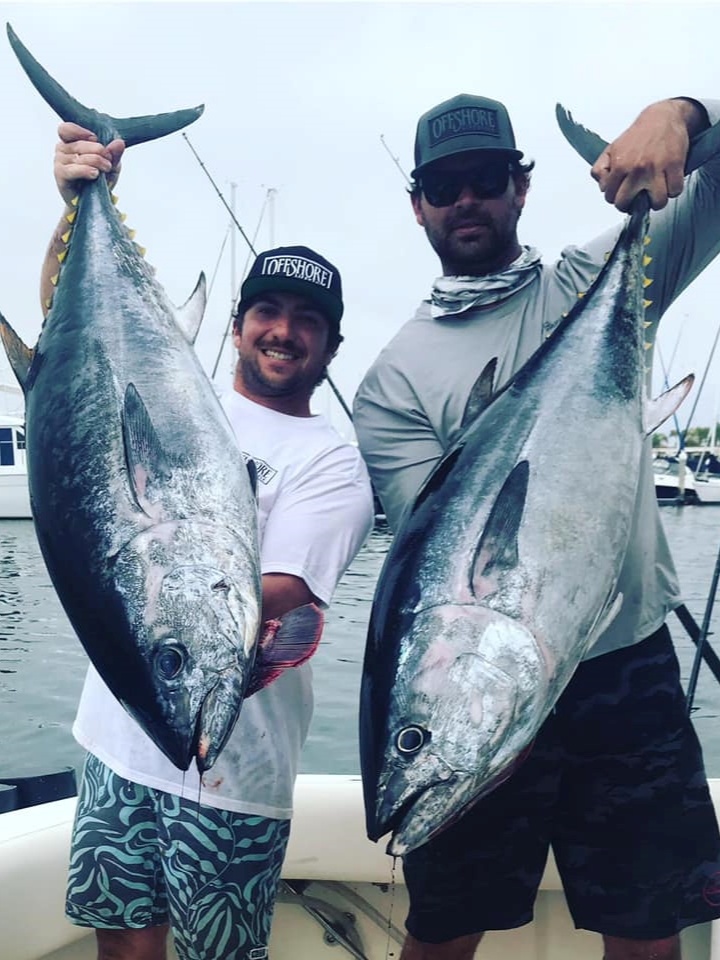
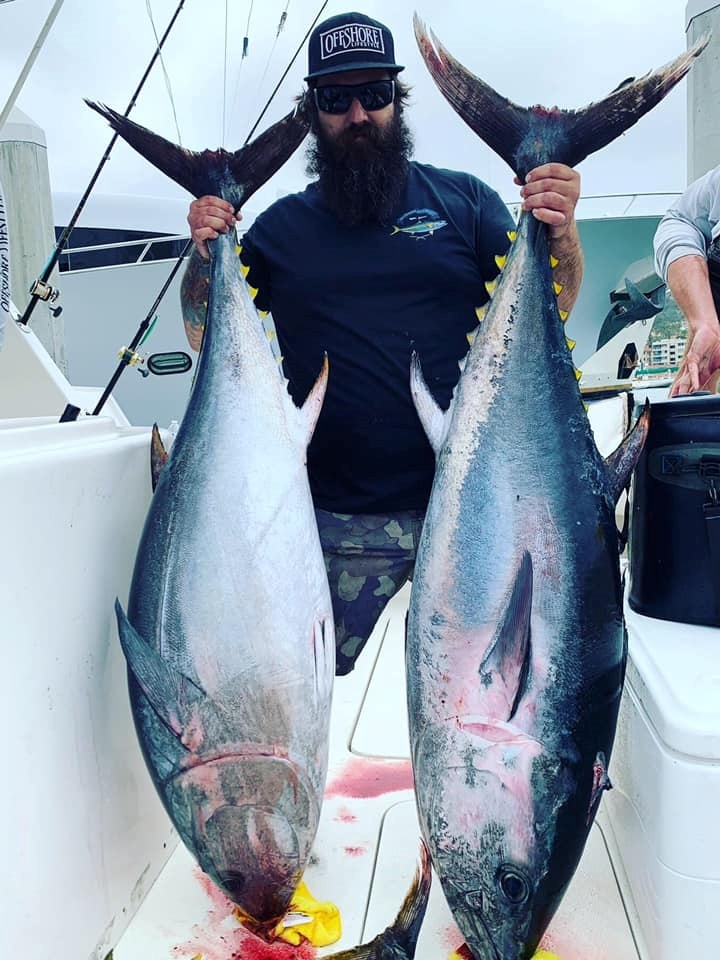
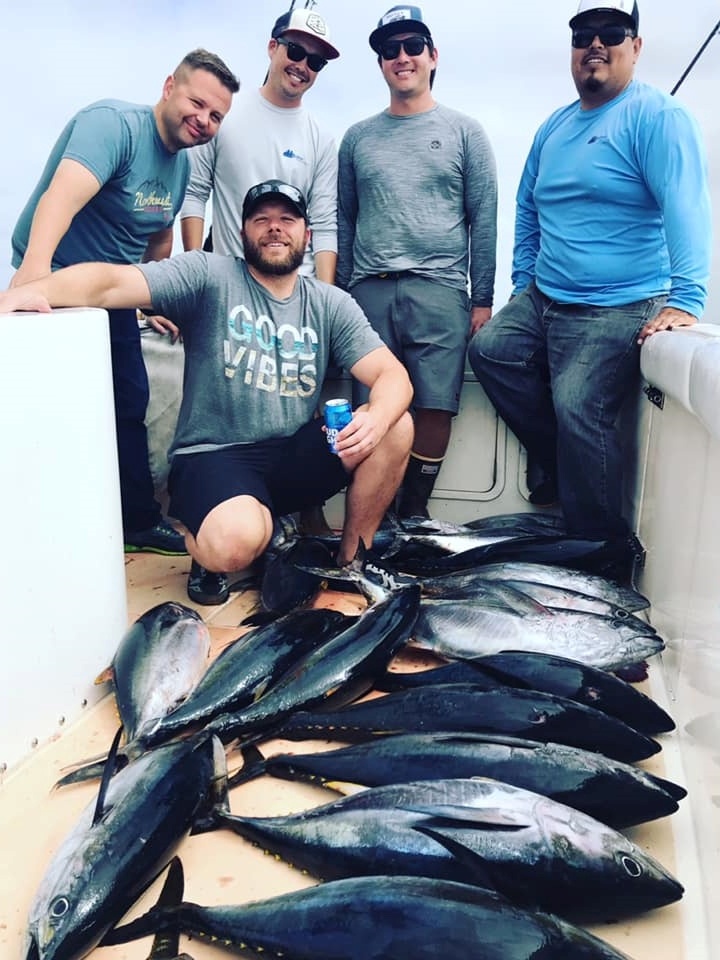
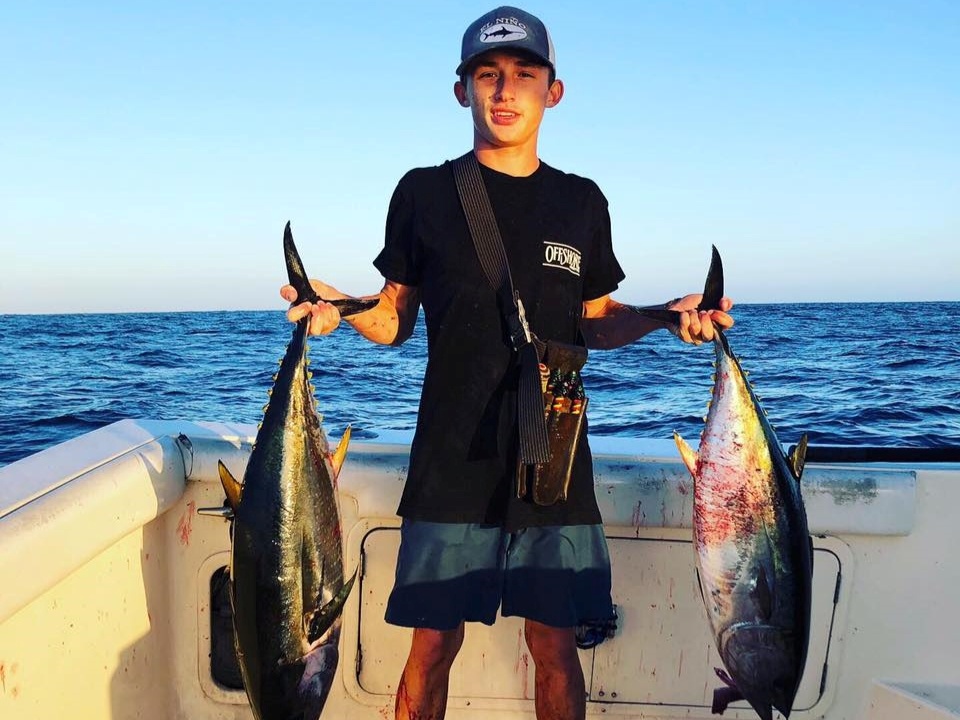
Yellowfin Tuna bring the offshore game to another level entirely. These pelagic speedsters are built for endurance, with torpedo-shaped bodies and sickle-shaped fins designed for long-distance cruising. Local yellowfin typically range 15-60 pounds, though 100-pound-plus giants show up when conditions align. Summer and fall produce the most consistent action as warm water currents push closer to shore. Yellowfin often travel with dolphins or feed under bird schools in open water. The fight is a marathon, not a sprint – they make long, steady runs that can last 20-30 minutes. Fresh yellowfin sashimi right on the boat is an experience every angler should have at least once.
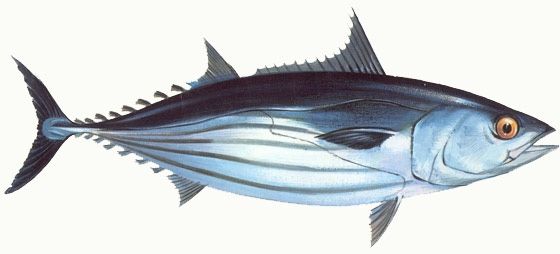
Skipjack Tuna might be the smallest tuna species we target, but don't let their 5-15 pound average fool you. These little rockets fight harder pound-for-pound than almost any fish in the ocean. They school in massive numbers during summer months, creating some of the most exciting wide-open fishing you'll find anywhere. When skipjack are biting, it's non-stop action – every rod on the boat can
 Private Trip
 Offshore Fishing
 San Diego, CA


 Full day offshore fishing targeting Mahi Mahi, Tuna, and Yellowtail