Charter Fishing Daytona Beach | 4 To 8 Hour Trip
Picture this: you're casting your line into the crystal-clear waters off Daytona Beach, with Captain's expertise guiding every move and the Atlantic's bounty waiting below. Our top-rated inshore fishing charters give you 4 to 8 hours of pure fishing action, whether you're a weekend warrior looking to land your personal best or a first-timer ready to feel that rod bend for the very first time. With Whataday Charters, you're not just booking a fishing trip – you're securing a front-row seat to some of Florida's most productive inshore waters, where redfish prowl the grass flats and black drum cruise the deeper channels just waiting for the right presentation.
What to Expect on the Water
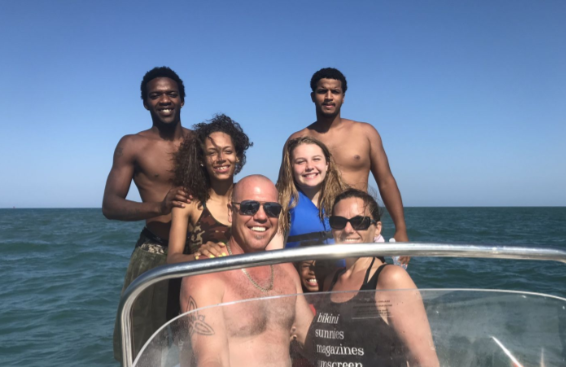
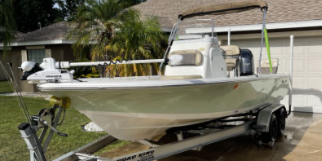
Your day starts early when you meet Captain at the dock, coffee in hand and tackle boxes loaded. We keep our groups intimate – just 5 anglers max – so everyone gets personalized attention and plenty of elbow room to work their favorite techniques. The boat's rigged with quality rods, reels spooled with fresh line, and a tackle box full of proven baits that these Daytona Beach fish simply can't resist. Depending on tides, weather, and what's biting, we'll work everything from shallow grass flats where redfish tail in knee-deep water to deeper structure where sheepshead stack up around pilings and jetties. The beauty of our flexible 4 to 8-hour options means you can choose your adventure – a half-day focus on one prime spot or a full-day tour hitting multiple productive areas as conditions change throughout the day.
Techniques & Tackle Breakdown
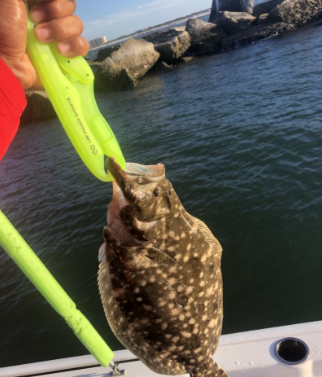
Inshore fishing here is all about reading the water and matching your approach to what the fish are telling you. We'll have you throwing live shrimp under popping corks when the trout are schooled up, pitching soft plastics into mangrove pockets where redfish love to ambush prey, and dropping cut bait to the bottom when those heavyweight black drum are feeding. The gear we provide is tournament-quality stuff – medium to medium-heavy spinning rods paired with smooth reels that can handle a bull red's first run or a stubborn sheepshead trying to cut you off in the rocks. Captain knows these waters like the back of his hand, from which creek mouths hold fish on the falling tide to where the flounder lay up waiting for an easy meal. You'll learn to feel the difference between a tap from a cautious sheepshead and the aggressive thump of a hungry redfish, skills that'll make you a better angler long after this trip ends.
Target Species You'll Want to Hook
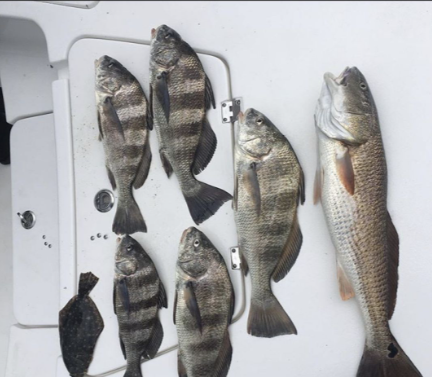
Black drum are the heavyweights of our inshore waters, and when you hook into a 20-pound drum, you'll know it immediately. These bruisers love to cruise the deeper channels and around structure, especially during cooler months from October through March when they school up in impressive numbers. They're bottom feeders with a serious appetite for cut bait – fresh mullet, shrimp, or blue crab will get their attention fast. What makes drum so special isn't just their size, but their fight – they'll use every ounce of that muscle to try and reach the nearest piling or rock pile to break you off. The sound they make when you bring them to the boat, that distinctive drumming noise, is something every angler should experience at least once.
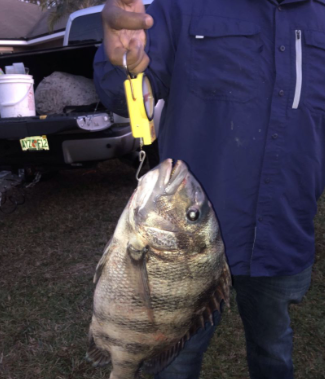
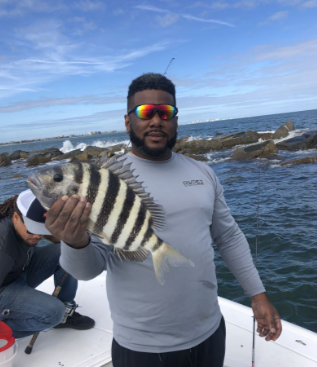
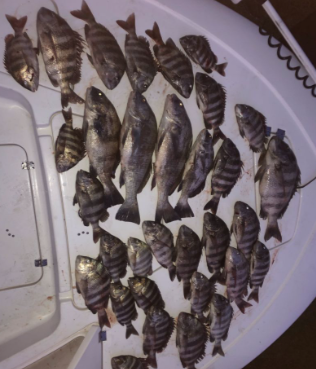
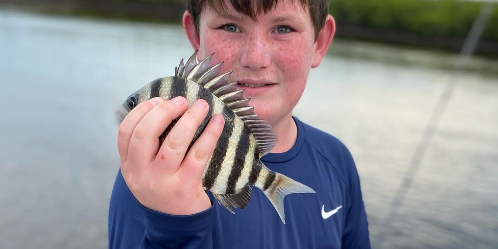
Sheepshead might just be the most challenging and rewarding fish you'll target on this trip. These convict-striped beauties are notorious bait thieves, nibbling your offering so delicately you'll swear nothing's down there – right up until you set the hook and feel that solid headshake. Peak sheepshead season runs December through April when they move inshore to spawn, stacking up around bridge pilings, docks, and any hard structure they can find. They've got human-like teeth perfect for crushing barnacles and crabs, which means you need to think like they do. Small hooks, light line, and the patience of a saint will put more sheepshead in the boat than brute force ever will. Plus, they're absolutely delicious on the table.
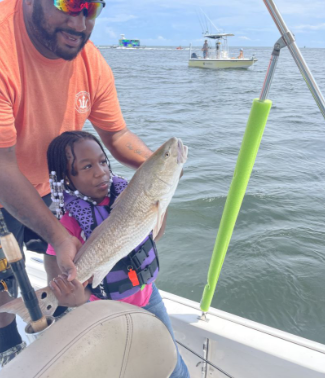
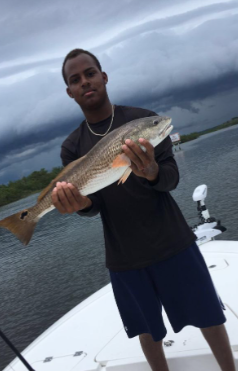
Redfish are Florida's signature inshore species, and for good reason – they fight like freight trains and live in some of the most beautiful water you'll ever fish. Our Daytona Beach reds love the grass flats, oyster bars, and mangrove shorelines where they can ambush everything from mullet to blue crabs. Spring through fall offers the best action, with fish ranging from schoolie-sized 18-inchers perfect for beginners to bull reds pushing 30-plus pounds that'll test your drag system and your patience. Watch for their bronze flanks flashing in shallow water, or those telltale tails breaking the surface when they're head-down feeding. When a slot red takes your bait, that first run is pure magic – they'll strip line like a bonefish and give you a fight you'll be talking about for years.
Time to Book Your Spot
Don't let another fishing season slip by watching other anglers post their catches on social media. Our Daytona Beach inshore charters book fast, especially during peak months when the fishing is world-class and the weather's perfect. Whether you choose our popular 4-hour trip to target specific species or go all-in with an 8-hour adventure covering multiple techniques and locations, you're guaranteed a day on the water that'll remind you why fishing is more than just a hobby – it's a passion. Captain's local knowledge, quality equipment, and commitment to putting you on fish makes this a customer favorite year after year. The only thing we can't provide is your fishing license and the fish cleaning, but trust me, after a day of steady action in these productive waters, you'll have plenty to take home and stories that'll last a lifetime. Book now and let's get those lines wet.
 Private Trip
 Inshore Fishing
 Daytona Beach


 4-8 hour inshore fishing trips accommodate up to 5 guests