Extended Half Day Inshore Fishing in Eastern NC
When you're serious about putting fish in the boat, nothing beats six solid hours on Eastern North Carolina's productive inshore waters. This isn't your typical rushed fishing trip – we're talking about real time to work the water, dial in your technique, and chase whatever's biting. Our local captains know exactly where to find redfish tailing in skinny water, where flounder are holding on structure, and which grass beds are loaded with speckled trout. With space for just three anglers, you'll get the personalized attention that makes all the difference between a good day and an epic one.
What to Expect on the Water
Six hours gives us the luxury of fishing multiple spots and adapting to what the fish are telling us. We'll start early when the bite is typically strongest, working our way through prime inshore habitat based on tides, weather, and recent fish activity. Your captain will have you rigged and ready before we even leave the dock, whether that's with live bait rigs for flounder, topwater plugs for explosive redfish strikes, or soft plastics for working grass flats. The beauty of this extended trip is we're not watching the clock – if the fish are cooperating at a particular spot, we can stay and capitalize. If they're not, we've got time to relocate and find the action. Eastern NC's inshore waters offer everything from shallow grass flats to deeper channels, oyster bars to creek mouths, giving us plenty of options to keep your rod bent.
Techniques and Tackle
We fish light tackle here – typically medium spinning gear that lets you feel every headshake and run while still having enough backbone for larger redfish. Depending on conditions and target species, we'll employ various techniques throughout the day. Sight fishing for reds in shallow water is pure adrenaline – watching that copper flash as they turn on your bait. We'll work soft plastics along drop-offs for flounder, fish live or cut bait around structure for sheepshead, and cast topwater lures during prime feeding times. Your captain provides all tackle, but feel free to bring your own rods if you prefer. We keep a variety of baits on board, from finger mullet and shrimp to artificial lures that have proven deadly on local fish. The key is versatility – being ready to switch techniques as conditions and fish behavior change throughout the day.
Top Catches This Season
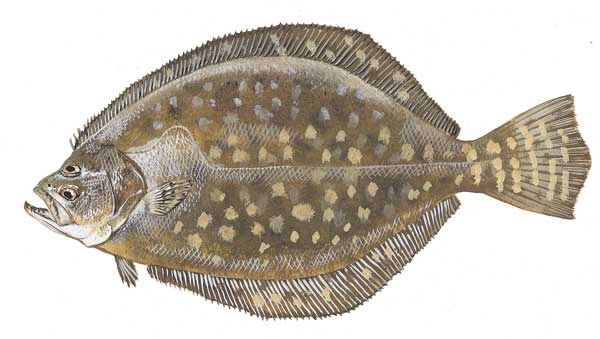
Southern Flounder are the ultimate inshore challenge, and Eastern NC waters hold some fantastic fish. These ambush predators lie buried in sand near channel edges, oyster bars, and around structure waiting for baitfish to swim by. Peak season runs from late spring through fall, with September and October producing some real doormat-sized fish. What makes flounder fishing so addictive is the subtlety – you've got to feel that gentle pickup and set the hook before they realize something's wrong. When you hook a good one, they'll make powerful runs and try every trick to throw the hook.
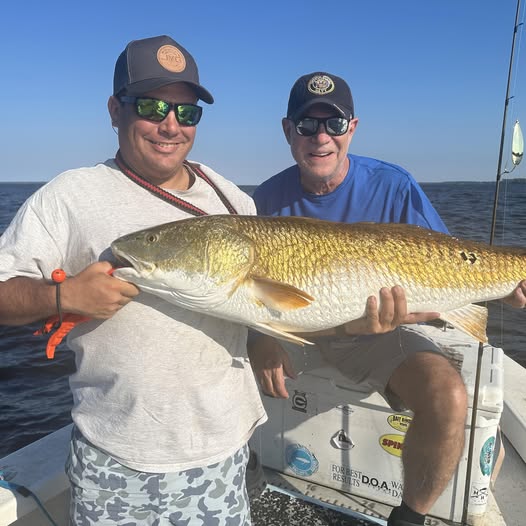
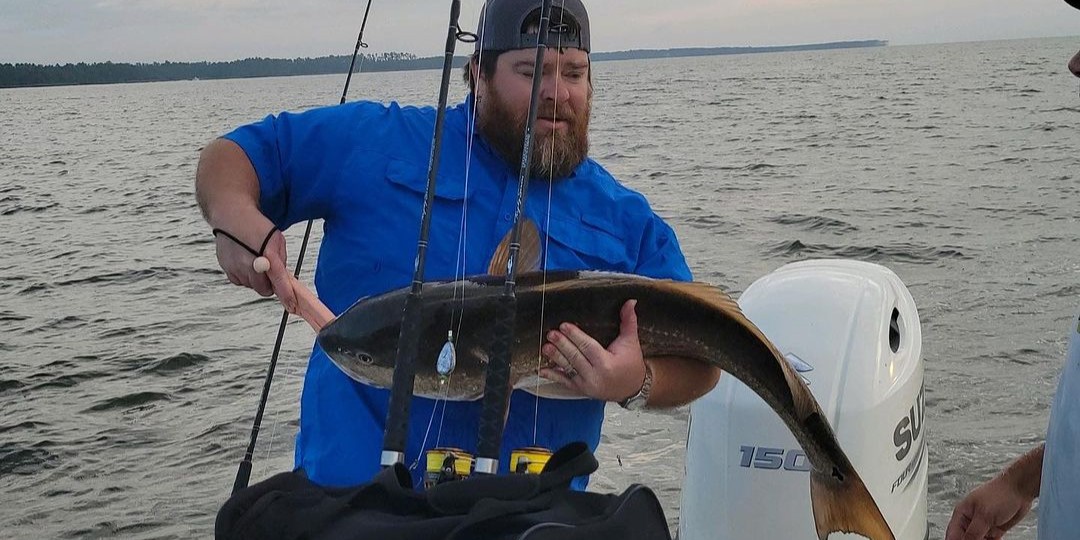
Redfish are hands-down the most popular target for good reason. These copper-colored bruisers are aggressive feeders that'll eat everything from topwater plugs to live bait. In Eastern NC, we see reds year-round, but fall brings the real monsters as they school up for their spawn. A 20-30 inch red will give you a fight you won't forget, stripping drag and making multiple runs. The sight fishing opportunities here are world-class – nothing beats watching a red's wake as it charges your lure in two feet of water.
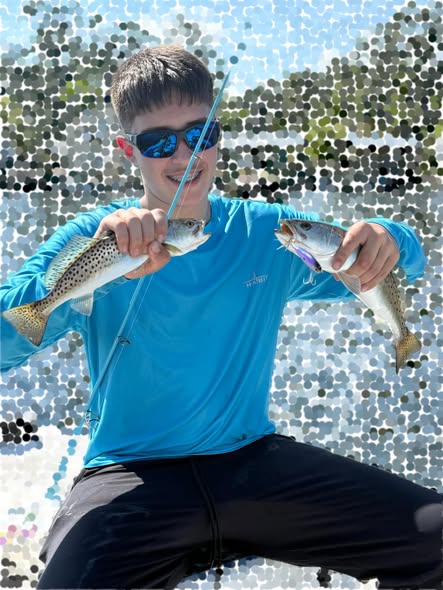
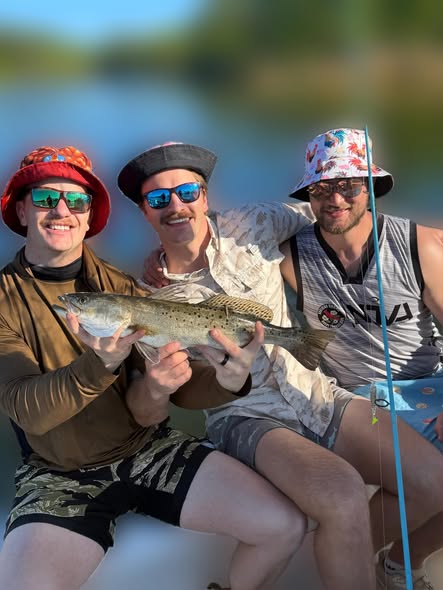
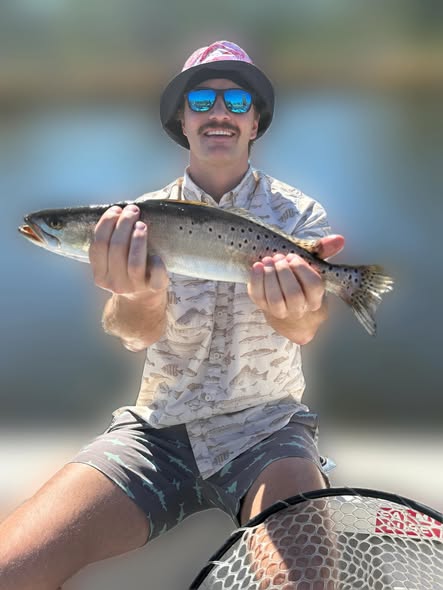
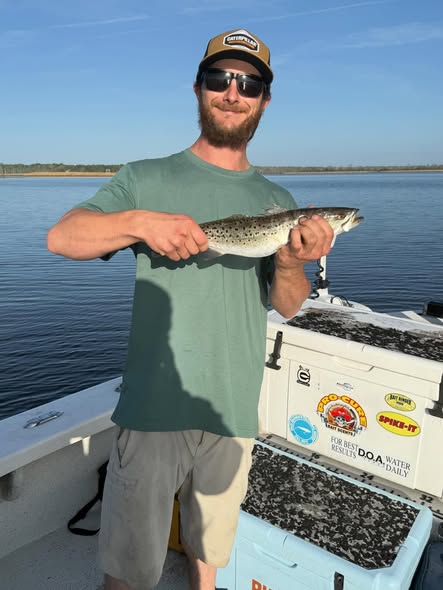
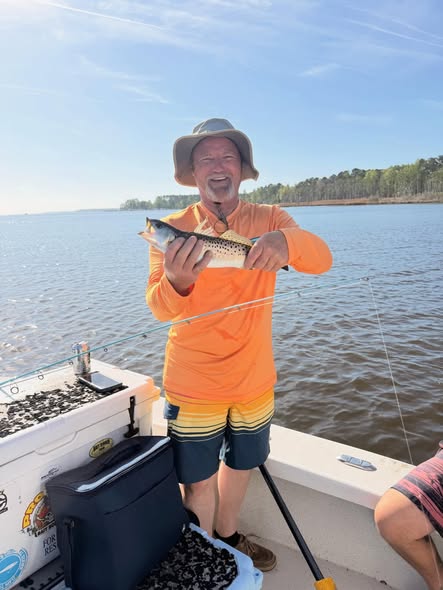
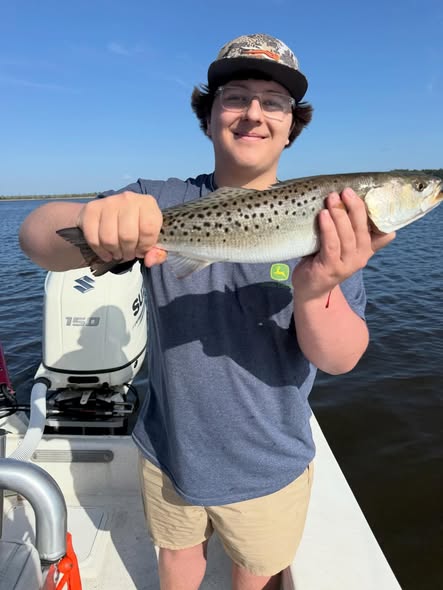
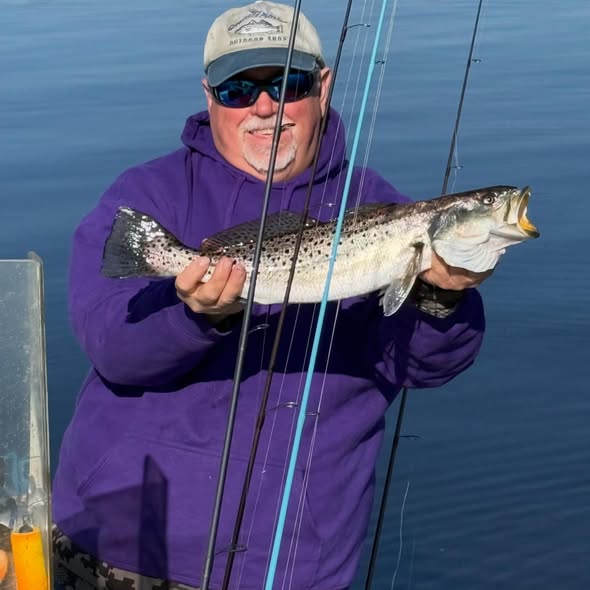
Speckled Trout, or "specks" as locals call them, are abundant in our grass flats and provide consistent action. These beautiful fish are most active during moving tides, especially around dawn and dusk. They're perfect for light tackle fishing, and a good speck will jump and shake its head trying to throw your lure. Fall and spring offer the best action, with fish in the 15-20 inch range being common.
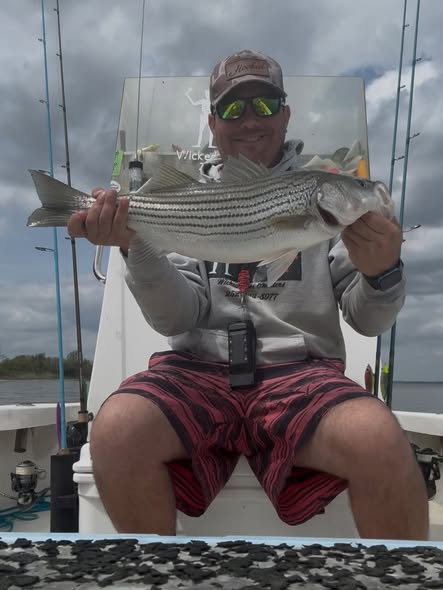
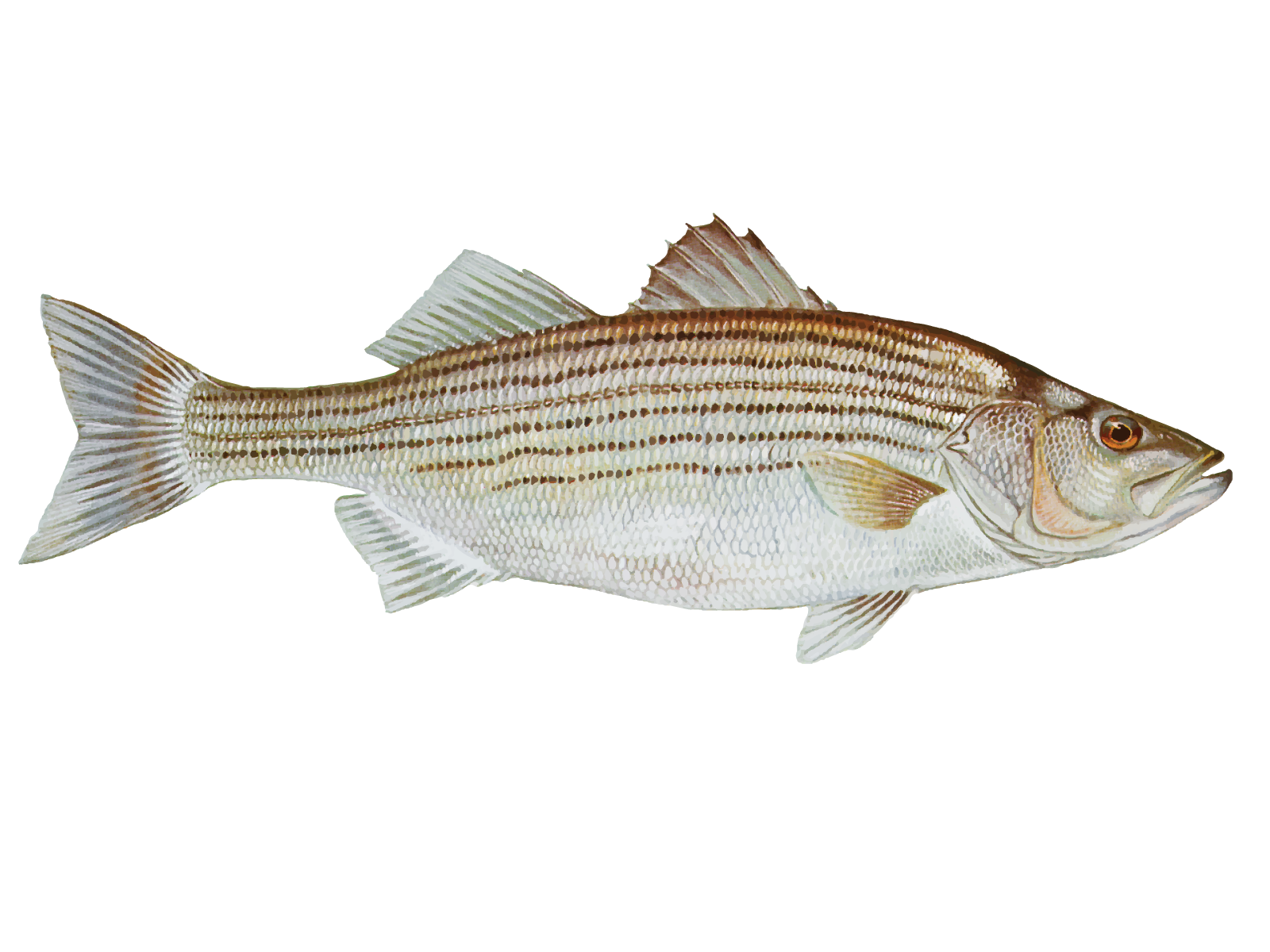
Striped Bass push into our inshore waters during cooler months, offering fantastic light tackle fishing. These fish are pure muscle and will test your drag system. Winter months can produce some exceptional striper fishing, especially around creek mouths and channel edges where they're feeding on baitfish.
Sheepshead are the technical fishing challenge that keeps things interesting. These convict-striped fish hang around structure and have the most sensitive bite you'll encounter. They're notorious bait stealers, but when you connect with a good sheepshead, you'll appreciate their bulldogging fight and excellent table fare. Spring and fall are prime time for targeting these challenging fish.
Time to Book Your Spot
This extended half-day trip with Wicked East Charters gives you the best of Eastern North Carolina inshore fishing without the full commitment of an all-day trip. Six hours is the sweet spot – enough time to really fish multiple areas and species, but still leaves you with afternoon plans. Our local knowledge combined with prime fishing grounds makes this a top-rated choice for serious anglers. Whether you're looking to introduce family members to inshore fishing or want to focus on improving your technique, this trip delivers the goods. Book your spot now and experience why Eastern NC is considered one of the best inshore fishing destinations on the East Coast.
 Private Trip
 Inshore Fishing
 North Carolina


 Six-hour inshore charter targeting redfish, speckled trout, and flounder