Full Day Guided Fishing in Eastern North Carolina
Eastern North Carolina's inshore waters are a fishing paradise, and this 8-hour charter with Wicked East Charters puts you right in the heart of it all. You'll fish alongside experienced local guides who know these waters like the back of their hand, targeting some of the region's most sought-after species including redfish, flounder, speckled trout, striped bass, and sheepshead. With just three anglers max, you get personalized attention and prime spots at the rail. This isn't your typical crowded party boat - it's an intimate day on the water where every cast counts.
What to Expect on the Water
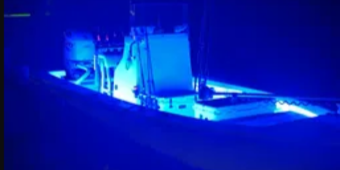
Your day starts early, meeting your captain at the dock as the sun begins to paint the eastern sky. The beauty of an 8-hour trip is having time to really work different areas without feeling rushed. Your guide will adjust the game plan based on tides, weather, and what's been biting lately. Expect to move between grass flats, oyster bars, creek mouths, and deeper channels throughout the day. The smaller group size means you're not fighting for space or waiting your turn - when fish are feeding, everyone gets in on the action. Your captain provides all the tackle, bait, and local knowledge you need. All you need to bring is your fishing license, sunscreen, snacks, and drinks for the day.
Prime Techniques and Spots
Eastern North Carolina's inshore fishing is all about reading the water and matching your approach to the conditions. Your guide will have you working everything from live shrimp under popping corks for speckled trout to bouncing soft plastics along oyster bars for redfish. Depending on the season and tide, you might be sight fishing in skinny water or working deeper structure with bottom rigs. The region's extensive marsh system creates perfect nursery habitat, and the mix of fresh and salt water keeps baitfish active year-round. Expect to use both light spinning tackle and conventional gear, with your captain switching up techniques as you move from spot to spot. The key here is versatility - what works on one flat might not work on the next.
Top Catches This Season
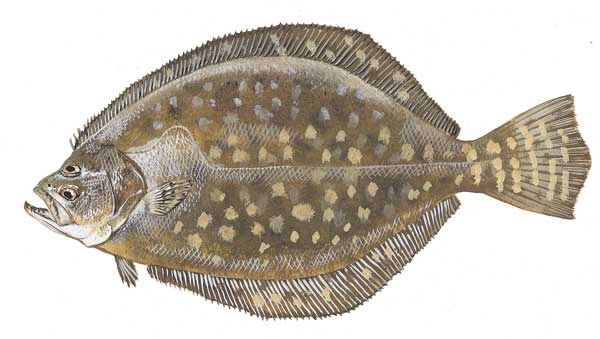
Southern Flounder are the ultimate inshore prize, and Eastern North Carolina serves up some true doormat opportunities. These flatfish are masters of disguise, lying buried in sand waiting to ambush prey. Fall months from September through November offer the best shot at trophy flounder as they stage for their offshore spawning migration. What makes landing a big flounder so special is the fight - they're bulldogs that use every inch of their flat profile to resist coming to the surface. Plus, there's nothing quite like watching a big flounder materialize from what looked like empty bottom.
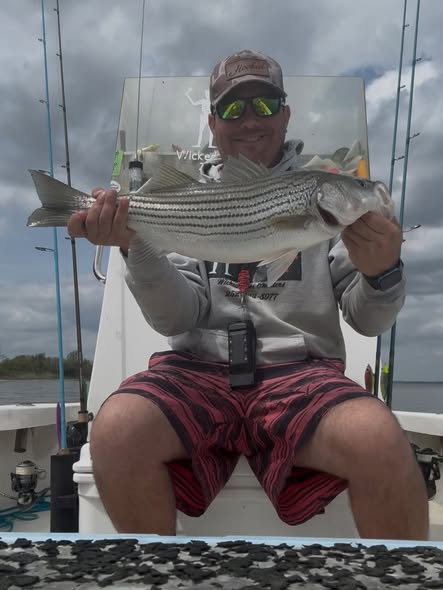
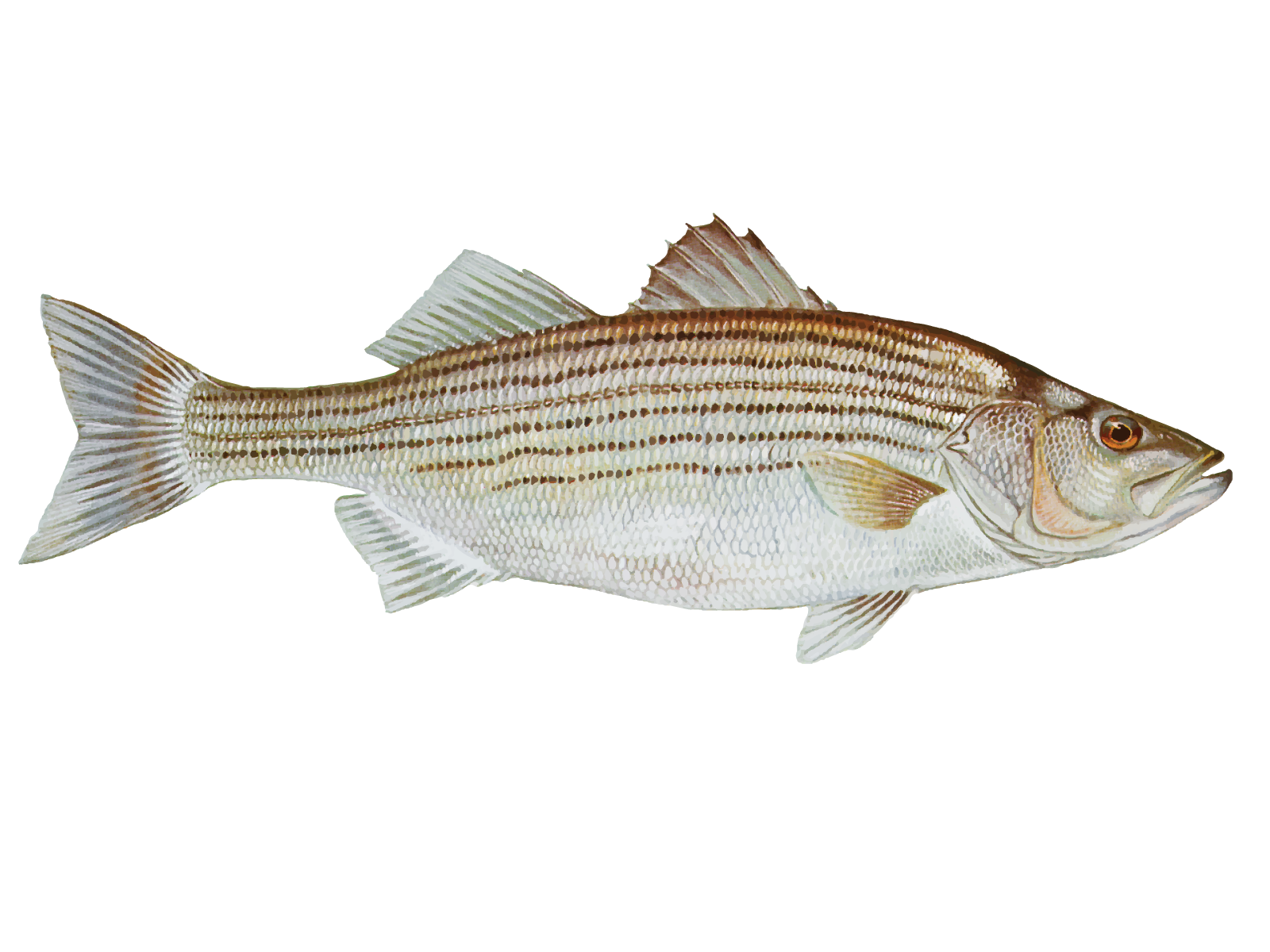
Striped Bass, locally called rockfish, are another customer favorite that keeps anglers coming back. These fish are built for power, with broad shoulders and an attitude to match. Spring and fall see the best action as stripers move through the area in schools. They're aggressive feeders that will crush everything from live bait to topwater plugs. The 18-28 inch fish common in these waters provide excellent table fare and memorable fights on light tackle.
Sheepshead might be the trickiest fish on your target list, but they're worth the effort. These black-and-white striped convicts hang around structure like dock pilings and oyster bars, using their human-like teeth to crunch crabs and barnacles. They're notorious bait thieves with incredibly light bites, but once you figure out their game, they're addictive to target. Plus, sheepshead are outstanding eating with firm, white meat.
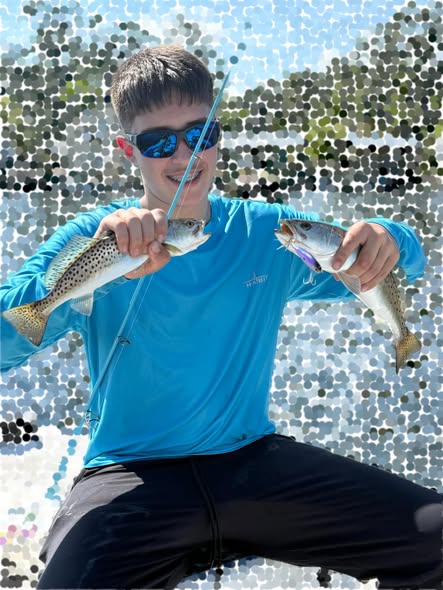
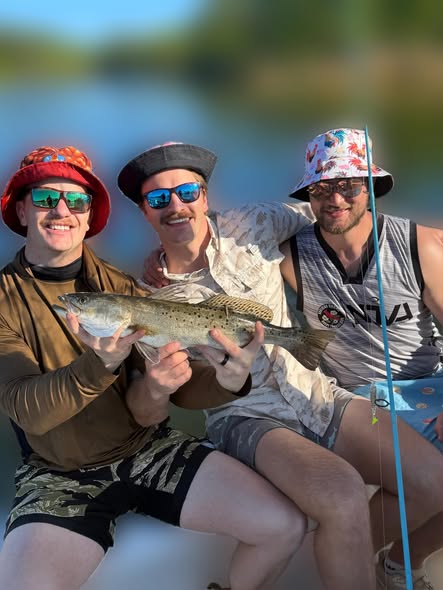
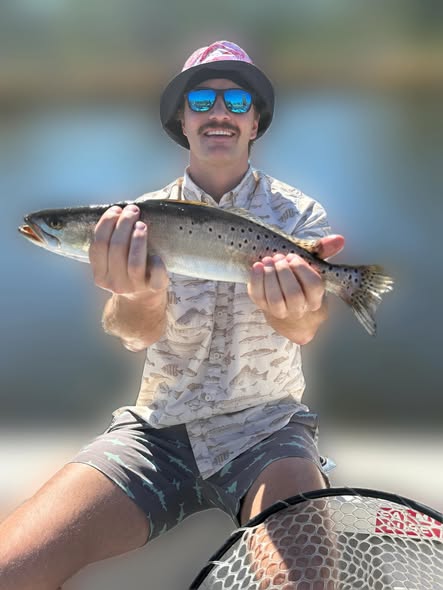
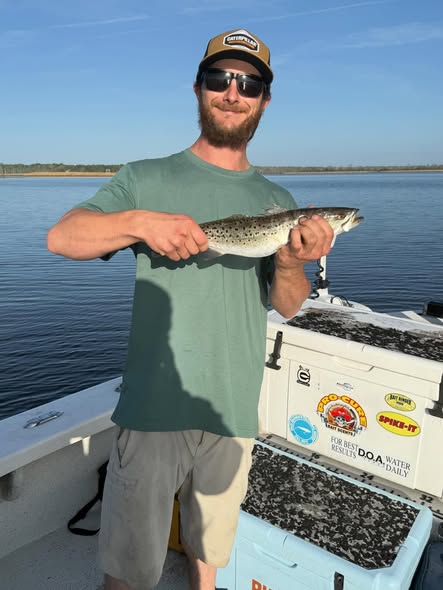
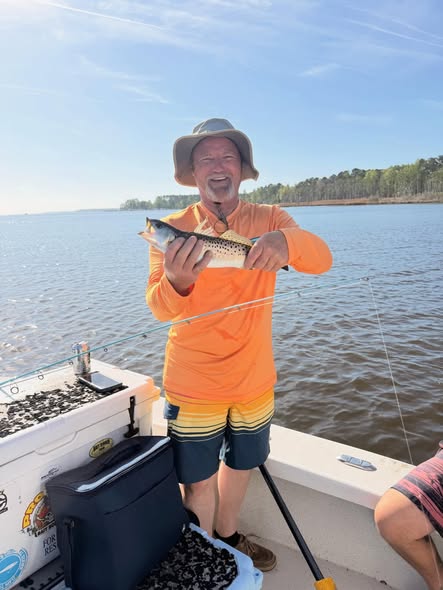
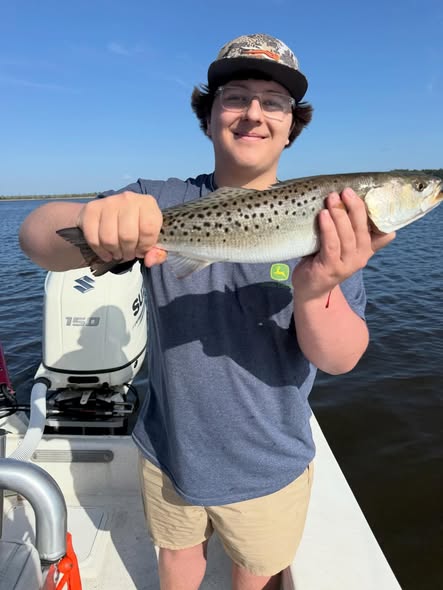
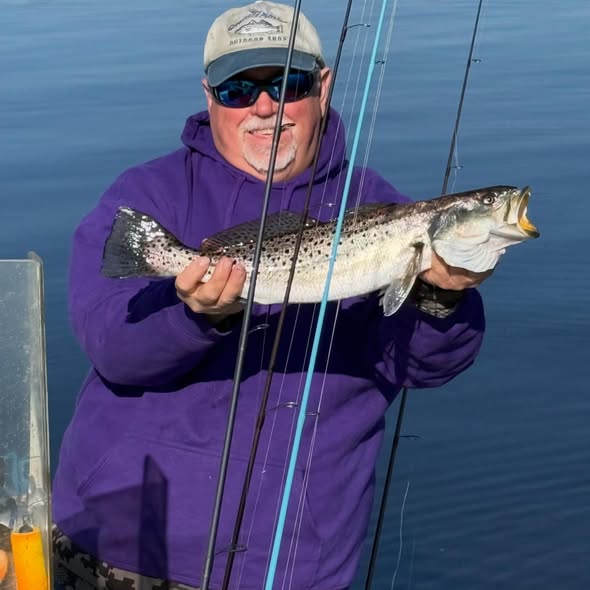
Sea Trout, or speckled trout, are the bread and butter of inshore fishing here. These beautiful fish with their spotted flanks and canine teeth are active year-round, though spring through fall offers peak action. Specks are school fish, so when you find one, there are usually more around. They're aggressive enough to hit topwater lures at dawn and dusk, but finicky enough to keep you thinking. The 15-20 inch fish common here fight well above their weight class.
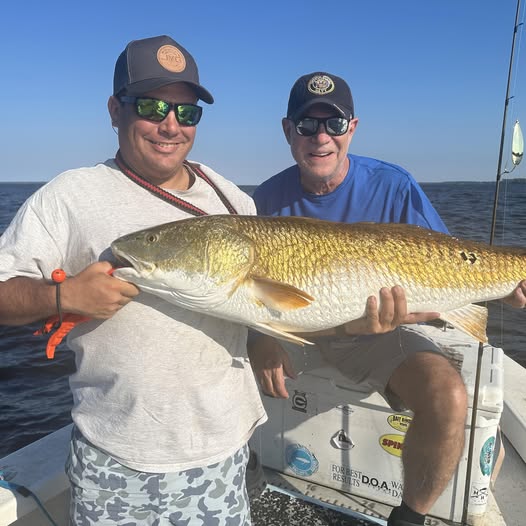
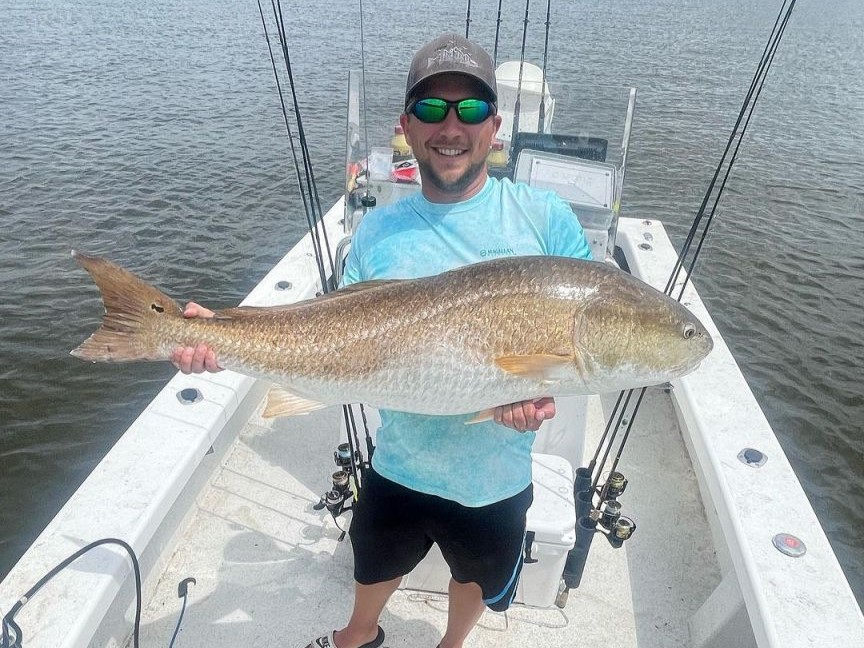
Redfish are the crown jewel of inshore fishing, and Eastern North Carolina's waters hold some impressive bulls and slot fish. These copper-colored fighters are known for their powerful runs and stubborn nature. Reds feed in surprisingly shallow water, often with their backs out of the water as they root around oyster bars and grass flats. The sight of a redfish's tail waving above the surface gets every angler's heart racing. They're also one of the most reliable species, feeding actively in a wide range of conditions.
Time to Book Your Spot
Eastern North Carolina's inshore fishery is world-class, and this full-day charter gives you the best shot at experiencing it properly. With experienced guides, top-notch equipment, and access to prime fishing grounds, you're setting yourself up for success. The 8-hour format lets you really get into the rhythm of the fishery without feeling rushed, and the small group size ensures personalized service throughout the day. Whether you're after your first redfish or chasing a personal best flounder, this trip delivers the authentic Eastern North Carolina inshore experience. Book now and get ready to see why local anglers guard these waters like family secrets.
 Private Trip
 Inshore Fishing
 North Carolina


 8-hour inshore charter targeting redfish, speckled trout, and flounder