Greybull River Fishing Adventure
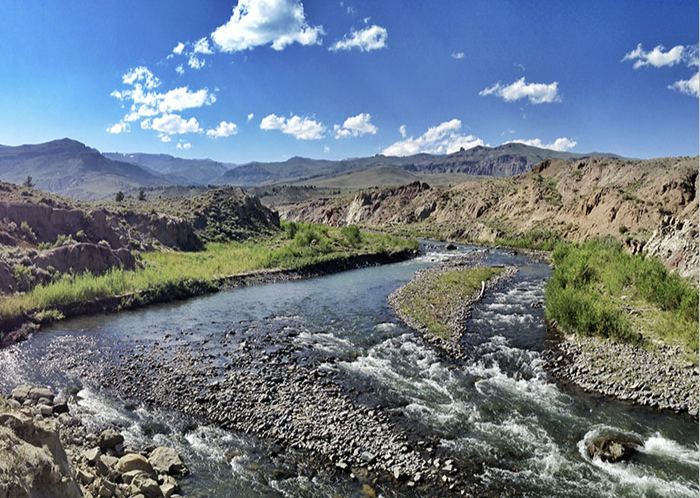
Picture yourself standing knee-deep in a pristine freestone stream, surrounded by the rugged beauty of the Absoraka Mountains, with native Yellowstone Cutthroat rising to your fly. That's what awaits you on the Greybull River, flowing right through the heart of Meeteetse, Wyoming. As the smallest freestone in our area, this gem offers intimate fishing experiences that bigger rivers simply can't match. The Greybull's crystal-clear waters wind through mostly private ranch land, giving you access to some of the most exclusive fishing spots in the region. With Wyoming Trout Guides, you'll discover why this top-rated destination keeps anglers coming back season after season.
What to Expect on the Water
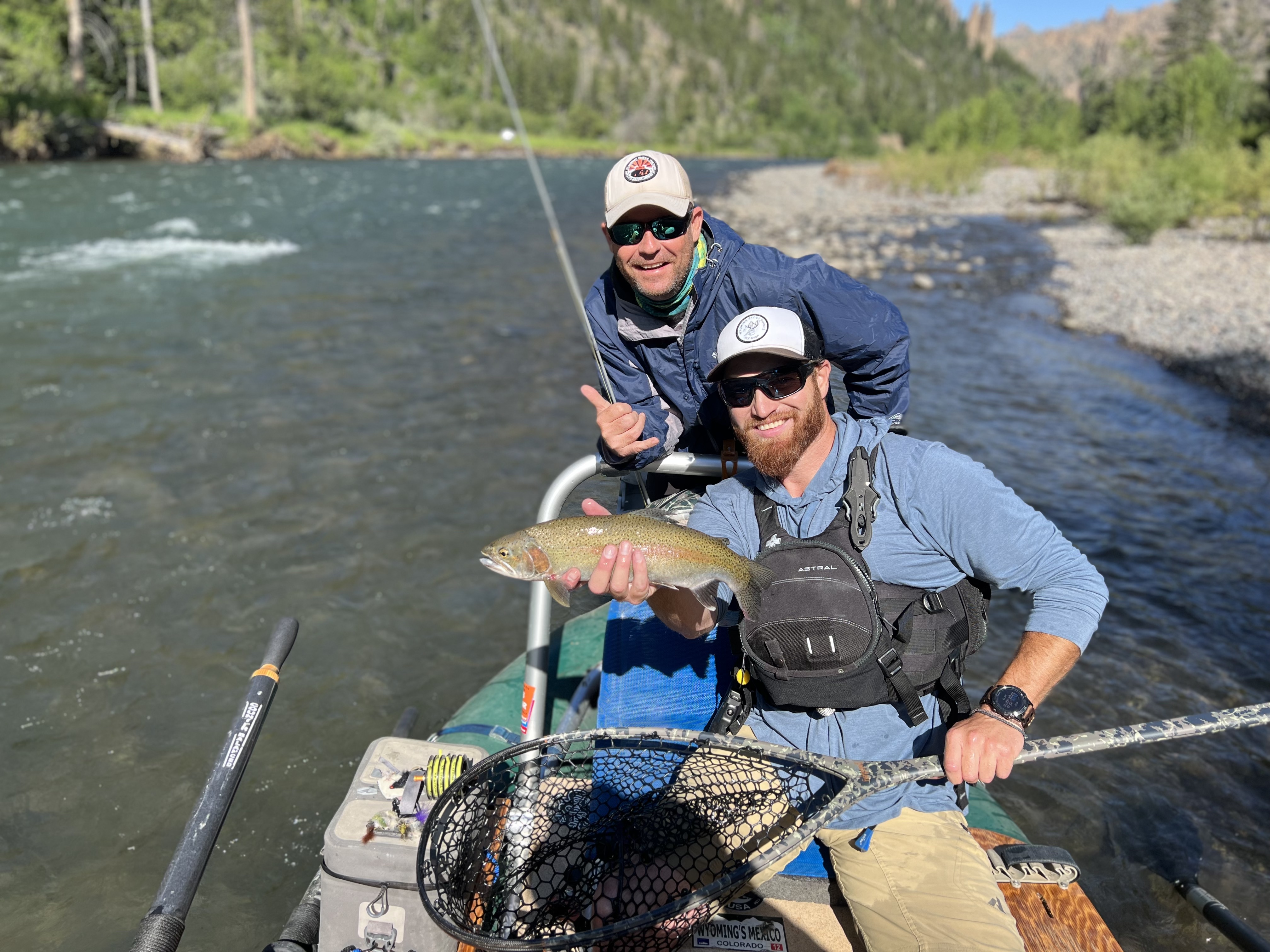
The Greybull River delivers a classic small-stream fishing experience that feels worlds away from crowded tourist waters. Starting your day 30 miles south of Cody, you'll find yourself on a river that's perfectly sized for wade fishing and building genuine connections with the water. The intimate scale means every cast counts, and you'll quickly learn to read the subtle currents and pocket water that hold fish. Since we're fishing primarily private water, you won't be shoulder-to-shoulder with other anglers – it's just you, your guide, and some of the most responsive trout in Wyoming. The Absoraka Mountain backdrop creates picture-perfect scenery, but don't get too distracted by the views when you've got a rod in your hands. This river rewards careful presentation and stealth, making it ideal for anglers who want to sharpen their skills while catching quality fish. We keep groups small at just two guests per guide, ensuring you get personalized attention and plenty of water to work. Around midday, we'll break for a hearty streamside lunch that keeps your energy up for the afternoon bite.
Techniques & Gear Setup
Freestone fishing on the Greybull calls for versatility and finesse. Your guide will outfit you with a 9-foot, 5-weight rod that's perfectly matched to the river's character – light enough for delicate presentations but with enough backbone to handle feisty cutthroat. We primarily fish dry flies during summer months when the native trout are actively feeding on the surface, though nymphing can be deadly during cooler periods or when fish are holding deep in the pools. The key to success here is understanding how mountain freestone streams behave. Water levels fluctuate with snowmelt and weather patterns, so your guide will adjust tactics based on current conditions. In higher water, we might focus on weighted nymphs and streamers in the deeper runs, while dropping levels call for careful dry fly work along undercut banks and foam lines. The Greybull's clear water means fish can be spooky, so we'll work on your approach angles and teach you to spot holding lies before making your first cast. Wading is straightforward but requires attention – the rocky bottom can be slick, and we'll make sure you're comfortable moving through different water types safely.
Species You'll Want to Hook
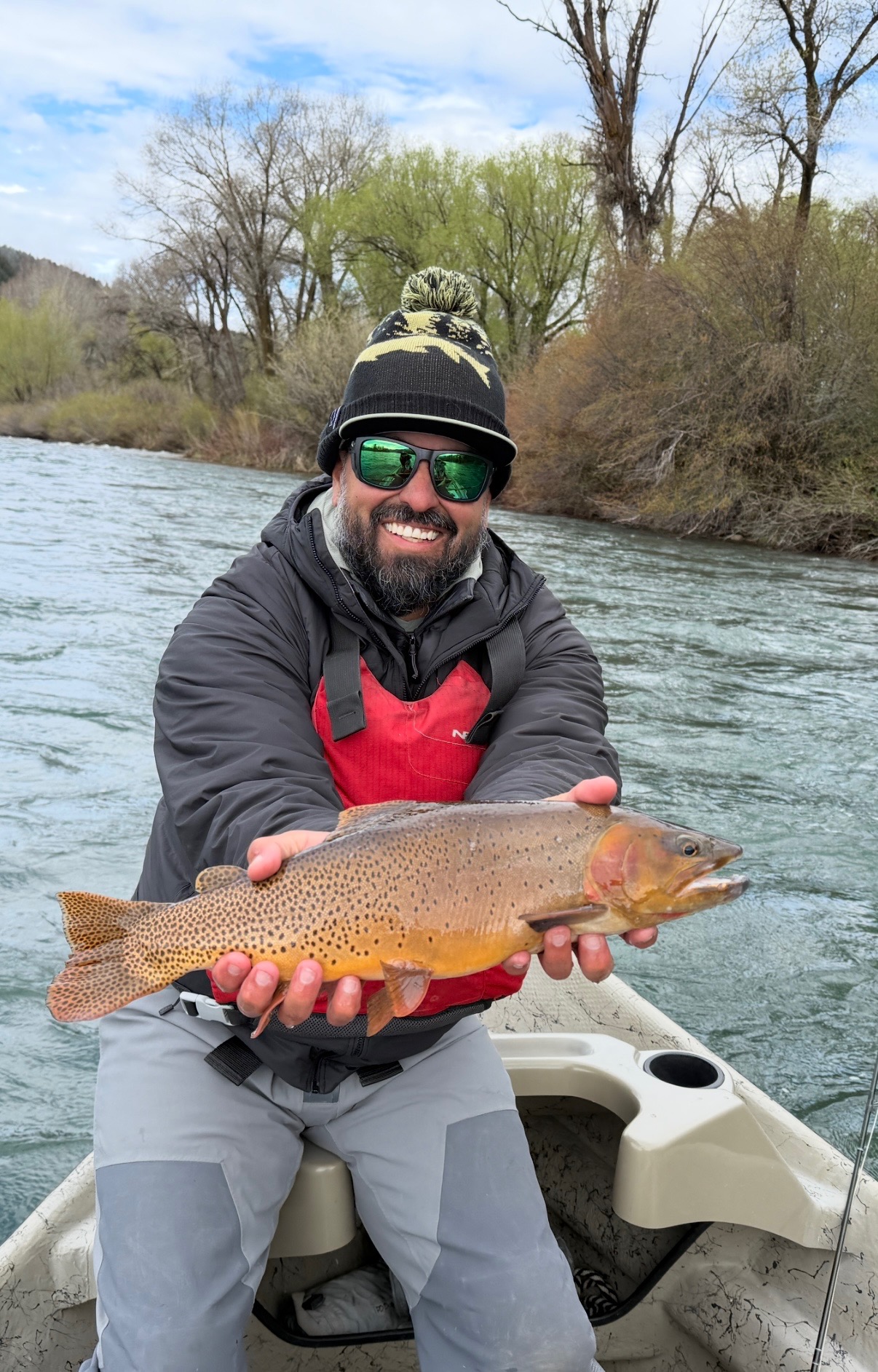
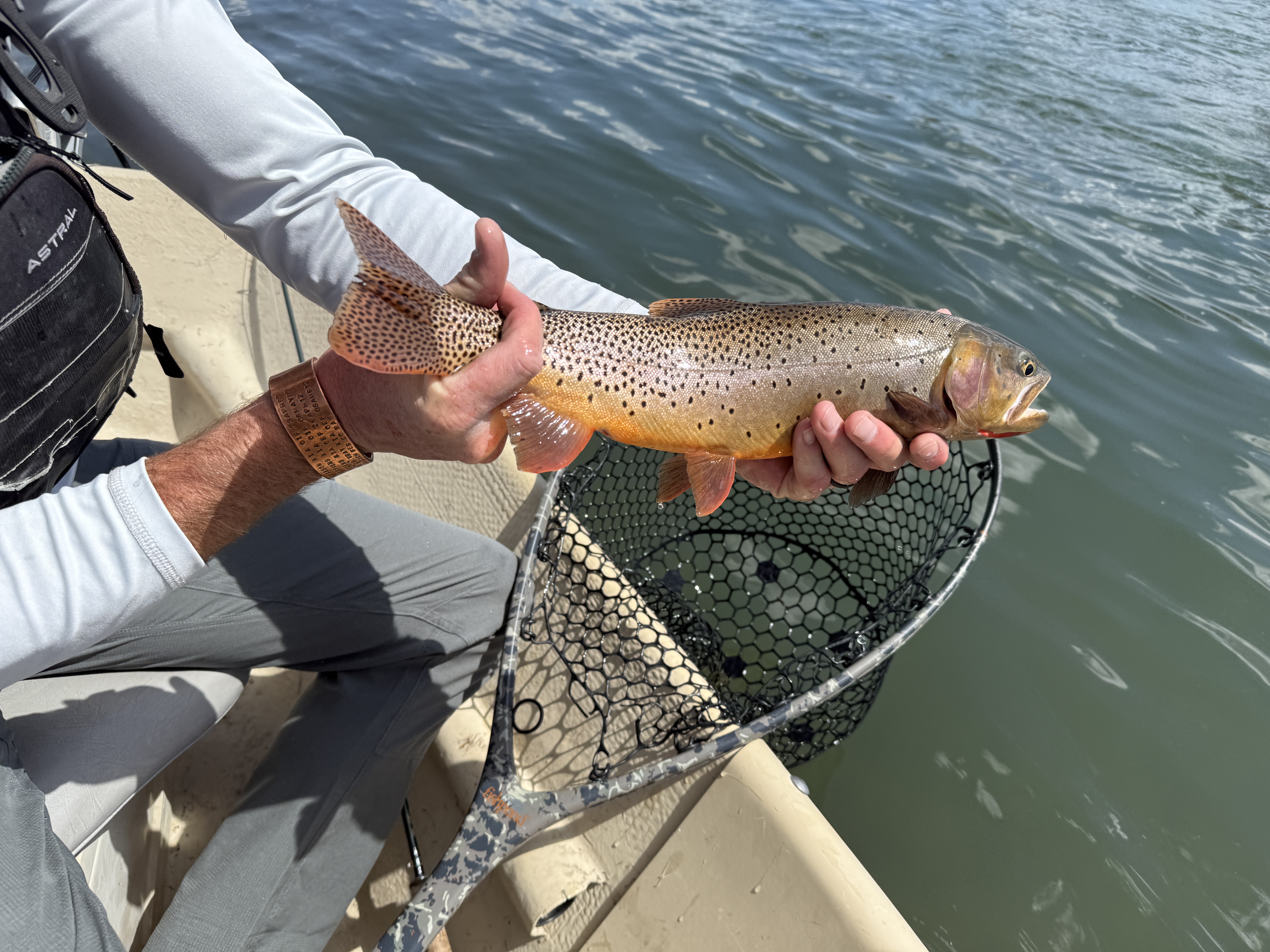
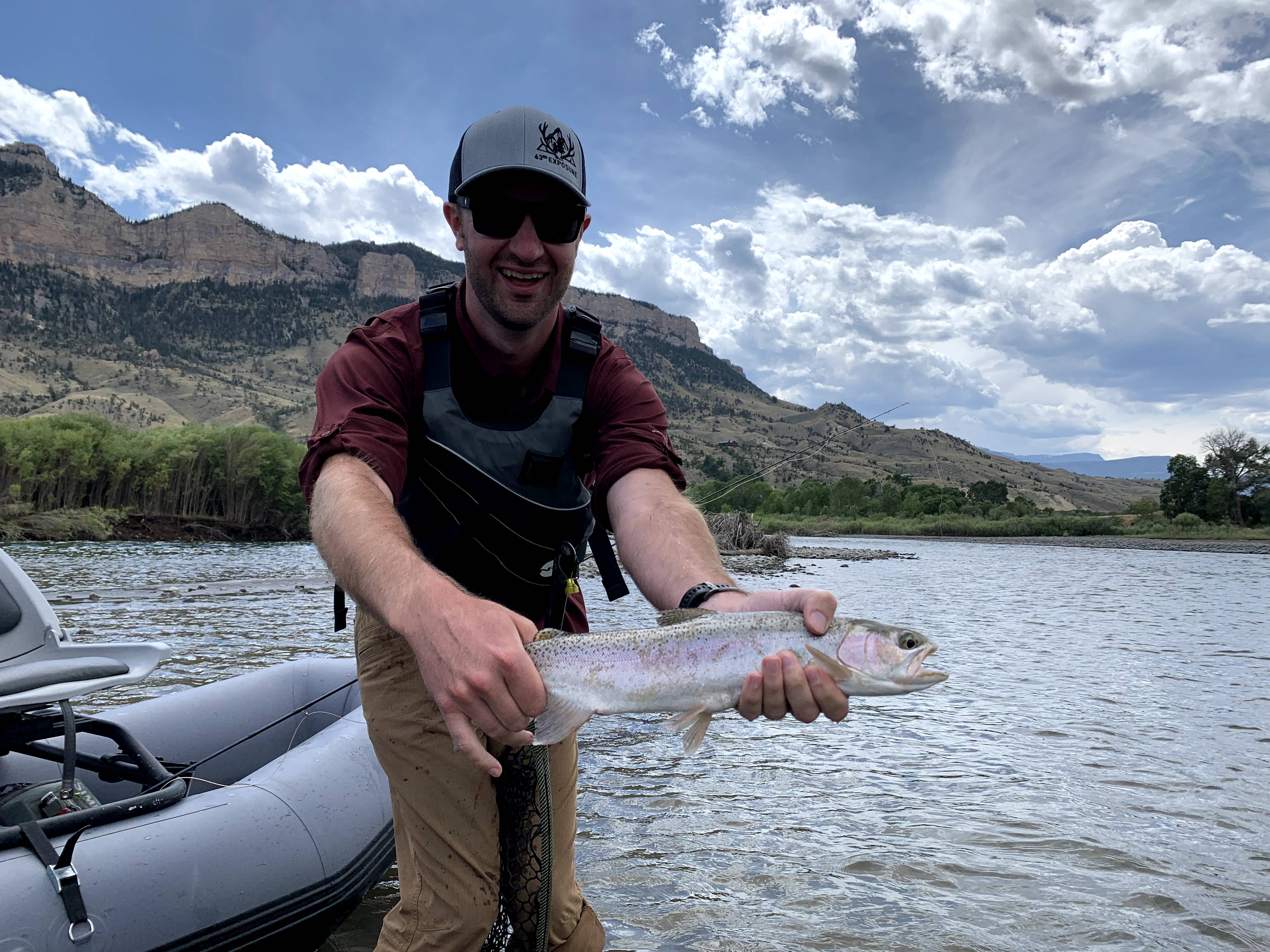
Yellowstone Cutthroat Trout are the undisputed stars of the Greybull River, and for good reason. These native beauties are what make this fishery truly special – they're the original inhabitants of these waters, perfectly adapted to the freestone environment. Cutthroat typically run 12 to 16 inches on the Greybull, with occasional fish pushing 18 inches that'll test your skills and gear. What makes them so exciting to catch is their aggressive feeding behavior and spectacular aerial displays when hooked. Unlike some trout that sulk on the bottom, cutthroat love to jump and run, making every hookup a memorable fight. The best fishing happens from late spring through early fall, with peak activity during morning and evening hatches. These fish are opportunistic feeders, readily taking everything from tiny midges to larger terrestrial patterns when grasshopper season kicks in. Their distinctive red slash under the jaw makes them instantly recognizable, and they're known for their willingness to rise to well-presented dry flies.
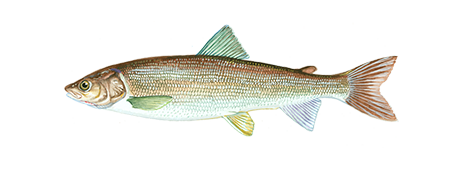
Mountain Whitefish add an interesting dimension to your Greybull River experience, though they're often overlooked by anglers focused solely on trout. These native fish are actually a sign of healthy water quality and can provide consistent action when trout fishing slows down. Whitefish are bottom feeders by nature, so they're typically caught while nymphing deep pools and runs. They average 10 to 14 inches and put up a surprisingly strong fight for their size, with a distinctive head-shaking motion that can fool you into thinking you've hooked a much larger trout. The beauty of whitefish is their year-round availability – they stay active even when water temperatures drop and trout become lethargic. While they might not have the glamour of cutthroat, experienced anglers appreciate their consistency and the technical challenge of getting flies down to their feeding zone. Your guide will show you the subtle differences in how whitefish take flies compared to trout, helping you become a more well-rounded angler.
Time to Book Your Spot
The Greybull River offers something you won't find on the bigger, more famous waters around Cody – a genuine small-stream experience with native fish in their original habitat. This isn't about impressive fish counts or trophy photos for social media. It's about connecting with Wyoming's fishing heritage and learning the subtle art of reading intimate water. The combination of skilled guiding, exclusive access to private water, and healthy populations of native Yellowstone Cutthroat creates a world-class fishing experience that's becoming increasingly rare. Whether you're a seasoned angler looking to refine your technique or someone who appreciates the finer points of fly fishing, the Greybull delivers memories that last long after you've hung up your waders. With lunch included and groups limited to just two anglers, you'll get the personal attention that makes good fishing days great ones. Don't wait too long to secure your dates – the best fishing windows fill up fast, and there's nothing quite like
 Private Trip
 River Fishing
 Cody
Cody
 Fish native Yellowstone Cutthroat on Wyoming's smallest freestone river