Deep Sea Islamorada Fishing Aboard Poppa Wahoo
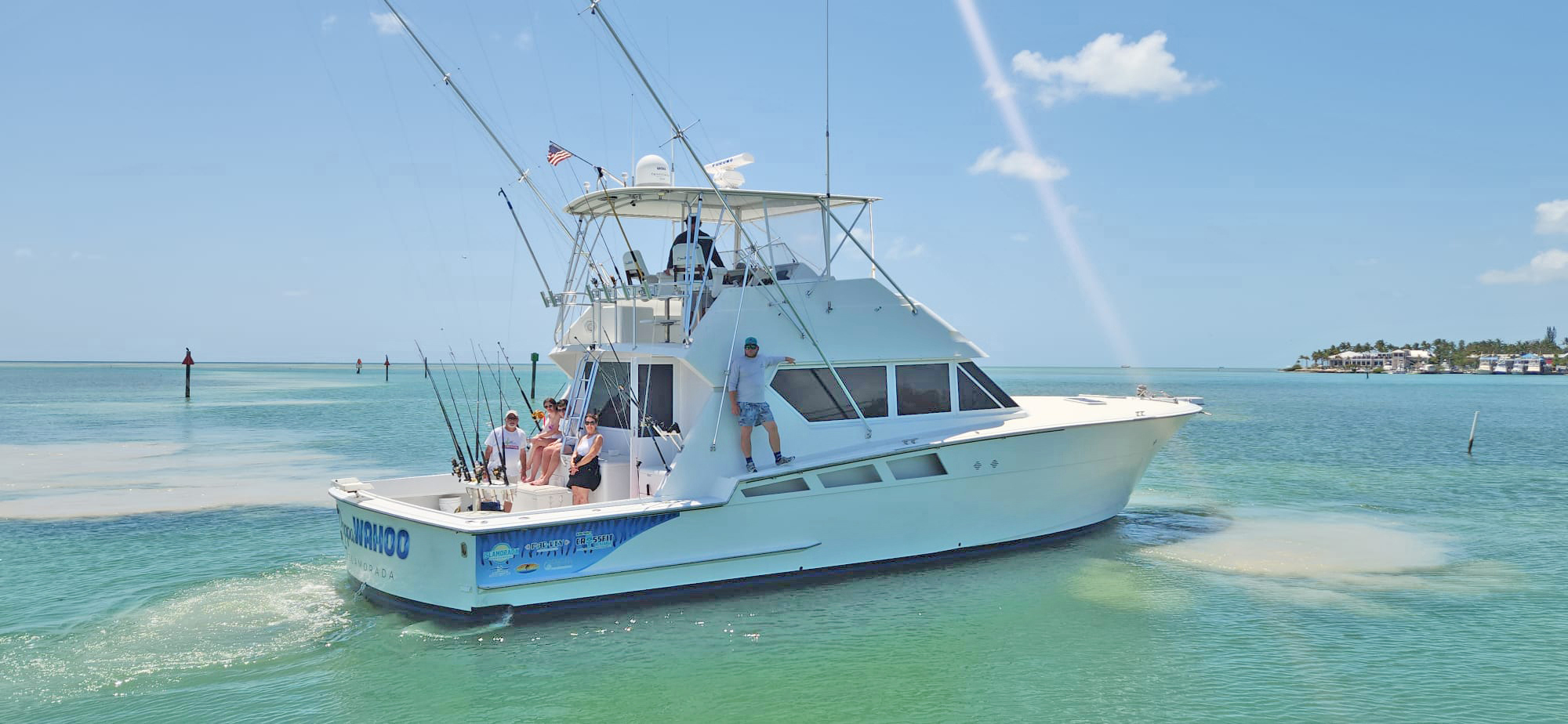
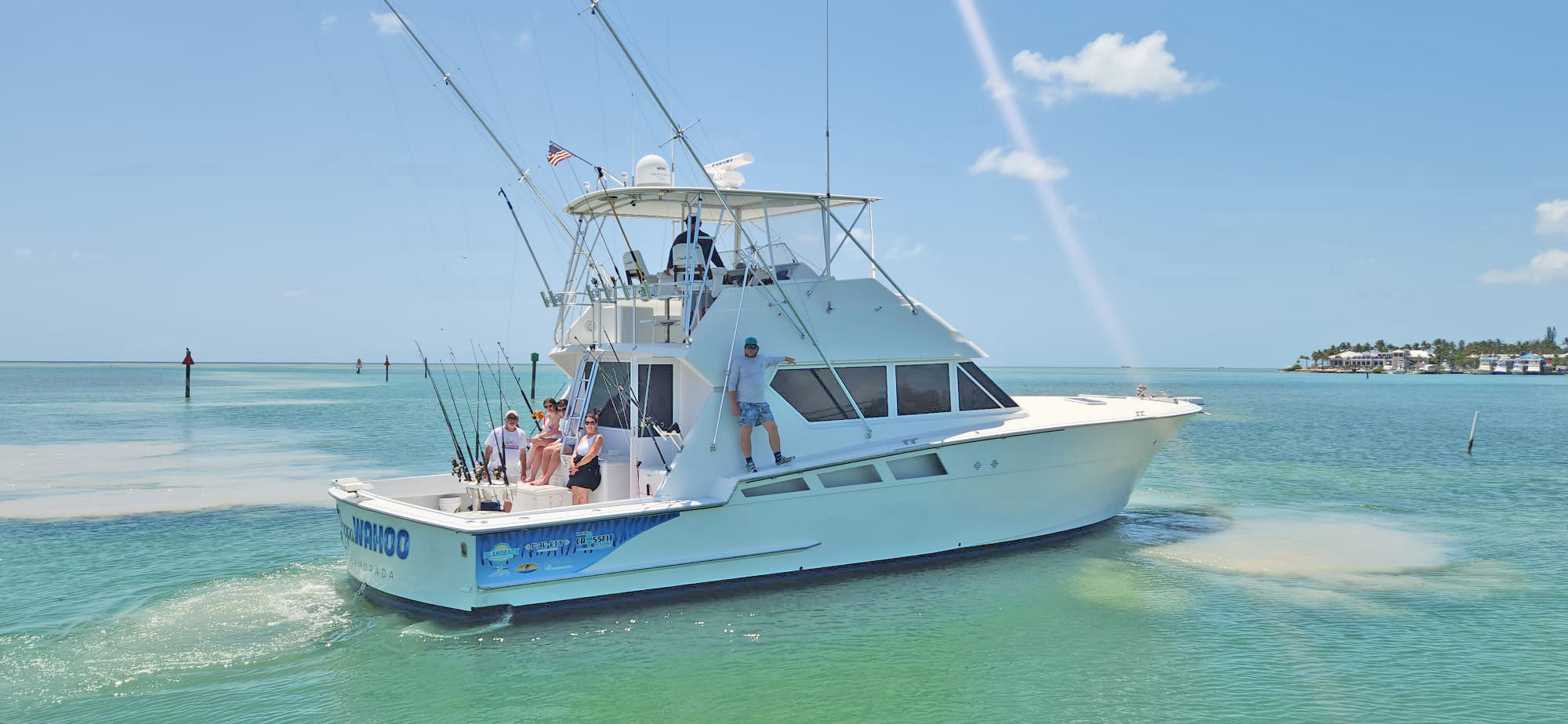
If you're looking to fish Islamorada waters in serious comfort, the Poppa Wahoo delivers exactly what you're after. This 55-foot Hatteras sportfisher is built for deep sea action, offering plenty of deck space and top-shelf fishing gear to handle whatever's running offshore. Captain Brad and his crew know these waters like the back of their hands, putting you on fish while you enjoy the luxury amenities this boat provides. Whether you're bringing the whole family or planning a shorter trip with fellow anglers, the Poppa Wahoo makes every minute on the water count.
What to Expect on the Water
The moment you step aboard this world-class Hatteras, you'll understand why serious anglers choose the Poppa Wahoo Collective. The spacious cockpit gives everyone room to fish comfortably, while the air-conditioned cabin provides a welcome break from the Florida sun between hookups. Your captain will head to productive waters based on current conditions, seasonal patterns, and where the bait is showing up on the fish finder. The crew handles all the heavy lifting – rigging lines, gaffing fish, and keeping the deck organized so you can focus on what matters most: fighting fish. With a maximum of six anglers, you'll never feel crowded, and everyone gets their shot at the action. The boat's professional-grade outriggers and fighting chairs mean you're equipped to handle everything from schoolie mahi to trophy-sized wahoo that'll test your skills and endurance.
Techniques and Tackle Setup
Captain Brad runs a variety of proven techniques depending on what's biting and where the fish are holding. Trolling is the bread and butter of offshore fishing here, with the crew spreading lines at different depths using downriggers, outriggers, and flat lines to cover the water column effectively. You'll typically run a spread of ballyhoo, bonito strips, and artificial lures like skirted trolling heads and diving plugs. When the crew marks baitfish or structure on the sonar, they might switch to live bait fishing or chunking to get the bigger predators fired up. The boat's equipped with top-quality Penn and Shimano reels spooled with fresh line, plus an arsenal of tackle suited for everything from light-tackle mahi fishing to heavy-duty wahoo trolling. Circle hooks are standard for most setups, helping ensure clean hooksets and healthier releases. The crew will match your tackle to the target species and conditions, whether that means dropping down to 20-pound test for finicky tuna or stepping up to 50-pound gear when the wahoo are running thick.
Customer Stories
"Had a great time with Capt Brad! Would recommend him to anyone! Will fish will him again!" - Chris
Species You'll Want to Hook
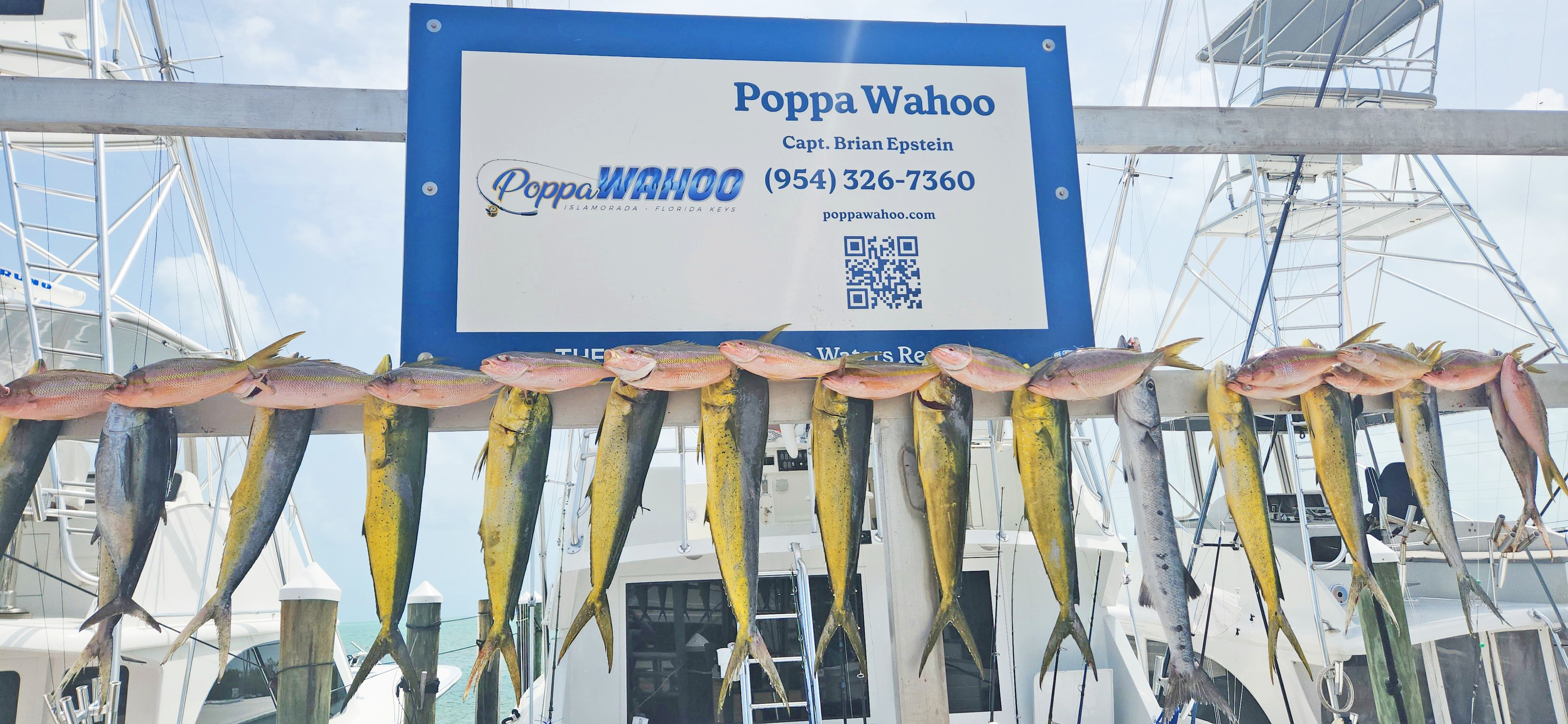
Mahi Mahi, also known as common dolphinfish, are absolutely electric when they hit your line. These gorgeous fish with their brilliant yellows and greens are typically found around floating debris, weed lines, or temperature breaks in 100 to 1000 feet of water. They're most active from spring through early fall in Islamorada waters, with peak action usually happening from May through August. What makes mahi so special is their acrobatic fight – they'll jump, tailwalk, and make blistering runs that'll have your drag screaming. Plus, they often travel in schools, so where you find one, you're likely to find more. A good-sized mahi runs anywhere from 10 to 30 pounds, though bulls can push 40 pounds or more.
Wahoo are the speed demons of the offshore world, capable of reaching speeds over 60 mph when they crash your trolling spread. These torpedo-shaped predators are renowned for their devastating initial run that can strip hundreds of yards of line in seconds. In Islamorada waters, wahoo are most active during the cooler months from November through March, though they can be caught year-round. They typically cruise along the reef line and dropoffs in 80 to 400 feet of water, often following schools of ballyhoo and small tunas. A typical wahoo runs 20 to 40 pounds, but trophy fish can exceed 60 pounds. Their razor-sharp teeth require wire leaders, and their incredible speed means your drag better be set right, or they'll snap your line before you know what hit you.
Yellowfin Tuna are the ultimate test of an angler's endurance and tackle. These powerful fish are built for speed and stamina, making long, powerful runs that can last for what feels like hours. In the waters off Islamorada, yellowfins are typically found in deeper water beyond the continental shelf, often around 200 to 2000 feet deep, especially near temperature breaks and current edges. They're most active from late fall through early spring, with December through February being prime time. Yellowfins school by size, so when you hook into a 40-pounder, chances are good there are more in the area. They're incredibly smart fish that can be tackle-shy, often requiring lighter leaders and smaller baits when they're being finicky.
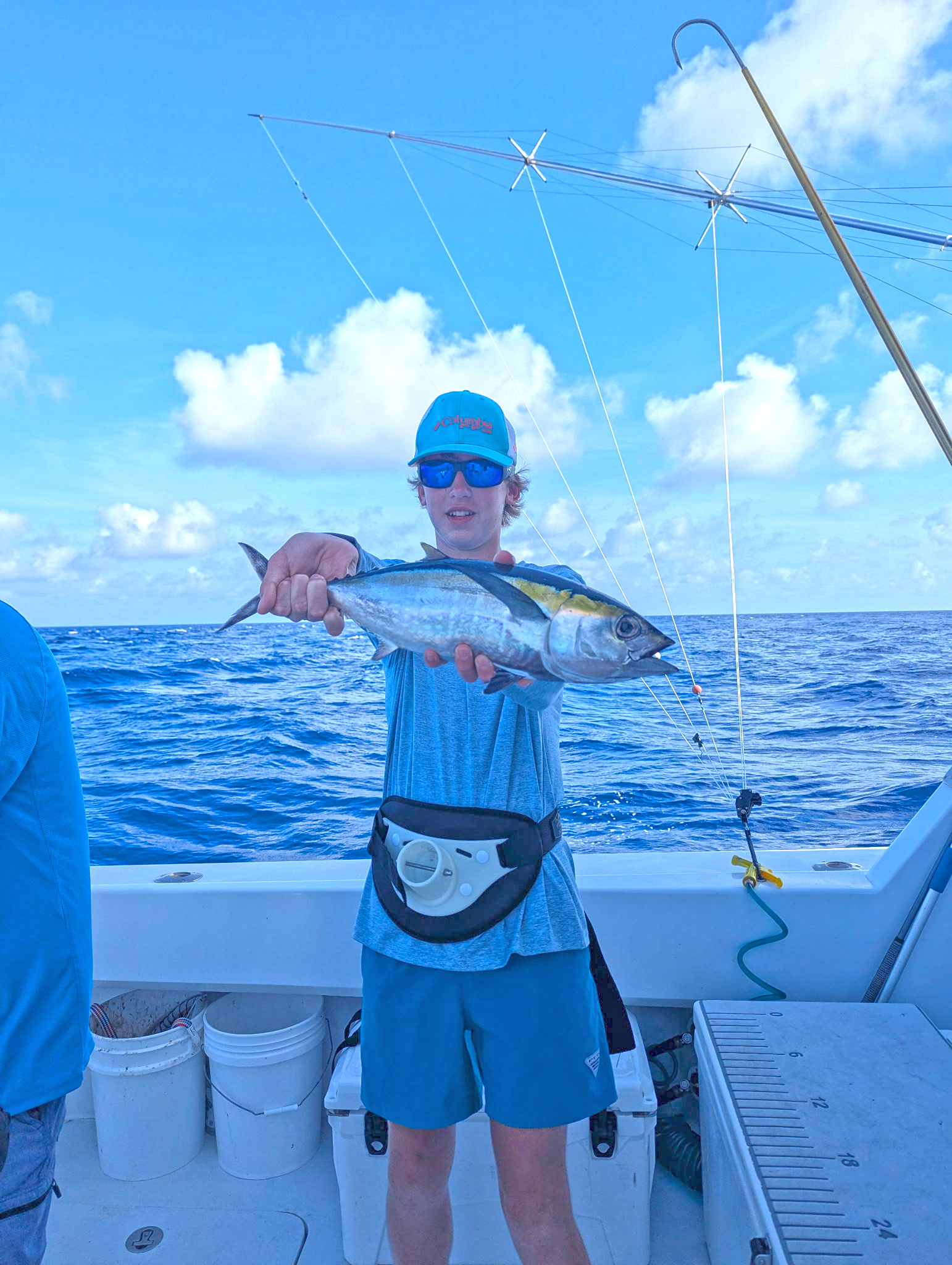
Blackfin Tuna might be smaller than their yellowfin cousins, but they make up for it with numbers and consistent action. These scrappy fighters typically run 5 to 15 pounds and are found in shallower water than yellowfins, usually in 100 to 600 feet. They're active year-round in South Florida waters, making them a reliable target when other species aren't cooperating. Blackfins respond well to both trolling and live bait fishing, and they're excellent table fare. They often mix with bonito schools and can provide non-stop action when you locate a feeding school. Their smaller size makes them perfect for light tackle fishing, and they're a great species for getting kids or novice anglers hooked on offshore fishing.
Atlantic Sailfish are
 5.0(2 Reviews)
 Private Trip
 Offshore Fishing
 Islamorada


 Luxury 55' Hatteras sportfishing vessel with expert crew guidance