How to Catch Bigger Bluegill: Bait Selection, Deeper Water, and Tackle That Helps Avoid Small Fish
Struggling to catch bigger bluegill? Discover the best baits, fishing depths, and tackle tips to target larger fish and avoid small catches.
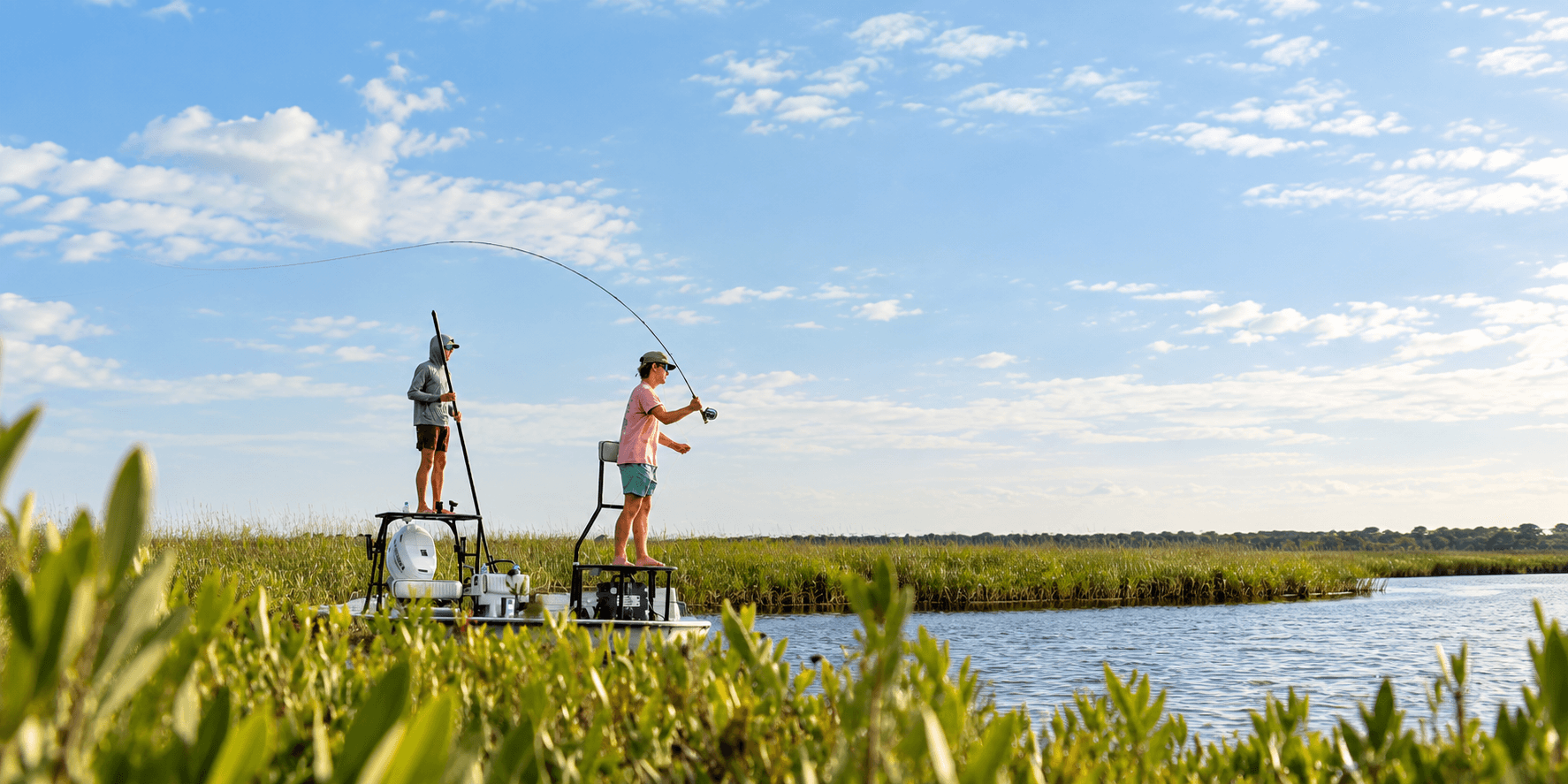


Catching a bluegill is usually easy enough. Put a worm on a hook, cast near the bank, and you may have a fish biting within minutes. The challenge is catching bigger ones. If every cast brings in another palm-sized bluegill, it may be time to change your bait, adjust your fishing depth, or look for a different spot.
Larger bluegill, often called bull bluegill, don't always feed in the same places as smaller fish. Their size can reach up to 16 inches, although that is quite rare, with the record catch being 15 inches, 4 pounds, 12 ounces.
They may hold around submerged vegetation, patrol deeper drop-offs, or feed near underwater structures. They also eat many of the same foods as smaller bluegill, so switching baits alone won't necessarily improve the size of your catch.
The better approach is to combine the right location with a suitable bait and tackle that lets you control your presentation. You don't need expensive equipment to do this. A light spinning rod, a few carefully chosen baits, and a slip bobber can help you explore different depths and spend more time targeting bigger bluegill sunfish.
1. Where to Find Bigger Bluegill
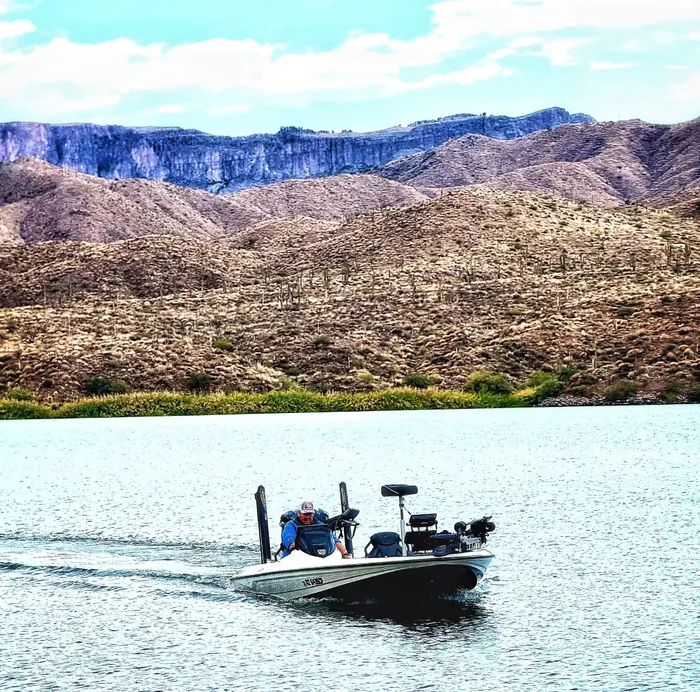
Before changing your bait, consider where you're fishing. A productive-looking shoreline can hold plenty of bluegill but still produce mostly small fish. Larger specimens may be nearby, feeding around cover or moving between shallow areas and deeper water.
Look Beyond the Shallow Shoreline
Shallow water is a good place to start, particularly during spring and early summer. As the water warms, bluegill move into protected areas to feed and spawn. They often build nests over sand, gravel, or other suitable bottom material. However, shallow banks can attract large numbers of smaller fish, too. If you're catching bluegill on almost every cast but they're all about the same size, move farther from shore and look for a change in depth.
A shoreline that slopes from 2 feet to 6 feet, for example, gives fish access to both shallow feeding areas and deeper water. Larger bluegill may use this transition to move between cover and feeding grounds.
Don't overlook the edges of weed beds, either. Aquatic vegetation attracts insects, small crustaceans, and other food sources. Instead of dropping your bait into the thickest weeds, try fishing along the outside edge, particularly where vegetation meets open water or a drop-off.
Target Submerged Cover and Underwater Structure
Bluegill use cover to find food and shelter from predators. Larger fish may be worthwhile targets around structures that provide access to both feeding areas and deeper water.
Look for:
Weed edges: Fish along the outside edge of submerged vegetation, where bluegill can feed without becoming trapped in thick growth.
Brush piles and fallen trees: These provide shelter and attract small aquatic organisms that bluegill feed on.
Dock pilings: Shaded areas around docks can hold bluegill, especially when the structure extends into deeper water.
Points and drop-offs: Underwater points and sudden changes in depth give fish access to different feeding areas.
Rocky or gravel patches: These can attract insects and other natural food sources.
Try casting parallel to a weed edge or slowly working a small jig past submerged cover. This keeps your bait in the strike zone longer than repeatedly casting across the entire area.
If you're fishing a large lake or reservoir, don't ignore the offshore structure. A depth finder can help locate underwater humps, channels, and changes in bottom depth. Without electronics, you can use a slip bobber to test different depths around promising features.
Understand Seasonal Location Changes
Bluegill don't stay in one place throughout the year. During spring, larger fish may move into shallow spawning areas. In summer, they may feed around deeper vegetation or move away from warm, shallow water during the middle of the day. As temperatures cool in fall, they can move between feeding flats and deeper structure. And in winter, they generally move deeper.
These are starting points rather than fixed rules. Water temperature, available food, oxygen levels, and local habitat all influence where bluegill hold.
The key is to look for areas that offer both food and suitable cover. If the shallow shoreline produces only small fish, explore the next drop-off or weed edge before abandoning the entire area.
2. Choose Bluegill Bait That Targets Larger Fish
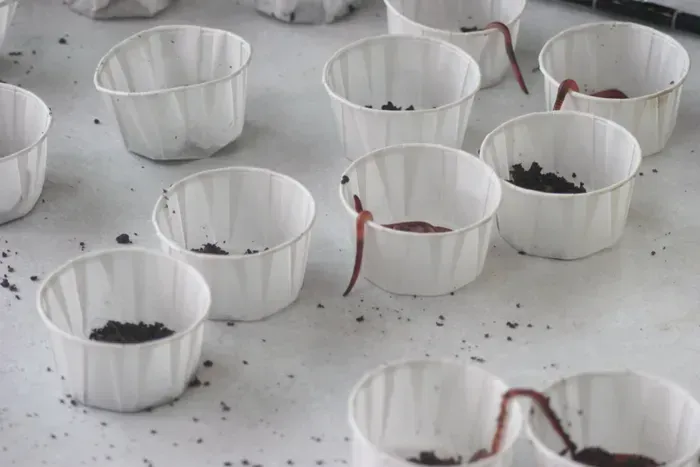
Knowing what bluegill eat helps you select bait that looks natural in the water. Bluegill feed on aquatic insects, insect larvae, small crustaceans, zooplankton, and other small organisms.
They also take worms and terrestrial insects that fall into the water. Larger bluegill can eat bigger prey than small fish, but they aren't exclusively interested in large meals. A mature bluegill may readily take a small insect larva while ignoring a larger bait that looks unnatural.
The goal is to match your bait to the conditions while making adjustments that may reduce bites from the smallest fish.
Worms and Nightcrawlers
Worms are among the most reliable choices for bluegill fishing. They are easy to find, simple to rig, and effective under a bobber or on a small hook fished near the bottom.
However, small bluegill are quick to attack exposed worm pieces. If you're getting constant bites from tiny fish, try a slightly larger piece of worm or move the bait away from the crowded shoreline.
Avoid leaving a long section dangling from the hook. Small fish can pull at the loose end without taking the hook properly. Use enough bait to create a natural presentation while keeping the hook positioned to catch the fish.
A worm under a slip bobber is especially useful when fishing around weed edges or drop-offs. You can adjust the depth without changing the entire rig.
Crickets and Grasshoppers
Crickets are excellent bluegill bait during warmer months, when insects are readily available around ponds and lakes. Grasshoppers can also work well near grassy banks and overhanging vegetation.
These baits provide natural movement, making them useful when bluegill are feeding near the surface or around shallow cover. Hook a cricket securely while allowing it to move naturally, then suspend it at the depth where fish are feeding.
A cricket can catch larger bluegill, but it won't automatically exclude smaller ones. If tiny fish keep intercepting it, try fishing farther from shore or near a deeper weed edge.
Waxworms and Other Larvae
Waxworms and other small larvae can be effective when bluegill are feeding cautiously. Their compact size works well with tiny hooks and jigs, particularly in colder water or when fish aren't chasing moving baits.
The downside is that these small offerings are easy for juvenile bluegill to eat. If your goal is to avoid small fish, waxworms may not be the best first choice.
Use them when fish are reluctant to bite larger offerings. If the bites are coming too quickly from small bluegill, switch to a somewhat larger bait or change locations.
Small Jigs and Soft Plastics
Bluegill fishing lures give you more control over presentation than natural bait. You can cast small jigs across open water, worked around vegetation, or lowered vertically beside docks and submerged structures.
A 1/32-ounce jig is a useful starting point in calm conditions or shallow water. Whereas, a 1/16-ounce jig may be easier to control in deeper water, wind, or light current. Choose the weight that lets you reach the target depth without sinking too quickly through the strike zone.
Pair the jig with a small grub, insect imitation, or minnow-shaped soft plastic. Start with a compact lure and move to a slightly larger profile if small fish repeatedly attack it.
Try three basic presentations for jigging:
Slow fall: Let the jig sink naturally while keeping the line under control.
Short hops: Lift the rod tip gently and allow the jig to settle again.
Steady retrieve: Swim the lure slowly past weed edges and submerged cover.
A slow presentation can help when bluegill are holding close to cover, while a steady retrieve lets you search a larger area. If you're not getting bites, change the depth before assuming the lure itself is the problem.
When Should You Change Bait for Bluegill?
Pay attention to the size and frequency of your catches. If small bluegill are biting constantly, a slightly larger bait may help reduce the number of bites from the smallest fish. If nothing is biting, test another depth or move to a different structure.
Always remember, that there's no bait that selectively catches only large bluegill. The most effective approach is to combine a suitable offering with a location where larger fish are likely to feed.
For more ideas on bait for bluegill, check out our blog Fishing Panfish: How to Choose the Best Live Bait
3. Fish Deeper Water to Find Bigger Bluegill
Depth is one of the most useful adjustments when your catch consists mostly of small bluegill. Larger fish may spend time in deeper areas during summer, after spawning, or when shallow water becomes uncomfortable.
But that doesn't mean that big bluegill always stay deep. During spawning, mature fish can be found in very shallow water. The trick is knowing when to move deeper and how to identify the depth where fish are actively feeding.
How Deep Should You Fish for Bluegill?
There is no universal depth that works for every lake or pond. A small pond may offer only a few feet of depth, while a reservoir can have extensive underwater structure.
Use these depths and conditions as a guide:
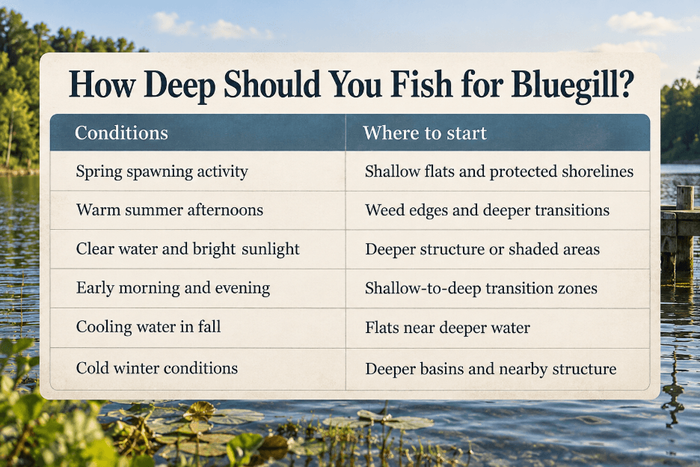
Keep in mind that these are starting points, not guarantees. Begin at a likely depth, then adjust in small increments until you find active fish.
If you're getting bites with your bait suspended 5 feet down but not at 3 or 7 feet, concentrate on that productive zone. Repeating a presentation at the right depth is often more effective than constantly changing baits.
Use a Slip Bobber to Control Depth
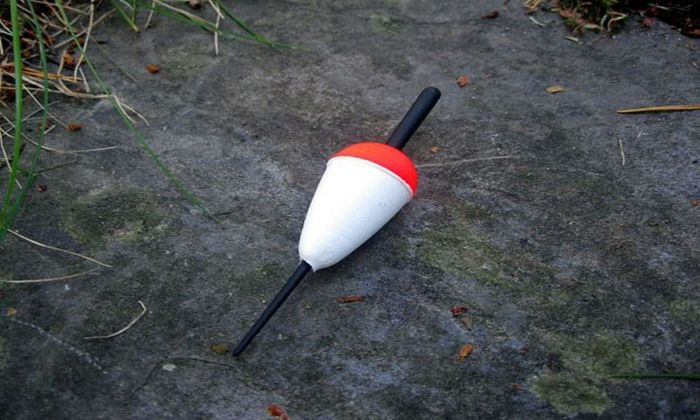
A slip bobber is one of the most useful pieces of fishing gear for bluegill when you're targeting deeper water. Unlike a fixed bobber, it slides along the line until it reaches a stopper, allowing you to fish deeper without making casting awkward.
To set one up:
Thread a bobber stopper onto your line.
Add a bead if your stopper and float require one.
Slide on the slip bobber.
Tie on a small hook or jig.
Add a small split shot if needed to help the bait sink and balance the float.
Adjust the stopper to set your fishing depth.
Start by suspending the bait above the bottom rather than dragging it through weeds or mud. If you're fishing along submerged vegetation, position the bait just above the tops of the plants or beside the outer edge.
Once you find a productive depth, repeat the presentation. If bites stop, adjust the stopper slightly or move along the structure.
Keep the Bait in the Strike Zone
Bluegill don't always feed directly on the bottom. Fish holding above submerged vegetation may ignore a bait that sinks into the weeds, while suspended fish may never notice a presentation that stays too low.
If your bobber sits at the correct depth but you're not getting bites, raise the bait by a foot or two. You can also work a small jig through the water column to determine where fish are feeding.
Watch the line closely when a jig falls. A bluegill may take it before it reaches the intended depth, and the only sign might be a slight twitch or unexpected slack.
During summer, don't assume the deepest part of the lake is the best location. Bluegill still need food, suitable cover, and adequate oxygen. A moderately deep weed edge can be more productive than a featureless basin.
4. Choose Tackle That Helps You Avoid Small Fish
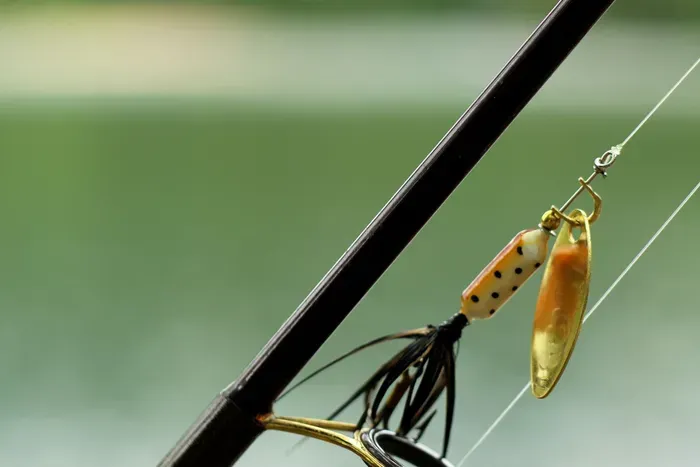
The best tackle for bluegill doesn't have to be complicated. A light spinning setup gives you enough sensitivity to detect subtle bites while allowing you to cast small lures and control a decent-sized fish.
The aim is to match your tackle to the bait and location. Heavier equipment won't automatically catch bigger fish, but the right combination can help you present larger offerings and fish more effectively around cover.
Rod and Reel
A 5- to 7-foot light or ultralight spinning rod is a practical choice for most bluegill fishing. Shorter rods are convenient around overhanging branches and tight shorelines, while longer rods can help with casting distance and controlling a float.
Pair the rod with a small spinning reel that has a smooth drag. You need enough control to guide a larger bluegill away from weeds or submerged branches, but heavy equipment is unnecessary for most situations.
An ultralight setup also makes small jigs easier to cast and helps you detect subtle changes in line tension.
Line Strength
Monofilament is a reliable option because it's easy to handle, relatively forgiving, and suitable for both natural baits and small bluegill fishing lures.
Use the following as a starting point:
2- to 4-pound-test line: Best suited to small jigs, open water, and situations where light presentations matter.
4- to 6-pound-test line: A useful choice around docks, weeds, and heavier bluegill.
Light fluorocarbon leader: An option for clear water when you want a less visible connection near the bait.
Choose a line that gives you enough strength for the cover you're fishing. Using a light line around submerged branches can make landing a good fish unnecessarily difficult.
Hook Size Matters
Hook size can influence which fish successfully take your bait. Very small hooks make it easy for tiny bluegill to swallow a bait, while a slightly larger hook may discourage some of the smallest fish from taking it.
For natural baits, sizes 8 to 12 are useful starting points, depending on hook style and bait size. A size 8 hook is larger than a size 12 hook in standard hook-sizing systems.
Try a size 8 or 10 hook with a modest piece of worm or a cricket if you're targeting larger bluegill. Make sure the hook remains sharp and can catch securely when a fish takes the bait.
Don't simply use the largest hook you can find. An oversized hook can make a small bait look unnatural and reduce your chances of hooking fish. Match the hook to the bait and the size of bluegill you're likely to encounter.
Use a Sensitive Bobber
An oversized float can make light bites difficult to detect, while a float that's too small may struggle to support the bait and sinker.
Choose a float that sits properly in the water with your rig attached. You should be able to notice it dipping, moving sideways, or rising when a fish takes the bait.
Use a slip bobber when fishing deeper water. In shallow areas, a small, fixed bobber may be easier to manage. If you're fishing with a jig and want to feel the bite directly, leave the float off and watch the line where it enters the water.
5. Time Your Fishing Around Bluegill Feeding Patterns
Location and tackle matter, but timing can also influence the size of your catch. Bluegill change their feeding patterns as water temperatures and available food change.
During spring, larger fish may move into shallow water to spawn. Focus on protected flats, gravel patches, and nearby weed edges. If you find too many small fish around the shoreline, explore the deeper water bordering the spawning area.
Summer, on the other hand, often calls for a different approach. Early morning and evening can bring bluegill into shallower feeding areas, while hot afternoons may be better spent fishing around deeper vegetation, shaded docks, and drop-offs. If you're catching small fish near the surface, try suspending your bait deeper.
In fall, bluegill may move between feeding flats and deeper structure as the water cools. Look for remaining vegetation and underwater features that provide access to food.
During winter, it's advisable to slow down your presentation. Small jigs and subtle movements can work when fish are less active. The best locations vary by water body, so focus on suitable habitat rather than automatically fishing the deepest point.
No matter the season, avoid treating the time of day as a strict rule. If fish are feeding actively in shallow water, there's no reason to leave simply because it's midday. Let your catches and the conditions guide your next move.
You Might Also Like: How to Catch Loads of Bluegill
6. A Practical Setup for Catching Bigger Bluegill
If you want a simple setup to test on your next trip, start with the following combination:
Component | Recommended starting point |
Rod and reel, | Light or ultralight spinning combo |
Fishing line | 4-pound-test monofilament |
Hook | Size 8 or 10, matched to bait |
Natural bait | Cricket or modest piece of worm |
Artificial lure | Small jig with a soft-plastic grub |
Float | Small slip bobber |
Location | Weed edge near a drop off |
Starting depth | Around 4 to 6 feet, where suitable habitat exists |
Begin by suspending your bait just above vegetation or near a likely feeding area. Give the spot a few minutes before adjusting the depth.
If you catch several small bluegill in quick succession, try a slightly larger bait and move along the structure. If the size of your catch doesn't change, explore a different depth or another nearby feature.
When fishing with a jig, start with a slow fall or gentle hops along the weed edge. Change the presentation only after giving it a fair chance. Testing one adjustment at a time helps you identify what is actually working.
Remember that no combination of tackle and bait guarantees larger fish. The objective is to improve your chances by choosing a productive location, making a suitable presentation, and moving on when the fish you're catching aren't the ones you're targeting.
Final Thoughts
Catching bigger bluegill comes down to more than finding the right bait. Look beyond crowded shorelines, explore weed edges and deeper transitions, and use a slip bobber or small jig to find where larger fish are feeding.
Choose bait that matches the conditions, use a hook that suits your presentation, and carry tackle that gives you enough control around cover. If small bluegill keep taking your bait, change the location or depth instead of repeating the same cast.
You can also explore Guidesly to discover fishing guides and guided trips that can help you find productive fishing spots and make the most of your next day on the water.