State Water Close Offshore Galveston Fishing
Looking to step up your game and chase some serious fish? This close offshore trip out of Galveston puts you right in the sweet spot where the real action happens. Your captain knows these state waters like the back of his hand, and he'll get you positioned perfectly to tangle with some genuinely big fish. We're talking about heading just a few miles out from the coast where the water gets deeper and the fish get hungrier. This isn't your typical bay fishing – you're moving into territory where the predators roam and the fights get memorable.
What to Expect on the Water
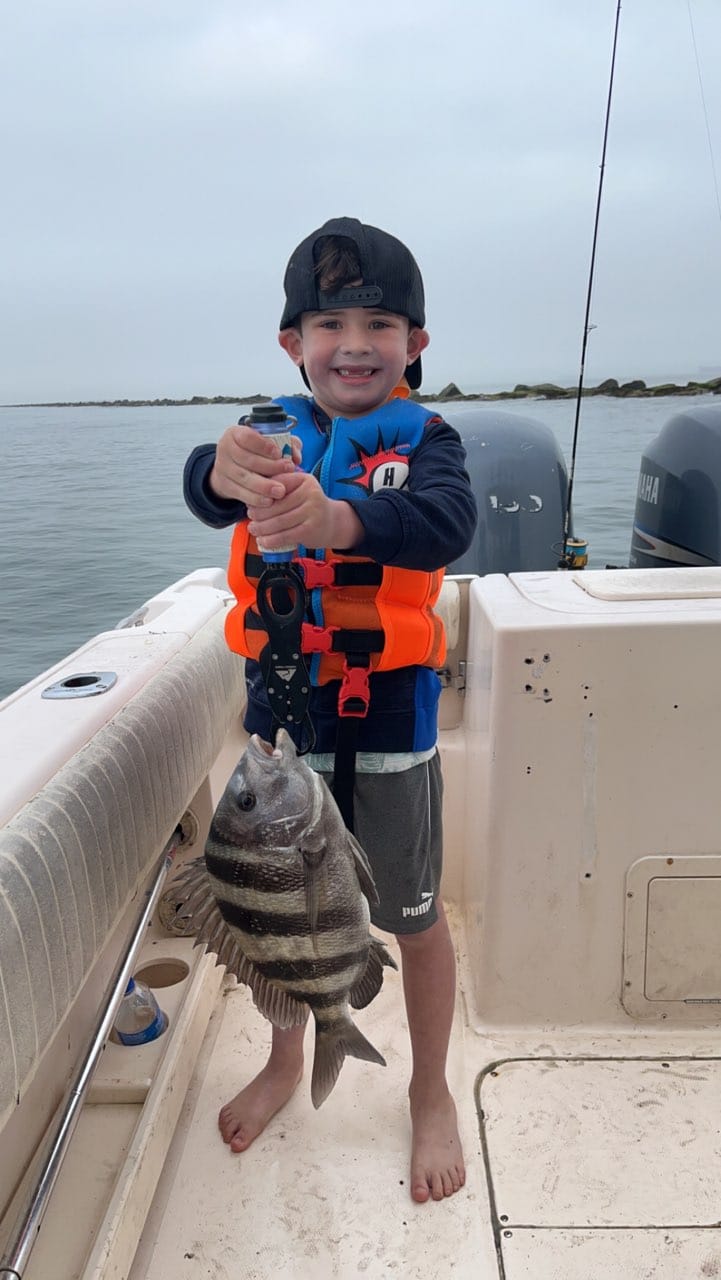
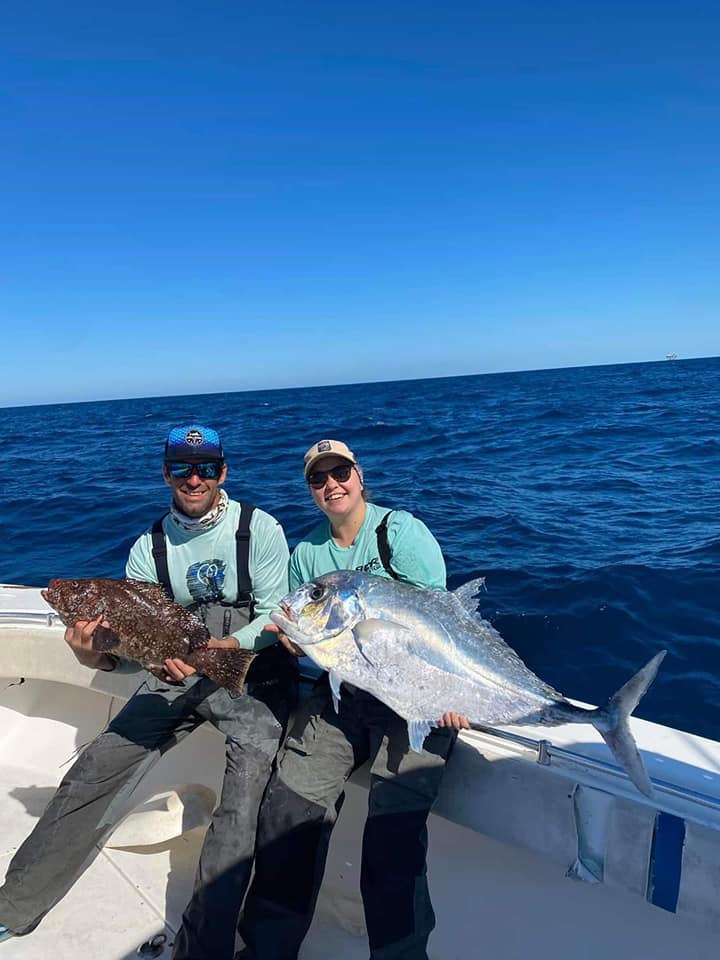
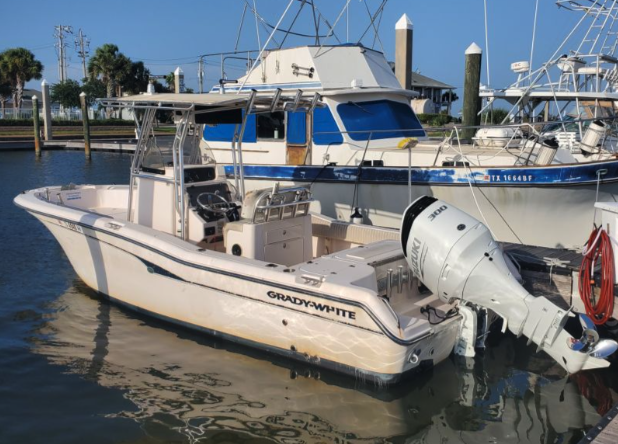
You'll be fishing from a 25-foot center console that's built for this kind of work. These boats handle the offshore conditions beautifully while giving you plenty of room to fight fish and move around the deck. Your captain comes loaded with all the tackle you'll need, from heavy spinning gear to trolling rigs that can handle whatever decides to bite. The beauty of fishing these state waters is the variety of techniques your captain can deploy. One minute you might be drift fishing over structure, letting your bait sink down to where the big reds and cobia are hanging out. Next thing you know, you're pulling lines and motoring over to a working shrimp boat where the sharks are stirring up a feeding frenzy. The captain reads the water and adjusts the game plan based on what's happening that day. Just bring your valid Texas fishing license, some snacks and drinks to keep you fueled up, and get ready to work. Keep in mind there's a $30 fuel surcharge per motor to cover the extra gas it takes to get out to where the fish are biting.
Techniques and Tactics
State water fishing is all about being versatile and reading the signs. Your captain will likely start by checking the conditions – wind, current, bait activity – then decide whether to set up a drift or start trolling. Drift fishing lets you cover structure methodically, dropping baits down to specific depths where fish are holding. You'll use everything from live bait to cut bait depending on what species you're targeting. When the captain spots a shrimp boat working, that's when things get really interesting. These commercial boats stir up the water and bring baitfish to the surface, which draws in the predators. Sharks, especially, love to follow shrimp boats and feed on the discarded catch. Your captain will position the boat to take advantage of this activity, often resulting in some epic shark encounters. Trolling is another productive technique out here, especially for king mackerel and cobia. The captain will pull umbrella rigs, spoons, or diving plugs at different speeds and depths until something decides to eat. The key is staying flexible and letting your captain call the shots based on his experience and what the fish are telling him.
Species You'll Want to Hook
King mackerel are the speed demons of these waters, and Galveston's state waters hold some real bruisers. These fish typically show up in better numbers during the warmer months, from late spring through early fall. Kings love to cruise the edges of structure and will absolutely demolish a well-presented bait. When you hook one, get ready for searing runs and acrobatic jumps that'll test your drag system and your reflexes. Most kings out here run anywhere from 15 to 40 pounds, with the occasional monster pushing 50-plus. Anglers love them because they fight hard, taste great, and always keep you guessing about what they'll do next.
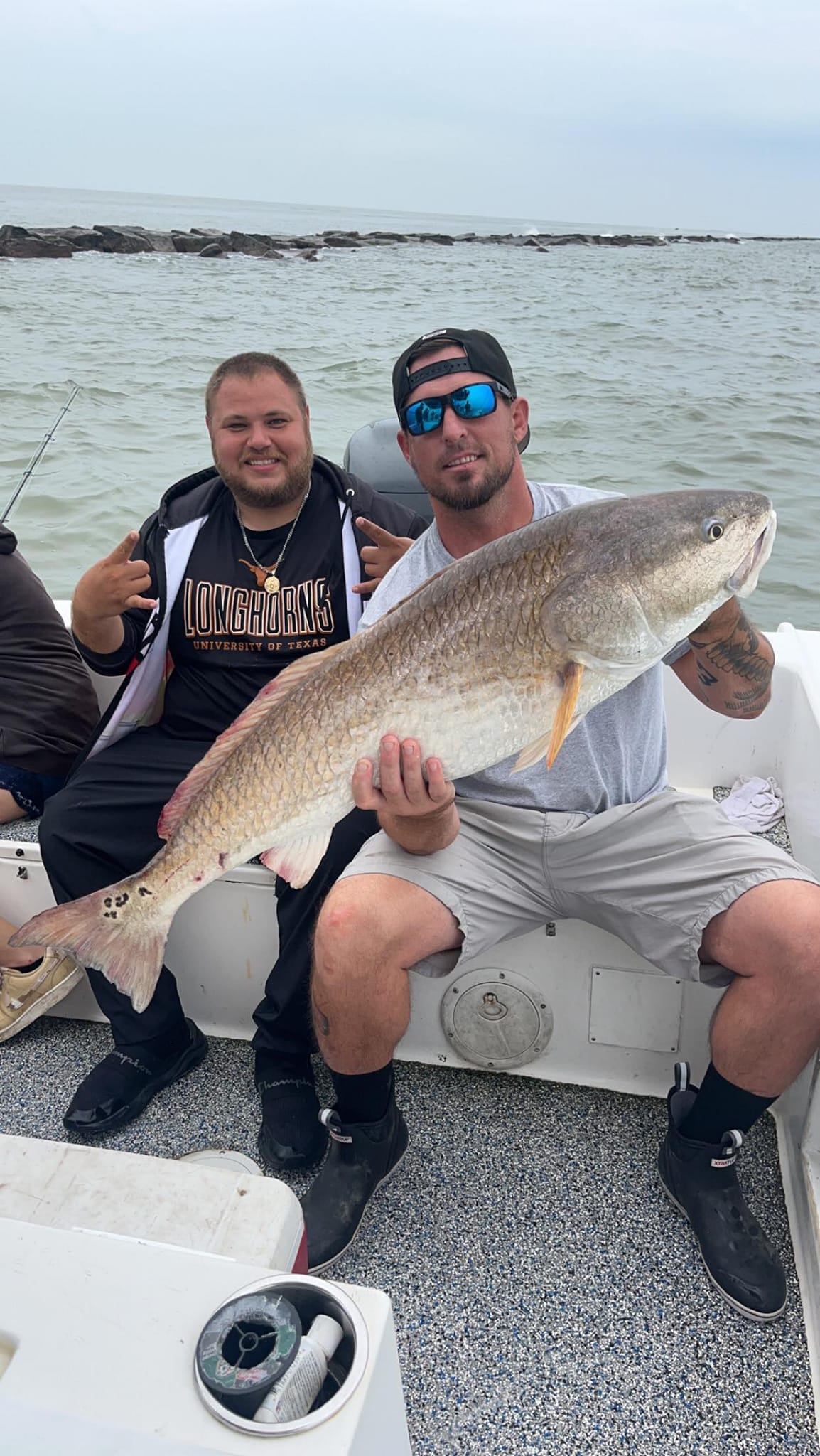
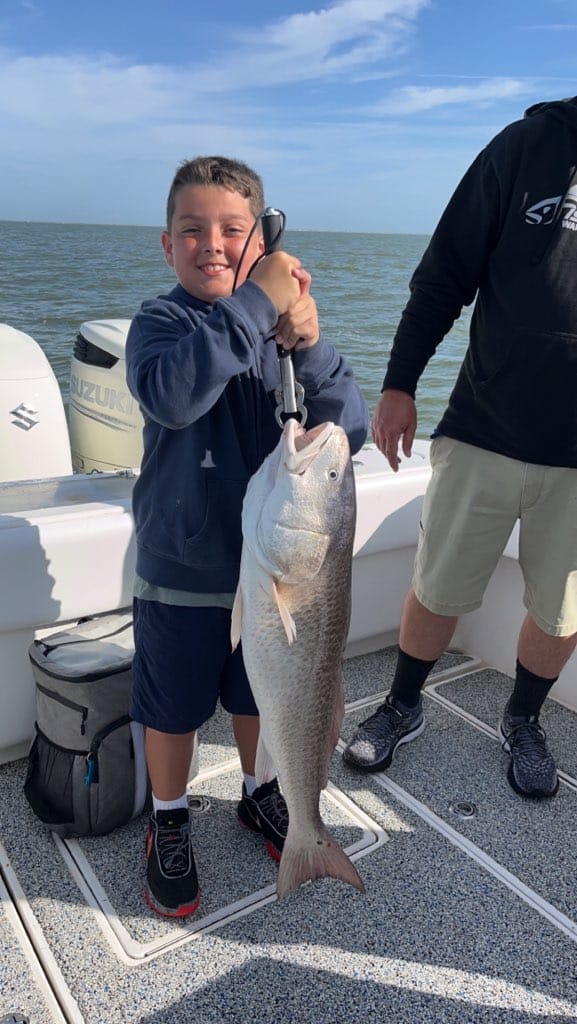
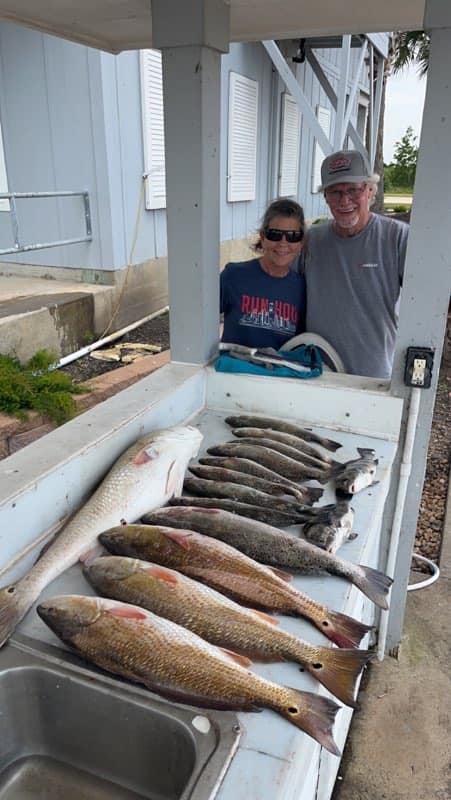
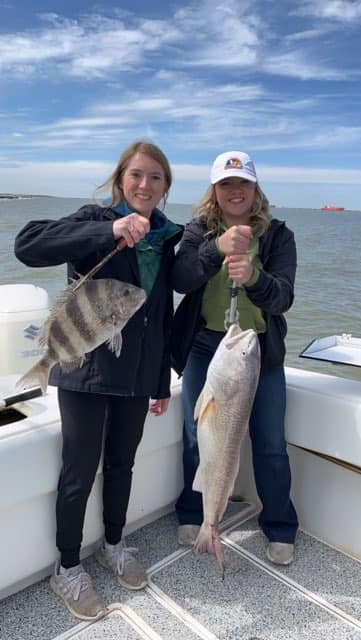
Redfish in these slightly deeper state waters are typically the bigger, more mature fish that have moved out from the shallow flats. These copper-colored bruisers can push 30 to 40 inches and provide some of the most satisfying fights you'll experience. They're ambush predators that love to hang around structure, and when they eat, they eat with authority. Reds are year-round residents, but they tend to be most active during the cooler months when they're not stressed by extreme heat. The thrill of hooking a bull red is that initial power run when they realize they're hooked – pure, unstoppable force that'll make your drag sing.
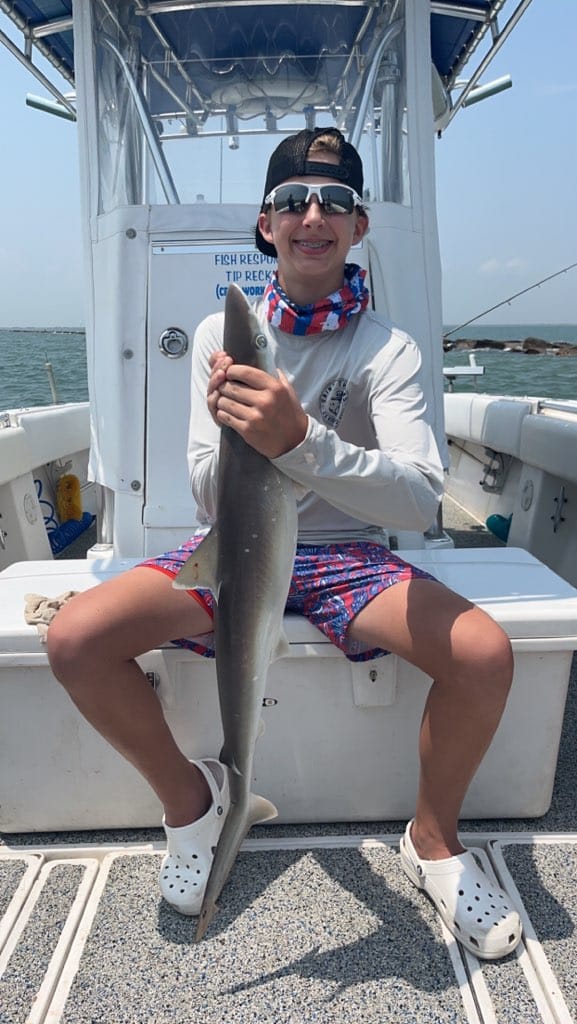
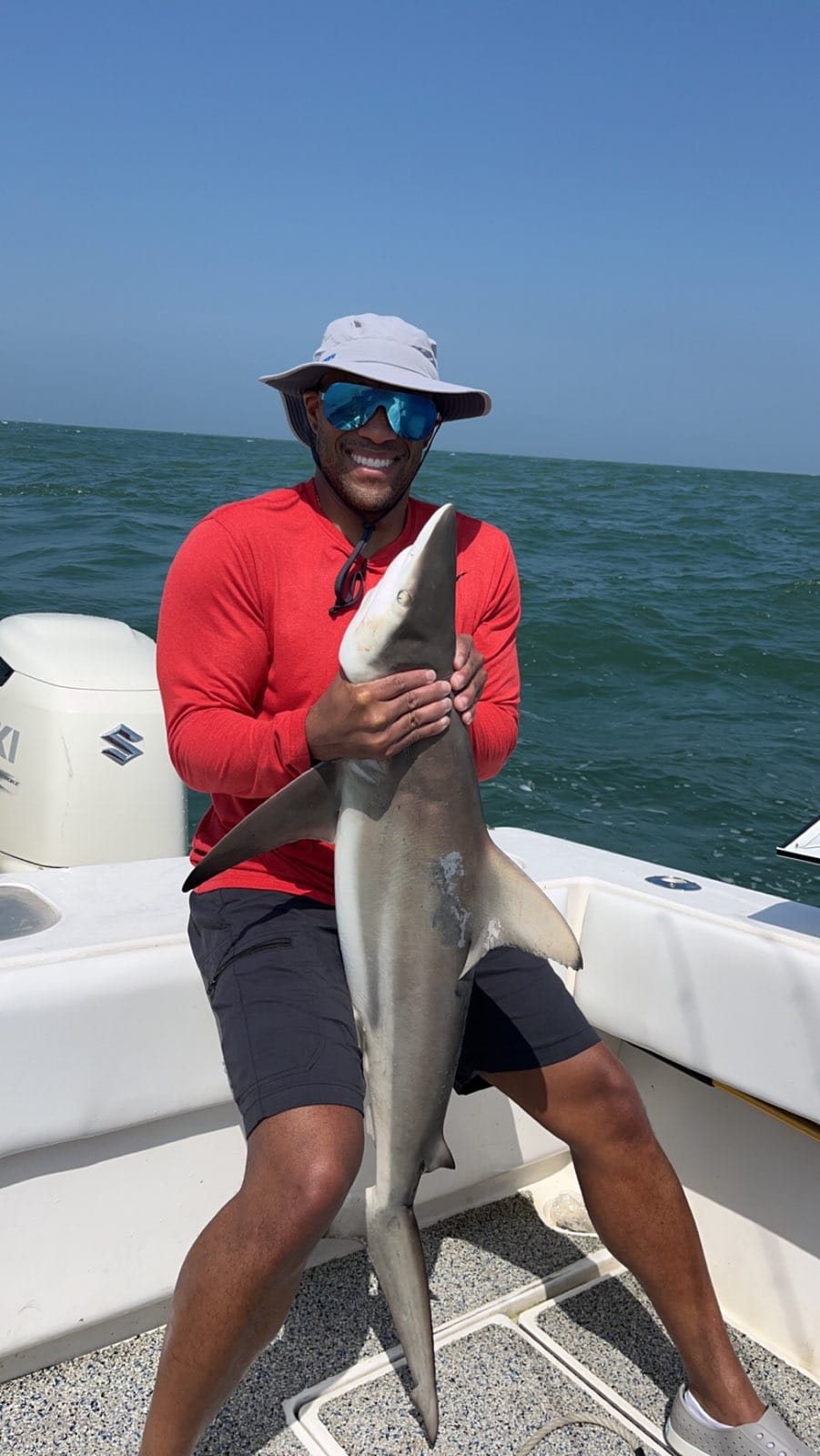
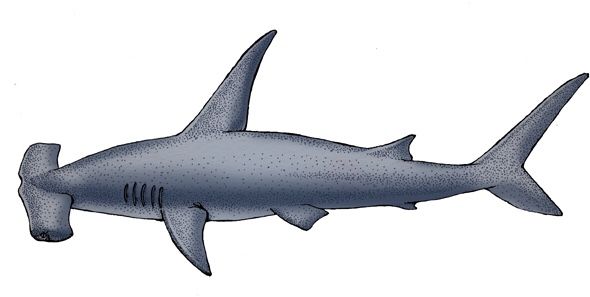
Smooth hammerhead sharks are the stars of the show when you're fishing around active shrimp boats. These prehistoric predators can reach impressive sizes, often exceeding 6 feet, and they provide fights that are both powerful and unpredictable. Hammers are most active during the warmer months and are known for their distinctive head shape and curious nature. They'll often circle the boat before deciding to bite, giving everyone on board a great look at these remarkable fish. The fight is all about endurance – hammerheads don't give up easily, and they'll use their unique head shape to their advantage, shaking and rolling to try to throw the hook.
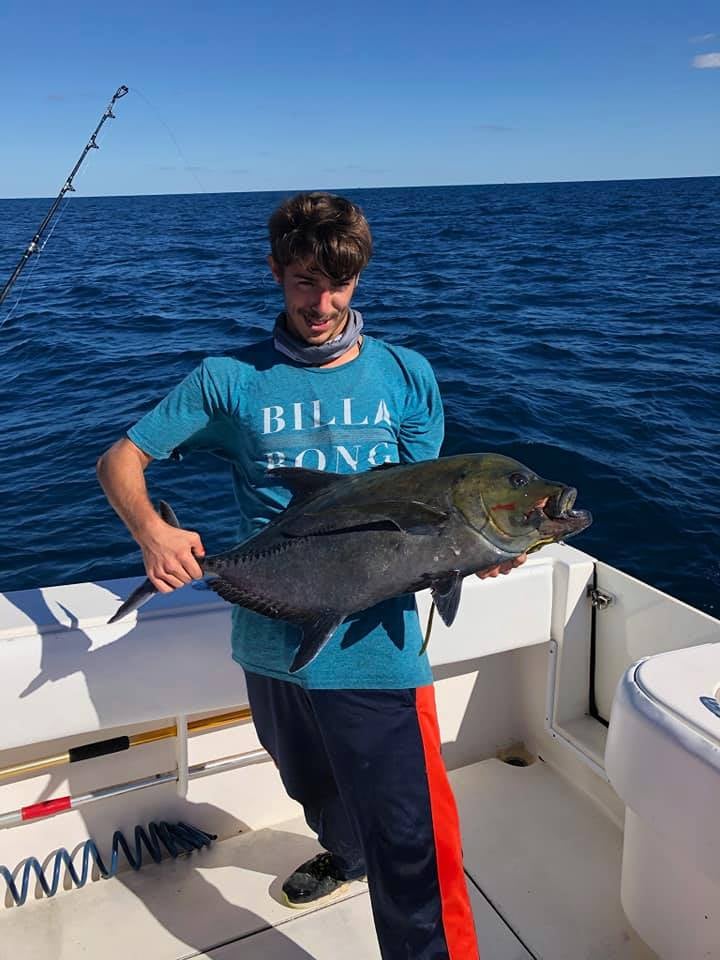
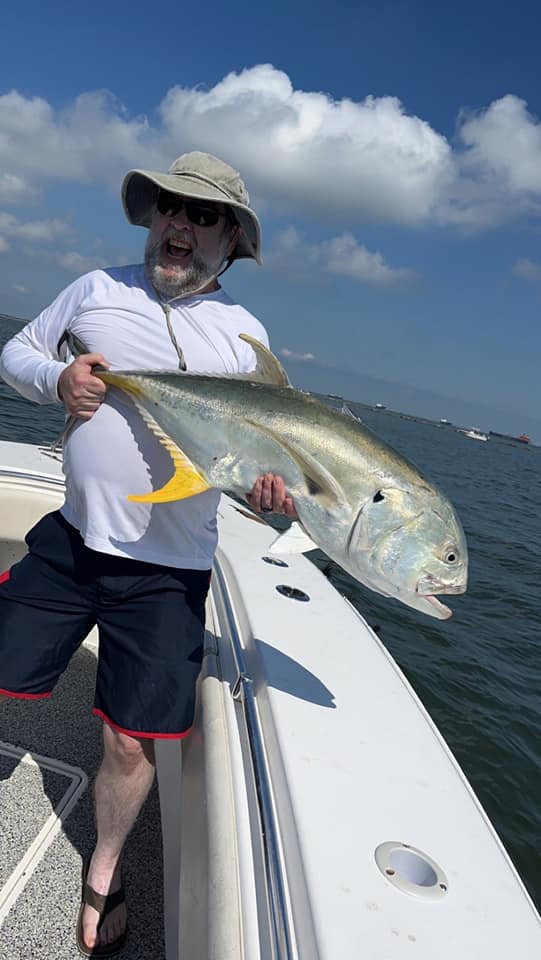
Crevalle jack might not win any beauty contests, but they're pound-for-pound some of the hardest fighting fish in these waters. These golden bulldogs are aggressive feeders that will attack just about anything you put in front of them. Jacks are present year-round but tend to school up in larger numbers during their spring and fall migrations. They're perfect for keeping the action hot when the bigger fish are being finicky. Don't underestimate a big jack – they'll bend your rod in ways you didn't think were possible.
Cobia are the wild cards of offshore fishing, and Galveston's state waters hold some quality fish. These brown sharks with fins (they're not actually sharks, but they sure look like them from a distance) are curious, powerful, and absolutely delicious. Cobia can show up any time from late spring through early fall, often appearing solo or in small groups around structure or following rays. They're sight fishing opportunities when conditions are right, and they're known for following hooked fish to the boat. When you hook a cobia, expect multiple runs and a fish that doesn't quit until it's in the cooler.
Time to Book Your Spot
This
 Private Trip
 Offshore Fishing
 Galveston, TX, United States


 Offshore fishing in state waters targeting massive sharks and other species