Port Canaveral Inlet Fishing - Florida
When you're looking for some serious inshore action, Port Canaveral Inlet delivers the kind of fishing that keeps you coming back for more. This top-rated spot along Florida's Space Coast offers an intimate fishing experience for up to 2 anglers, where you'll work the productive waters around Titusville targeting some of the area's most sought-after species. With 2 Lagoon Charters, you're getting access to prime fishing grounds where redfish cruise the shallows, snook ambush baitfish around structure, and tarpon roll through on their seasonal migrations. The beauty of fishing these inshore waters is the variety – you never know if your next strike will be a chunky black drum or a silver king that'll test your drag to the limit.
What to Expect on the Water
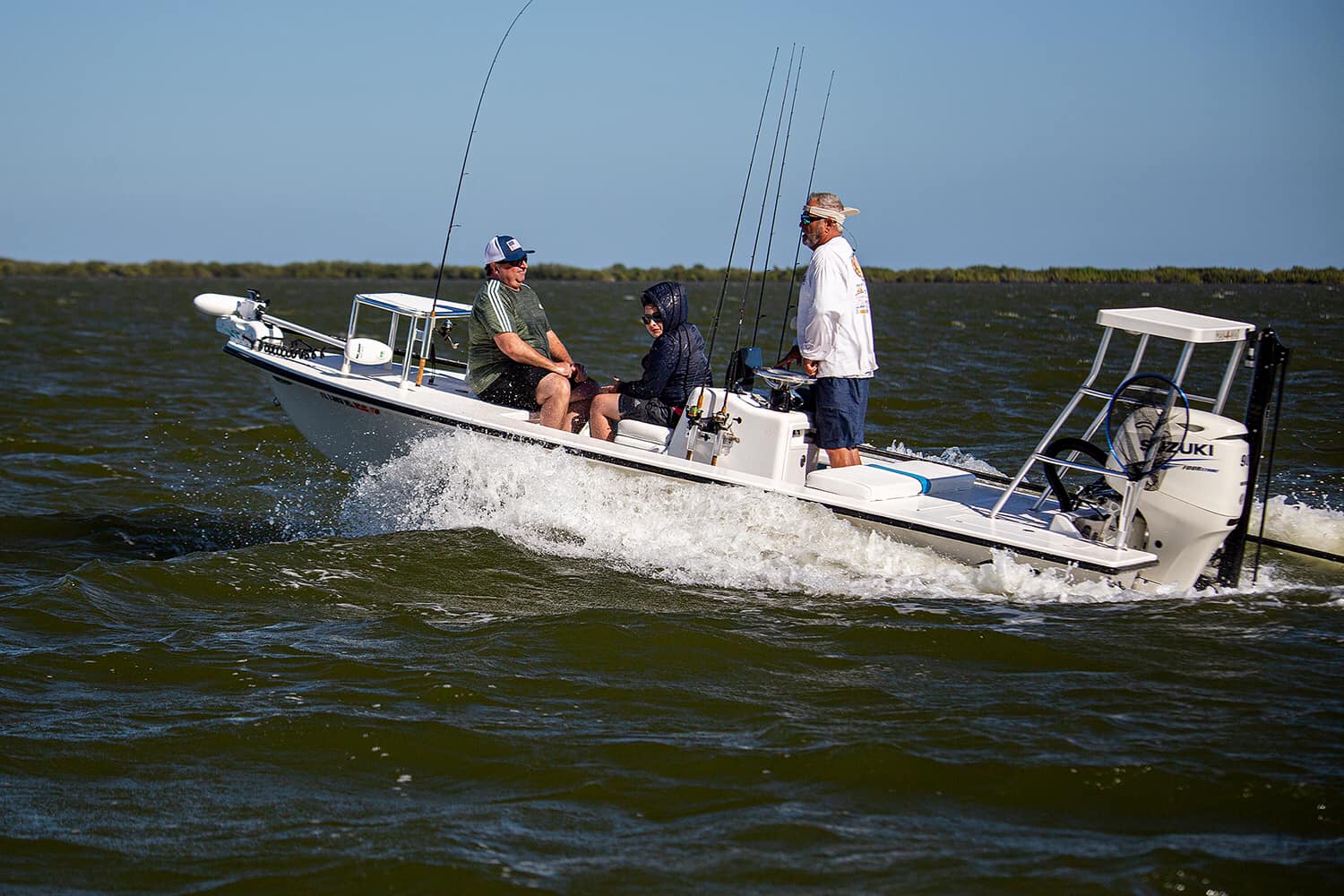
Your day starts early at Port Canaveral Inlet, where the morning bite can be absolutely phenomenal. The shallow grass flats and oyster bars around Titusville create perfect hunting grounds for predator fish, and you'll be working these spots when they're most active. This isn't a crowded party boat situation – with just 2 anglers maximum, you get personalized attention and plenty of room to work. The captain knows these waters like the back of his hand, reading the tides and structure to put you on fish throughout the day. You'll be covering different zones depending on what's biting – maybe starting on the flats for reds and trout, then moving to deeper edges for black drum, or positioning near passes where snook like to stage. The intimate group size means you can adapt quickly when fish are found, and there's no waiting around for your turn to get a line in the water.
Techniques & Tactics
Inshore fishing around Port Canaveral Inlet requires finesse and local knowledge, and that's exactly what you get with this charter. You'll be using light to medium tackle that lets you feel every bump and tap – crucial when these fish can be finicky. Live bait is often the ticket here, with shrimp, pilchards, and pinfish being go-to options depending on what's in the area. Artificial lures have their place too, especially soft plastics worked around oyster bars and grass edges where reds like to feed. The captain will set you up with the right gear for the conditions, whether that's free-lining baits in the current or working topwater plugs over shallow flats during low light periods. Sight fishing is a real possibility on clear days, where you'll actually see the fish before you cast – talk about getting your heart pumping. The key is staying quiet and making accurate casts, since these inshore species can be spooky in shallow water.
Species You'll Want to Hook
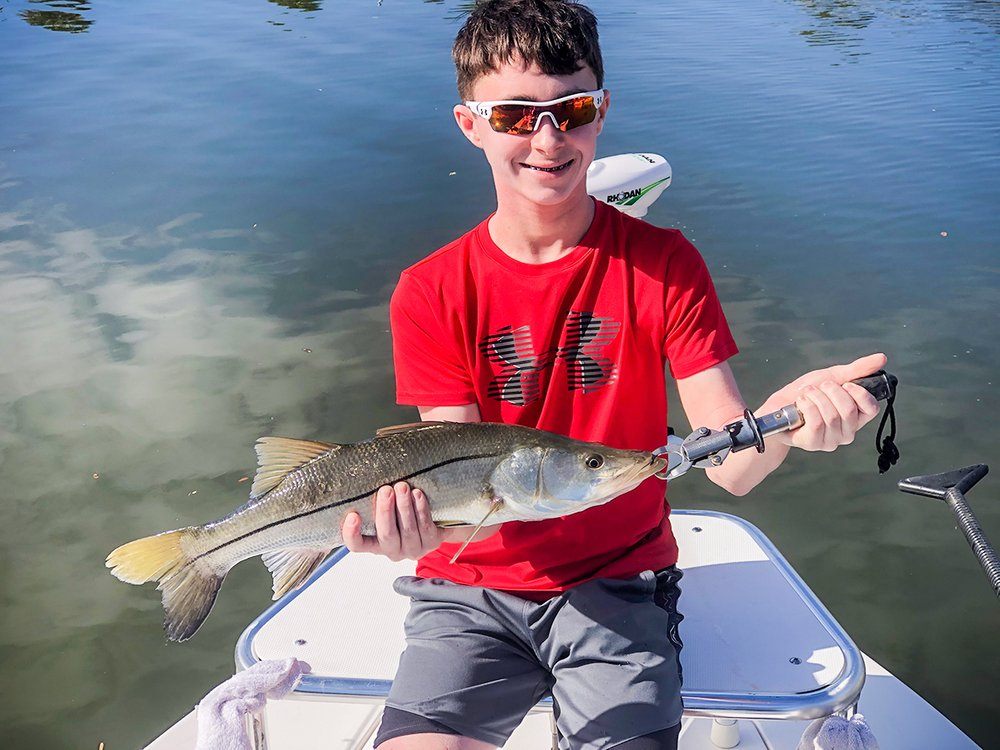
Snook are the crown jewel of inshore fishing around Port Canaveral, and these ambush predators know how to put up a fight. They love hanging around docks, mangroves, and bridge pilings where they can dart out to grab unsuspecting baitfish. What makes snook special is their explosive strike and the way they'll try to cut your line on structure – you need to turn their head quick and keep steady pressure. The best times are early morning, late evening, and during moving water when they're actively feeding. These fish are highly regulated, so catch and release is often the name of the game, but the fight alone makes every hookup worthwhile.
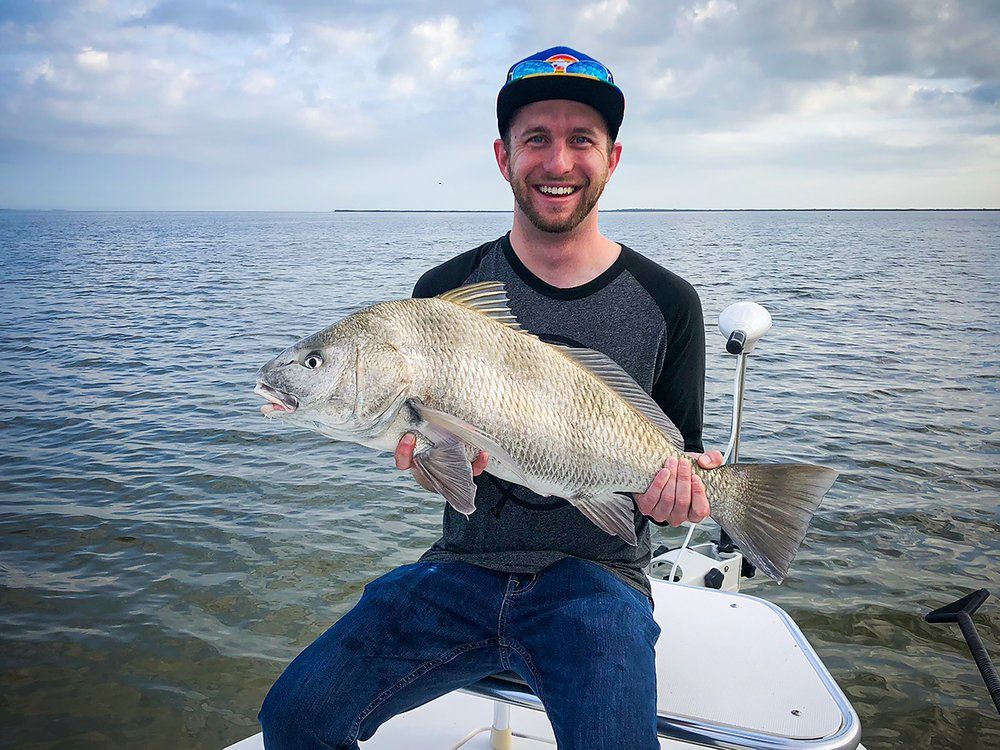
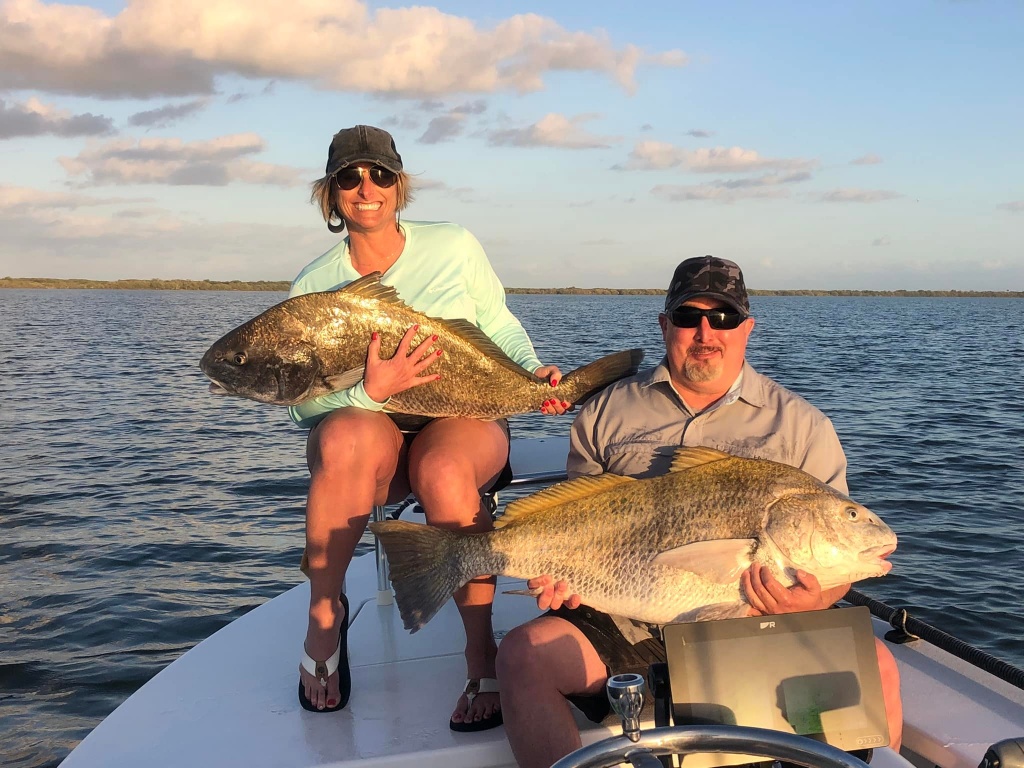
Black drum might not win beauty contests, but they're absolute bulldogs that will test your tackle and patience. These bottom dwellers cruise oyster beds and sandy holes looking for crabs and shellfish, making them perfect targets for shrimp or crab baits fished on the bottom. When a big drum takes your bait, you'll know it – they make long, powerful runs that seem to go on forever. Spring and fall are prime times, though you can find them year-round in deeper holes. The bigger fish, called "bull drums," can weigh 20-40 pounds or more, giving you a workout you won't soon forget.
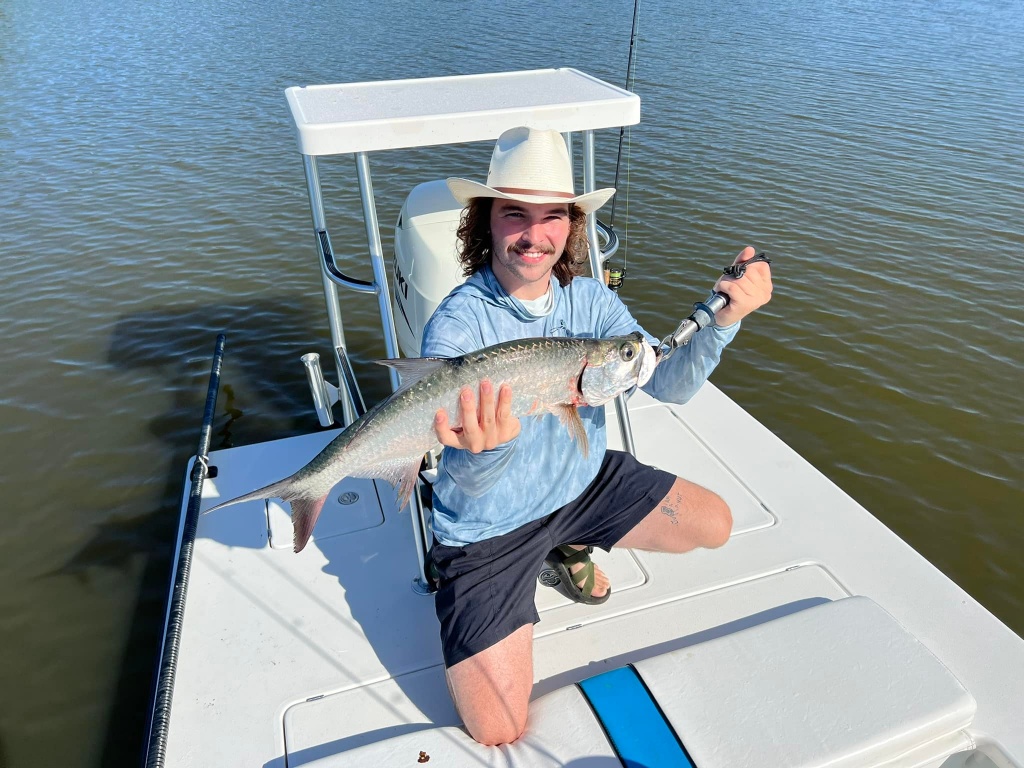
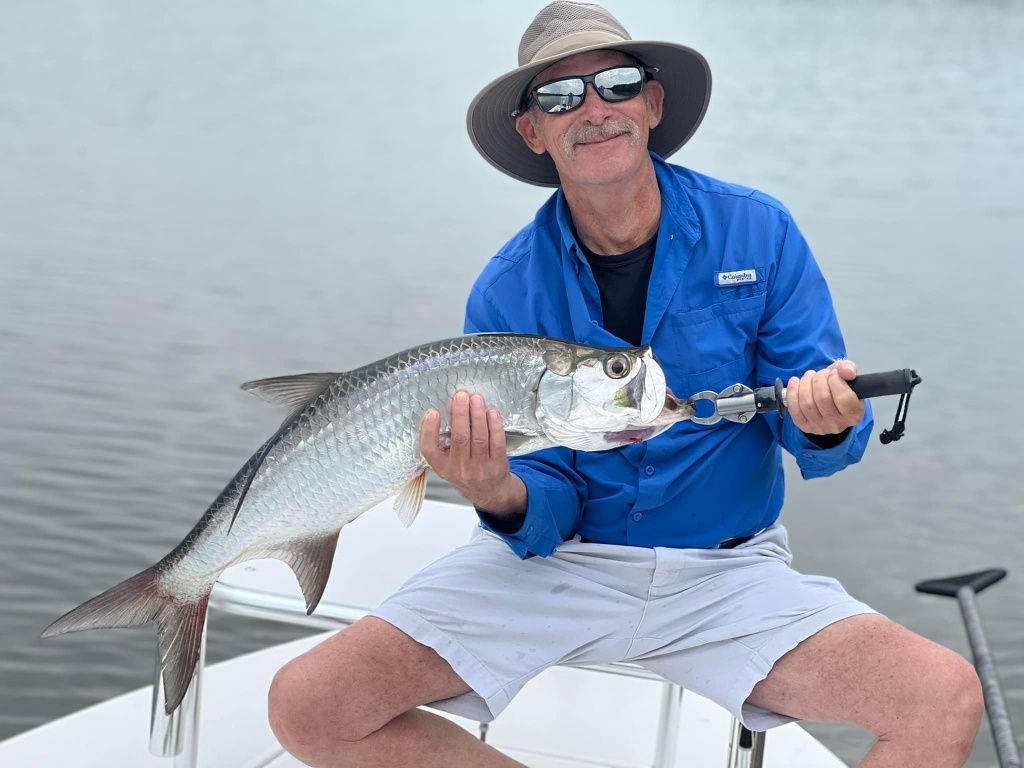
Tarpon are the ultimate inshore gamefish, and when they're moving through Port Canaveral Inlet, it's pure magic on the water. These silver kings can reach 100+ pounds and their acrobatic jumps when hooked are legendary among anglers. They're highly seasonal, with the best action typically from late spring through summer when they migrate along the coast. What makes tarpon fishing so addictive is the visual aspect – you can often see them rolling on the surface or free-jumping before you even make a cast. Live bait like crabs or large shrimp works well, but artificials can be deadly when they're actively feeding.
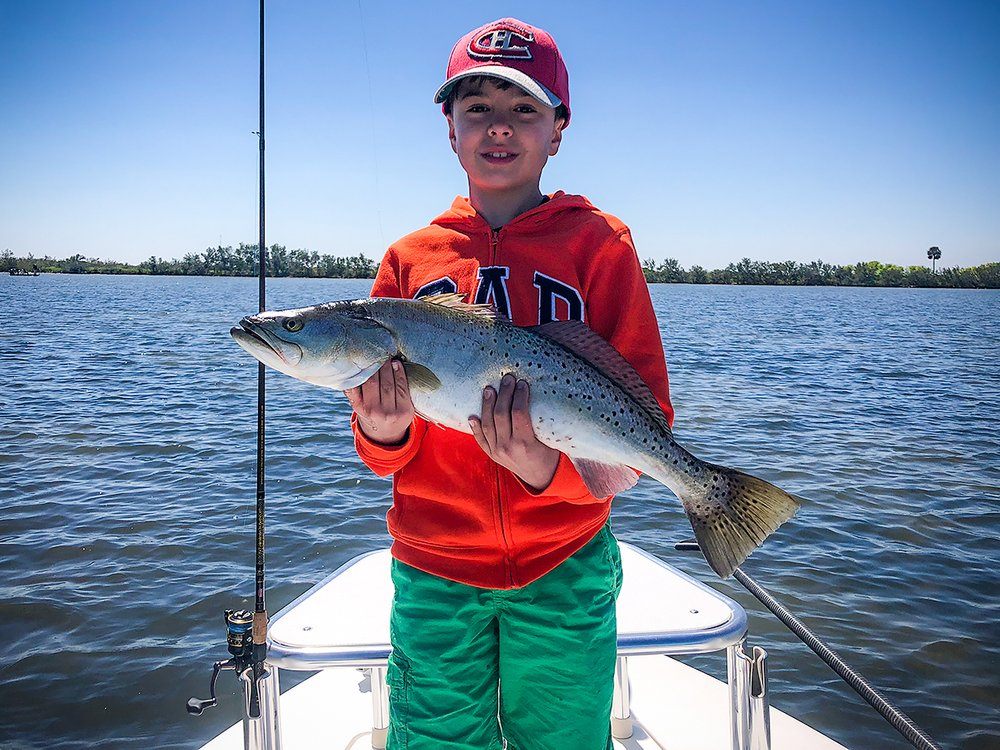
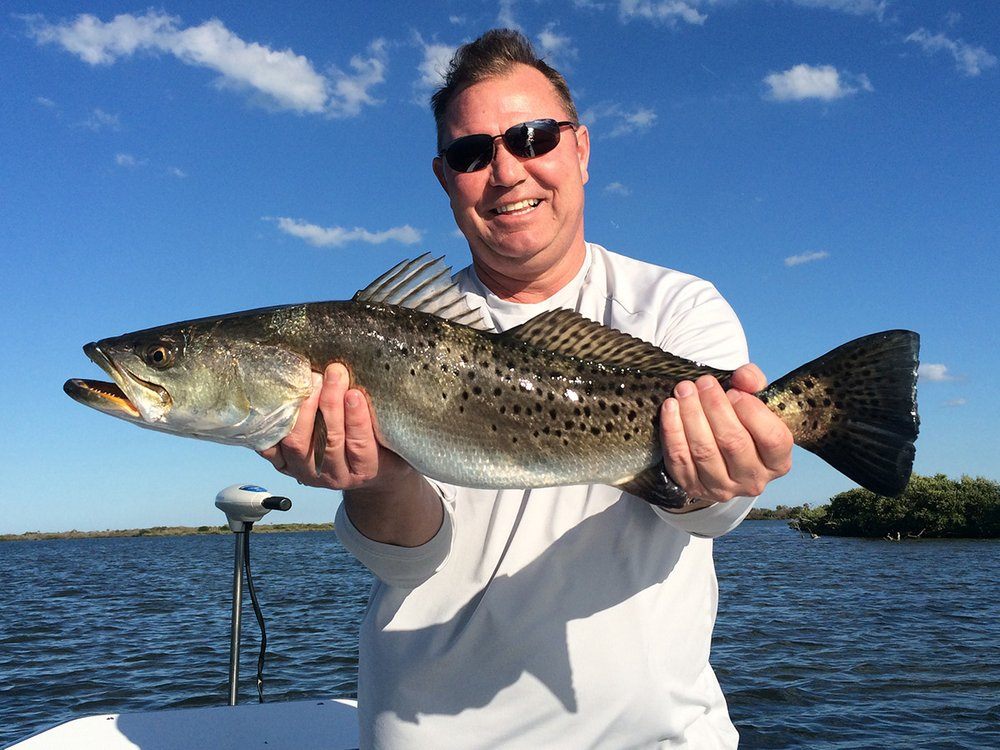
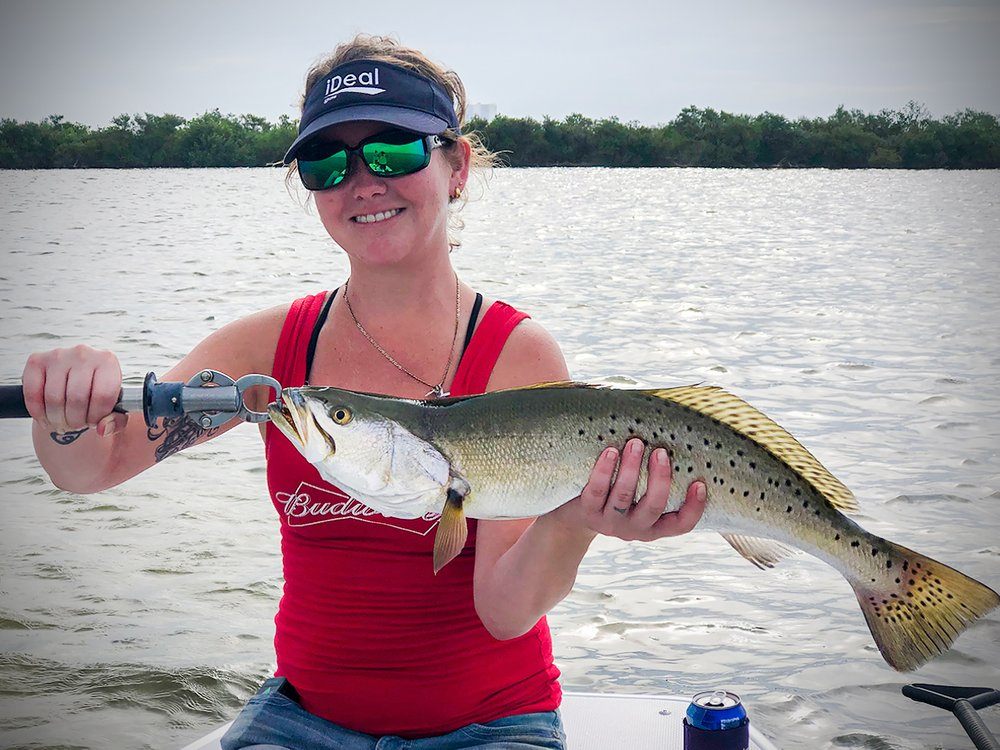
Sea trout, also called speckled trout, are abundant in these grass flats and offer consistent action when other species might be finicky. They're perfect for light tackle fishing, with their delicate mouths requiring a gentle touch when setting the hook. These spotted beauties love to feed over grass beds in 2-4 feet of water, making them ideal targets for topwater lures during low light conditions. The popping and splashing of a well-worked surface plug can drive them absolutely crazy. Cold fronts often turn them on, and they're one of the few species that actually bite better in cooler weather.
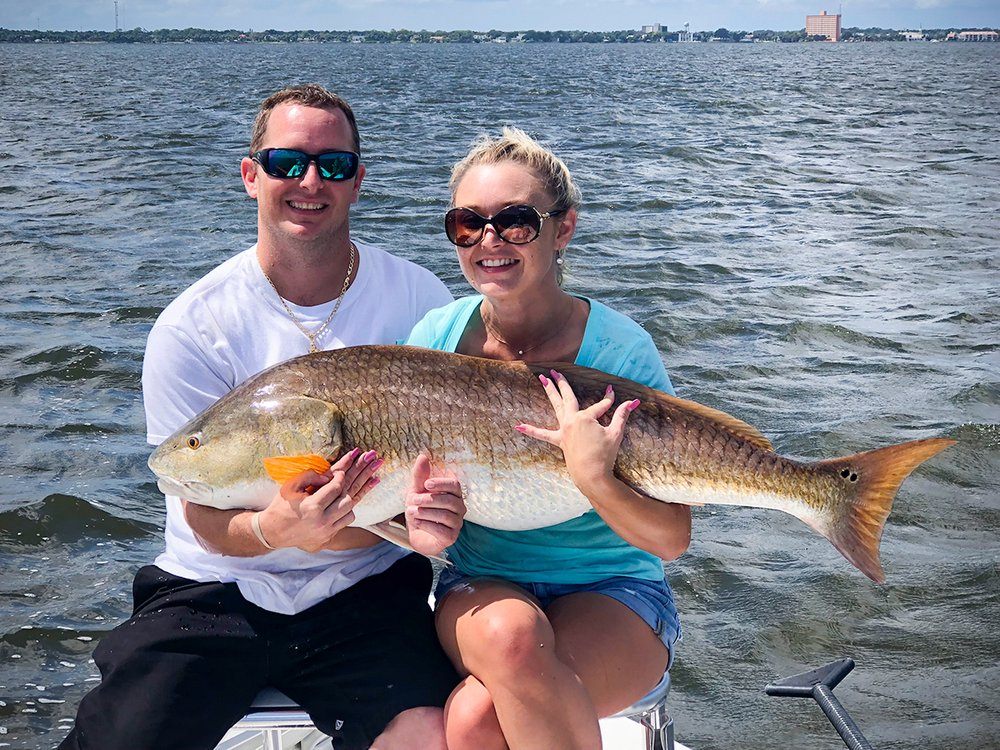
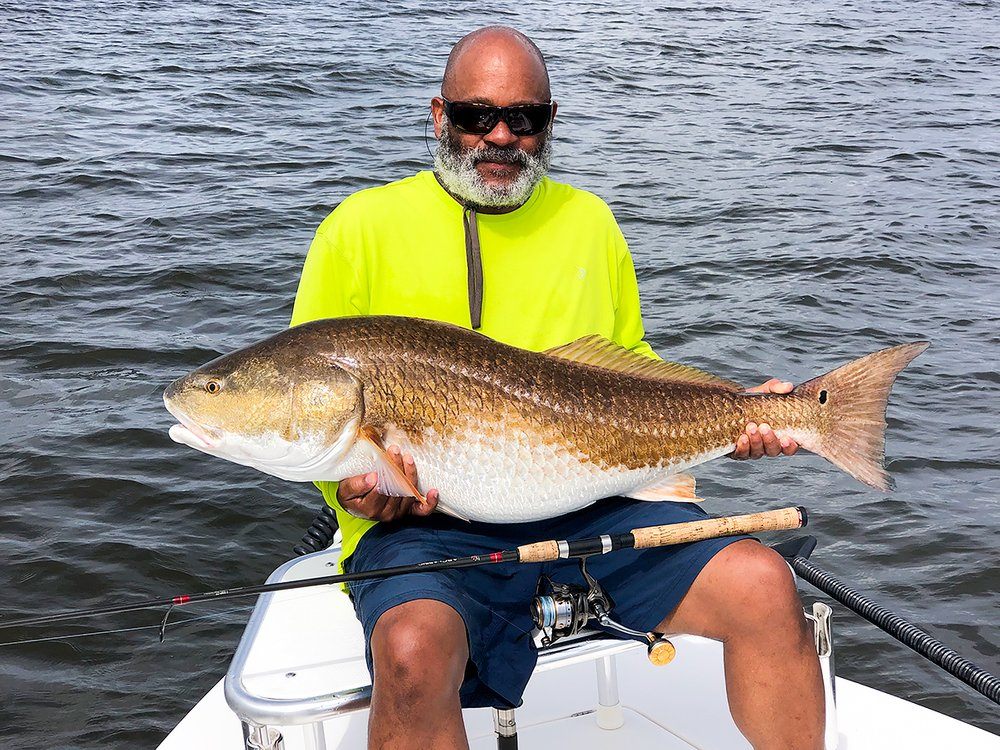
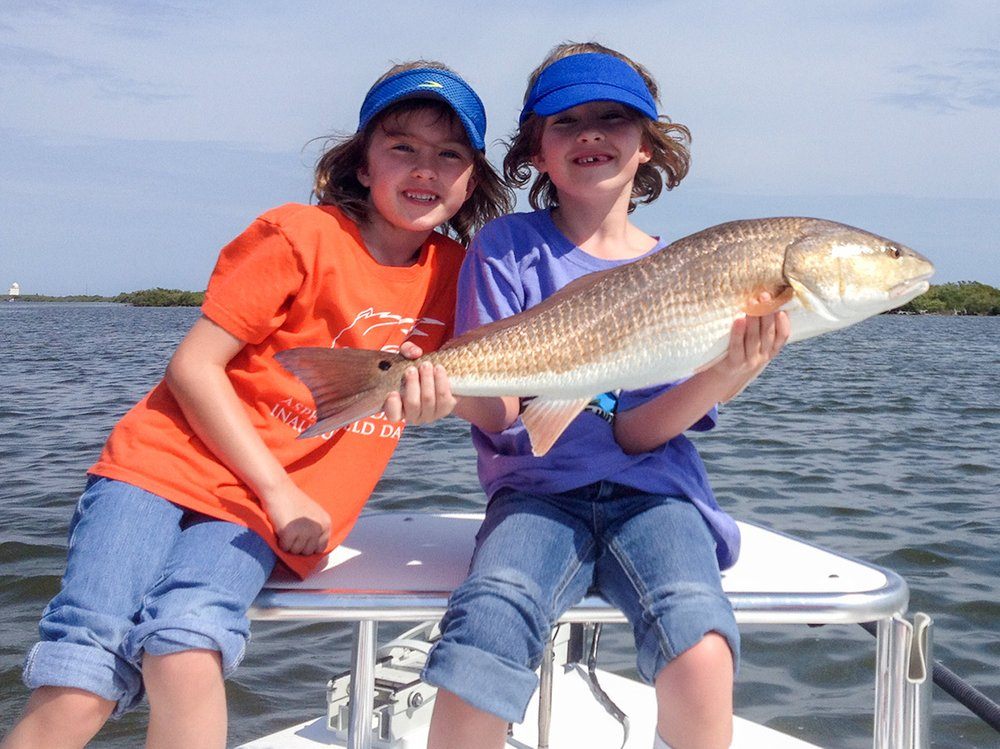
Redfish are the bread and butter of inshore fishing, and the shallow waters around Titusville hold some beautiful specimens. These copper-colored fighters are known for their powerful runs and stubborn nature once hooked. They feed heavily in skinny water, often with their backs out of the water as they root around for crabs and shrimp. Sight fishing for reds on the flats is about as good as it gets – watching a fish eat your bait in crystal clear water never gets old. They're available year-round but really shine in fall when they school up for their spawning runs.
Time to Book Your Spot
Port Canaveral Inlet fishing with 2
 Private Trip
 Inshore Fishing
 Fort Pierce


 Target Black Drum, Redfish, Snook, and Speckled Trout inshore