Private Full Day Bay Fishing Trip
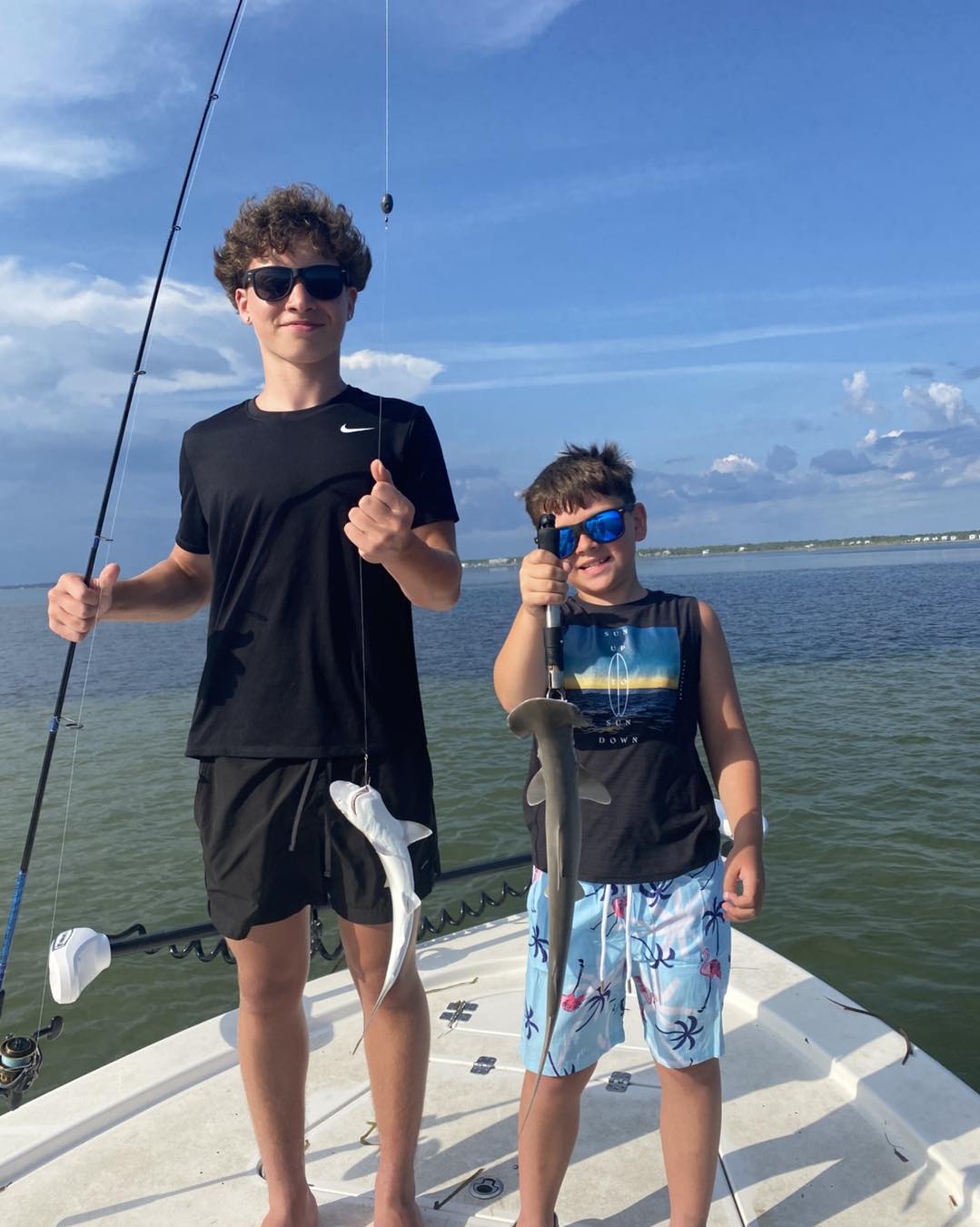
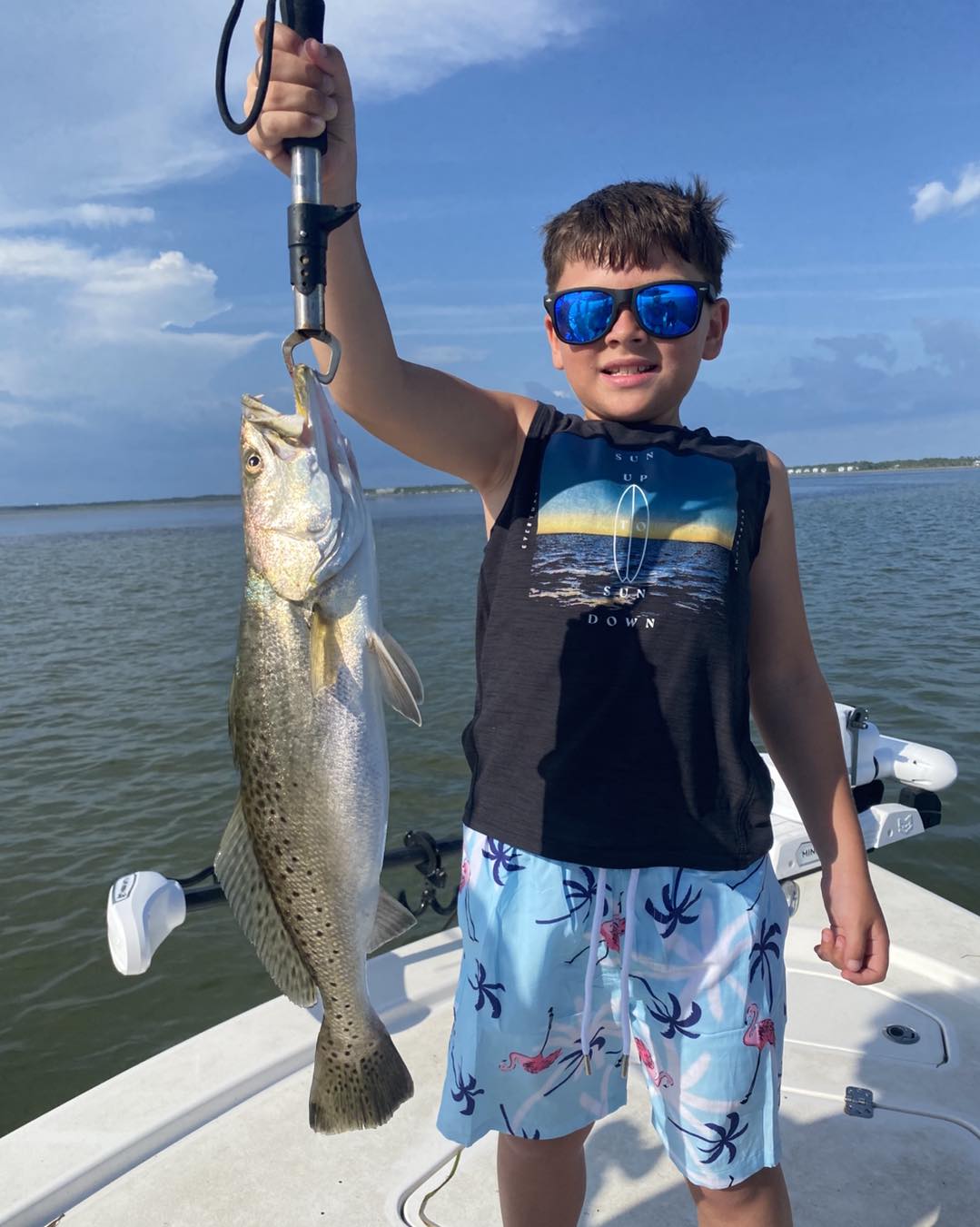
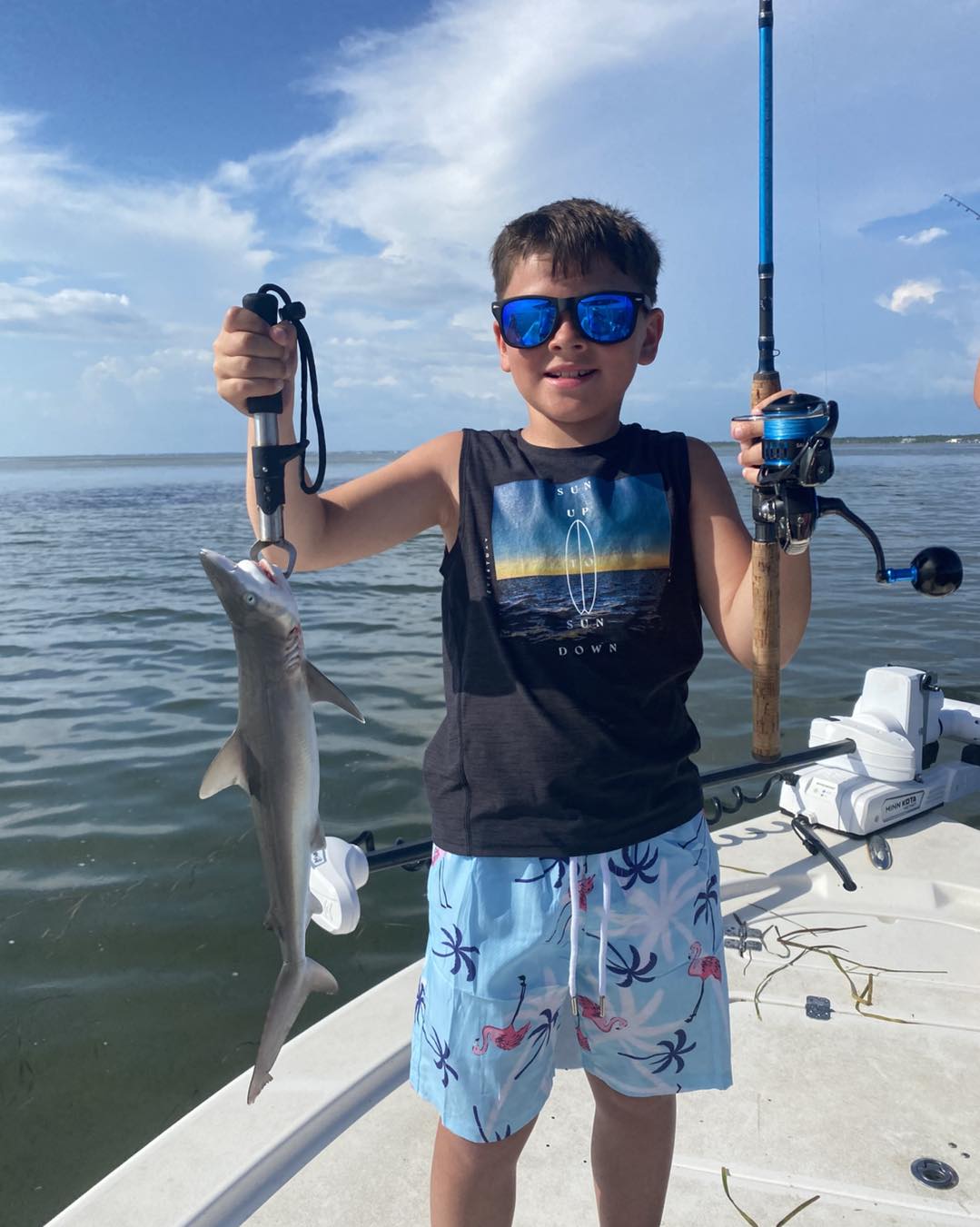
There's nothing quite like having an entire day to chase fish in the productive inshore waters around Port St. Joe and Mexico Beach. This 8-hour charter kicks off at 7:00 AM sharp, giving you the full morning bite plus plenty of time to explore different spots as conditions change throughout the day. Captain Mason knows these waters like the back of his hand, and he'll put you on the fish whether they're hanging around oyster bars, cruising the grass flats, or tucked up in the mangroves. With only three anglers max, you'll get personalized attention and plenty of room to fish comfortably without crowding the boat.
What to Expect on the Water
This trip is all about maximizing your time on productive inshore structure. We'll start the morning targeting active feeders around oyster beds and dock pilings, then move to the grass flats as the sun gets higher. The beauty of an 8-hour day is that we can adapt to what's working best. If the redfish are tailing in shallow water, we'll sight fish to them. If the mangrove snapper are thick around structure, we'll anchor up and put some limits in the boat. You don't need to worry about bringing tackle or bait – everything's provided, including your fishing license. Just pack some drinks, snacks, and whatever sun protection you prefer. The boat runs smooth and stable, making it perfect for anglers of all skill levels who want a relaxed day focusing on putting fish in the cooler.
Techniques & Tackle Setup
We'll be running a mix of live bait and artificials depending on what the fish want that day. For structure fishing around oyster bars and docks, we'll use medium-action spinning rods with circle hooks and live shrimp or pinfish. The grass flats call for lighter tackle and topwater plugs or soft plastics when the fish are shallow and spooky. Captain Mason keeps the boat positioned perfectly for each spot, whether we're anchored up on a productive piece of structure or doing a slow drift across the flats. The inshore setup is all about finesse and reading the water – you'll learn to spot nervous bait, look for subtle color changes that indicate grass edges, and understand how tide movement affects fish behavior. Most of the fishing happens in 3-15 feet of water, so you can actually see a lot of the action happening below the boat.
Customer Stories
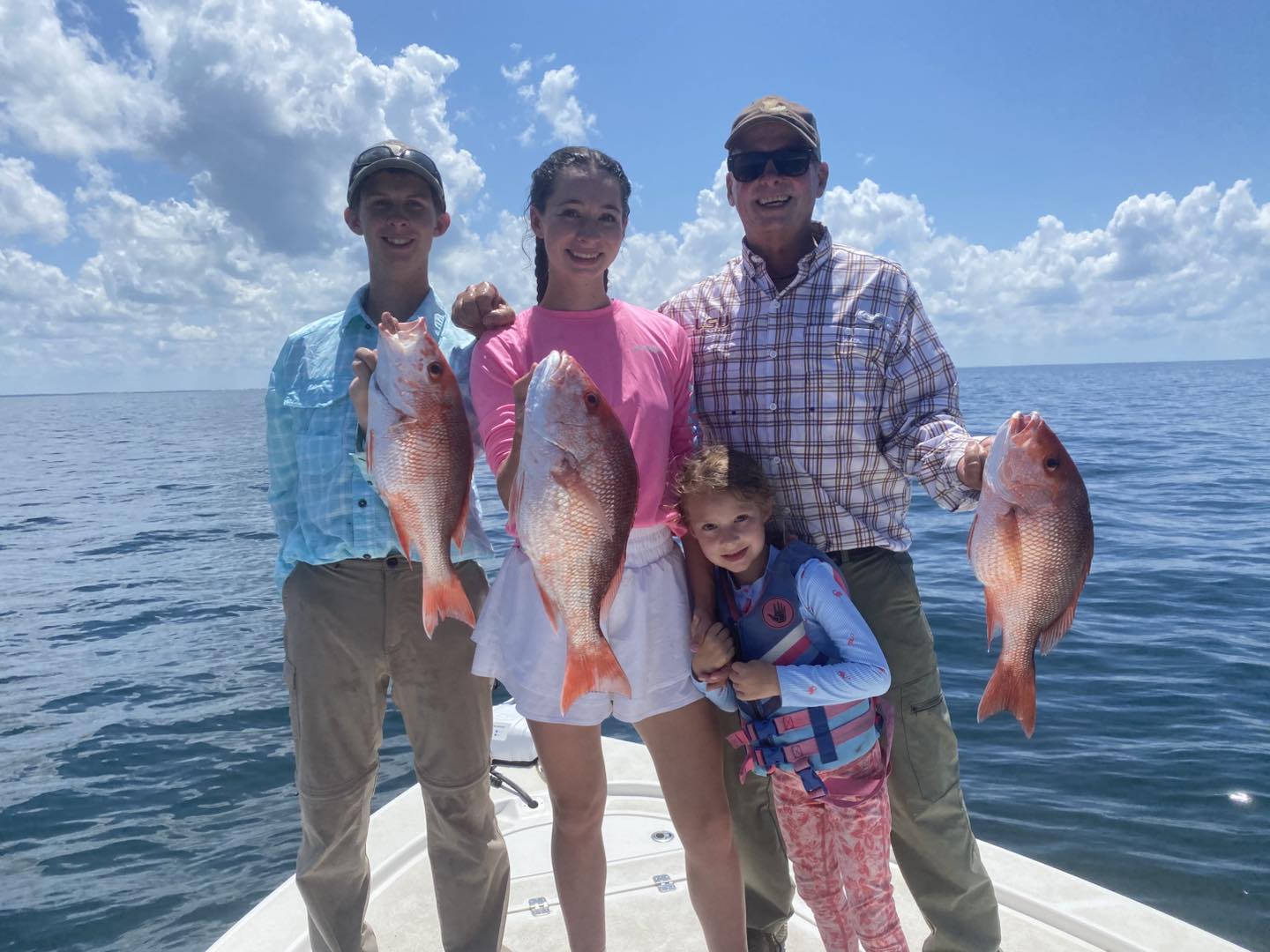
"Captain Mason was amazing!! He was willing to work with our group with whatever we needed! He did everything he could to make our group of new deep sea fishers as comfortable as possible! Captain Mason is such a friendly guy and at the end of the day we caught several good fish! Thank you Captain Mason for an amazing first deep sea fishing trip!" - John
Species You'll Want to Hook
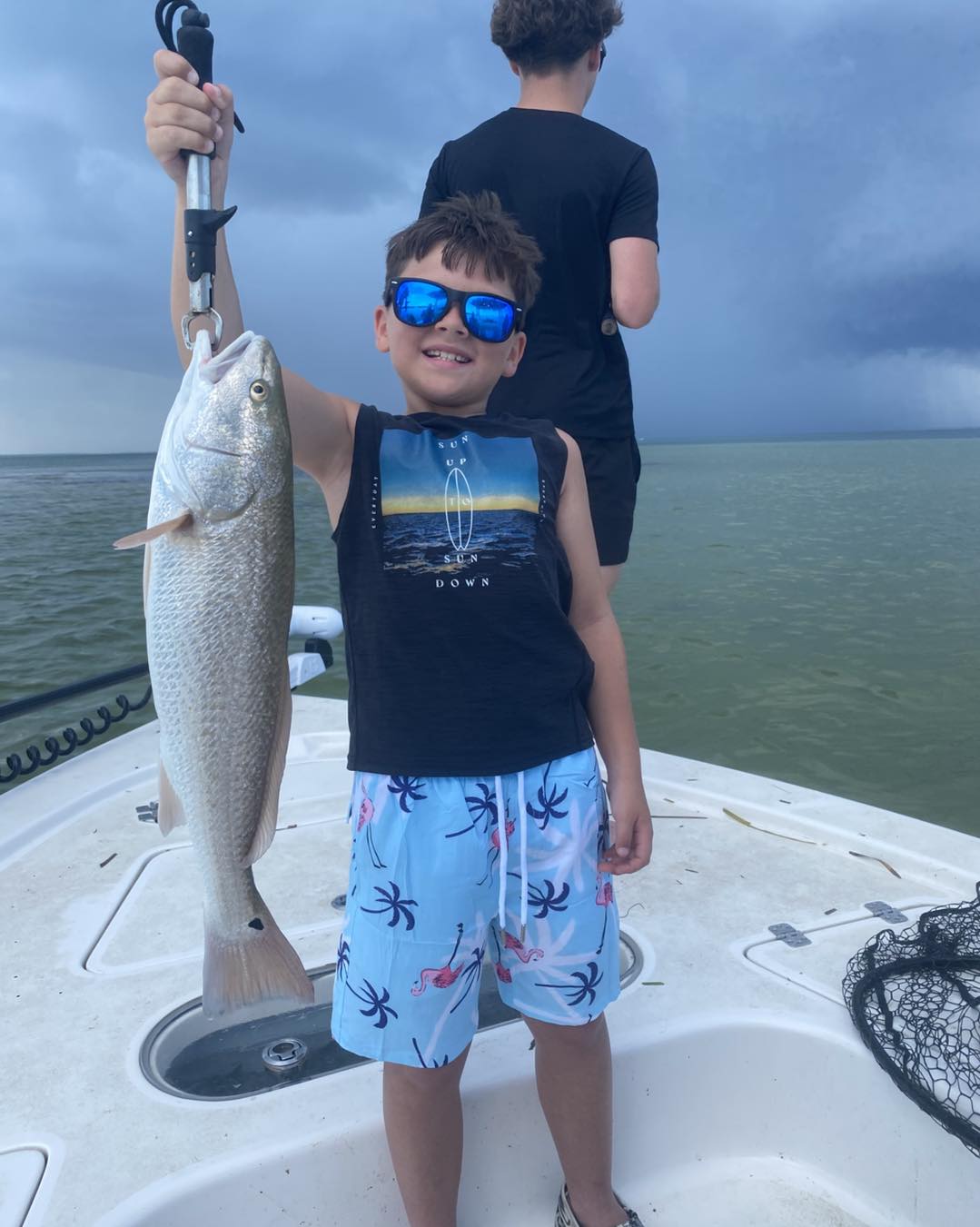
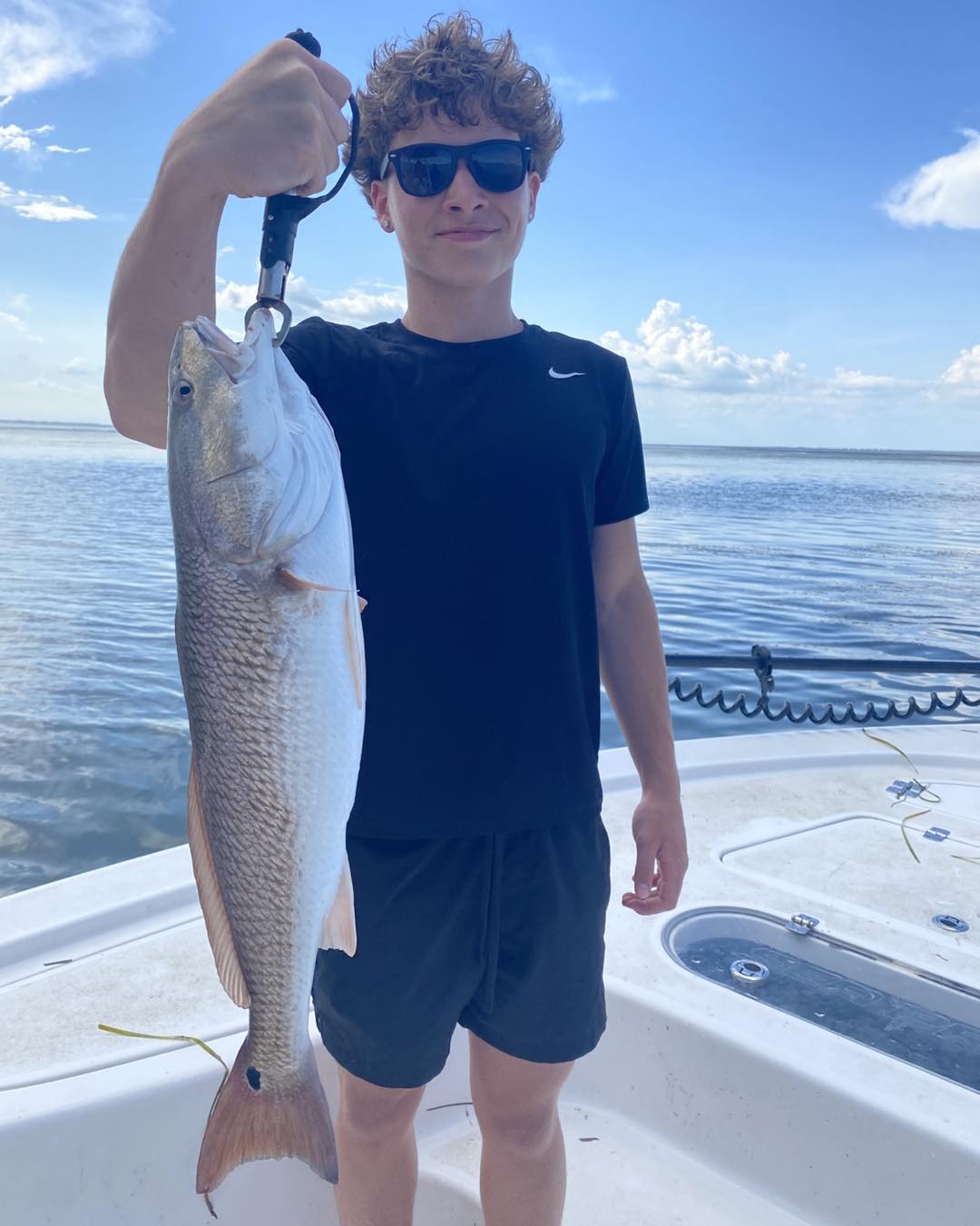
Redfish are the bread and butter of these inshore waters, and they're active year-round with peak action from late spring through early fall. These copper-colored fighters average 18-27 inches in our area and put up a serious scrap on medium tackle. You'll find them cruising the grass flats on rising tides, and they're absolute suckers for live shrimp bounced along the bottom. What makes reds so special is their willingness to eat and their never-give-up attitude when hooked. They'll make long runs and use every trick in the book to shake the hook.
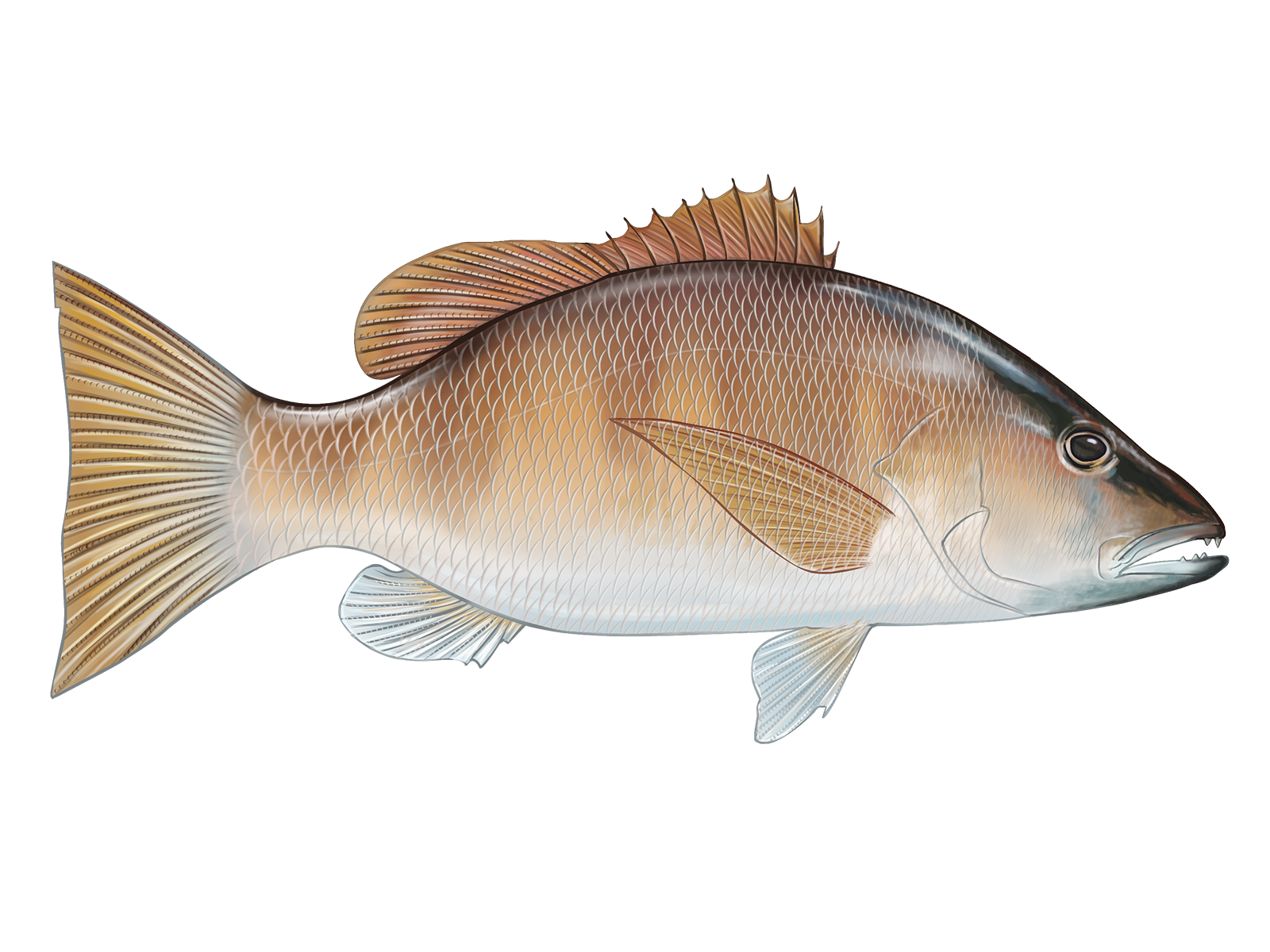
Mangrove Snapper, locally called gray snapper, are some of the smartest fish in the bay, but they're also some of the best eating. They average 12-16 inches around the oyster bars and bridge pilings, with the occasional 20-inch keeper that'll make your day. Summer months are prime time when they move shallow to spawn. These fish require patience and light tackle – they'll inspect your bait like they're shopping for groceries. When you hook one, expect a quick dash for cover and plenty of head-shaking on the way to the boat.
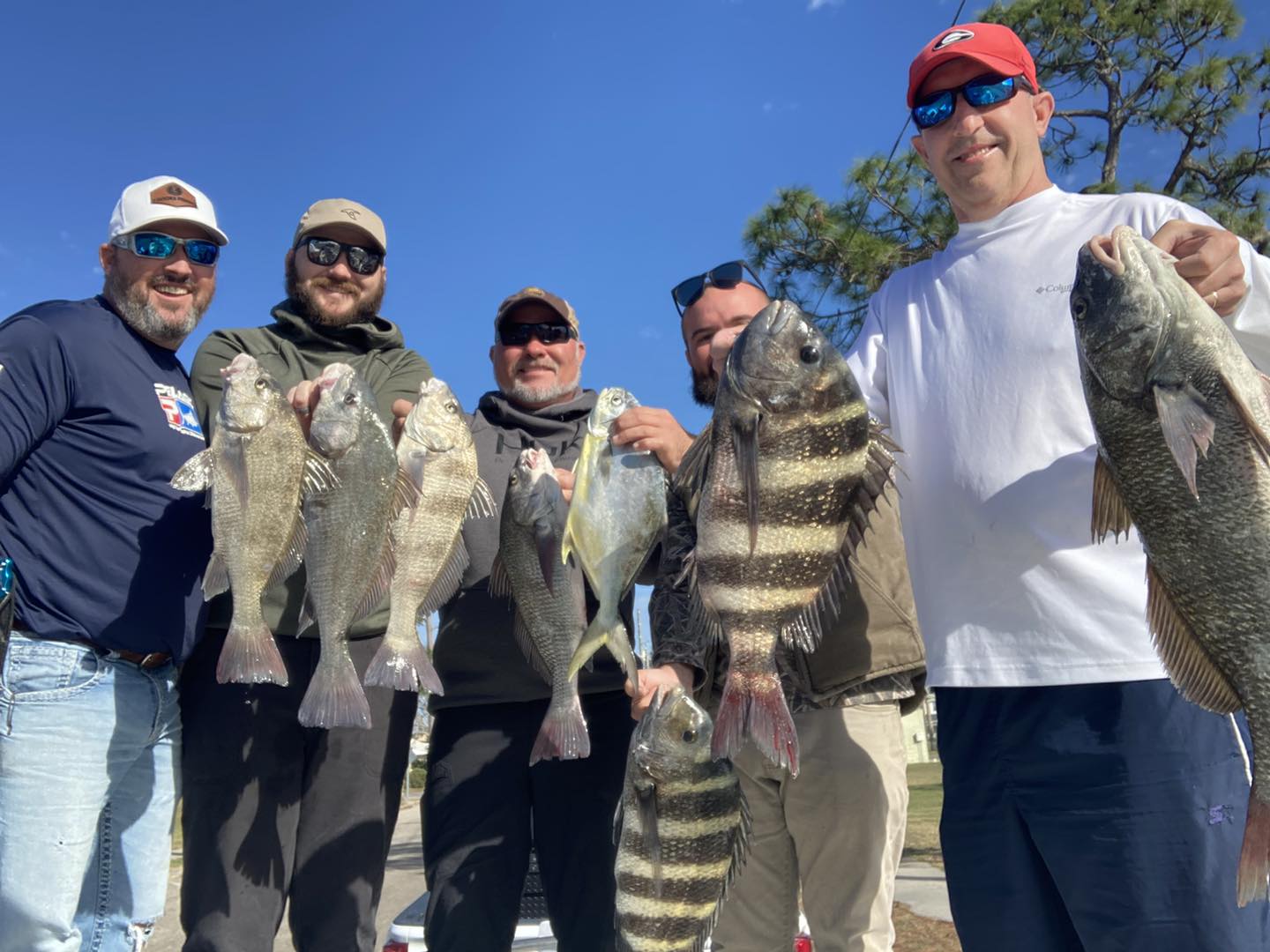
Black Drum are the workhorses of the inshore scene, often running 3-8 pounds with the occasional bull drum pushing 20+ pounds. They're year-round residents but really turn on during the cooler months when they school up around oyster beds. These fish are all about feel – they'll mouth the bait and barely move the rod tip, so you need to pay attention. Once hooked, they use their bulk and stubbornness to test your drag system. Blue crab or cut bait works best, and finding a school means steady action.
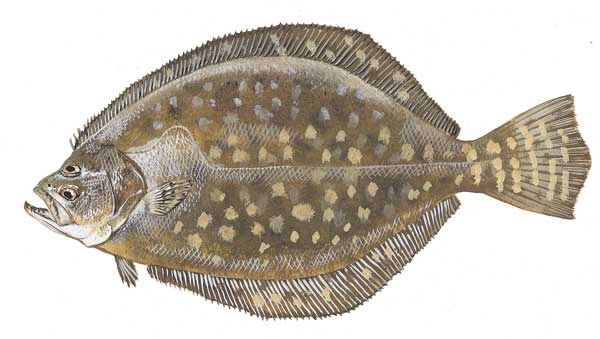
Southern Flounder are the masters of camouflage, lying flat on sandy bottoms waiting to ambush passing bait. Fall is prime time when they're fattening up before their winter migration, with fish running 14-20 inches being common. They hit live finger mullet or mud minnows drifted along drop-offs and channel edges. The bite is subtle – often just extra weight on the line – but the fight is surprisingly strong with lots of bulldogging and head shakes. Nothing beats fresh flounder fillets, and these fish are perfect for novice anglers learning to feel light bites.
Sheepshead are the convict-striped specialists of hard structure, using their crushing jaws to pull barnacles and crabs off pilings and rocks. Winter and early spring bring the best action when they stack up around bridges and jetties. These 2-4 pound fish are notorious bait thieves, requiring small hooks, light line, and lightning-quick hooksets. Fiddler crabs and sand fleas are top baits, and you'll go through plenty trying to outsmart these crafty fish. They're excellent table fare and provide non-stop action when you find a good school.
Time to Book Your Spot
A full day on the water with Captain Mason gives you the best shot at experiencing everything Port St. Joe's inshore fishery has to offer. From the morning bite around structure to afternoon action on the
 5.0(1 Reviews)
 Private Trip
 Inshore Fishing
 Port St. Joe


 Full 8-hour inshore fishing adventure in Port St. Joe waters