Extended 10,000 Islands Inshore Fishing Charter
Looking for a world-class inshore fishing experience that honors our military heroes and first responders while delivering top-rated action on the water? This 6-hour extended charter through Florida's legendary 10,000 Islands gives you the time and space to really dial in on the backcountry's best fishing spots. With just you and one buddy aboard, you'll have plenty of room to work and the personal attention that makes all the difference when chasing trophy redfish, snook, and trout through these pristine waters.
What to Expect on the Water
Six hours on the water means we're not rushing anywhere – and that's exactly how inshore fishing should be done. The 10,000 Islands backcountry is massive, stretching from Marco Island down to the Everglades, packed with mangrove creeks, grass flats, and oyster bars that hold some of Florida's best gamefish. We'll start early to catch the moving water and work through different zones as the tides shift. Some days we're poling shallow flats for tailing redfish, other days we're casting to mangrove shorelines where snook ambush baitfish. The extended time lets us adapt to what the fish are doing instead of being stuck in one spot. You'll see why this area consistently produces customer favorites – it's not just the fish, it's the whole experience of being back in untouched Florida where eagles soar overhead and dolphins cruise alongside the boat.
Techniques and Tackle
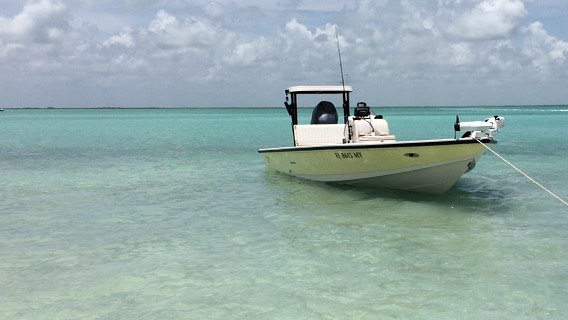
We fish light tackle here – typically 7-foot medium-action spinning rods with 15-20 lb braid and fluorocarbon leaders. The technique depends on what we're targeting and where we find them. Sight fishing with live shrimp or pinfish is deadly for redfish cruising the flats, while soft plastic jerkbaits and topwater plugs work magic around structure for snook. When trout are schooled up, we'll switch to jigs or live bait under popping corks. The boat runs skinny – we're talking 18 inches of water in some spots – so we can get into places bigger boats can't reach. Poling and trolling motor work keeps us quiet, which is crucial when fish are spooky in clear, shallow water. I'll have all the gear ready, but if you've got a favorite rod or lucky lure, bring it along. The 10,000 Islands has enough variety that we can fish everything from open grass flats to tight mangrove tunnels, adjusting our approach as we move through the day.
Target Species Breakdown
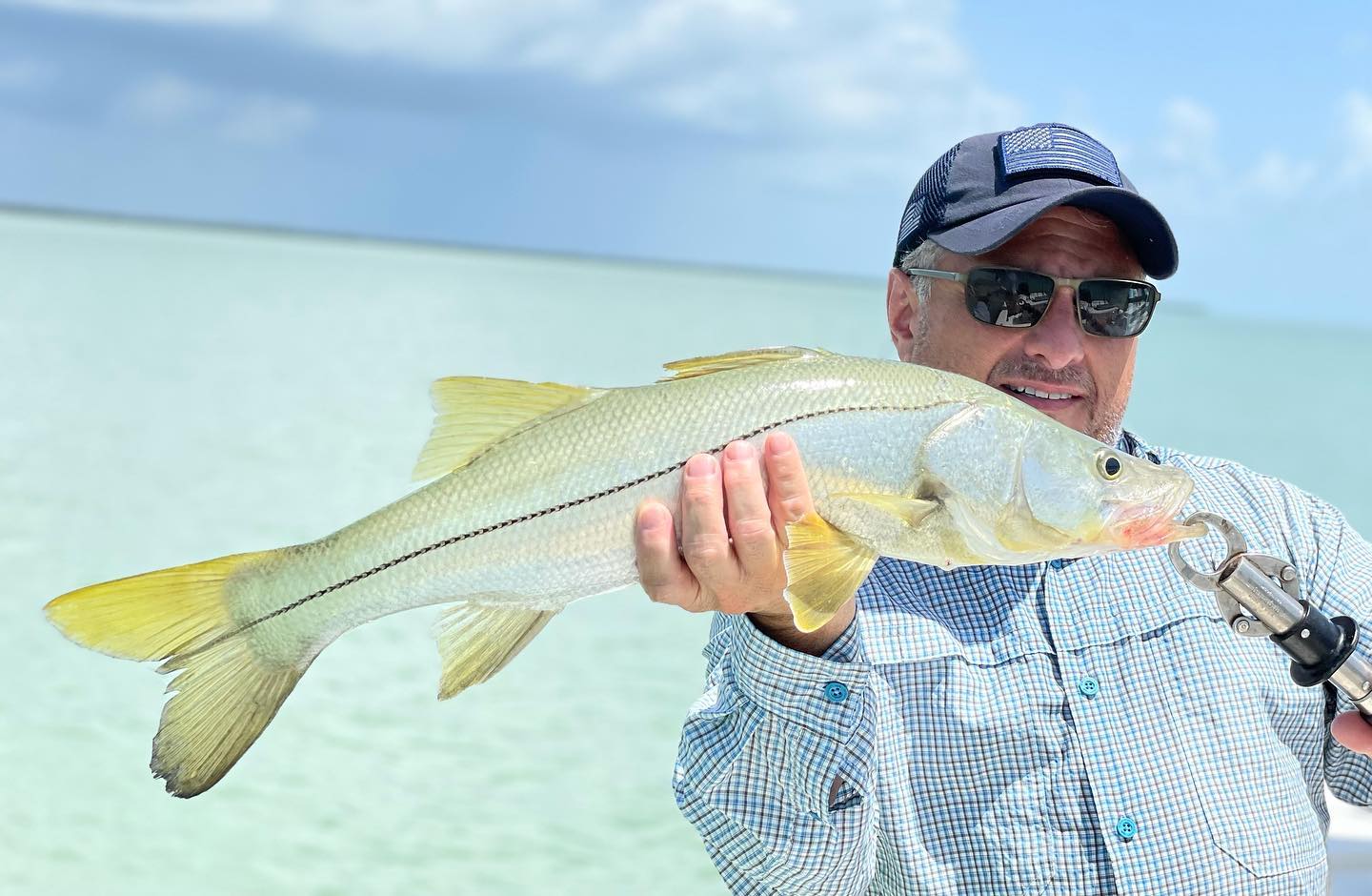
Snook are the crown jewel of Southwest Florida inshore fishing, and the 10,000 Islands holds some true giants. These ambush predators love structure – think mangrove points, creek mouths, and oyster bars where they can pin baitfish against cover. Spring through fall is prime time, especially during the warmer months when they're most active. A big snook hit is pure violence – they'll blow up on topwater lures at dawn or crush a live pilchard drifted along a mangrove edge. What makes them special is their fight combined with their pickiness. You might see a dozen fish before one decides to eat, but when a 30-incher inhales your bait and goes airborne, you'll understand why anglers get obsessed with these fish.
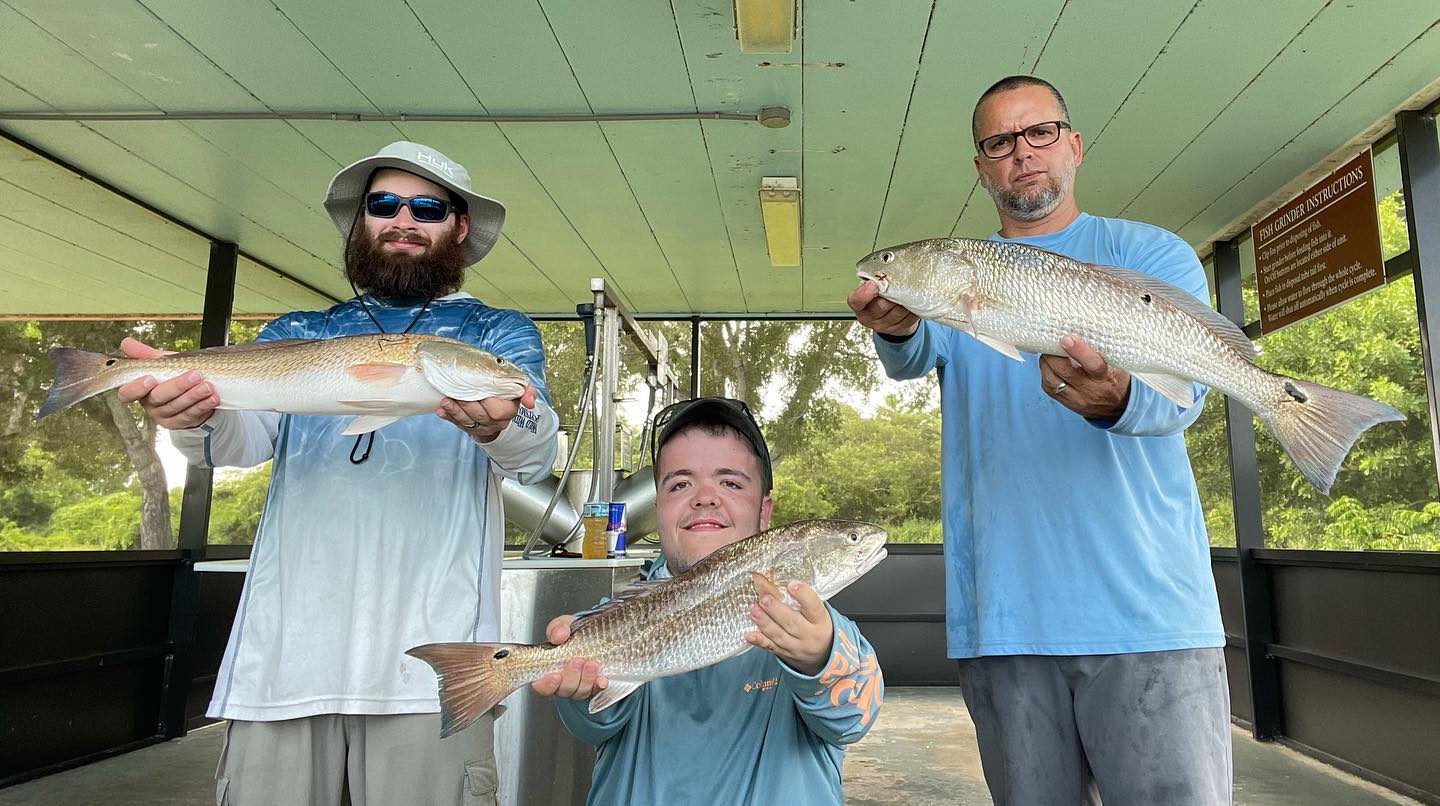
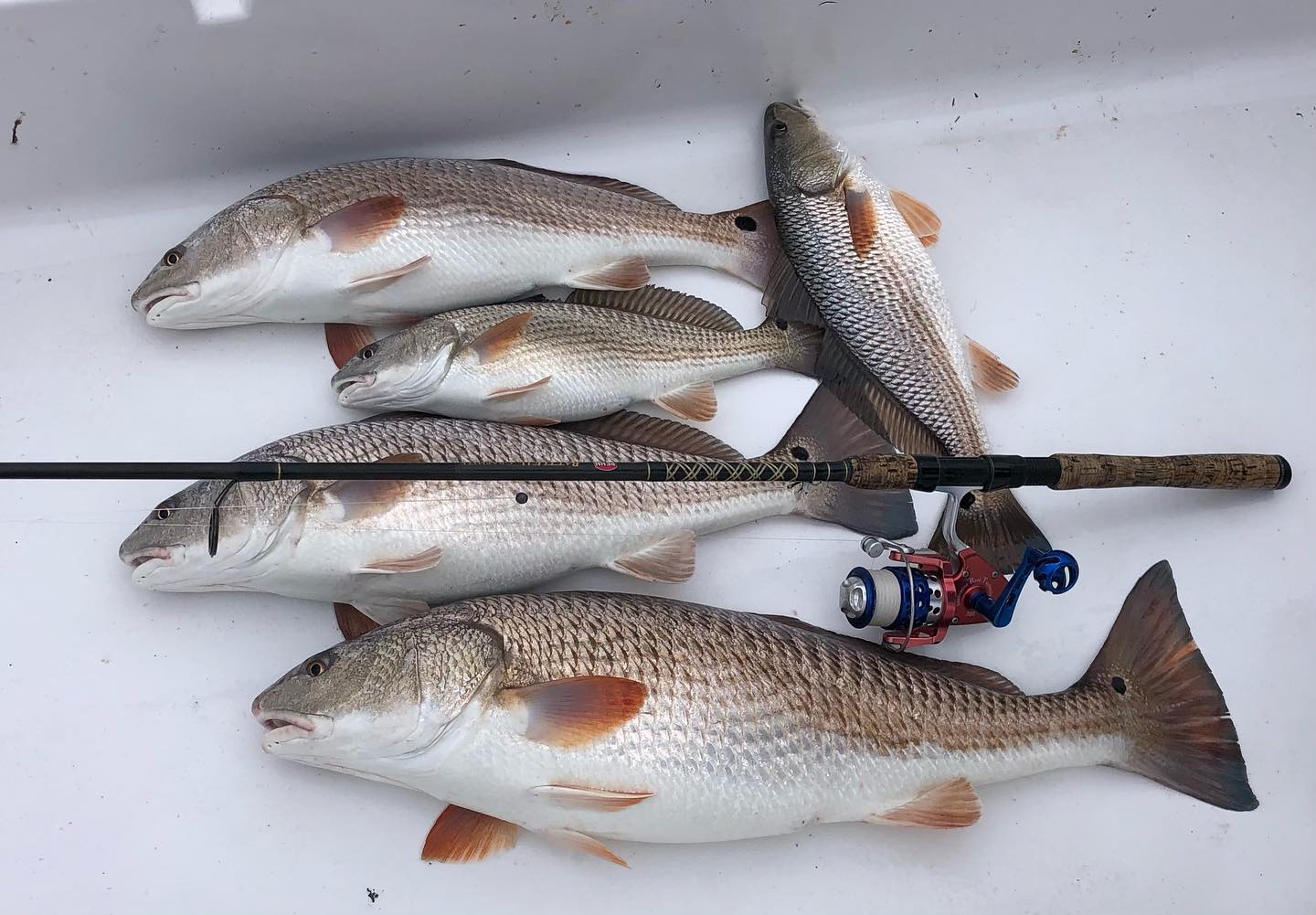
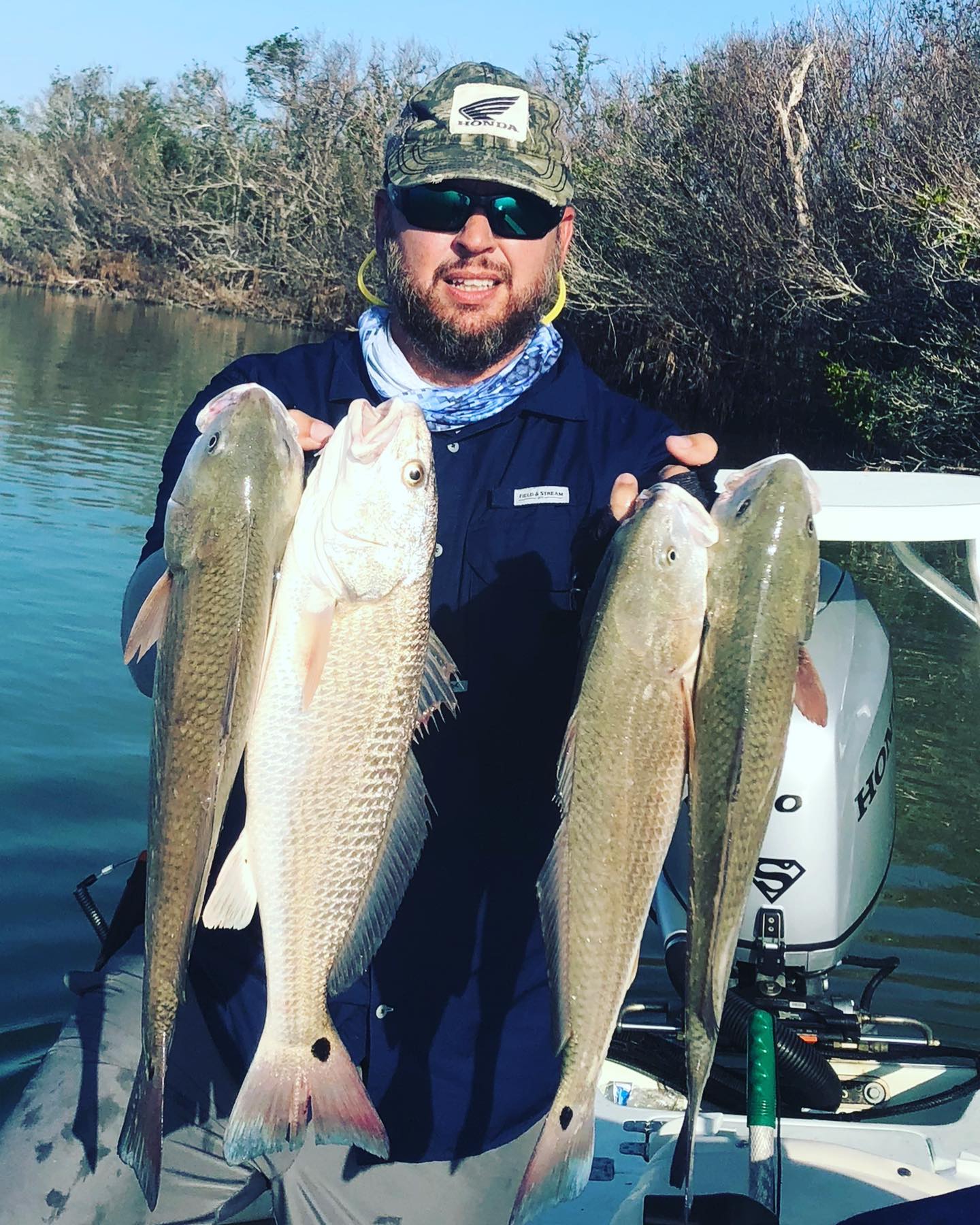
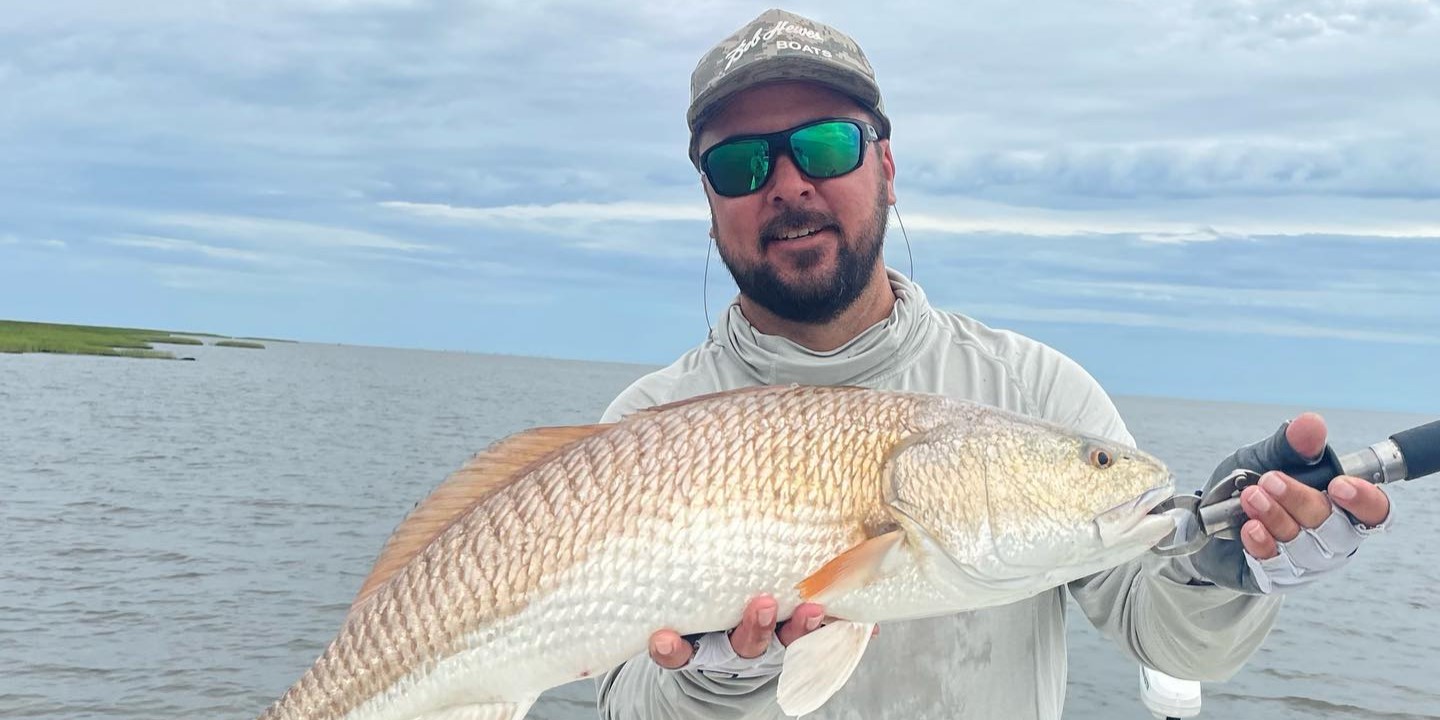
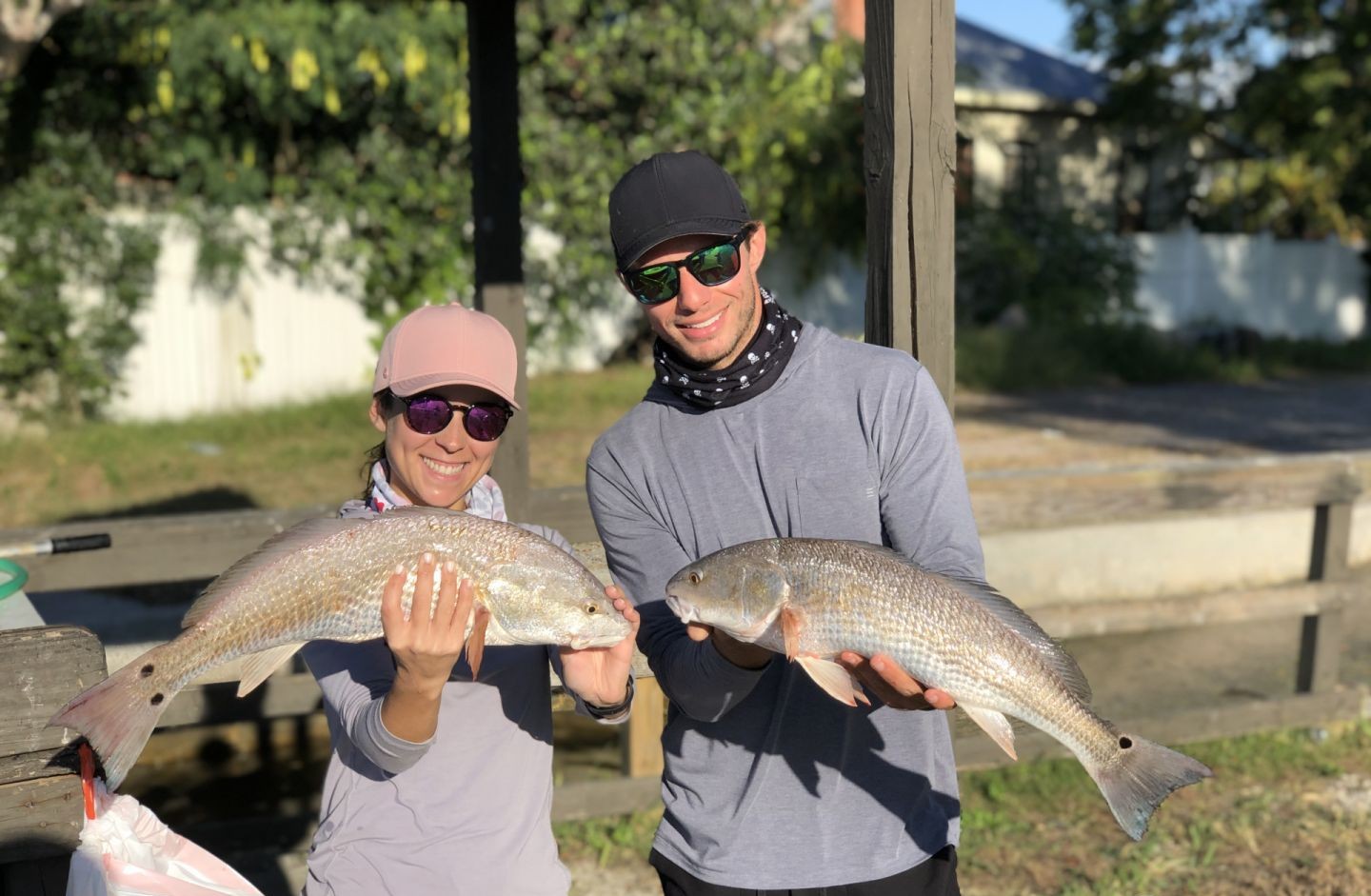
Redfish are the backbone of 10,000 Islands fishing – reliable, hard-fighting, and gorgeous fish that'll eat just about anything you throw at them. These copper-colored bruisers cruise the flats year-round, though late spring through early winter gives you the best action. Reds feed aggressively in shallow water, making them perfect for sight fishing. There's nothing quite like watching a red drum's back break the surface as it crushes a shrimp in two feet of water. They're not picky eaters, but they're smart – spook one and it'll clear out the whole flat. The slot-size fish (18-27 inches) fight like freight trains, while the oversized bulls that patrol deeper water will test your tackle and your patience.
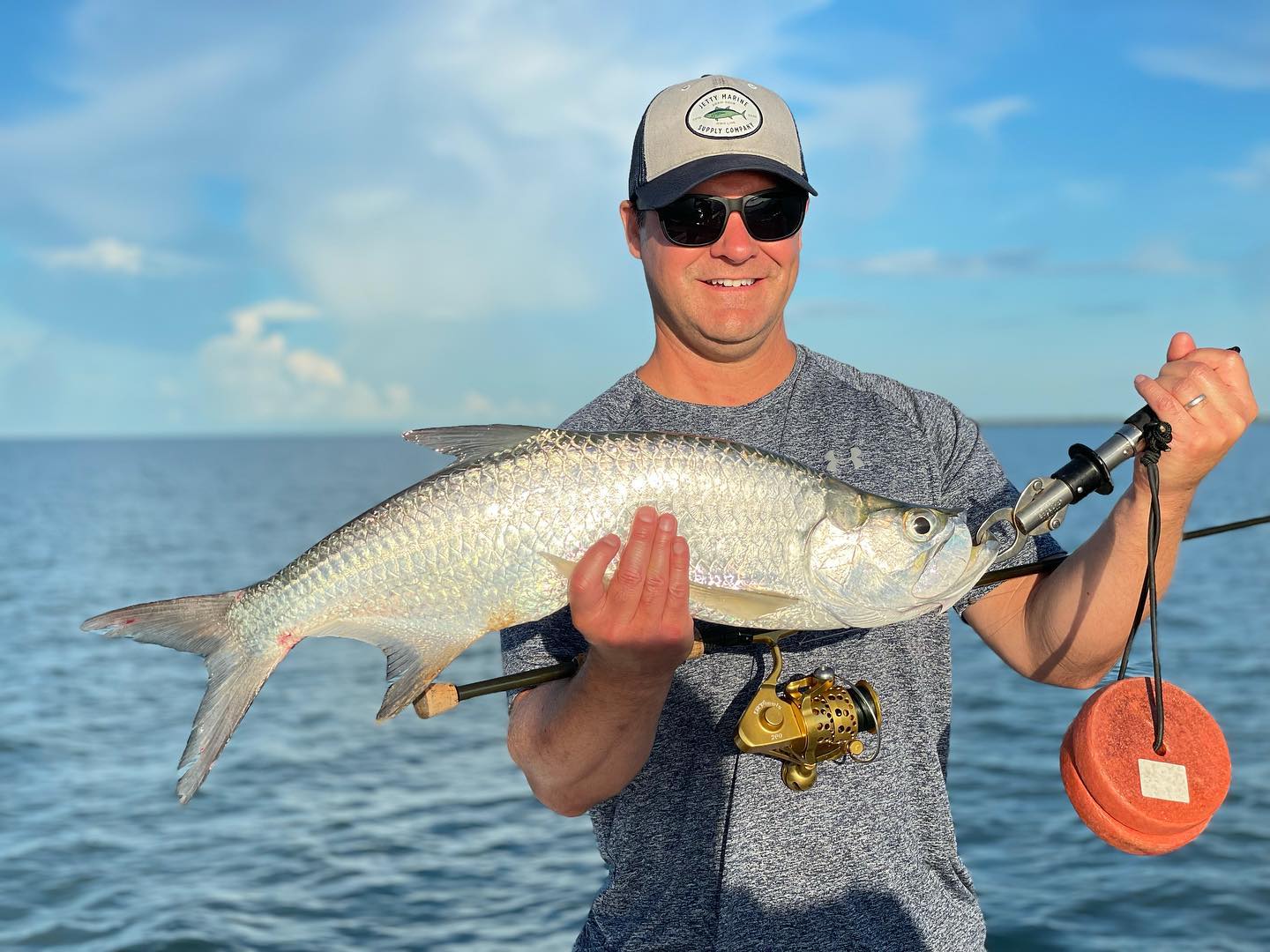
Tarpon show up seasonally but when they're here, everything else becomes secondary. These silver kings roll through the backcountry from late spring through summer, offering shots at fish from juvenile "baby" tarpon around 20-40 pounds up to monsters exceeding 100 pounds. Tarpon fishing is about patience and precision – they're notorious for eating your bait without getting hooked, but when you connect with one, the acrobatic show begins immediately. Even a small tarpon will jump repeatedly and run like nothing else in these waters. The 10,000 Islands provides calmer water than the open Gulf, so you can really appreciate the fight without getting beat up by waves.
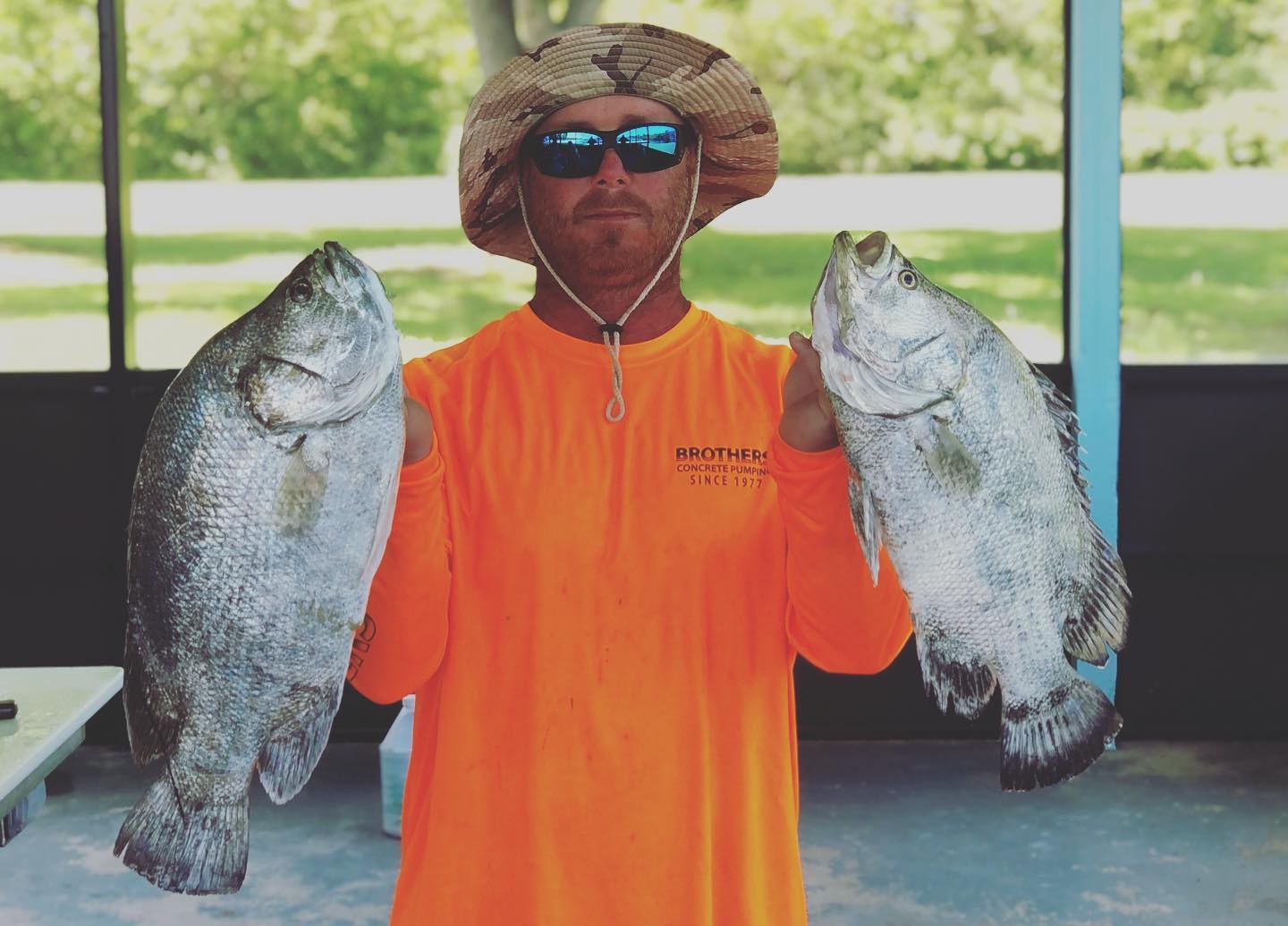
Tripletail are the wild cards of this fishery – strange-looking fish that float around crab trap buoys, channel markers, and floating debris like they're sleeping. Don't let their lazy appearance fool you – these fish are excellent table fare and surprisingly strong fighters once hooked. They're most common during warmer months and can be tricky to hook since they tend to mouth baits cautiously. Finding tripletail is part hunting, part fishing – we'll idle around checking structure until we spot their distinctive three-lobed silhouette. When you see one, the excitement builds because they're not always easy to convince, but a well-presented live or dead shrimp usually does the trick.
Time to Book Your Charter
This extended 6-hour format gives you the best shot at experiencing everything the 10,000 Islands has to offer. We're not watching the clock when fish are biting, and we've got time to move spots if one area isn't producing. The tribute to military members and first responders adds meaning to an already special day on the water. With capacity limited to just two anglers, you'll get personalized instruction and plenty of opportunities to get on fish. The 10,000
 Private Trip
 Inshore Fishing
 Everglades City, FL, United States


 Six-hour extended charter targets redfish, snook, and trout inshore