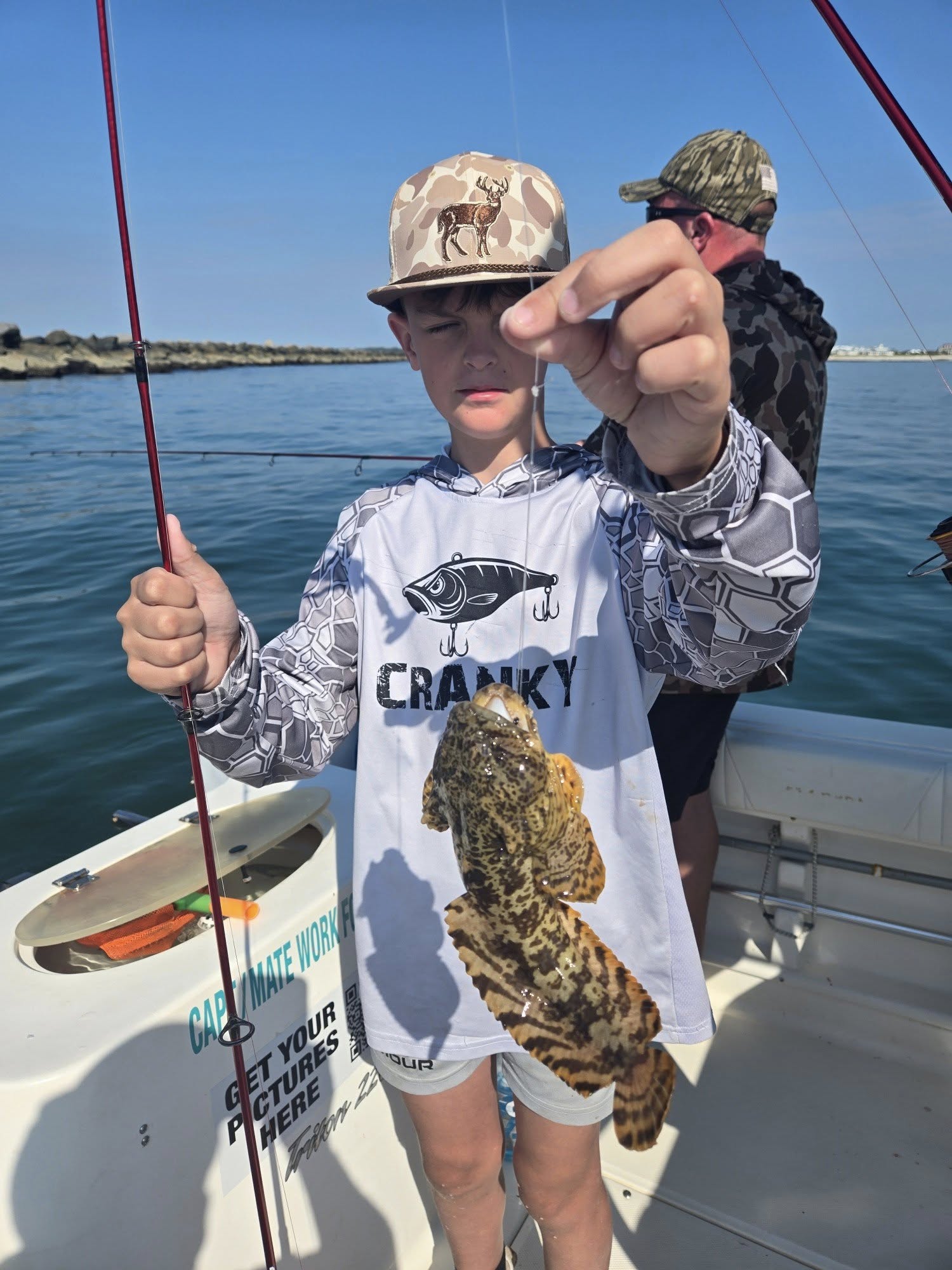
Morning Inshore Fishing Trip Murrells Inlet
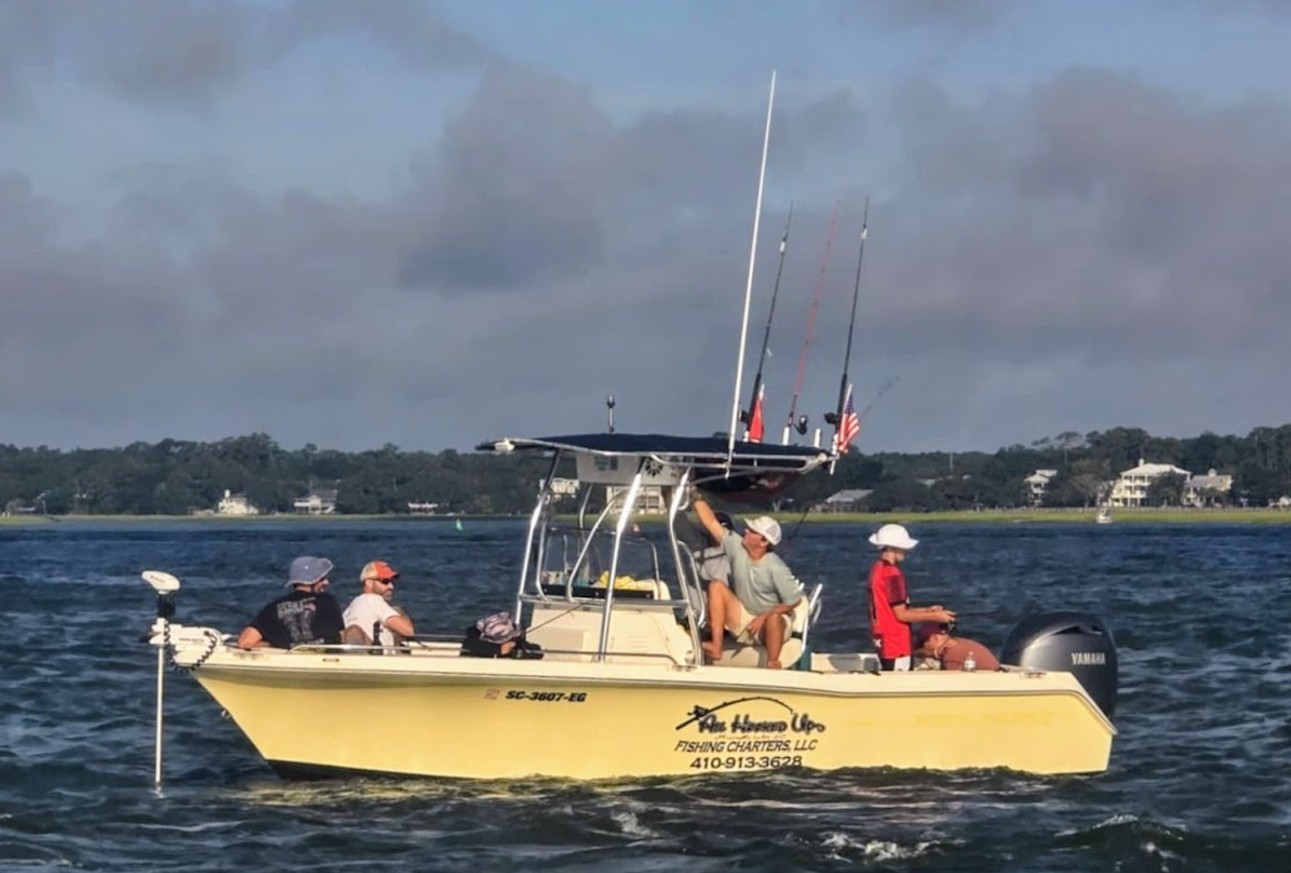
There's something special about being on the water at first light, and this 3-hour morning inshore fishing trip in Murrells Inlet captures that magic perfectly. Departing at 7:00 AM, you'll beat the heat and the crowds while targeting some of South Carolina's most sought-after nearshore species. Captain and crew from ALL HOOKED UP FISHING CHARTERS LLC know these waters like the back of their hand, and they'll put you on fish in the calm, protected waters around Murrells Inlet. With room for up to 4 guests, this trip works great for families, couples, or small groups who want a more intimate fishing experience without the chaos of larger party boats.
What to Expect on the Water
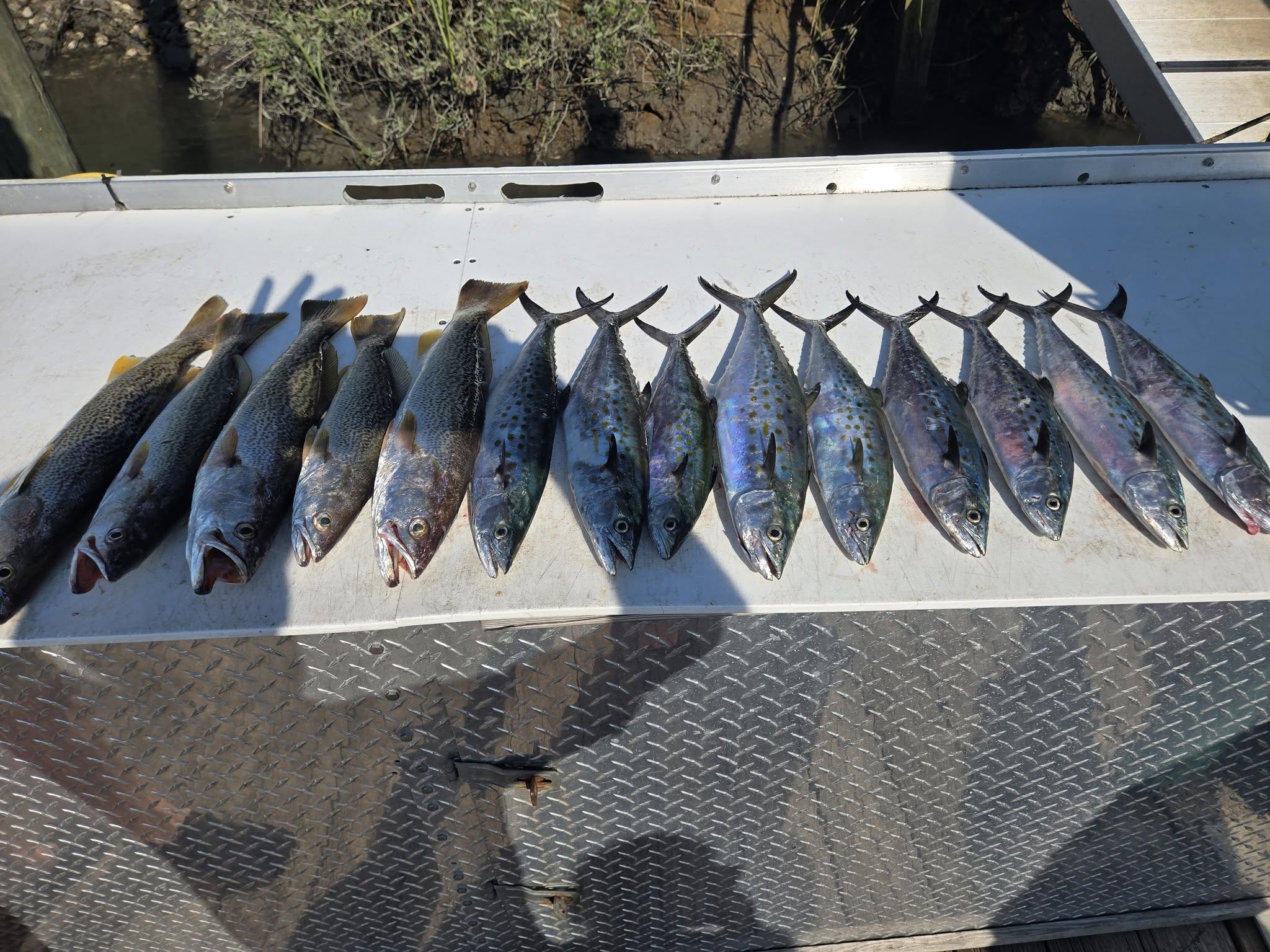
Your morning starts early, but trust me – it's worth it. The calm waters of Murrells Inlet and surrounding creeks offer some of the most consistent inshore fishing on the Grand Strand. We're talking about protected backwaters, grass flats, oyster bars, and creek mouths where fish love to hang out and feed. The beauty of inshore fishing here is that even when it's rough offshore, these spots stay fishable and comfortable. Your captain will have all the gear ready – rods, reels, tackle, and fresh bait – so you can focus on what matters: catching fish. The boat is equipped with safety gear for everyone 4 years and older, making this a family-friendly adventure. Plus, at the end of the trip, your catch gets cleaned and bagged at no extra charge, so you're ready to head straight home or to your favorite restaurant for a fresh fish dinner.
Techniques & Top Spots
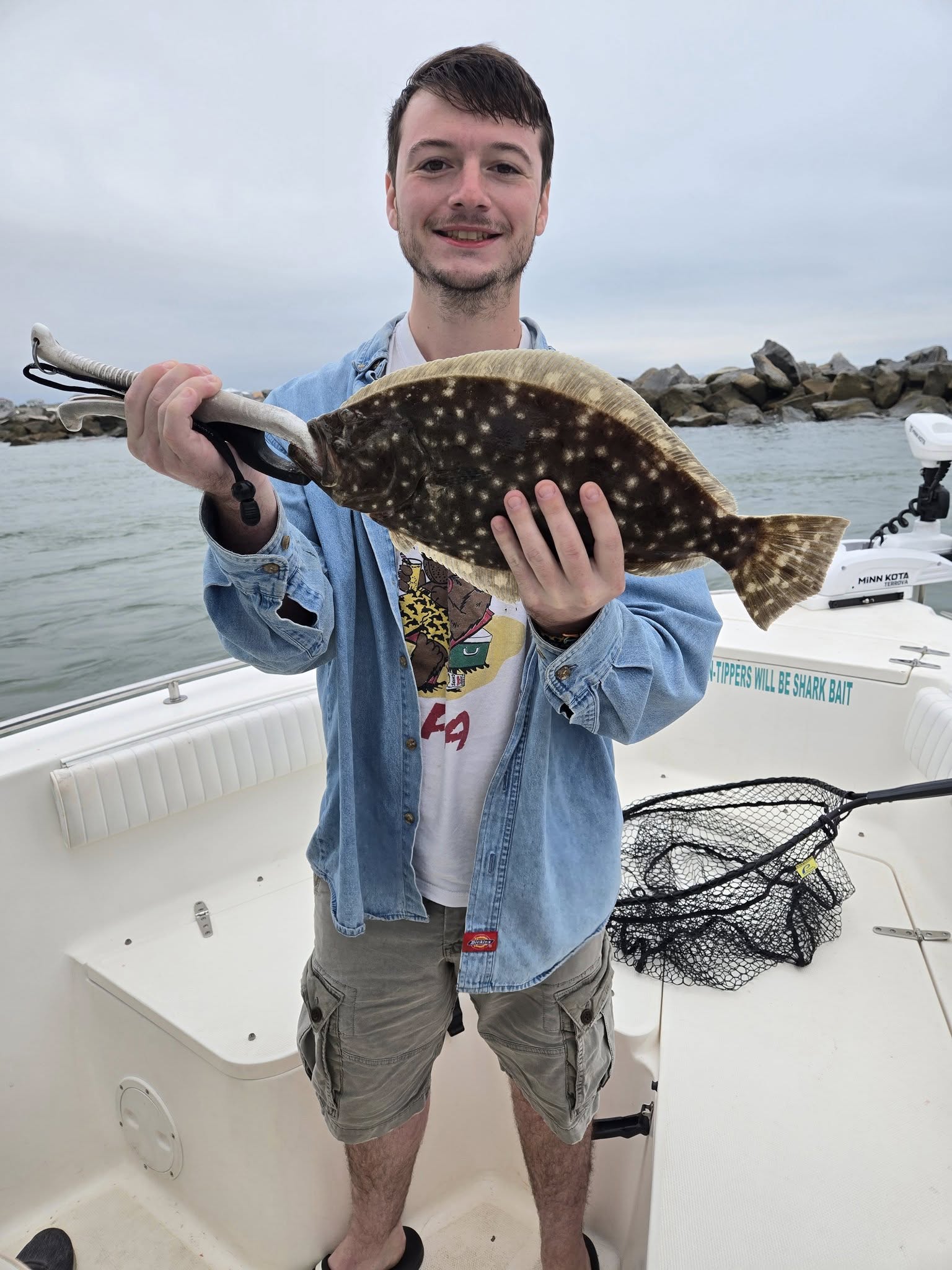
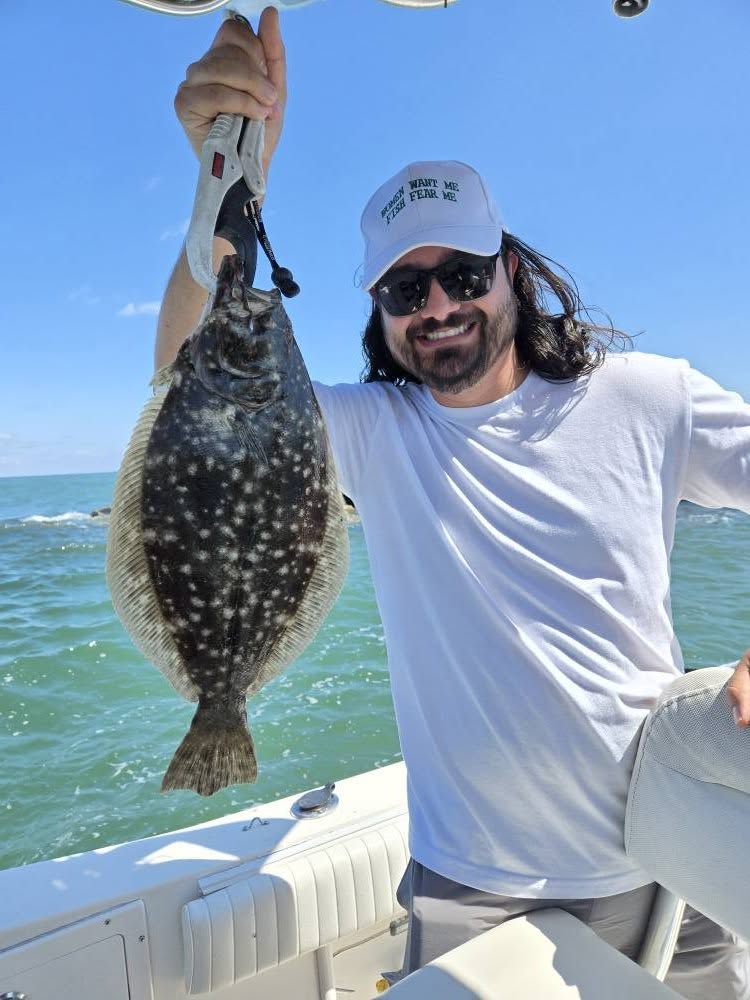
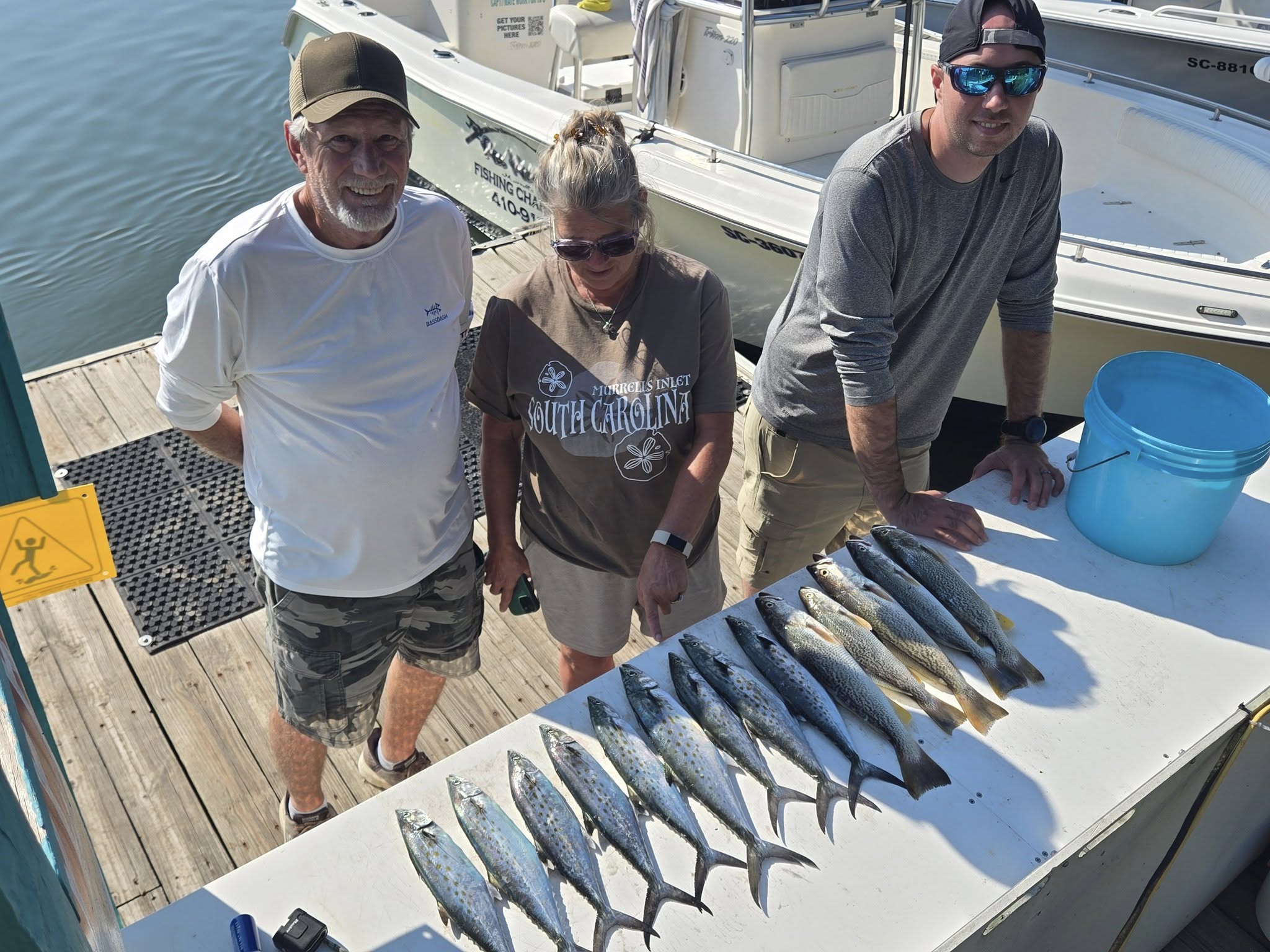
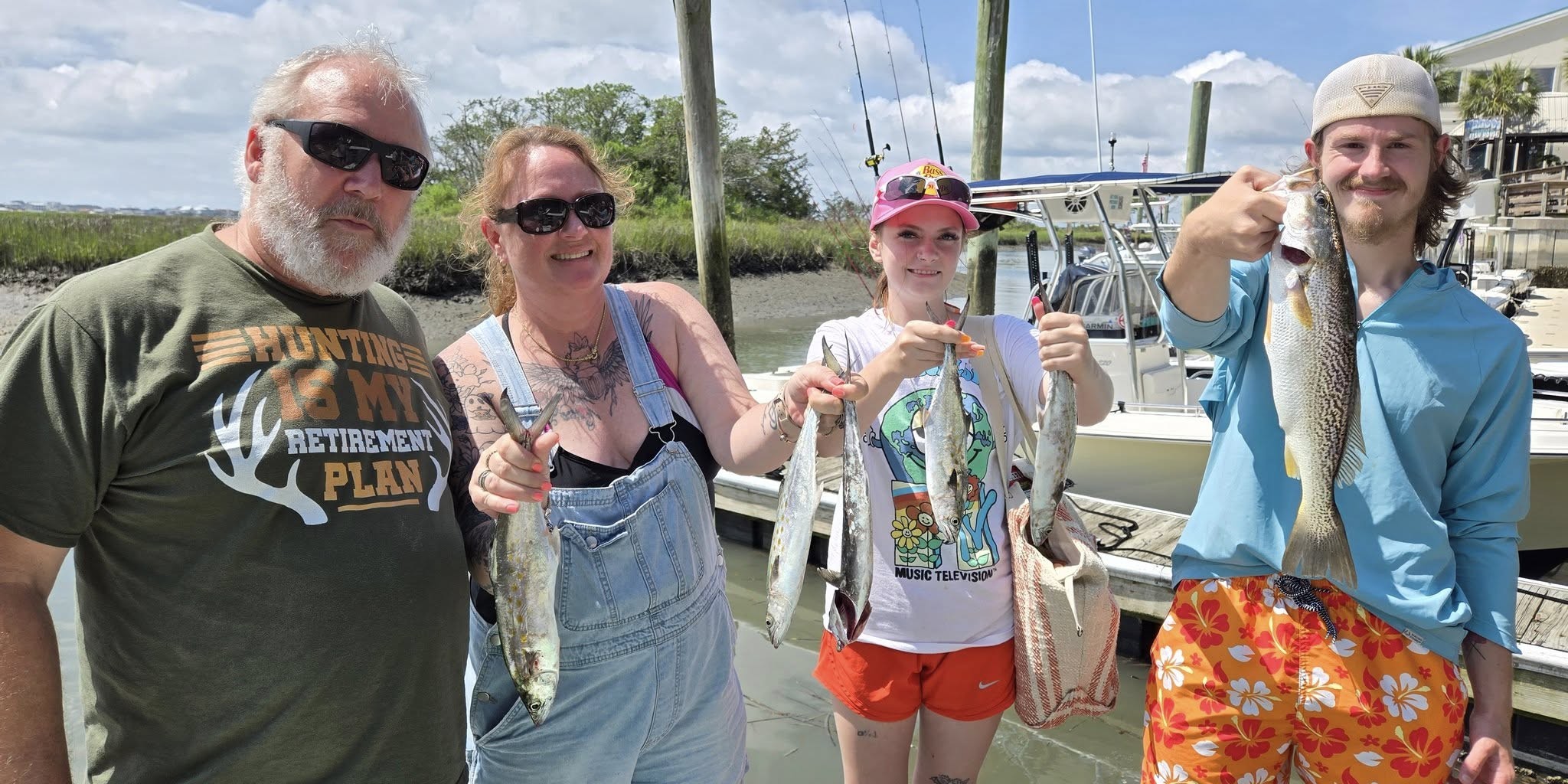
Inshore fishing around Murrells Inlet is all about reading the water and understanding fish behavior. Your captain will likely start by working the grass flats and creek edges where redfish cruise looking for crabs and shrimp. Expect to use both live bait like mud minnows and shrimp, plus artificial lures like spoons, soft plastics, and topwater plugs when conditions are right. The technique varies based on what's biting – sometimes we're sight fishing for tailing reds in shallow water, other times we're dropping baits around structure for flounder or black drum. Spanish mackerel often show up around the inlet mouth and nearshore structure, where fast-moving lures and live bait work best. The captain knows exactly where to find productive water based on tide, weather, and seasonal patterns, and they'll teach you the local tricks that make all the difference between a good day and a great day on the water.
Target Species You'll Want to Hook
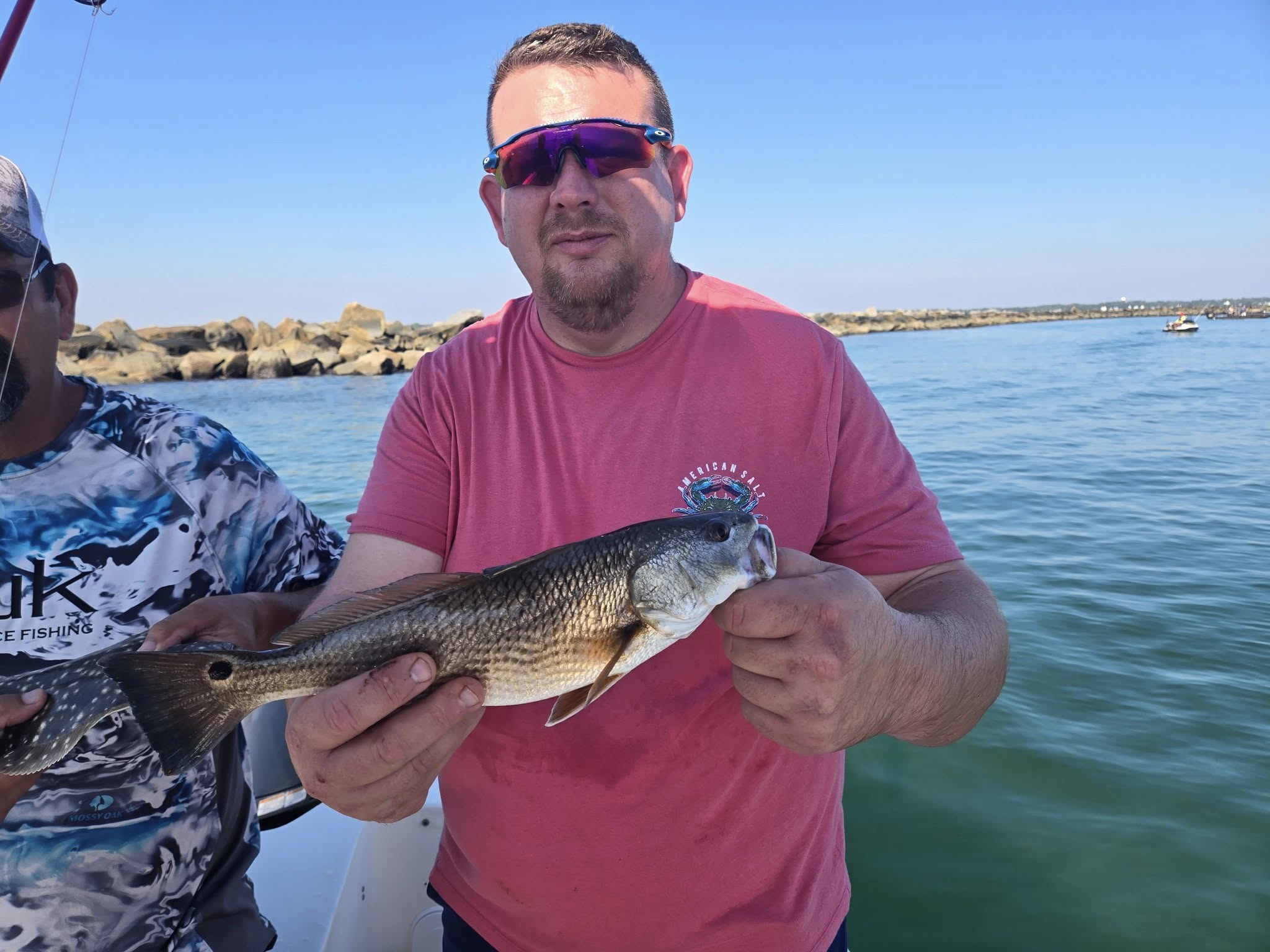
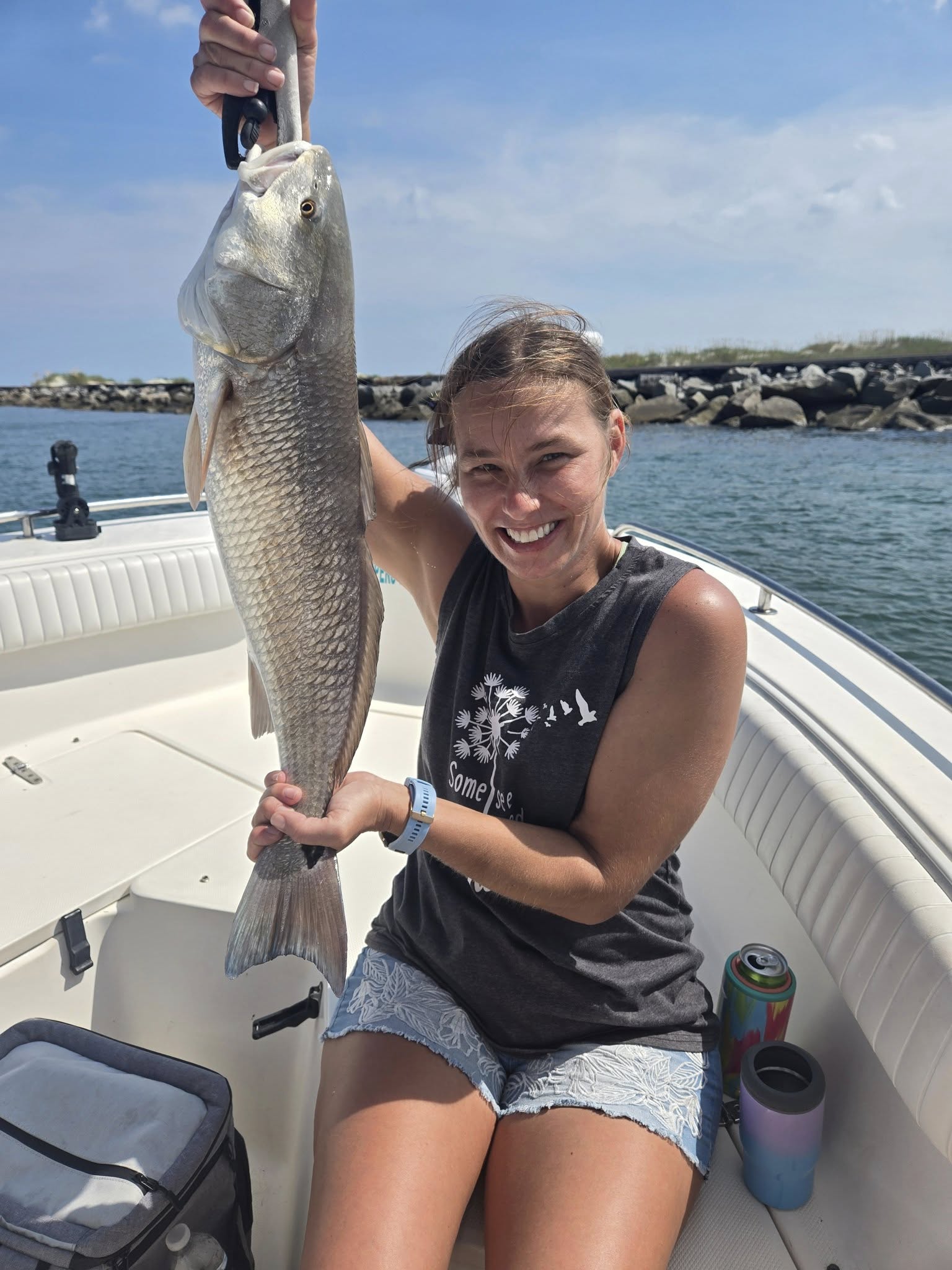
Redfish are the bread and butter of Murrells Inlet inshore fishing, and for good reason. These copper-colored fighters range from 14 to 27 inches (slot size), with some bull reds over 27 inches that'll test your drag system. Spring through fall offers the best action, with reds feeding heavily in shallow grass flats and around oyster bars during moving tides. What makes them so popular is their aggressive strike and strong runs – plus they're absolutely delicious when prepared right. You'll often spot them tailing in shallow water or see their backs as they cruise the flats.
Cobia are the wildcard species that can turn a good trip into an epic one. These brown sharks (as some folks call them) show up around structure, pilings, and sometimes just cruising in open water. They typically run 20 to 40 pounds, though bigger fish are caught regularly. Spring migration (March through May) is prime time, but resident fish stick around year-round. Cobia are curious fish that often come right up to the boat, and their powerful runs will have you questioning your tackle choices. The meat is white, flaky, and rivals any offshore species.
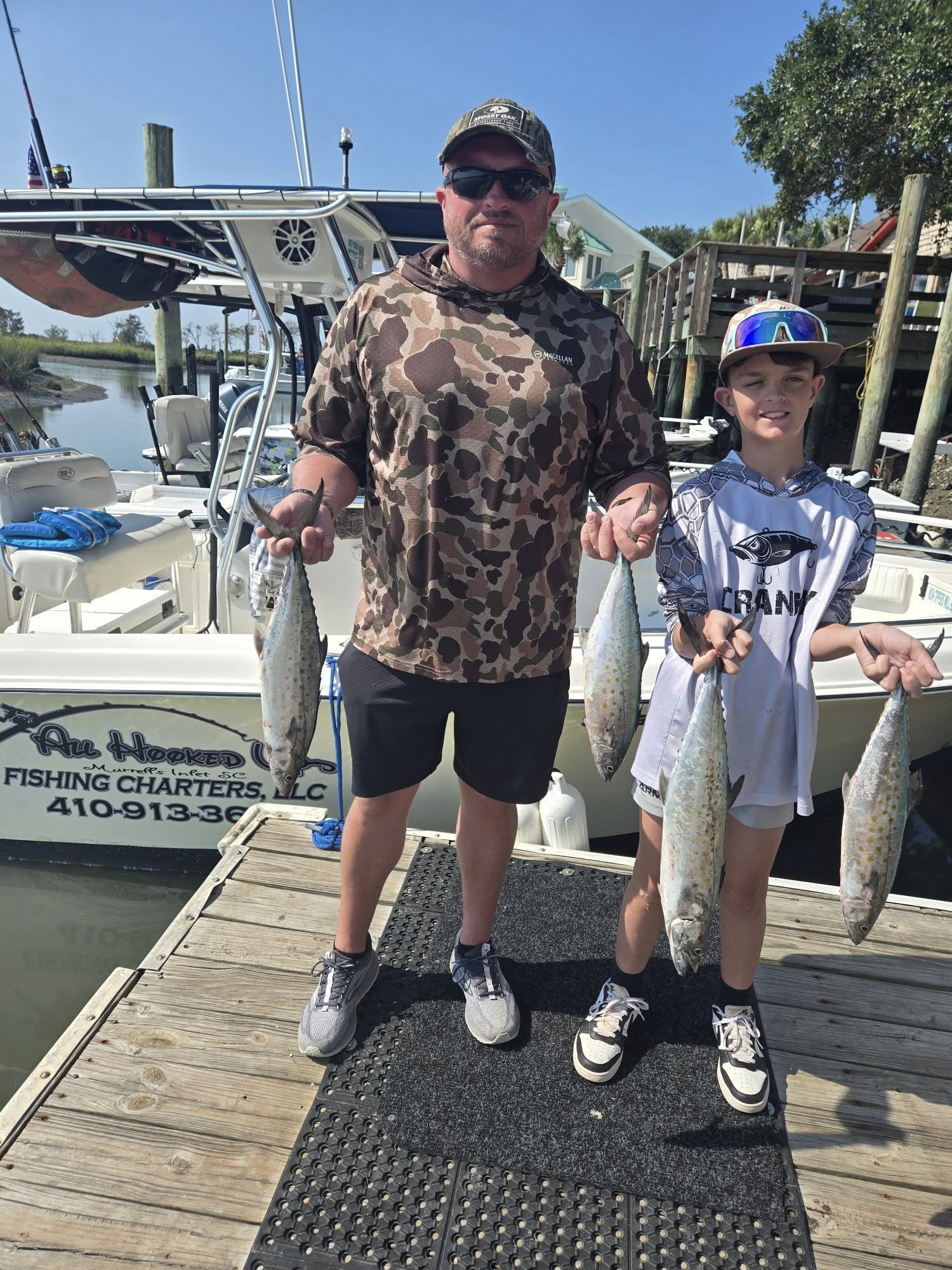
Spanish Mackerel provide fast action and are perfect for kids or anyone who wants steady bites. These silver bullets typically run 1 to 3 pounds and have razor-sharp teeth that'll cut through light tackle in a heartbeat. They show up in spring and hang around through fall, often feeding in schools around the inlet and nearshore waters. Wire leaders are a must, and they love fast-moving baits like small spoons and live shrimp. They're excellent eating when bled and iced properly, and their aggressive nature makes them a blast on light tackle.
Black Sea Bass are bottom dwellers that love structure – rocks, reefs, and hard bottom areas near the inlet. They're not the biggest fighters, but they make up for it in numbers and taste. Most run 1 to 3 pounds, though larger fish are common around deeper structure. They're year-round residents but fishing is best during cooler months when they move into shallower water. Black sea bass have excellent white meat and are perfect for fish tacos or grilling whole. They're also great for novice anglers since they bite readily and fight close to the bottom.
Black Drum are the heavyweights of the inshore world, often called "big uglies" for their appearance but prized for their fighting ability. Around Murrells Inlet, they range from 5-pound juveniles to 40-pound-plus giants that'll make your arms ache. They love oyster bars, creek mouths, and around docks where they feed on crabs, shrimp, and worms. Fall and winter typically provide the best action for larger fish. Smaller black drum (under 16 inches) are excellent eating, while the big ones are usually released to fight another day. Their runs are bulldogging and powerful – pure strength rather than speed.
Time to Book Your Spot
This morning inshore trip offers everything you want from a Murrells Inlet fishing experience – knowledgeable local guides, productive fishing grounds, and the chance to catch dinner while
 Private Trip
 Inshore Fishing
 Murrells Inlet, SC


 Early morning departure at 7:00 AM for productive fishing hours