Everglades Inshore Beginners Fishing Charter
Looking to dip your line in some of Florida's most productive waters without the stress of learning everything at once? This 3-hour Everglades inshore charter with ARF Charters is designed specifically for folks who want to experience real fishing success in one of the country's most famous fishing destinations. Whether you're picking up a rod for the first time or just haven't fished in years, this trip takes all the guesswork out of your day on the water. You'll work with a licensed captain who knows these backwaters like the back of their hand, targeting species that actually bite and showing you techniques that work in these unique shallow-water environments.
What to Expect on the Water
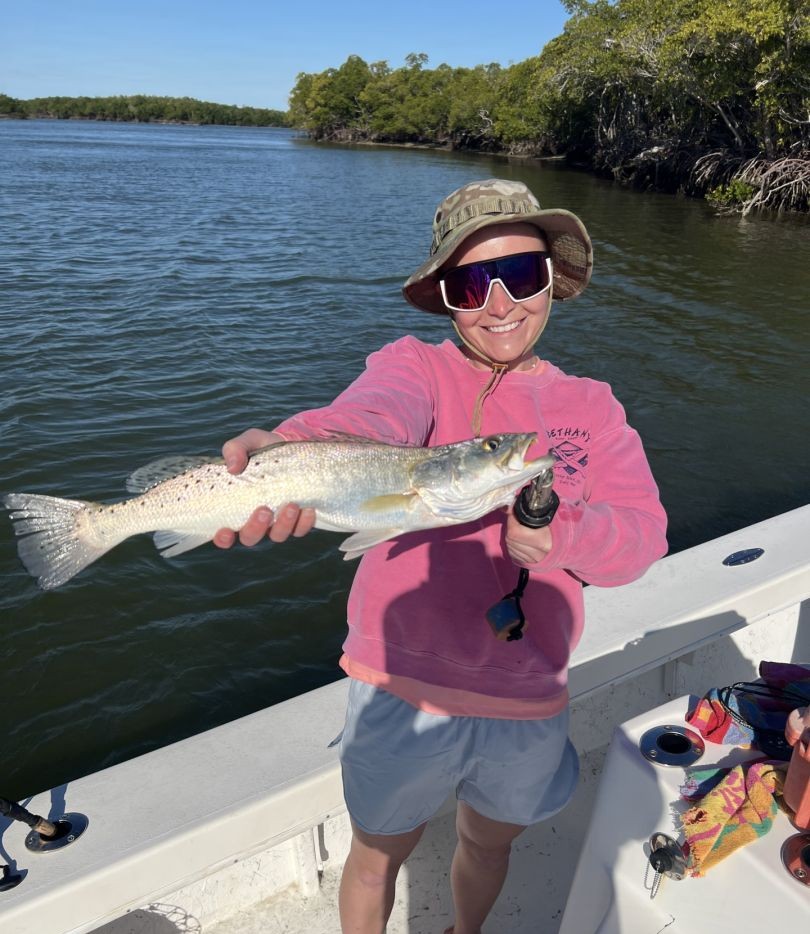
Your day starts with either a dawn patrol departure at 6:30 AM or an afternoon session at 3:00 PM – both prime feeding times when fish are most active in the Everglades' maze of mangrove-lined channels. The early morning slot gives you cooler temperatures and glassy water conditions, while the afternoon trip often delivers better action as baitfish become more active. Your captain will navigate the shallow flats and protected backcountry areas where the big fish like to hunt, keeping you in calm water that's perfect for learning basic casting and retrieval techniques. The boat stays in waters that are typically 2-8 feet deep, so you'll see everything happening below – from stingrays cruising the bottom to schools of pilchards getting worked by hungry predators. All your tackle, bait, and gear comes included, so you can focus entirely on getting comfortable with the rhythm of inshore fishing. The trip accommodates up to two anglers, which means plenty of personal attention and coaching from your guide.
Techniques and Tackle Setup
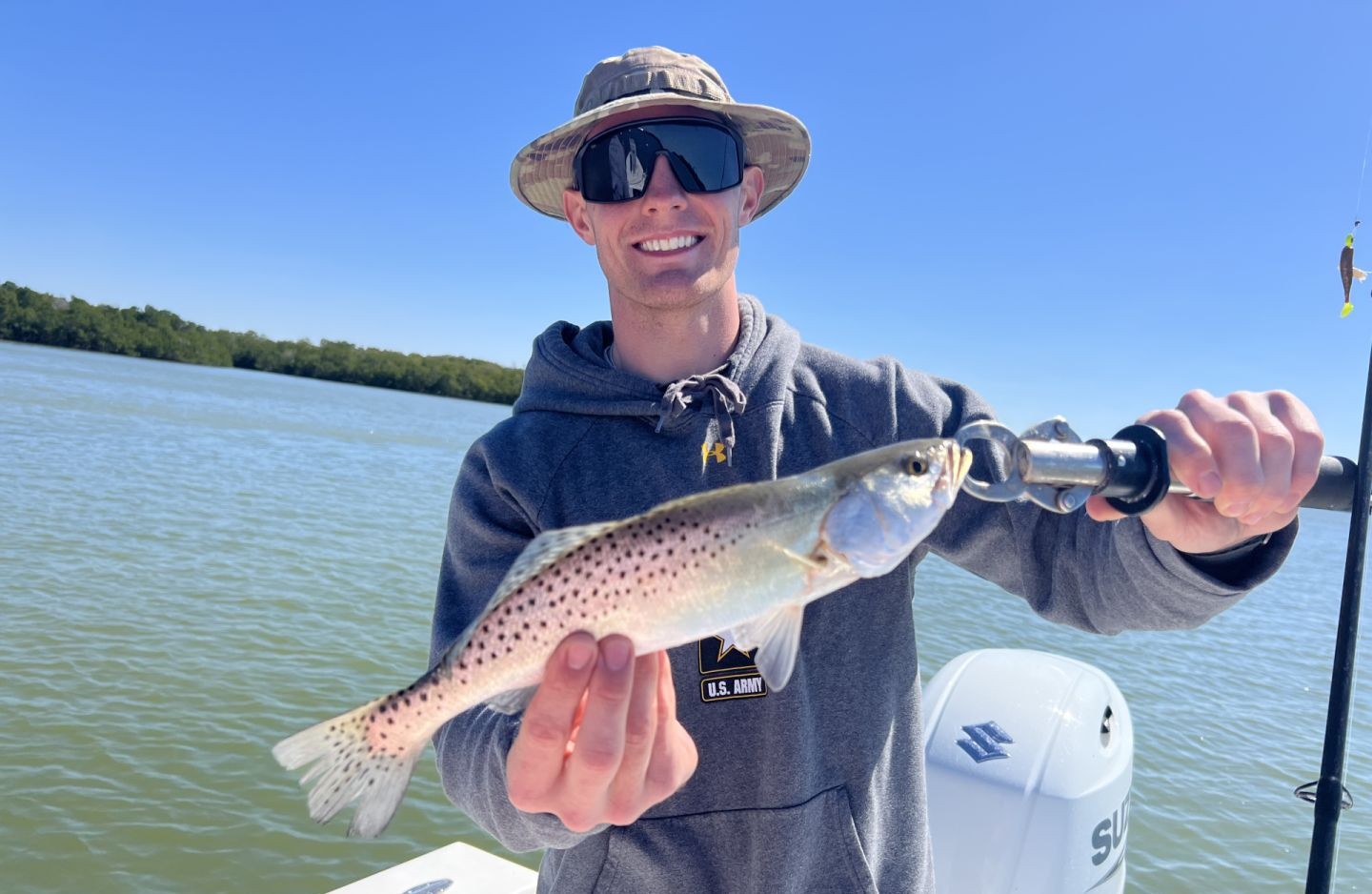
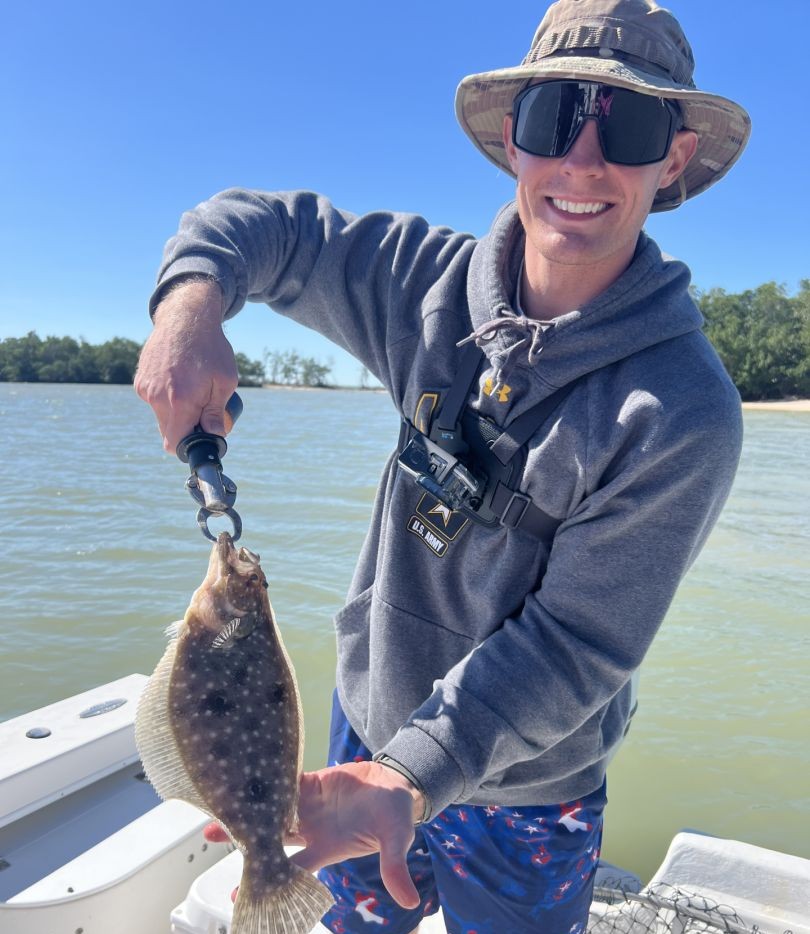
Everglades inshore fishing is all about precision over power, and your captain will have you rigged with light to medium spinning tackle that's perfectly matched to the fish you're targeting. You'll primarily fish with live shrimp, pilchards, or small artificial lures that mimic the abundant baitfish in these waters. The beauty of inshore fishing here is that it doesn't require complex techniques – most of your success will come from learning to read the water and understanding where fish like to hang out. Your guide will teach you to spot the telltale signs: nervous baitfish, bird activity, changes in water color, and the subtle wakes that give away cruising gamefish. You'll practice both sight fishing (spotting individual fish and casting to them) and blind casting to likely holding spots like oyster bars, mangrove edges, and grass flats. The tackle setup is forgiving enough that beginners can handle it easily, but sensitive enough that you'll feel every bump and bite. Live bait fishing under popping corks is a local favorite technique you'll likely try, as it keeps your bait in the strike zone while giving you a clear visual indicator when something's interested.
Target Species You'll Hook
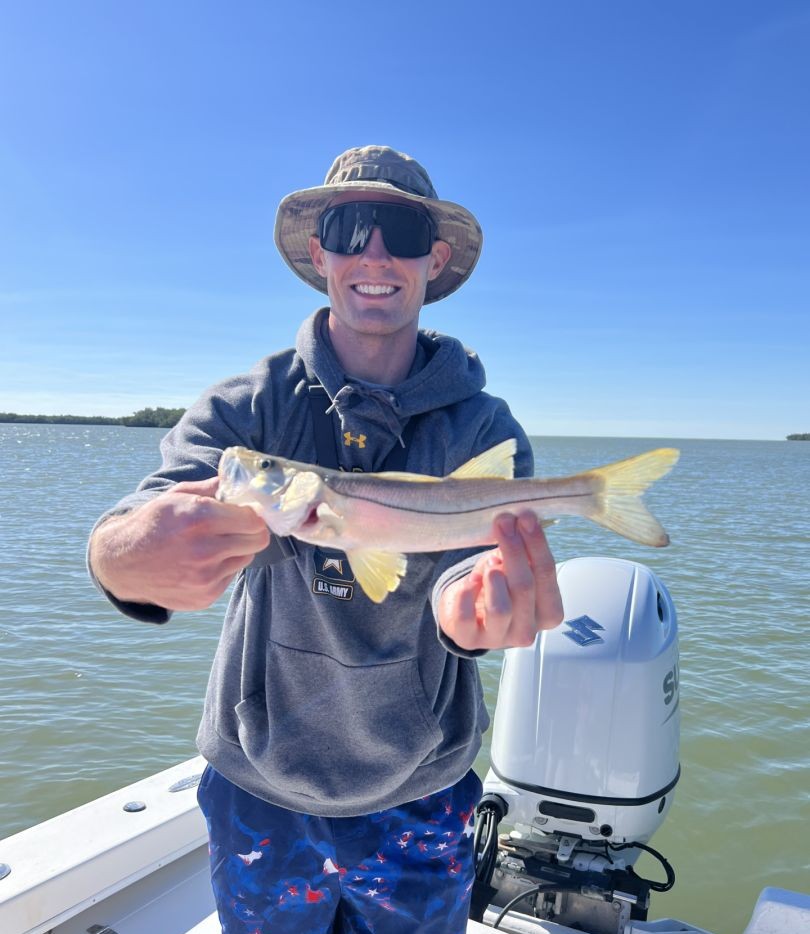
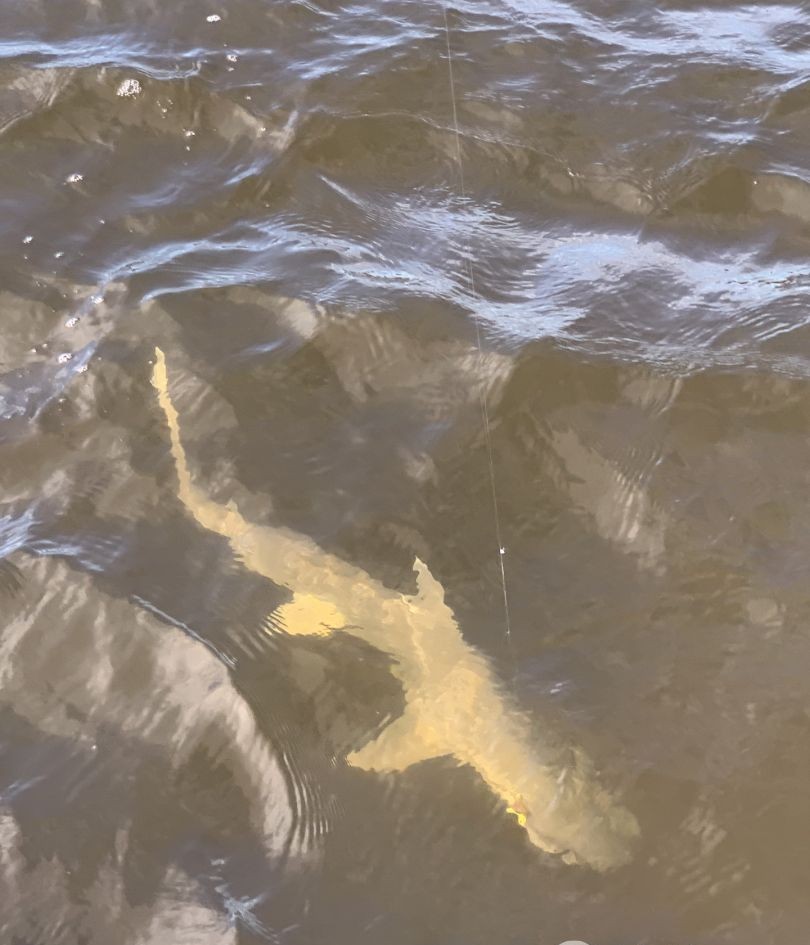
Snook are the crown jewel of Everglades inshore fishing and exactly why so many anglers fall in love with these waters. These ambush predators love to tuck up under mangrove overhangs and around structure, waiting for an easy meal to swim by. They're notorious for their explosive strikes and acrobatic fights, often jumping multiple times when hooked. Snook are most active during warmer months and around moving tides, and they have a distinctive black lateral line that makes them easy to identify. What makes them special is their finicky nature – they can be incredibly selective about lures and presentation, which makes landing one feel like a real achievement.
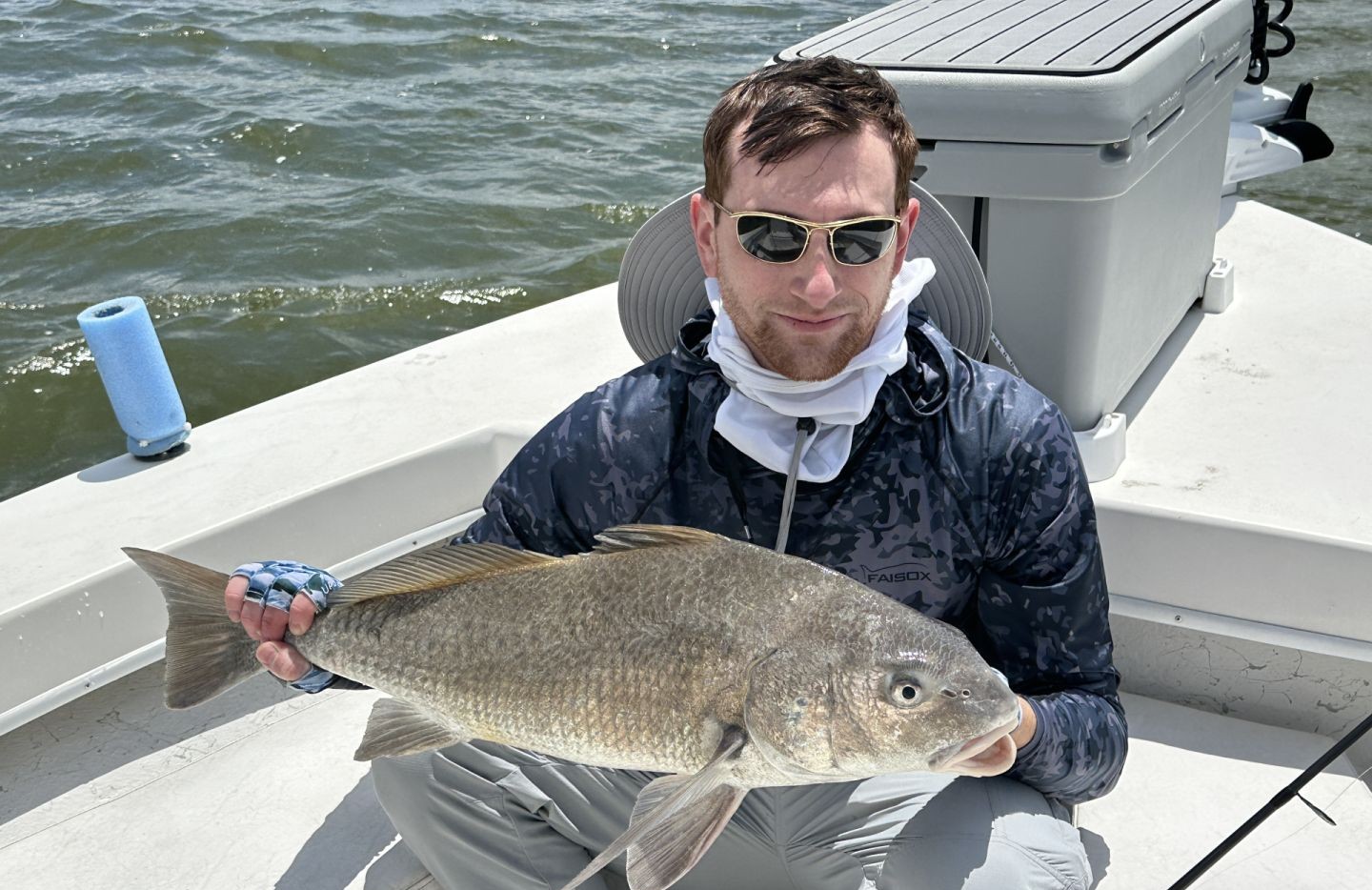
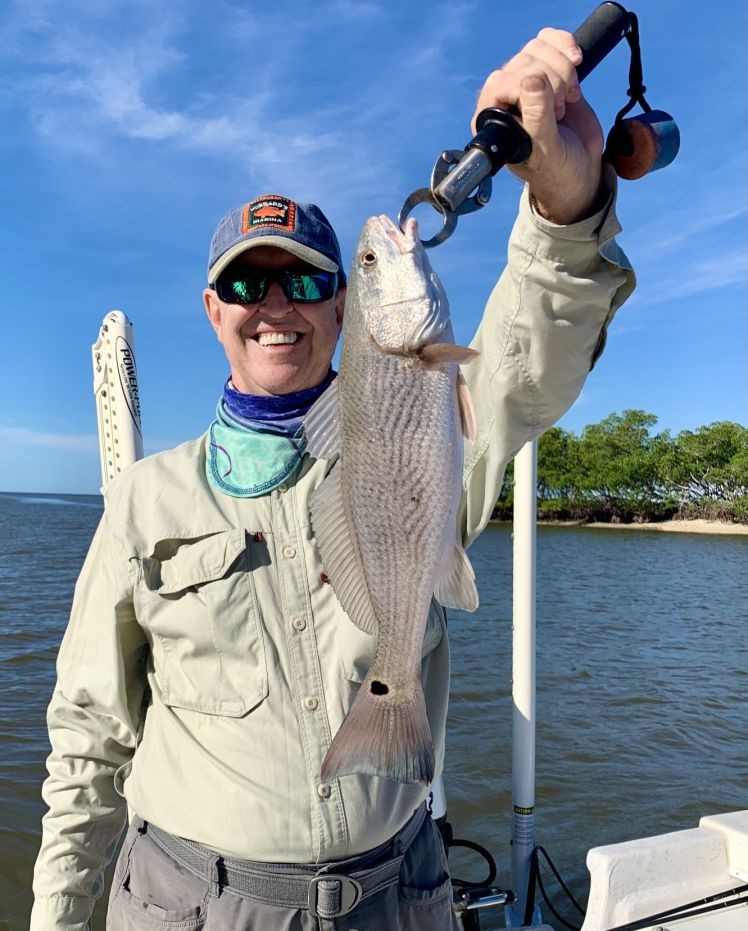
Redfish, or red drum, are probably the most beginner-friendly species you'll encounter on this trip. These copper-colored bruisers are known for their willingness to eat just about any well-presented bait and their bulldogging fights that test your drag system. Look for them tailing in shallow water as they root around for crabs and shrimp, or cruising the edges of oyster bars. Reds are year-round residents in the Everglades, though they're most aggressive during spring and fall months. The slot-size fish (18-27 inches) make excellent table fare, while the oversized bulls provide pure entertainment with their powerful runs.
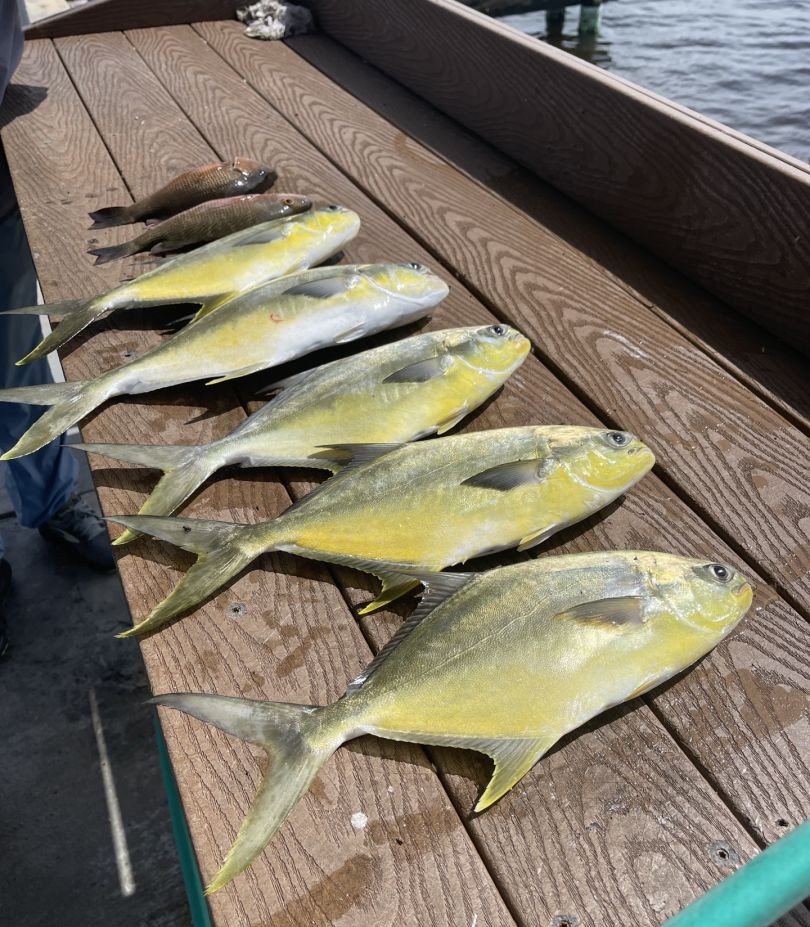
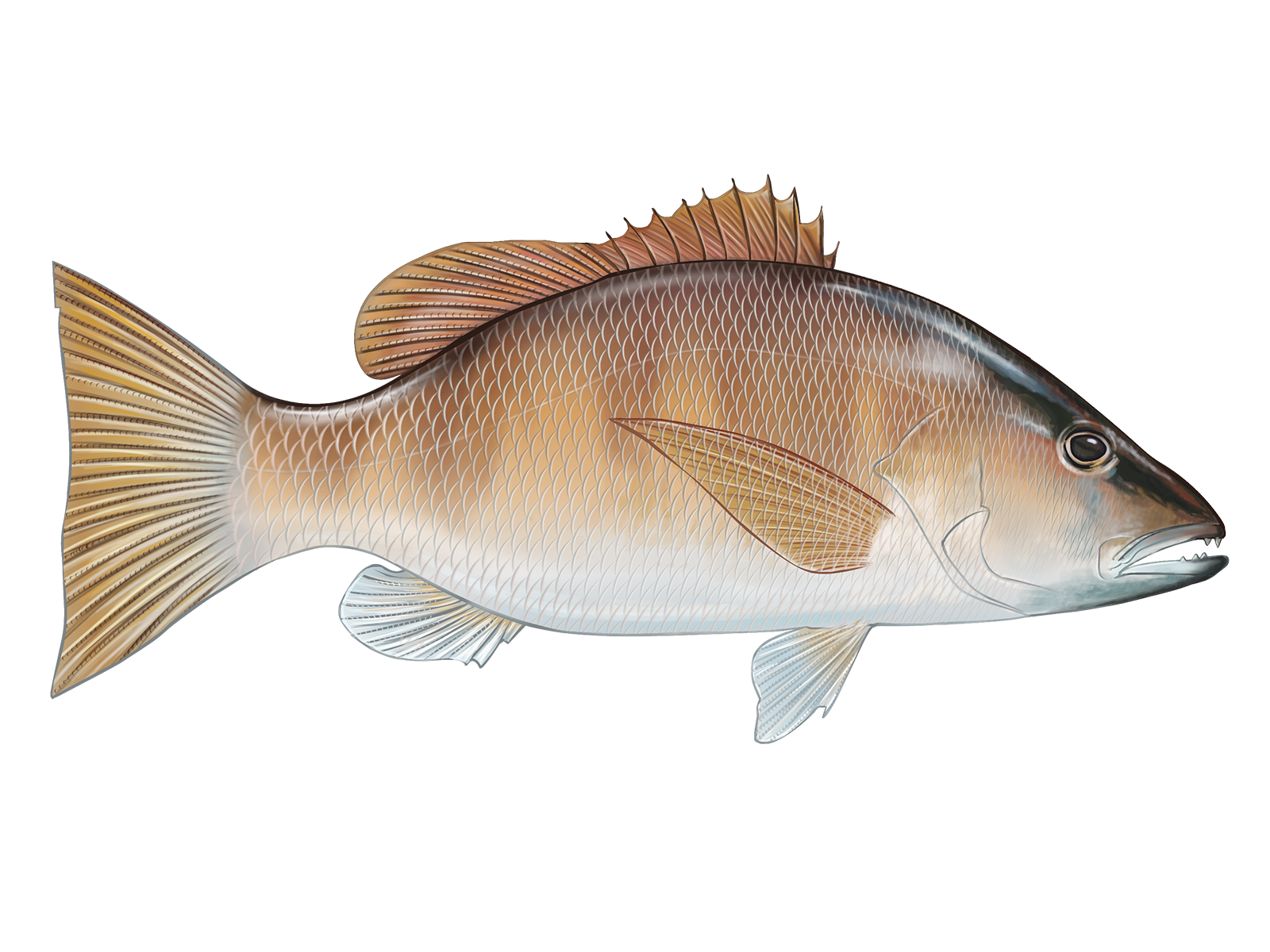
Grey Snapper, or mangrove snapper as locals call them, are scrappy little fighters that punch well above their weight class. These smart fish have excellent eyesight and can be leader-shy, but they're abundant around structure throughout the Everglades backcountry. They're perfect for beginners because they bite consistently, fight hard for their size, and are absolutely delicious on the dinner table. You'll typically find them around docks, mangrove roots, and rocky areas, and they respond well to live shrimp and small jigs.
Black Drum are the gentle giants of the flats, often found in schools rooting around shallow areas for crabs and mollusks. These fish can range from small "puppy" drum perfect for beginners to massive 30+ pound fish that will test your tackle and patience. They're year-round residents but become more active during cooler months. What's exciting about drum fishing is that you never know what size you've hooked until you get it close to the boat – that gentle tapping could be a 2-pounder or a 20-pounder.
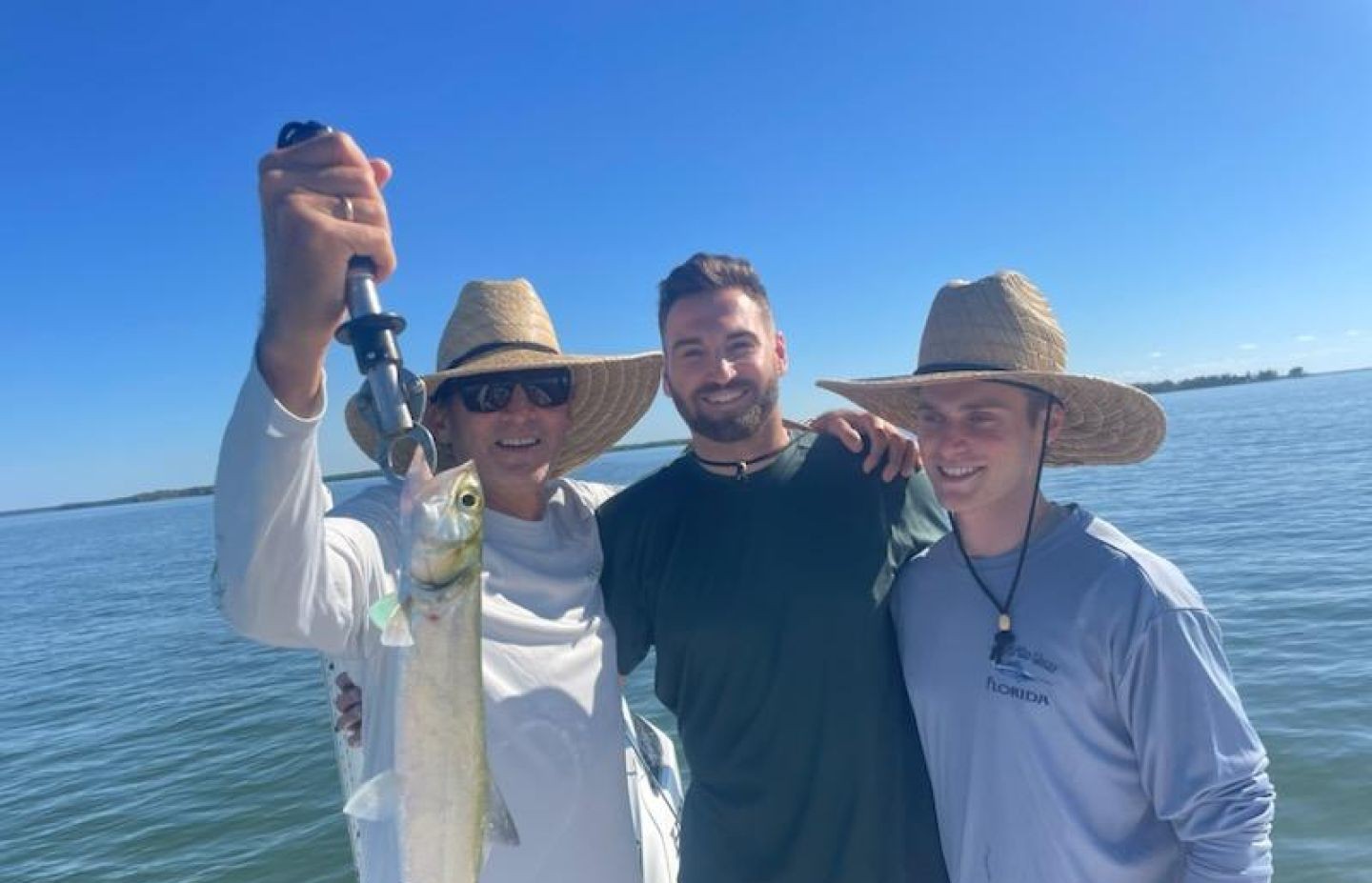
Tarpon are the ultimate prize, though they're more commonly encountered during their seasonal migrations from spring through fall. Even the smaller "juvenile" tarpon that frequent the backcountry can reach 50+ pounds and provide fights you'll talk about for years. These silver kings are famous for their aerial displays and their ability to throw hooks, making every tarpon brought to the boat a special accomplishment. Your captain will know the seasonal patterns and prime locations where these fish like to roll and feed.
Time to Book Your Spot
This beginner-friendly Everglades charter delivers everything you need for a successful introduction to one of Florida's most productive fish
 Private Trip
 Inshore Fishing
 Everglades


 Perfect beginner-friendly 3-hour Everglades inshore fishing experience