Murrells Inlet 4-Hour Inshore Fishing Adventure
Looking for a solid half-day fishing trip that won't break the bank but still delivers the goods? You've found it right here in Murrells Inlet. This 4-hour inshore charter with Aces Up Fishing Charters takes you up to 15 miles off the South Carolina coast, where the water's packed with hungry fish and the action stays consistent. Captain and crew know these waters like the back of their hand, and they'll put you on fish while keeping things fun and relaxed. Everything's included – rods, reels, bait, tackle, and your fishing license – so all you need to bring is yourself and maybe a cooler for your catch. Whether you're a seasoned angler or just getting your feet wet, this trip delivers the kind of fishing that keeps folks coming back season after season.
What to Expect on the Water
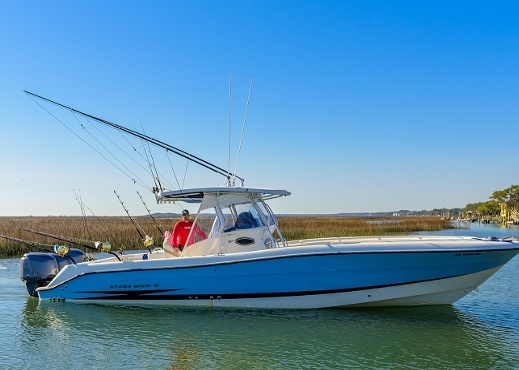
Your morning starts early at the Murrells Inlet marina, where you'll meet your captain and get the lowdown on the day's game plan. The boat's well-equipped and comfortable, built for inshore work with plenty of room to move around and fight fish properly. You'll head out through the inlet and into the productive waters between the coast and the nearshore reefs, where structure and current create perfect feeding zones for multiple species. The captain reads the conditions daily – tide, wind, water temperature, bait movement – and adjusts the strategy accordingly. Some days that means working the jetties and structure for sheepshead and tautog, other days it's running to the king mackerel grounds or stalking redfish in the shallows. The beauty of a 4-hour trip is you get quality time on productive water without the commitment of a full day, making it perfect for families, first-timers, or anyone who wants to sample what Murrells Inlet fishing is all about.
Techniques & Tackle Setup
Your captain comes prepared with an arsenal of techniques to match whatever's biting. For bottom fishing around structure, you'll be using conventional reels loaded with enough line to reach the fish, paired with circle hooks and fresh bait. When targeting kings, expect to see live bait rigs or trolling setups that cover water efficiently and trigger aggressive strikes. Redfish calls for lighter tackle and strategic presentations near grass beds and oyster bars, while sheepshead and tautog require pinpoint accuracy around pilings and rock piles. The boat carries everything from spinning gear for finesse work to heavier conventional setups for the bigger fish. Bait selection changes with the season and target species – live shrimp, cut bait, squid, and sometimes live baitfish like menhaden or mullet. Your captain handles all the rigging and re-baiting, so you can focus on what matters: setting the hook and fighting fish. The key to success in these waters is reading the bottom, understanding the tides, and putting the right bait in the right spot at the right time.
Target Species Breakdown
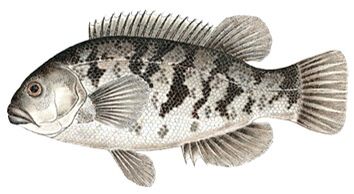
Tautog are the bulldogs of the inshore waters around Murrells Inlet, and they'll test your tackle and your patience. These chunky fish hang tight to structure – think jetties, artificial reefs, and rocky bottom – where they feed on crabs, mussels, and other shellfish. They've got powerful jaws designed for crushing shells, which means they can bite through light leaders and snap hooks if you're not prepared. Best fishing happens during cooler months when they're most active, typically fall through early spring. What makes tautog special is the fight – they use every bit of structure to their advantage, diving for cover and bulldogging their way back to the rocks. Plus, they're fantastic eating with sweet, flaky white meat that's perfect for the dinner table.
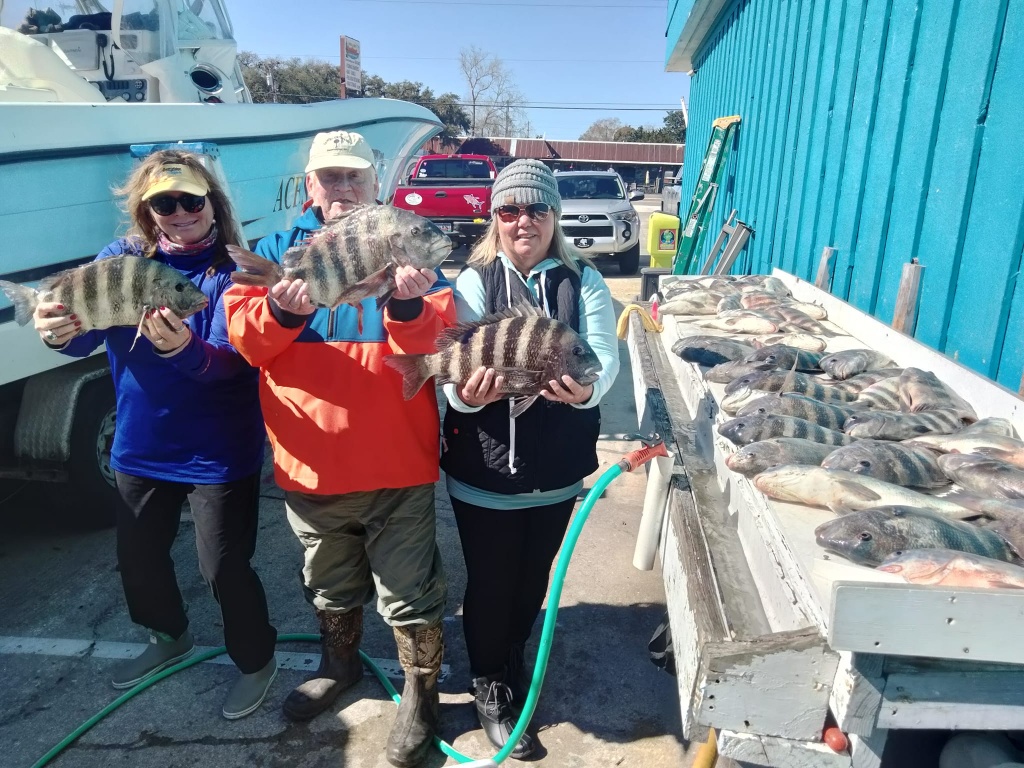
Sheepshead are the pickpockets of the inshore scene, known for stealing bait with surgical precision. These black-and-white striped fish school around pilings, docks, and oyster beds, using their human-like teeth to scrape barnacles and crabs off hard surfaces. They're notorious for light bites and quick escapes, which makes hooking one a real accomplishment. Spring brings the best sheepshead action as they move inshore to spawn, with fish ranging from keeper-size to true giants pushing double-digit weights. The technique requires finesse – light tackle, small hooks, fresh bait, and lightning-fast reflexes. When you do connect, sheepshead make strong runs and use their broad sides to fight the current. They're also primo table fare with firm, mild meat that's perfect for frying or grilling.
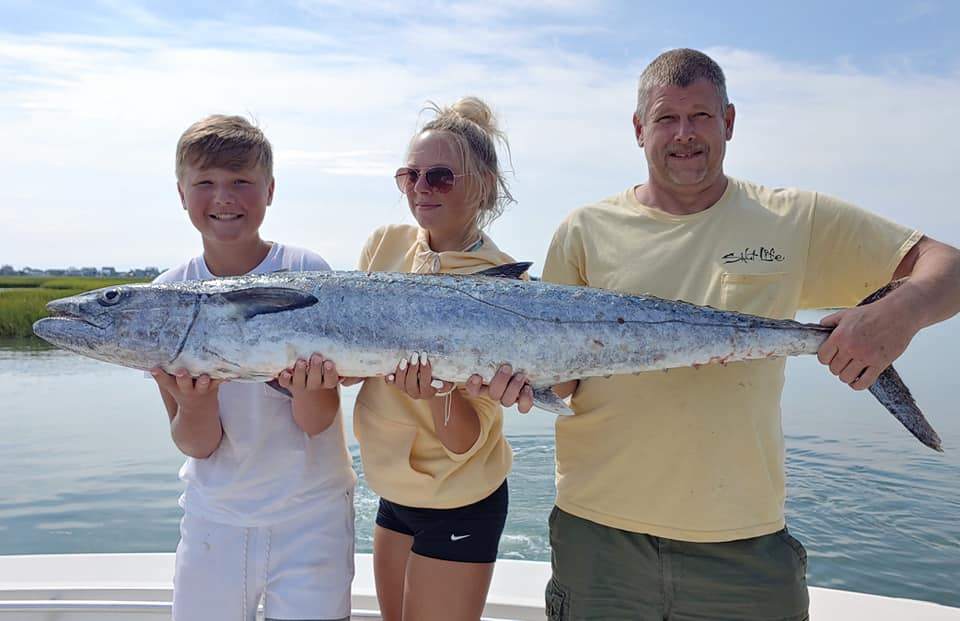
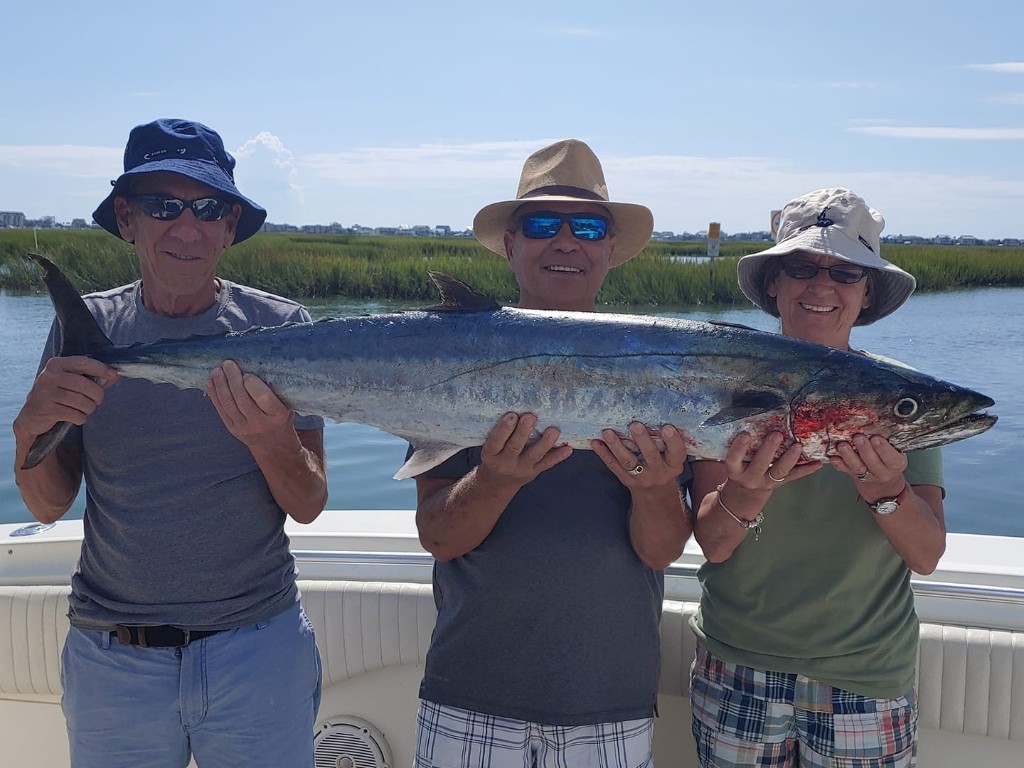
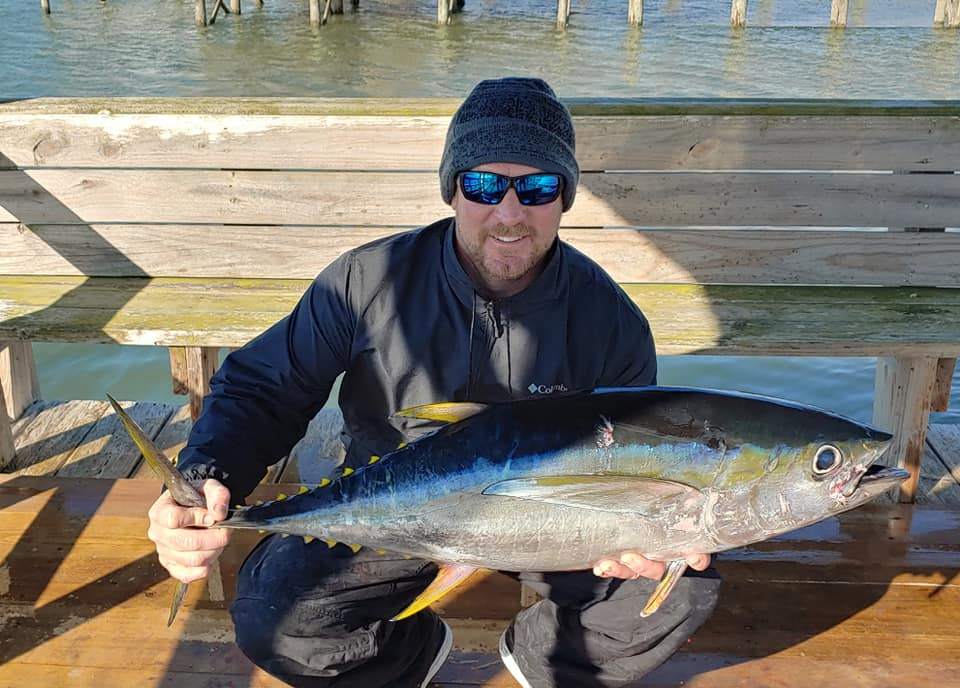
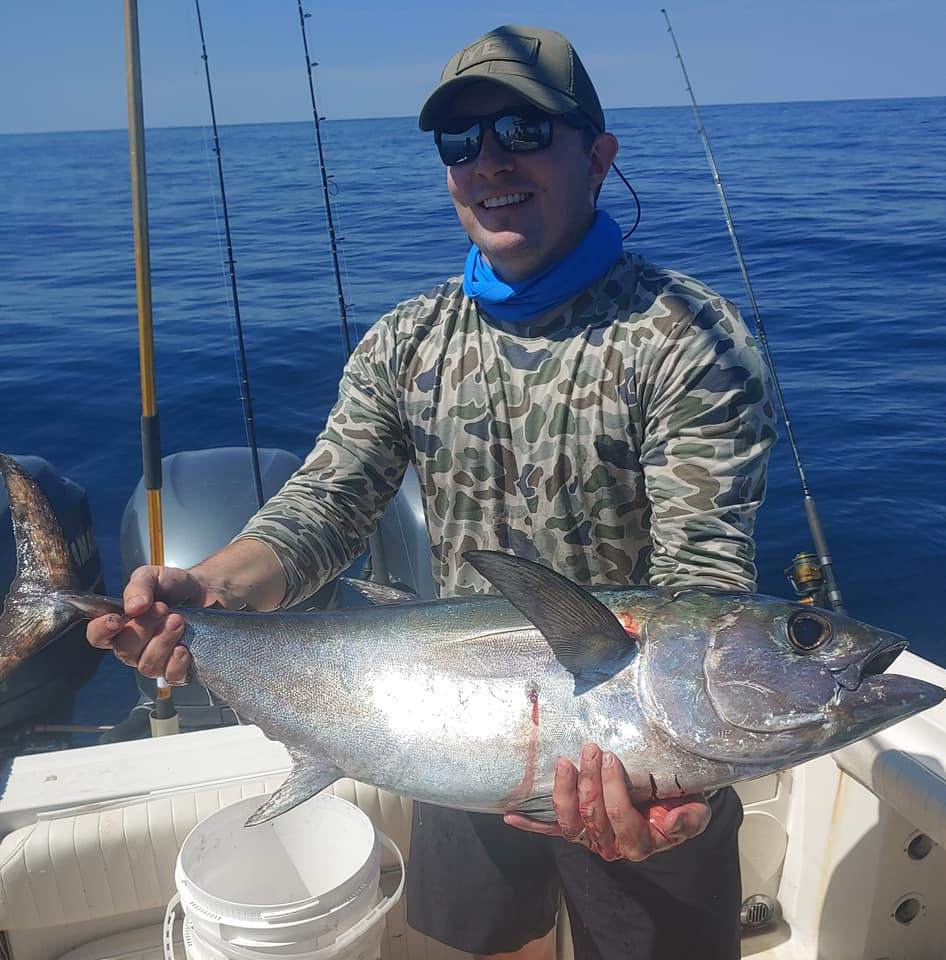
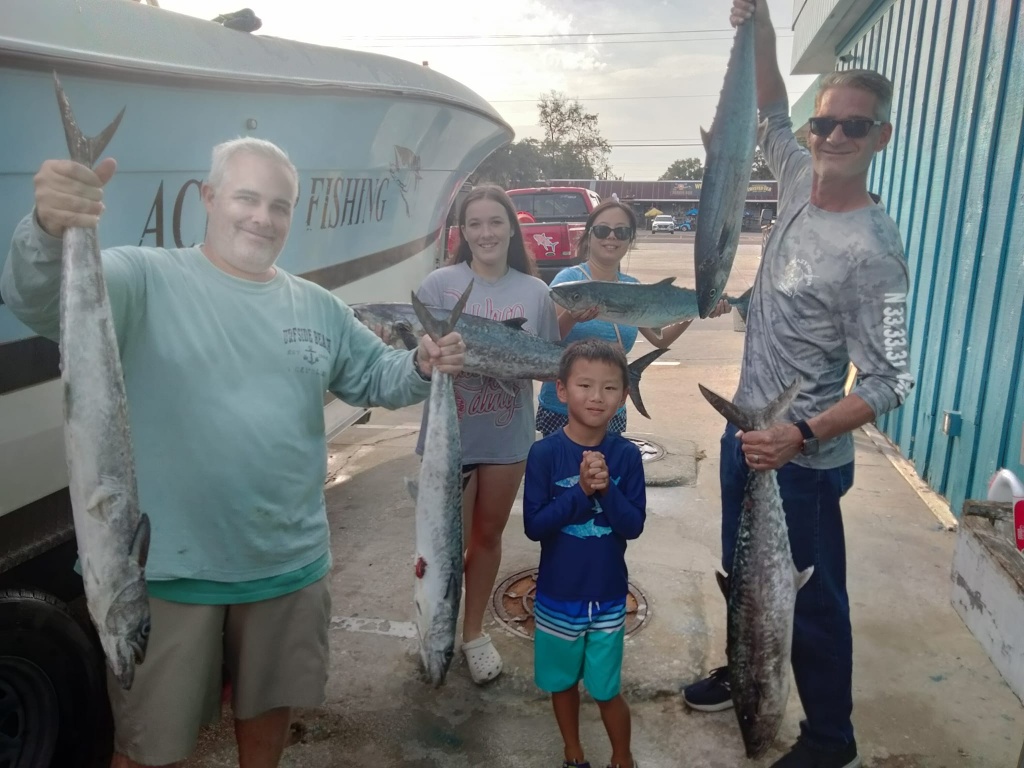
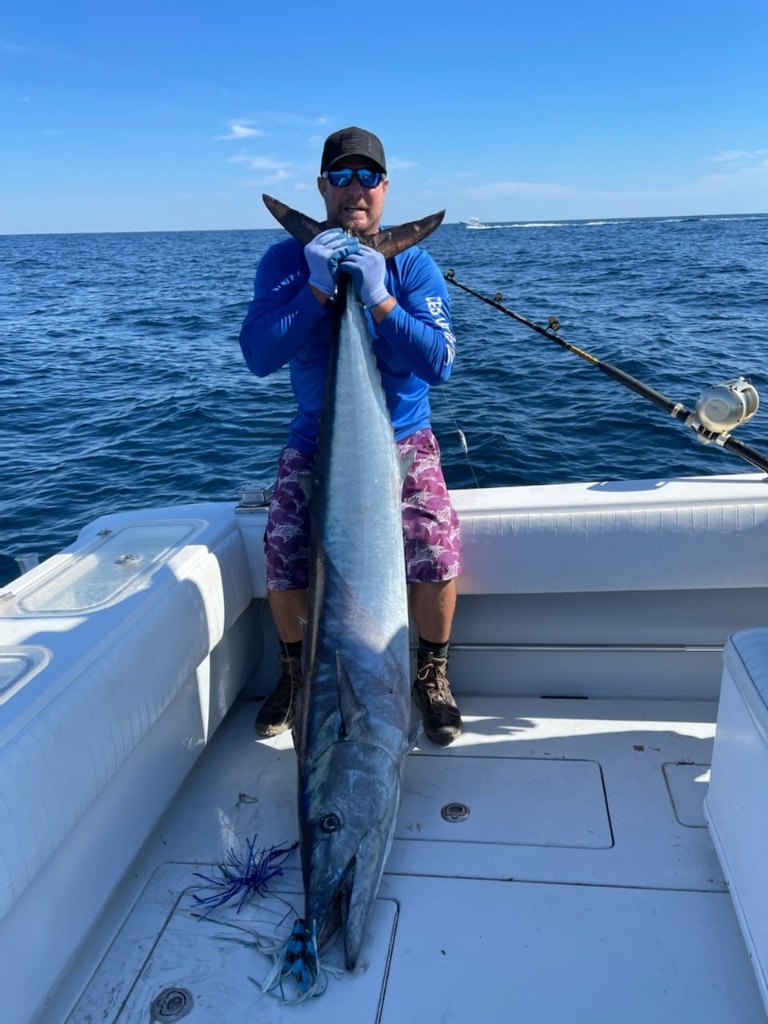
King mackerel bring the speed and excitement to your inshore trip, and when they're around, the action gets electric fast. These silver bullets patrol the nearshore waters, especially around structure and bait schools, where they hunt in packs and strike with explosive power. Kings hit hard and run harder – they'll peel line off your reel in blistering runs that test your drag and your nerves. Summer and early fall offer peak king fishing, when they move close enough to shore that a 4-hour trip can reach them consistently. Live bait works best, but they'll also crush trolled spoons and plugs when they're feeding aggressively. What makes kings special is the pure adrenaline rush – from the initial strike to the long runs to the aerial shows they put on. Plus, they're excellent eating when handled properly, with rich, flavorful meat that's perfect for grilling or smoking.
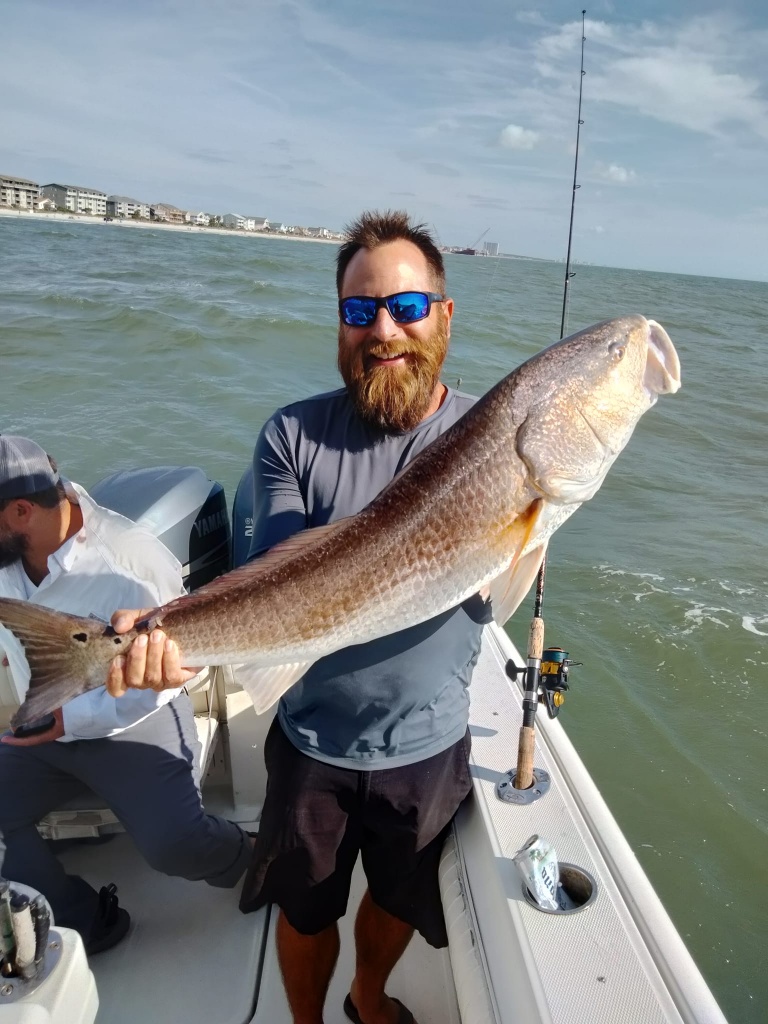
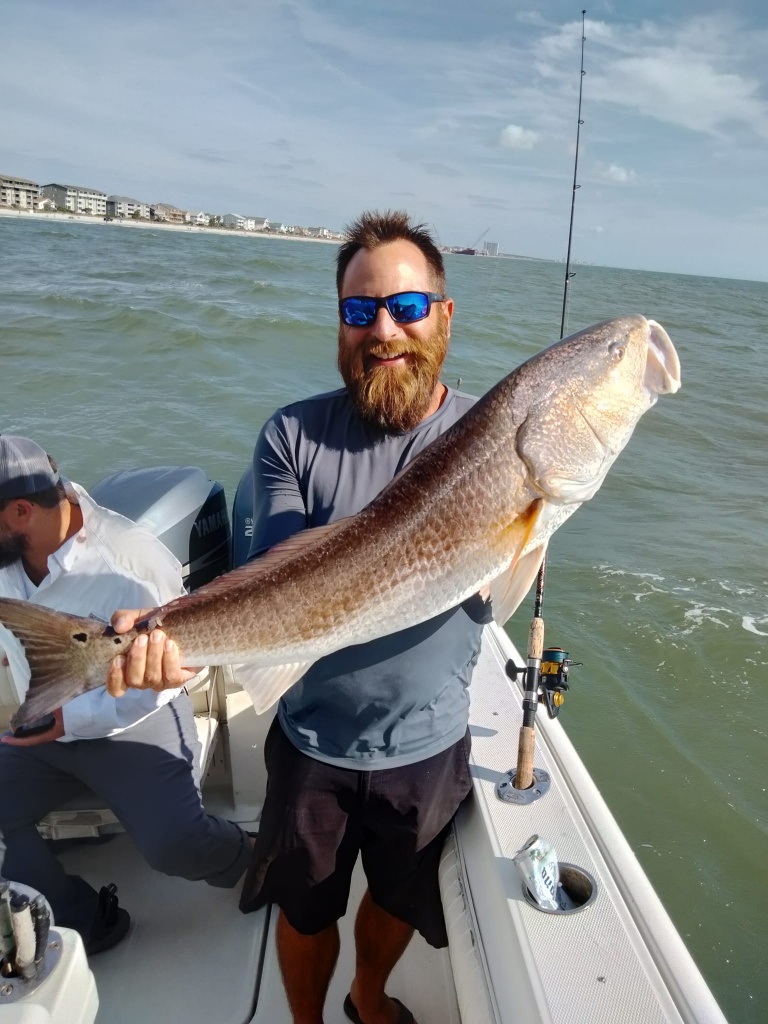
Redfish are the crown jewel of South Carolina inshore fishing, and Murrells Inlet serves up some of the best red fishing on the coast. These copper-colored bruisers cruise the grass flats, oyster bars, and creek mouths, where they root around for crabs, shrimp, and baitfish. What makes reds special is their versatility – they'll eat everything from live bait to artificial lures, and they fight like fish twice their size. Spring and fall offer prime redfish action, when they school up in huge numbers and fee
 Private Trip
 Inshore Fishing
 Murrells Inlet


 Four-hour inshore fishing adventure targeting multiple prized species