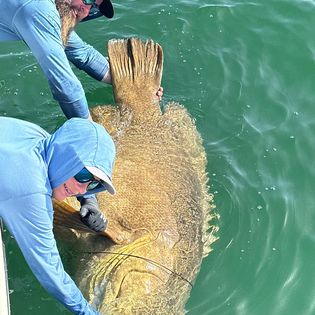
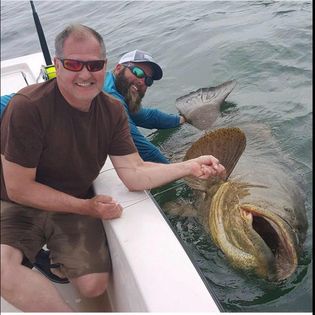
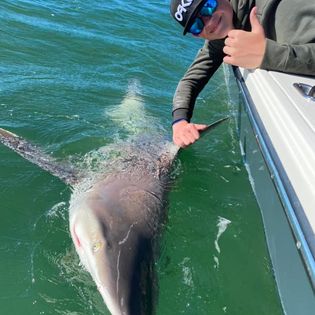
Boca Grande Wreck Fishing Adventures
Looking for some serious action on the water? Our nearshore wreck fishing trips out of Boca Grande put you right where the big fish live. We're talking about those legendary Gulf of Mexico hotspots where structure meets current, and the fishing gets downright addictive. With Airborne Outdoors Fishing Charters, you'll fish the kind of wrecks and live bottom that locals have been hitting for decades – spots where snook prowl the shadows and tarpon roll on the surface like they own the place.
What to Expect on the Water
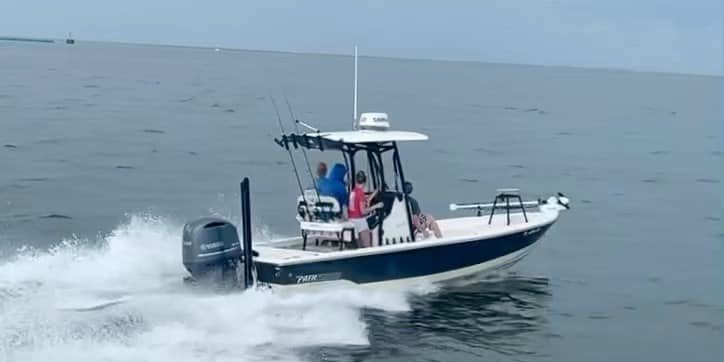
This isn't your typical backcountry trip. We're heading to where the real magic happens – those nearshore wrecks and reefs that hold fish year-round. You'll be fishing in 20 to 60 feet of water, where every cast could be the one that bends your rod double. The Gulf's structure fishing around Boca Grande is world-class, and our guides know exactly which wrecks are firing on any given day. We keep our groups small at just 3 anglers max, so you're not fighting for rod space or waiting your turn to get a bait in the water. The boat ride out is quick, usually 15-30 minutes depending on conditions and which spots are producing. Once we're on the numbers, expect to stay busy – these wrecks don't give up their fish easy, but when they do, it's game on.
Wreck Fishing Techniques
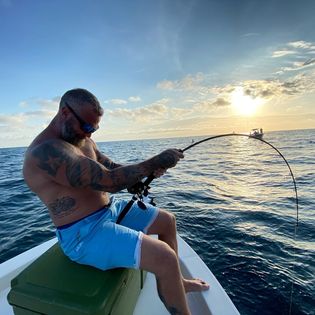
Fishing artificial reefs and wrecks is a whole different ballgame from shallow water angling. We're talking about vertical presentations, live bait fishing, and reading your electronics like a pro. Most of our action comes from dropping live pinfish, pilchards, or shrimp right into the structure where the big boys are hanging. You'll learn how to work baits around the wreck without getting hung up – and trust me, that's an art form. We also throw artificials when the fish are aggressive, especially when the tarpon are rolling or the snook are busting bait on top. The key is staying patient and keeping your bait in the strike zone. These fish didn't get big by being stupid, so we fish smart – the right bait, right depth, right presentation. Our tackle is dialed in for this kind of fishing: medium-heavy spinning gear that can handle a 100-pound tarpon but still has the finesse for spooky sea trout.
Target Species Breakdown
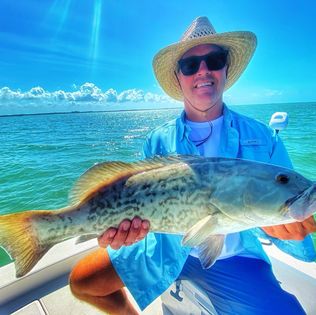
Snook are the bread and butter of our wreck fishing trips. These ambush predators love hanging around structure, and Boca Grande's nearshore wrecks are snook heaven. They'll run anywhere from 20 to 40 inches, with those thick-shouldered gator snook pushing the slot limit. Best action happens during moving water – incoming or outgoing tide – when they're actively feeding. What makes snook so addictive is their fight; they'll make blistering runs toward the wreck trying to cut you off, then jump like a tarpon once they realize they're hooked. Peak season runs from late spring through early fall, but we catch them year-round on these offshore pieces.
Black drum around the wrecks are absolute bulldogs that'll test your drag system and your patience. We're talking about fish that can push 30, 40, even 50 pounds, and they fight like they're welded to the bottom. They're suckers for fresh cut bait – mullet, crab, or shrimp – fished right on the structure. The cool thing about drum fishing is the bite: it's not a slam, it's more like your sinker just got heavier, then suddenly your rod loads up and the fight is on. These fish are year-round residents, but the bigger ones show up best in cooler months when they're staging for their spawning runs.
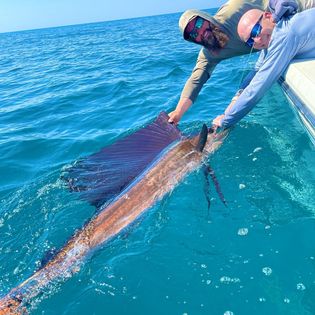
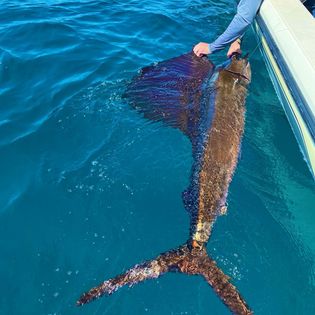
Tarpon fishing around Boca Grande wrecks is absolutely legendary, and for good reason. During the peak migration from April through July, these silver kings stack up on the nearshore structure like nowhere else in Florida. We're talking about fish from 50 to 150 pounds that'll clear the water six feet and run 200 yards of line before you can blink. Live crabs and pinfish are money baits, but when they're really fired up, a well-placed artificial can trigger some epic strikes. The thing about tarpon is they're not just big – they're smart, athletic, and they know how to use that structure to their advantage.
Sea trout around the wrecks are typically the bigger, smarter fish that have learned to use structure to their advantage. Instead of those schoolie trout you find on the flats, we're targeting gator trout – those 20 to 25-inch specimens that are smart enough to hang around cover. They're suckers for live shrimp or soft plastics worked slowly around the edges of the structure. Peak action is early morning and late afternoon, especially during cooler months when they're more active in the shallower parts of the wrecks.
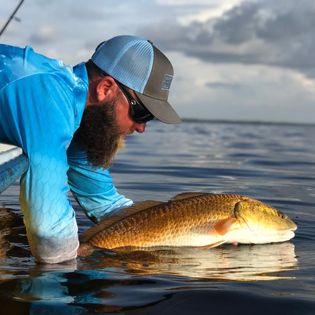
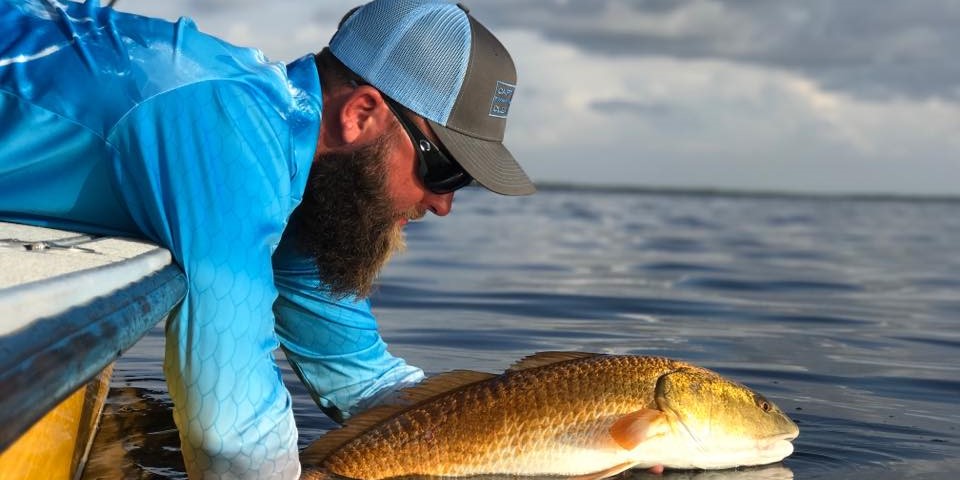
Redfish on the wrecks are typically the bigger, more mature fish that have moved offshore from their juvenile flats habitat. These copper-colored bruisers run 25 to 35 inches and fight like freight trains. They're bottom feeders around structure, so we fish them with cut bait or live crabs near the bottom. What's really cool about wreck reds is they're usually part of larger schools, so when you find one, there are usually more around. They're year-round residents but fish best during moving tides when they're actively hunting.
Time to Book Your Spot
Boca Grande's nearshore wreck fishing is as good as it gets, and spots fill up fast during peak season. Whether you're after that bucket-list tarpon, a trophy snook for the wall, or just want to experience some of Florida's best structure fishing, this trip delivers. Our top-rated guides know these w
 Private Trip
 Wrecks/Reefs Fishing
 Fort Myers


 Nearshore fishing charter targeting wrecks and reefs in Gulf waters