Ultimate Alaska Charter Fishing & Bear Viewing
Picture this: you're casting into pristine Alaska waters while brown bears fish just upstream, and your rod suddenly bends double with a monster king salmon. That's exactly what you'll get on this world-class fishing adventure from August 4th to September 1st. This isn't your typical day trip - we're talking about a comprehensive Alaska fishing experience that combines the best lake fishing, river action, and saltwater opportunities all in one package. You'll hit remote Big River Lakes via scenic flyout, drift the legendary Kenai River, and test your skills against multiple species in the rich waters around Seward and Homer.
What to Expect on the Water
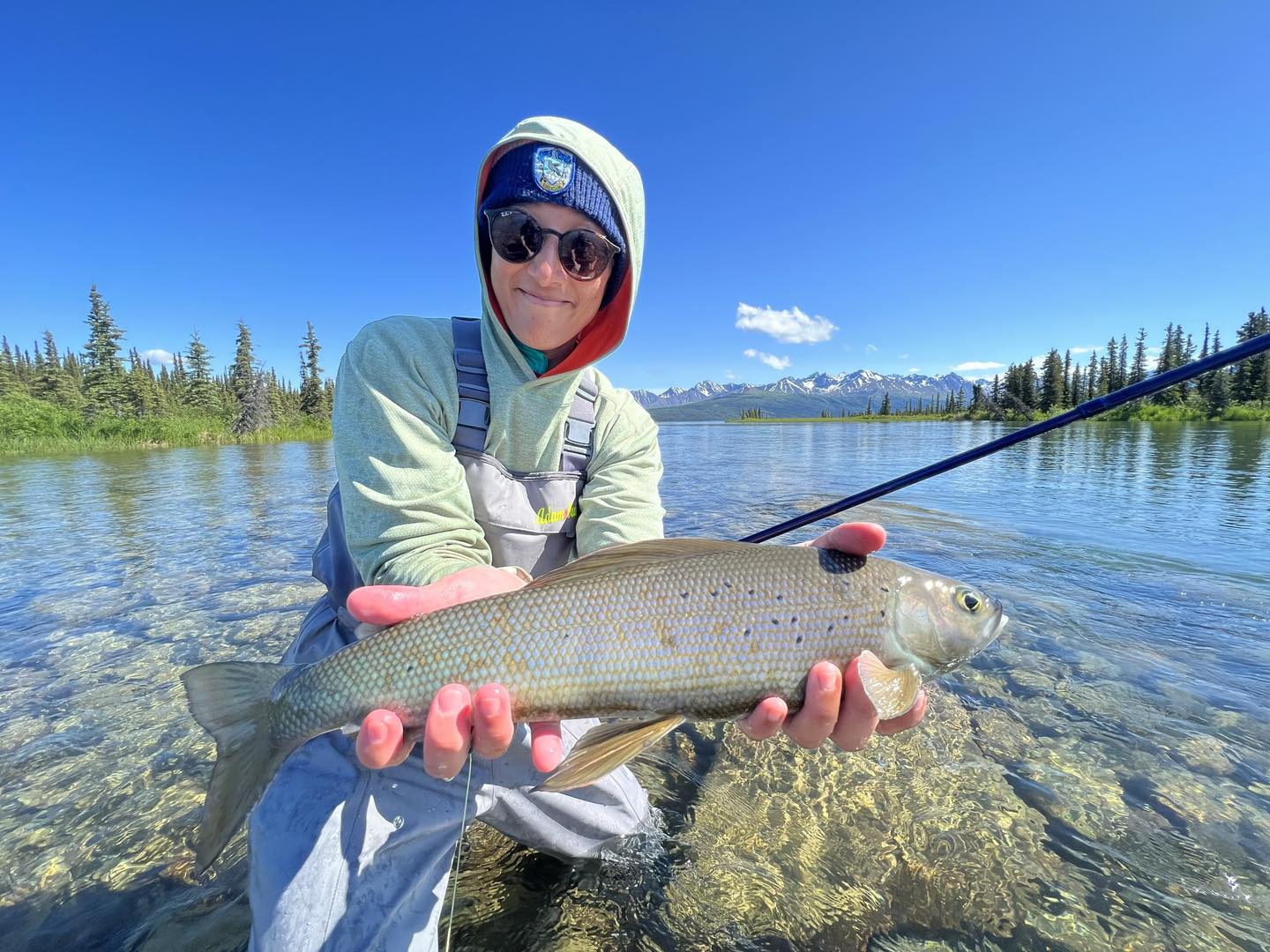
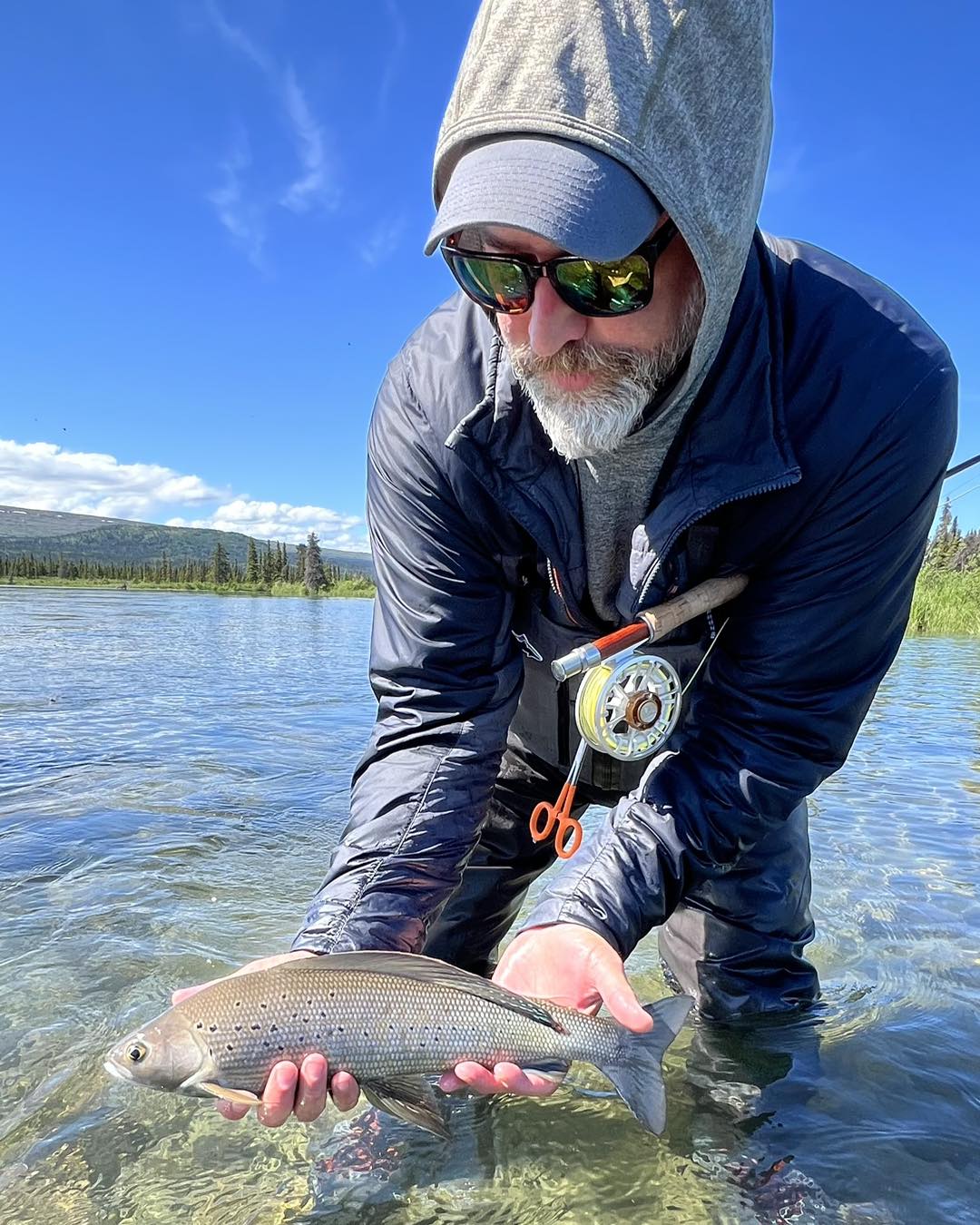
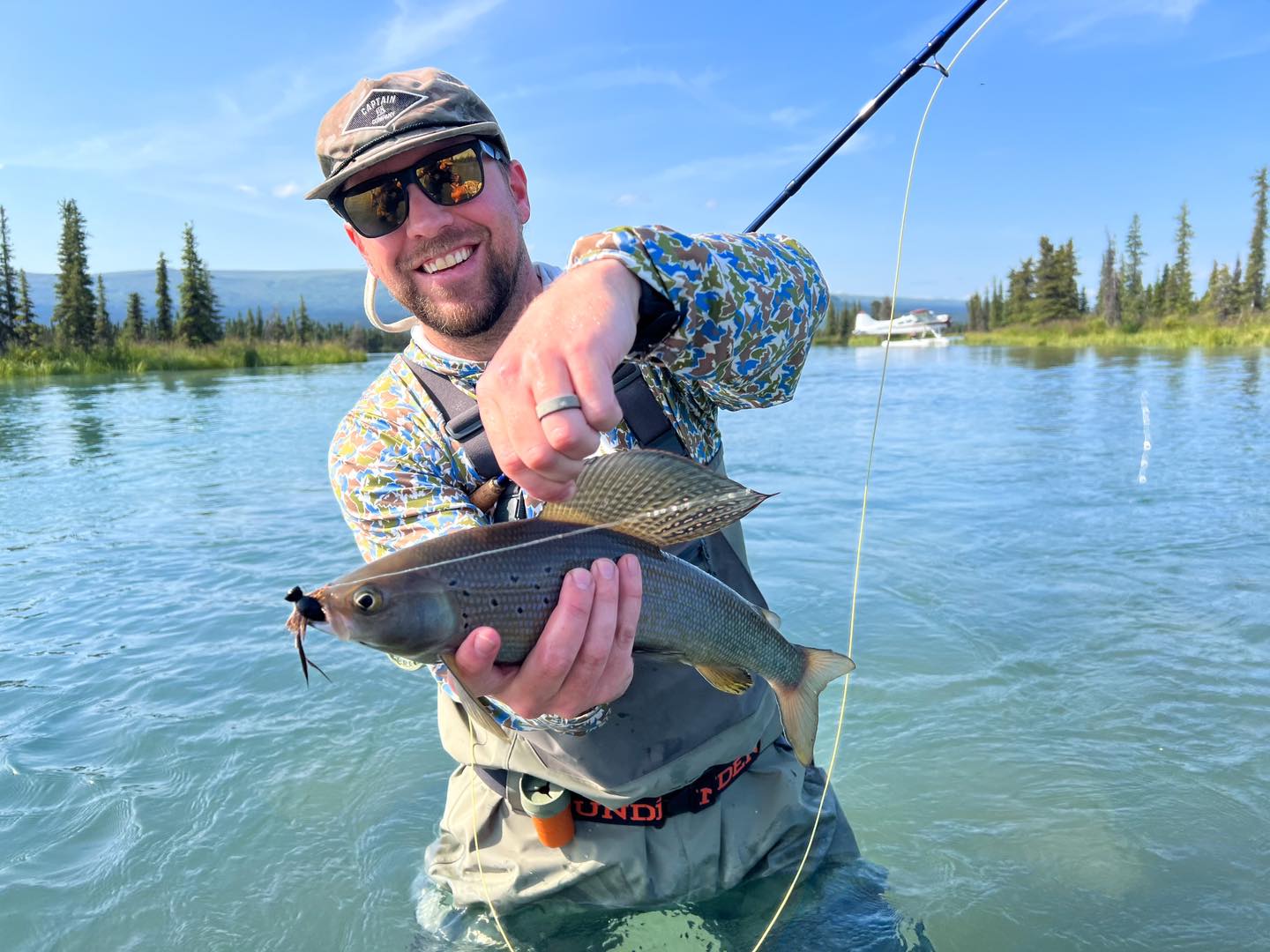
Your Alaska fishing journey starts at our fishing lodge, where you'll plan each day's adventure based on conditions and what's biting. The crown jewel of this trip is the Talon Air flyout to Big River Lakes - a customer favorite that puts you in untouched waters where lake trout cruise deep holes and dollies stack up in the shallows. While you're focused on your line, keep your eyes peeled for brown bears doing their own fishing nearby. The half-day Kenai River session is all about targeting the big kings and sockeye runs that make this river famous among serious anglers. You'll drift the upper sections for rainbows and dollies, learning to read the water like a local. The saltwater fishing around Seward and Homer rounds out your experience, where you'll work different techniques to boat everything from halibut to lingcod.
Techniques & Gear You'll Use
We'll match your tackle to the target species and conditions each day. On the lake flyouts, you'll work everything from deep trolling with downriggers for lake trout to sight fishing dollies in the shallows with spinning gear. The Kenai River sessions focus on drift fishing techniques - learning to bounce eggs and flesh patterns along the bottom for kings, or swinging flies through prime rainbow water. Your saltwater days will introduce you to Alaska's renowned bottom fishing, using heavy tackle to battle halibut and rockfish in 100+ feet of water. All rods, reels, and terminal tackle are provided, but feel free to bring your favorite rod if you've got one. We'll supply rain gear, but pack layers since Alaska weather can change fast. Hip waders work great for most river fishing, while the boat-based lake and saltwater fishing keeps you dry.
Target Species
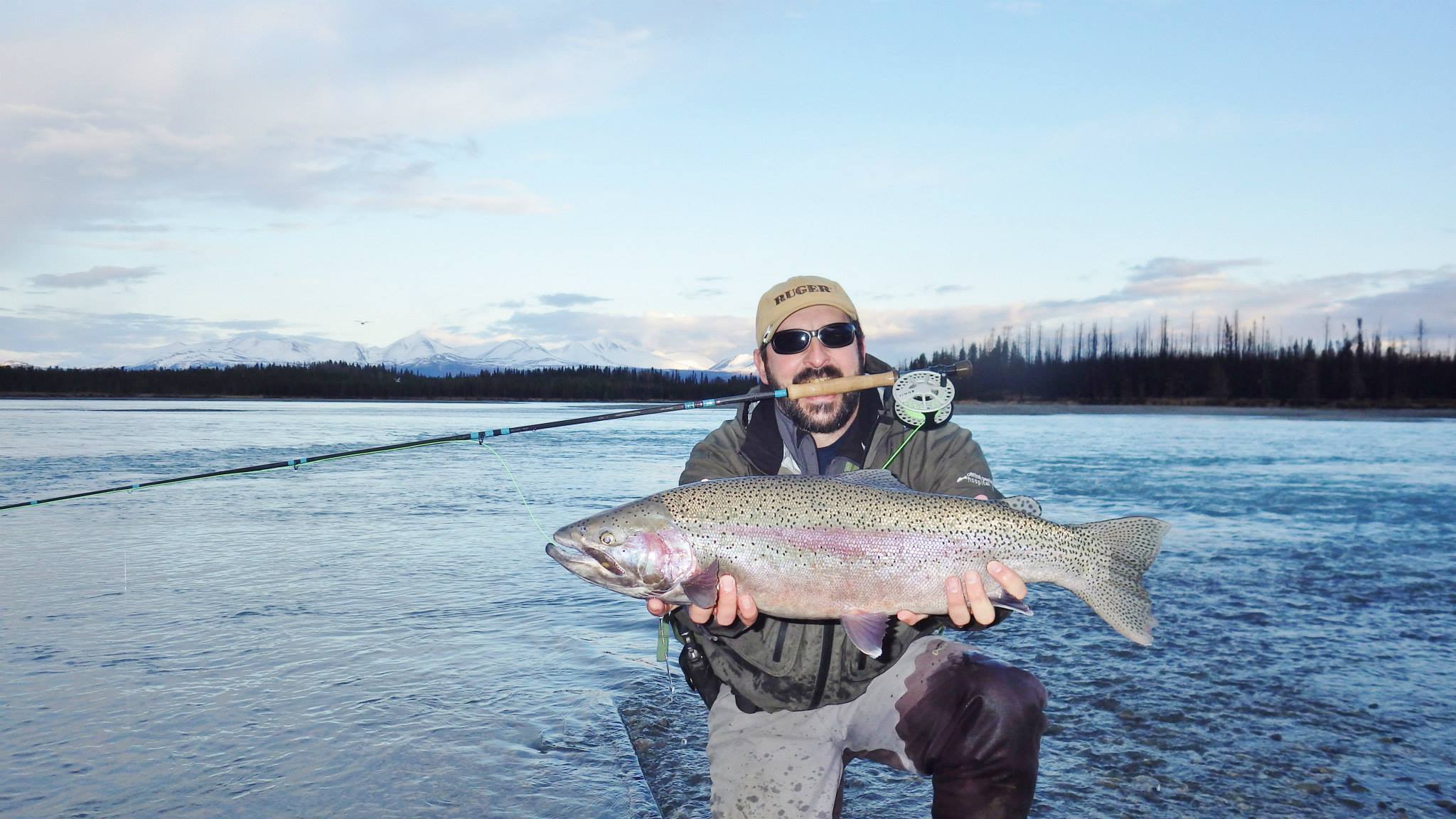
Rainbow trout in Alaska are pure gold, and our waters produce some absolute tanks. These fish average 18-22 inches but don't be surprised when you hook into a 26-incher that'll test your drag. Late August through September is prime time as rainbows feed heavily on salmon eggs and flesh, making them aggressive and willing to hit everything from beads to streamers. The fight these fish put up in Alaska's cold, clear water is something every angler needs to experience.
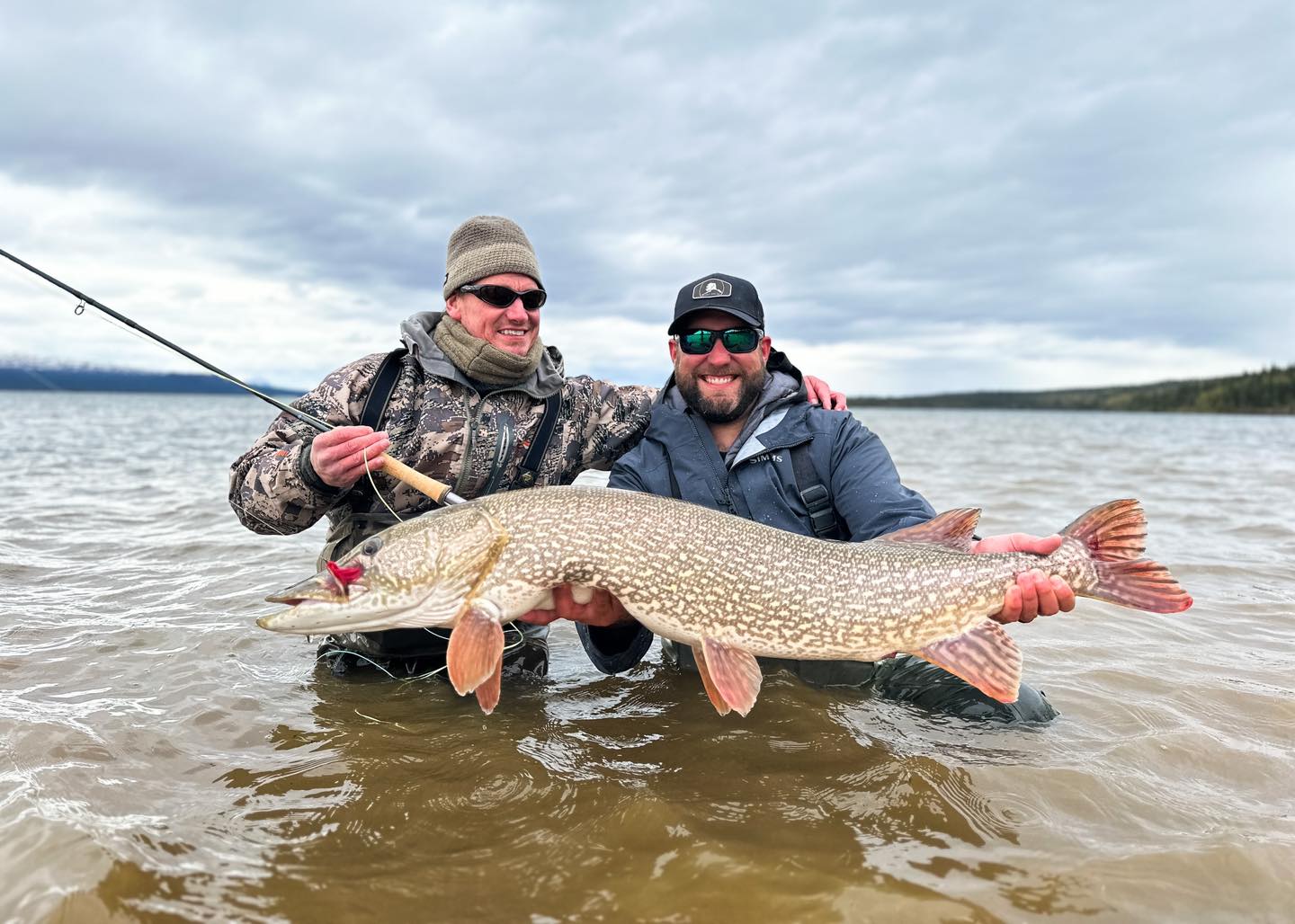
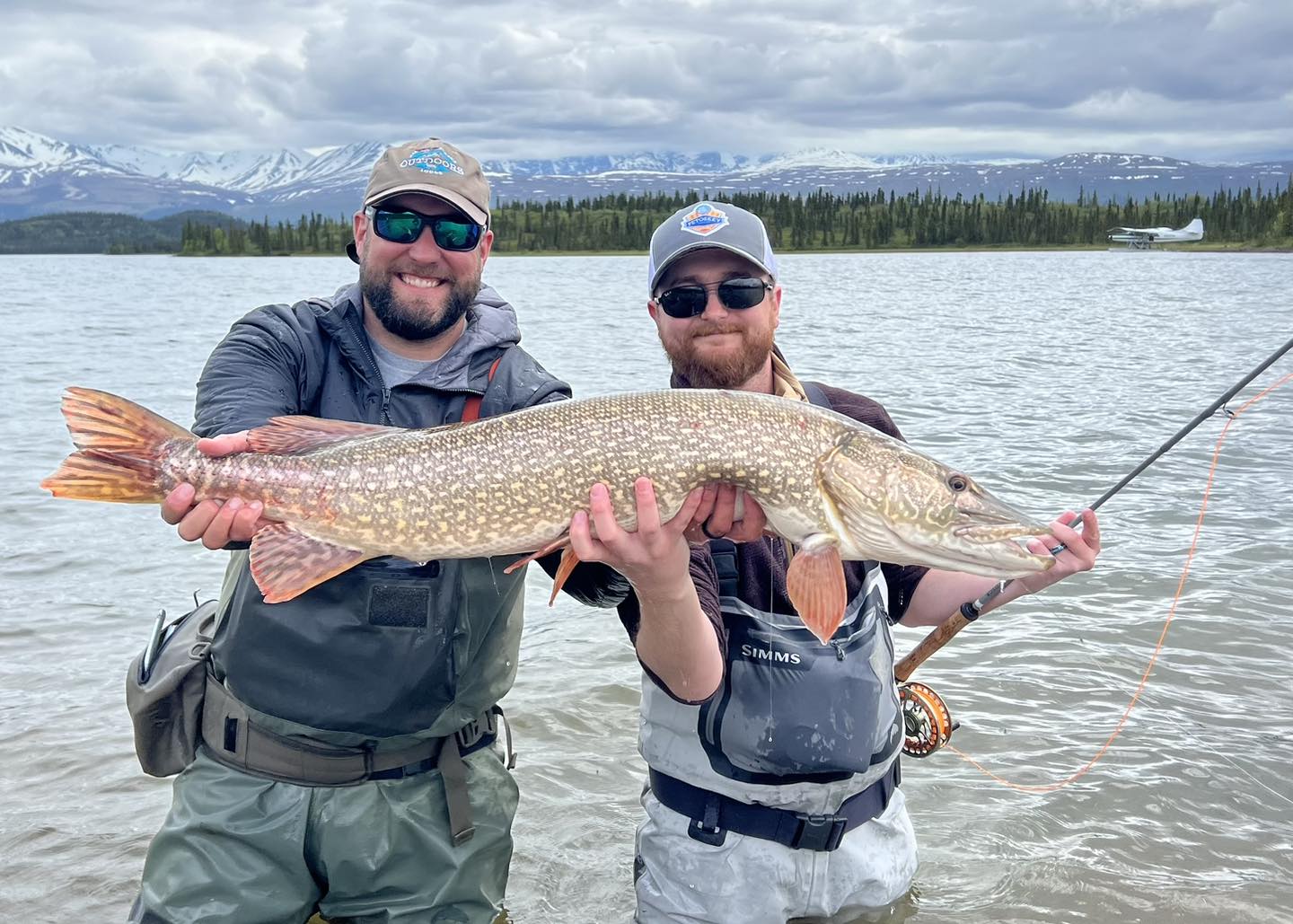
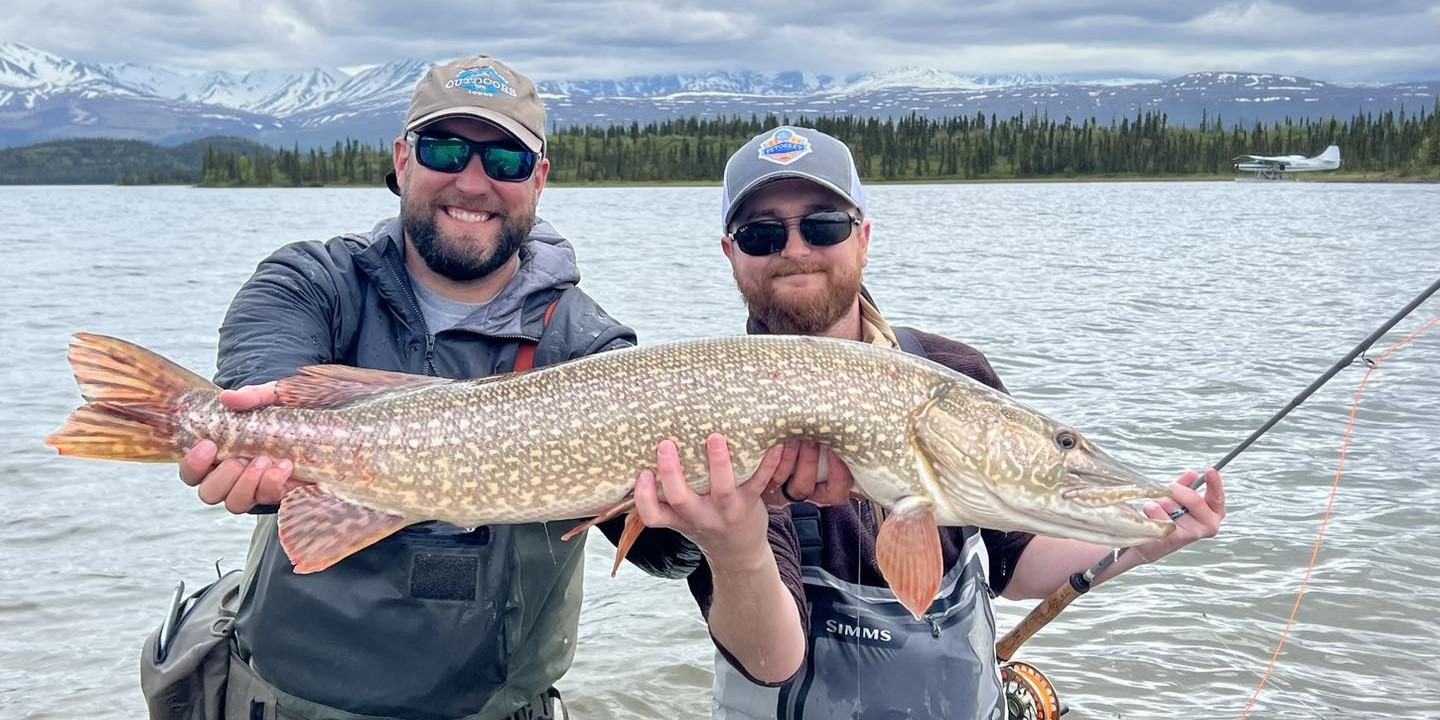
Northern pike might seem out of place in Alaska, but our lake systems hold some serious toothy critters. These ambush predators love to lurk in weedy shallows and can exceed 40 inches. They're most active during the warmer parts of the day, making them perfect targets when you're taking a break from trout fishing. Pike hit hard and fight dirty with jumps and head shakes that'll keep you on your toes.
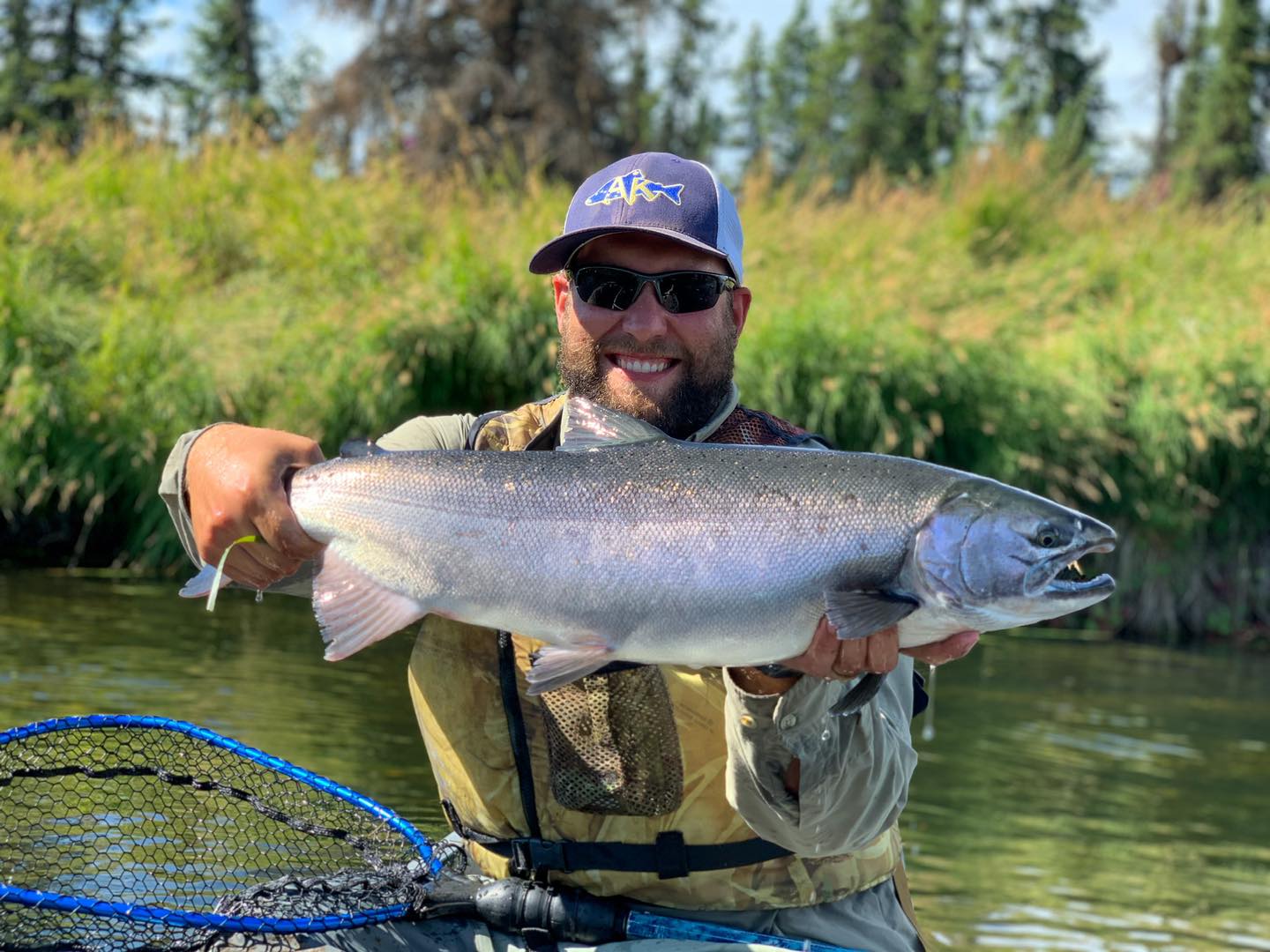
Chinook salmon, or king salmon as we call them locally, are the ultimate Alaska prize fish. The Kenai River system produces kings that regularly top 30 pounds, with 40+ pounders caught every season. These fish are available through your entire trip window, but late August often produces the biggest specimens. Landing a fresh king salmon on the Kenai is a bucket-list experience that'll have you planning your return trip before you've even landed the fish.
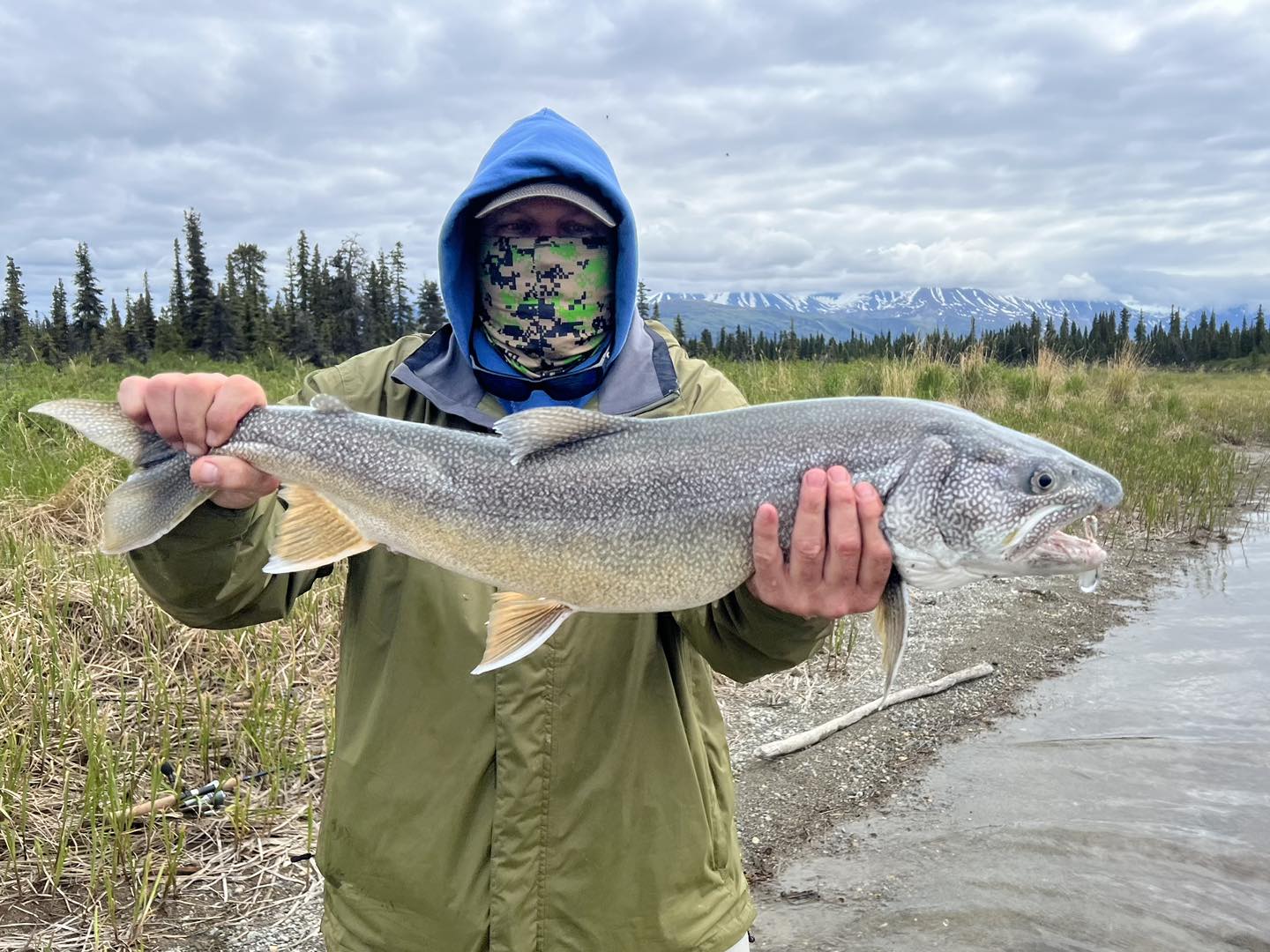
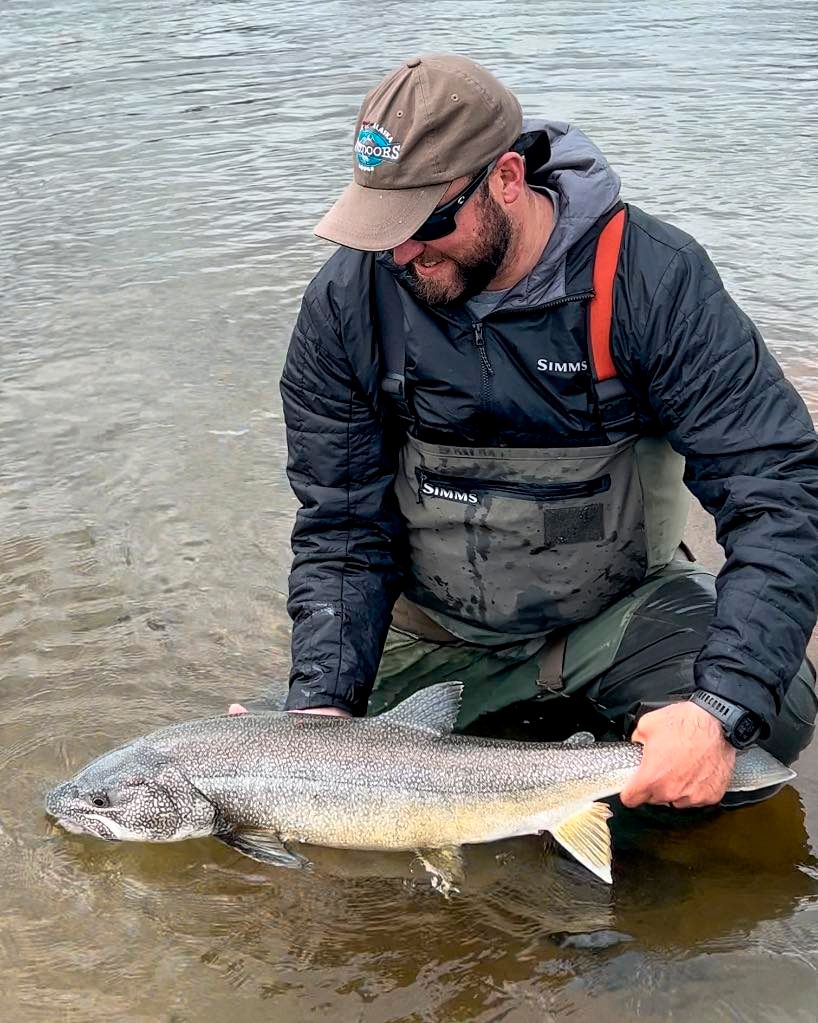
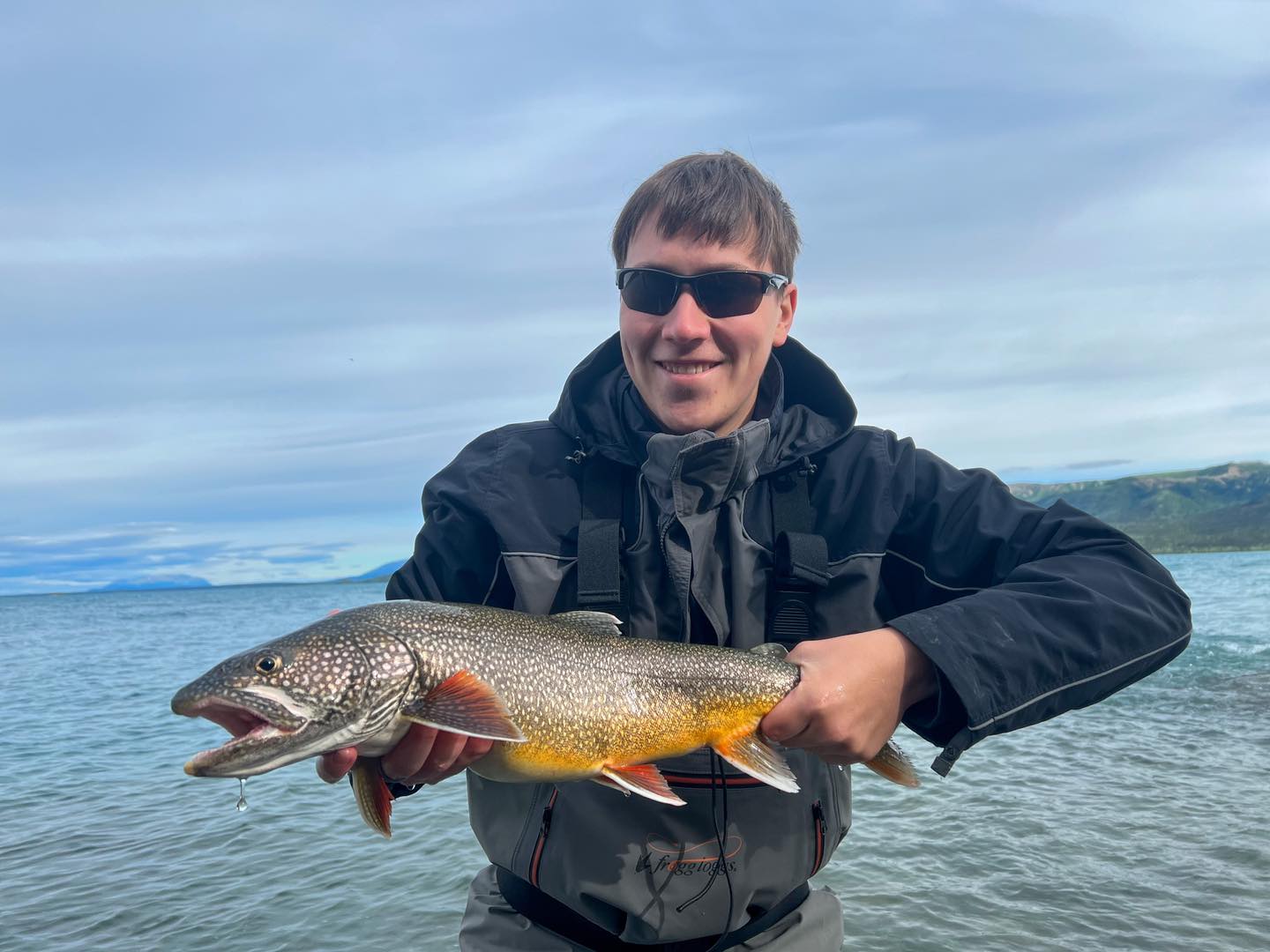
Lake trout in our flyout destinations grow fat and happy in the cold, nutrient-rich waters. These fish can live decades and reach impressive sizes - 30-inch lake trout are common, and 40-inchers are definitely possible. They're most active in the deeper holes during midday, making them perfect when surface action is slow. Lake trout fight with steady, powerful runs that'll make your reel sing.
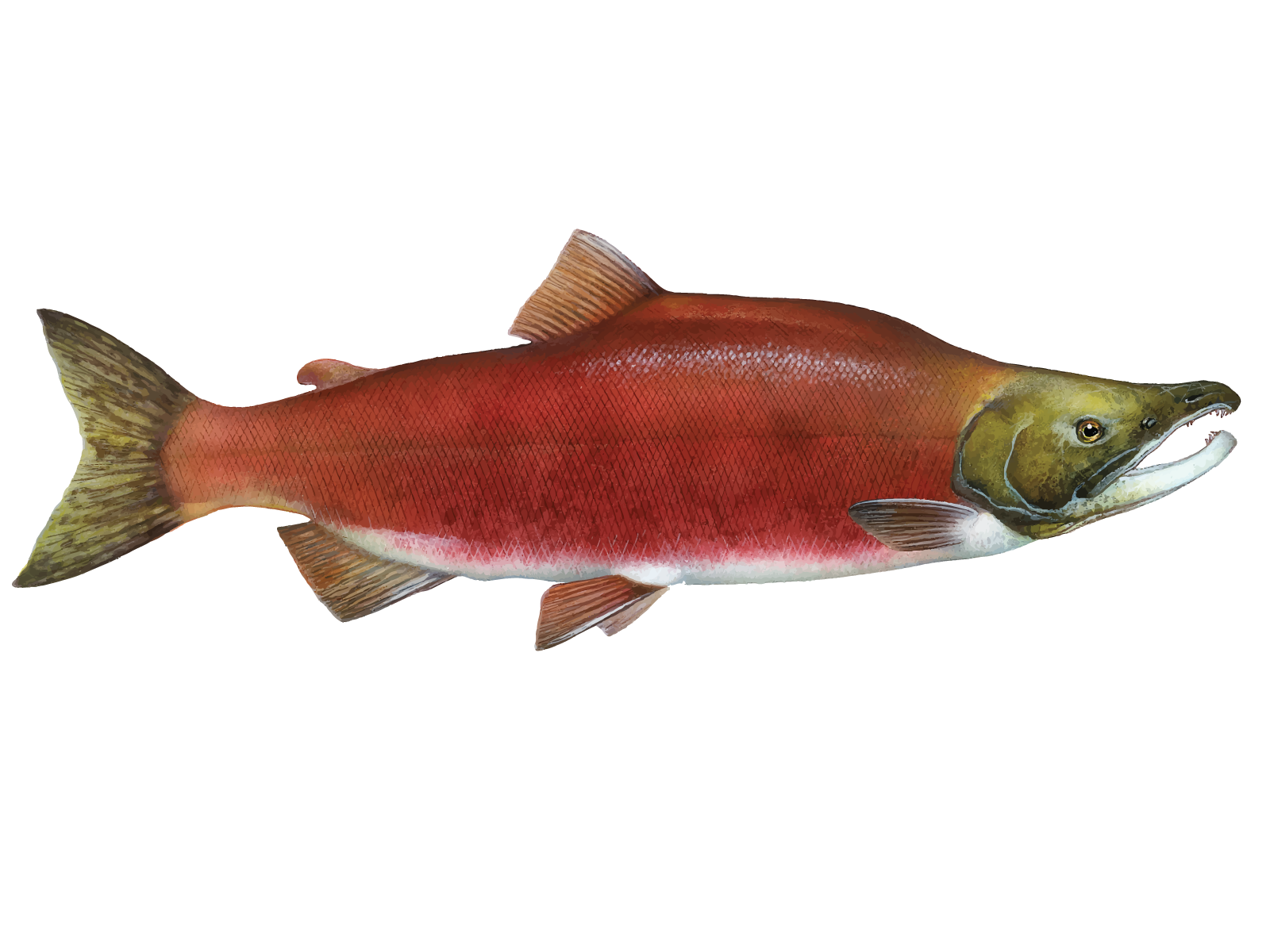
Sockeye salmon provide some of the most consistent action you'll find in Alaska. These bright, hard-fighting fish move through our waters in thick schools, and when you find them, the action can be fast and furious. Sockeye are prized for their excellent table fare, and their chrome-bright sides and hooked jaws make them one of Alaska's most beautiful salmon species.
Time to Book Your Spot
This top-rated Alaska fishing adventure combines the best of everything - remote lake fishing, legendary river action, productive saltwater fishing, and bear viewing that'll give you stories for years. With only single-angler capacity, you're guaranteed personalized attention and the flexibility to fish at your own pace. The August 4th to September 1st window hits the sweet spot for all target species, with kings still running strong, sockeye at their peak, and trout feeding heavily before winter. Don't let this world-class fishing opportunity slip away - Alaska's best fishing experiences book up fast, and this comprehensive package delivers everything serious anglers dream about.
 Private Trip
 Lakes/Reservoirs/Ponds Fishing
 Soldotna, AK


 All-inclusive lodge package targeting Dollies, Grayling, Lake Trout, Char, Salmon