Alaska Fishing Lodges | Ultimate Fishing Package
Picture this: you're standing knee-deep in Alaska's pristine waters, rod in hand, watching a massive rainbow trout rise to your fly. That's exactly what you'll get with our world-class fishing package running June 2 to July 7. This isn't your typical weekend fishing trip – we're talking about a full-scale Alaska fishing adventure that takes you from remote wilderness lakes to the legendary Kenai River, and wraps up with saltwater action in either Seward or Homer. You'll target everything from trophy northern pike to king salmon, with bear viewing thrown in for good measure. It's the kind of trip that separates the serious anglers from the weekend warriors.
What to Expect on the Water
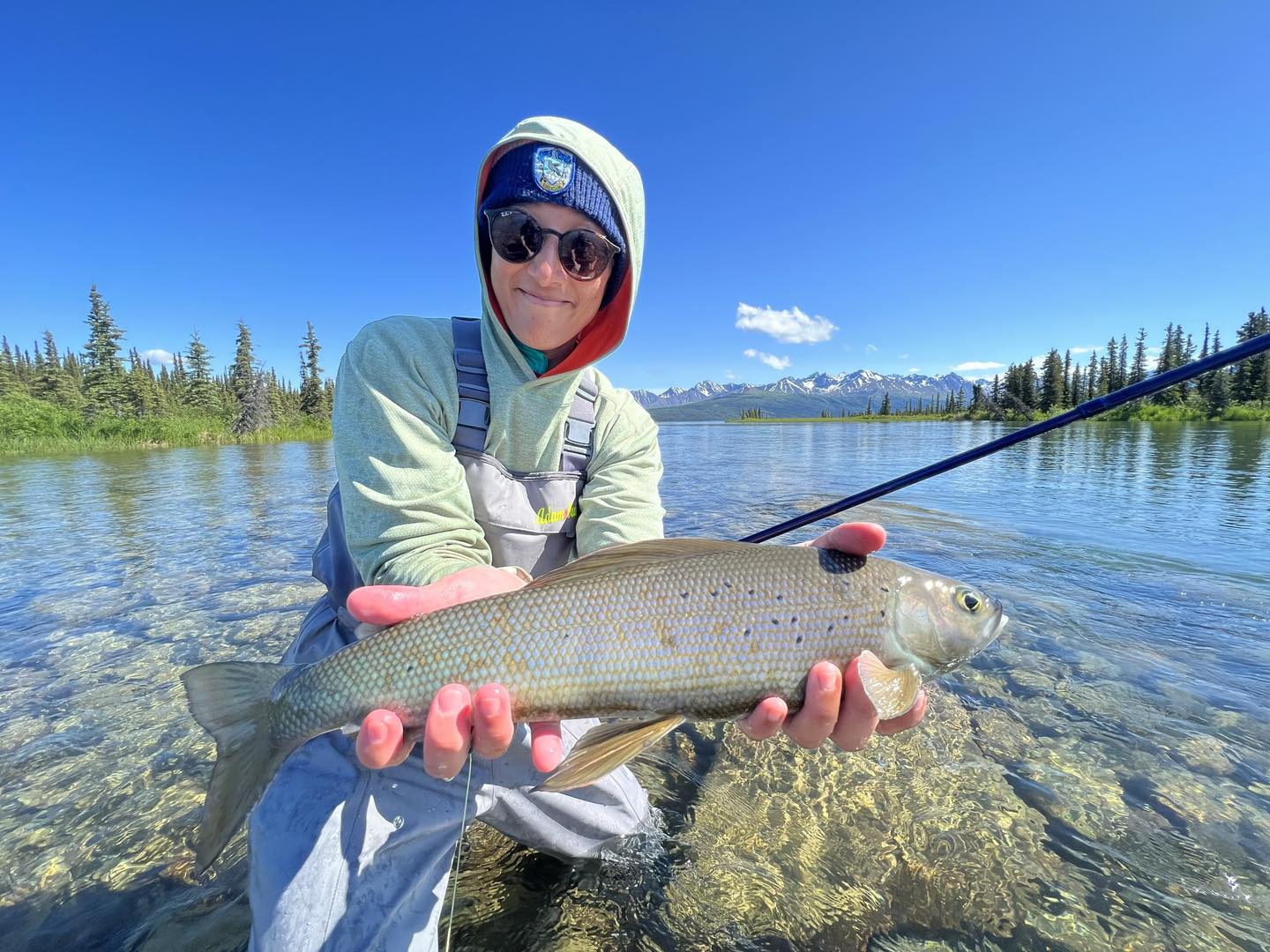
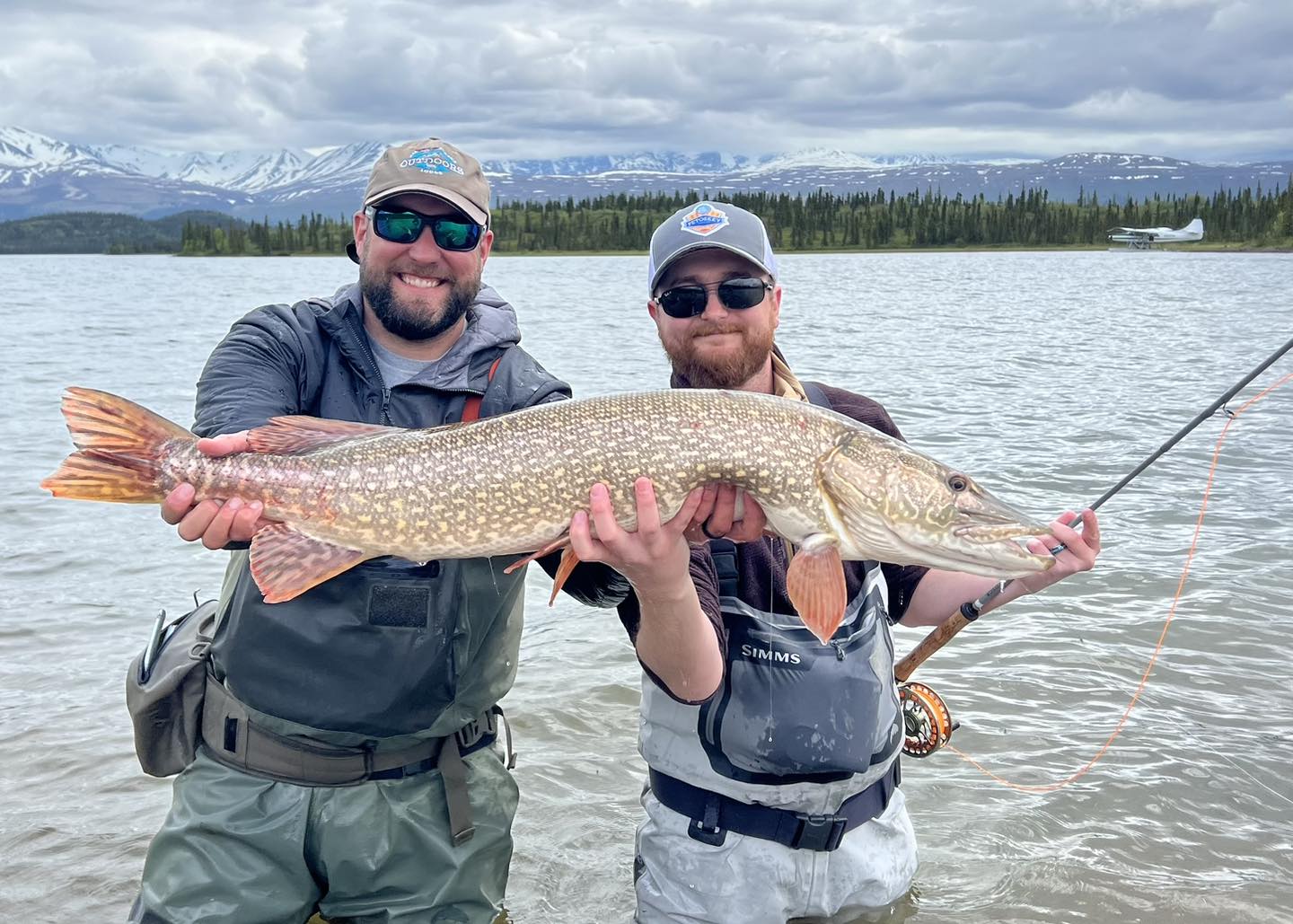
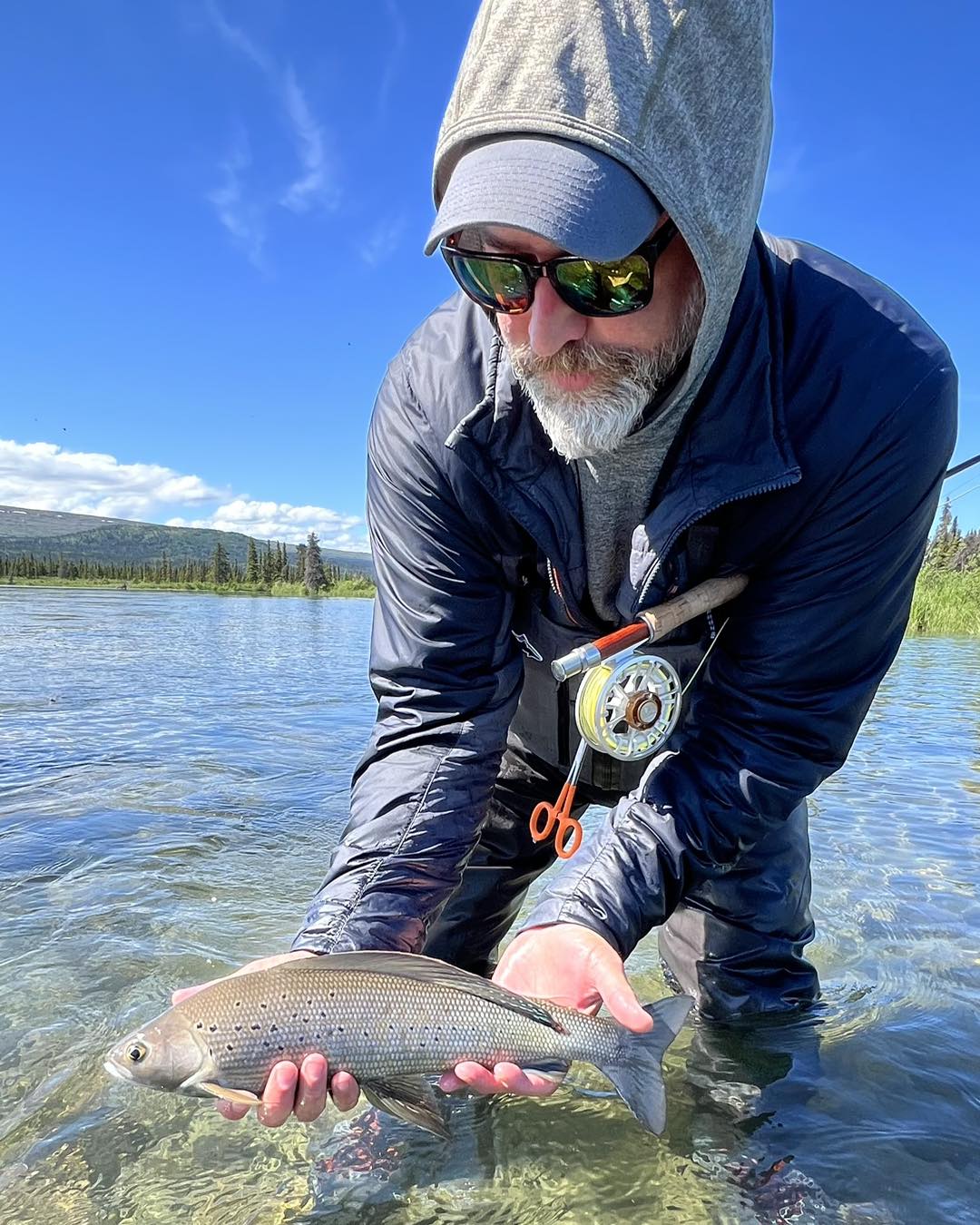
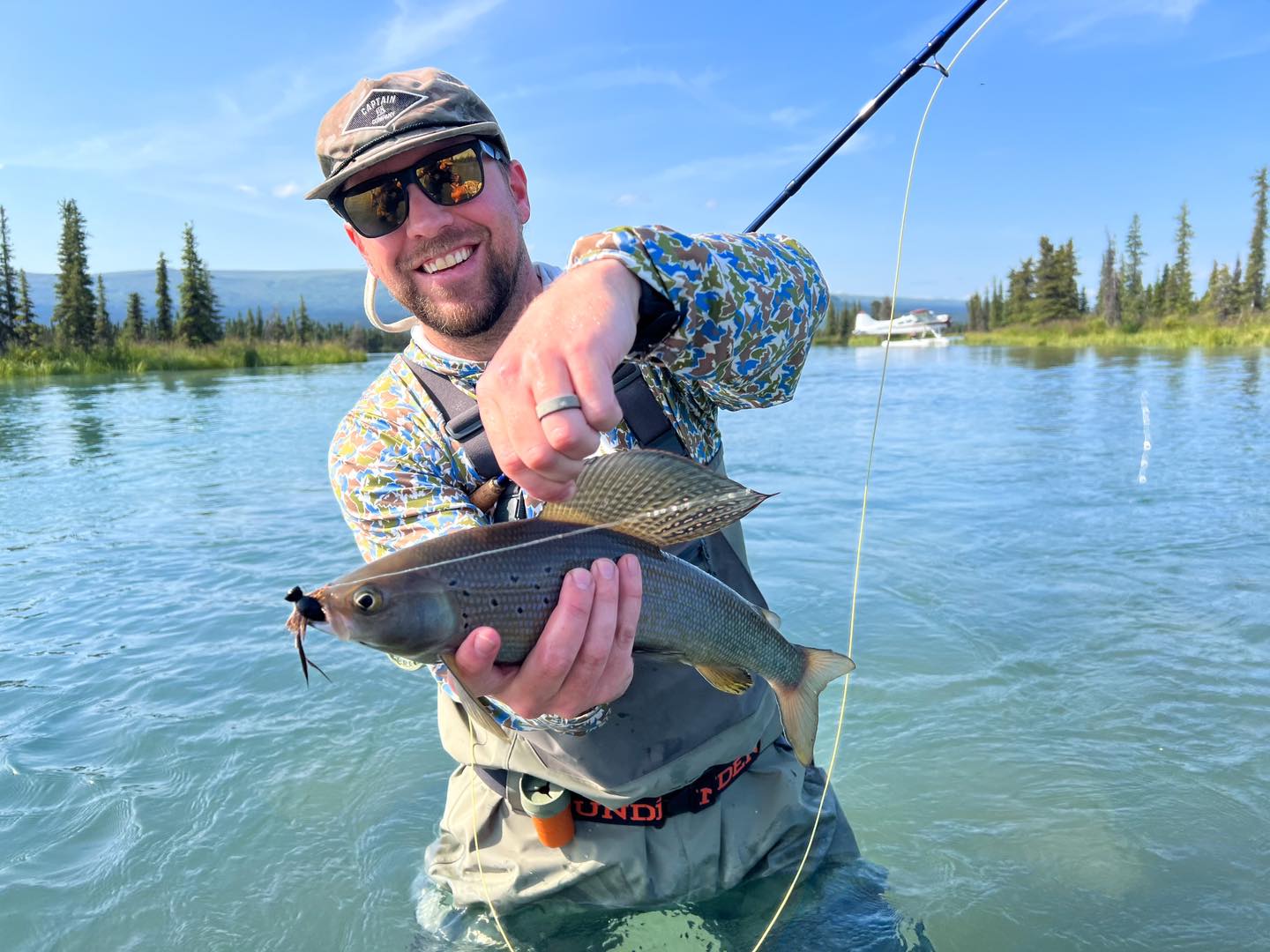
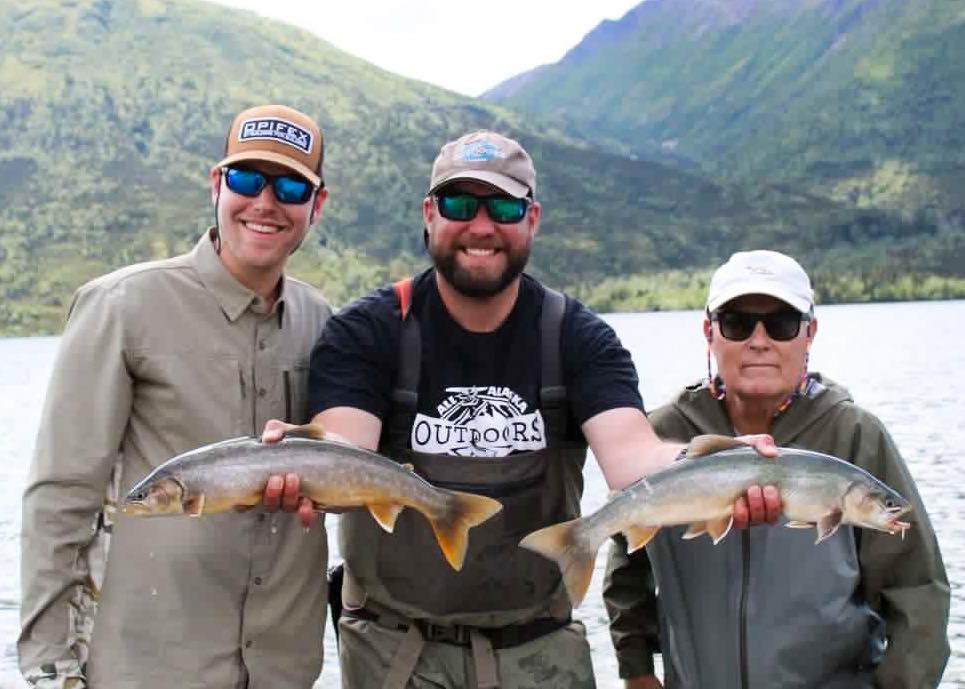
This package is built for the angler who wants to experience Alaska's fishing scene without any compromises. We start you off in the backcountry, where you'll fly out to Big River Lakes – and trust me, the flight alone is worth it. These remote waters hold some serious fish, and you'll be casting for northern pike, grayling, lake trout, and char while keeping an eye out for brown bears fishing the same waters. The Kenai River portion is where things get really exciting. This legendary river system is home to some of Alaska's best rainbow trout fishing, plus you'll have shots at king salmon and sockeye runs that are absolutely nuts when they're on. We'll drift the upper sections for rainbows and Dolly Varden, then hit the lower river where the kings stack up. The grand finale takes you to either Seward or Homer for multi-species saltwater action – think halibut, lingcod, and whatever else decides to bite that day.
Techniques & Tackle Setup
Each fishing scenario on this trip calls for different approaches, and that's what makes it so rewarding. On the remote lakes, we're talking traditional lake fishing tactics – trolling with spoons for lake trout, casting spinners and flies for northern pike near weed beds, and working dry flies for grayling in the shallow bays. The Kenai River fishing is a whole different game. For rainbows, we'll be swinging flies through deep pools, bouncing beads along the bottom, and working flesh patterns during salmon runs. King salmon fishing means heavy tackle – we're talking spinning gear with large spoons, plugs, and bait setups that can handle fish pushing 40 pounds or more. The saltwater portion switches things up again with downriggers for salmon, heavy jigs for halibut, and whatever light tackle we can get away with for rockfish and lingcod. Don't worry about gear – we've got you covered with quality rods, reels, and tackle suited for each fishing situation.
Top Catches This Season
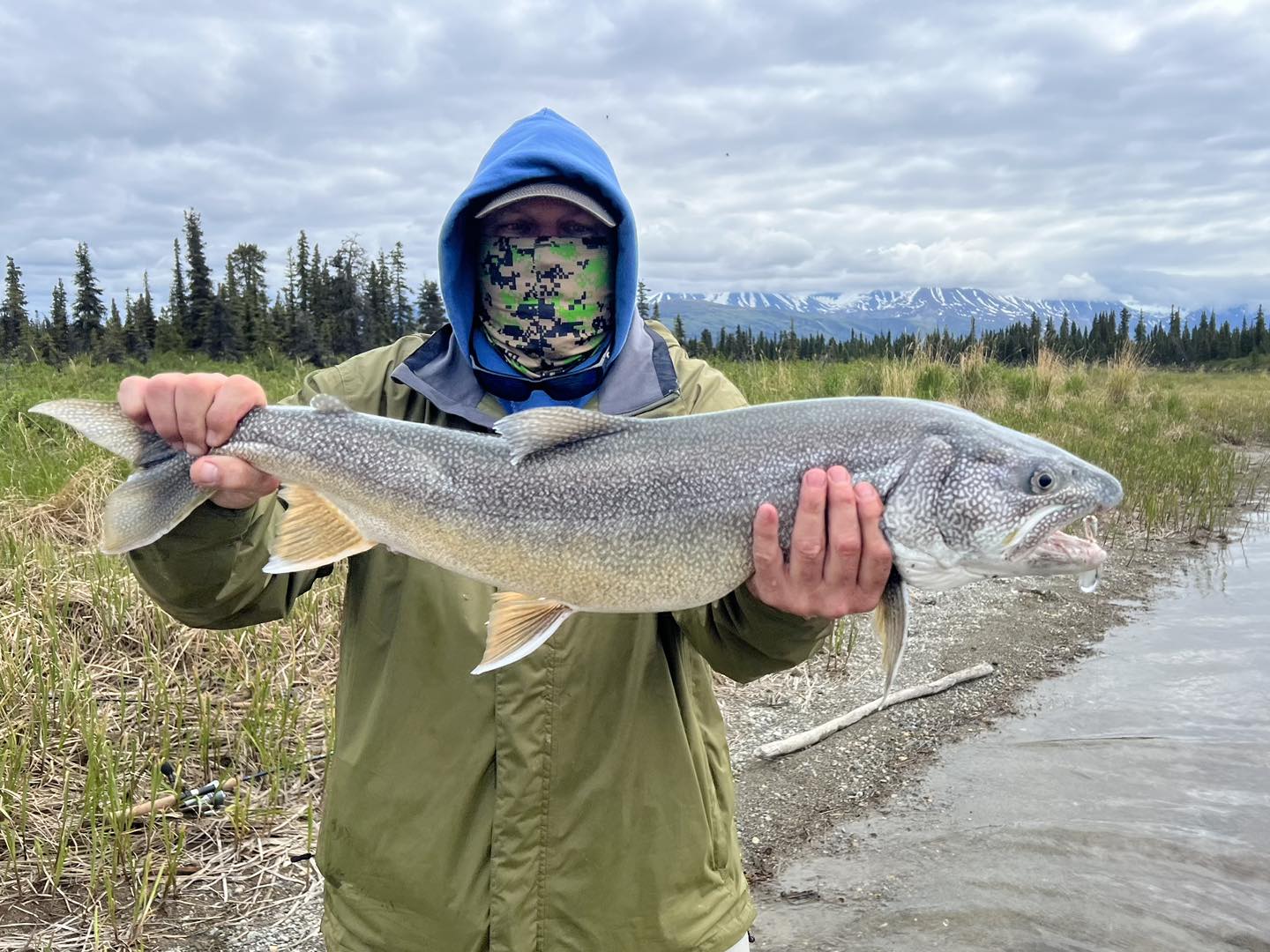
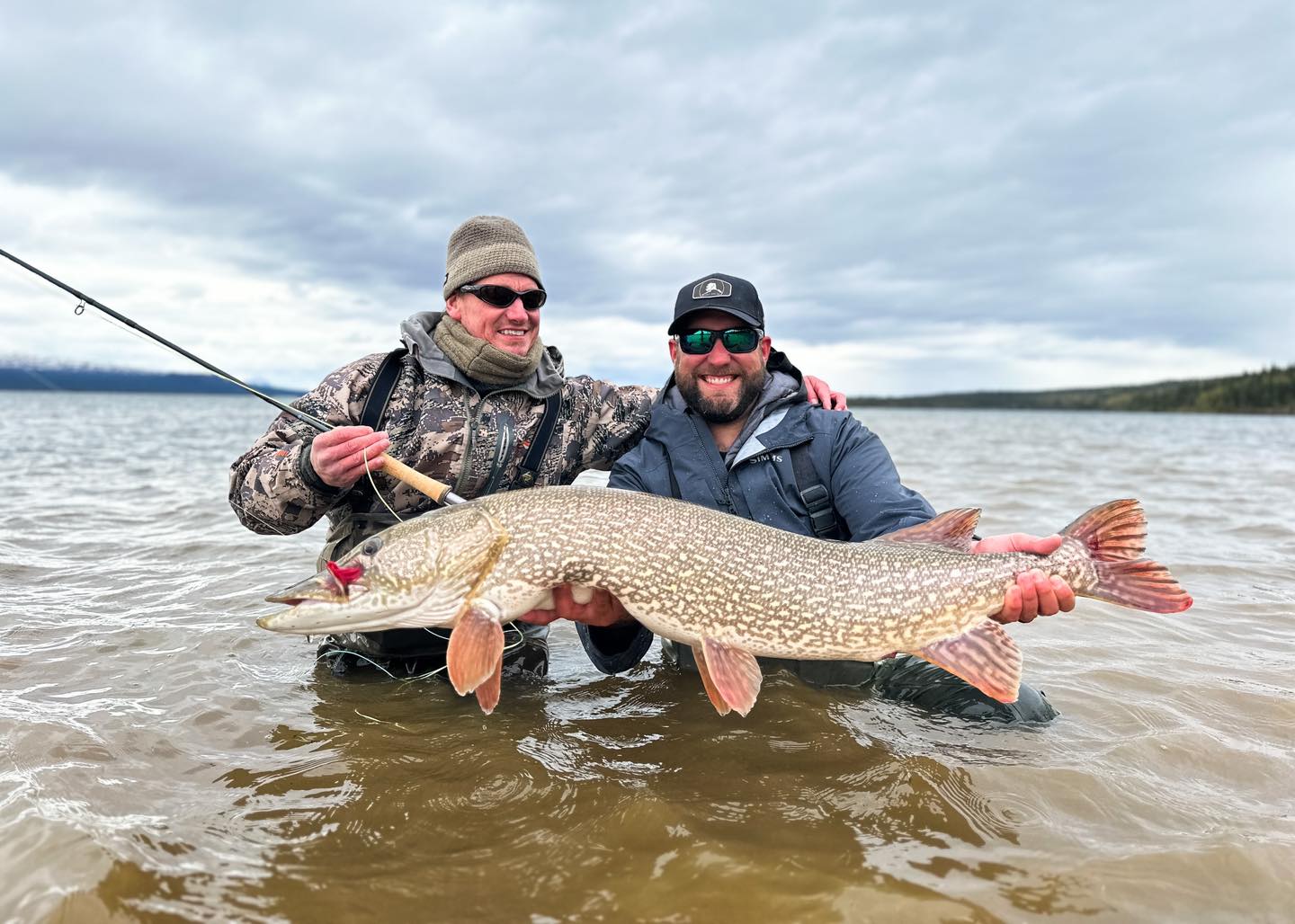
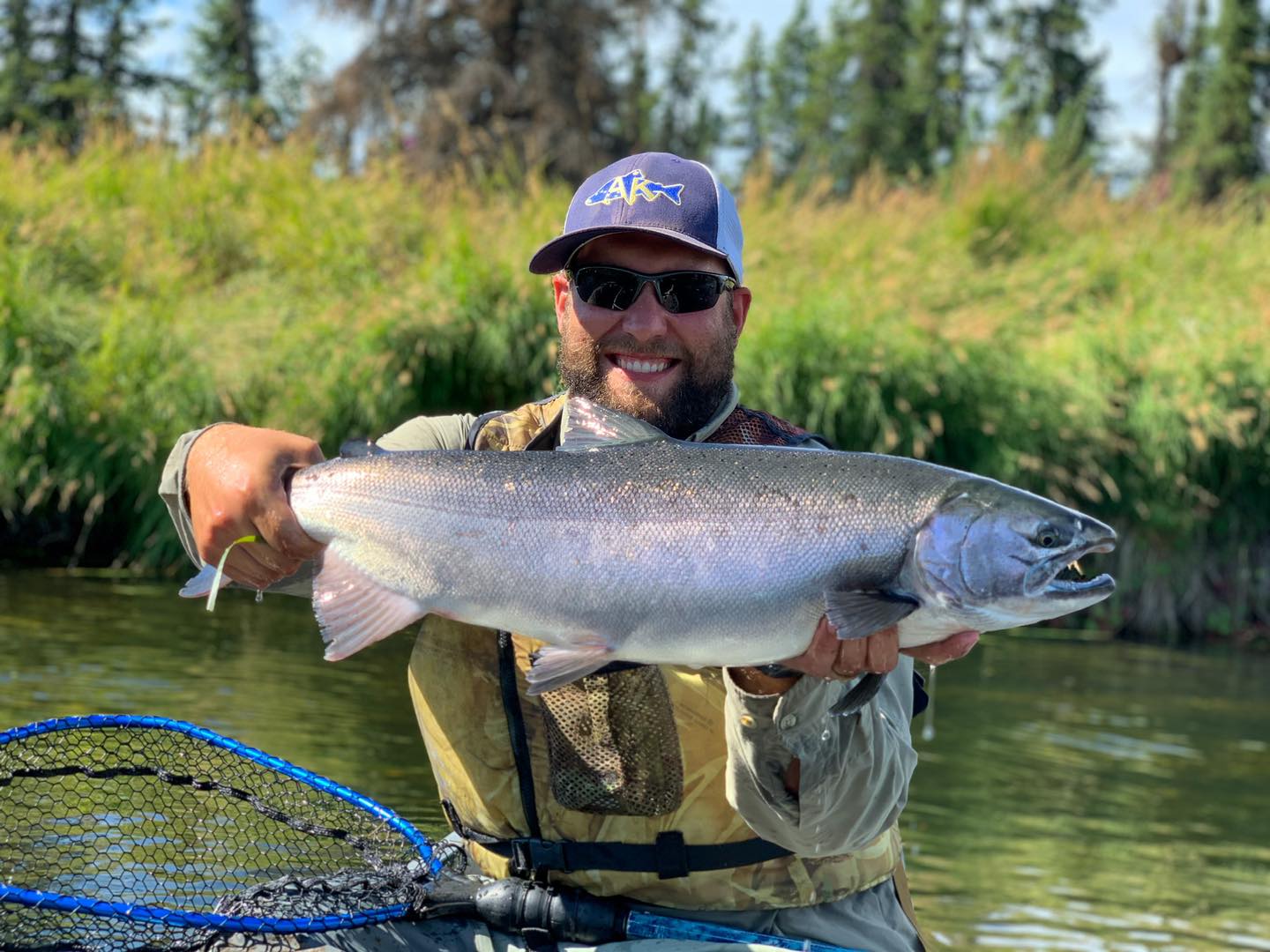
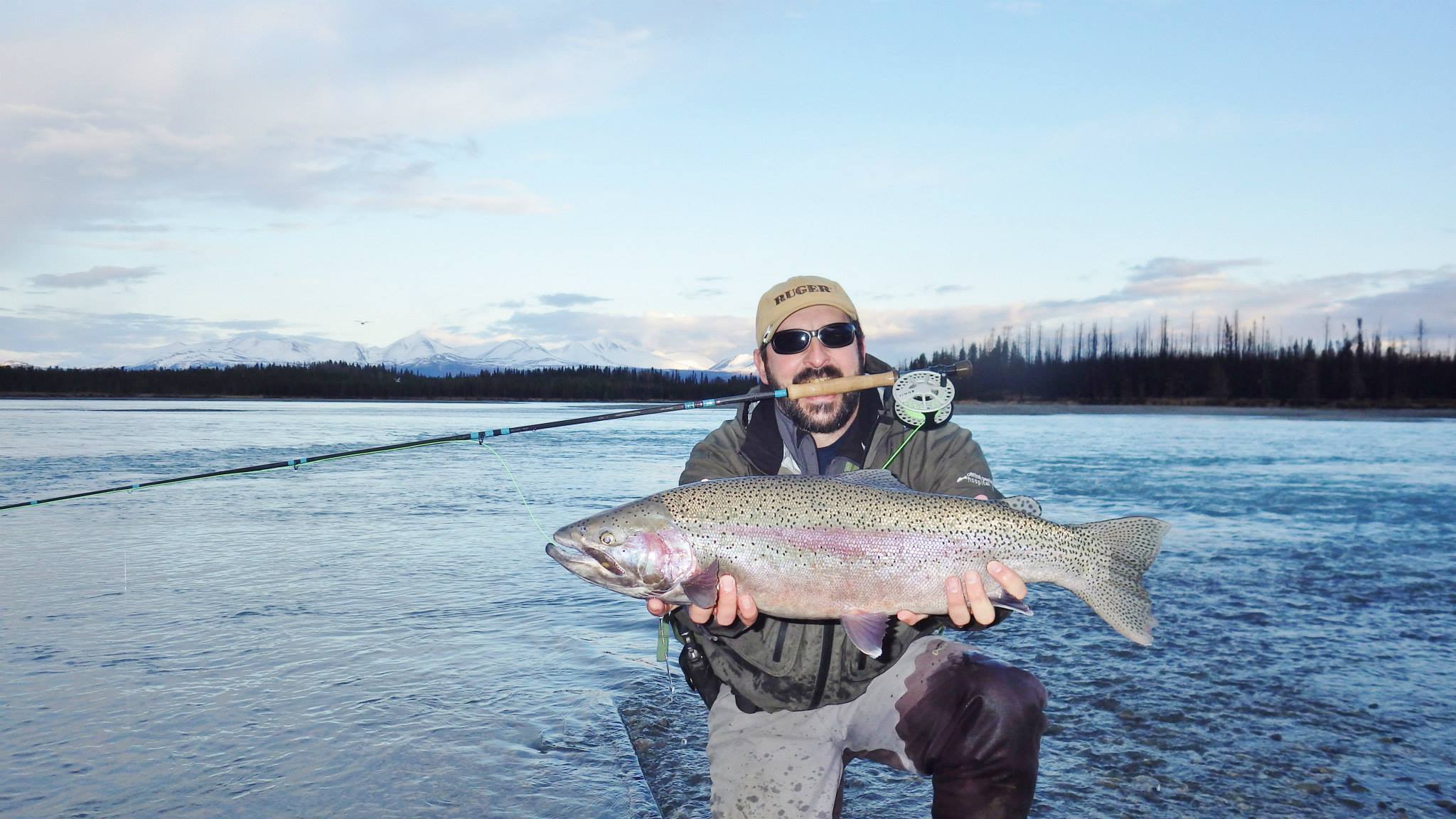
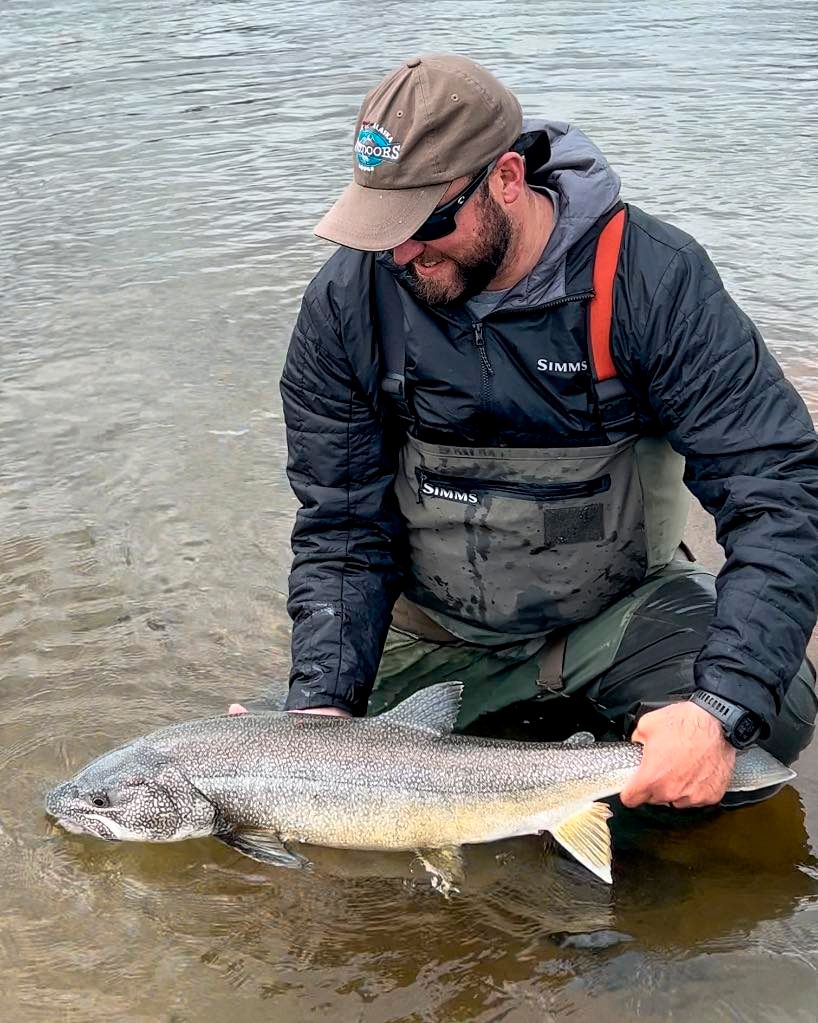
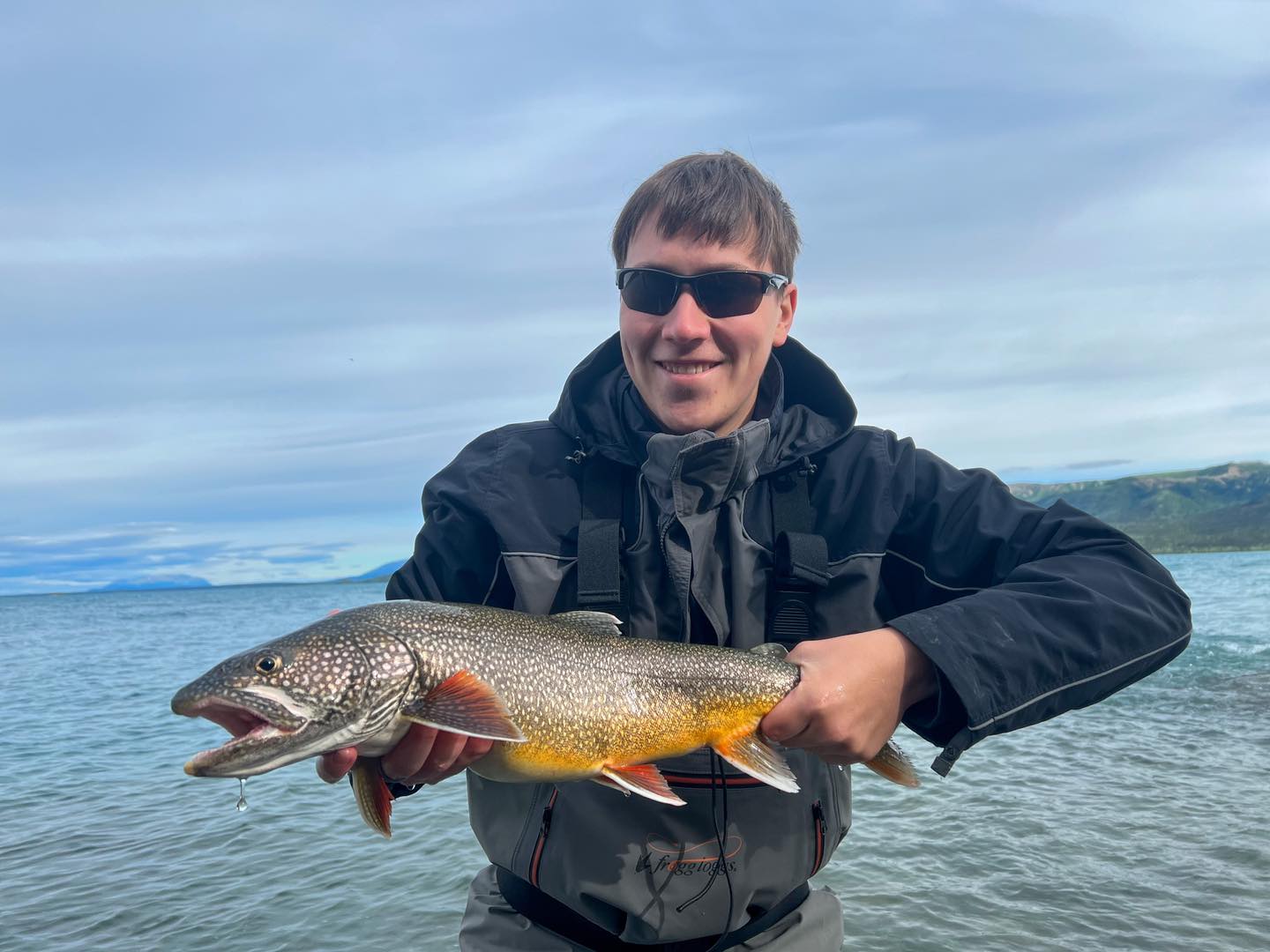
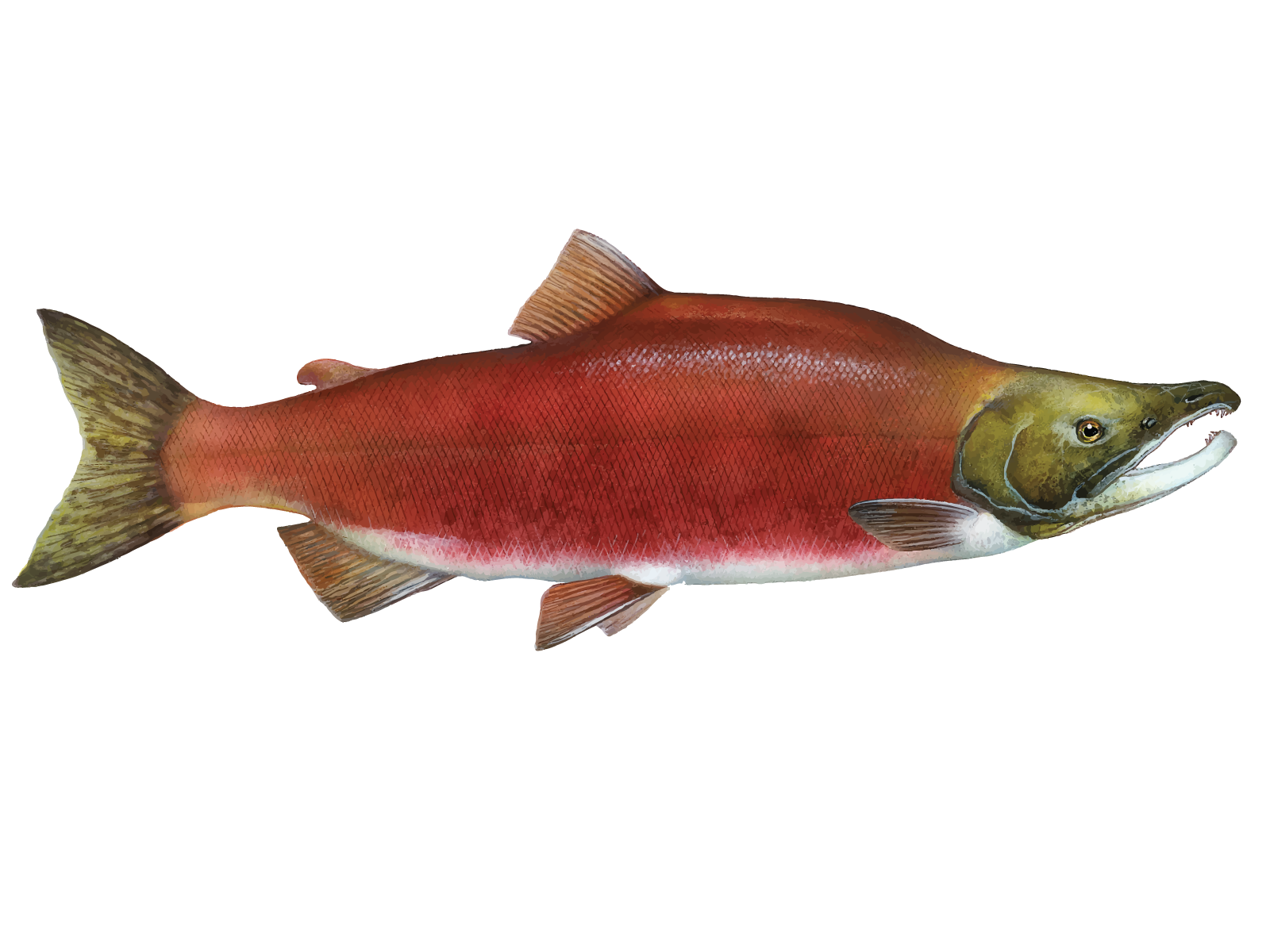
The species lineup on this trip reads like an Alaska fishing bucket list, and each one brings something different to the table. Rainbow trout in Alaska are absolute beasts compared to their lower 48 cousins – we're talking fish that regularly hit 20+ inches and fight like they're twice that size. They're most active during salmon runs when they're gorging on eggs and flesh, typically late June through July, which puts you right in the sweet spot. Coho salmon, or silvers as we call them, are pure adrenaline on a fishing line. These chrome-bright fish jump like crazy and make screaming runs that'll test your drag system. Peak coho action usually hits in late July, so you'll catch the early push. Northern pike in Alaska are prehistoric-looking predators that can exceed 40 inches and have teeth that'll cut through light leaders in a heartbeat. They love weed beds and shallow bays, and watching one explode on a surface lure is something you won't forget. Lake trout are the deep-water giants of northern lakes, often living 20+ years and reaching massive sizes. They're typically found in the coldest, deepest parts of the lake and put up a bulldogging fight that's all about power. Sockeye salmon might not be the biggest fighters, but when they're running thick, the action is non-stop. These fish are prized for their incredible table fare and turn the rivers red during peak runs.
Time to Book Your Spot
This isn't the kind of fishing trip you stumble into last minute. Alaska's best fishing windows are short, and the dates we've locked in – June 2 to July 7 – hit multiple species at their peak activity levels. You're looking at king salmon starting their runs, rainbow trout feeding heavily, and the beginning of what could be epic salmon runs throughout the region. The remote lake fishing stays consistent, but accessing these spots depends on weather and flight conditions that can change fast in Alaska. Our lodge partnerships and chartered flights are already arranged, which means you're guaranteed access to waters that most anglers only dream about. With single-angler capacity, you're getting a completely personalized experience where every fishing decision revolves around what you want to target. The combination of freshwater trophy fishing, legendary river systems, and saltwater variety makes this package a top-rated choice for serious anglers. Alaska fishing trips like this fill up fast, especially for prime summer dates, so if you're ready to experience world-class fishing across multiple ecosystems, now's the time to lock in your spot.
 Private Trip
 Lakes/Reservoirs/Ponds Fishing
 Soldotna, AK


 All-inclusive Alaska fishing charter from June 2 to July 7