Naples to Marco Island Backwater Fishing Charter
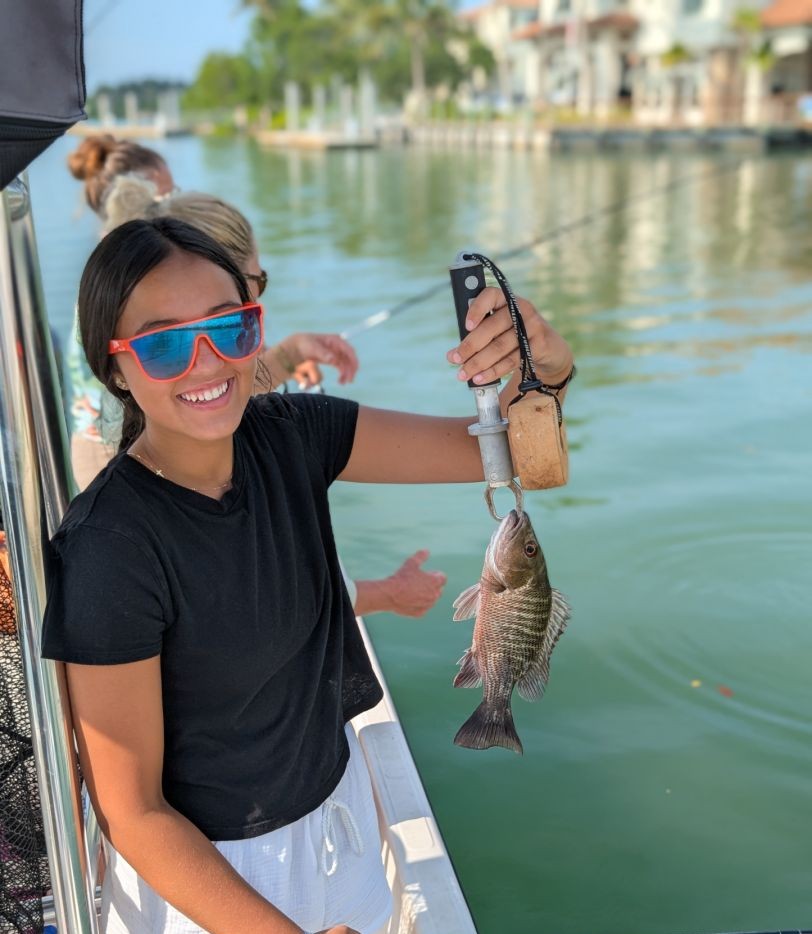
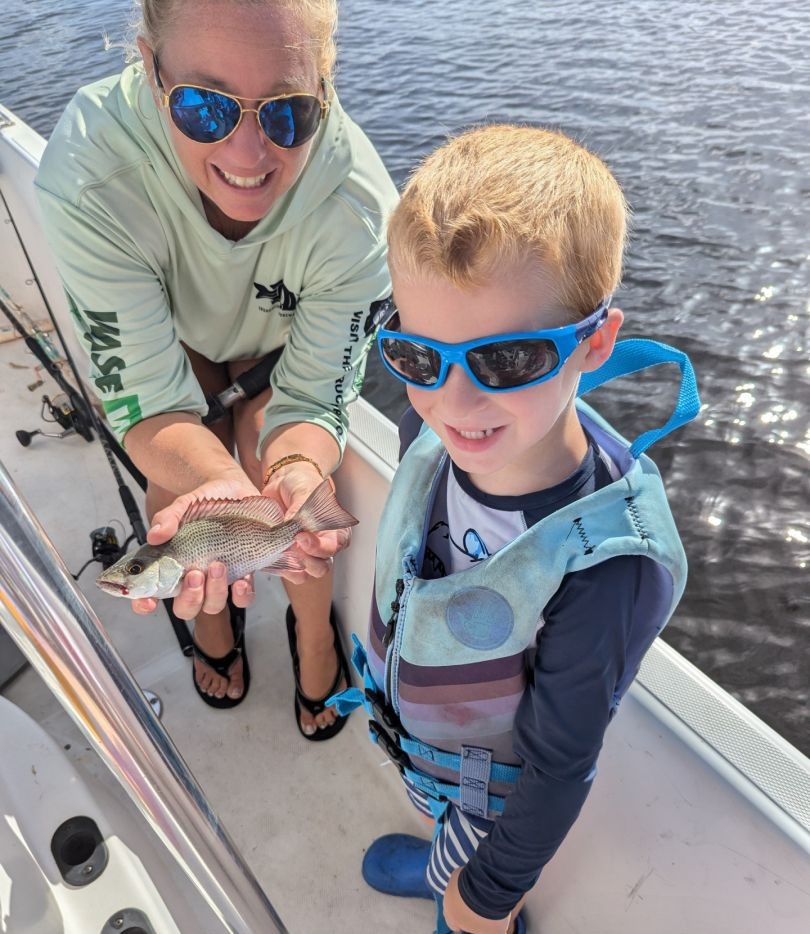
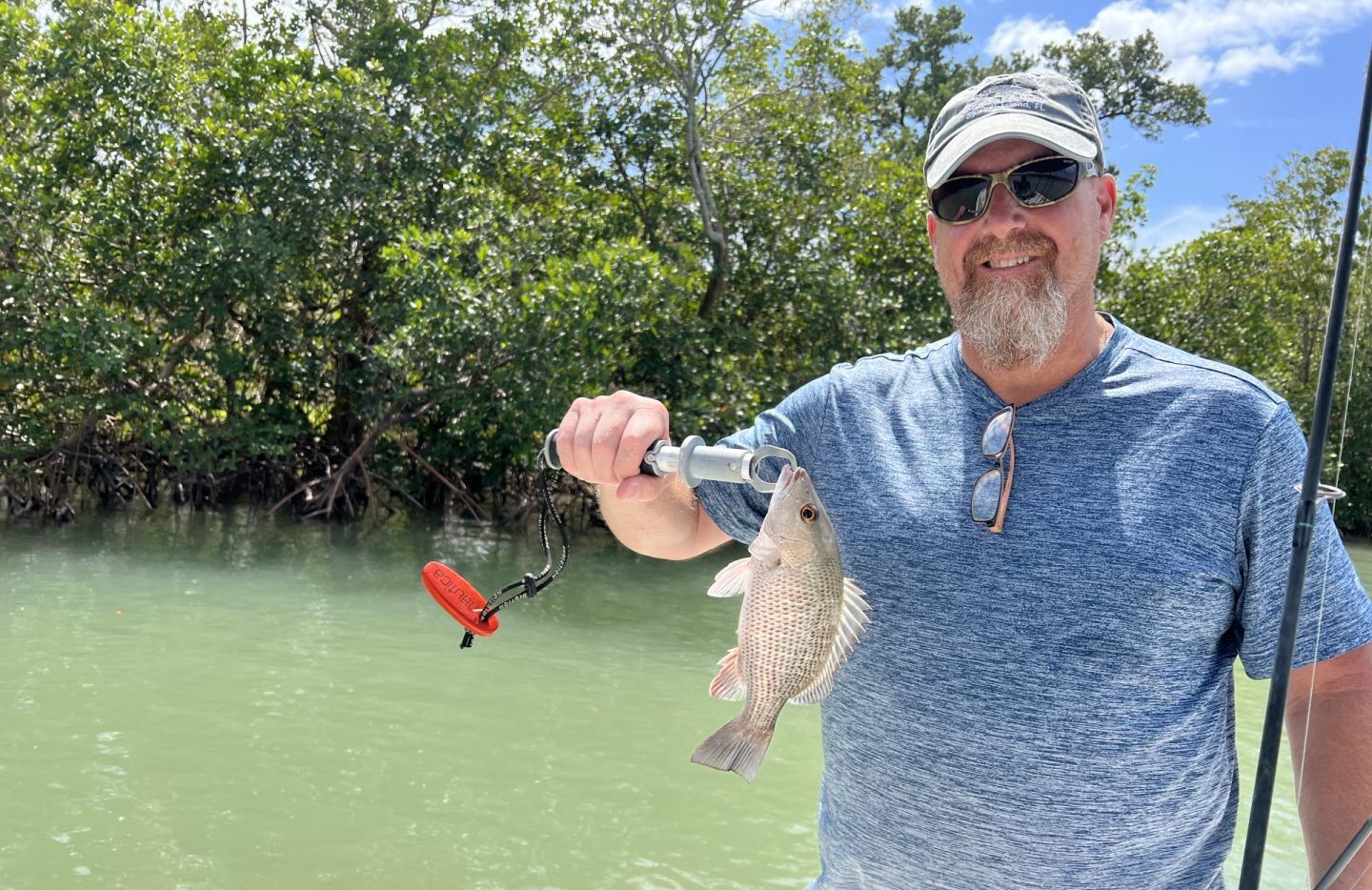
This afternoon fishing charter takes you into some of Southwest Florida's most productive inshore waters, where the backwater maze between Naples and Marco Island holds serious fish. Captain and crew from Artistic Angler Charters know these waters like the back of their hand, guiding up to four anglers through mangrove-lined creeks, around dock pilings, and over oyster bars where snook, redfish, and tarpon make their living. It's a four-hour adventure that puts you right in the heart of Florida's legendary inshore fishing scene.
What to Expect on the Water
You'll spend your afternoon working the productive backcountry that stretches between Naples and Marco Island, an area that's famous among local anglers for holding quality fish year-round. The trip focuses on live bait fishing when conditions allow, but your captain won't hesitate to switch to cut bait when that's what the fish are wanting. This isn't about covering massive amounts of water – it's about working the right spots at the right time of day. You'll be casting around mangrove overhangs where snook like to ambush prey, drifting cut bait near oyster bars where redfish cruise for crabs, and watching for rolling tarpon in the deeper pockets. The afternoon timing works perfectly for this type of fishing, as many species become more active as the day progresses and temperatures start to cool. Your captain reads the water constantly, looking for bird activity, bait movement, and subtle changes in current that signal where fish might be feeding. With a maximum of four anglers aboard, everyone gets plenty of casting opportunities and personal attention from the crew.
Techniques & Tackle Breakdown
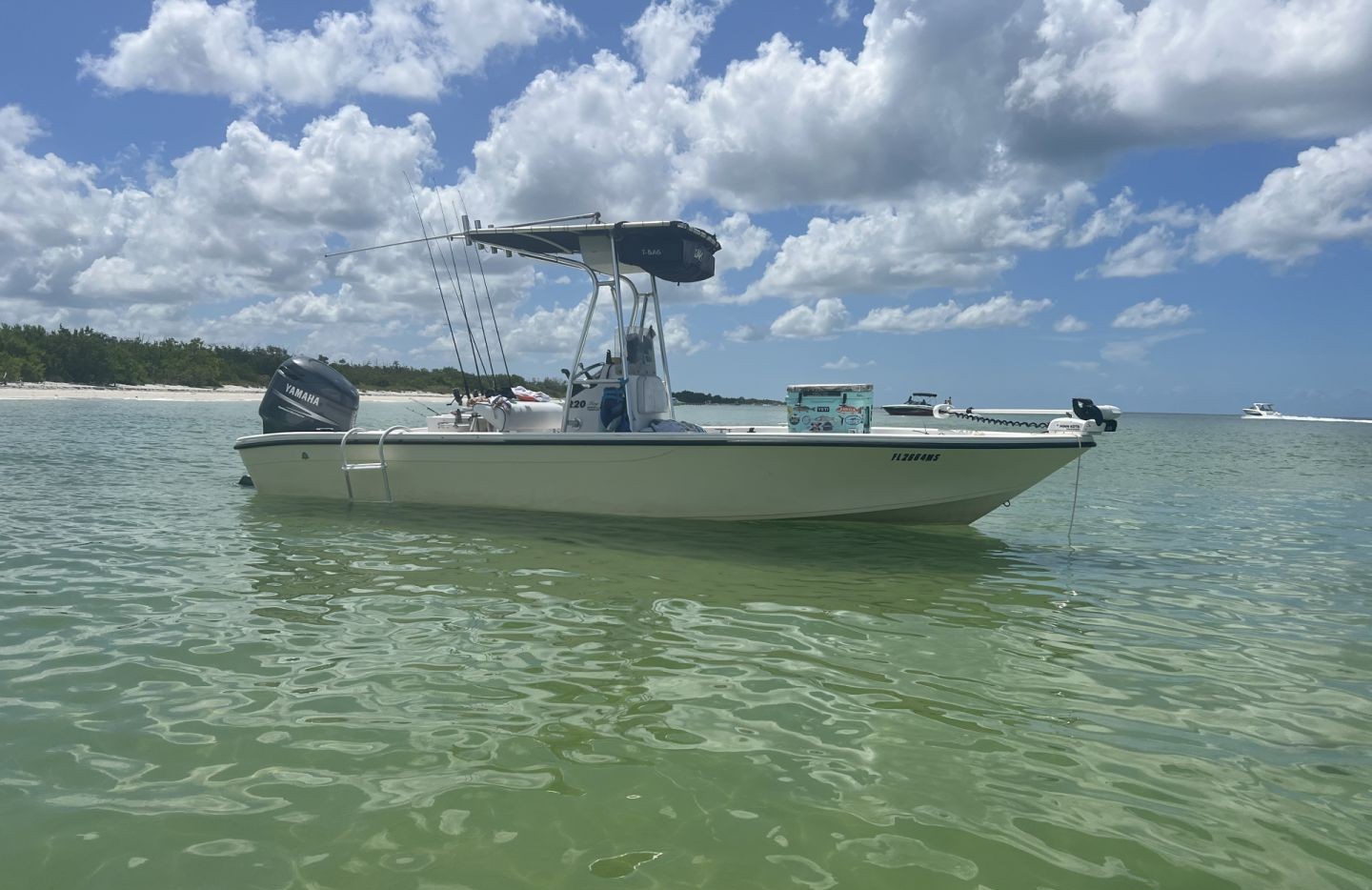
The fishing approach varies based on what's happening that particular day, but live bait fishing forms the backbone of this charter when shrimp, pilchards, or other live offerings are available. Your captain sources fresh bait and rigs it properly for the conditions – free-lining a live shrimp under a mangrove overhang for snook, or using just enough weight to get a pilchard down to where tarpon are rolling. When live bait isn't cooperating or the bite calls for it, cut bait becomes the go-to method. Fresh-cut mullet, ladyfish, or shrimp work magic around structure, especially for redfish and black drum that use their keen sense of smell to track down meals. The crew provides all rods, reels, tackle, and bait, with gear matched to the target species and fishing conditions. You'll be using medium to medium-heavy spinning tackle most of the time, perfect for handling the fight these inshore species deliver while still being manageable for anglers of different skill levels. Circle hooks are standard for most presentations, helping ensure solid hookups and making catch-and-release fishing more successful. The boat is equipped with a trolling motor for quiet approaches to productive spots, and the captain uses his knowledge of tides, structure, and seasonal patterns to put you on fish throughout the four-hour window.
Top Catches This Season
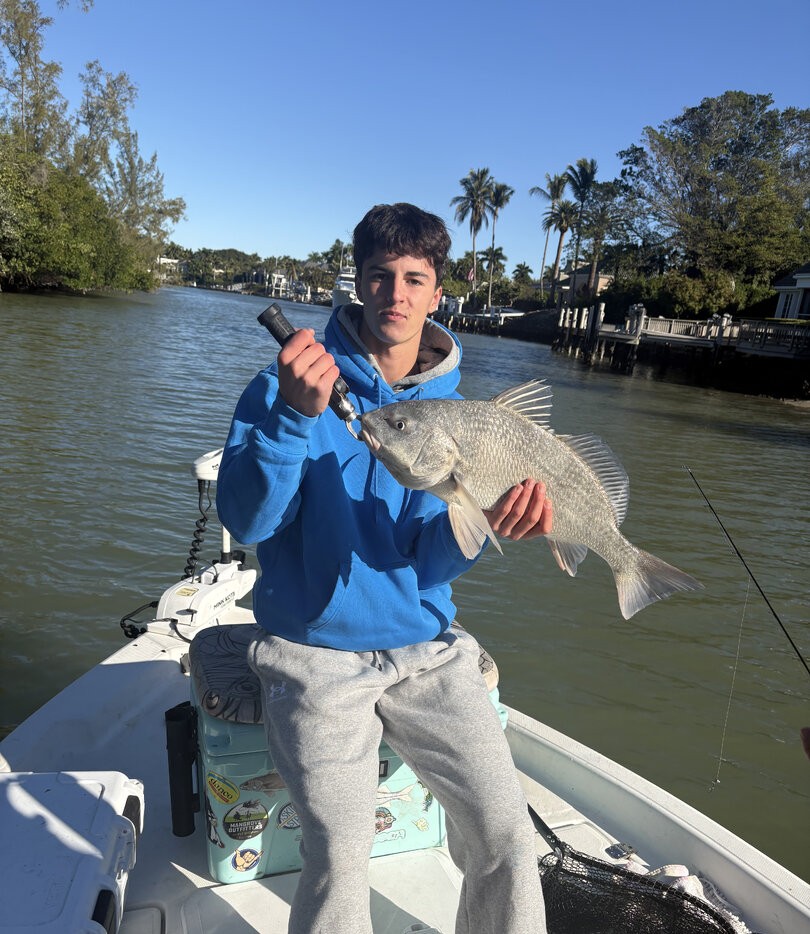
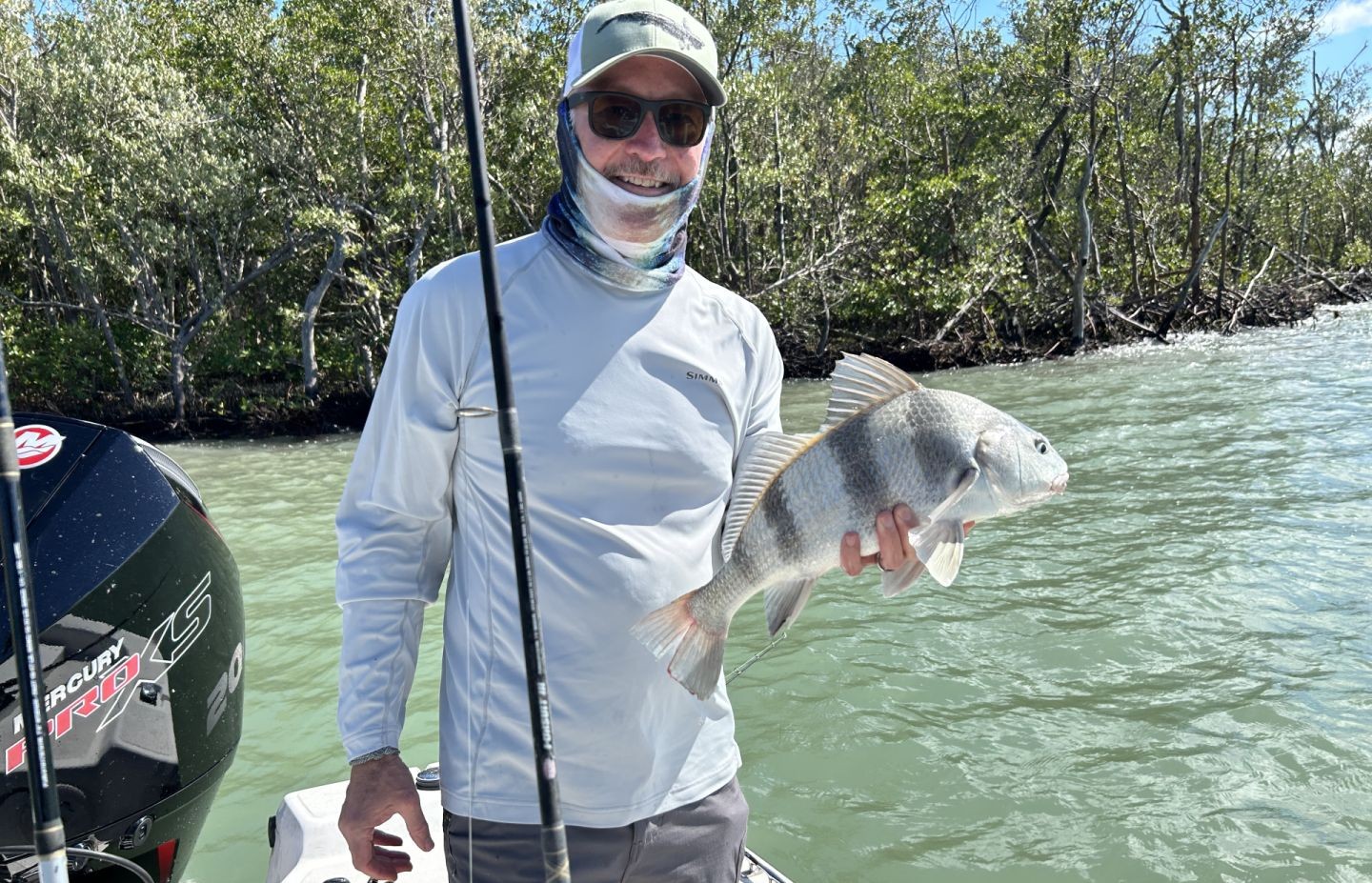
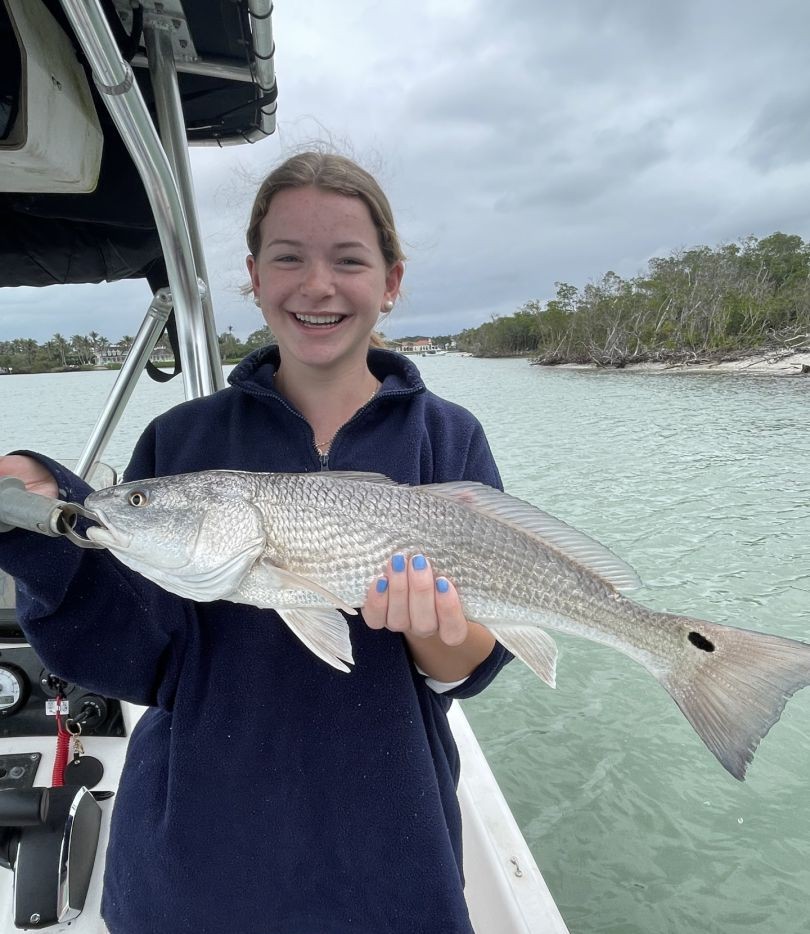
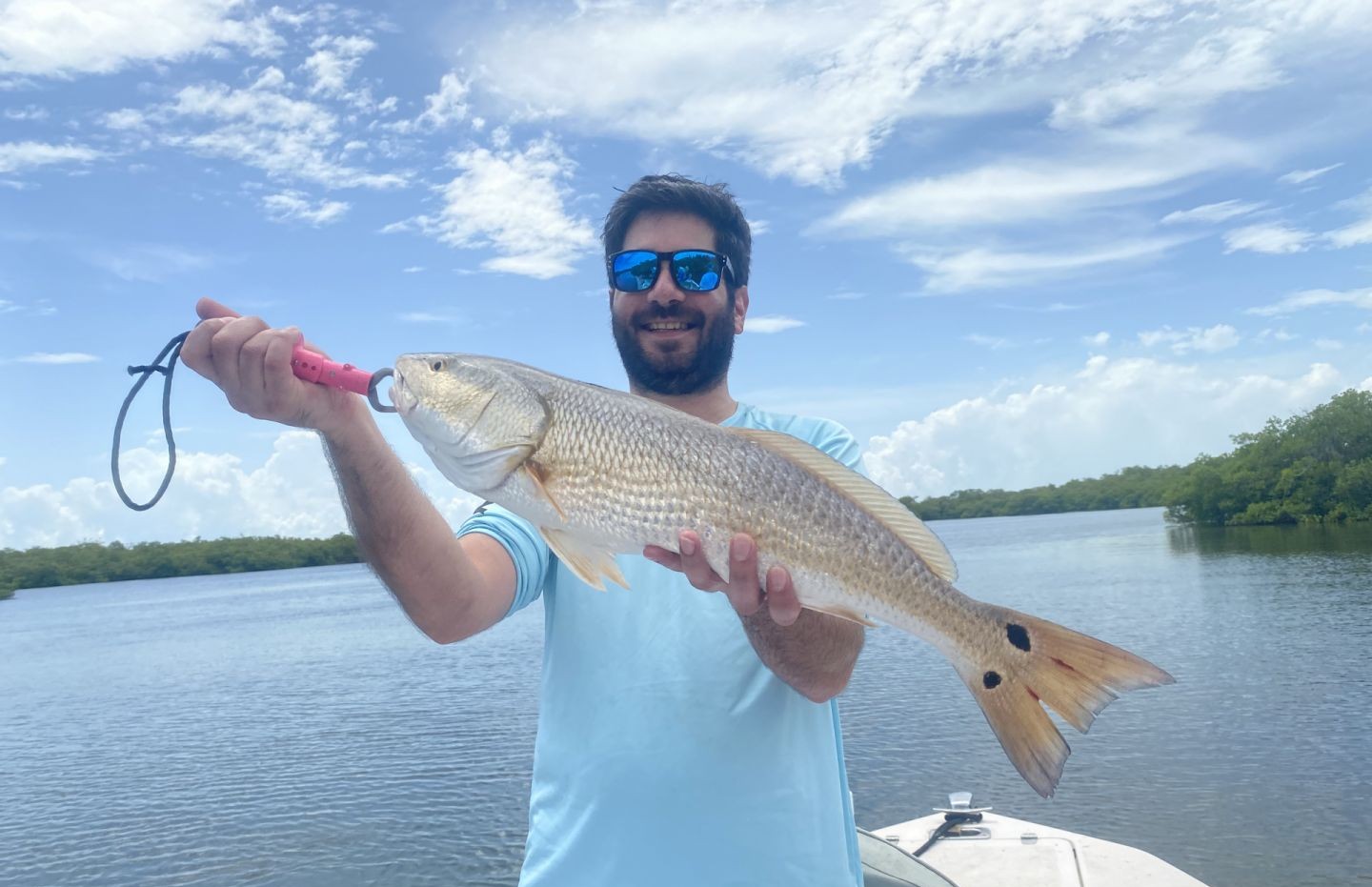
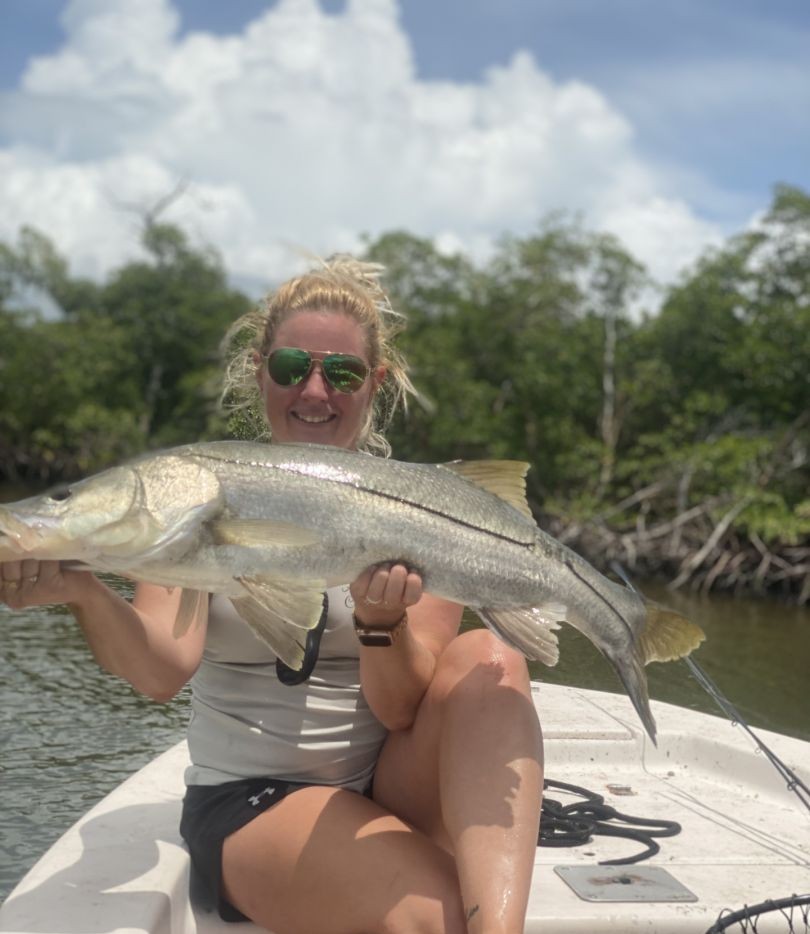
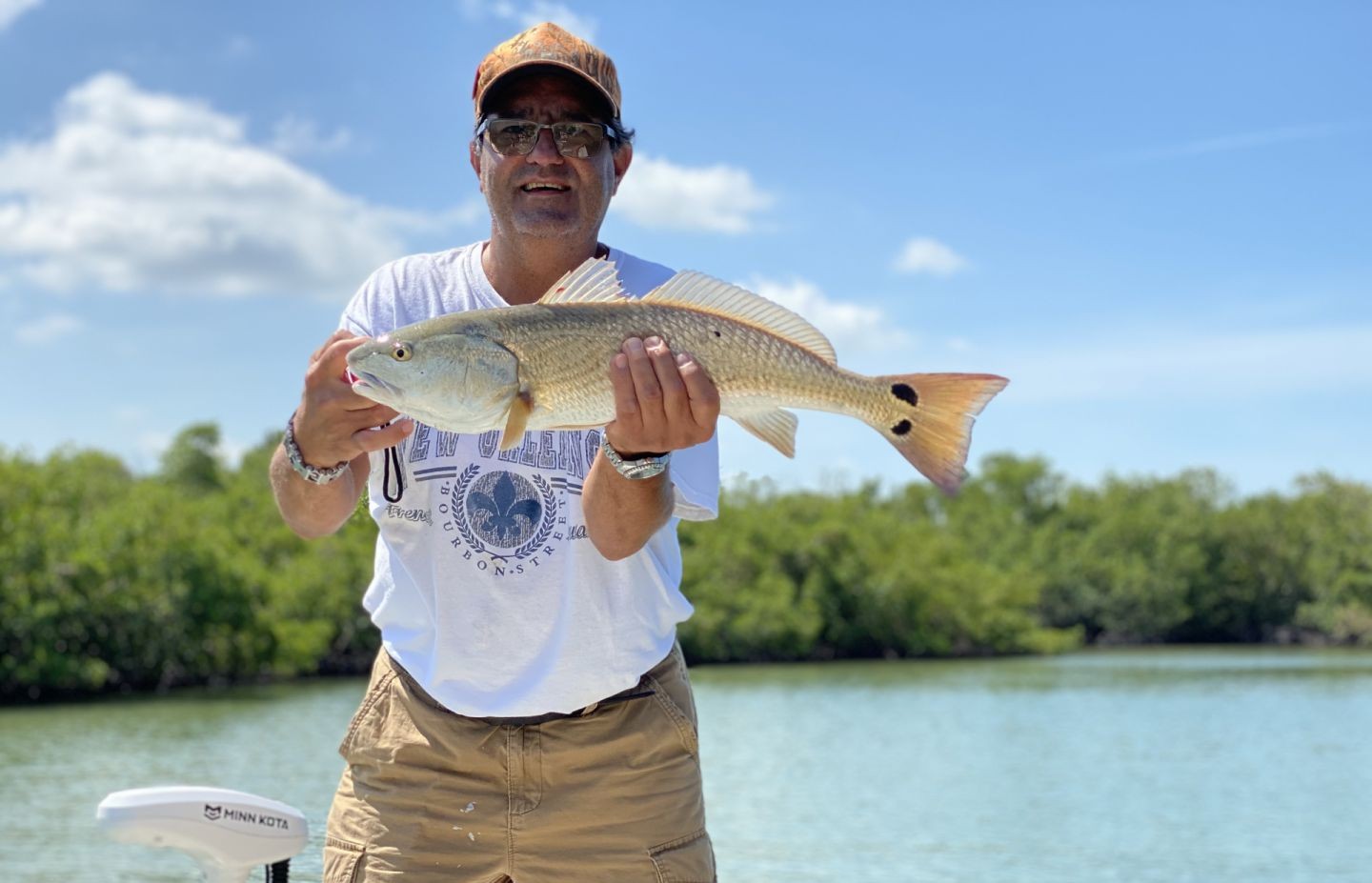
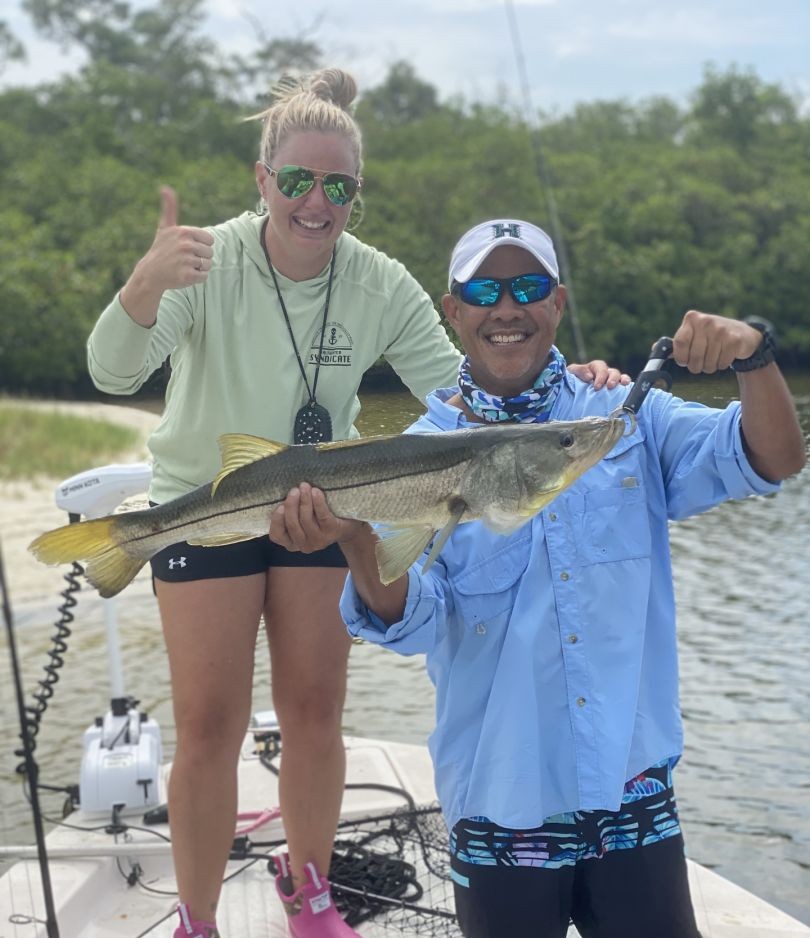
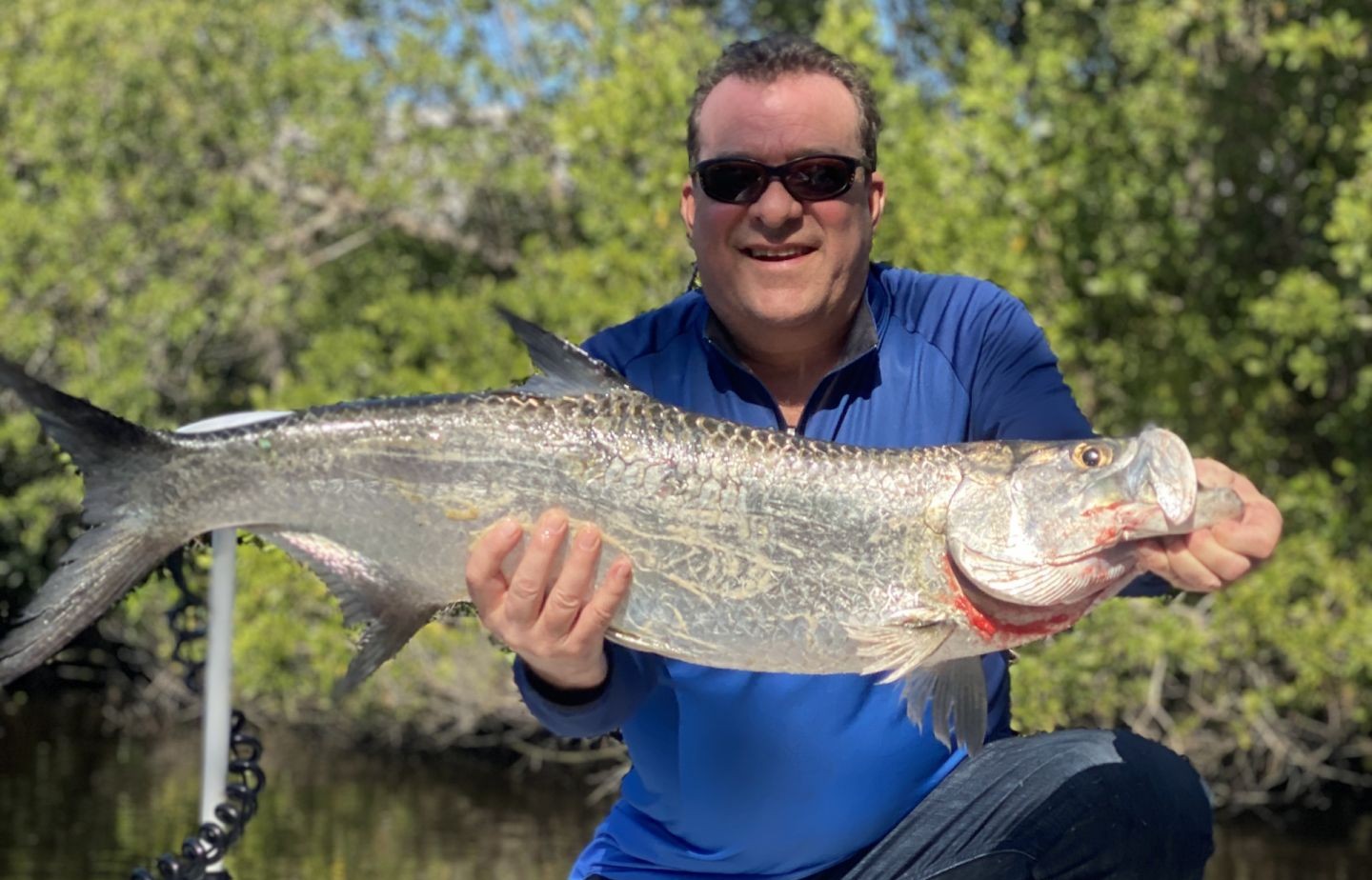
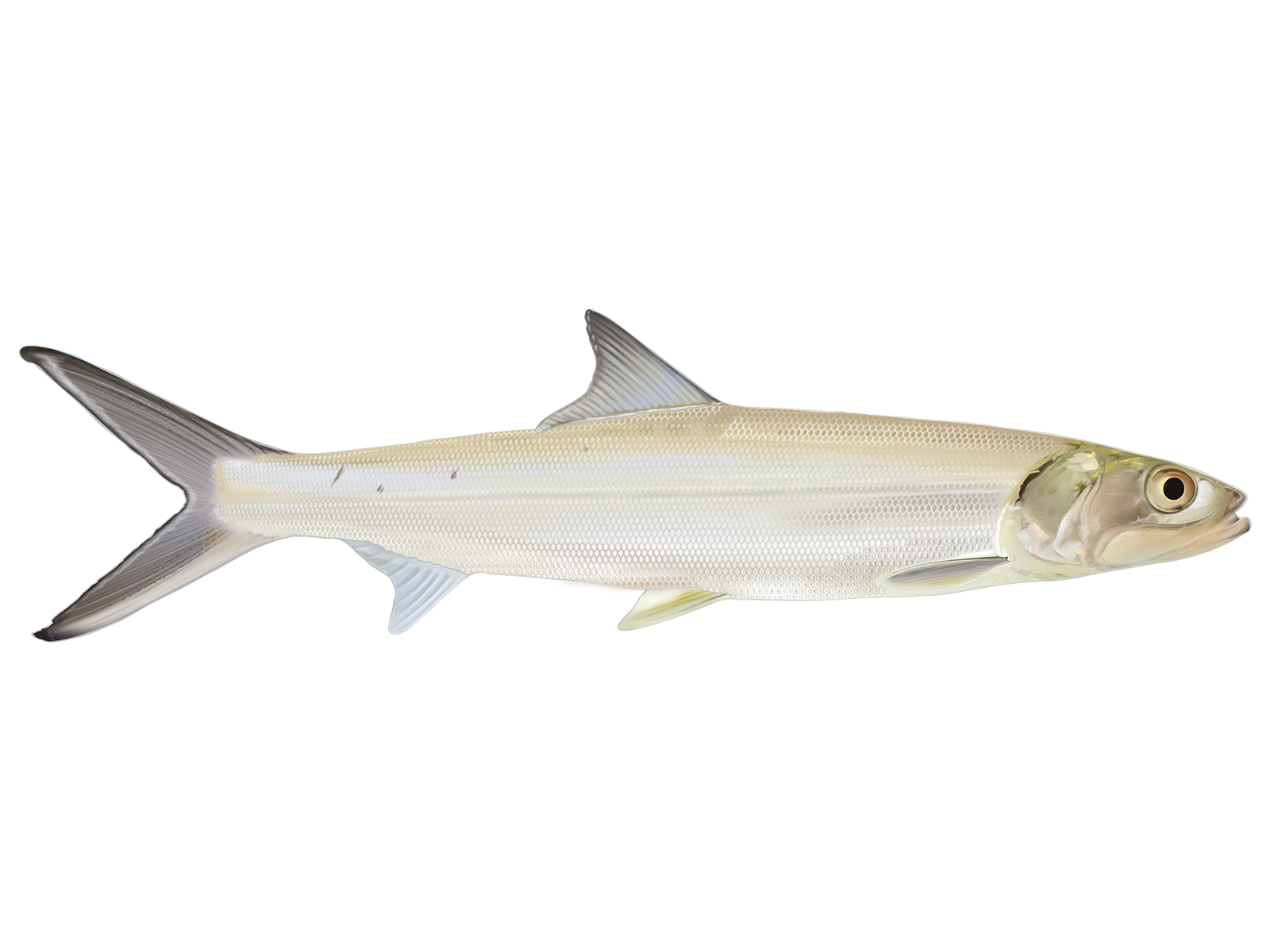
Snook are the marquee species in these backwaters, and for good reason. These ambush predators love the maze of mangrove creeks and canals that define this fishing area, using the structure to their advantage as they hunt for prey. Snook are most active during warmer months, typically from late spring through early fall, though Naples area waters can produce year-round action when temperatures cooperate. What makes snook so exciting is their aggressive strike and the fight they put up in tight quarters. A good snook will make powerful runs toward the nearest structure, testing your drag and the captain's boat-handling skills. They're also beautiful fish, with that distinctive black lateral line and golden coloration that photographs perfectly. Redfish patrol these same waters but with a different approach, often cruising oyster bars and grass flats in small schools. They're year-round residents that provide consistent action, and their copper-bronze coloration and powerful shoulders make them a favorite among inshore anglers. Reds are notorious for their bulldogging fight, staying deep and using their broad sides to work against you. Tarpon bring the real excitement to this fishery, especially during their seasonal migrations. These silver kings can show up in massive numbers during late spring and summer, rolling on the surface and creating heart-stopping moments when they explode on a bait. Even juvenile tarpon in the 20-50 pound range provide aerial displays that create lifelong memories. Black drum add variety to the mix, particularly around oyster bars and bridge pilings where they root for crabs and shellfish. They're strong, steady fighters that can surprise you with their size. Ladyfish round out the target list as willing biters that provide non-stop action when other species are being finicky.
Why This Area Produces Fish
The backwater system between Naples and Marco Island creates perfect inshore fishing habitat, with a complex network of mangrove creeks, oyster bars, and grass flats that provide food, shelter, and ambush points for gamefish. Tidal flow brings fresh nutrients and baitfish through these areas twice daily, creating feeding opportunities that experienced captains know how to time perfectly. The mangroves provide critical habitat, offering shade, structure, and protection for both predators and prey. Snook tuck under these overhangs during the day, while tarpon often roll in the deeper pockets nearby. Oyster bars act as natural restaurants, attracting crabs, shrimp, and small fish that redfish and black drum feed on regularly. The grass flats serve as nursery areas for many baitfish species, creating a food chain that supports healthy populations of gamefish. Water depths in these backwaters typically range from two to eight feet, perfect for sight fishing when conditions allow and creating an intimate fishing experience where you can often see fish before you cast to them. The area's location provides protection from rough weather while still maintaining good water circulation, meaning fishing stays productive even when offshore conditions deteriorate. Multiple creek systems and channels give your captain plenty of options to work with, adapting to tides, wind, and fish behavior throughout the trip.
 Private Trip
 Inshore Fishing
 undefined, undefined


 Four-hour backwater fishing charter between Naples and Marco Island