4 Hour Inshore Trip: Redfish, Flounder And More
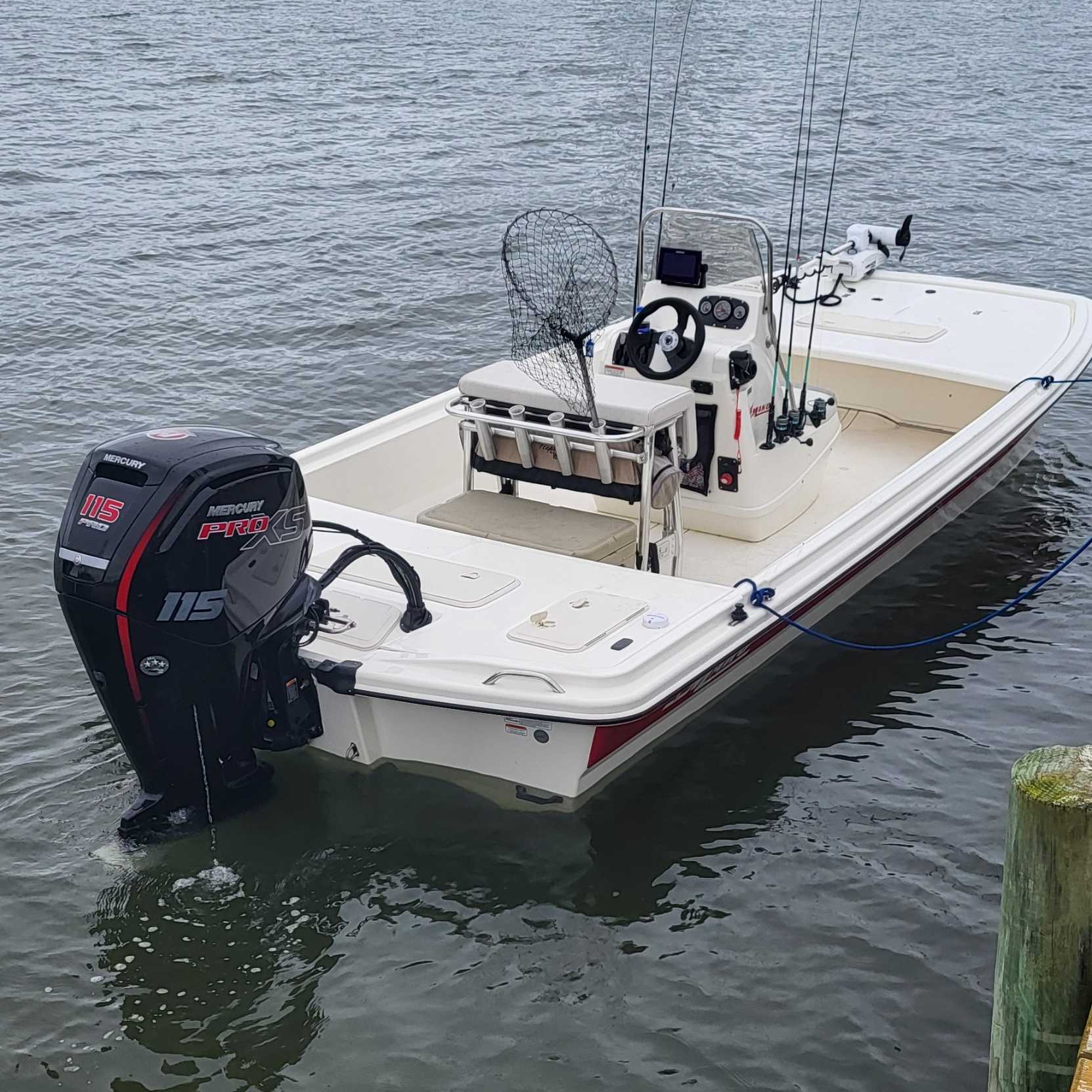
When you're looking for some solid inshore action without committing to a full day on the water, this 4-hour trip with Atlantic Blue Charters hits the sweet spot. We're talking about targeting some of the most reliable and fun species in these waters – redfish, flounder, black drum, sheepshead, and speckled trout. The New River system and ICW offer some of the most productive inshore fishing you'll find, and with just 3 anglers max, you're getting personal attention and prime real estate at the rail. No crowds, no rushing – just good fishing with a captain who knows these waters like the back of his hand.
What to Expect on the Water
This trip takes you through some diverse and productive water. We'll work the grassflats where reds cruise looking for crabs and baitfish, hit the deeper creek bends where flounder ambush prey, and fish the structure around bridges where sheepshead hang out picking at barnacles. The ICW gives us access to different water temperatures and depths, which means we can adapt to what's biting that day. Since it's a 4-hour window, we typically focus on one or two target species rather than running all over creation. That means more time with lines wet and less time burning fuel. You'll fish with both live bait – usually shrimp, finger mullet, or mud minnows – and artificials like soft plastics, spoons, and jigs. The captain reads the conditions and your skill level to put you on fish the most effective way possible.
Techniques and Tackle Setup
The beauty of inshore fishing here is the variety of techniques we can use in a single trip. When we're targeting reds on the grassflats, we'll sight fish with live shrimp under popping corks or work soft plastics along the grass edges. For flounder, it's all about bouncing live mud minnows or gulp baits along the bottom near creek mouths and drop-offs. The bridge fishing gets interesting – we'll use fiddler crabs or shrimp to target sheepshead around the pilings, often sight fishing to fish we can actually see. Your tackle is medium-light spinning gear that's perfect for these species – sensitive enough to feel the subtle bites but with enough backbone to turn a big red away from structure. Live bait gets rigged on circle hooks for better fish care, while artificials are matched to water depth and current. The captain handles all the rigging and re-baiting, so you focus on the fishing, not fumbling with tackle.
Top Catches This Season
Redfish are the stars of this show, and for good reason. These copper-colored bruisers average 18-27 inches in these waters, with plenty of slot fish and some bull reds mixed in when regulations allow. They're most active during moving tides, especially around grass edges and oyster bars. What makes reds so special is their fight – they'll make strong runs and use their broad sides to bulldoze in the current. Plus, they're curious fish that will often come right up to the boat, making for some exciting sight fishing opportunities. Spring through fall offers the most consistent action, but winter can produce some surprising catches on warmer days.
Summer flounder bring a completely different challenge to the table. These masters of camouflage can grow over 20 inches in these waters, and they're ambush predators that require patience and technique. They're most active from late spring through early fall, hanging around creek mouths, channel edges, and any structure changes on the bottom. What anglers love about flounder fishing is the subtle bite – you really have to pay attention to your rod tip. When you hook a good one, they fight with surprising strength and make great table fare. The key is keeping your bait moving along the bottom and being ready for that gentle tap-tap-tap that signals a flounder mouthing your offering.
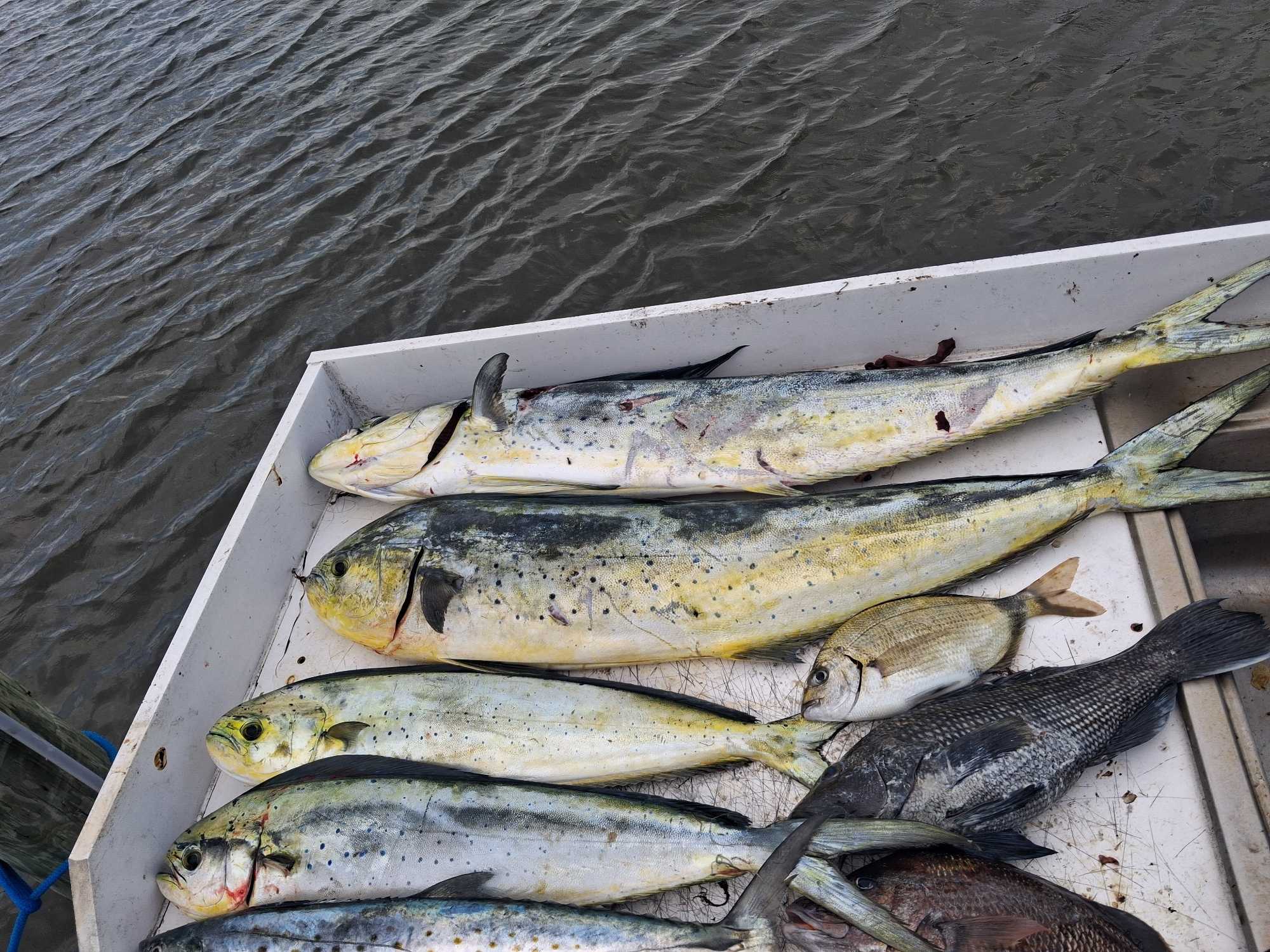
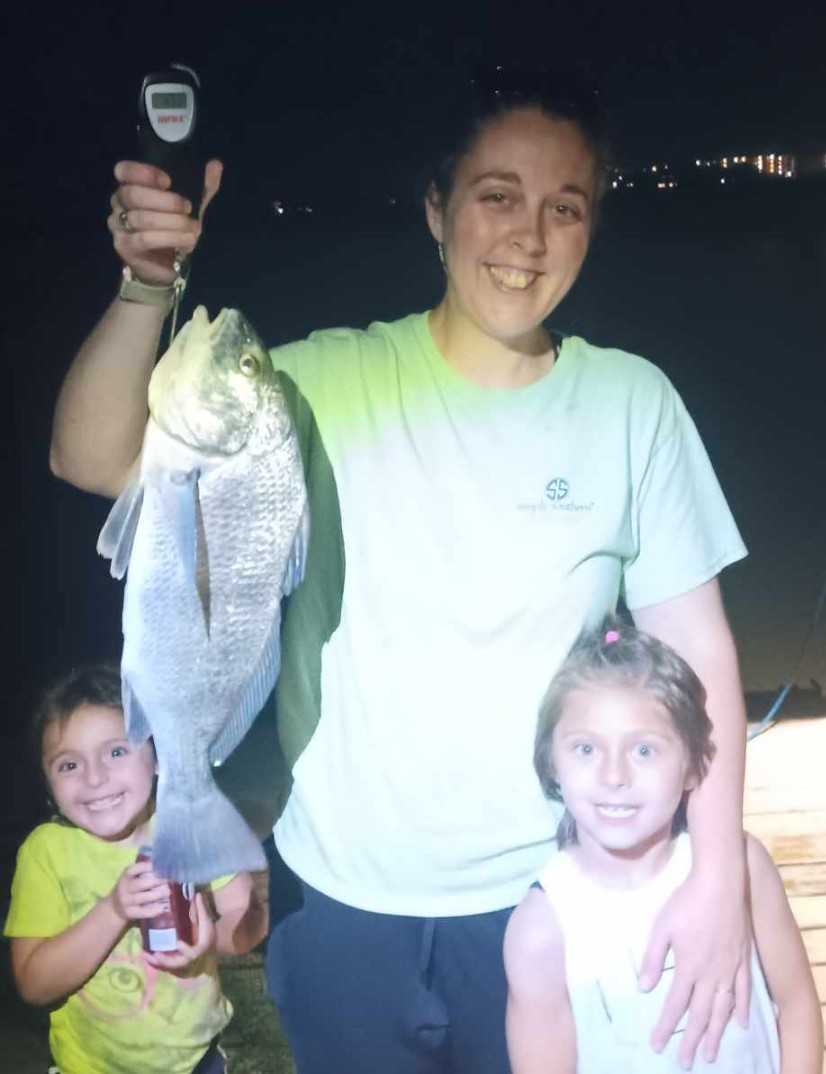
Black drum are the bulldozers of the inshore world, and the New River system holds some quality fish. These bottom-feeders average 14-20 inches but can push much larger, especially around bridge pilings and oyster beds. They're year-round residents but most active during cooler months when they move shallow to feed on crabs and shellfish. What makes black drum fishing addictive is their strength – pound for pound, they might be the strongest fish we target. They'll pull straight down and use every bit of structure to try to break you off. Their drumming sound when you get them to the boat is pretty cool too.
Sheepshead are the technical challenge that keeps things interesting. These convict-striped fish have some of the sharpest eyes and most sensitive mouths you'll encounter inshore. They average 12-16 inches but 3-4 pounders show up regularly around bridge pilings and dock structures. Winter months bring the best action when they school up for spawning. Sheepshead fishing requires precise presentations with fiddler crabs or sand fleas, and you have to set the hook at the first sign of pressure. They're notorious bait stealers, but when you connect with a good one, they'll surprise you with their strength and fighting ability.
Speckled trout round out the target list with their willing bite and acrobatic fights. These spotted beauties average 14-18 inches and can be caught year-round, though spring and fall offer the most consistent action. They school up around grassflats, creek mouths, and deeper holes in the ICW. Trout are aggressive feeders that will hit both live bait and artificials, making them perfect for anglers of all skill levels. Their jumping ability when hooked makes for some exciting moments, and their delicate mouths mean you have to play them carefully to get them to the boat.
Time to Book Your Spot
This 4-hour inshore trip delivers exactly what serious anglers want – quality fishing time with a knowledgeable captain in productive waters
 Private Trip
 Inshore Fishing
 North Carolina


 Target redfish, flounder, trout, and sheepshead in diverse waters