Half Day Guided Fishing Trip In Port Isabel, TX
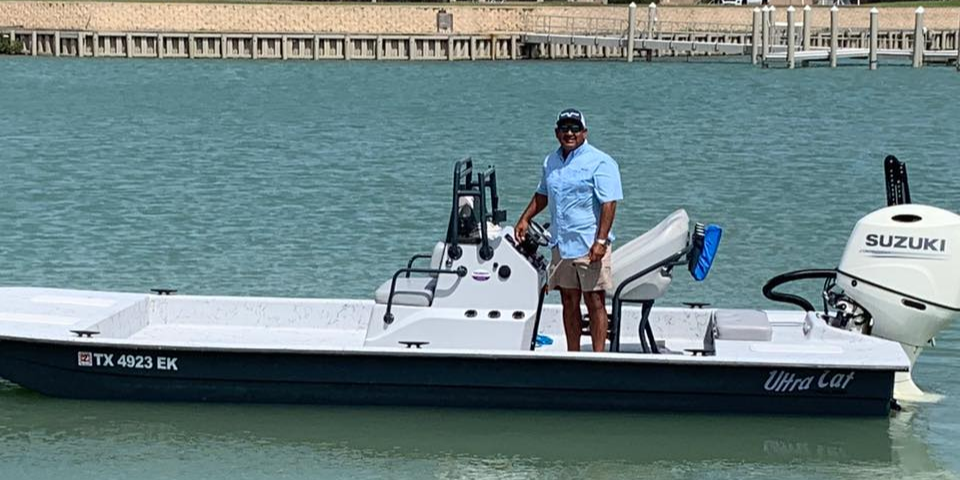
Looking to get your line wet in some of the best inshore waters Texas has to offer? Port Isabel sits right at the gateway to Laguna Madre, where shallow flats and productive back bays hold some serious fish. Captain Austin runs a tight ship on his 23-foot Majek center console – built specifically for these waters and equipped with everything you need for a successful day. Whether you're bringing your kids for their first real fishing adventure or you're a weekend warrior looking to put some bend in your rod, this 4-hour trip delivers the goods. The Laguna Madre system is legendary among Texas anglers, and once you see those grass flats stretching out toward the horizon, you'll understand why so many people drive hours just to fish here.
What to Expect on the Water
Your morning starts at the Port Isabel docks, where Captain Austin will have the Majek rigged and ready to roll. This isn't some cramped boat where you're bumping elbows – the center console design gives both anglers plenty of room to work. You'll head out into the maze of channels and flats that make up the Laguna Madre, where crystal-clear water lets you sight-fish in knee-deep areas or work the deeper channels where big trout like to ambush baitfish. The boat's shallow draft means you can get into spots where other boats can't reach, and Captain Austin knows every productive hole, grass bed, and drop-off in the area. Expect to move around during the trip – if the fish aren't cooperating in one spot, you'll relocate until you find where they're feeding. The pace stays relaxed but focused, with plenty of time to enjoy the scenery and watch for dolphins, rays, and the occasional tarpon rolling on the surface.
Tackle and Techniques
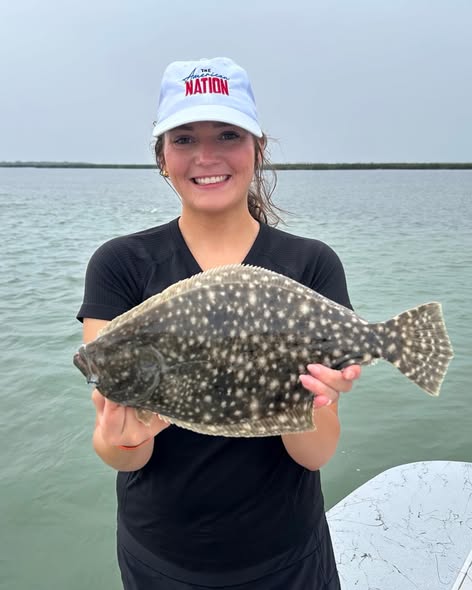
Captain Austin provides all the gear, from rods and reels to tackle and bait, so you don't need to worry about bringing anything except your fishing license and some snacks. You'll be using medium-action spinning rods perfect for inshore species, paired with reels that can handle long runs from redfish and big trout. Depending on conditions and what's biting, you might be throwing soft plastics around grass beds, working live bait under popping corks, or sight-casting to tailing reds in super shallow water. The beauty of Laguna Madre fishing is the variety – one minute you're bouncing a jig along the bottom for sheepshead around structure, the next you're watching your topwater plug get demolished by a big trout at first light. Captain Austin reads the water and adjusts tactics throughout the trip, teaching you techniques that work specifically in these South Texas flats. The clear water means you can often see fish before you cast to them, which adds a whole different element to the experience.
Top Catches This Season
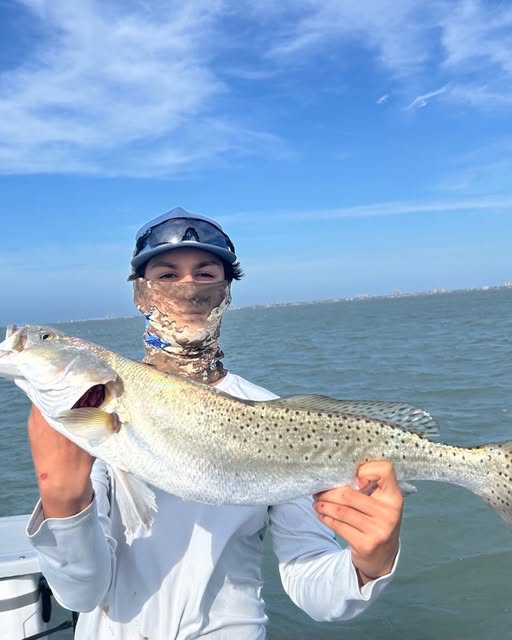
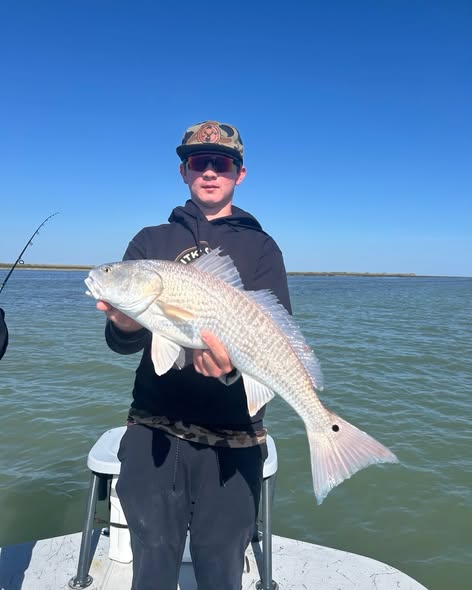
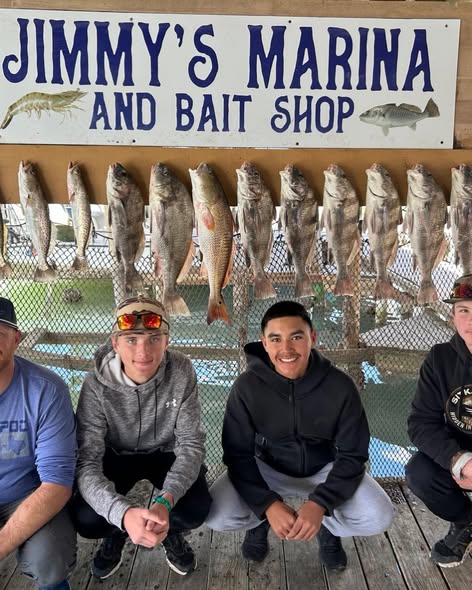
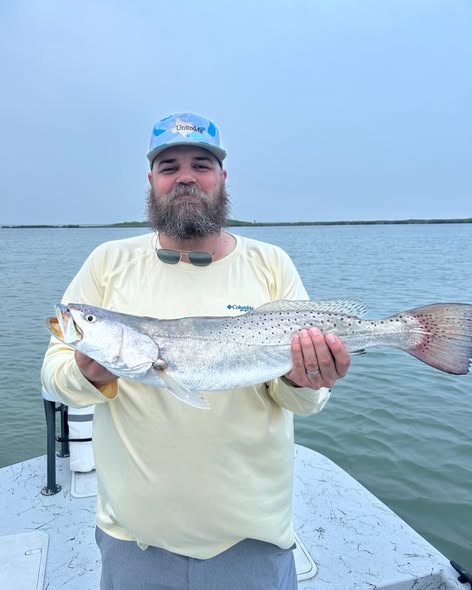
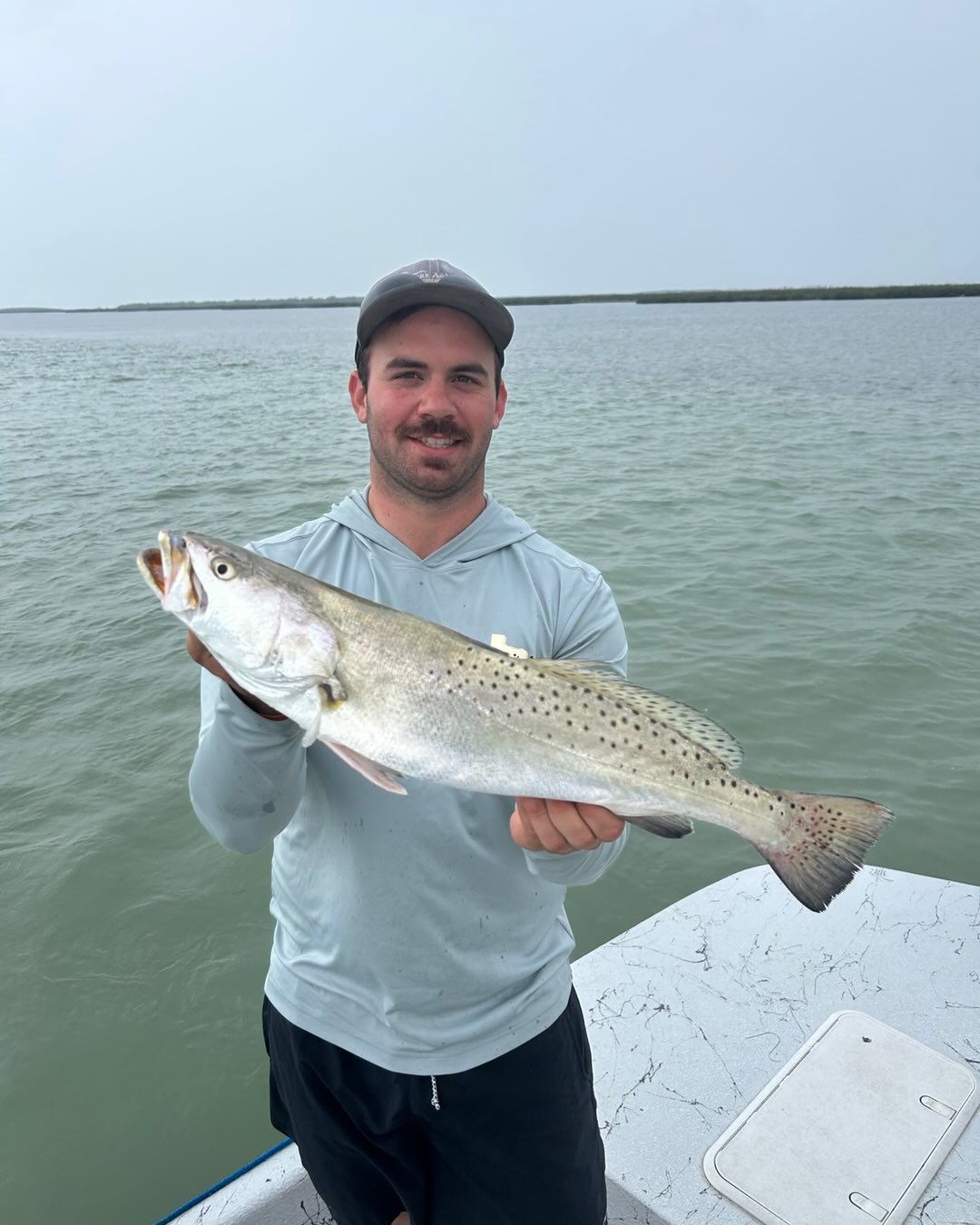
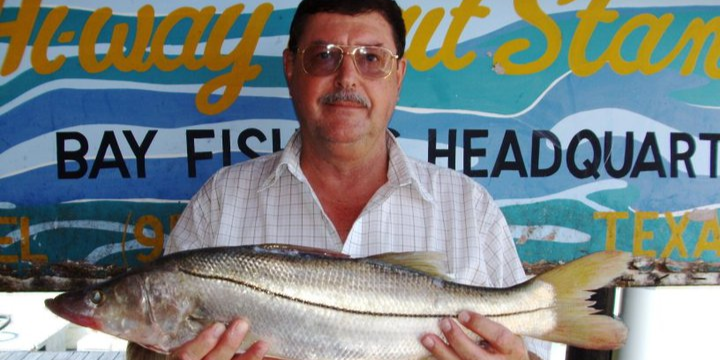
The target species list for this trip reads like a South Texas inshore slam, starting with redfish – the bread and butter of Laguna Madre fishing. These copper-colored bruisers love the grass flats and will give you a fight you won't forget, often making multiple runs before you get them to the boat. Reds here typically run 20 to 30 inches, with plenty of slot-sized fish and some bulls mixed in. Sea trout are another staple, especially during cooler months when they school up in deeper pockets and around shell bars. Spring and fall produce the best trout action, with fish ranging from solid keepers to wall-hangers pushing 25 inches. Sheepshead might not win any beauty contests, but they're some of the best eating fish in these waters and provide plenty of challenge with their finicky bite around barnacle-covered structure. Black drum patrol the same areas as redfish but grow much larger – don't be surprised if you hook into a 30-pound drum that tests your drag system. Snook represent the wildcard species, more common during warmer months and always ready to put on an acrobatic show when hooked.
Species You'll Want to Hook
Redfish are the stars of the show in Laguna Madre, and for good reason. These bronze beauties cruise the shallow flats year-round, often in water so clear you can watch them inhale your bait. Spring through fall offers the most consistent action, with fish actively feeding in the shallows during morning and evening periods. What makes reds so special is their willingness to eat and their bulldogging fight – once hooked, they make powerful runs and use their broad sides to pull drag. You'll find them tailing in inches of water or cruising grass beds in small schools, always ready to pounce on a well-placed soft plastic or live shrimp.
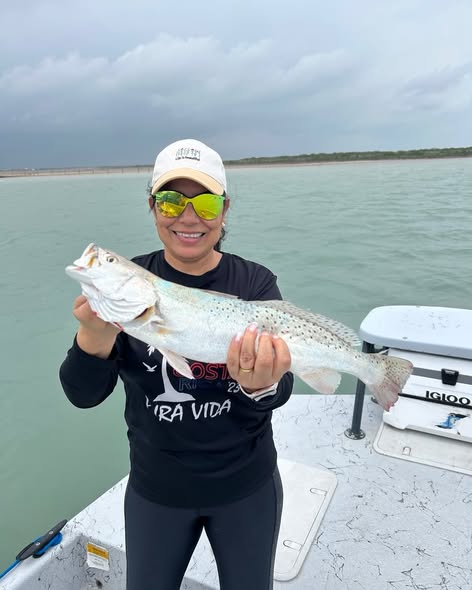
Sea trout bring a different kind of excitement to the table, especially the big females that locals call "yellow mouths." These spotted fighters prefer slightly deeper water around grass beds and shell bars, where they ambush schools of mullet and shrimp. Fall and winter months produce the largest trout, with fish over 20 inches common during cold fronts when they stack up in predictable areas. Trout have softer mouths than reds, so the fight requires finesse, but their aggressive strikes and jumping ability make up for any lack of raw power. Plus, they're fantastic table fare when prepared properly.
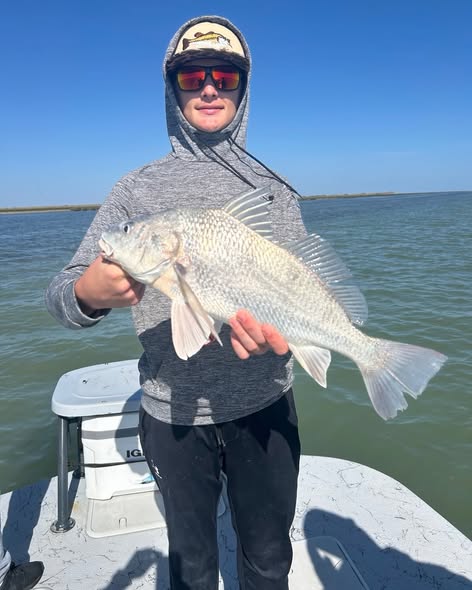
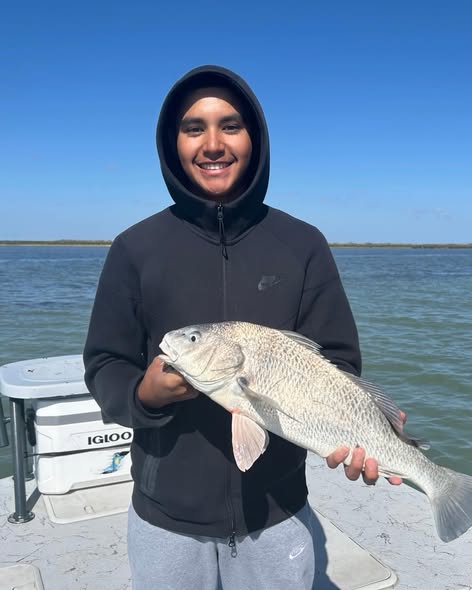
Sheepshead might look like they're frowning, but these black-and-white striped fish are prized by anglers who appreciate technical fishing and great eating. They hang around any structure with barnacles or oysters, using their human-like teeth to crunch crustaceans and small shellfish. Sheepshead fishing requires patience and a sensitive touch – they're notorious bait stealers who can clean your hook without moving your rod tip. But when you connect with a good one, they fight surprisingly hard for their size and make some of the best fish tacos you'll ever eat.
Black drum are the heavyweights of the inshore scene, with mature fish reaching 40 pounds or more
 Private Trip
 Inshore Fishing
 Port Isabel


 Four-hour inshore fishing adventure targeting redfish and sheepshead