Islamorada FL Fishing Charters
Picture yourself casting into some of the clearest, most productive backcountry waters in the Florida Keys, where the afternoon light filters through mangrove canopies and world-class gamefish prowl the flats. That's exactly what you'll get with Bank And Bight Backcountry Charters right here in Islamorada. This half-day afternoon trip puts you in prime position to target trophy species without dealing with the morning rush or crowded fishing spots. We're talking about genuine backcountry fishing – the kind where you slip through shallow cuts, work the edges of grass beds, and feel that heart-stopping moment when a tarpon rolls just yards from your boat. Your captain handles all the gear, tackle, and navigation, so all you need to worry about is bringing your appetite for adventure and maybe some snacks to keep you fueled up.
What to Expect on the Water
This isn't your typical party boat scenario – we keep things intimate with just two anglers max, which means personalized attention and plenty of elbow room when you're fighting fish. The afternoon timing works perfectly here in Islamorada because you're hitting the water when most folks are heading in, giving you access to less pressured fish and those magical golden hour moments. Your captain knows these backcountry waters like the back of his hand, from the productive grass flats near Snake Creek to the deeper pockets where big tarpon like to stage. The boat setup is designed for sight fishing and working shallow water, so you'll be able to get into spots that bigger vessels can't reach. Don't worry about lugging coolers full of ice or trying to figure out what lures work best – your captain's got the tackle dialed in and the boat stocked with everything you need to be successful.
Backcountry Tactics & Gear
Fishing Islamorada's backcountry is all about reading the water and adapting your approach. Your captain will have you working with light tackle setups perfectly matched to the species we're targeting – think spinning reels loaded with 20-pound braid and fluorocarbon leaders that won't spook wary fish in these clear shallows. Depending on conditions and what's biting, you might be sight casting to tailing redfish with DOA shrimp, working topwater plugs over grass beds for sea trout, or presenting live pilchards to cruising tarpon. The beauty of backcountry fishing is the variety – one minute you're poling through knee-deep water looking for nervous baitfish, the next you're anchored up on a point throwing live bait to rolling tarpon. Your captain reads the tides, wind, and fish behavior to put you in the right spots at the right times, adjusting techniques throughout the trip to keep you connected to fish.
Top Catches This Season
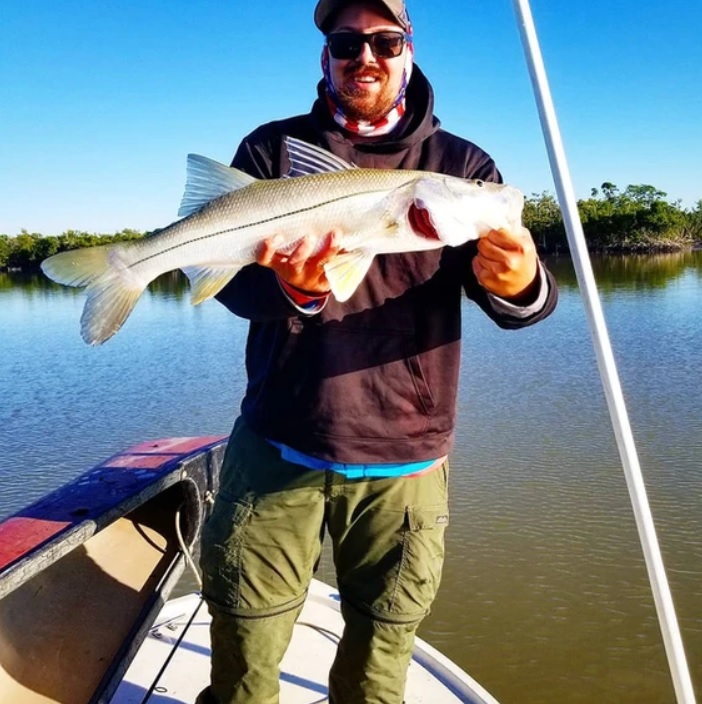
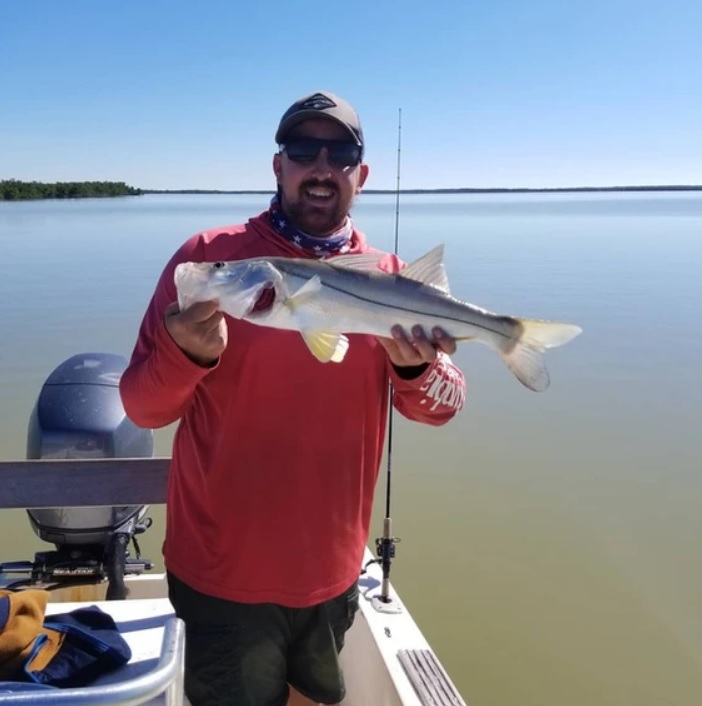
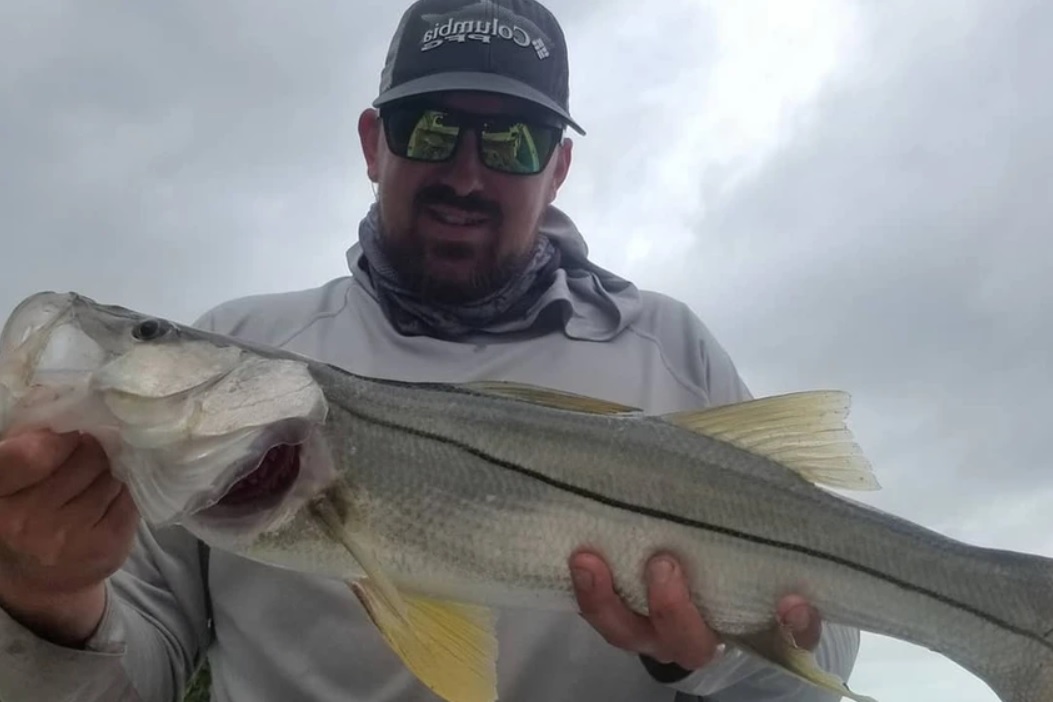
Snook are the bread and butter of Islamorada backcountry fishing, and these ambush predators know how to use structure to their advantage. You'll find them hanging around mangrove shorelines, bridge pilings, and oyster bars, especially during moving tides. They're incredibly aggressive when feeding but also frustratingly finicky – that's what makes landing a slot snook so rewarding. Most fish here run 24 to 32 inches, with the occasional bruiser pushing 35-plus. Spring through fall gives you the best action, particularly during the warmer months when they're actively feeding in shallow water.
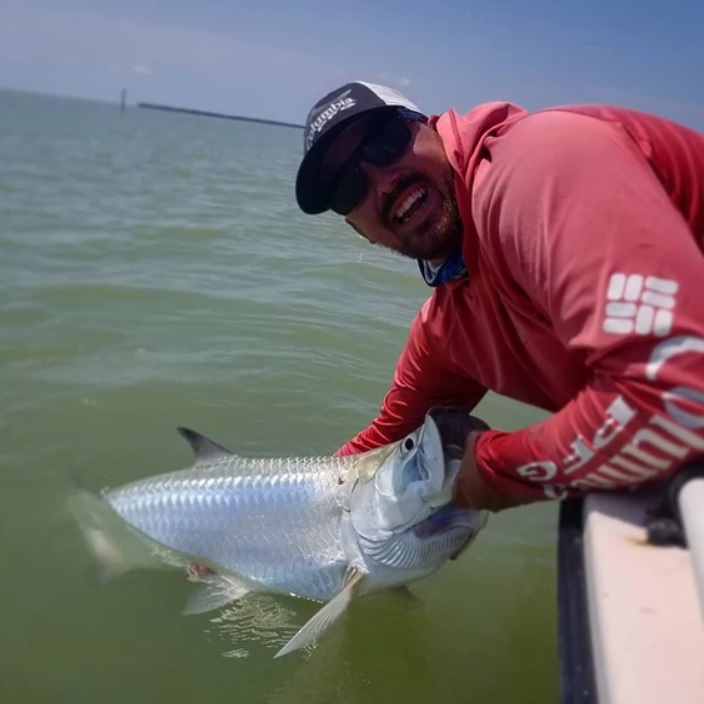
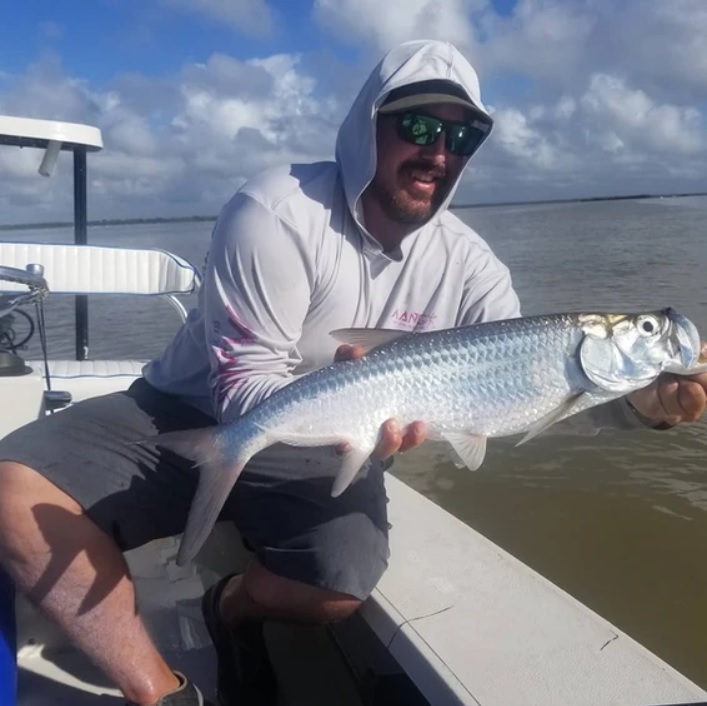
Tarpon fishing in these backcountry waters is something every angler needs to experience at least once. These silver kings range from juvenile fish in the 20 to 40-pound class all the way up to mature adults exceeding 100 pounds. What makes Islamorada special is you can target them year-round, though the best action typically runs from March through October. Watching a six-foot tarpon launch itself skyward just feet from your boat never gets old, and the fight on light tackle will test every bit of your skill and endurance. They're catch-and-release fish, but the photos and memories last forever.
Sea trout are perfect for anglers looking to bend rods consistently while still having shots at bigger fish. These spotted beauties love grass flats and deeper pockets throughout the backcountry, and they're willing biters most of the year. The best fish typically run 2 to 4 pounds, though gator trout exceeding 5 pounds show up regularly. They're excellent table fare if you're looking to take a few home for dinner, and they fight harder than their size suggests on appropriate tackle.
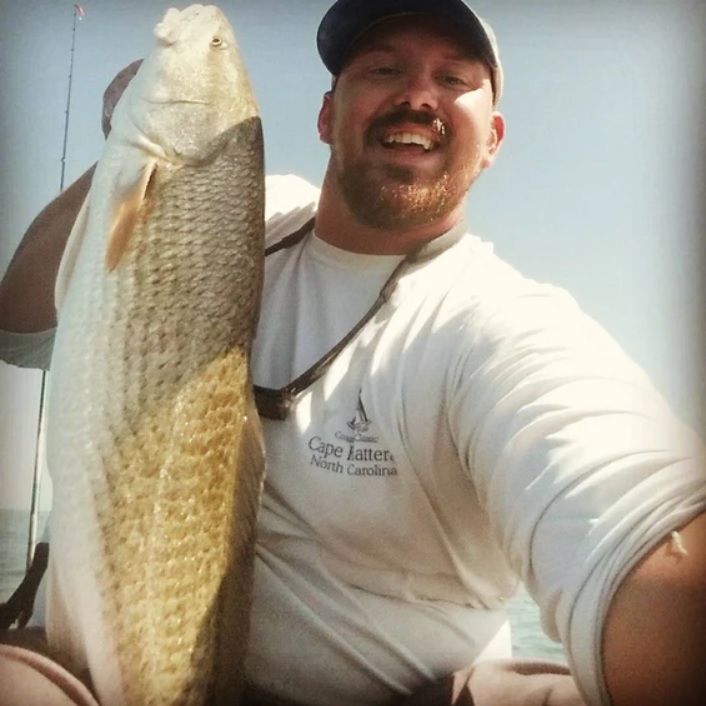
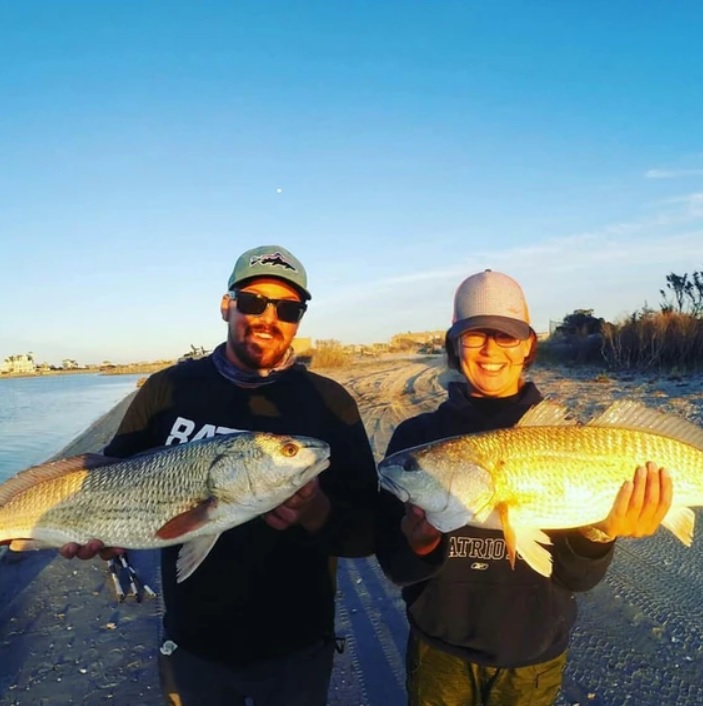
Redfish are the ultimate sight fishing target in these shallow waters, and Islamorada's backcountry holds some real giants. You'll encounter everything from schooling rats in the 18 to 24-inch range up to bull reds that can stretch past 35 inches and weigh 20-plus pounds. The visual aspect is what hooks most anglers – seeing that copper-colored back and distinctive spot as they cruise the flats, then watching your fly or lure disappear in a violent strike. Peak season runs from late summer through early winter, but you can find them year-round if you know where to look.
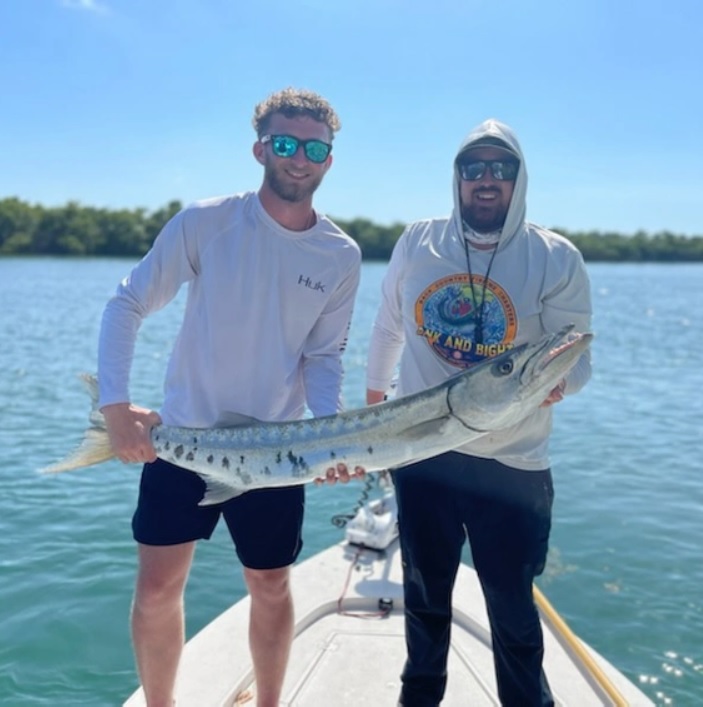
Great barracuda add an element of excitement with their explosive strikes and impressive speed. These toothy predators patrol the deeper edges of flats and channels, often following other fish you've hooked before deciding to strike themselves. They average 5 to 15 pounds in the backcountry, though bigger fish over 20 pounds aren't uncommon. Wire leaders are essential, and their initial runs will test your drag system. They're particularly active during warmer months and love bright, flashy lures worked with erratic retrieves.
Time to Book Your Spot
Half-day afternoon trips in Islamorada's backcountry offer the perfect balance of productive fishing time and relaxed atmosphere that keeps anglers coming back season after season. With personalized service for just two guests, top-rate
 Private Trip
 Backcountry Fishing
 Islamorada


 Half-day afternoon fishing charter in peaceful backcountry waters