6 Hour Inlet/Nearshore Charter - Sebastian Inlet
Looking for a solid day on the water where you can actually put fish in the boat? This 6-hour charter out of Sebastian Inlet gives you the best of both worlds - protected inshore waters when conditions call for it, and nearshore Atlantic action when the fish are biting outside. Captain runs a tight ship with live bait presentations that consistently produce results. You'll cover prime spots in the Indian River, work the inlet structure, and push out into the Atlantic when the bite is on. Maximum two anglers means personalized attention and plenty of room to work your fish without bumping elbows.
What to Expect on the Water
This charter starts early to beat the crowds and hit the prime feeding windows. You'll launch from Sebastian Inlet, one of Florida's most productive fishing zones, where the Indian River meets the Atlantic. The captain reads conditions daily and adjusts the game plan accordingly - some days that means working the mangrove shorelines for reds and snook, other days it's running outside to target tarpon rolling in the nearshore waters. Live bait is the name of the game here, with fresh pilchards, pinfish, and shrimp depending on what the target species are eating. The boat stays positioned over structure and current breaks where gamefish ambush baitfish. You'll learn to read the water, watch for diving birds, and understand why certain spots hold fish while others don't. With only two spots available, you get hands-on coaching and plenty of opportunities to work different techniques throughout the day.
Live Bait Tactics & Techniques
Success on this charter comes down to proper live bait presentation and understanding how different species feed in these waters. The captain runs a well-maintained live well and knows where to catch the freshest bait before hitting the fishing spots. Pilchards get rigged on circle hooks and freelined near structure for snook and tarpon, while bottom rigs with live shrimp work the grass flats for redfish and mangrove snapper. You'll learn to feel the difference between a pickup and structure, how to set the drag for different species, and when to let a fish run versus applying pressure. The inlet itself offers unique opportunities - incoming tides bring baitfish through the channel, creating feeding frenzies that can produce multiple species in short order. Nearshore structure like reefs and wrecks hold snapper and occasional cobia, while the surf zone attracts tarpon during their seasonal migrations. Terminal tackle varies by target species, from light spinning gear for snapper to heavy conventional setups when tarpon show up in numbers.
Target Species You'll Want to Hook
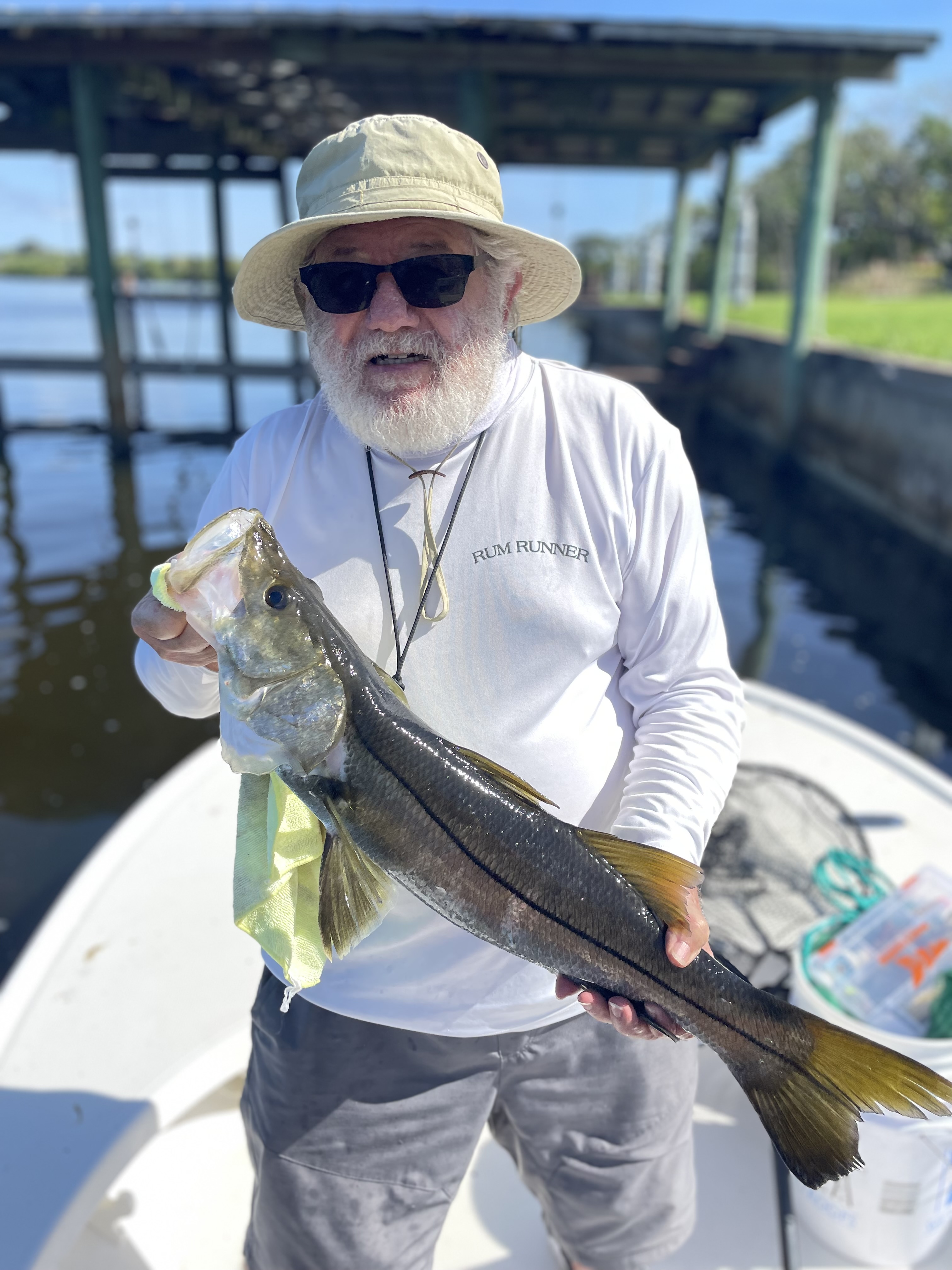
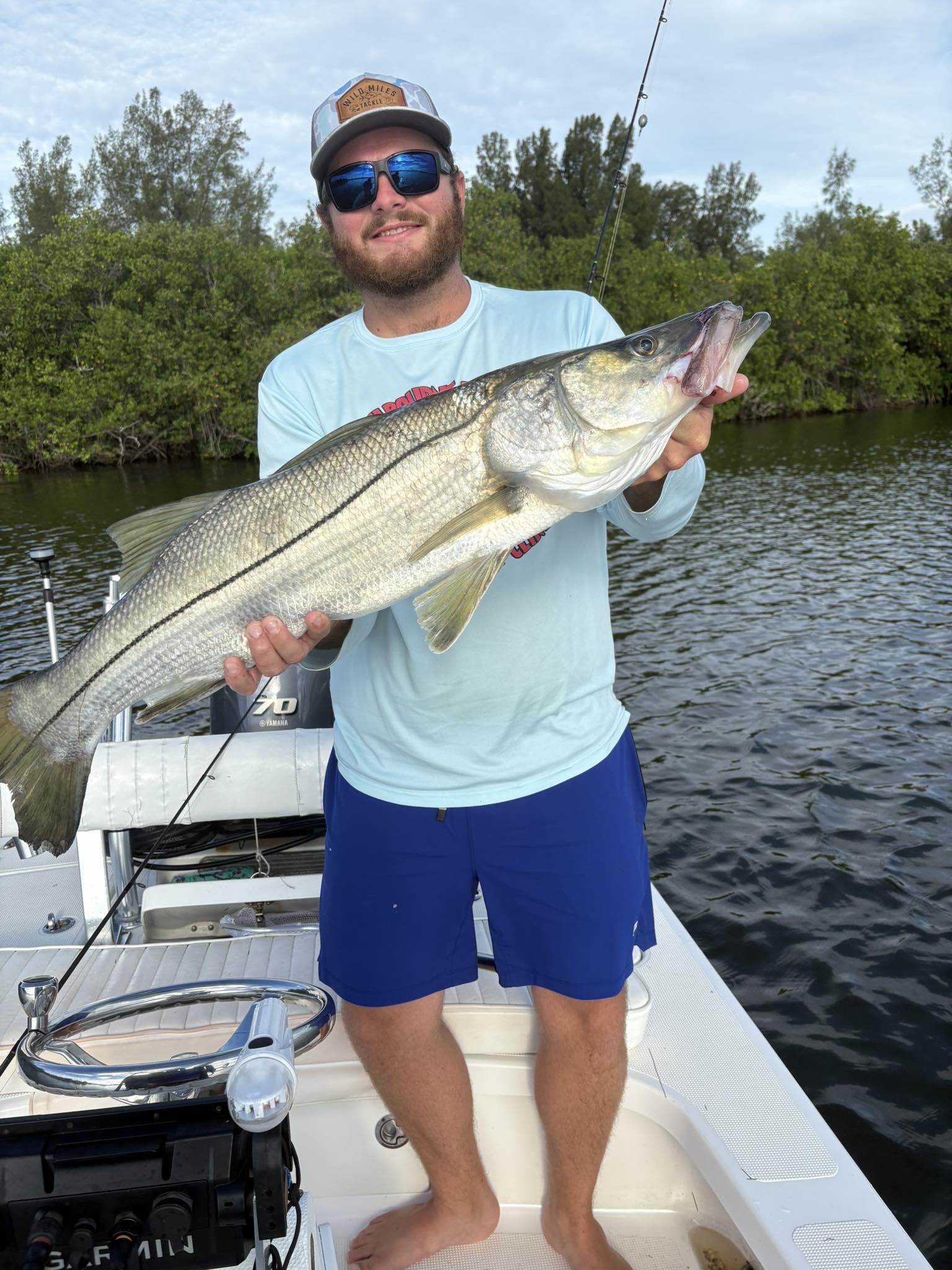
Snook are the bread and butter of this fishery, especially around the inlet's rock jetties and mangrove shorelines. These ambush predators love live pilchards presented near structure, and Sebastian Inlet consistently produces slot-sized fish year-round. Peak action happens during dawn and dusk feeding periods, when snook move shallow to hunt baitfish. They're notorious for their explosive strikes and acrobatic fights, often jumping multiple times before coming to the boat. The slot limit keeps things interesting - you'll need fish between 28 and 33 inches to keep, making every hookup a potential keeper or a catch-and-release trophy.
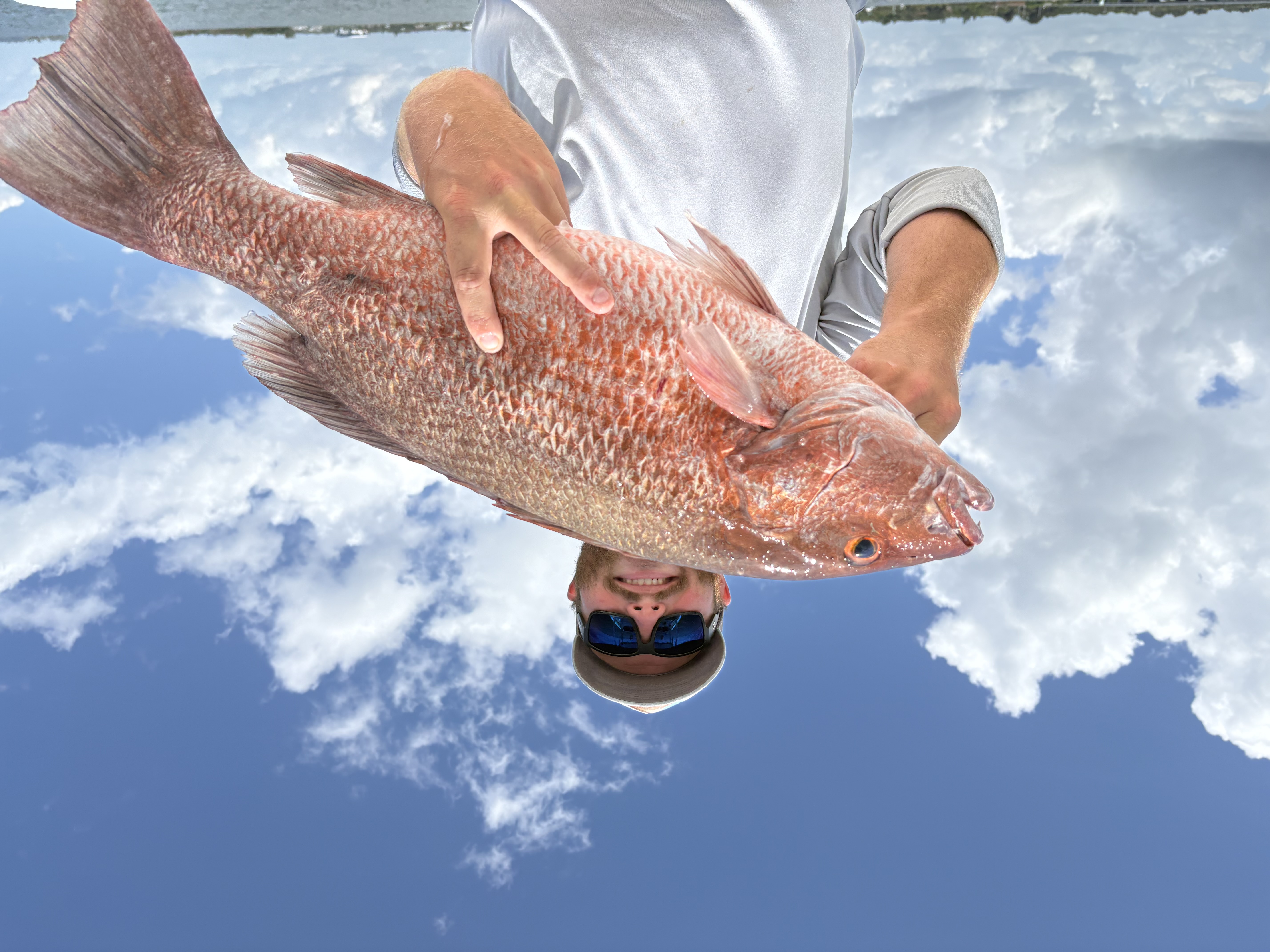
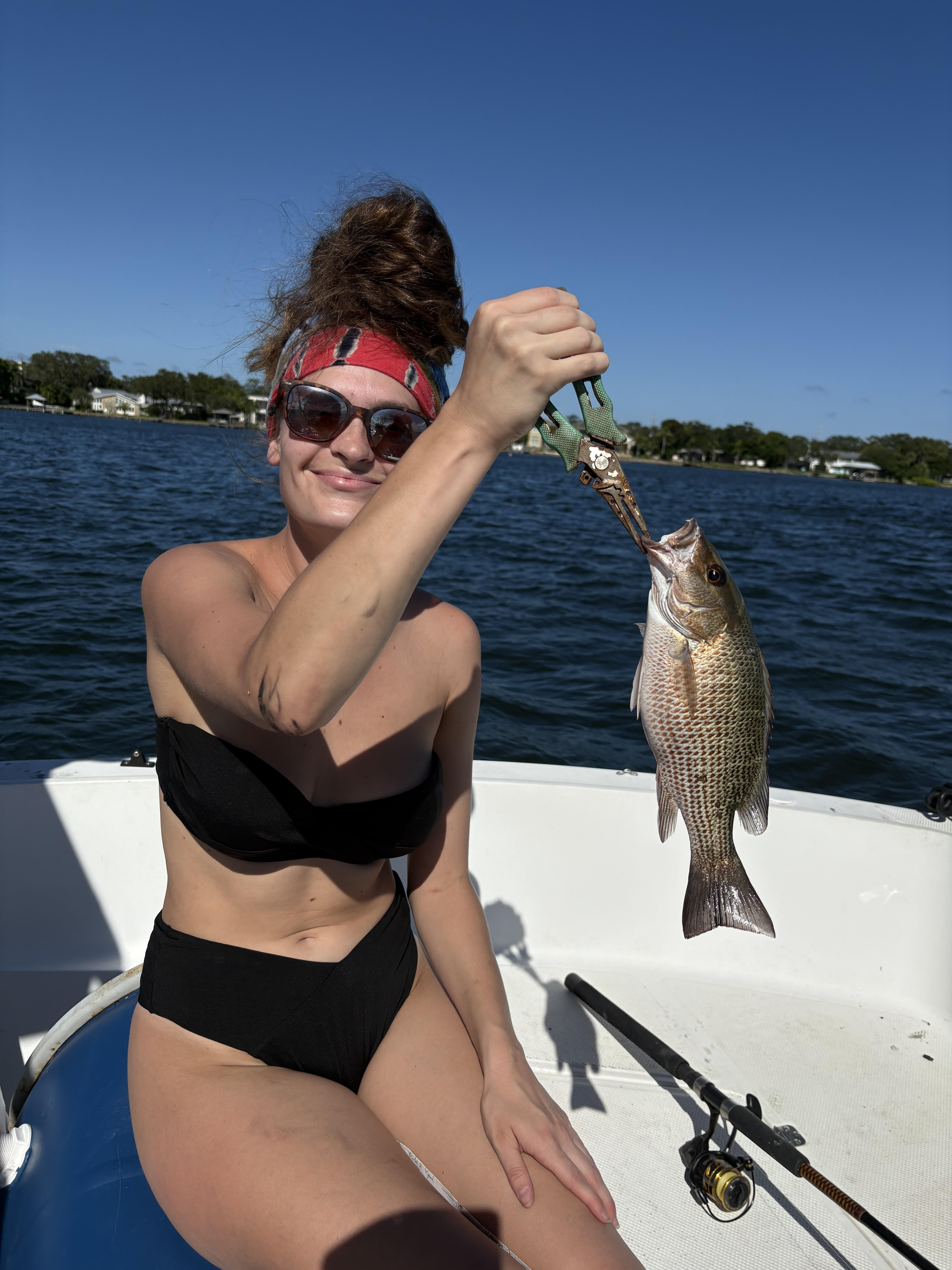
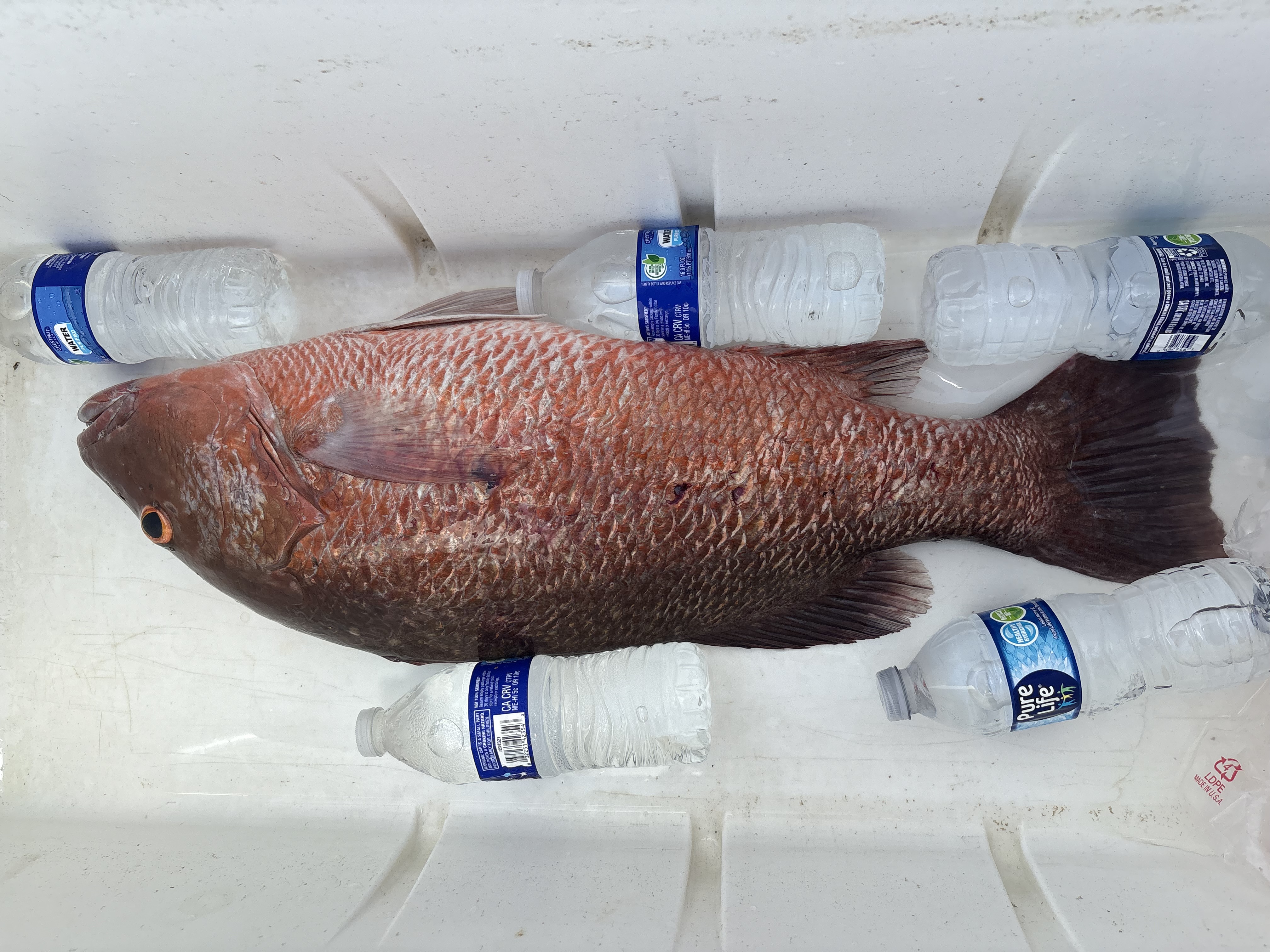
Grey snapper, or mangrove snapper as locals call them, school up around bottom structure throughout the area. These smart fish require finesse - light leaders, small hooks, and perfectly presented live shrimp or small pilchards. They're excellent table fare and fight harder than their size suggests, making multiple runs back to structure. Best fishing happens over grass flats adjacent to deeper channels, where they feed during moving tides. Spring through fall offers the most consistent action, with larger breeding-sized fish moving into the shallows during summer months.
Tarpon are the crown jewel of this fishery, particularly during spring and summer migrations when schools of 80 to 150-pound fish cruise the nearshore waters. These silver giants require heavy tackle and strong hearts - their initial run can strip 100 yards of line in seconds, followed by spectacular aerial displays. Sebastian Inlet sees consistent tarpon action from March through October, with peak numbers during May and June. Even smaller tarpon in the 30 to 60-pound range provide world-class sport fishing, and the area's clear water means you can often sight-fish to rolling schools.
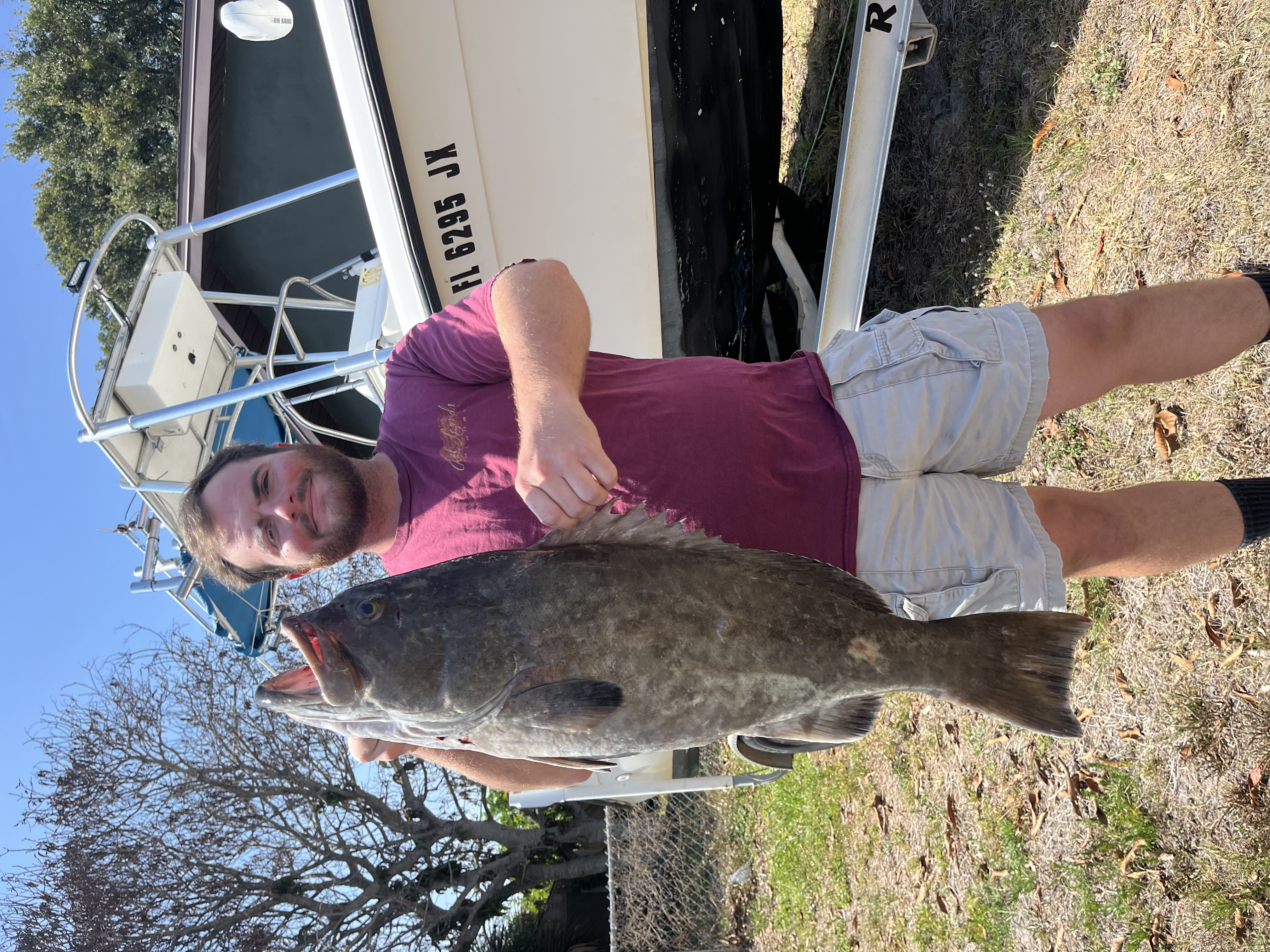
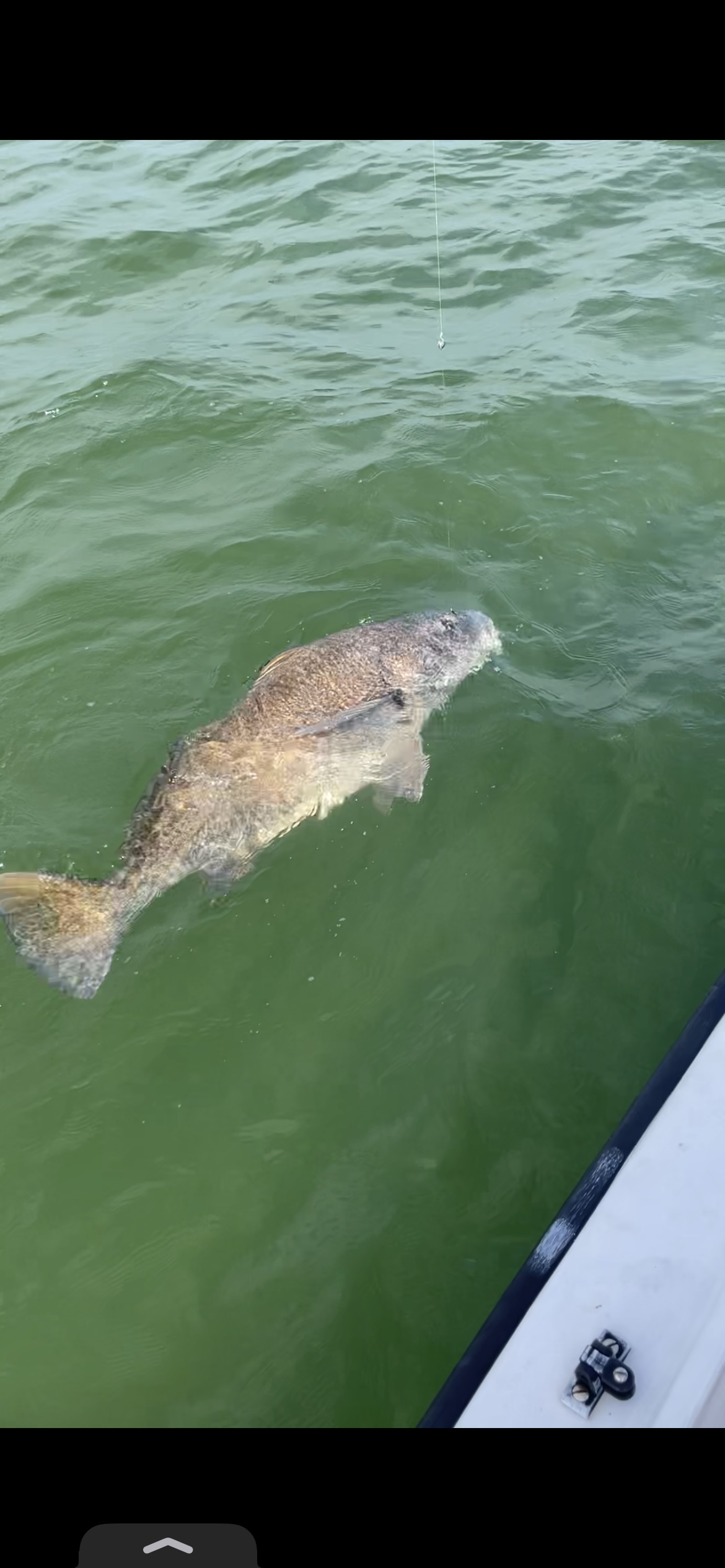
Redfish patrol the grass flats and mangrove edges year-round, with bull reds moving through during fall and spring migrations. These copper-colored fighters are perfect for live shrimp presentations over shallow structure. Slot-sized fish between 18 and 27 inches make excellent table fare, while oversized bulls provide pure adrenaline as they make long, powerful runs across the flats. Indian River's healthy grass beds support strong redfish populations, and the species' willingness to eat a variety of baits makes them a reliable target when other species are finicky.
Time to Book Your Spot
This top-rated 6-hour charter offers serious value for anglers who want quality fishing without the crowds. The combination of inshore and nearshore opportunities means productive fishing regardless of weather conditions, while the small group size ensures everyone gets plenty of action. Live bait presentations consistently outproduce artificials in these waters, and the captain's local knowledge puts you on fish while other boats struggle to find the bite. Sebastian Inlet's reputation as one of Florida's premier fishing destinations isn't hype - it's built on consistent results and the kind of fishing memories that keep anglers coming back season after season. Don't wait for the perfect weather forecast or ideal moon phase - book your spot now and experience why this charter stays busy year-round.

 Private Trip
 Melbourne, FL, Sebastian, FL,Sebastian Inlet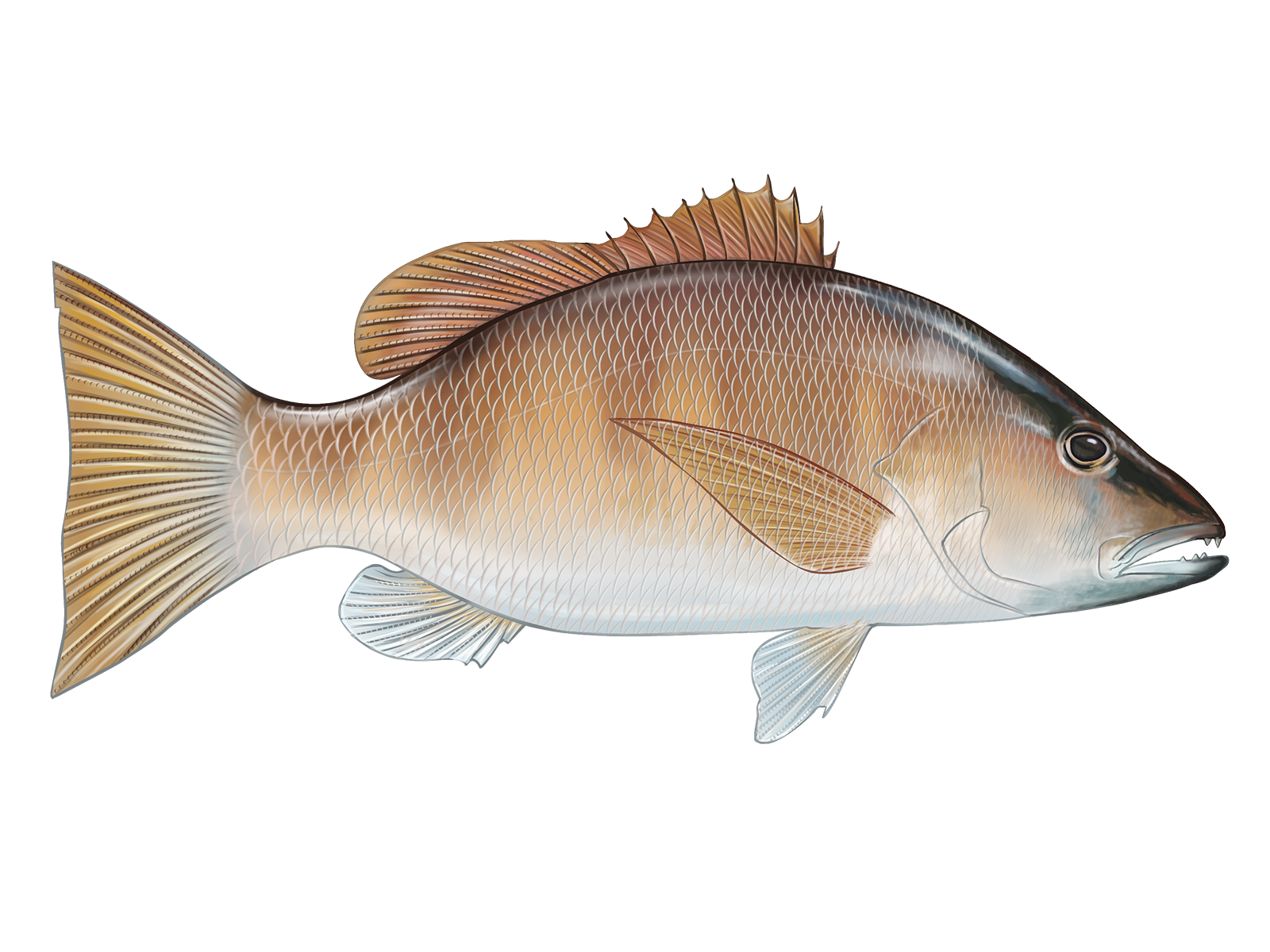


 Six-hour charter targeting multiple productive fishing zones