Full Day Fly Fishing with Guide Joe House
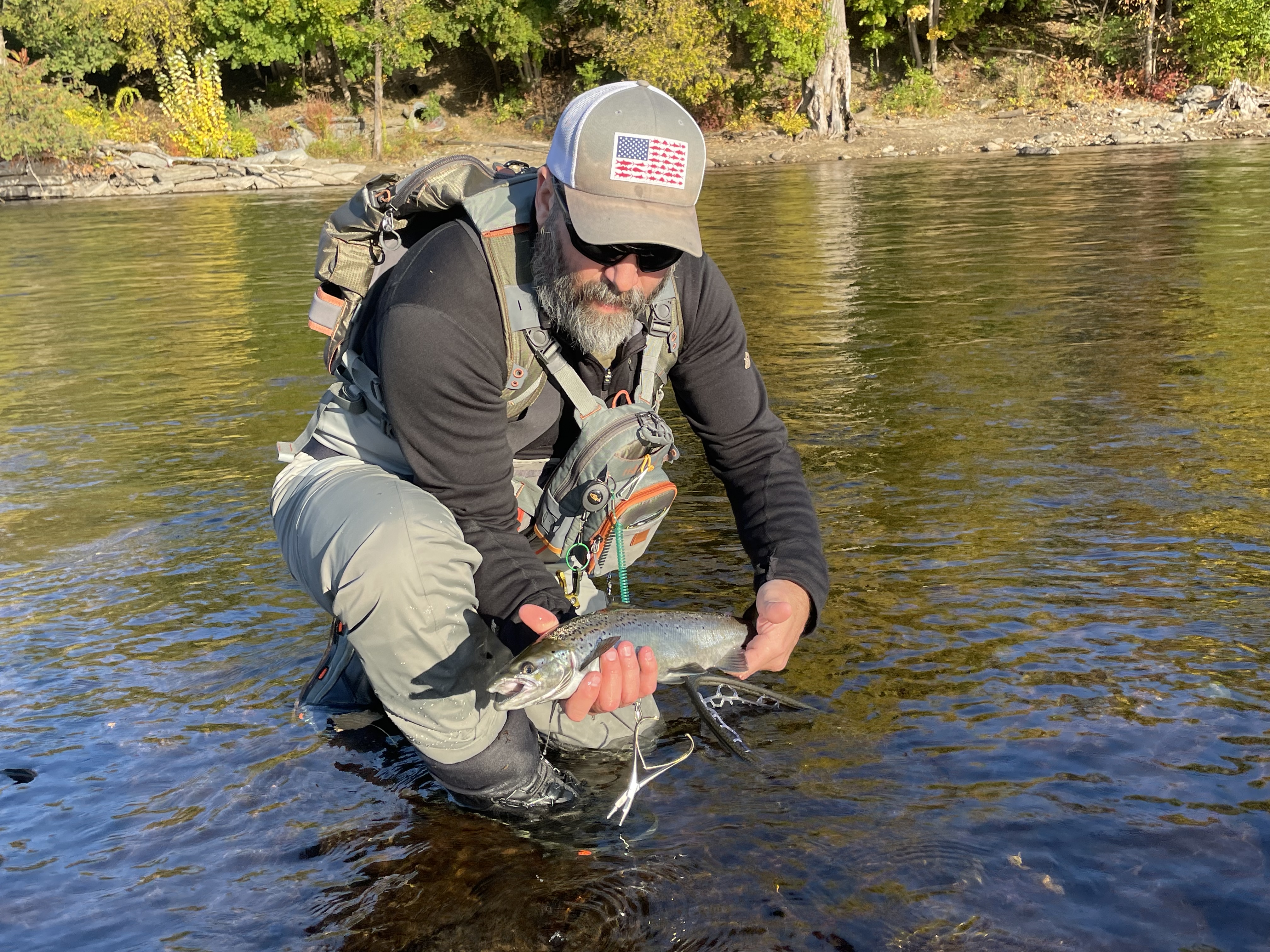
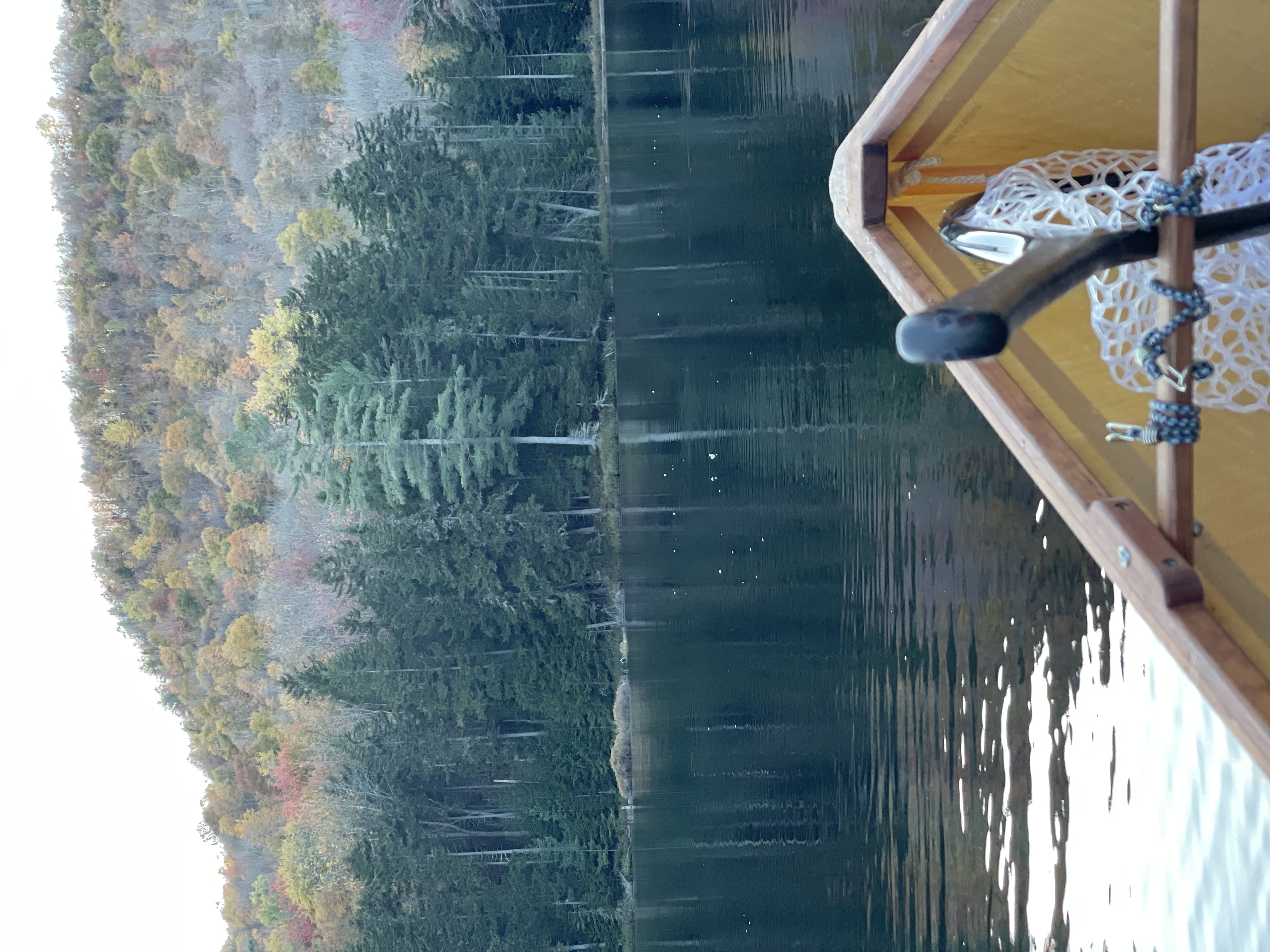
The Saranac River runs crystal clear through some of the prettiest Adirondack country you'll find, and there's no better way to experience it than with a fly rod in hand. This full-day adventure puts you right in the heart of wild trout water with Guide Joe House, who's been reading these currents for over three decades. Whether you've never held a fly rod or just want to dial in your technique, Joe's patient teaching style and deep knowledge of the river make this the perfect introduction to Adirondack fly fishing. You'll spend eight quality hours learning the fundamentals while targeting three species of trout in water that's been producing fish for generations.
What to Expect on the Water
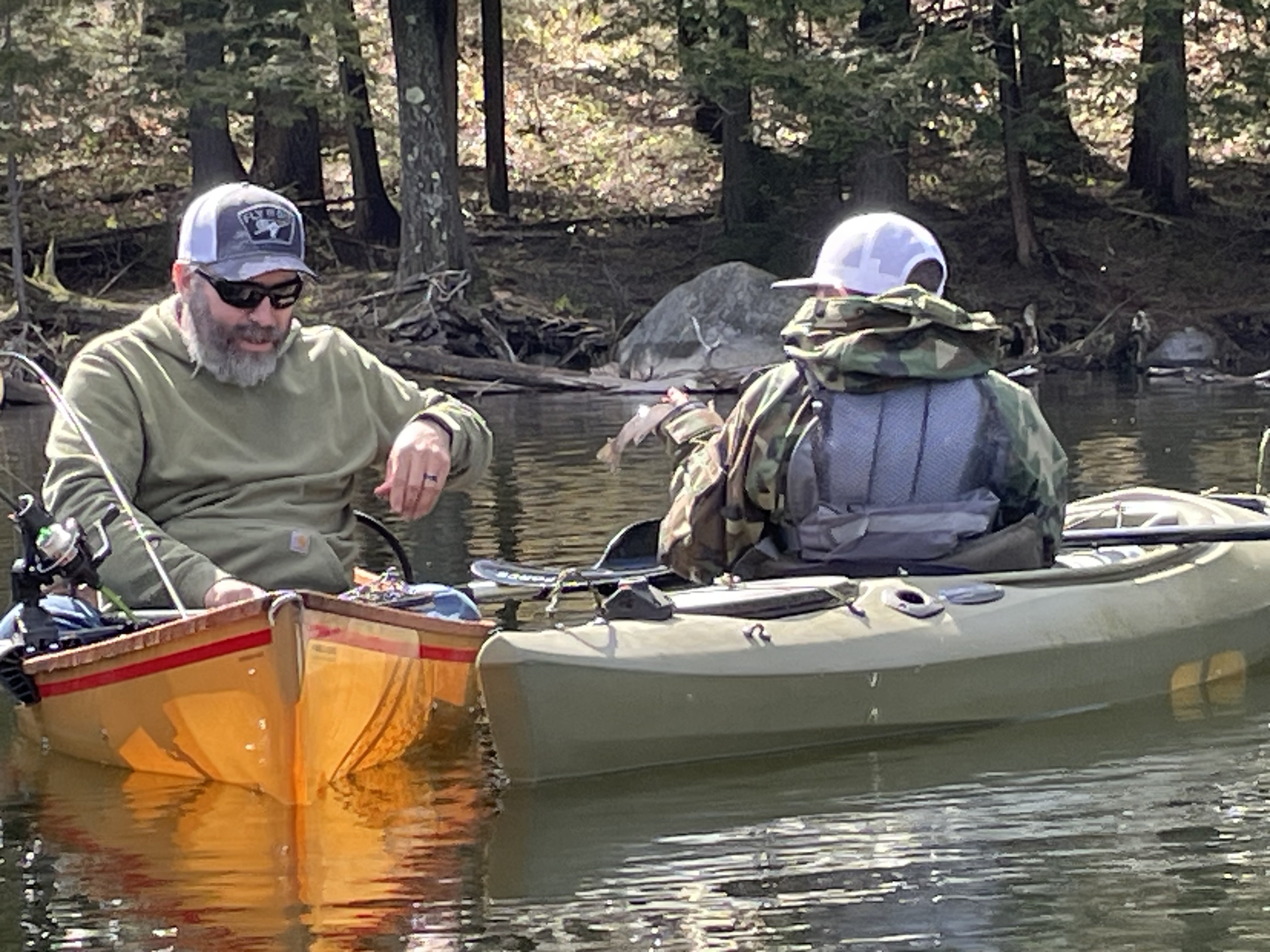
Your day starts early at 7:00 AM when the river is at its most peaceful and the trout are actively feeding. Joe provides all the essential gear - rods, reels, lines, and a selection of proven flies that work on the Saranac. The beauty of this setup is you can focus entirely on learning without worrying about having the right equipment. The river offers perfect beginner water with varied structure - deep pools where big browns like to hide, shallow riffles where brook trout dart between rocks, and long glides that hold rainbows. Joe knows every bend, every undercut bank, and every boulder that holds fish. He'll teach you to read water like a local, spot rising trout, and present your fly with confidence. The pace is relaxed and instructional, with plenty of time to practice each cast and work on your technique. Waders are available for rent if you want to get right in the action, though much of the good fishing can be done from the bank.
Learning the Fly Fishing Ropes
Fly fishing might look complicated from the outside, but Joe breaks it down into manageable pieces that anyone can master. You'll start with basic casting mechanics - the smooth back and forth motion that loads the rod and delivers your fly where the fish are feeding. The Saranac is forgiving water for beginners, with plenty of room for your backcast and structure that clearly shows where trout should be holding. Joe will teach you to mend your line to get a natural drift, how to strip in line when a fish takes your fly, and the gentle art of playing and landing wild trout. The flies you'll use are time-tested patterns - maybe a Woolly Bugger swung through a deep pool, or a dry fly like an Adams floated over rising fish. Reading the water is half the battle in fly fishing, and by the end of the day, you'll start seeing the river differently - noticing the subtle currents, depth changes, and cover that attract feeding trout.
Species You'll Want to Hook
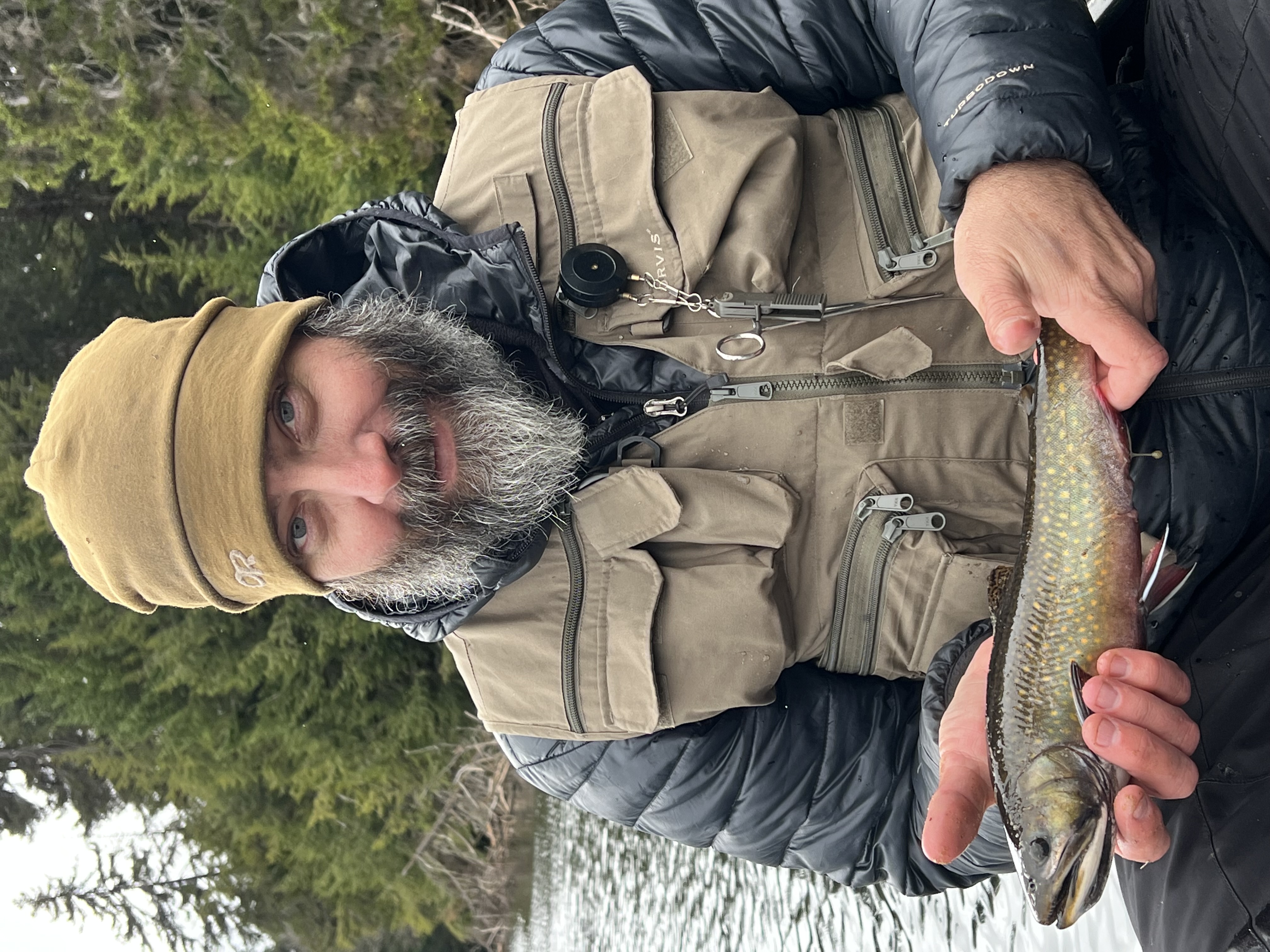
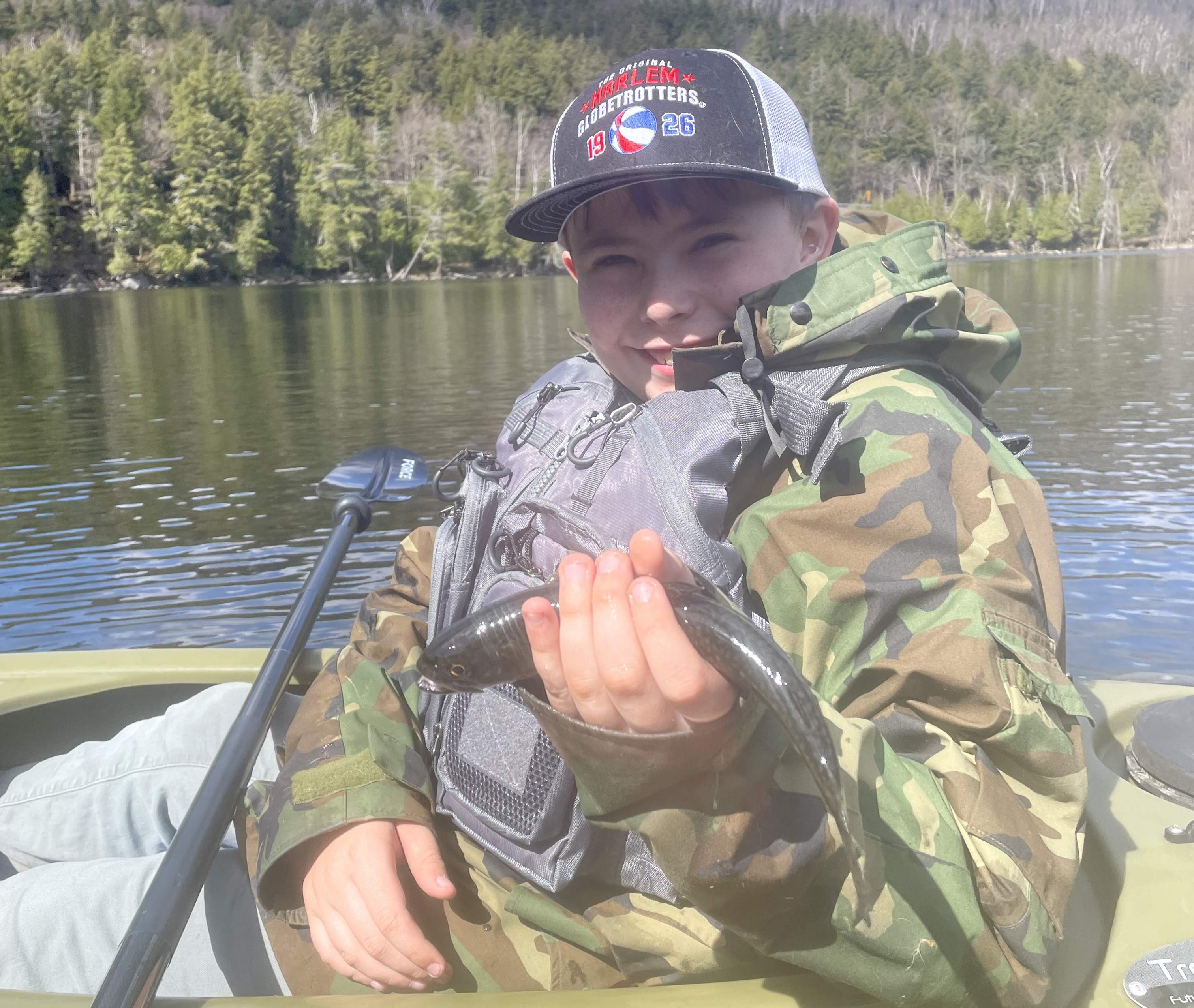
Brook trout are the natives here and the soul of Adirondack fishing. These beauties rarely get huge in the river - most run 8 to 12 inches - but what they lack in size they make up for in fight and pure wildness. Their olive backs and vermiculated patterns make them perfectly suited to the Saranac's rocky bottom, and they'll often hold in the most picture-perfect spots - under overhanging banks, in pocket water behind boulders, or at the tail of deep pools. June through August is prime time when they're most active, though they'll feed all season long if you know where to look.
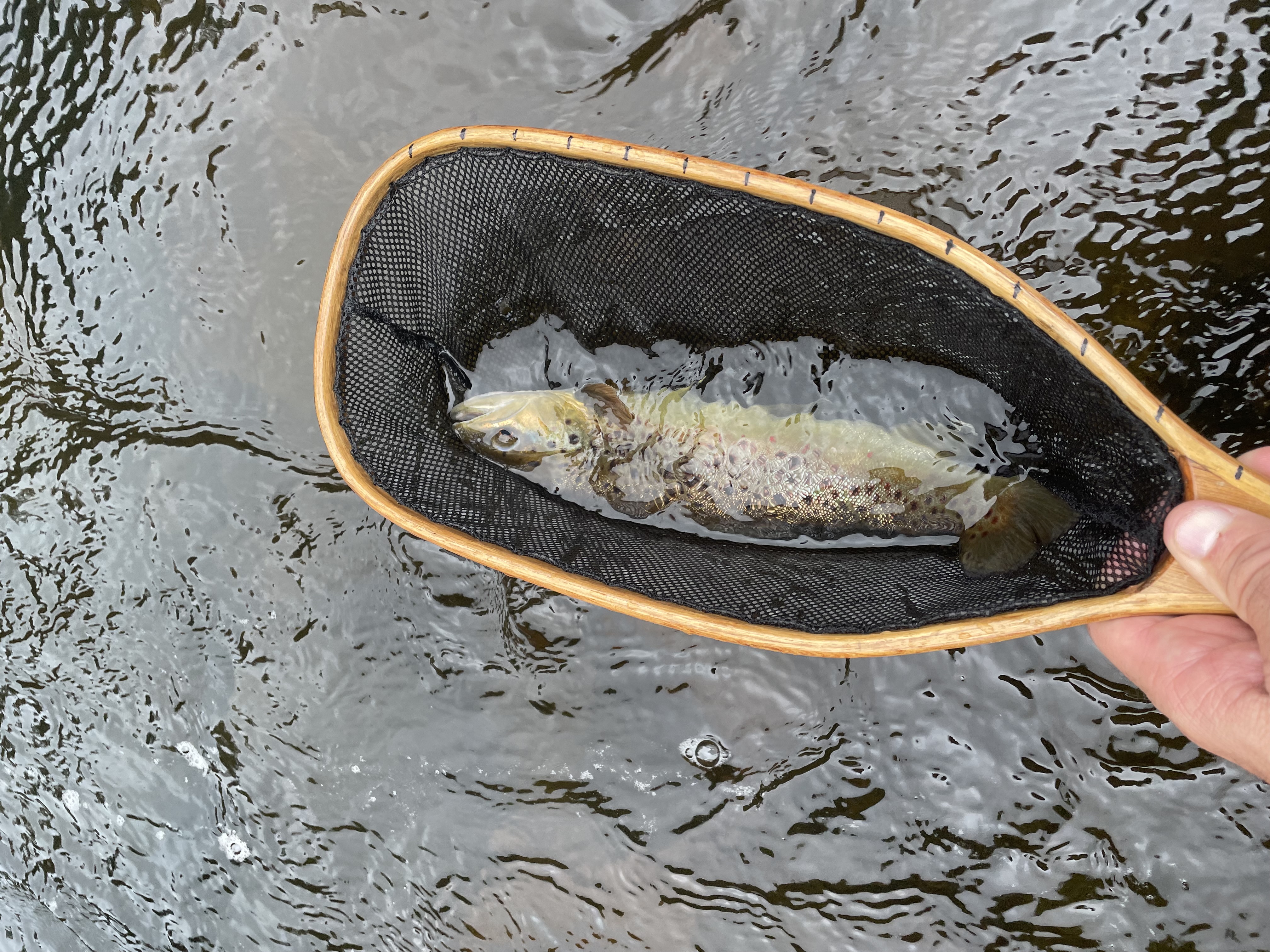
Brown trout are the river's heavyweights and the fish that keep anglers coming back for more. These European transplants have been in Adirondack waters for over a century and have adapted perfectly to the Saranac's conditions. A good brown might push 14 to 18 inches and will test both your tackle and your nerves. They're notorious for hiding under cut banks and in the deepest holes during the day, but early morning and evening brings them into the shallows to hunt. Browns get especially active in fall when they're preparing to spawn, making September and October prime months for trophy fishing.
Rainbow trout bring an acrobatic element to the mix that never gets old. When a rainbow takes your fly, expect fireworks - these fish are famous for their jumping ability and downstream runs that can strip line off your reel in seconds. The Saranac's rainbows typically run 10 to 16 inches and are most active during the cooler months of June and early July, then again in September when water temperatures drop. They love current and oxygenated water, so you'll often find them in the faster runs and at the heads of pools where the water tumbles over rocks.
Time to Book Your Spot
The Saranac River offers some of the most accessible and productive fly fishing in the Adirondacks, and there's no substitute for learning from someone who truly knows the water. Joe's 36 years of experience shows in every aspect of the trip - from selecting the right flies for the conditions to positioning you for the best shots at feeding fish. The one-on-one instruction means you'll progress faster and build real confidence with the fly rod. Seasonal trips run from June through October when conditions are most favorable, and each month offers something different - early season brookies, summer evening hatches, or fall brown trout fishing that can be absolutely spectacular. This top-rated experience books up quickly during peak season, especially weekends, so don't wait to secure your spot on one of the Adirondacks' best trout streams.
 Shared Trip
 Saranac River


 Full day fly fishing with expert guide Joe House