Half Day Morning Fly Fishing Trips
There's something magical about being on the water when the mist is still rising and the trout are waking up hungry. Guide Joe House knows these Adirondack waters like the back of his hand, and he's ready to show you why morning fly fishing here is some of the best you'll find anywhere. Whether you're casting your first fly or you've been chasing trout for decades, this four-hour morning adventure on the Saranac River, AuSable River, or other pristine local streams will give you exactly what you're looking for – productive fishing in some of the most beautiful water you've ever seen.
What to Expect on the Water
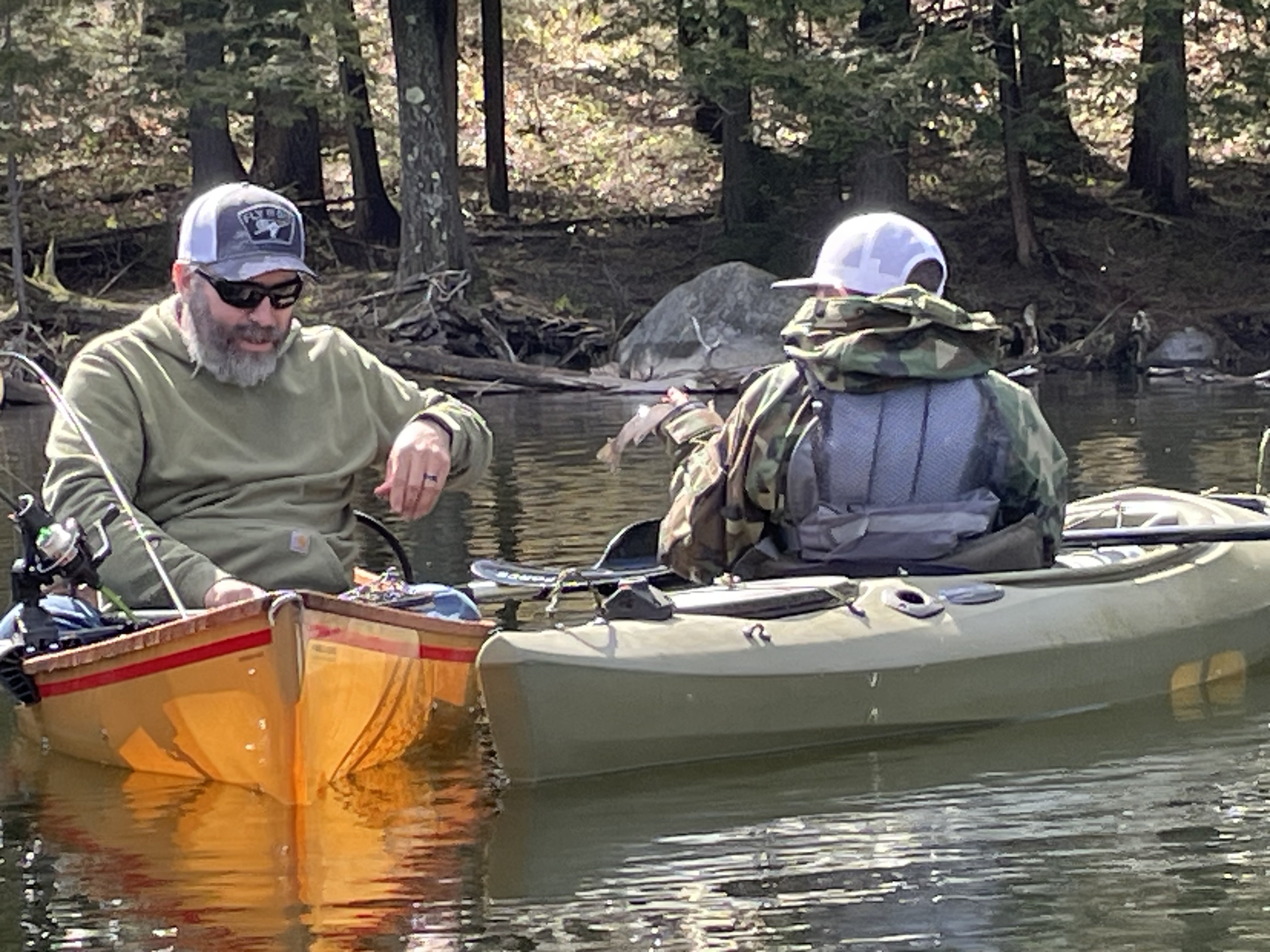
Joe keeps these trips intimate – just you and him – so you get his full attention whether you need to learn the basics or fine-tune your technique. The morning bite in the Adirondacks is legendary, and there's good reason for that. As the sun starts filtering through the trees and warming the water just a touch, trout become active and start feeding on emerging insects. You'll be targeting brook trout, brown trout, and rainbow trout in crystal-clear mountain water that's so clean you can see every rock on the bottom. The beauty of fishing with Joe is that he reads the water and the conditions daily, adjusting where you go based on what's happening right now – seasonal flows, recent hatches, water temperature, and where the fish are most active. Some days that means working the deeper pools of the AuSable, other days it's the productive runs on the Saranac, and sometimes it's those secret spots on smaller streams that only locals know about. All your essential gear comes included – quality fly rods matched to the conditions, a selection of proven flies tied specifically for these waters, and leaders and tippet sized right for Adirondack trout. If you need waders, Joe's got rentals available, and he'll make sure you're comfortable and confident before you even wet a line.
Techniques & Gear
Fly fishing in the Adirondacks isn't just about casting – it's about reading the water, understanding how trout think, and presenting your fly in a way that looks natural. Joe specializes in hands-on instruction that actually sticks, whether you're learning your first roll cast or working on advanced mending techniques to get longer drag-free drifts. These mountain streams have their own personality – some sections require delicate presentations to spooky brook trout in shallow water, while others call for working deeper pockets where big browns like to hide. You'll learn how to approach different types of water, from fast riffles where trout grab food quickly to slow pools where presentation has to be perfect. The gear Joe provides is top-notch and matched specifically to Adirondack conditions. You'll fish with rods that have the backbone to handle these rivers but the sensitivity to feel every subtle take. His fly selection changes based on what's hatching and what the fish are eating – everything from classic Adirondack patterns like the Ausable Wulff to more modern attractors and nymphs that consistently produce. Joe will teach you how to read rises, identify feeding lanes, and position yourself for the best possible presentation. If you're new to fly fishing, you'll start with basic casting fundamentals and work up to actually fishing. If you've got experience, Joe will help you refine your technique and learn the specific approaches that work best on these particular waters. By the end of four hours, you'll have a much better understanding of not just how to cast, but how to think like a trout angler.
Top Catches This Season
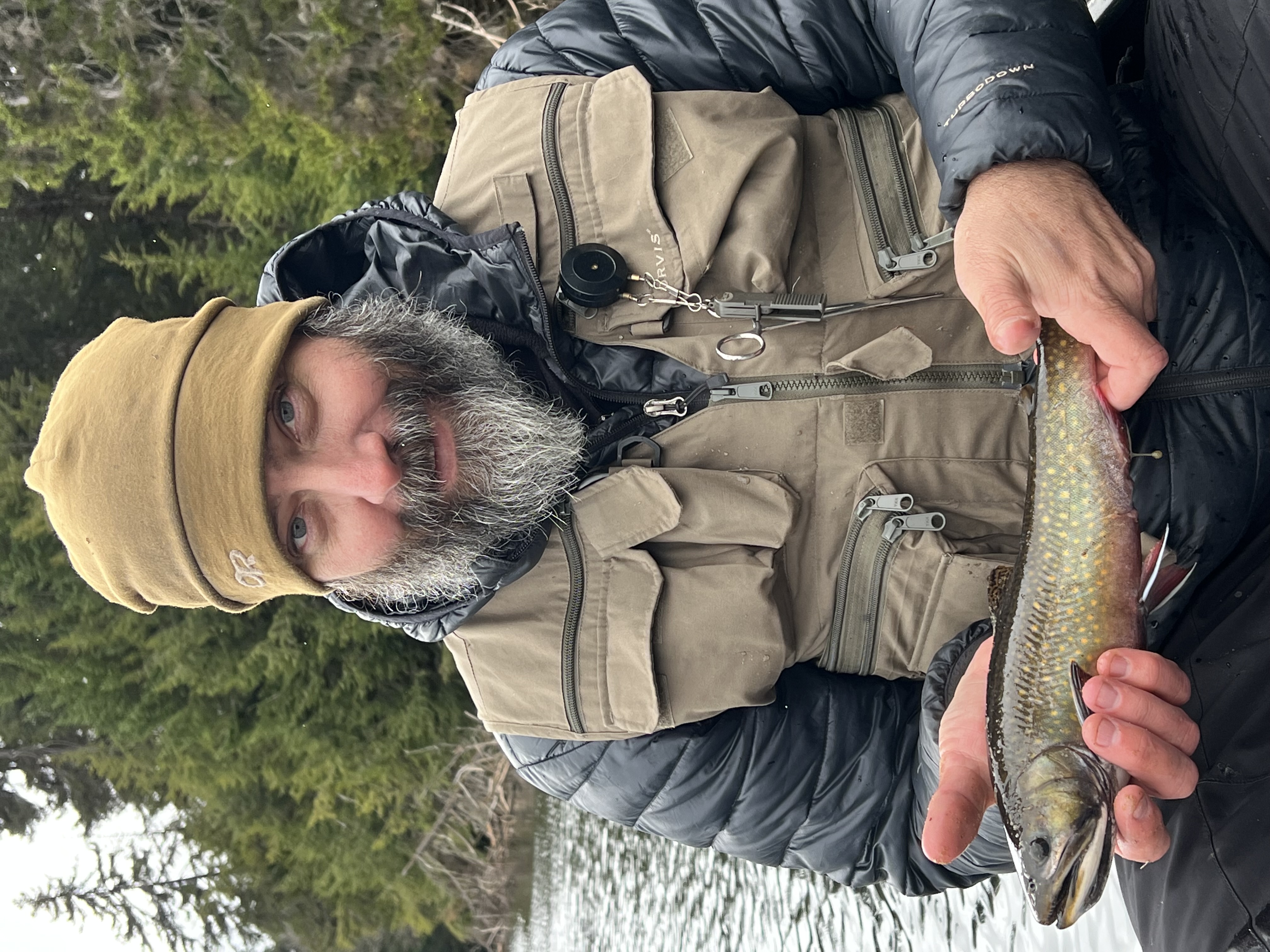
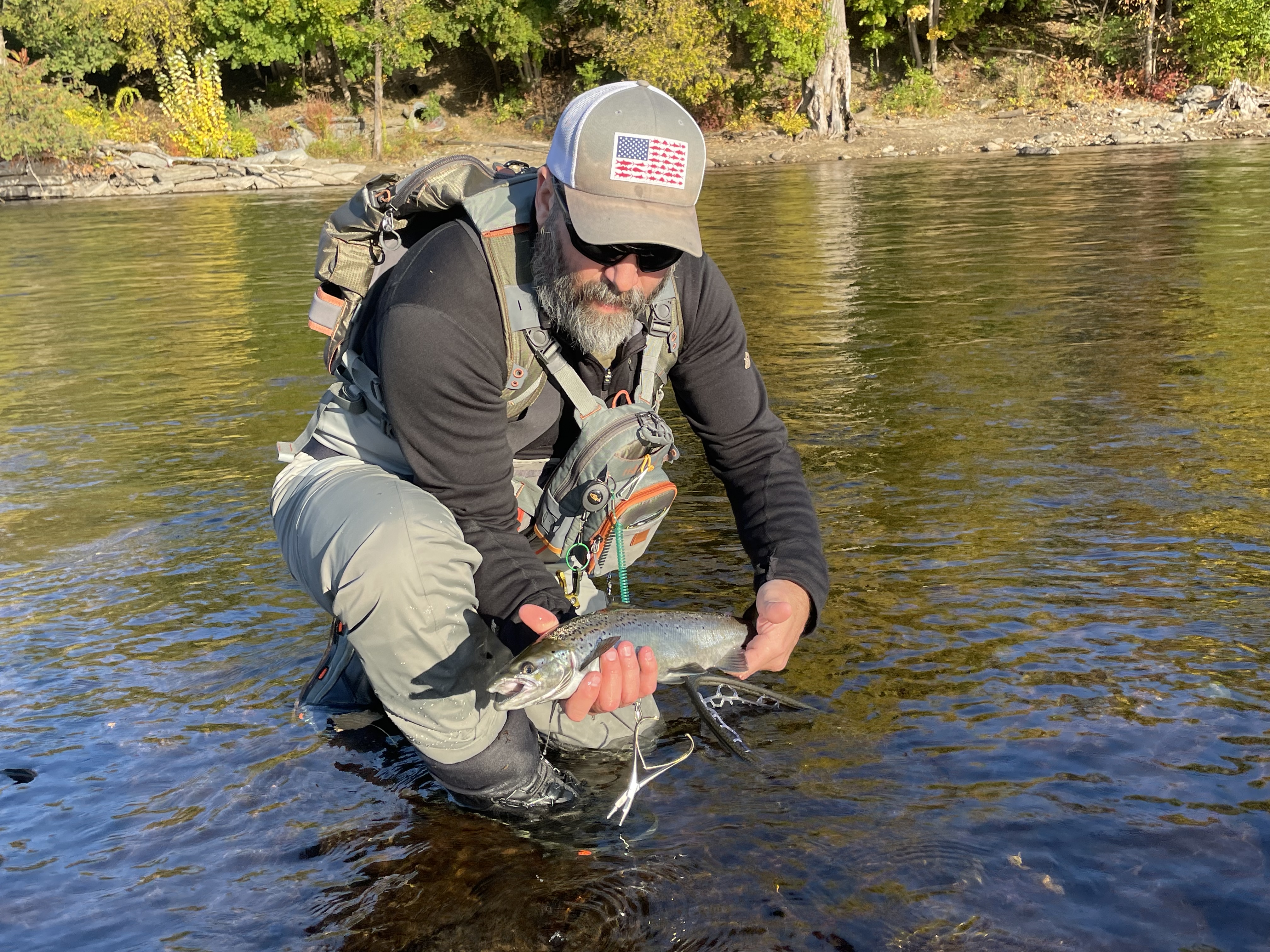
The Adirondack waters Joe fishes are home to three distinct trout species, each with their own personality and appeal. Brook trout are the native jewels of these mountains, and catching one is like holding a piece of wilderness history. These fish love the coldest, cleanest water, and they're often found in the most beautiful spots – under overhanging banks, in spring-fed pools, and in the headwaters of small streams where few people venture. Brookies are aggressive feeders when conditions are right, and they'll often hit dry flies with surprising violence for fish that typically run 8 to 14 inches. Their colors are absolutely stunning – olive backs with worm-like markings, bright red spots with blue halos, and fins edged in white and black. Fall is prime time for brook trout as they start thinking about spawning, and their colors become even more vivid. What makes them special isn't just their beauty – it's that they're an indicator species. If you're catching brook trout, you know you're in pristine water.
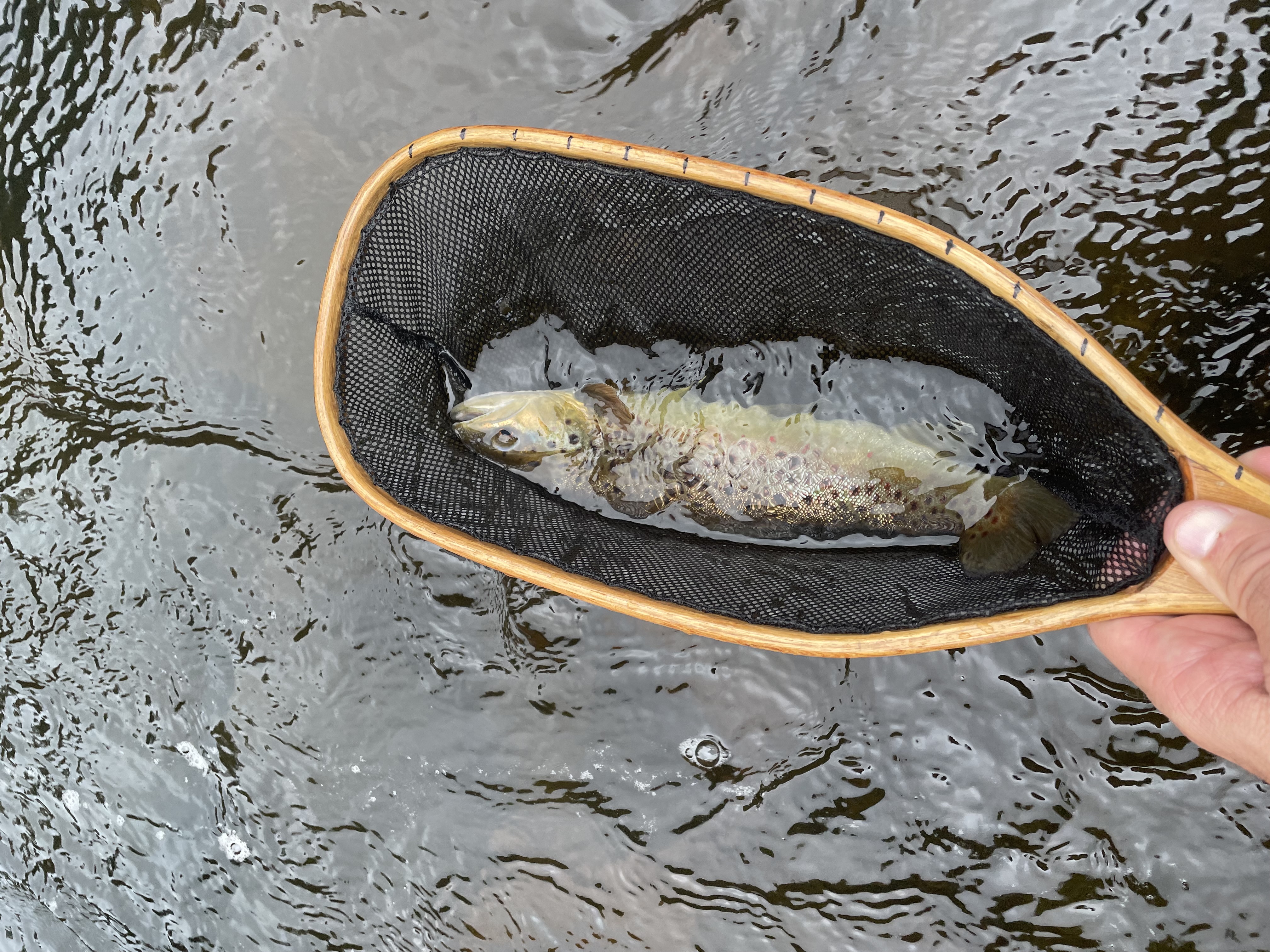
Brown trout are the educated professors of the Adirondack rivers, and they'll test every skill you have. These fish can live for many years and grow large – Joe's clients regularly hook browns in the 15 to 20-inch range, with the occasional monster pushing even bigger. Browns are primarily active during low light periods, which makes early morning perfect for targeting them. They're incredibly wary and have excellent eyesight, so your presentation needs to be spot-on. But when you do fool a big brown, the fight is something you won't forget. They use the current, dive for cover, and often make spectacular jumps. Browns love to hold in deeper pools and undercut banks, and they're ambush predators that will dart out to grab a well-presented fly. Spring and fall are peak seasons, but Joe knows where to find them throughout the fishing season.
Rainbow trout bring pure athleticism to your fly rod, and the rainbows in these Adirondack waters are known for their acrobatic fights. These fish love current and oxygen-rich water, so you'll often find them in the faster runs and riffles where they can easily grab drifting insects. Rainbows typically run 12 to 18 inches in these waters, and they're willing feeders that will take both dry flies and nymphs. What sets them apart is their fighting ability – a hooked rainbow will often leap multiple times, strip line off your reel, an

 Shared Trip
 Saranac River


 4-hour morning trips target trout on Saranac and AuSable Rivers