Full-Day Islamorada Inshore Fishing Adventure
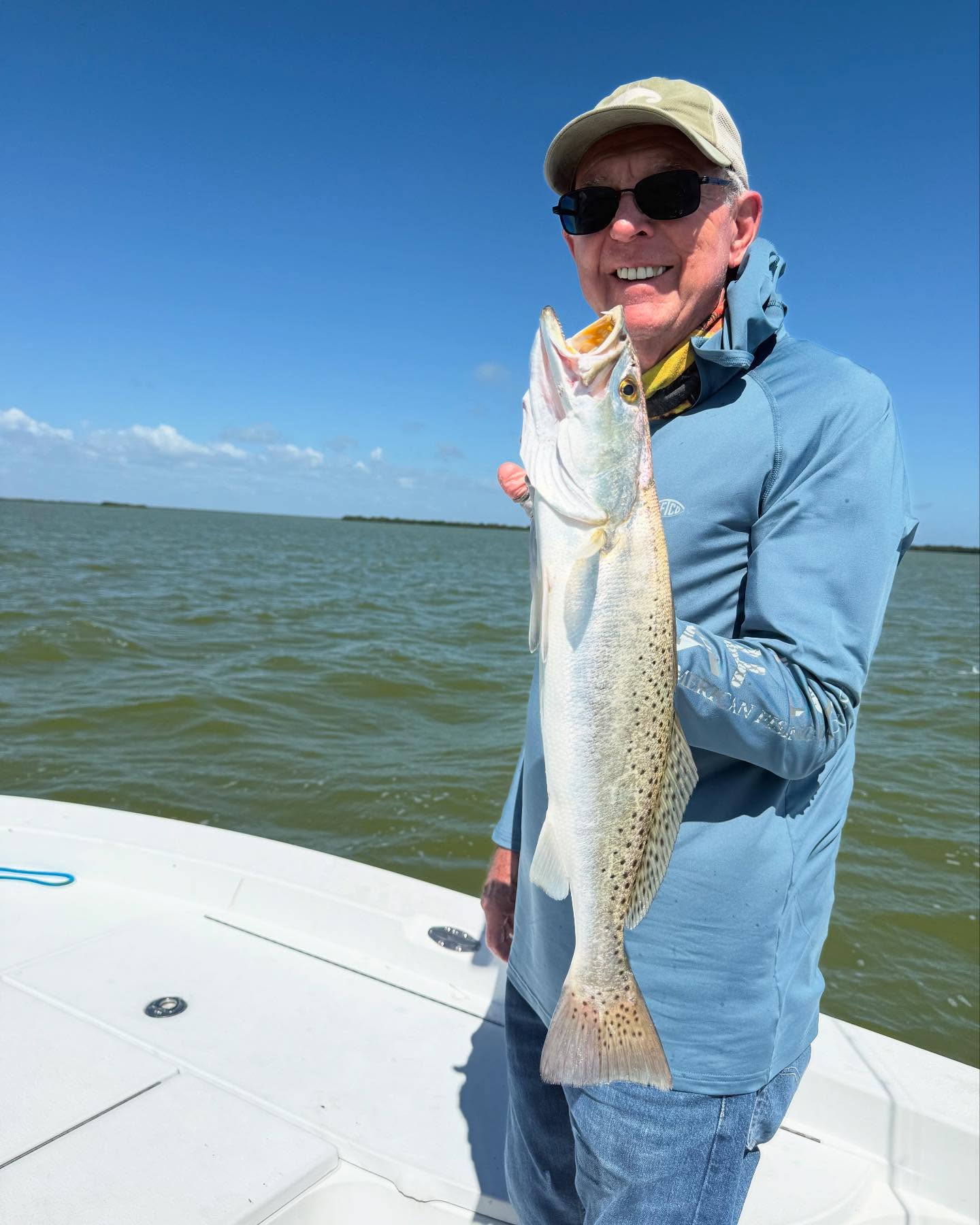
Captain Juan Garcia knows these Islamorada waters like the back of his hand, and he's ready to show you why the Florida Keys backcountry is considered some of the best inshore fishing on the planet. This isn't your typical half-day trip where you're just getting warmed up when it's time to head back. With eight solid hours on the water, we're talking about a serious fishing adventure that gives you the time to really get into the rhythm of the backcountry and hit multiple spots throughout the day. Whether you're a weekend warrior looking to check some bucket-list species off your list or a seasoned angler wanting to explore new water, this charter is built to deliver the kind of day you'll be talking about for years.
What to Expect on the Water
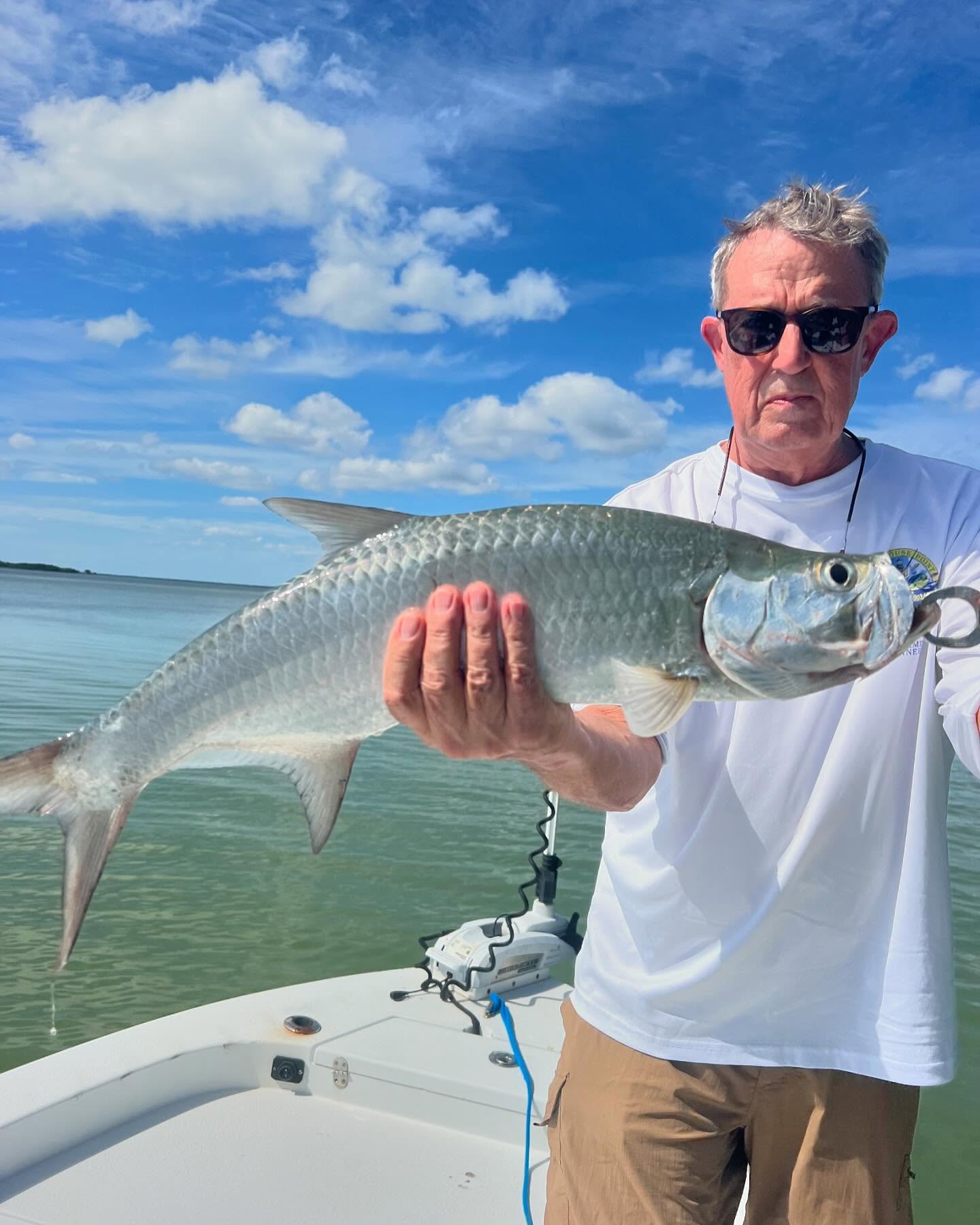
Your day starts early, meeting Captain Juan at the marina before the sun paints the sky. There's something special about being on the water as Islamorada wakes up - the tarpon are rolling, the redfish are pushing bait in the shallows, and you've got the pick of the best spots before anyone else gets there. With up to four anglers on board, there's plenty of room to spread out and work different techniques without bumping elbows. The extended eight-hour format means we can chase the bite as it changes throughout the day, moving from deeper channels in the morning to shallow flats as the sun gets higher, then back to structure as the afternoon bite kicks in. Captain Juan's approach is all about reading the conditions and adjusting on the fly - if the snook are fired up on topwater in one spot, we'll milk it. If the redfish are tailing on a flat two miles away, we'll make the run. This kind of flexibility is what separates a good day from an epic one, and having that extra time makes all the difference.
Backcountry Tactics & Techniques
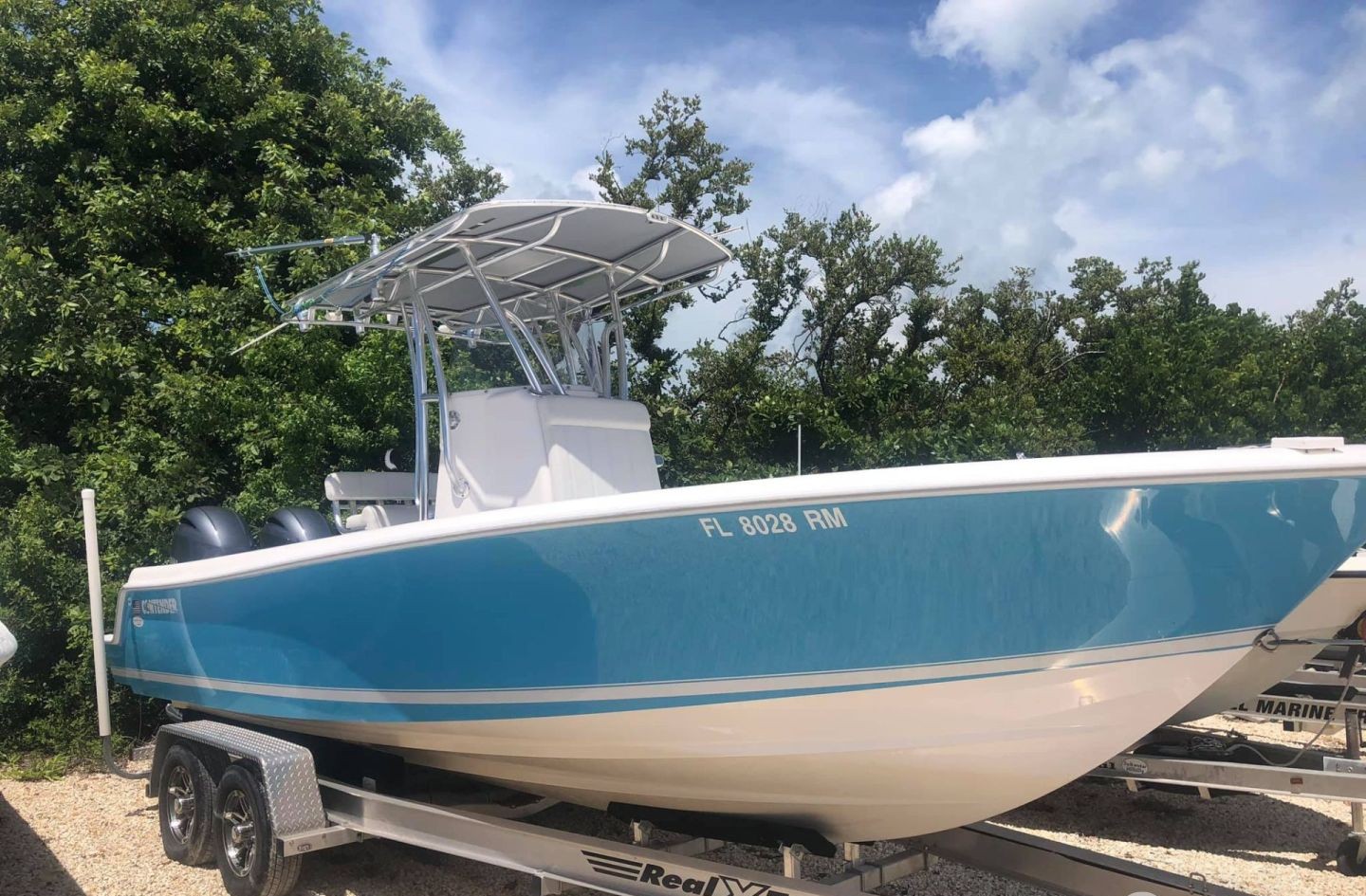
The Islamorada backcountry is a maze of mangrove creeks, grass flats, and oyster bars that require local knowledge and the right approach to fish effectively. Captain Juan runs a flats boat perfectly suited for this environment - shallow draft, quiet, and positioned to get you within casting distance of fish without spooking them. You'll work with both live bait and artificials depending on what the fish are telling us. Live pilchards and shrimp are deadly when sight-fishing to laid-up tarpon or cruising reds, while soft plastics and topwater plugs can trigger explosive strikes from snook holding tight to structure. The key to success in these waters is stealth and presentation - we're often fishing in less than three feet of water where every movement matters. You'll learn to read the water, spot fish before they spot you, and make accurate casts to small targets. The captain provides all tackle and bait, but feel free to bring your favorite rods if you've got them. Part of the fun is experimenting with different techniques throughout the day, and with eight hours to work with, there's time to try everything from sight-casting to structure fishing to working the edges of channels where big fish ambush bait.
Target Species Breakdown
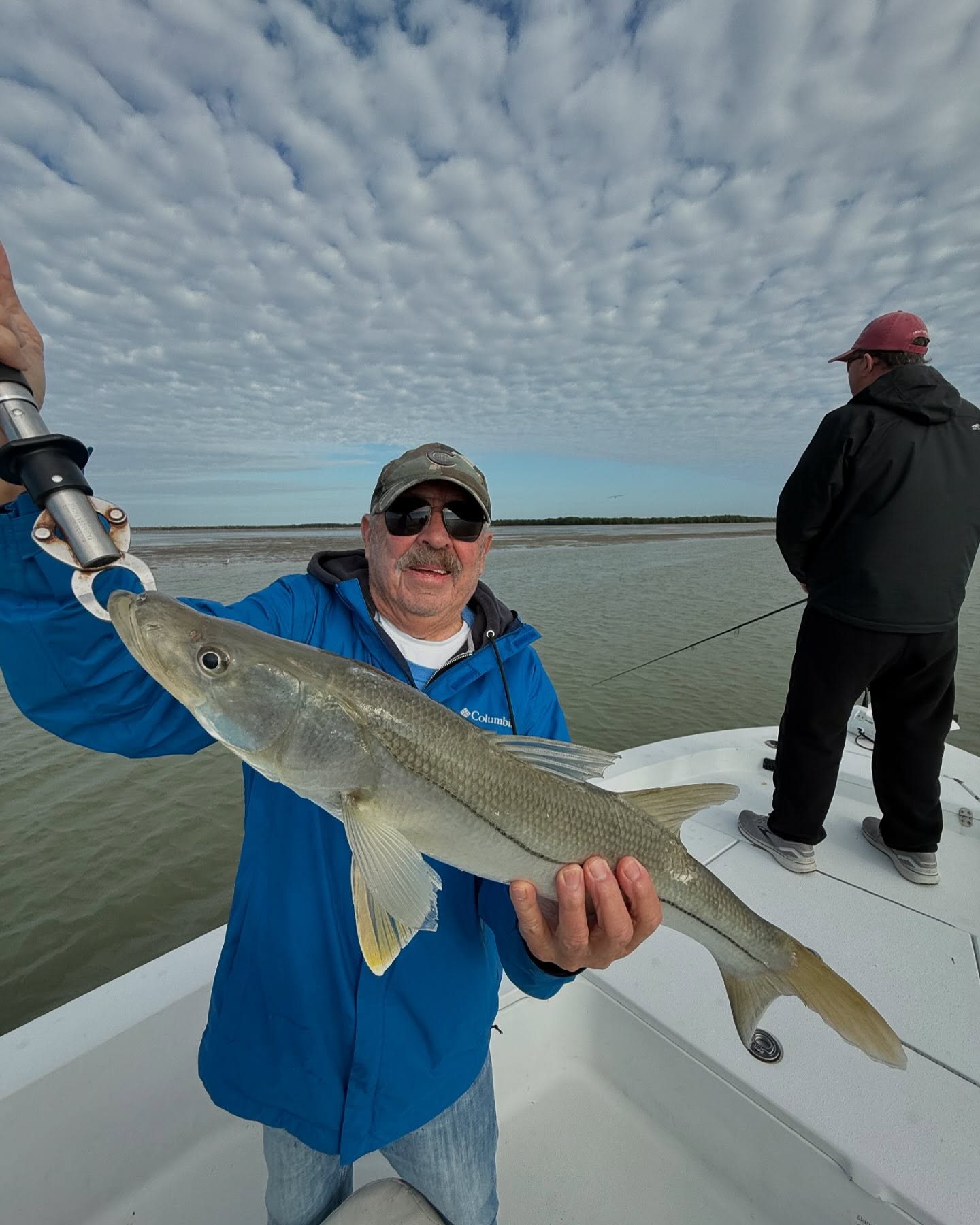
Snook are the kings of the backcountry, and Islamorada's population is as healthy as you'll find anywhere in Florida. These ambush predators love structure - docks, mangrove points, channel edges - anywhere they can sit in the shadows and wait for an easy meal. They're incredibly line-shy and have a mouth like a rasp, so sharp hooks and quality drag are essential. The best snook fishing typically happens during moving water, either incoming or outgoing tide, when bait gets pushed through their feeding zones. What makes snook so addictive is their attitude - they'll slam a topwater plug with authority that'll get your heart racing, then try every trick in the book to throw the hook. Most of our backcountry snook run between 20 and 30 inches, with the occasional slot-buster that'll test your tackle and your nerves.
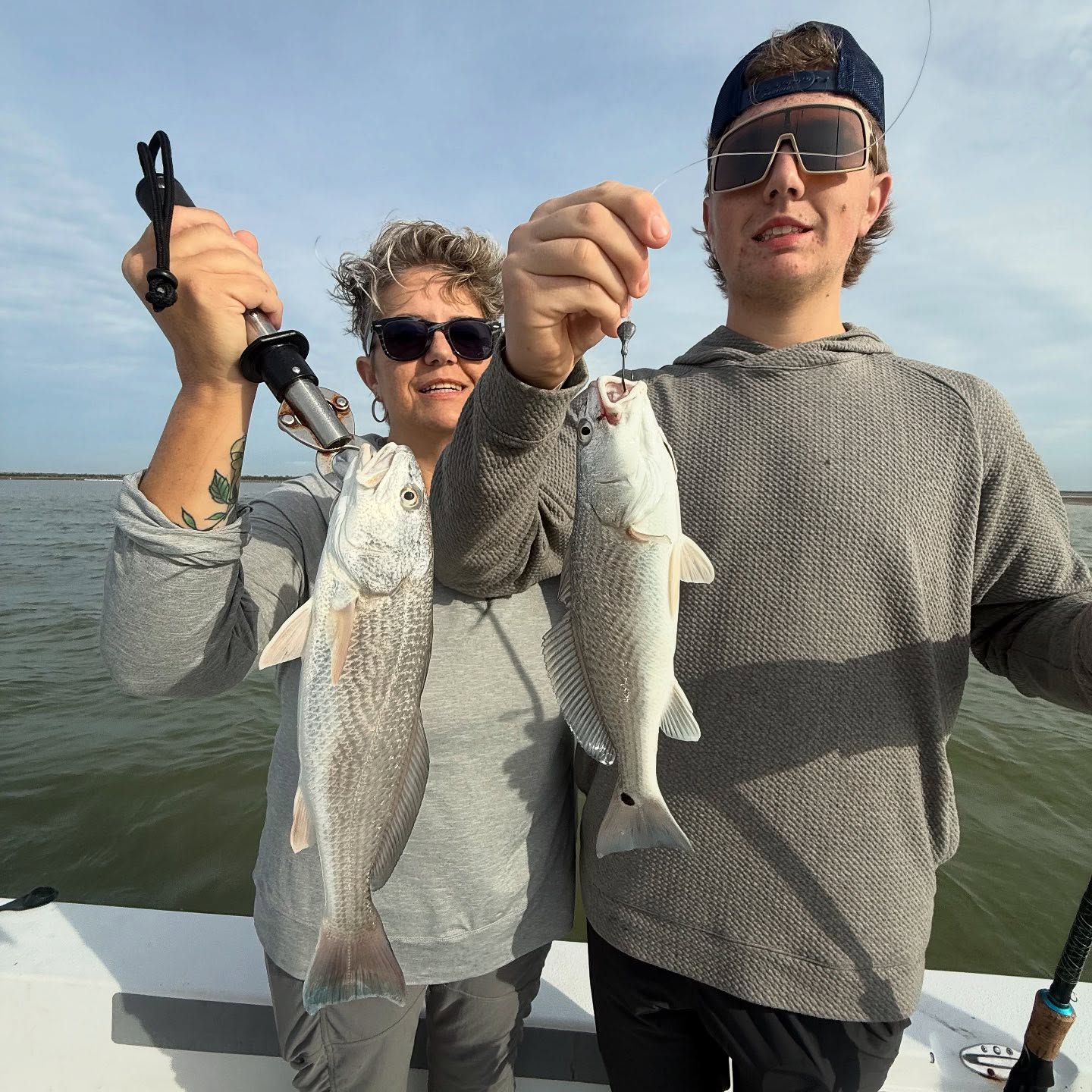
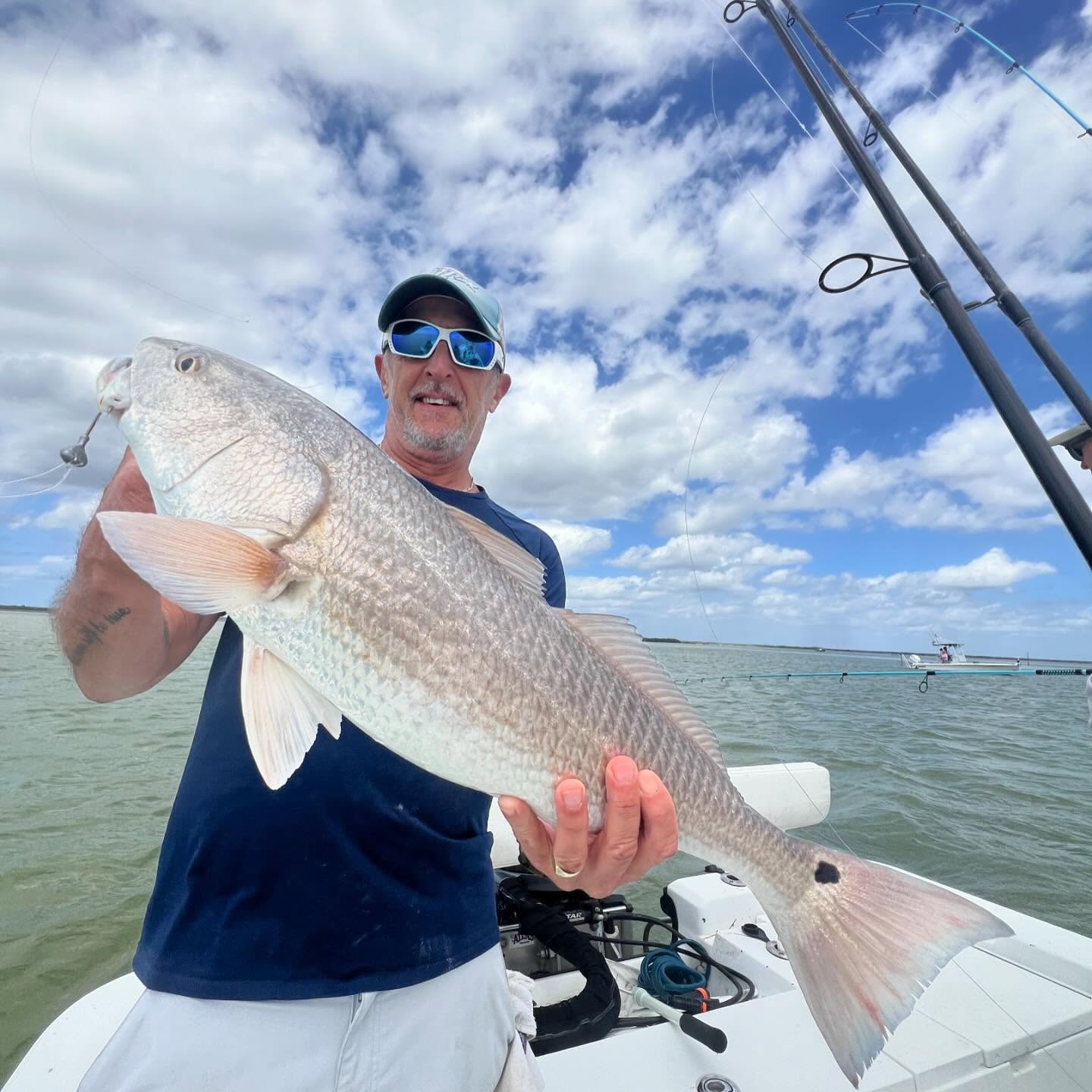
Redfish are the backbone of Florida Keys inshore fishing, and for good reason. These copper-colored bruisers are year-round residents that fight like freight trains and aren't as finicky as some other species. Reds love shallow water - grass flats, oyster bars, mangrove shorelines - anywhere they can tip down and root around for crabs and shrimp. The visual aspect of redfish fishing is what hooks most anglers. Watching a big red's back and tail break the surface as it feeds in skinny water, then making that perfect cast and watching the fish turn on your bait - that's what inshore fishing is all about. Our local reds typically run from 18 to 35 inches, with the bigger fish often found in slightly deeper water or around structure. They're not the fastest fish in the water, but they've got incredible stamina and will use every oyster bar and mangrove root to try to break you off.
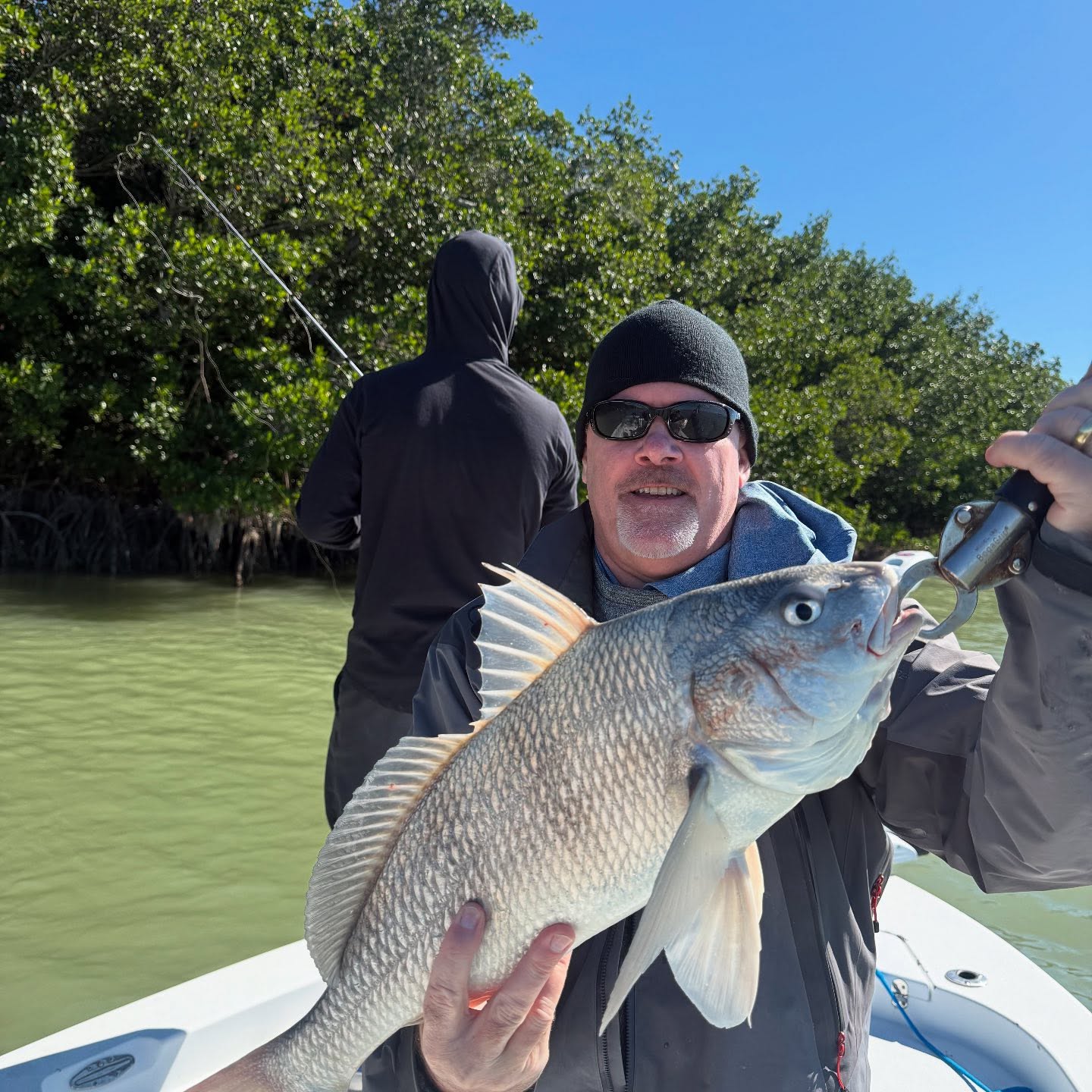
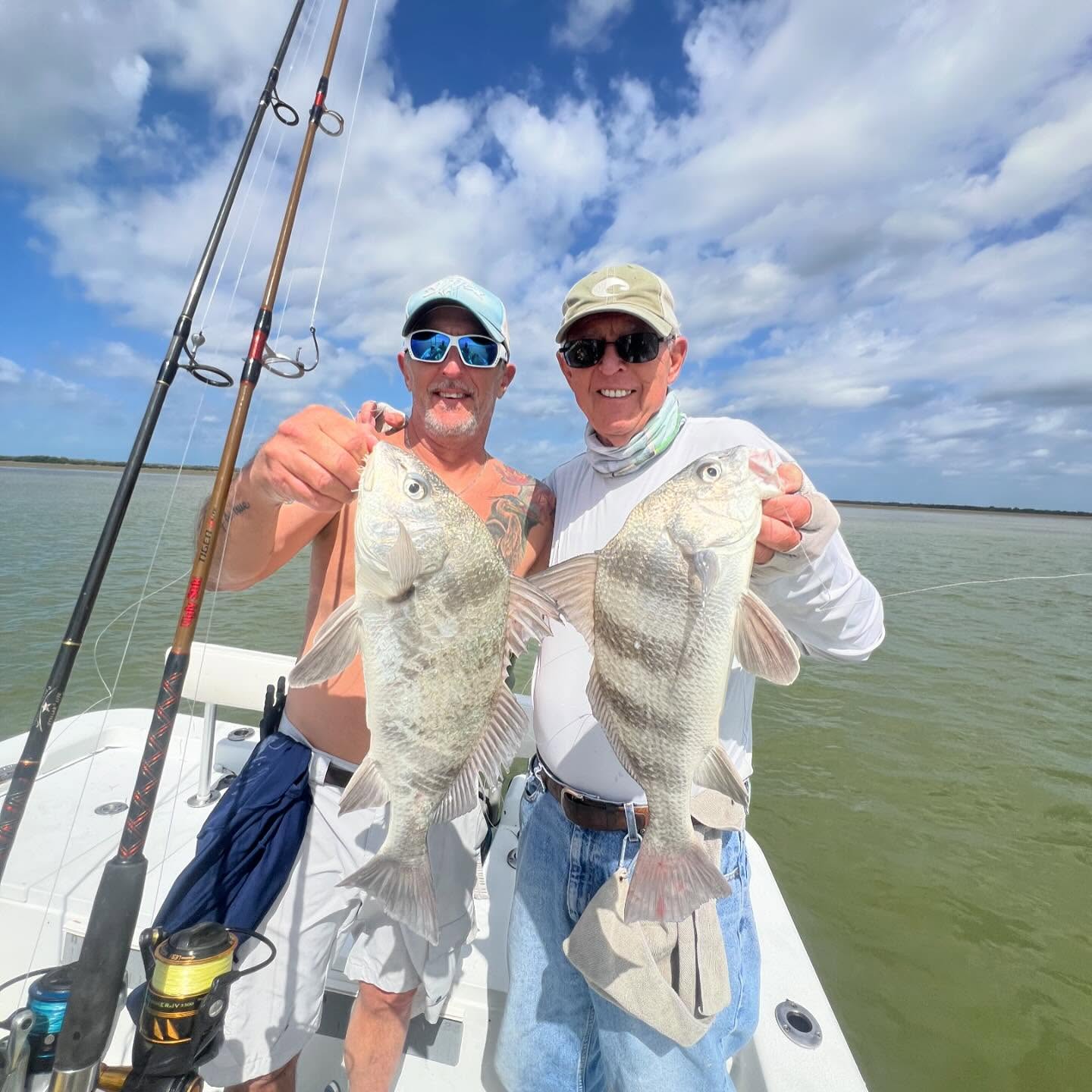
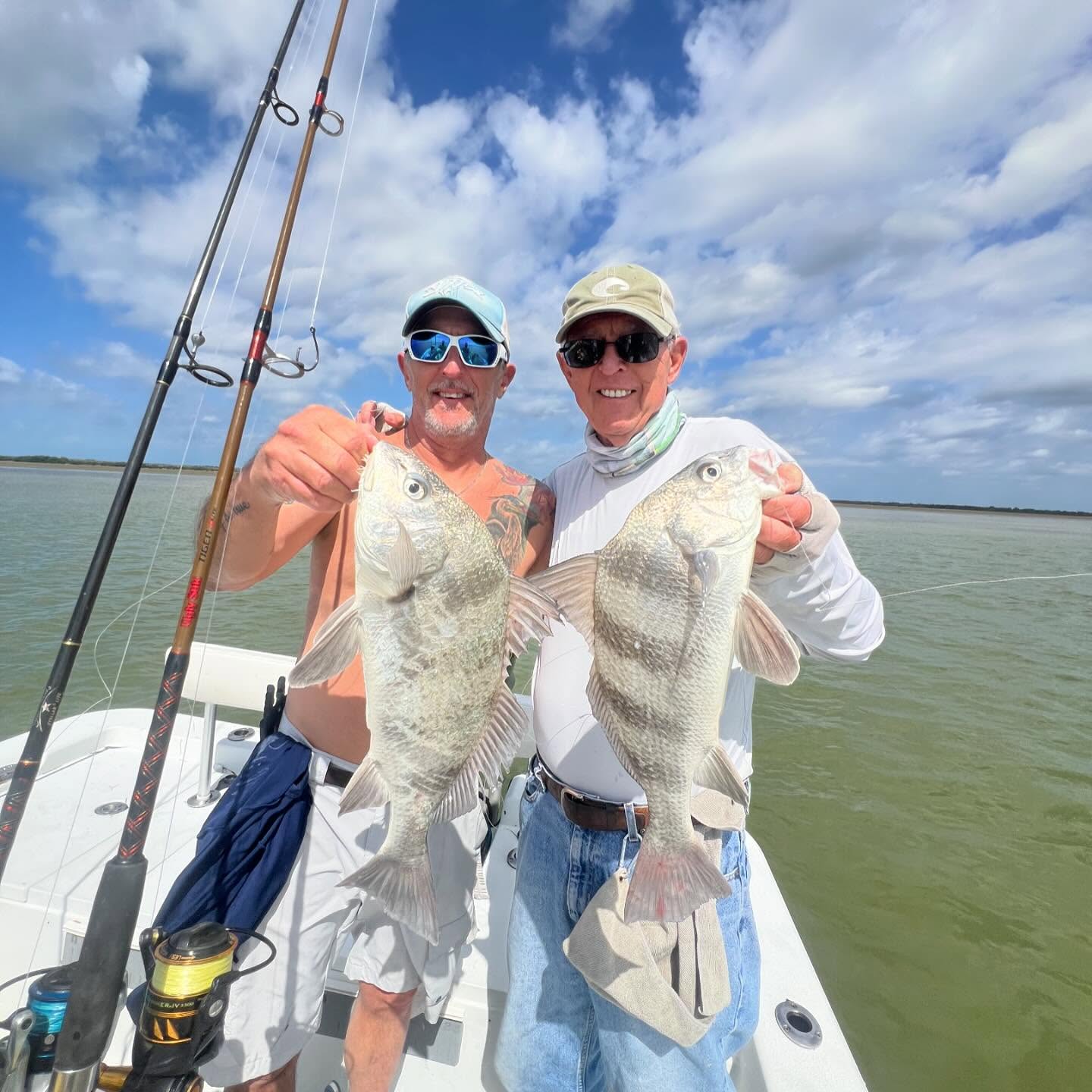
Black drum might not win any beauty contests, but they're one of the most underrated fighters in the backcountry. These bottom-dwellers are suckers for a well-presented shrimp or crab, and once hooked, they'll use their broad sides and stubborn nature to give you a workout. Most of our drum run 15 to 25 pounds, perfect for testing your drag and your patience. They're often found around oyster bars and rocky bottom where they can root around for food, and they're particularly active during cooler months when they school up in good numbers.
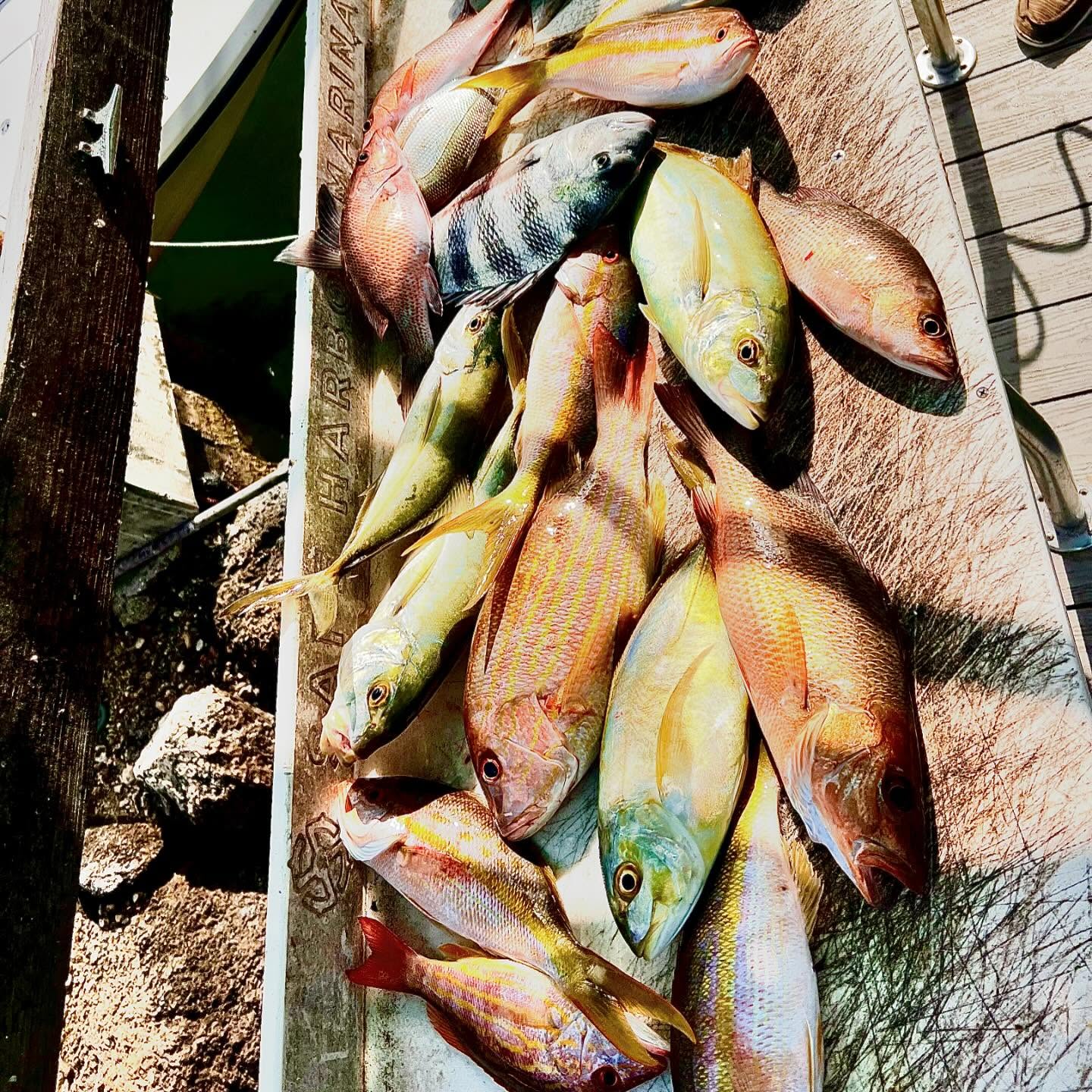
Sheepshead are the pickpockets of the backcountry - they'll steal your bait so clean you'll swear you never had a bite. These black-and-white striped bandits have tiny mouths packed with human-like teeth that they use to crush barnacles and crabs off structure. Fishing for sheepshead is all about finesse - small hooks, light line, and hair-trigger reflexes. They're most active around docks, bridges, and rocky areas, especially during their winter spaw
 Private Trip
 Inshore Fishing
 Islamorada


 Eight-hour inshore charter targeting Snook, Redfish, and Tarpon