Islamorada Fishing Charter for Skilled Anglers
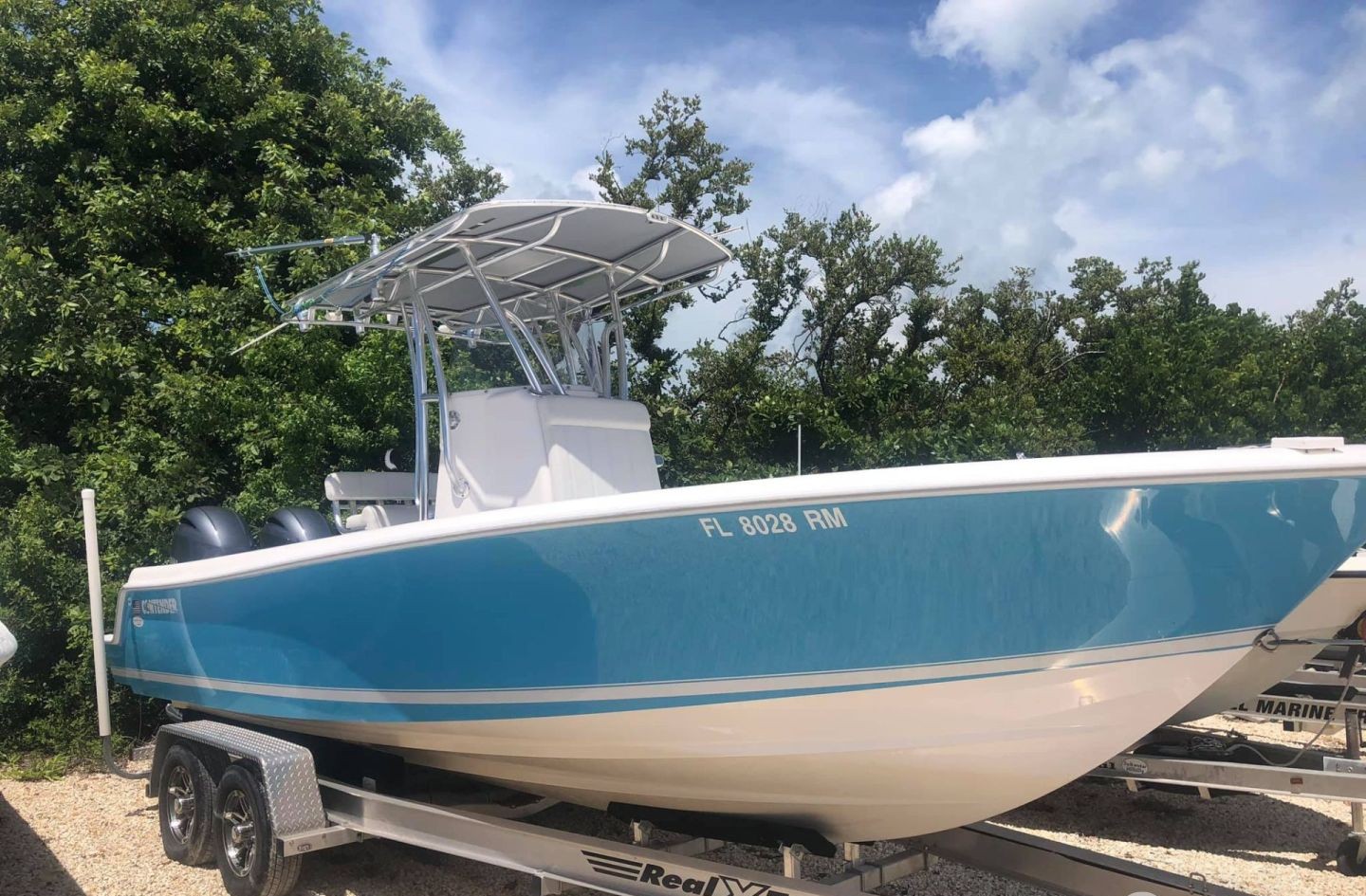
Captain Juan Garcia knows these Islamorada backcountry waters like the back of his hand, and he's got the perfect setup for anglers who want to push their skills to the next level. This isn't your typical tourist fishing trip – it's a serious 4-hour charter designed for folks who already know their way around a rod and reel. You'll be working the flats, mangrove edges, and channels where the real action happens, targeting some of the most challenging gamefish the Florida Keys have to offer. With room for up to four anglers, this private charter keeps things intimate so you can focus on technique refinement and actually putting fish in the boat.
What to Expect on the Water
Captain Juan runs a tight operation focused on maximizing your time in productive water. The backcountry around Islamorada offers everything from shallow grass flats perfect for sight fishing to deeper channels where bigger fish cruise looking for an easy meal. You'll be working areas that see less pressure than the main tourist spots, which means the fish are less spooky and more willing to eat. The captain tailors each trip based on conditions, tides, and what species are most active that day. Don't expect hand-holding – this is for anglers who want to learn advanced presentations, understand structure reading, and develop the kind of skills that separate weekend warriors from serious fishermen. The boat stays mobile, covering water efficiently and putting you on fish rather than sitting in one spot hoping for luck.
Techniques & Tackle
This charter focuses on light tackle techniques that really test your abilities as an angler. You'll be working with live bait presentations, artificial lures, and learning when to switch between them based on conditions and fish behavior. Captain Juan emphasizes proper casting techniques for different situations – whether you're laying a bait quietly into a mangrove pocket or making a long cast to a cruising tarpon. The backcountry demands precision, and you'll learn how to read water, understand current breaks, and position yourself for the best presentations. Gear is provided, but experienced anglers are welcome to bring their own setups. The focus is on finesse fishing rather than brute force – you'll be working 15-20 pound test in most situations, which means every fish becomes a real battle that tests your drag settings and fighting technique.
Target Species You'll Want to Hook
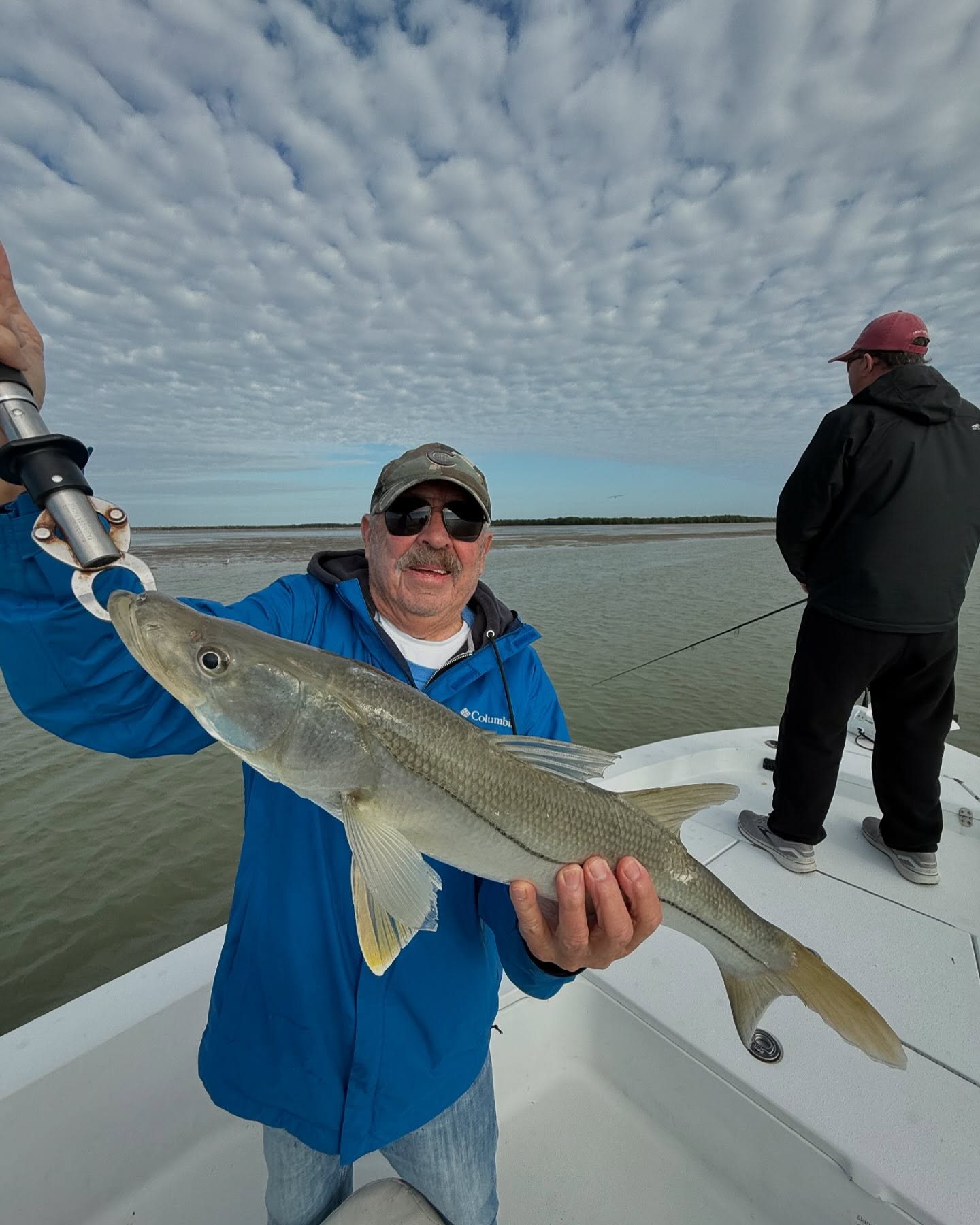
Snook are the ultimate backcountry predators and the bread and butter of Islamorada fishing. These aggressive ambush feeders love structure – you'll find them lurking under mangrove overhangs, around dock pilings, and along drop-offs where they can dart out to nail unsuspecting baitfish. Fall through early spring offers the best action when they're most active, though summer fishing can be productive early and late in the day. What makes snook special is their explosive strike and bulldog fighting style – they'll try every trick in the book including jumping, gill rattling, and heading straight for the nearest snag.
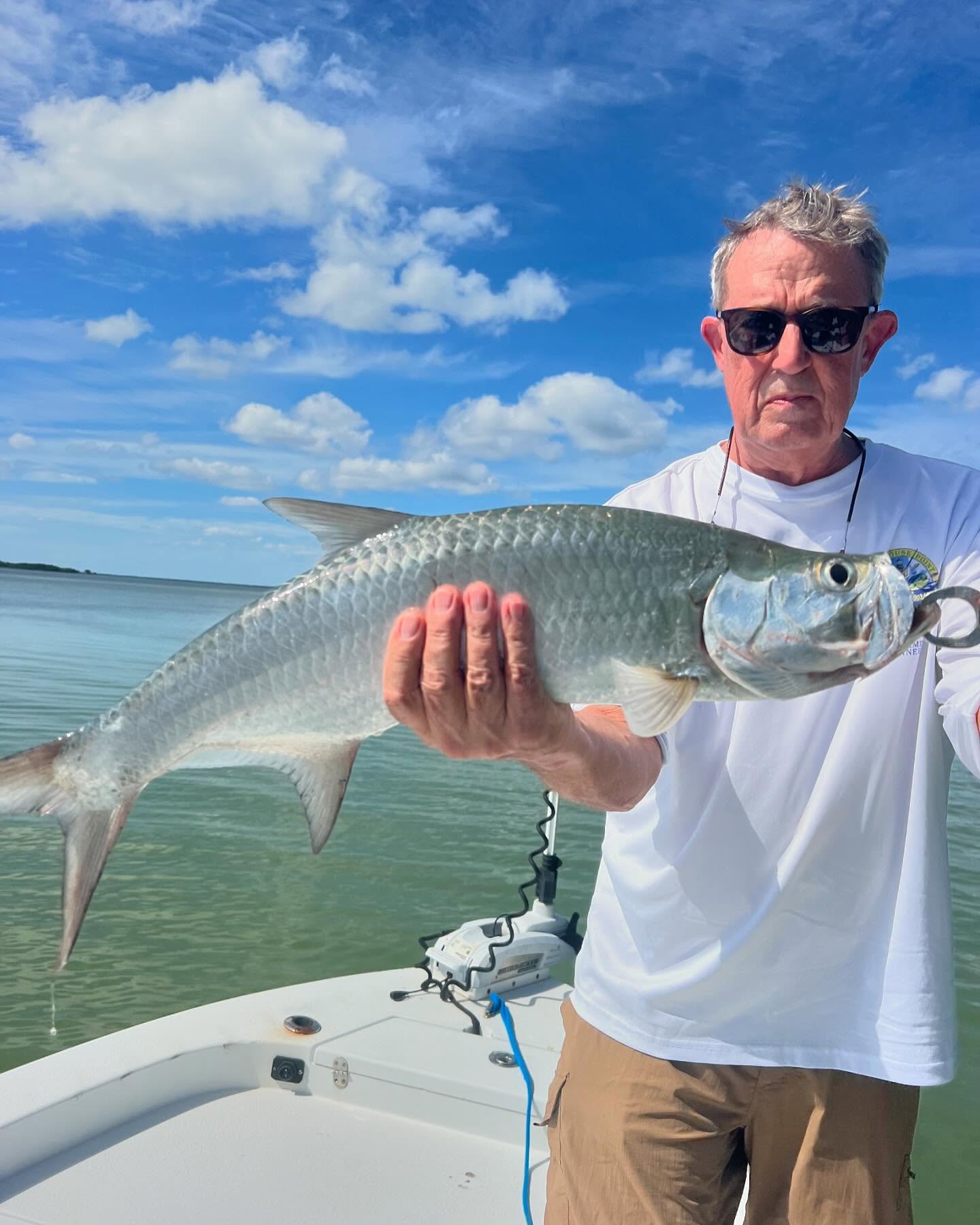
Tarpon are the ultimate test for any serious angler, and Islamorada's backcountry holds plenty of juvenile fish in the 10-50 pound range that'll give you a workout without requiring heavy tackle. These silver kings are most active during warmer months, particularly late spring through early fall. They're notorious for their acrobatic fights, often jumping multiple times and throwing the hook with their gill-rattling head shakes. The key is keeping steady pressure without overdoing it – too much pressure and they'll jump more, too little and they'll throw the hook. Landing a tarpon on light tackle is a badge of honor that proves your skills as an angler.
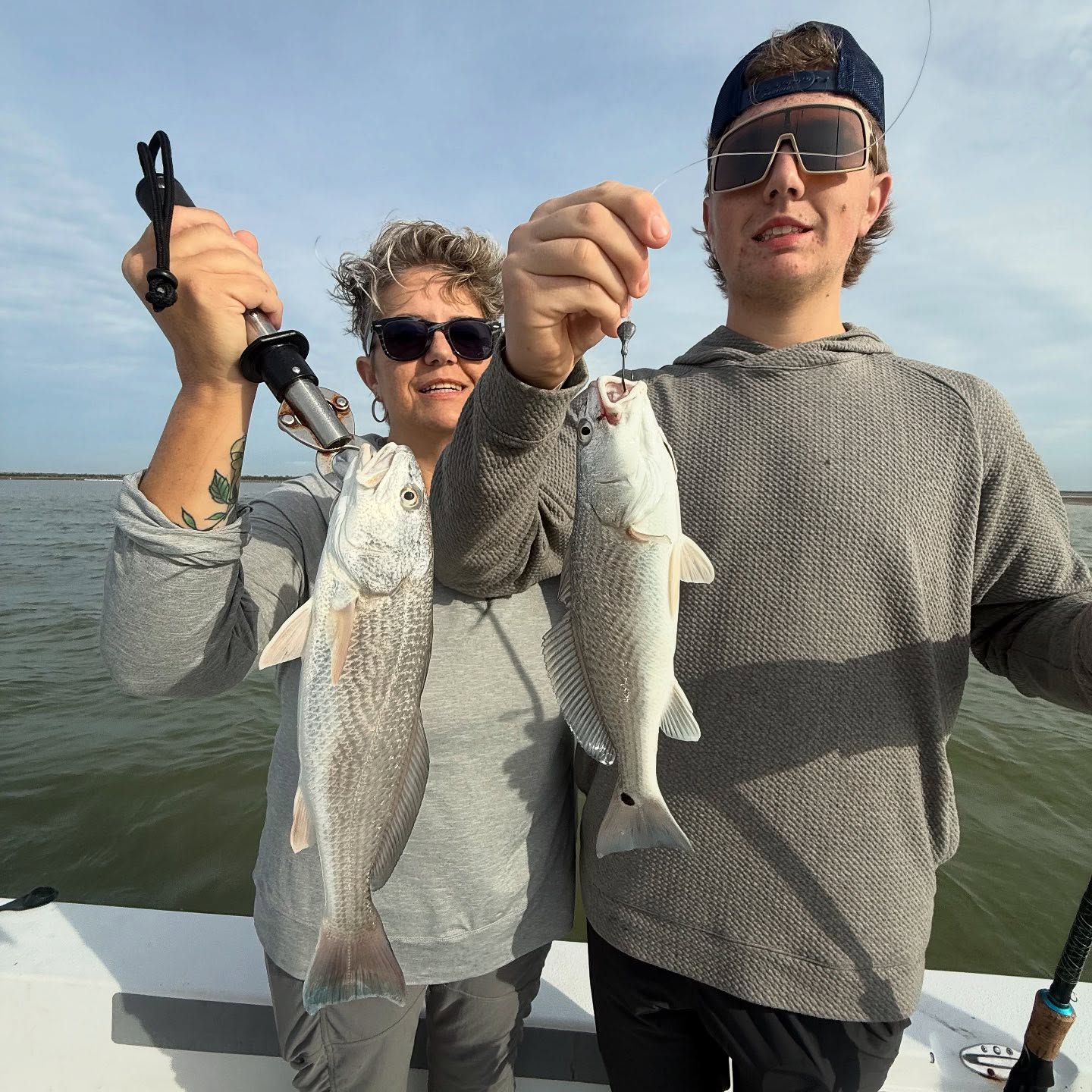
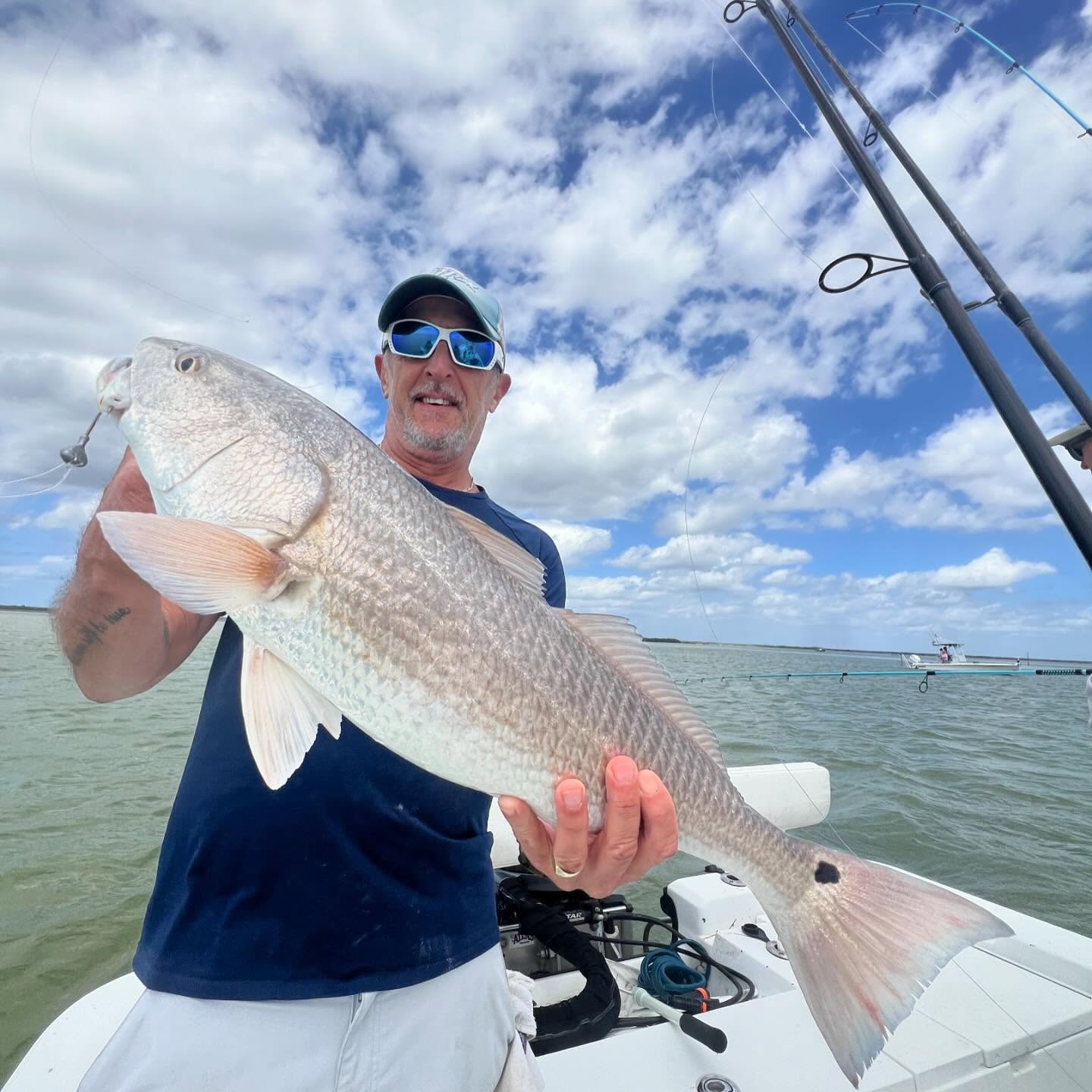
Redfish are the perfect combination of strength and intelligence, making them a favorite target for skilled anglers. These copper-colored bruisers cruise the flats and mangrove edges, often in small schools that create exciting sight fishing opportunities. They're year-round residents with peak activity during cooler months, and they're notorious for their powerful runs and stubborn fighting style. What sets reds apart is their wariness – they spook easily in shallow water, so your presentation needs to be perfect. When you hook one, expect a freight train run followed by a bulldog battle that'll test your equipment and technique.
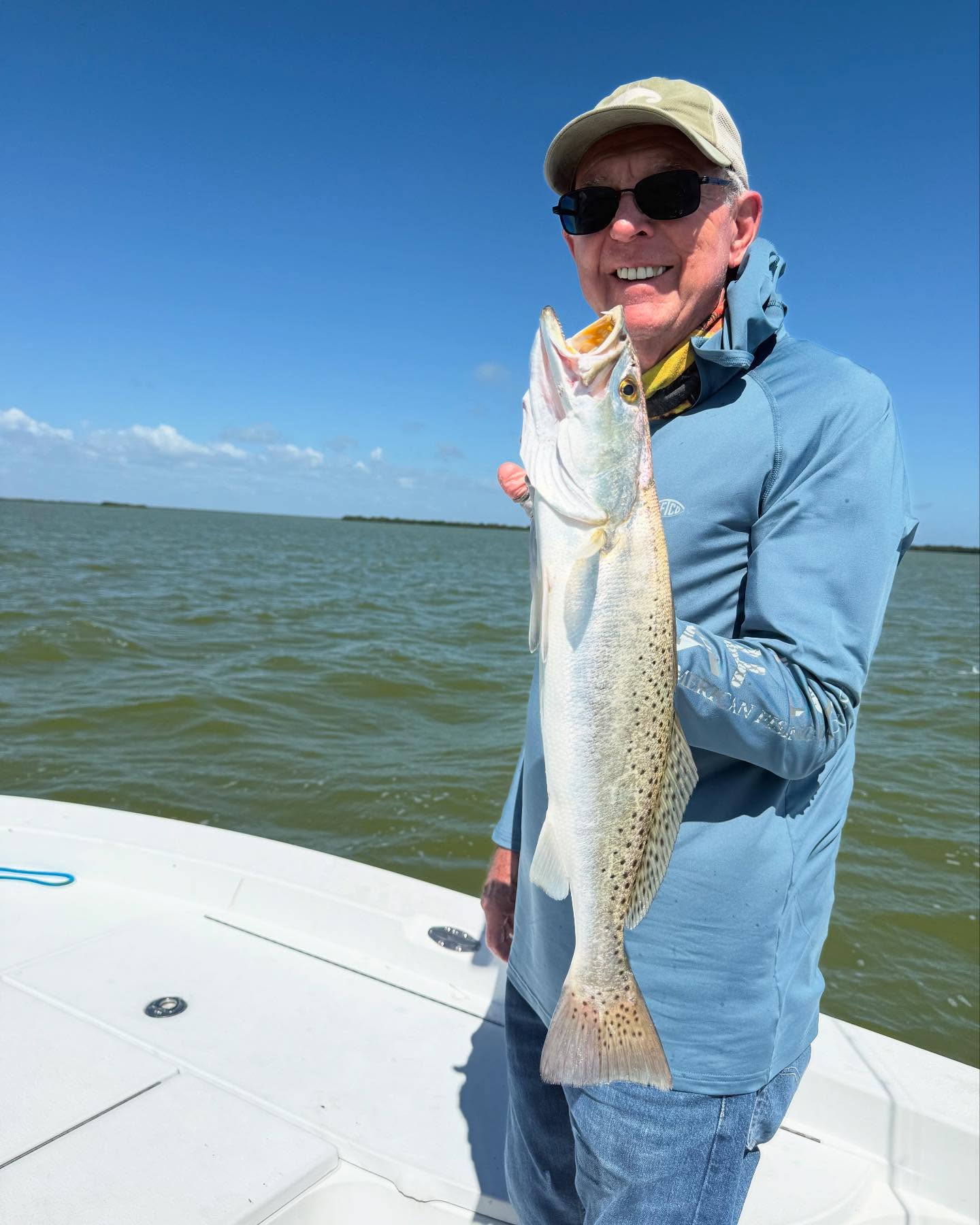
Sea Trout might not be the biggest fighters, but they're incredibly finicky eaters that separate skilled anglers from beginners. These spotted beauties prefer grass flats and sandy areas, and they're most active during moving tides. Spring through fall offers consistent action, with early morning and late evening producing the best results. Their soft mouths mean you need to adjust your drag and fighting technique – too much pressure and you'll pull the hook. They're excellent table fare, making them a practical target that combines skill development with dinner preparation.
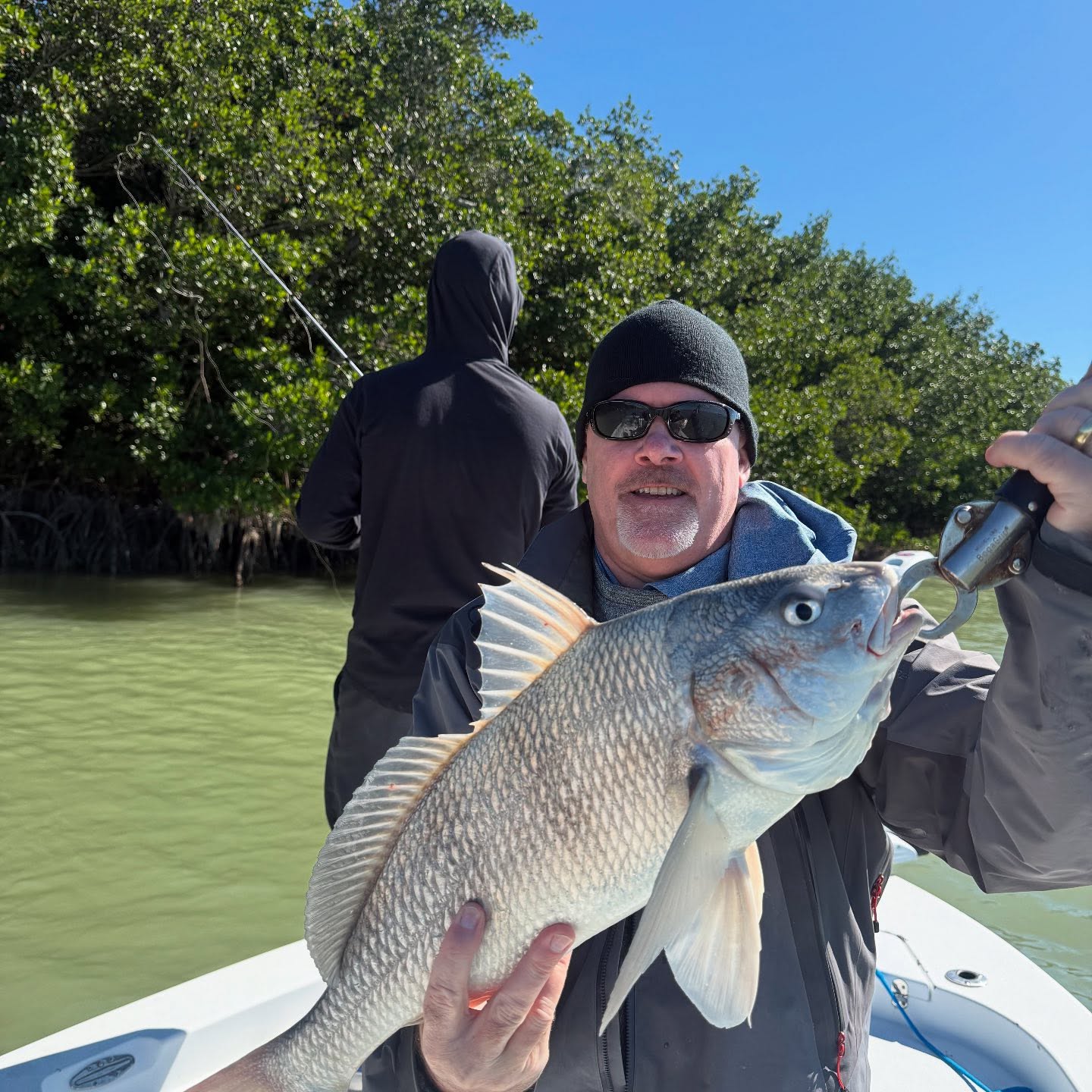
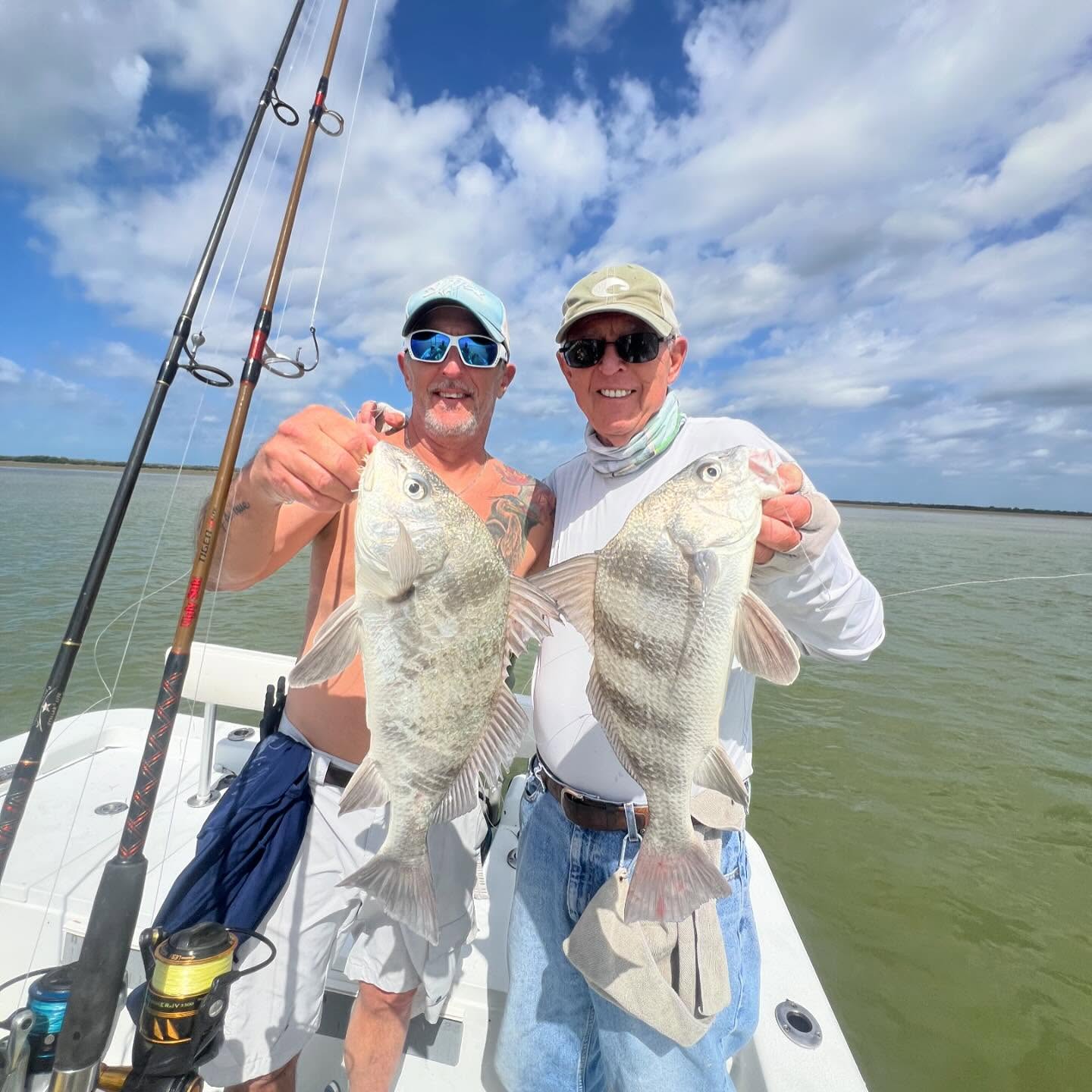
Black Drum are the heavyweights of the backcountry, with larger specimens providing serious battles on light tackle. These bottom feeders love structure and are most active during cooler months when they move into shallower water to spawn. They're not fast swimmers, but their sheer power and determination make them formidable opponents. What makes black drum challenging is finding them – they're not as widespread as other species, so local knowledge becomes crucial. When you do connect with a big one, expect a long, grinding battle that'll test your endurance and equipment.
Time to Book Your Spot
If you're serious about improving your fishing skills and want to target some of the most challenging species the Florida Keys have to offer, this charter delivers exactly what experienced anglers are looking for. Captain Juan's knowledge of Islamorada's backcountry waters, combined with his focus on technique refinement and productive fishing, creates the perfect environment for skill development. The private charter format means you're not competing for attention with inexperienced anglers, and the flexible structure ensures you're always working toward your specific goals. These aren't just fishing trips – they're educational experiences that'll make you a better angler long after you leave the Keys. Book your spot and get ready to test your skills against some of Florida's
 Private Trip
 Inshore Fishing
 Islamorada


 Private half-day charter targeting Tarpon, Snook, and Redfish species