Half Day Morning Lake Lanier Fishing Charter
There's something special about being on Lake Lanier when the morning mist is still lifting off the water and the fish are actively feeding. This half-day morning charter puts you right in the action, targeting some of Georgia's finest freshwater species including channel catfish, crappie, largemouth bass, striped bass, and smallmouth bass. Whether you're a complete beginner or you've been fishing these waters for years, Captain Scott knows exactly where to find the fish and how to put them in the boat. You'll spend your morning on one of Georgia's most popular fishing destinations, working productive structure and following the bite as it develops throughout the early hours.
What to Expect on the Water
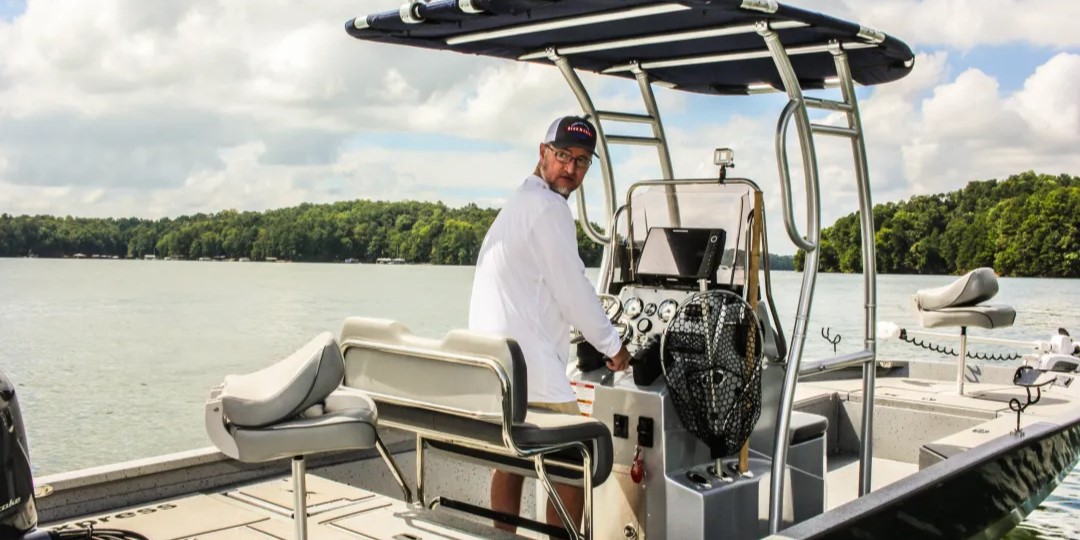
Your morning starts early when the fish are most active and the lake traffic is minimal. Captain Scott runs a top-quality boat that's equipped with everything you need for a successful fishing trip - rods, reels, tackle, bait, and all safety equipment. The beauty of a guided trip is that you can focus purely on fishing while your captain handles navigation, fish location, and technique adjustments. Lake Lanier offers over 38,000 acres of fishing water with countless creek arms, points, and structure that hold different species throughout the seasons. You'll move between productive spots as the morning progresses, adjusting tactics based on what the fish are telling you. The three-person capacity keeps the boat comfortable and gives everyone plenty of room to fish effectively. No need to worry about bringing anything except your fishing license, sunscreen, and maybe a cooler with drinks and snacks.
Techniques and Tackle Setup
Lake Lanier fishing requires a versatile approach since you're targeting multiple species with different feeding habits and preferred depths. For channel catfish, you'll typically work deeper creek channels and humps using cut bait or prepared baits on Carolina rigs or three-way swivels. Crappie fishing often involves vertical jigging around brush piles and standing timber with small jigs or live minnows, particularly in the upper creek arms where there's plenty of cover. Bass fishing tactics vary with the season but commonly include working plastic worms around rocky points, throwing spinnerbaits over submerged grass beds, or cranking deep diving plugs along channel edges. Striped bass fishing usually means finding schools of baitfish and working the edges with live bait or large swimbaits. Captain Scott adjusts the approach based on current conditions, water temperature, and recent fish activity. The provided gear is matched to each technique, so you'll always have the right rod action and reel size for the species you're pursuing.
Customer Stories
"Scott knew where to find the fish . We liked his enthusiasm, knowledge of lake Lanier's water and his patience . What an awesome day out on his boat . It's a top quality , clean boat and we could not have wished for a better day . 10/10 mate 👍" - Maggie
Species You'll Want to Hook
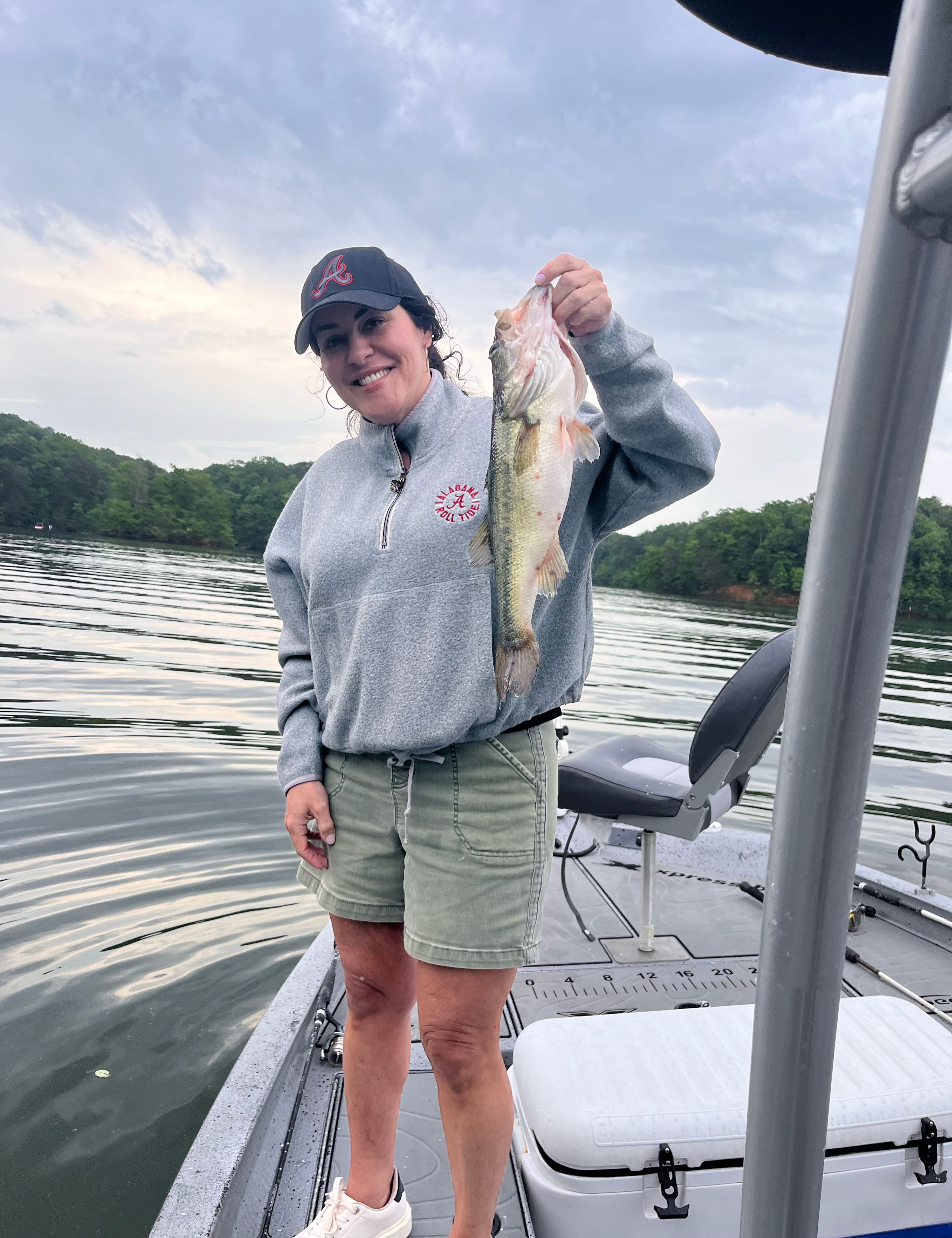
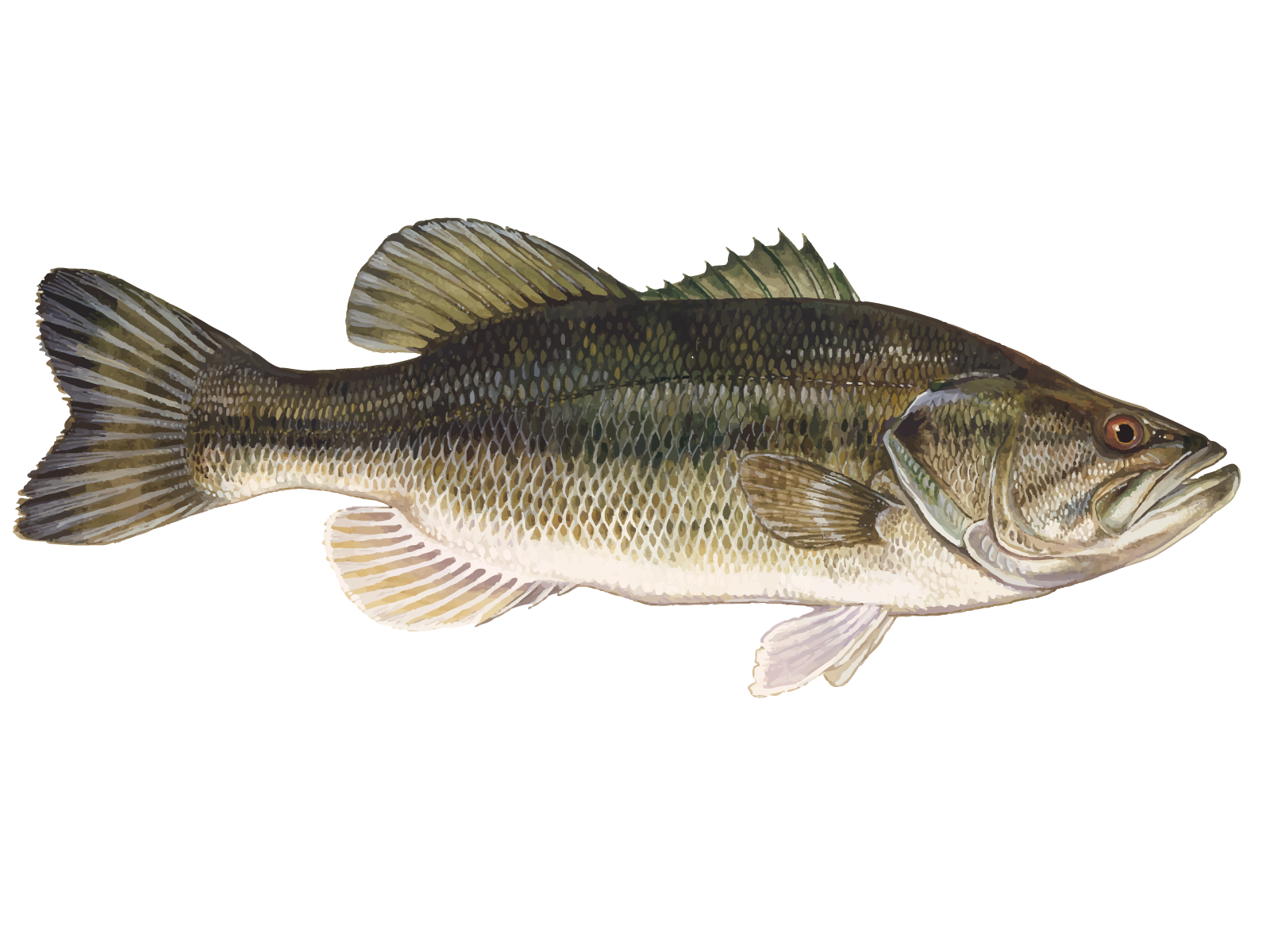
Largemouth bass are the bread and butter of Lake Lanier fishing, with excellent populations throughout the lake's many creek arms and coves. These fish average 2-4 pounds with plenty of quality fish in the 5-7 pound range and occasional giants pushing double digits. Spring and fall offer the most consistent action when bass are shallow and aggressive, but summer patterns around deeper structure can be equally productive. What makes largemouth so exciting is their explosive strikes and aerial acrobatics - there's nothing quite like watching a big bass clear the water trying to throw your hook.
Crappie fishing on Lake Lanier is phenomenal, particularly during the spring spawning period when fish move shallow into creek arms and coves. These slab-sided panfish typically run 10-14 inches with plenty of keeper-sized fish mixed with some true slabs pushing 15 inches or better. Crappie are structure-oriented, so you'll find them around brush piles, standing timber, and dock pilings. They're excellent table fare and provide steady action once you locate a school, making them perfect for anglers who enjoy consistent catching along with great eating.
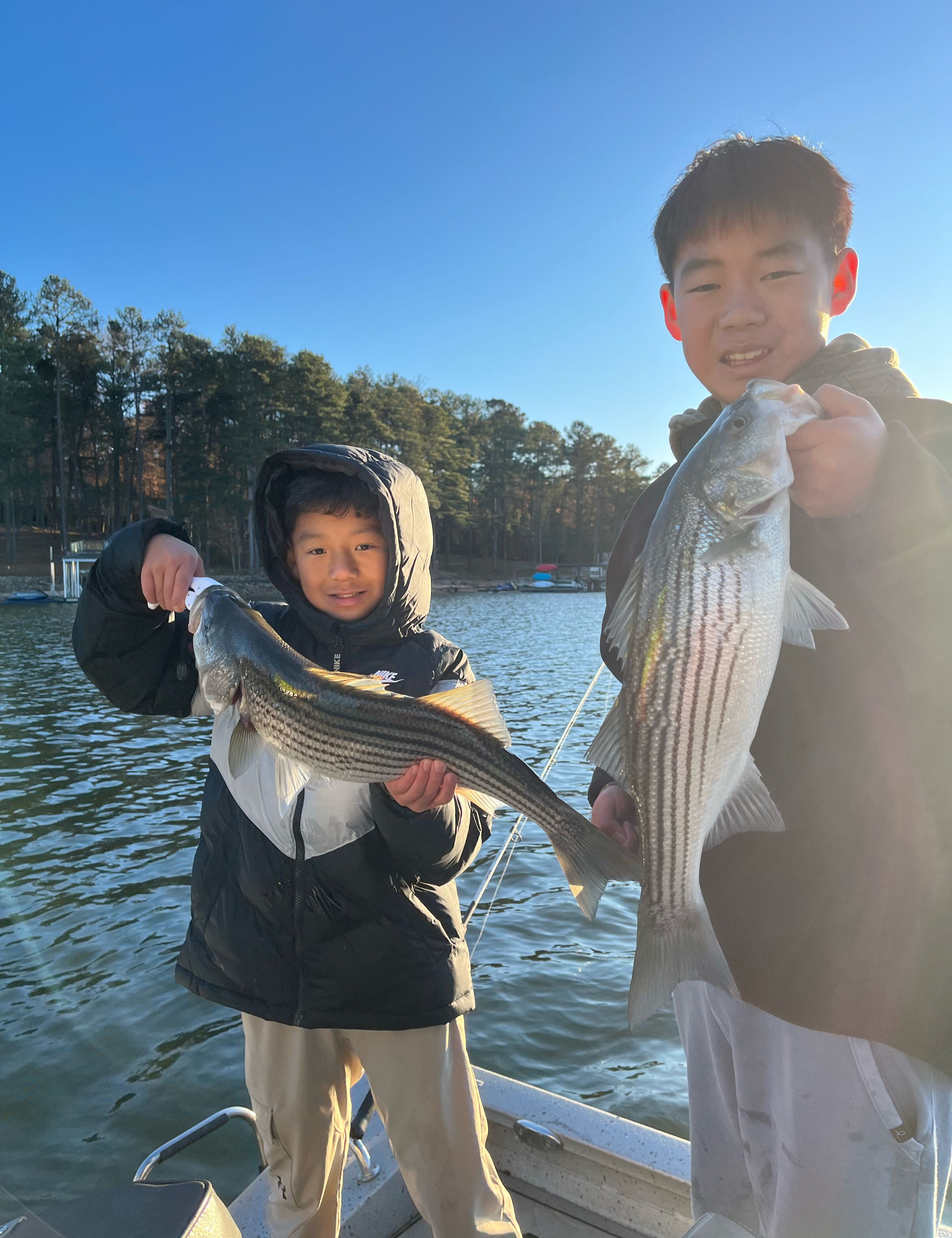
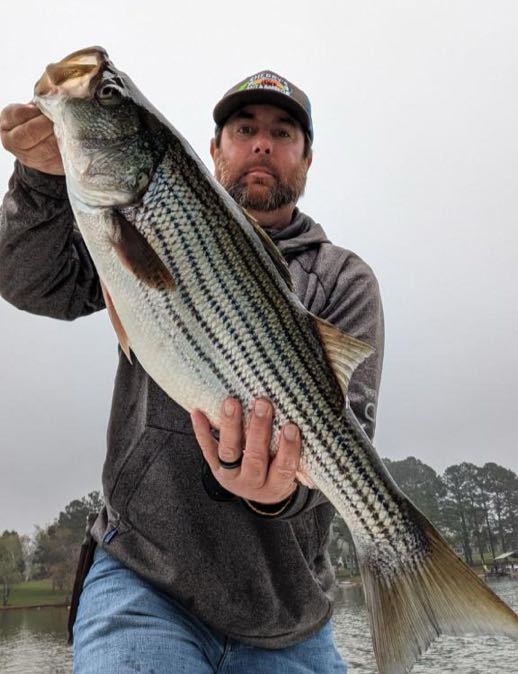
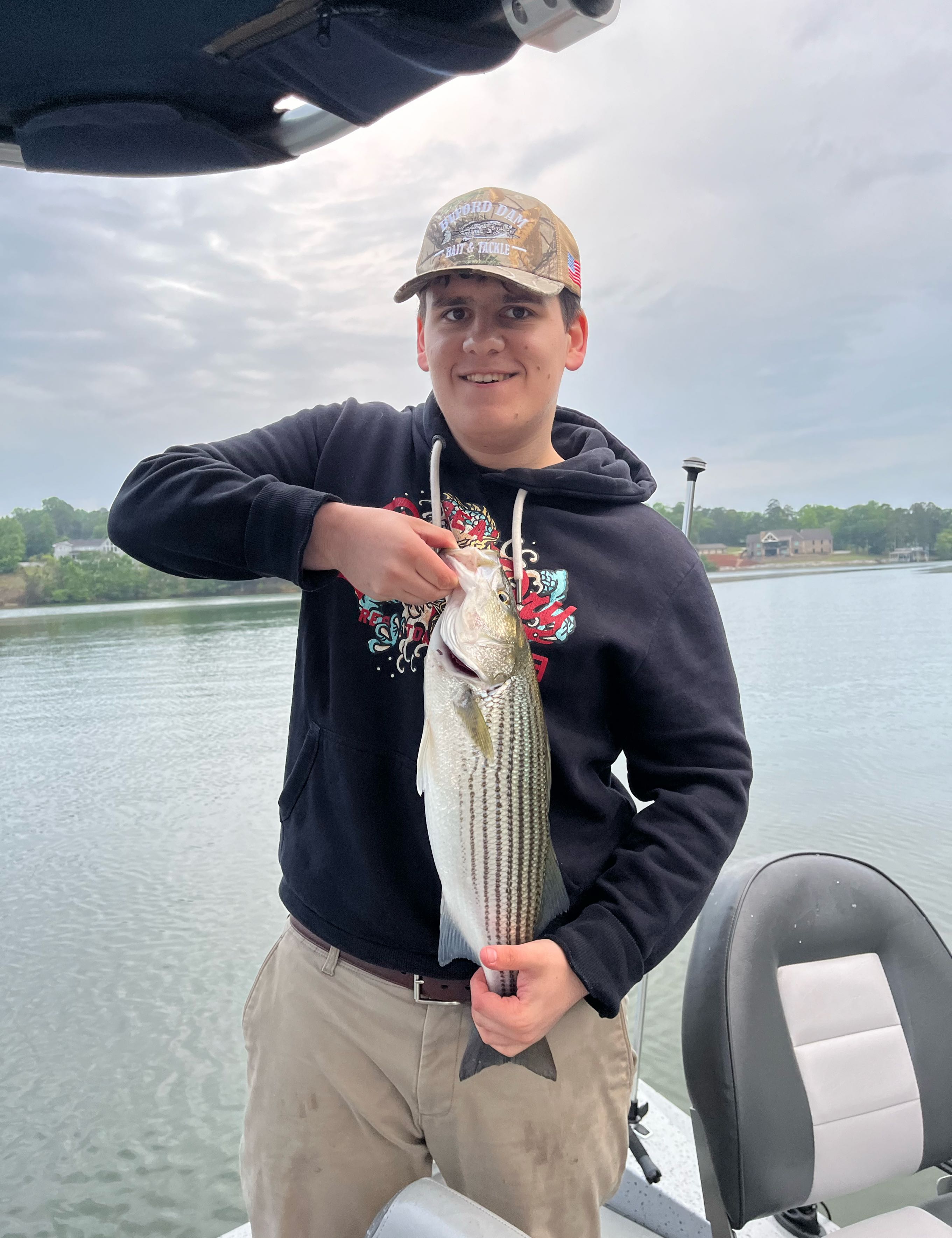
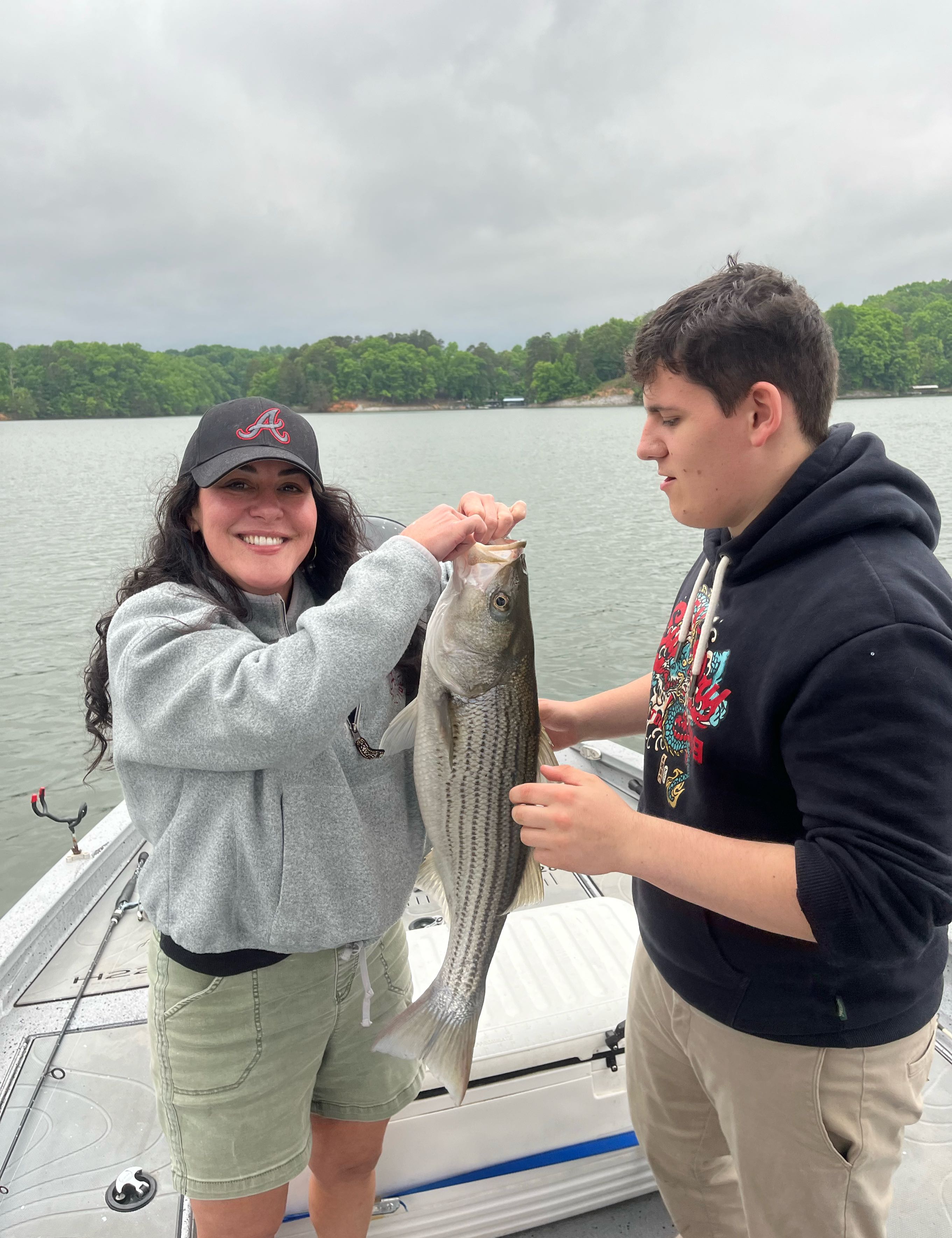
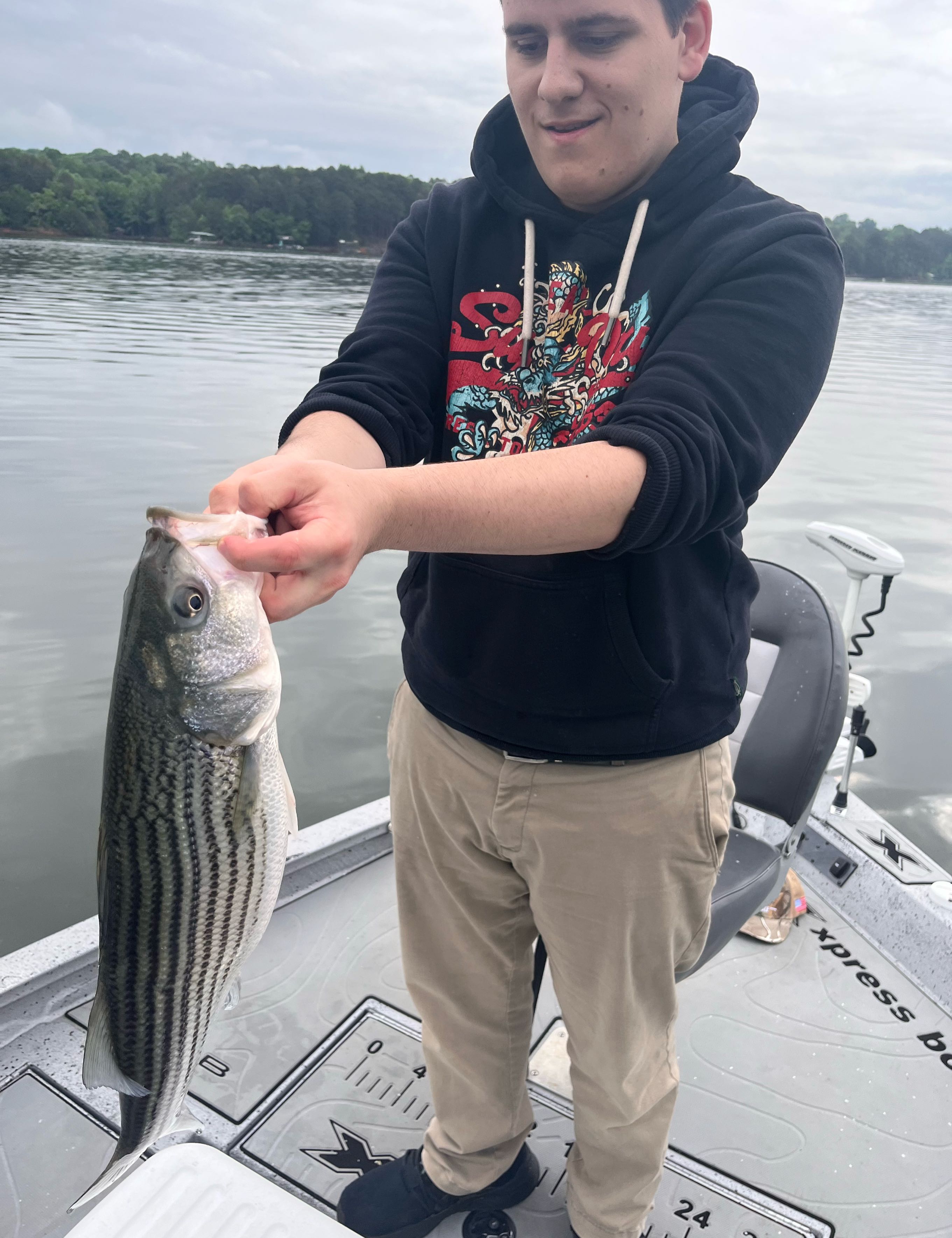
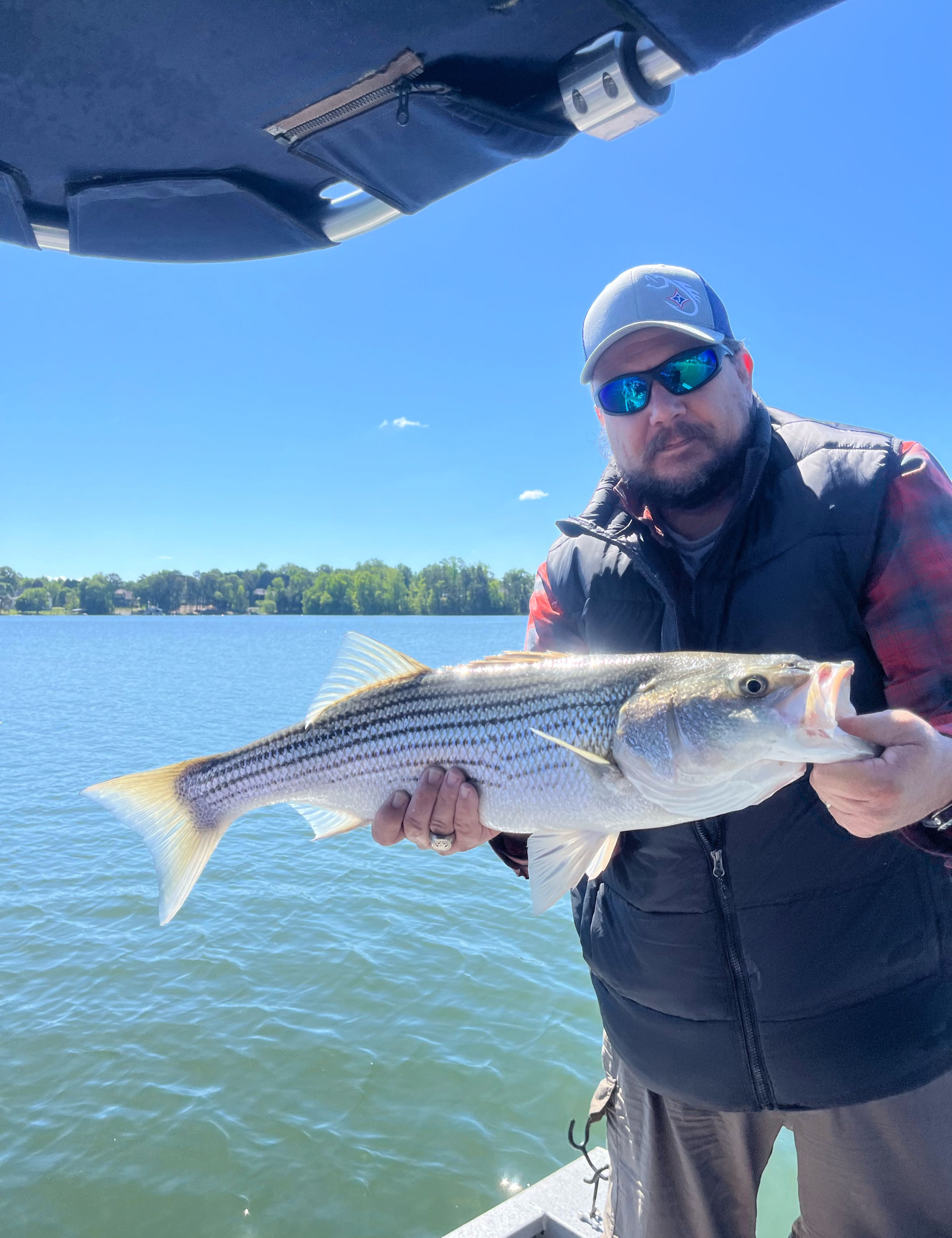
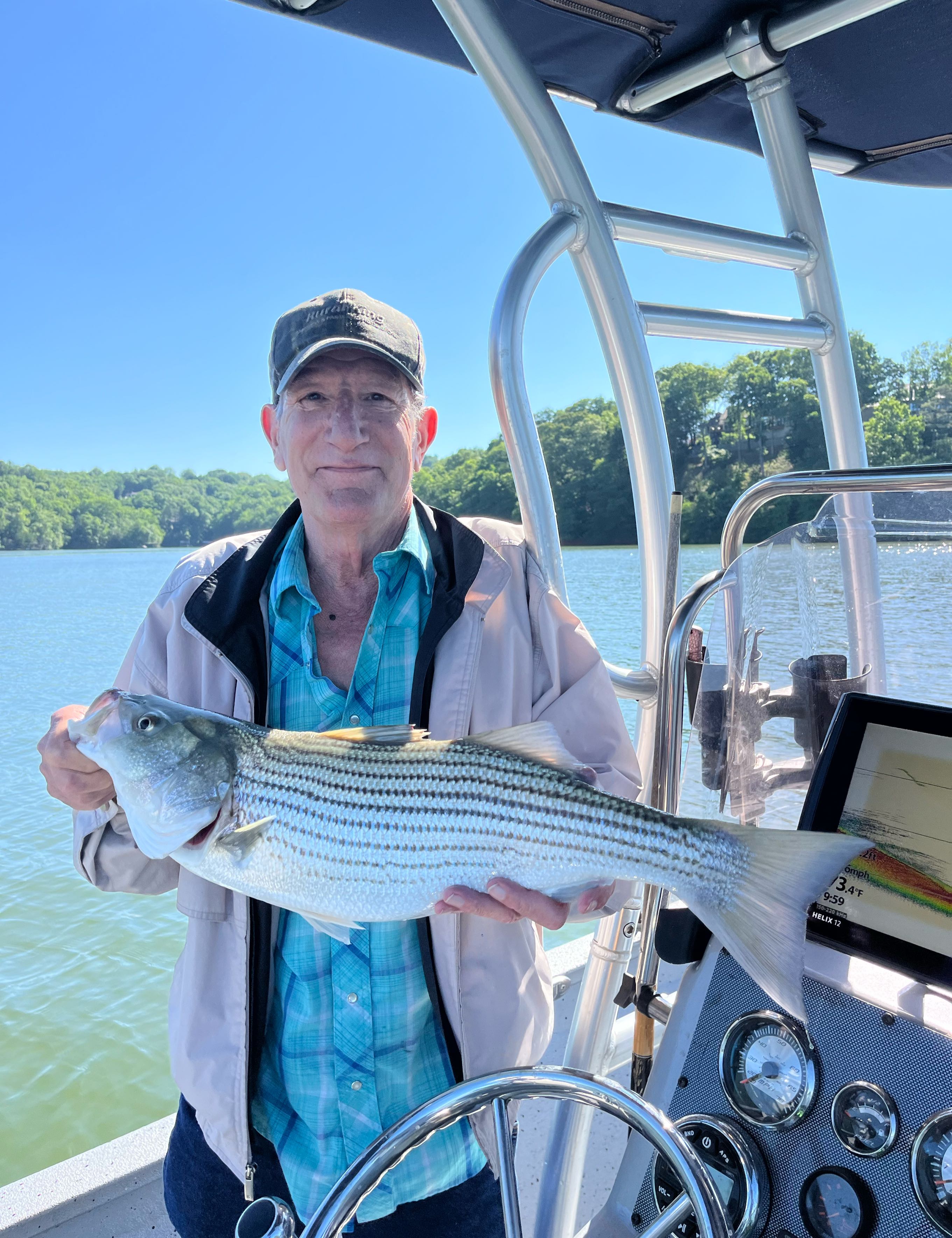
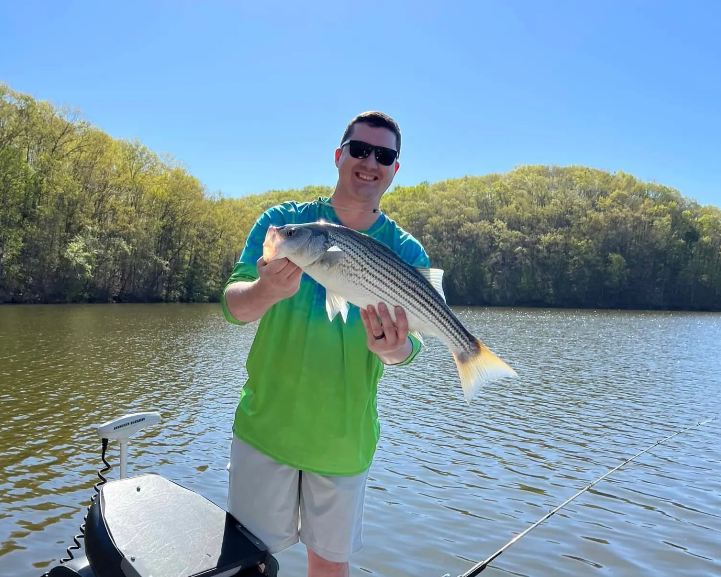
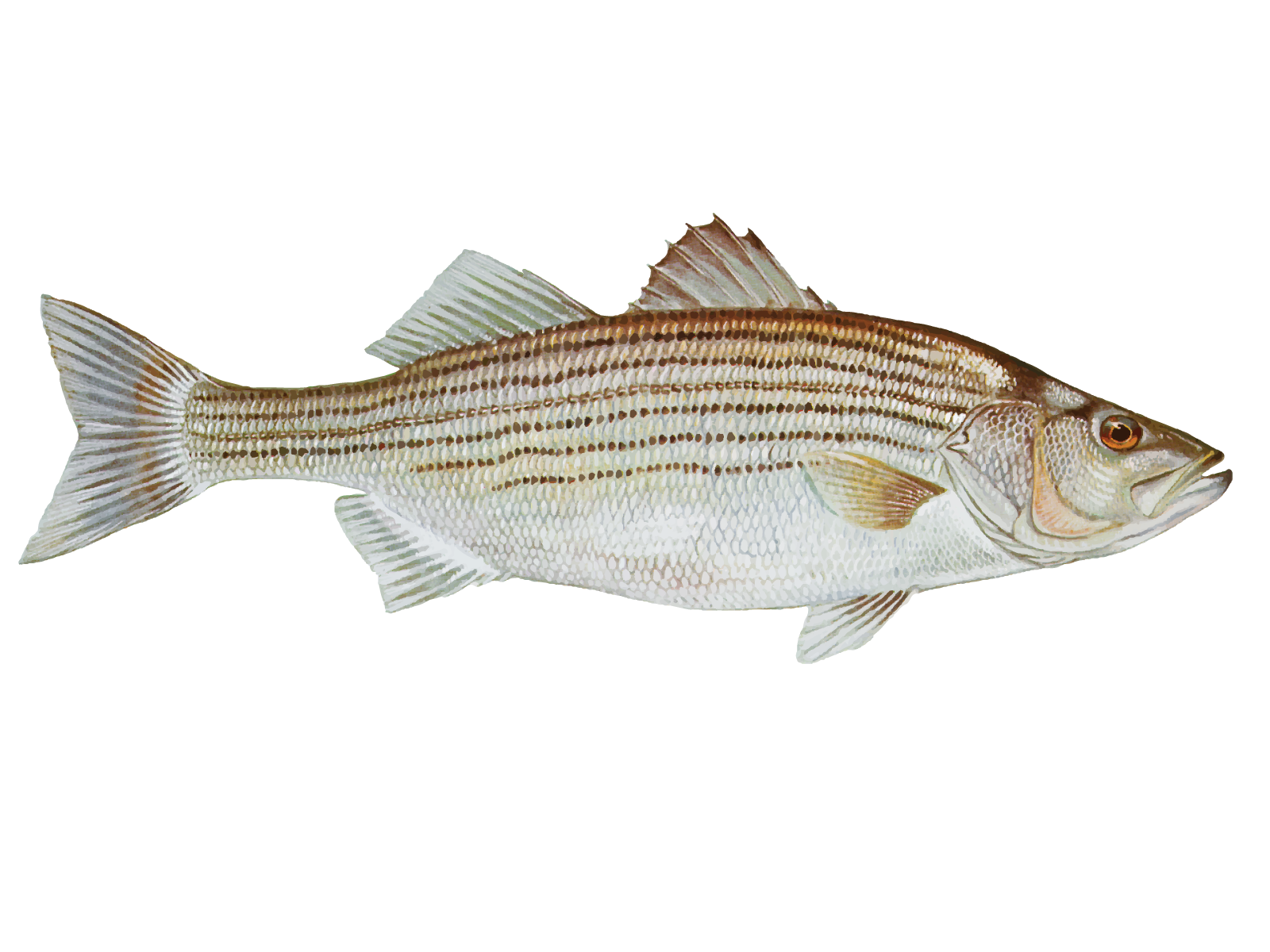
Striped bass represent some of the most exciting fishing Lake Lanier has to offer, with fish ranging from schoolie-sized 2-5 pounders up to true trophy fish exceeding 20 pounds. These open-water predators are constantly on the move following schools of threadfin shad and gizzard shad. When you find them feeding, the action can be absolutely electric with multiple hookups and screaming drags. Summer months often produce the best striper fishing when fish are schooled up in deeper water, but spring and fall can offer excellent shallow water opportunities.
Smallmouth bass are often overlooked on Lake Lanier, but the lake holds an excellent population of bronzebacks that fight pound-for-pound harder than any other species. These fish love rocky areas, particularly the main lake points and channel swings where there's current and structure. Smallmouth typically run smaller than their largemouth cousins, averaging 1-3 pounds, but their fight is legendary - they jump higher, pull harder, and never give up until they're in the net.
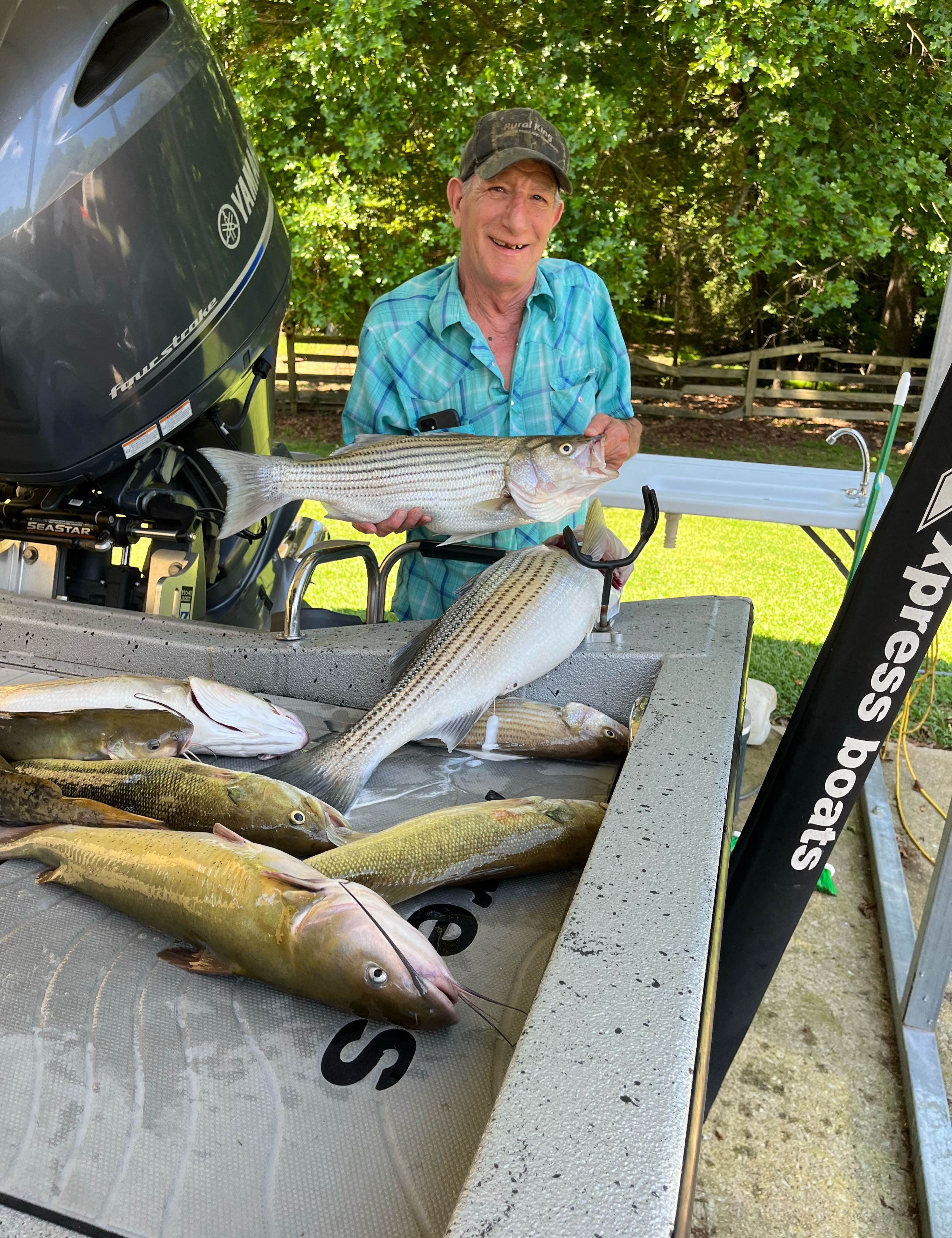
Channel catfish provide excellent opportunities for both action and table fare, with Lake Lanier supporting a healthy population of fish ranging from 2-3 pound eating-sized cats up to true monsters exceeding 20 pounds. These bottom-dwelling fighters are most active during low-light periods, making them perfect targets for morning trips. Channel cats are found throughout the lake but concentrate in deeper creek channels, around humps and ledges, and near structure that provides current breaks. They're notorious for their strong, bulldogging fights and their excellent eating quality.
Time to Book Your Spot
Lake Lanier morning fishing charters book up quickly, especially during peak seasons when the fish are most cooperative and the weather is perfect for being on the water. This half-day format gives you the best fishing action without committing to a full day, making it
 5.0(1 Reviews)
 Private Trip
 Lakes/Reservoirs/Ponds Fishing
 Lake Lanier


 Half-day morning charter targets channel catfish and crappie.