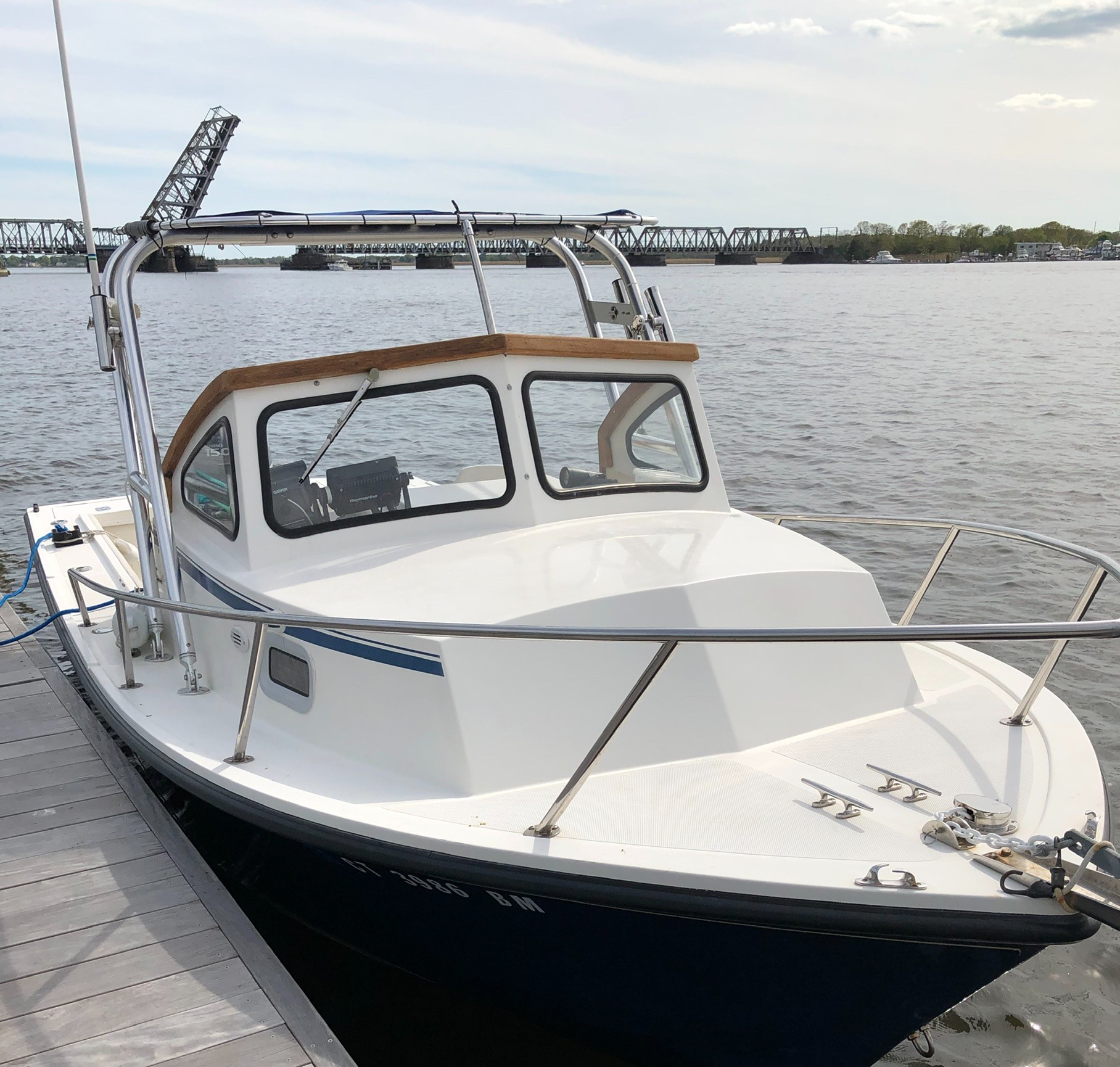
Weekend & Holidays Trip Long Island Sound
When you're looking to make the most of your time off, there's nothing quite like getting out on Long Island Sound with Bell 8 Charters. This intimate fishing adventure is built for small groups – just you and one other angler – which means personalized attention and prime fishing spots without the crowd. Whether you're planning a father-son outing, a fishing date with your partner, or some quality time with your best fishing buddy, this trip delivers the kind of hands-on experience that bigger boats just can't match. Long Island Sound is loaded with structure, drop-offs, and rocky bottom that holds serious fish year-round, and our weekend and holiday schedule means you can chase these prized inshore species when your schedule allows.
What to Expect on the Water
This isn't your typical party boat experience – with just two guests max, you'll have room to fish properly and access to the captain's local knowledge that comes from years working these waters. Long Island Sound offers some of the most diverse inshore fishing on the East Coast, with rocky reefs, sandy flats, and structured bottom that attracts everything from keeper stripers to hefty tautog. The trip focuses on the bread-and-butter species that make this area famous: chunky flounder, aggressive scup, hard-fighting tautog, and the crown jewel – striped bass. You'll be fishing in waters that range from 15 to 60 feet, moving between spots based on tide, season, and what's biting. The captain knows where the fish stack up during different tide phases and will put you on the most productive water for the conditions. Expect to use a variety of techniques depending on what we're targeting – from bottom rigs for flounder and scup to live bait presentations for stripers.
Tackle & Techniques
Long Island Sound fishing requires adapting to conditions and target species, so you'll get hands-on experience with multiple approaches during your trip. For bottom species like flounder, tautog, and scup, we'll be using traditional high-low rigs with circle hooks and just enough weight to hold bottom in the current. Green crabs and sandworms are go-to baits for tog, while squid strips and spearing work magic on flounder and scup. When we're after striped bass, the approach changes completely – live eels, bunker chunks, or even trolling with umbrella rigs depending on the season and water temperature. The rocky structure that makes Long Island Sound so productive also means you need to know how to work your baits properly – too much weight and you'll hang up constantly, too little and you won't stay in the strike zone. The captain will walk you through reading your rod tip, feeling the bite, and setting the hook properly for each species. All tackle and bait are provided, though you're welcome to bring your own gear if you have favorites.
Target Species
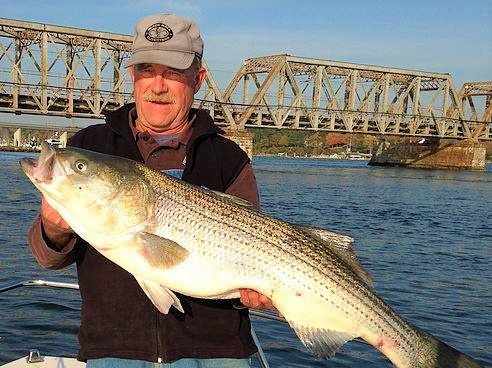
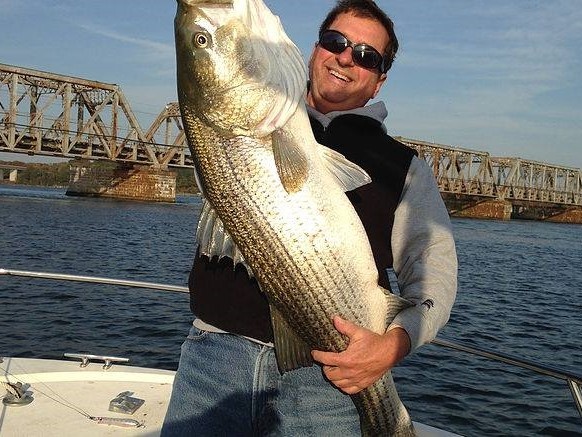
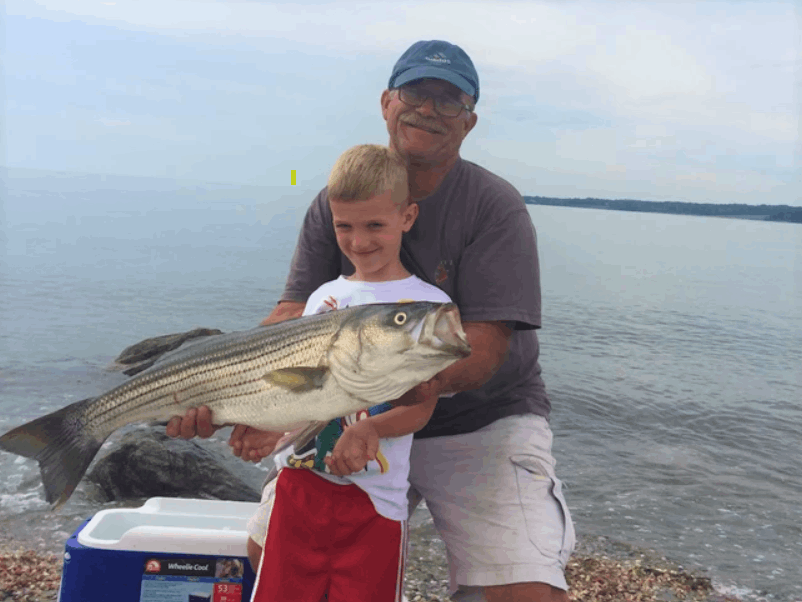
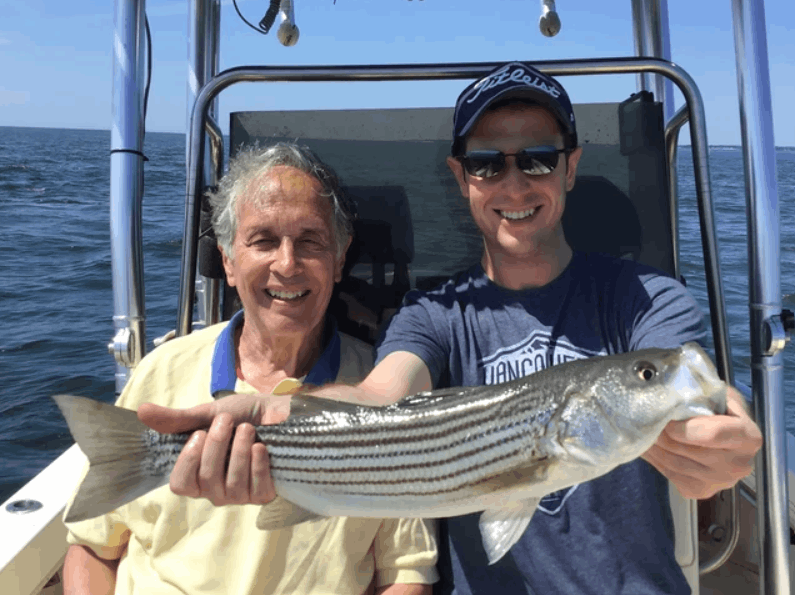
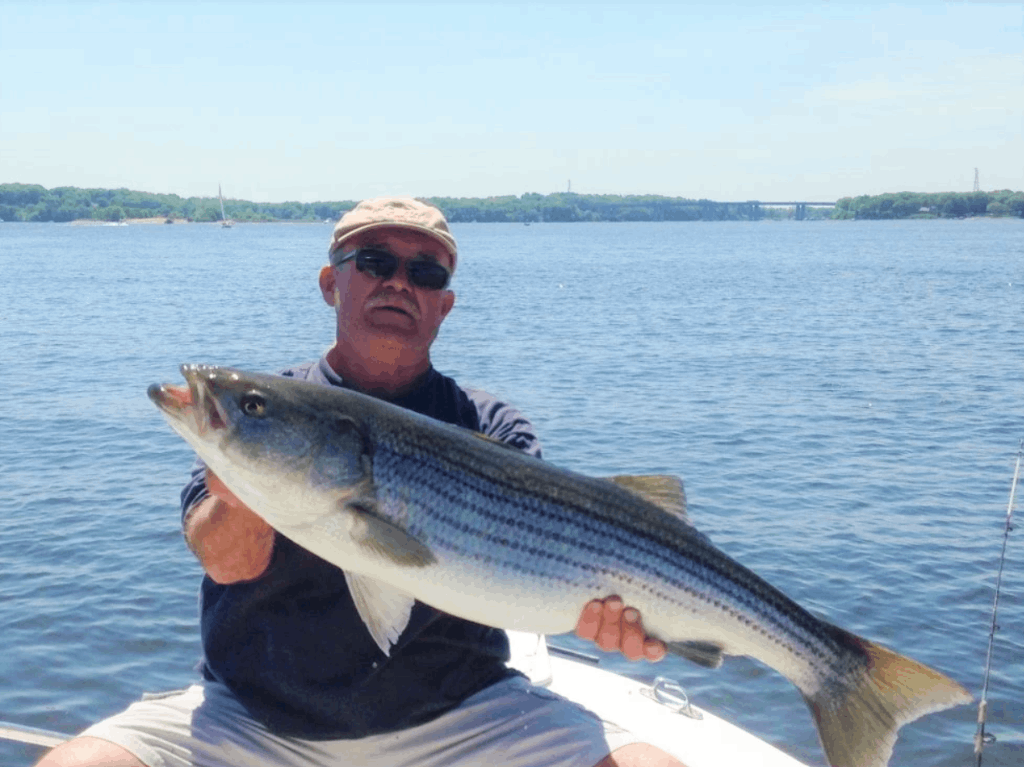
Striped Bass are the marquee species in Long Island Sound, and for good reason. These fish run from schoolie size up to legitimate keepers in the 28+ inch range, with some true cows mixed in during peak season. Spring and fall see the best striper action as fish move through the Sound on their migration routes. They're aggressive feeders that will hit everything from live bunker to soft plastics, and the fight they put up in the current and around structure is what keeps anglers coming back. When you hook into a solid striper, expect multiple runs and some serious head-shaking – these fish know how to use the current to their advantage.
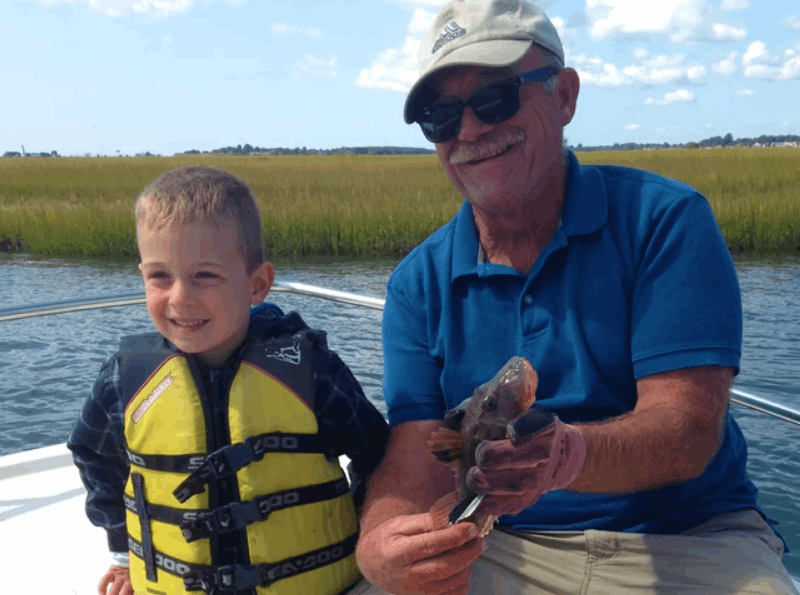
Tautog might not win any beauty contests, but they're pound-for-pound some of the strongest fish in the Sound. These bottom-dwellers love rocky structure and are notorious bait thieves, making them a favorite challenge for experienced anglers. Tog season runs through late fall and early winter when they're feeding heavily before their dormant period. They average 2-4 pounds with occasional fish pushing double digits. The key to success is keeping your bait right on the rocks where they live – and being ready for their subtle pick-up-and-drop bite pattern.
Scup, or porgy, are the perfect species for non-stop action. These silver-sided fighters travel in schools and when you find them, you can catch them as fast as you can drop your line. They're excellent table fare and range from half-pound snapper size up to plate-sized fish over two pounds. Summer months see the best scup fishing, and they're often caught while targeting other species, making them a great bonus fish that keeps the action going between bigger bites.
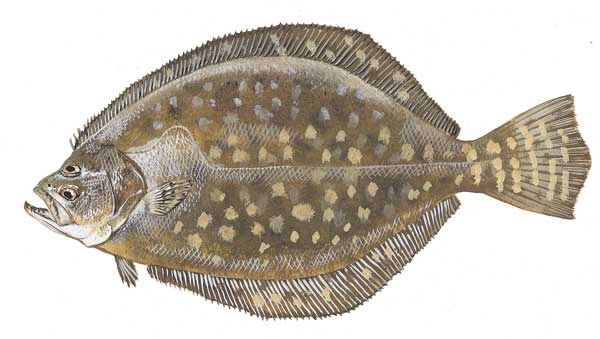
Southern Flounder are the flatfish stars of Long Island Sound, and catching one always feels like a small victory. These ambush predators bury themselves in sand and strike with lightning speed. Summer flounder season brings fish from keeper size (19+ inches) up to genuine doormats over five pounds. They require patience and the right presentation – a slow drift with your bait just off the bottom usually does the trick. The fight isn't spectacular, but the satisfaction of fooling one of these clever predators and the excellent table fare makes them a prized target.
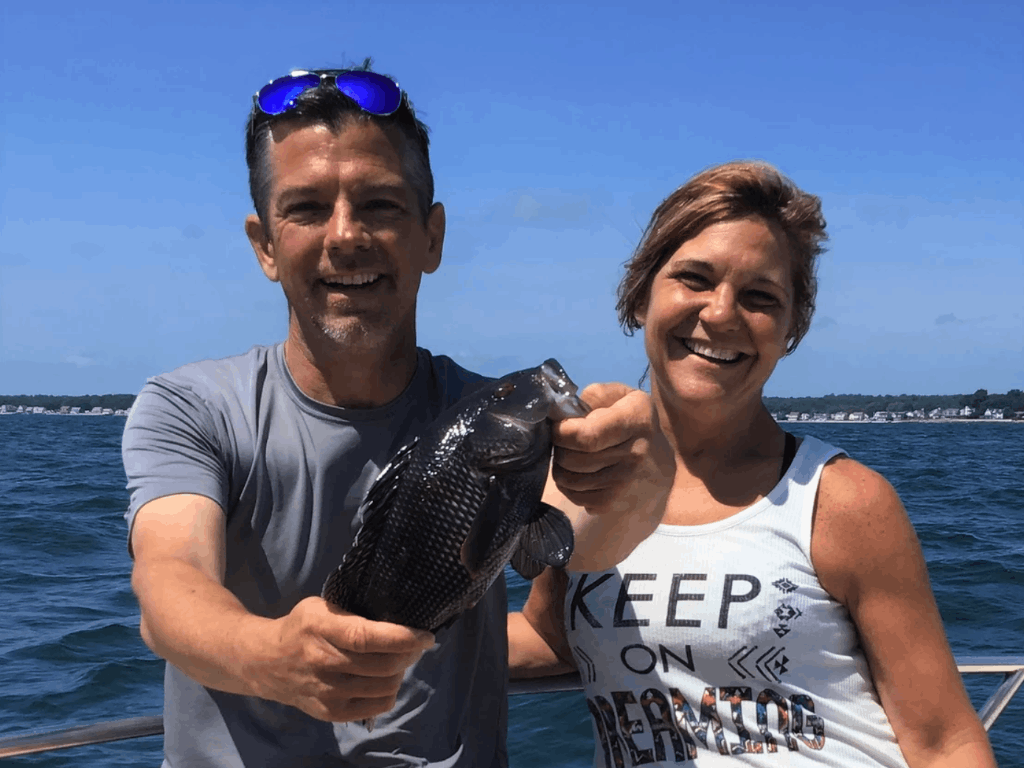
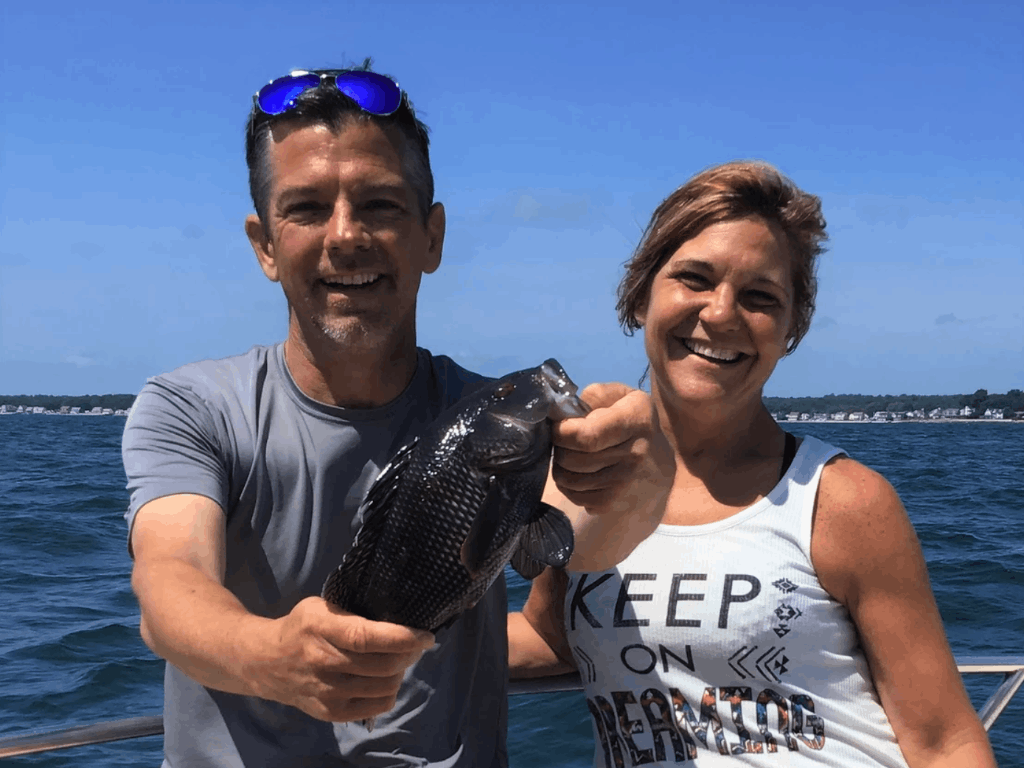
Black Sea Bass round out the target list and have made a strong comeback in recent years. These bottom-dwellers are structure-oriented fish that put up a surprisingly good fight for their size. They're excellent eating and the regulations have stabilized to allow for some consistent harvest opportunities. Sea bass are opportunistic feeders that will take cut bait, squid, or small jigs worked near rocky bottom.
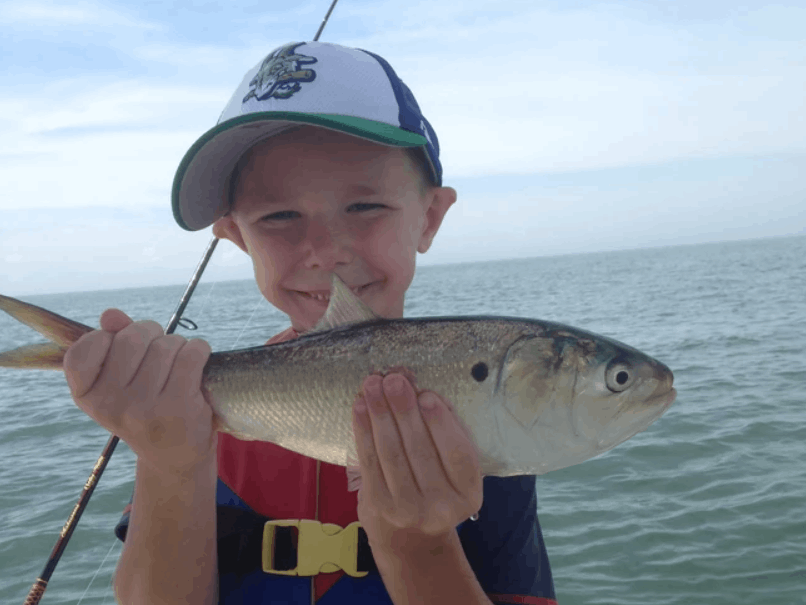
Bluefish bring the aggression factor when they're around. These toothy predators travel in schools and feed with incredible intensity. When the blues are biting, it's fast and furious action with fish that fight hard and jump frequently. They're excellent on the grill when handled properly, and catching them often means you've found bait schools that attract other gamefish too.
Time to Book Your Spot
Long Island Sound delivers consistent fishing action for anglers who want variety, technique, and the chance at some quality
 Private Trip
 Inshore Fishing
 Old Lyme, CT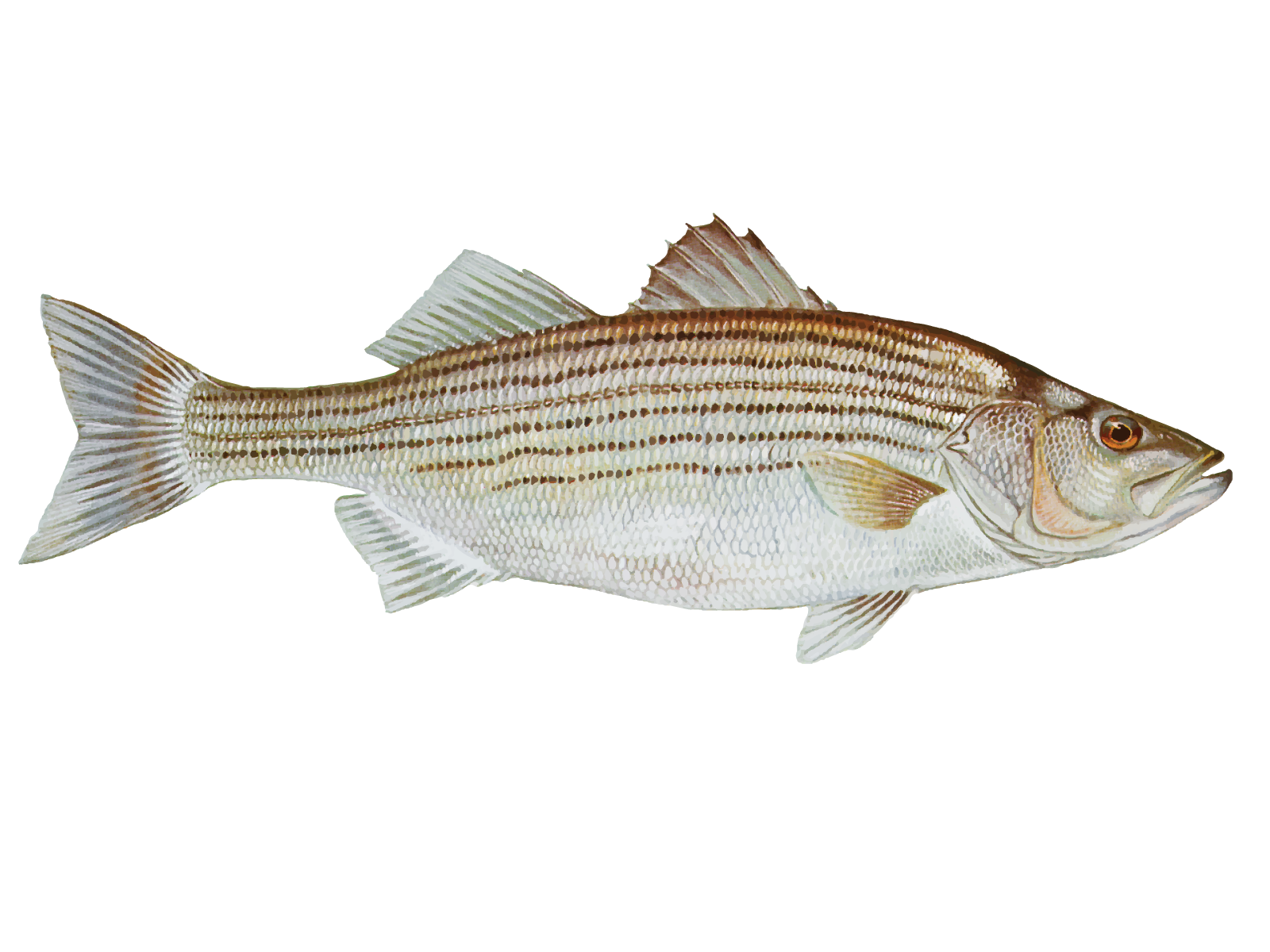

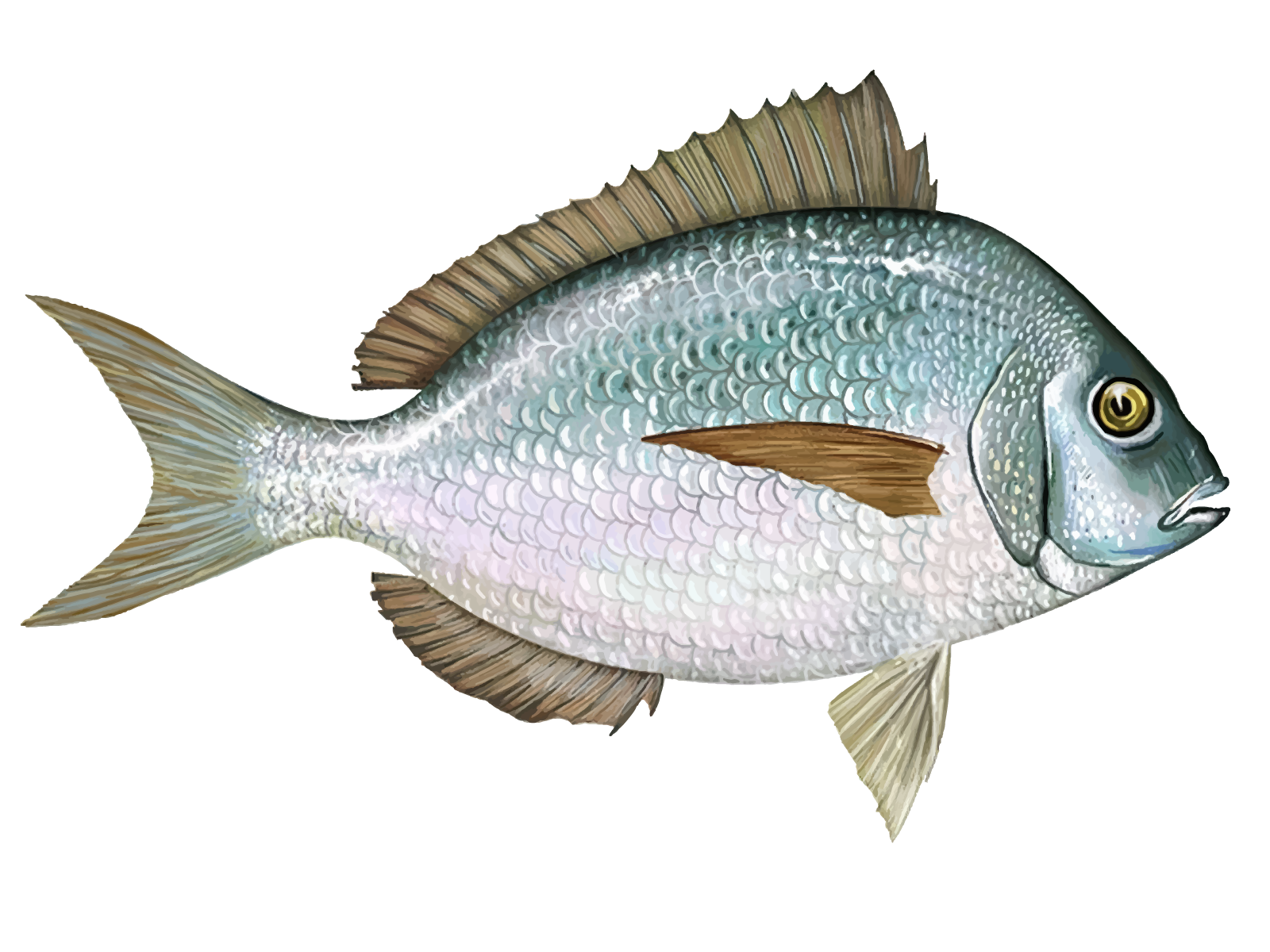

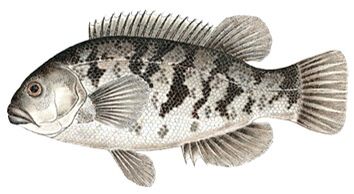
 Target Flounder, Scup, Tautog, and Striped Bass inshore