Big Pine Key Half Day Reef Fishing Charter
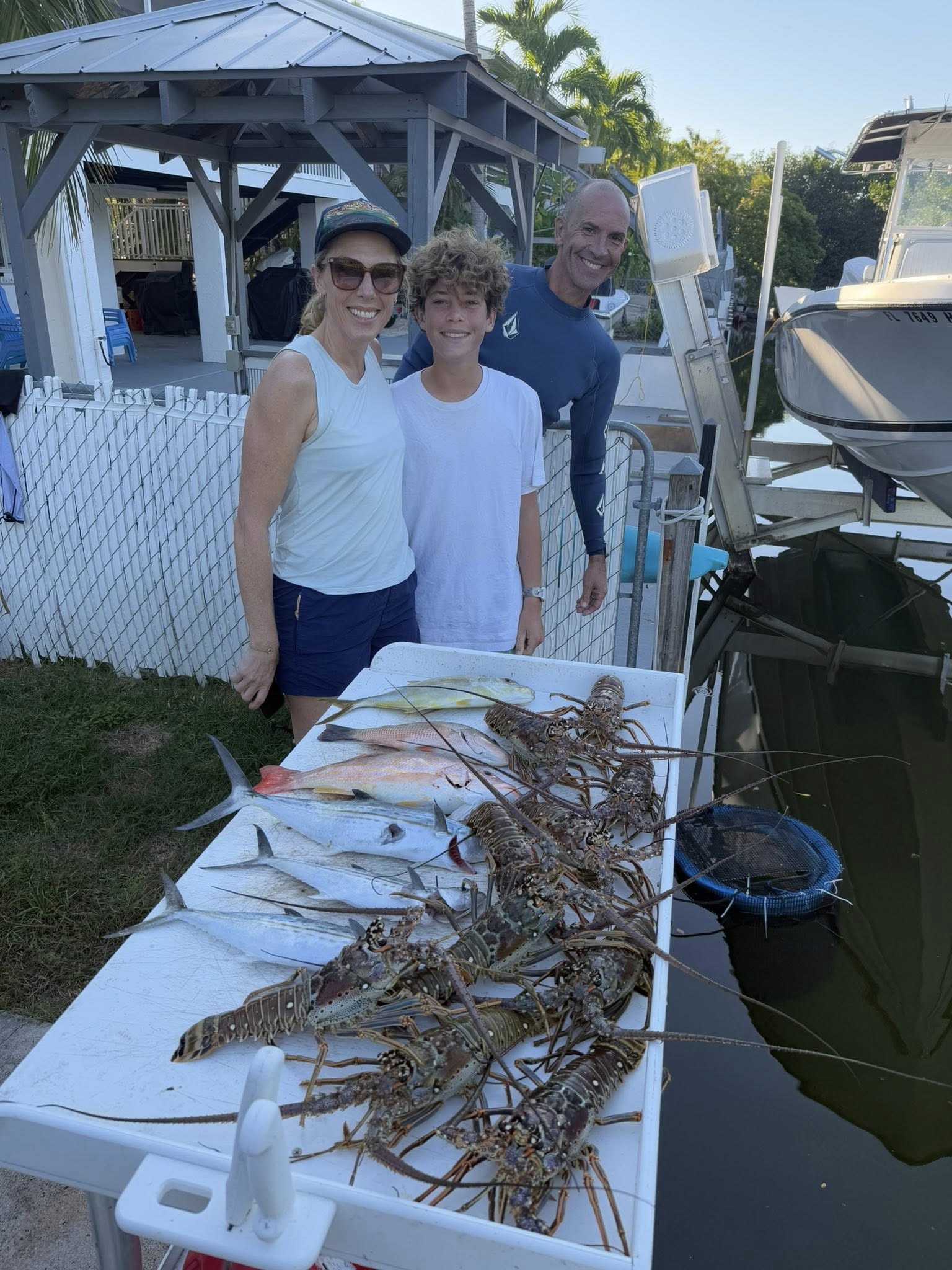
When you're looking for a solid half-day fishing trip that delivers on both quality fish and flexibility, this Big Pine Key charter hits the sweet spot. Starting at 8:30 AM, you'll spend four hours targeting productive wrecks and reefs where the fish actually live, not just where they might be passing through. Captain and crew know these waters like the back of their hand, and they're focused on one thing – getting you hooked up with dinner-worthy fish while keeping the whole experience relaxed and fun.
What to Expect on the Water
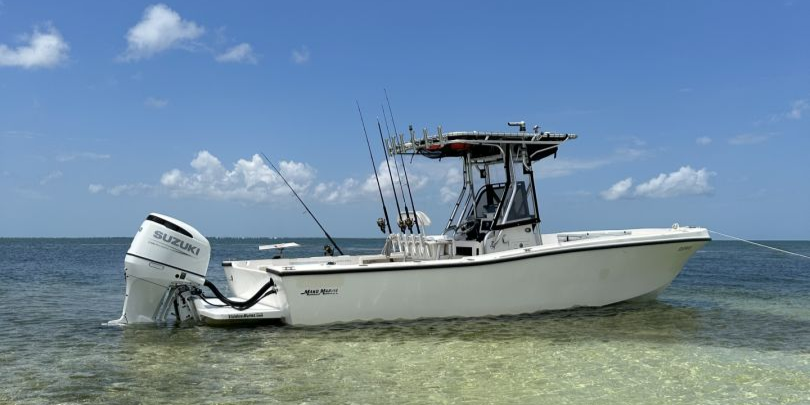
This isn't your typical rush-around-and-hope-for-the-best charter. The crew takes up to four anglers out to proven reef and wreck spots where red grouper, mutton snapper, and the occasional mahi mahi are holding. What makes this trip special is the flexibility – if the fish are biting hard, you'll stay on them. If someone wants to cool off with some snorkeling or check out a nearby island, the captain can adjust the plan on the fly. All your tackle is provided, from bottom rigs for grouper to whatever else you might need based on conditions. The boat's set up for comfort, so you can focus on fishing instead of fighting equipment or cramped quarters. It's the kind of laid-back approach that lets both serious anglers and casual fishers have a great time.
Wreck and Reef Techniques
The waters around Big Pine Key hold some of the most consistent reef and wreck fishing in the Keys, and this charter knows how to fish them right. You'll be dropping baits on natural coral heads and artificial reefs where grouper and snapper set up shop. The technique is straightforward but effective – heavy sinkers to get your bait down fast, circle hooks to increase hookup ratios, and fresh cut bait that the fish can't resist. When you're working wrecks, the captain will position the boat so your lines drift naturally into the strike zone where fish are feeding. On the reefs, it's all about reading the structure and putting baits right where the fish are holding. The crew handles all the rigging and re-baiting, so you can concentrate on feeling for that telltale thump that means a grouper just picked up your bait. If conditions are right and there's surface action, they might break out some lighter tackle for whatever's busting bait topside.
Target Species
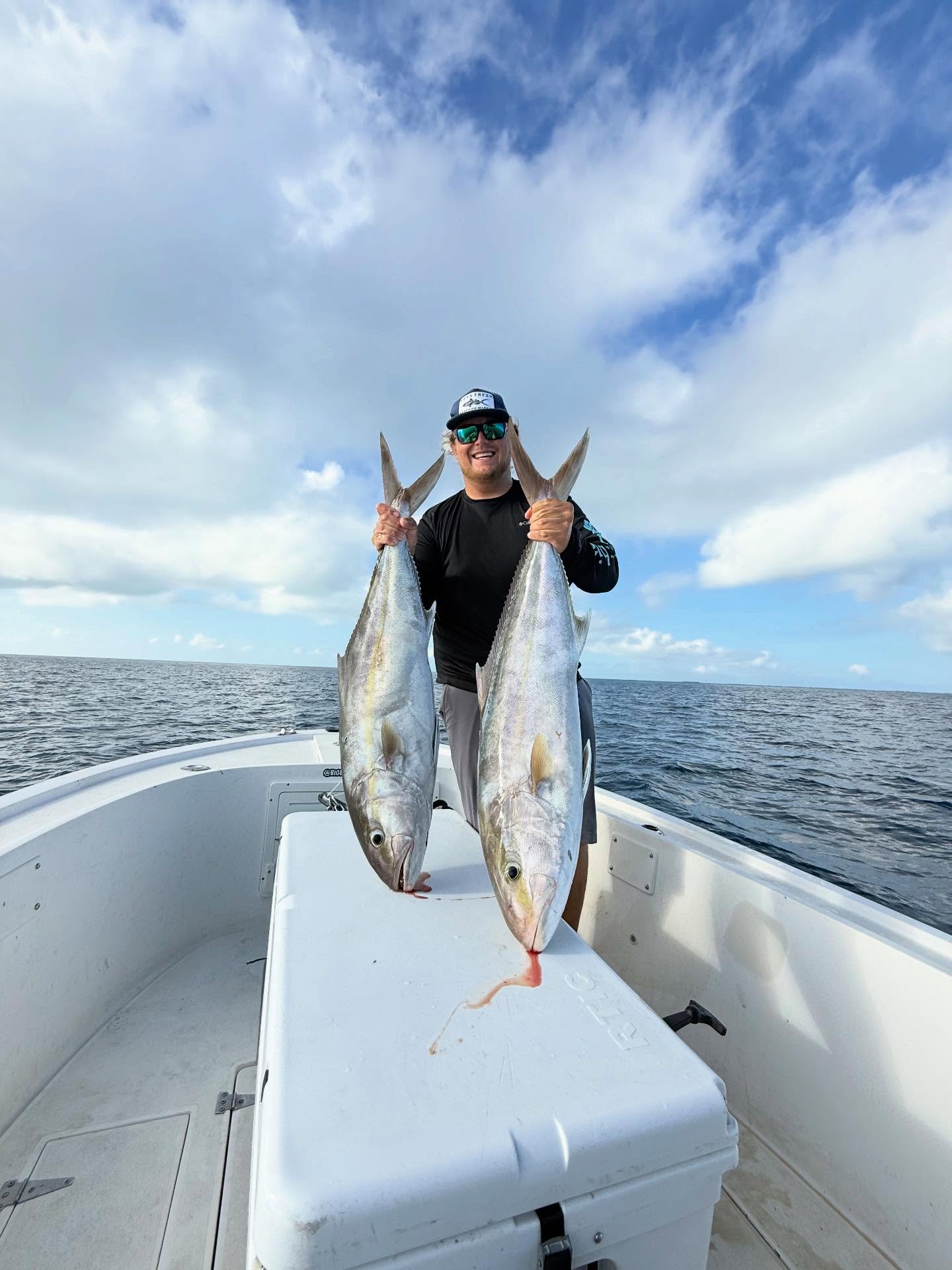
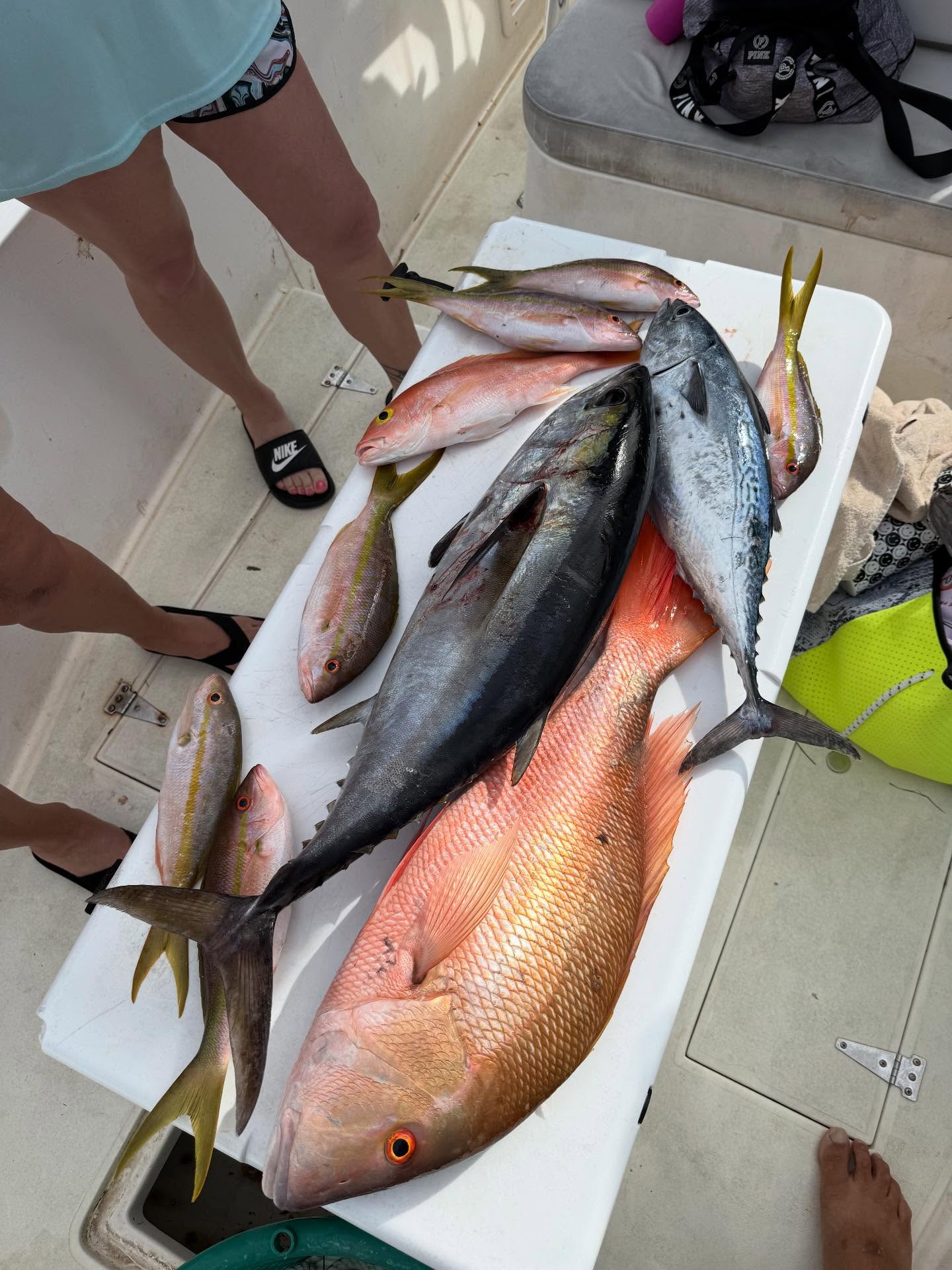
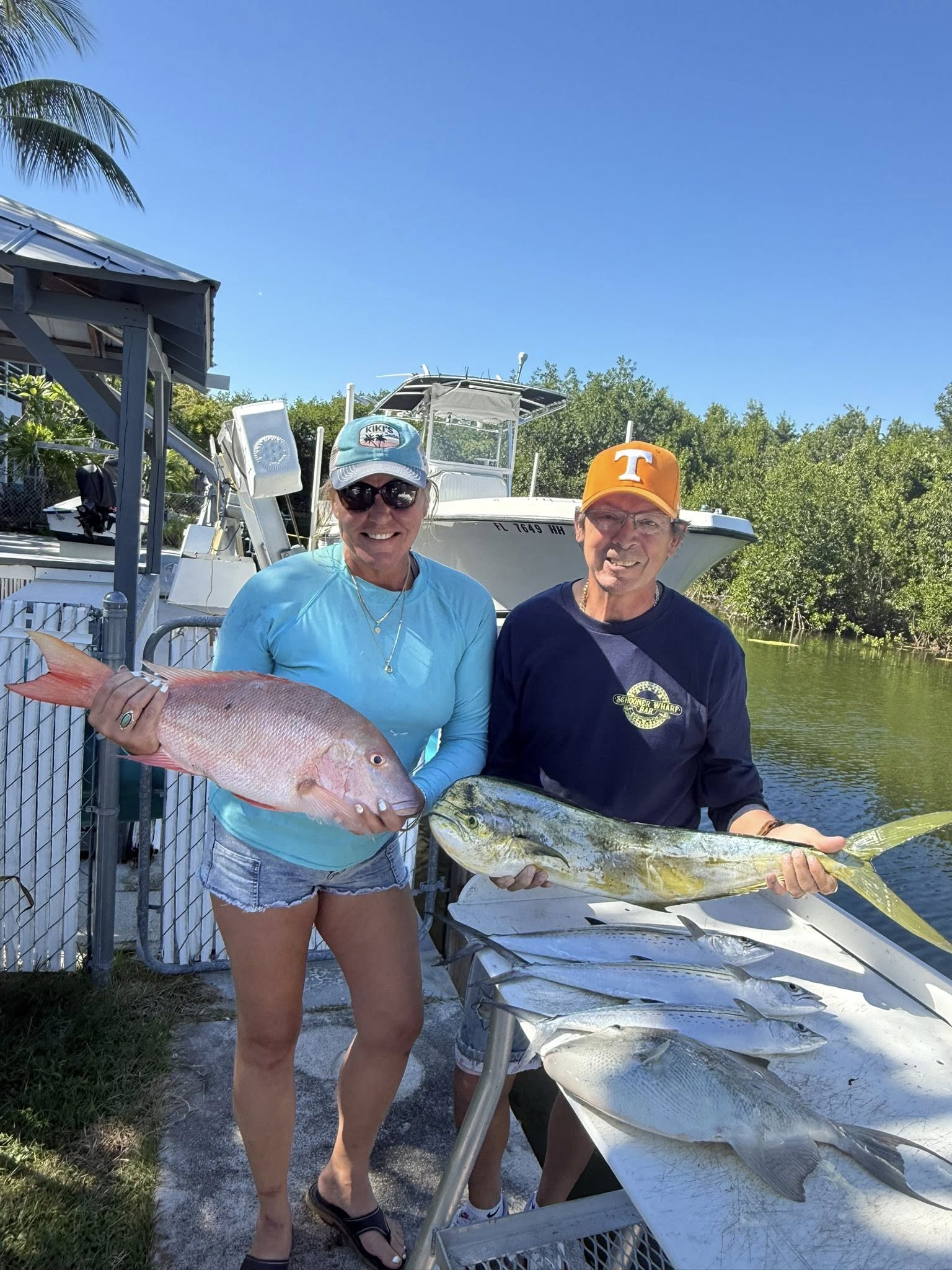
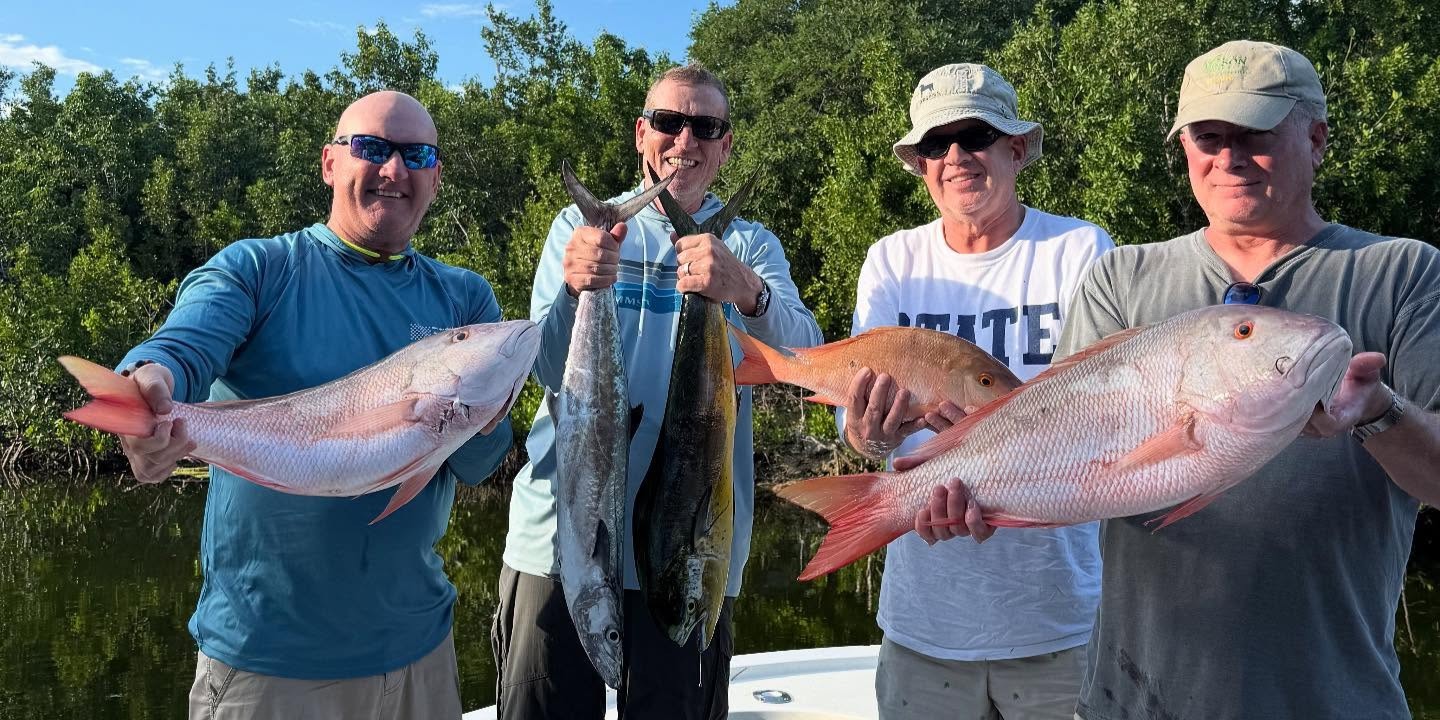
Red Grouper are the bread and butter of this fishery, and for good reason. These chunky bottom-dwellers set up shop on the reefs and don't move around much, which means when you find them, you've found dinner. They typically run 15-25 pounds around here, with the occasional heavyweight pushing 30. Red grouper bite year-round, but spring and fall are prime time when they're most active. What anglers love about reds is that they fight hard on the way up, and they're absolutely delicious on the plate – firm, white meat that's perfect for grilling or making fish tacos.
Mahi Mahi bring a completely different kind of excitement to the trip. When these bright yellow and blue speedsters show up, usually around floating debris or weed lines, the whole dynamic changes. They're fast, acrobatic, and often travel in schools, so when you hook one, there's a good chance at more. Mahi typically show up best during the warmer months, and they can range anywhere from school-sized fish around 10 pounds to bull dolphins that can top 40. The fight is electric – long runs, jumps, and pure athleticism that gets everyone on the boat fired up.
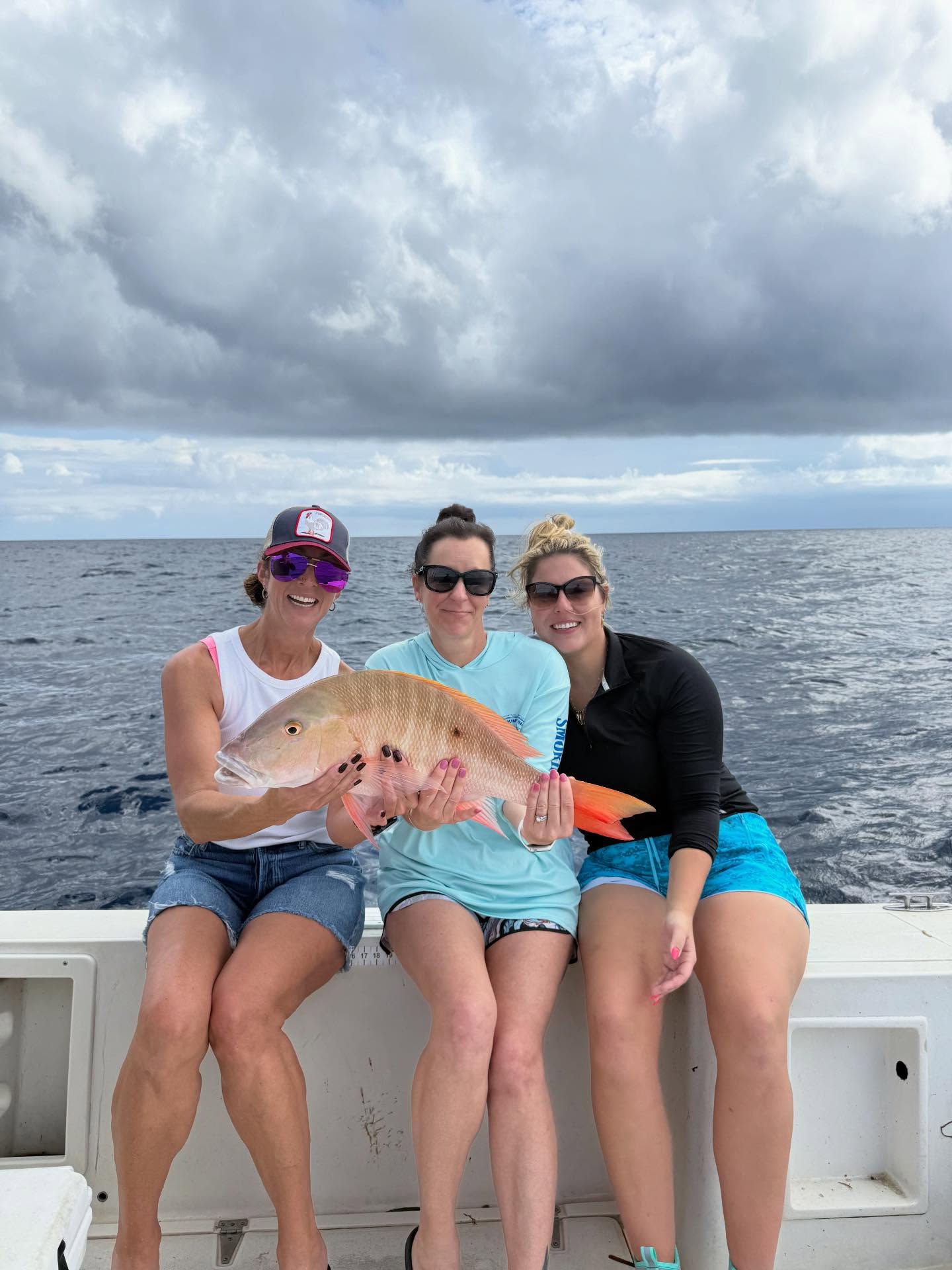
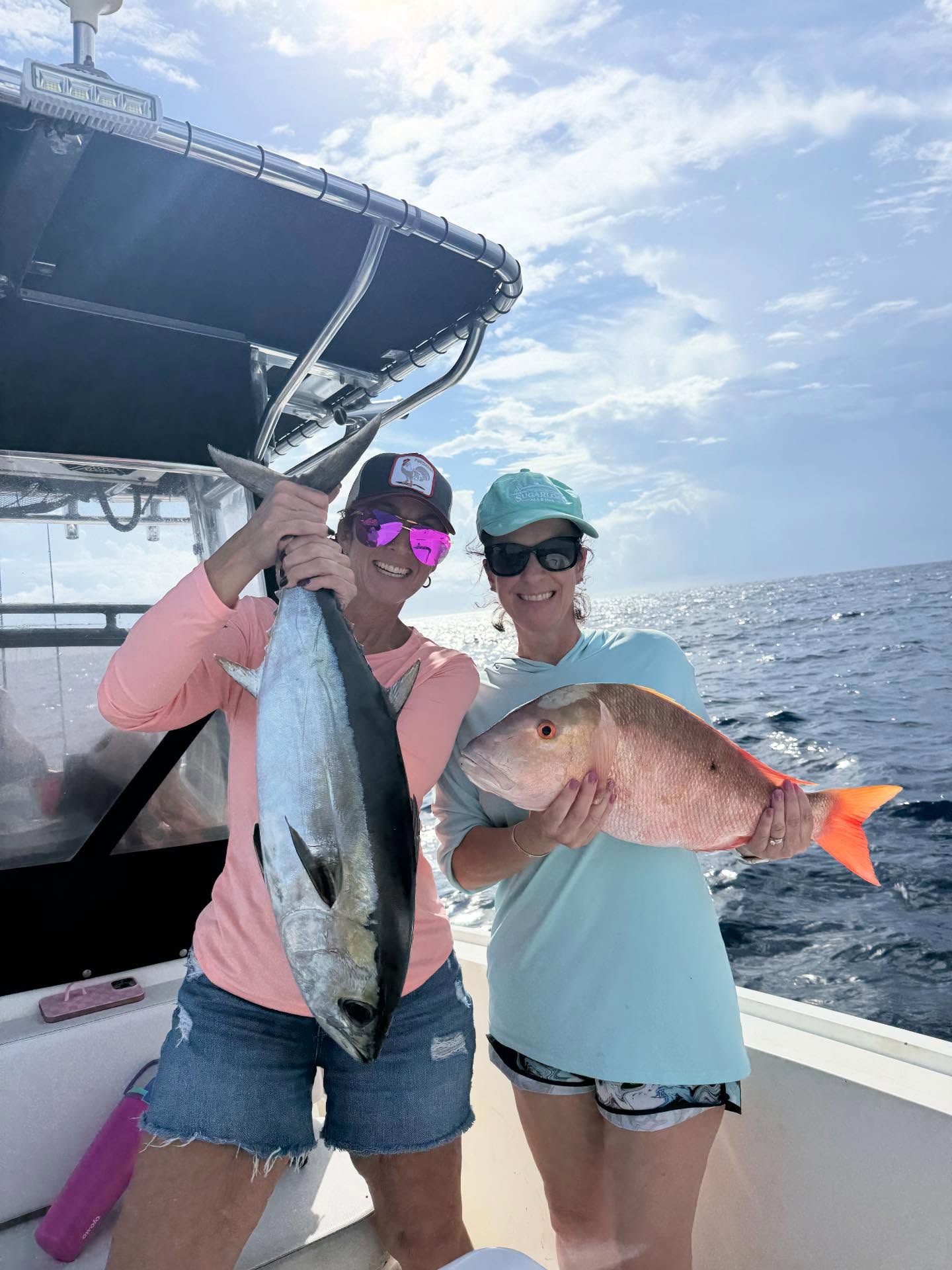
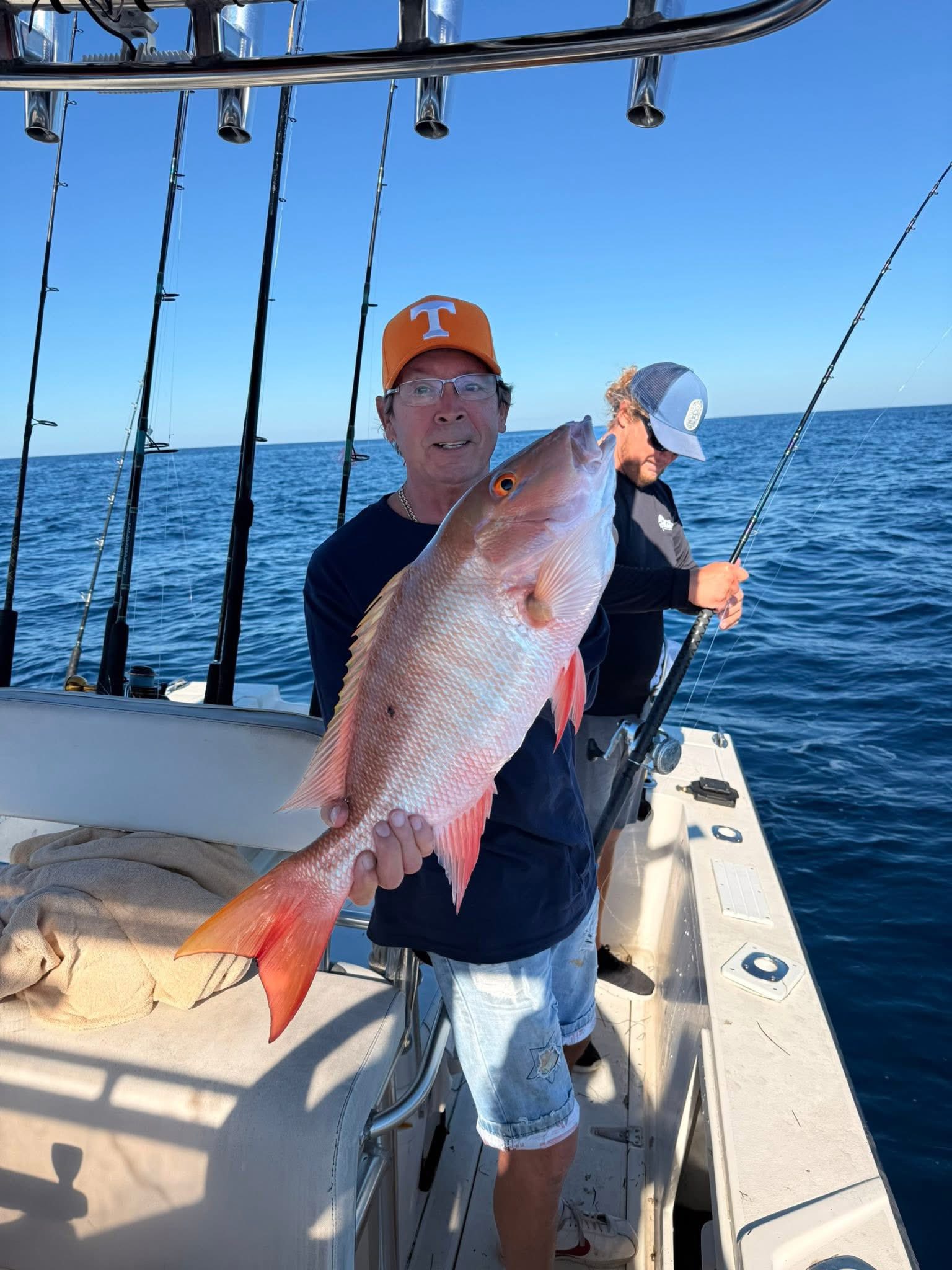
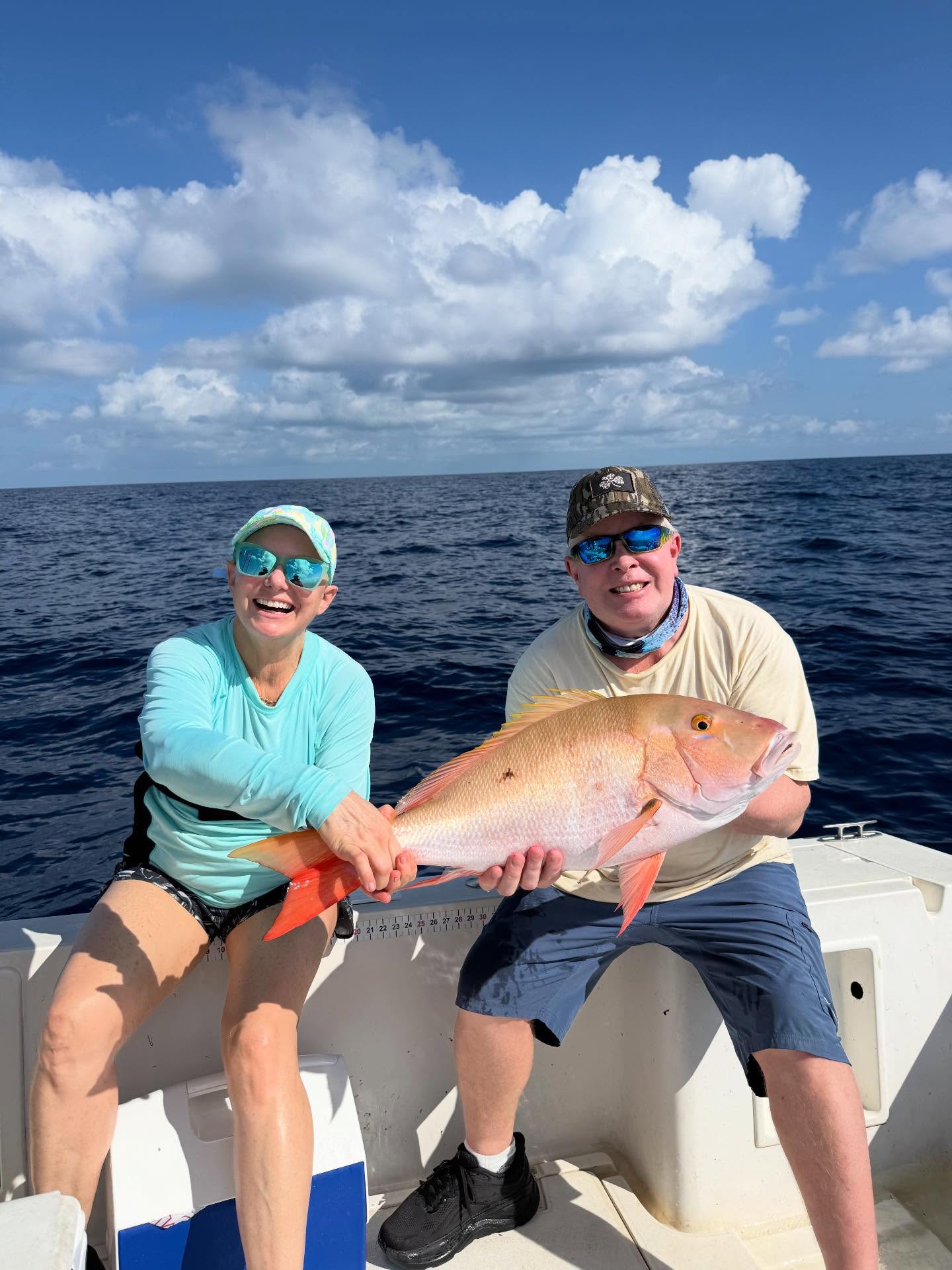
Mutton Snapper are the prize fish that keep reef fishermen coming back. These beautiful, pink-tinged snappers are smart, finicky, and absolutely worth the effort. They typically run 8-15 pounds around the local reefs, but bigger ones lurk in deeper water. Muttons are most active during the warmer months and around the full moon phases. What makes them special is their intelligence – they'll inspect your bait, test your drag, and generally make you work for every fish. When you finally get one to the boat, you've earned it, and the eating quality is top-shelf.
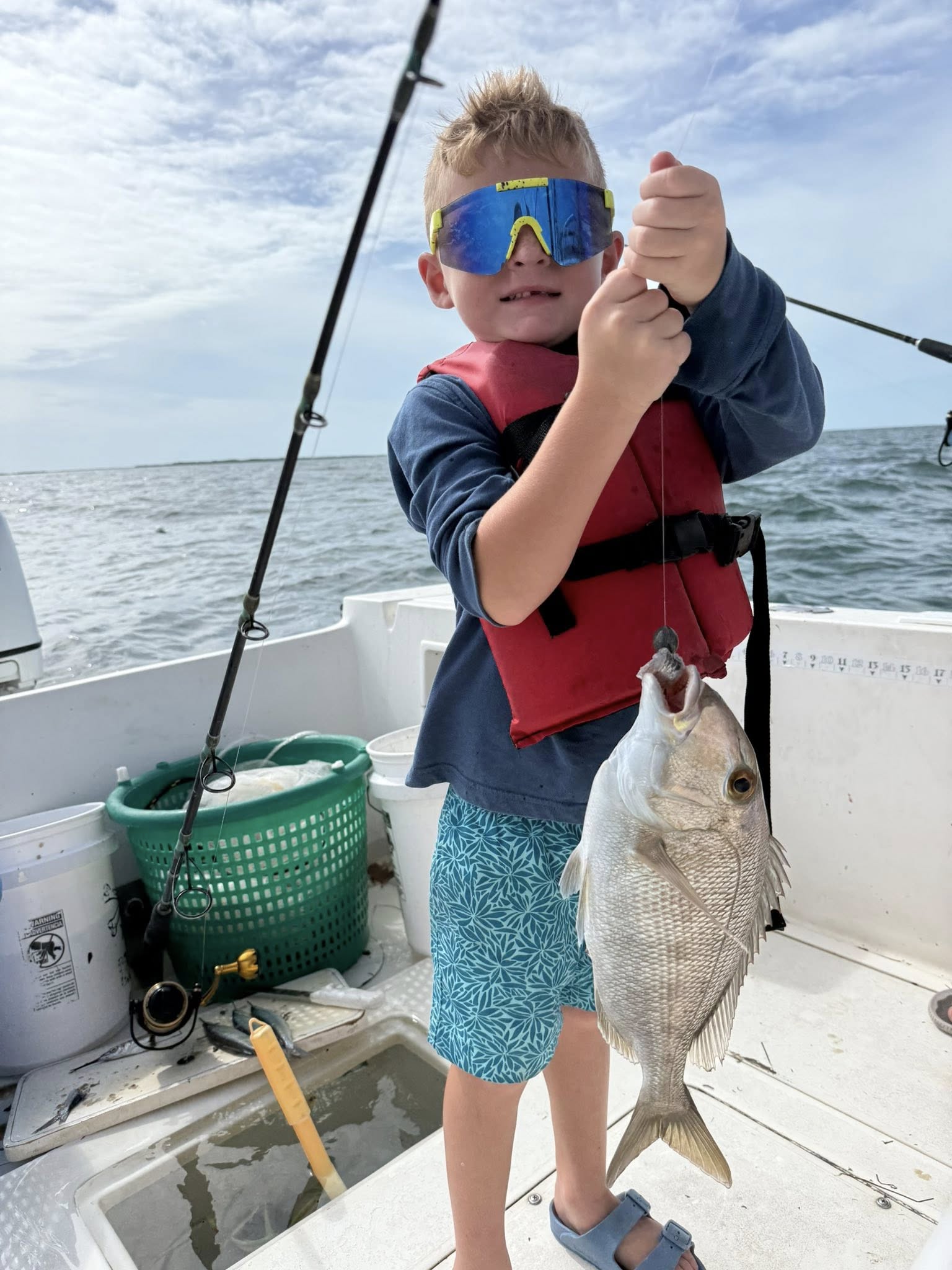
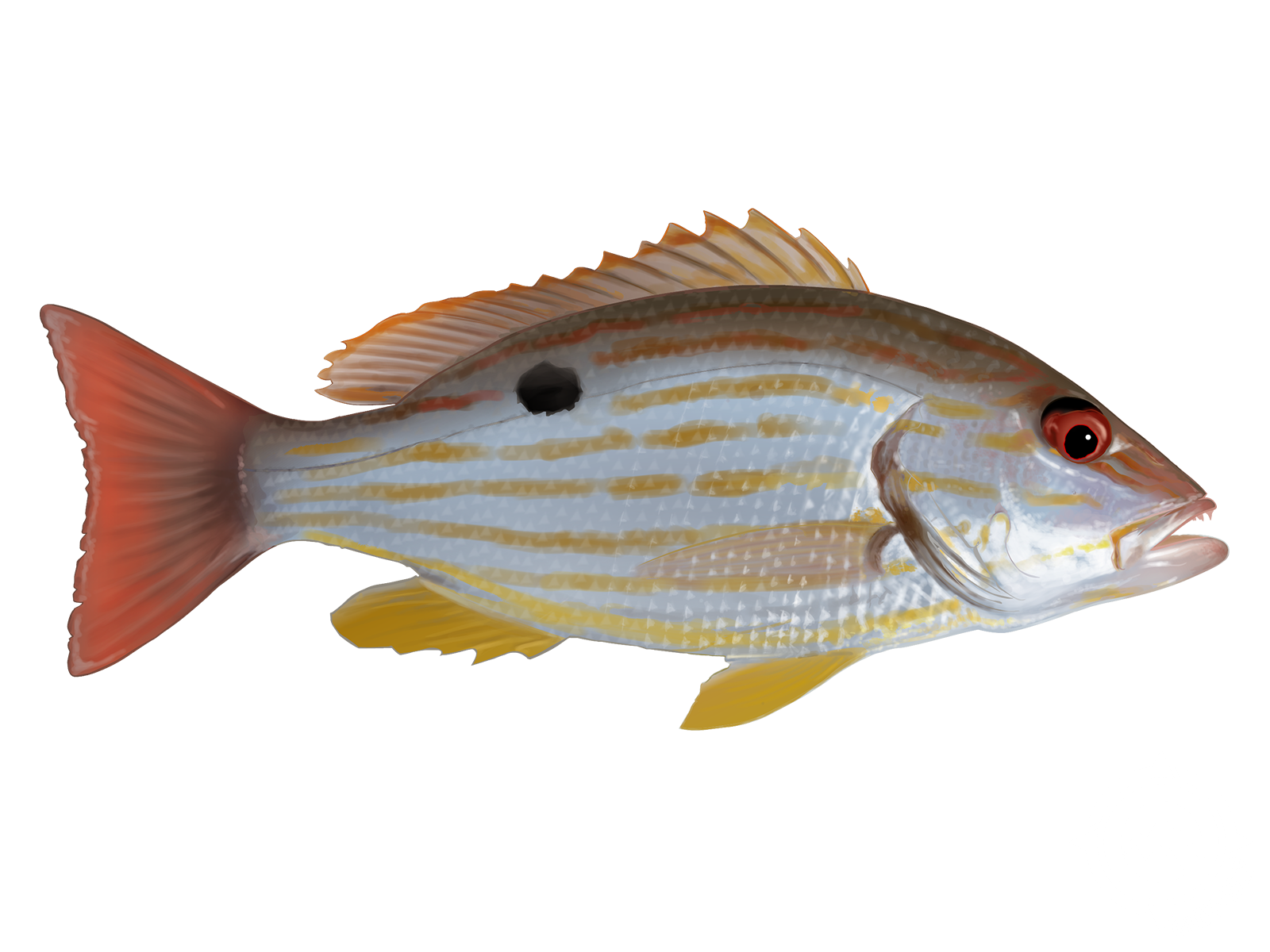
Lane Snapper might be smaller than their mutton cousins, but they make up for it in numbers and attitude. These feisty little fighters typically run 1-3 pounds and are perfect for keeping the action going when the bigger fish aren't cooperating. They're aggressive biters, great for newer anglers to build confidence, and they school up in good numbers around the reefs. Lane snapper are active year-round and make excellent table fare – sweet, flaky meat that's perfect for a fish fry or ceviche.
Black Grouper are the heavyweights of the grouper family around these reefs. When a big black grabs your bait, you'll know it immediately – they hit hard and head straight for the rocks. These fish can easily top 40 pounds, and the bigger ones require serious muscle to keep them out of the structure. Blacks are more temperature-sensitive than reds, so they're most active during the warmer months. Landing a big black grouper is a real accomplishment, and they're prized for their size and excellent eating quality.
Time to Book Your Spot
If you're looking for a charter that combines productive fishing with the flexibility to make it your own kind of day, this Big Pine Key half-day trip delivers exactly that. The 8:30 AM start gets you on the water when the fish are active, the four-hour duration gives you plenty of time to get into fish without feeling rushed, and the crew's willingness to adapt keeps everyone happy. Whether you're a dedicated angler who wants to maximize your time on the bottom or someone who likes mixing fishing with other activities, this charter has the experience and local knowledge to make it happen. The best reef fishing spots book up fast, especially during peak season, so don't wait too
 Private Trip
 Wrecks/Reefs Fishing
 undefined, undefined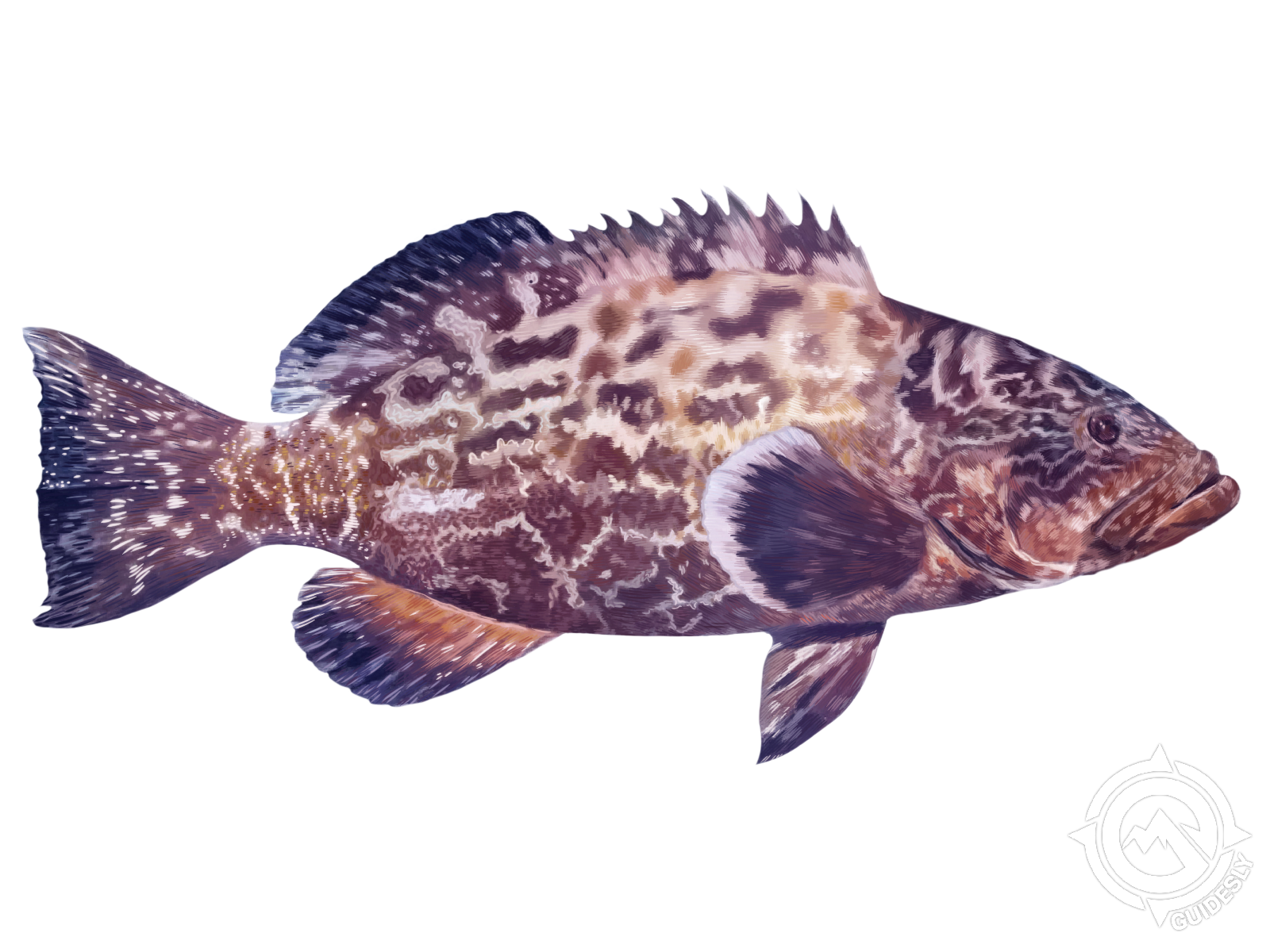


 Four-hour morning charter targeting quality reef and wreck species