Islamorada Backcountry Flat Fishing Charter
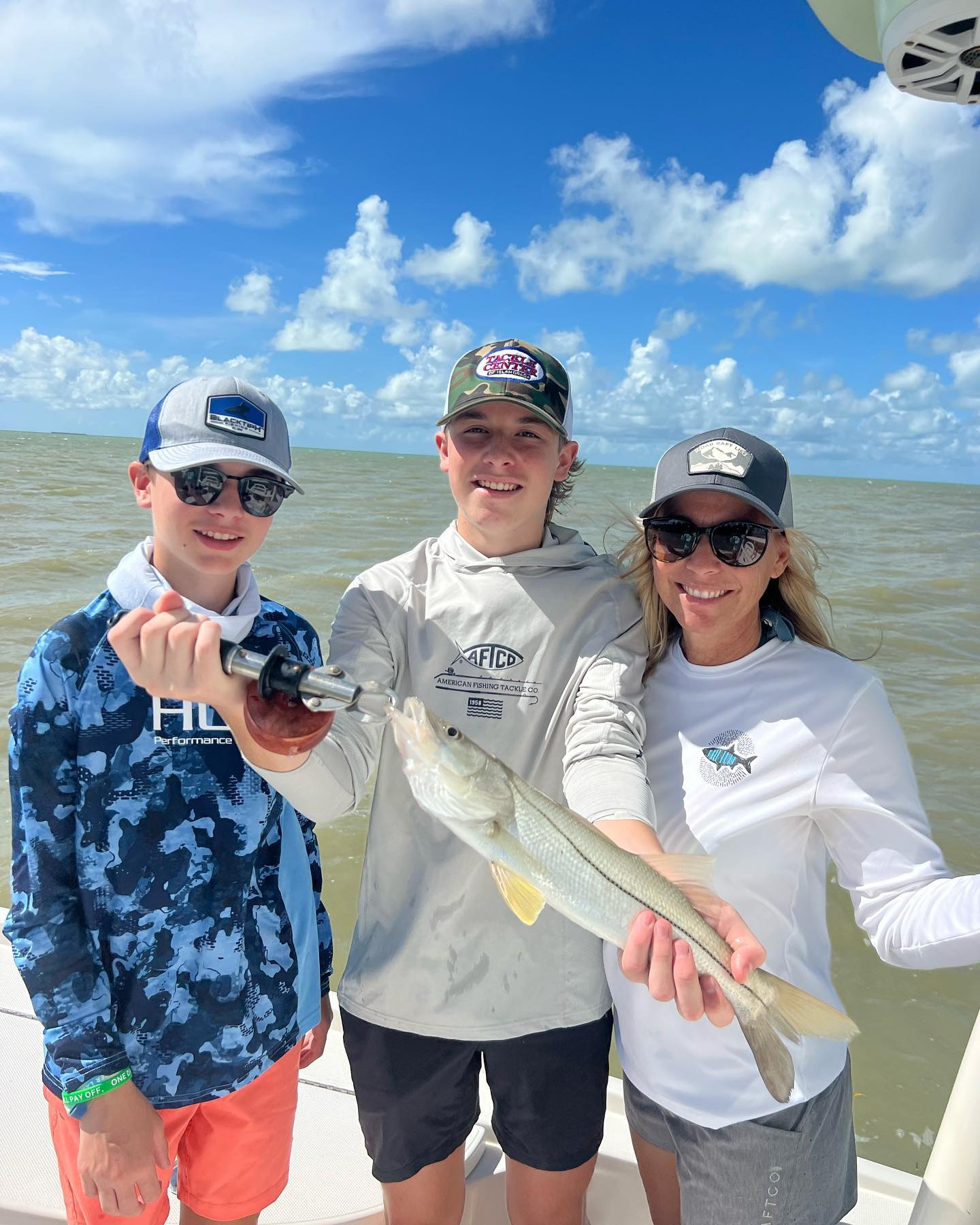
When you're looking for that perfect blend of technical fishing and pure fun, Billy B Fishing Charters delivers something special in the skinny waters around Islamorada. This isn't your typical offshore grind – we're talking about sight fishing in crystal-clear flats where you can watch gamefish hunt, stalk your targets, and experience what makes the Florida Keys a world-class fishing destination. Whether you're a seasoned angler wanting to test your skills against permit and bonefish or bringing the family out for their first taste of backcountry fishing, these waters have something that'll get your heart pumping.
What to Expect on the Water
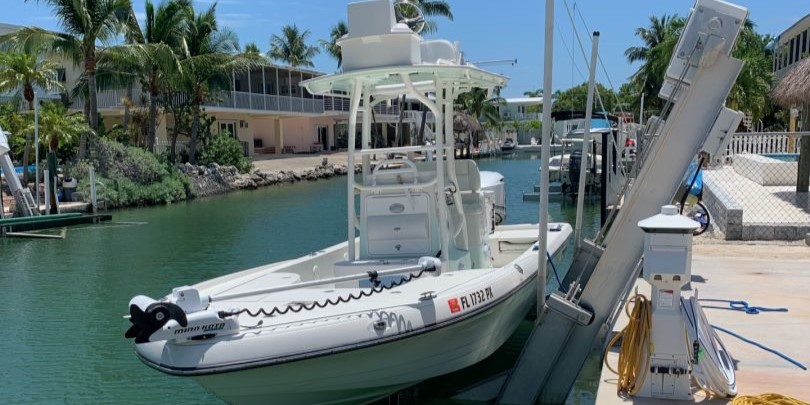
Your day starts early because that's when the magic happens. We'll cruise out to the backcountry flats where the water runs shallow and clear, giving you front-row seats to one of nature's best shows. This is intimate fishing – just you, one other angler, and miles of productive water that most people never see. The boat runs quiet through these skinny areas, and you'll quickly understand why backcountry fishing has such a devoted following. These flats come alive with baitfish, rays, and the predators that follow them. One minute you might be sight-casting to a school of redfish tailing in two feet of water, the next you could be watching a massive tarpon roll just out of casting range. The variety keeps things interesting, and since we're targeting multiple species, there's always something to cast at. Don't worry about bringing lunch – this is a half-day adventure that focuses on putting you on fish during prime feeding times.
Techniques & Tackle
Backcountry flat fishing is all about being ready for whatever shows up. We'll set you up with light to medium spinning gear that can handle everything from scrappy ladyfish to bulldogging black drum. Most of the day you'll be sight fishing, which means spotting fish first then making accurate casts to where they're feeding or traveling. It's more challenging than blind casting, but way more rewarding when you connect. Live bait works great out here – pinfish, pilchards, and shrimp are always productive. If you're into artificials, we'll have you throwing soft plastics, spoons, and topwater plugs depending on what the fish are doing. The key is staying quiet and making good presentations. These fish see a lot of pressure, especially the permit and bonefish, so sloppy casts get ignored fast. Water depth ranges from just a few inches to about eight feet, which means you can actually see most of the fish you're trying to catch. It's visual fishing at its best, and even if you've never done it before, you'll pick up the rhythm quickly.
Species You'll Want to Hook
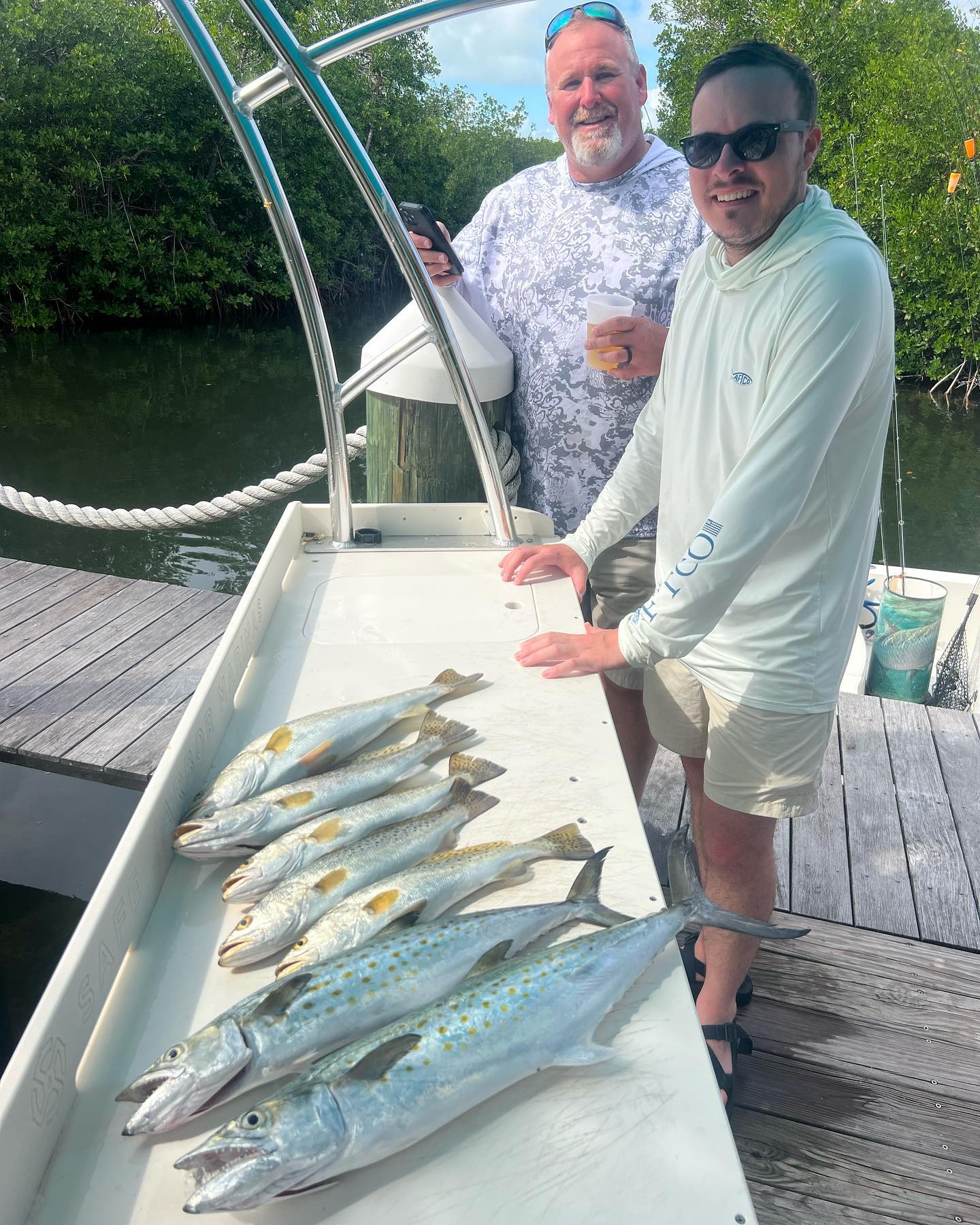
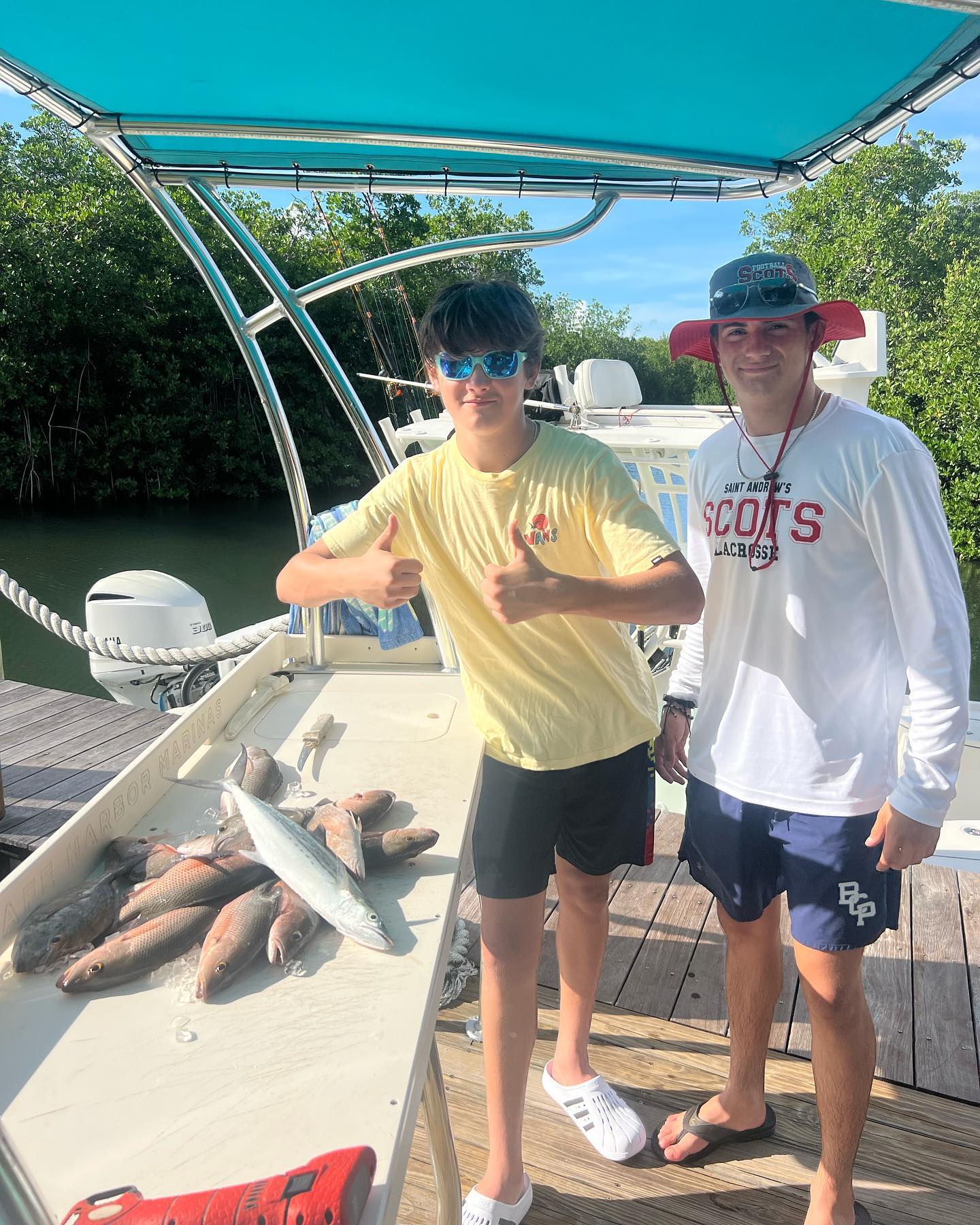
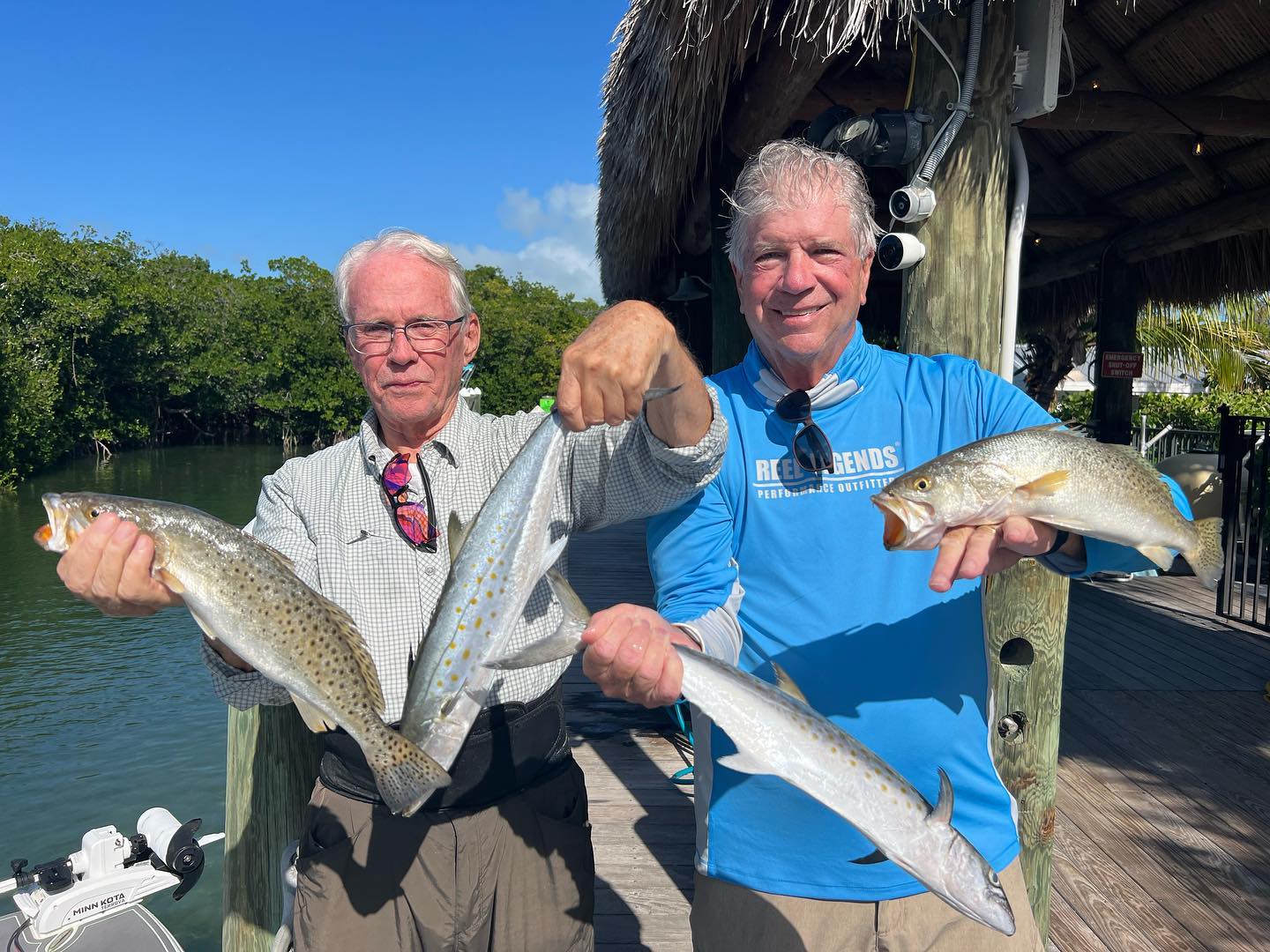
Spanish Mackerel are some of the most cooperative fish in these waters and perfect for getting everyone involved. They travel in schools, hit hard, and put up a decent scrap on light tackle. Best part? They're around year-round, though spring and fall see the biggest numbers. Kids love them because they're aggressive feeders that'll hit just about anything shiny you throw their way. When one hits, there are usually more in the area, so get ready for some fast action.
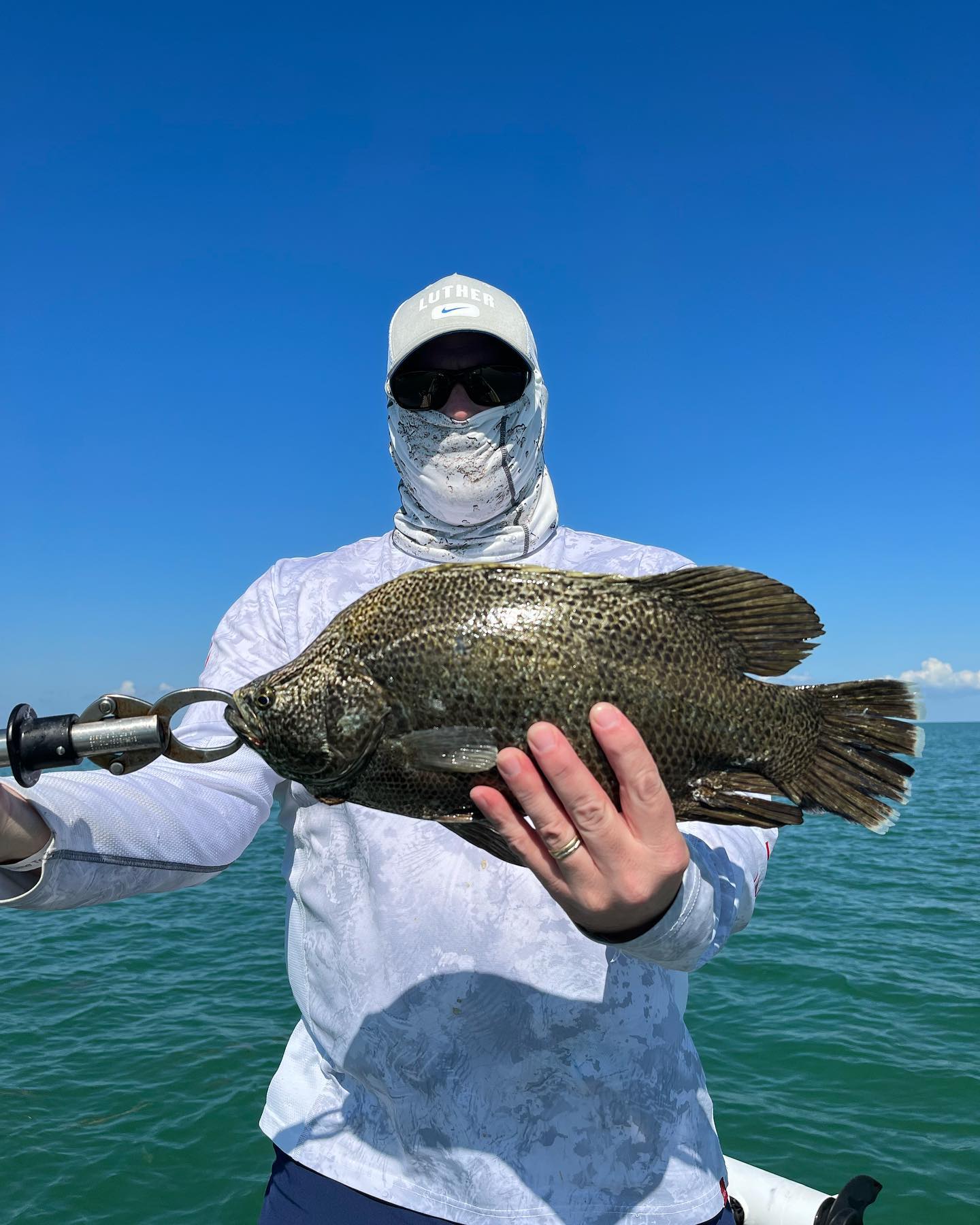
Black Drum are the bulldogs of the flats. These bottom feeders cruise around looking for crabs and shrimp, and when they find your bait, they'll test your drag system. They're not the prettiest fish, but they make up for it with raw power. Spring months are prime time when they move into the shallows to spawn. You'll know you're hooked up when your rod doubles over and starts throbbing – these fish just don't quit. They're also great eating if you decide to keep a few for dinner.
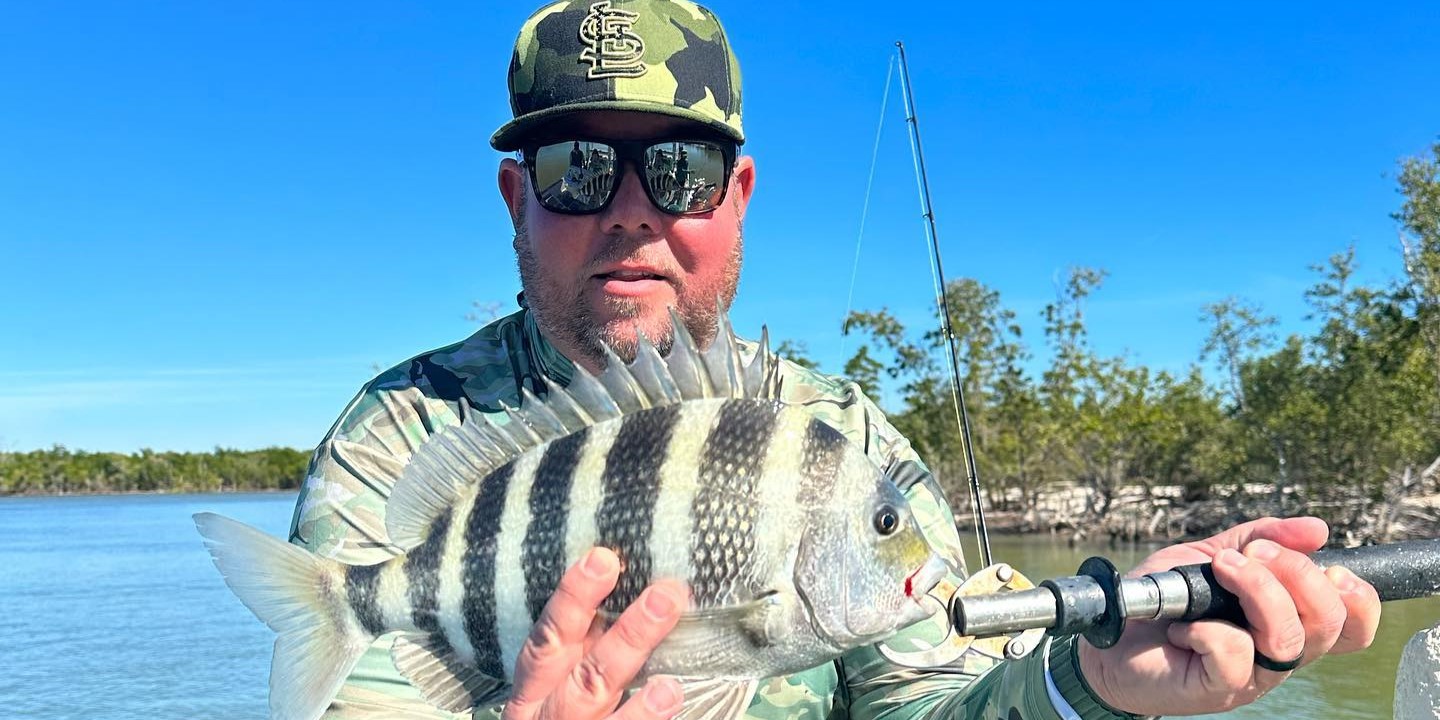
Sheepshead might be the trickiest fish we target, but they're worth the effort. These convict-striped thieves are notorious bait stealers with mouths full of human-like teeth designed for crushing crabs and barnacles. They hang around structure like dock pilings and bridge supports, and timing your hookset is everything. Too early or too late and they're gone with your bait. But connect with a big sheepshead and you've got a fish that fights hard and tastes even better. Winter and early spring are when they're most active in our area.
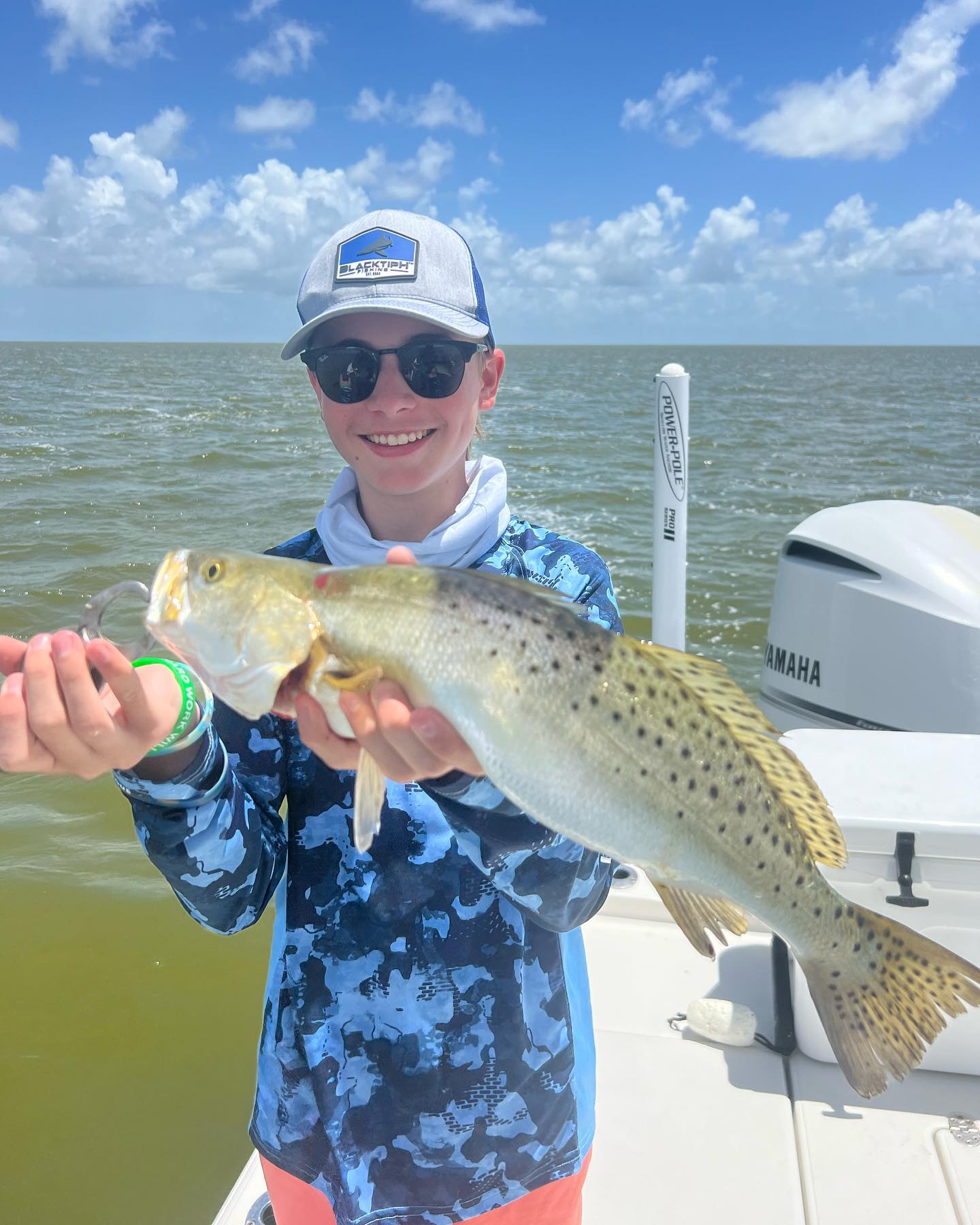
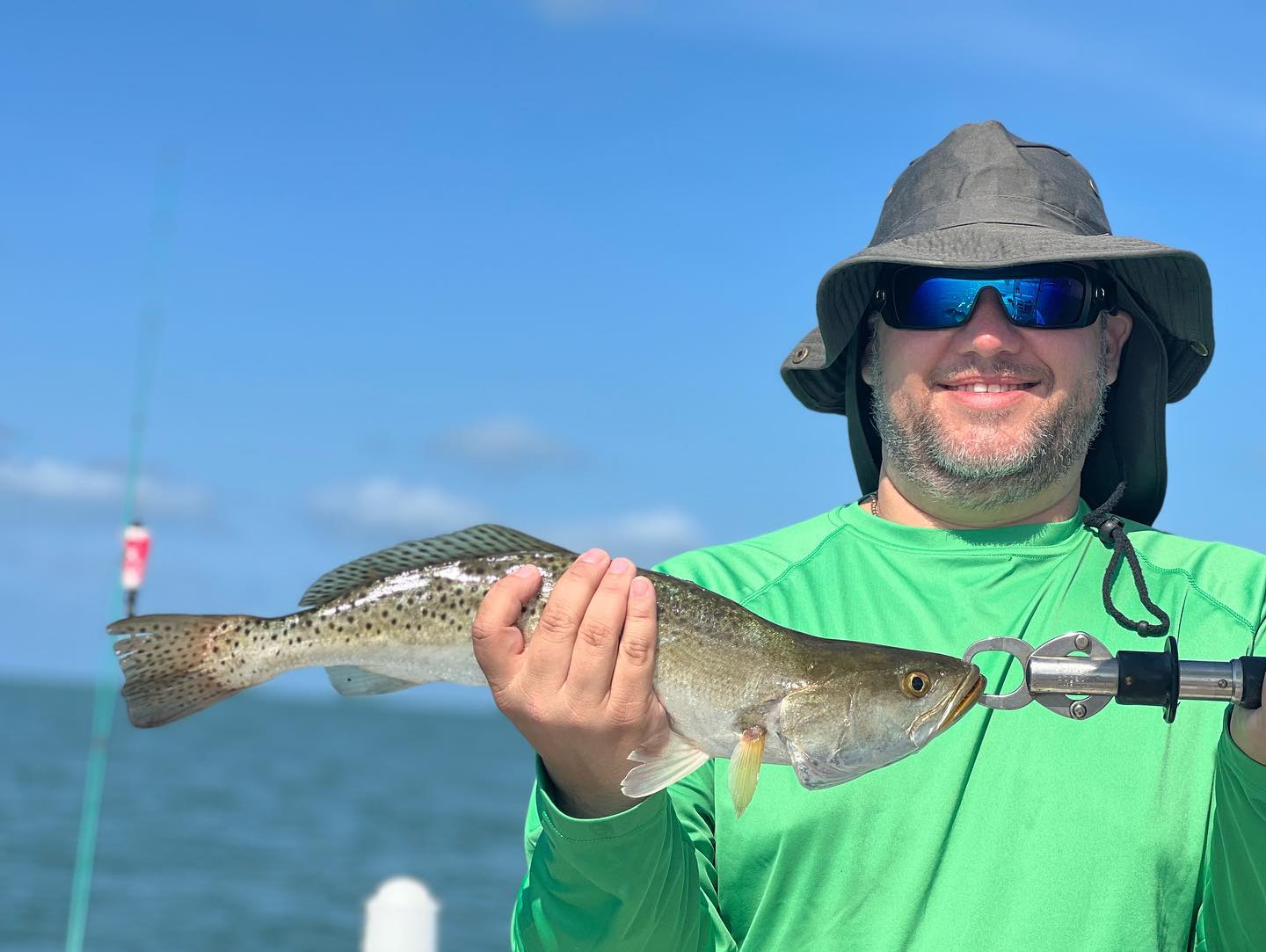
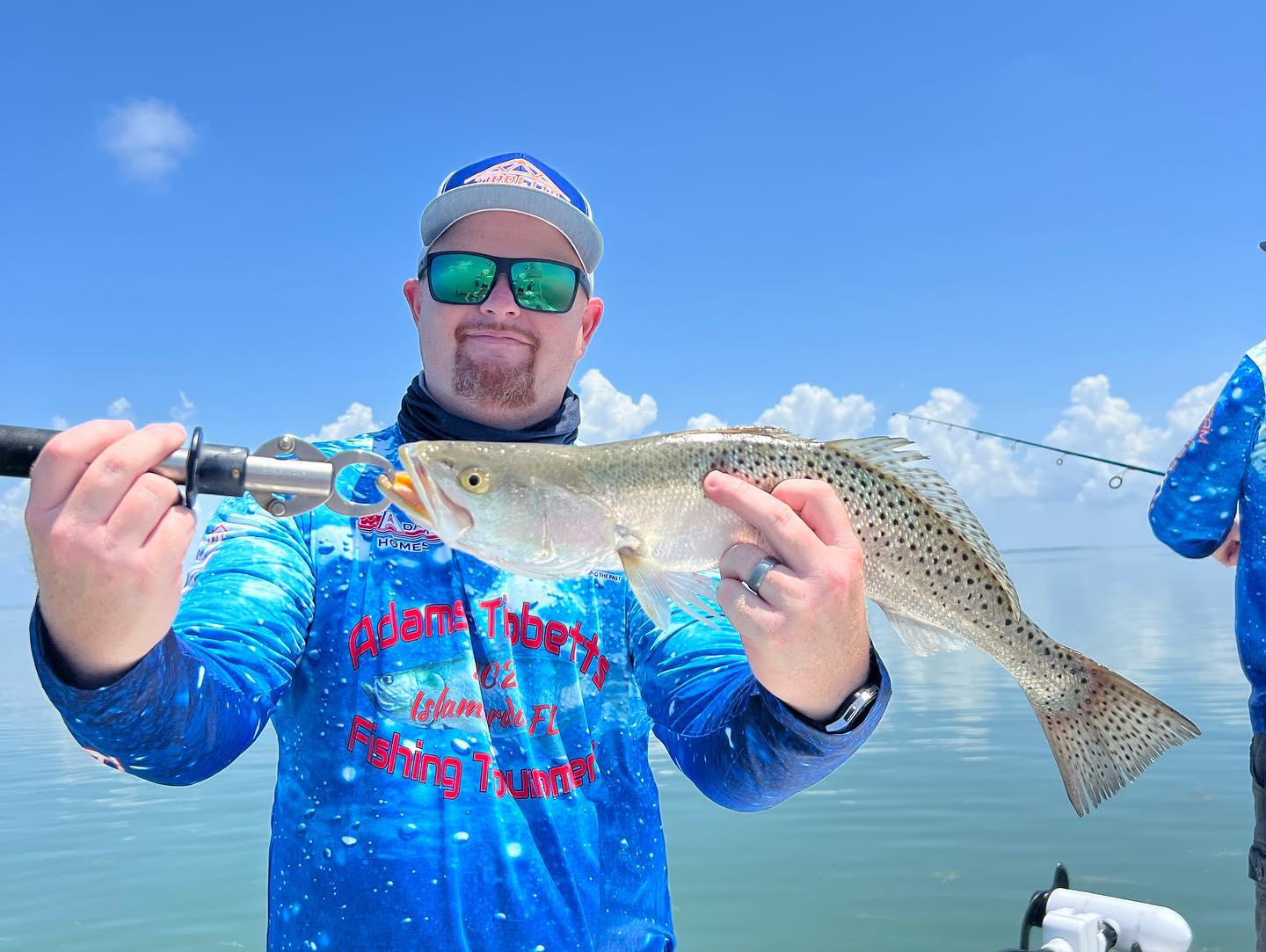
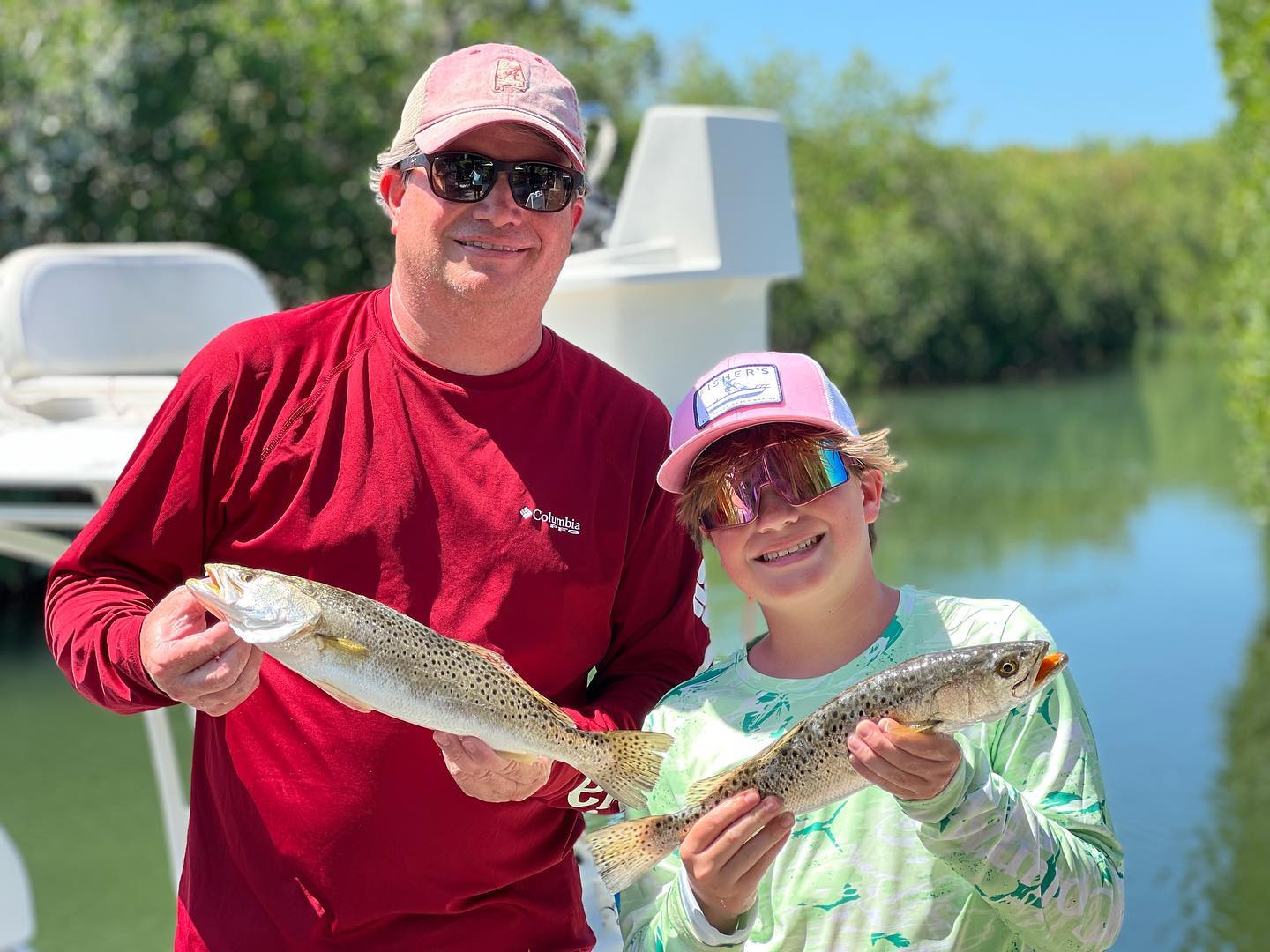
Redfish are what put backcountry fishing on the map. These copper-colored bruisers cruise the flats in small schools, often with their backs out of the water as they root around for crabs. Sight-casting to a school of reds is about as good as fishing gets – you can watch them react to your bait, see the eat happen, and feel that initial head shake that lets you know you're connected to something special. They're strong, stubborn fighters that use the shallow water to their advantage. Fall and winter are peak seasons, but we catch them year-round.
Permit are the holy grail of flats fishing. These disc-shaped speedsters are incredibly spooky and selective, which makes landing one a real achievement. They're crab-eaters by nature, so live crabs work best, but they'll occasionally eat shrimp or small artificials. Most anglers go years without catching one, so if you hook up, consider yourself lucky. They're around all year but seem most active during the warmer months. Even experienced guides get excited when a permit shows up – they're just that special.
Time to Book Your Spot
This backcountry flat fishing trip gives you a taste of what makes Islamorada fishing so special. You're not just catching fish – you're experiencing a style of angling that's uniquely Florida Keys. The variety keeps things interesting, the scenery is top-notch, and there's something magical about watching fish hunt in crystal-clear water. Whether you connect with your first permit, battle a stubborn redfish, or just enjoy a morning of steady mackerel action, you'll understand why people travel
 Private Trip
 Backcountry Fishing
 Islamorada, FL


 Backcountry flat fishing targets tarpon, bonefish, and permit