Extended Half Day Fishing in Everglades National Park
Captain Mark's extended half-day trips into Everglades National Park are hands down one of the most productive fishing experiences you'll find in South Florida. This isn't your typical charter boat grind – we're talking about getting deep into the backcountry flats where the fish live and feed naturally. With just two anglers max, you'll have plenty of room to cast and all the personal attention you need to dial in your technique. Whether you're slinging flies or throwing live bait on light tackle, these waters hold some serious fish that'll test your skills and get your heart pumping.
What to Expect on the Water
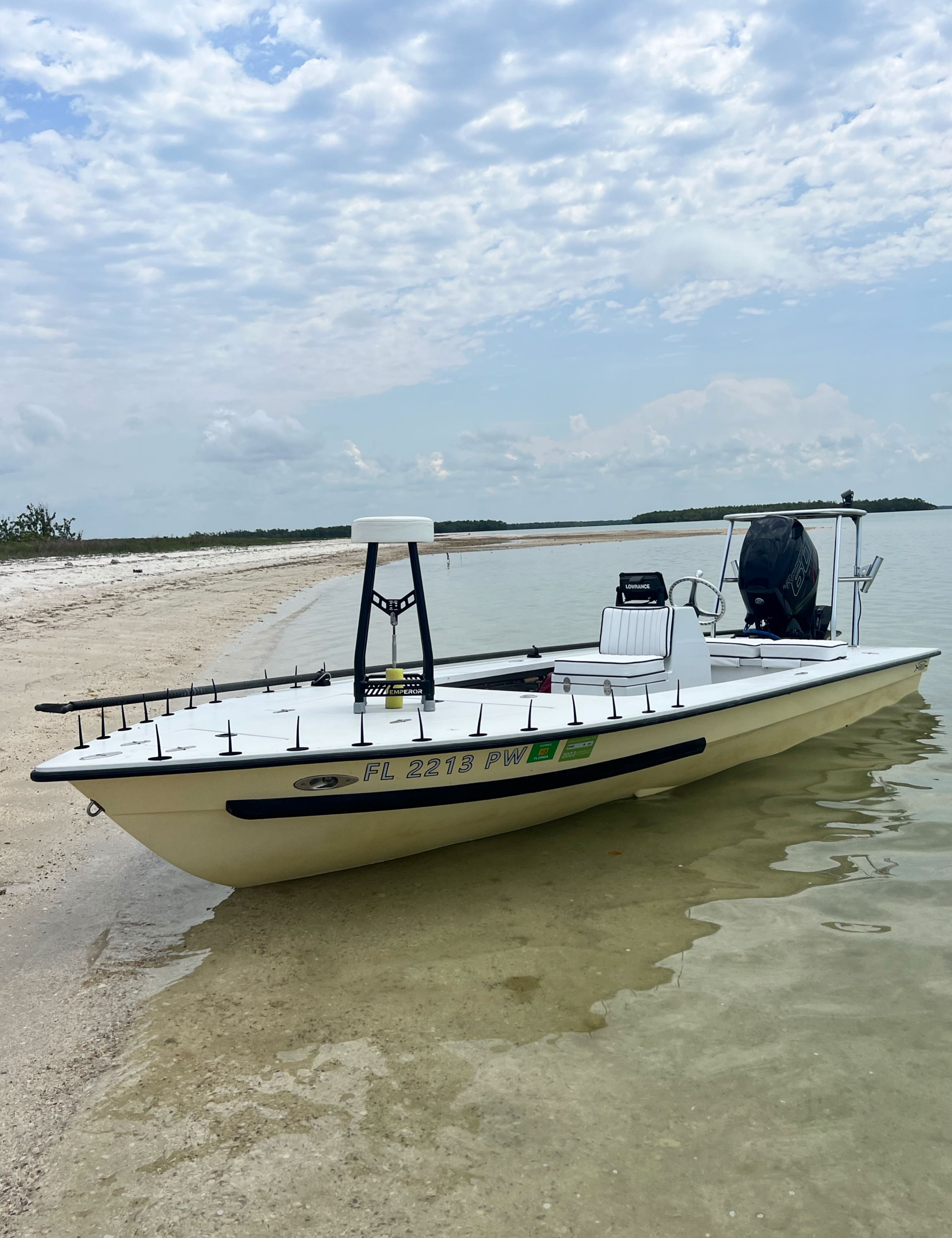
Your day starts early when Captain Mark picks you up at the launch, boat rigged and ready to hit the skinny water. The first hour is all about reading the conditions – wind, tide, water temperature – and positioning ourselves where the fish want to be that day. You'll spend most of your time poling through crystal-clear flats where you can actually see the fish before you cast to them. That's the magic of sight fishing in the Everglades. The mangrove shorelines and oyster bars create natural ambush points where predators wait for baitfish, and that's where we set up shop. Captain Mark knows every creek, every point, and every flat that produces consistently. His laid-back teaching style means you'll learn something new whether it's your first time with a fly rod or you've been chasing these fish for years. The boat stays quiet – we're poling or using the trolling motor to stay stealthy and keep from spooking fish in shallow water.
Flies, Lures & Light Tackle
This trip gives you the best of both worlds – fly fishing and conventional light tackle depending on conditions and your comfort level. On the fly side, we're throwing 8-weight rods with intermediate lines, working everything from small shrimp patterns in #4 to bigger deceiver-style flies when the tarpon show up. The key here is accuracy over distance since most shots are under 40 feet. For light tackle, we're using spinning gear with 10-15 pound test, throwing soft plastics, small jigs, and live bait when we can get it. Captain Mark carries a full spread of lures that work in these waters – DOA shrimp, paddle tails, topwater plugs for early morning action. The technique changes throughout the day as fish move with the tide. Early morning might be topwater along the mangroves, midday could be deeper pockets with jigs, and late afternoon often brings sight fishing opportunities on the flats as fish cruise looking for an easy meal. You'll learn to read the water, spot fish, and make presentations that get bit.
Species You'll Want to Hook
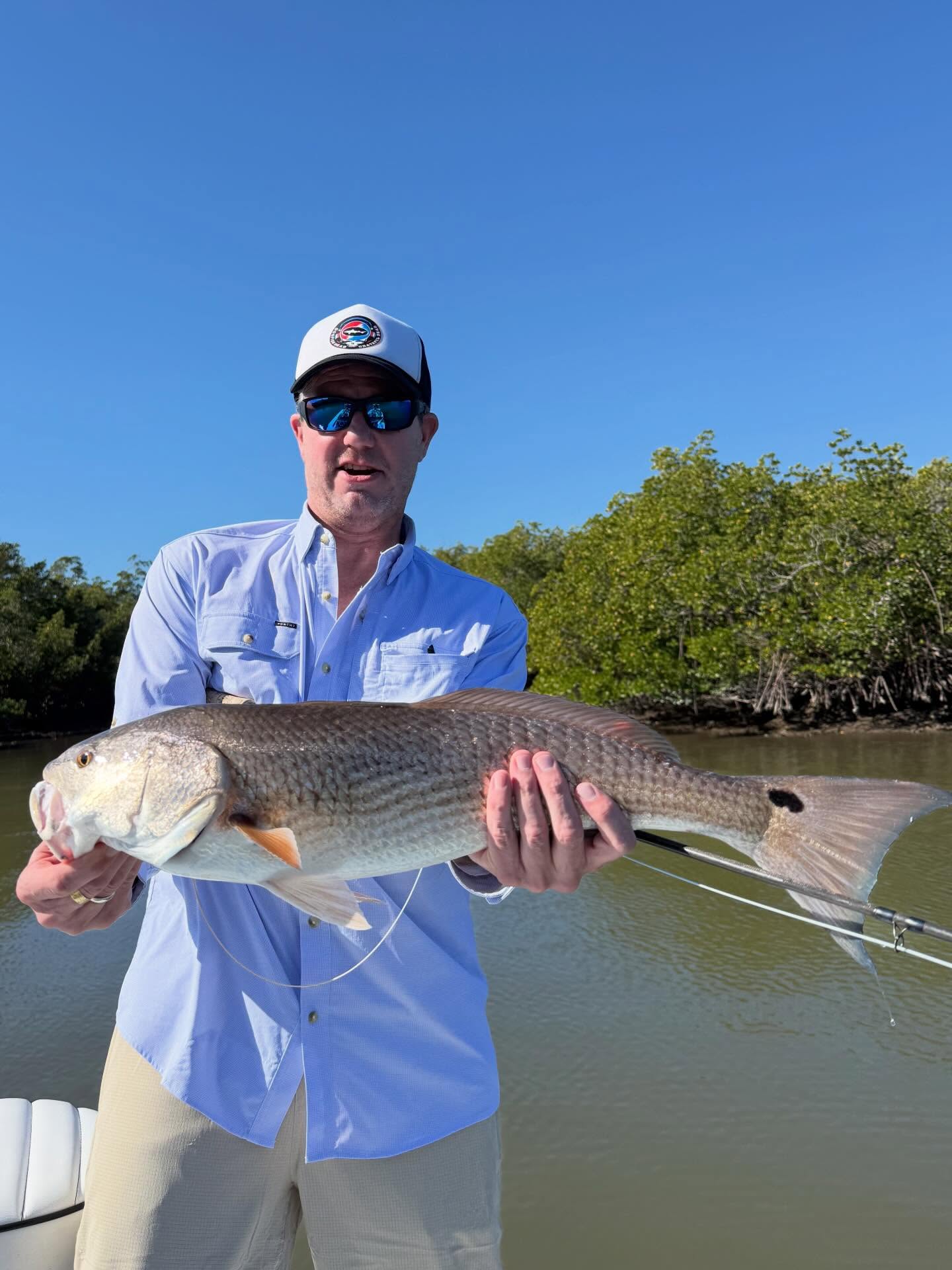
Redfish are the bread and butter of Everglades fishing, and for good reason. These copper-colored bruisers cruise the flats year-round, often in schools that'll make your hands shake when you spot them. They average 18-27 inches in the park, with plenty of slot-sized fish that fight like freight trains in shallow water. Reds are most active during moving tides, especially the last two hours of incoming when they push up onto the flats to feed. What makes them special is how they eat – you'll see the whole thing happen as they tip down to grab your fly or lure, that bronze back and spot-covered tail coming clear out of the water.
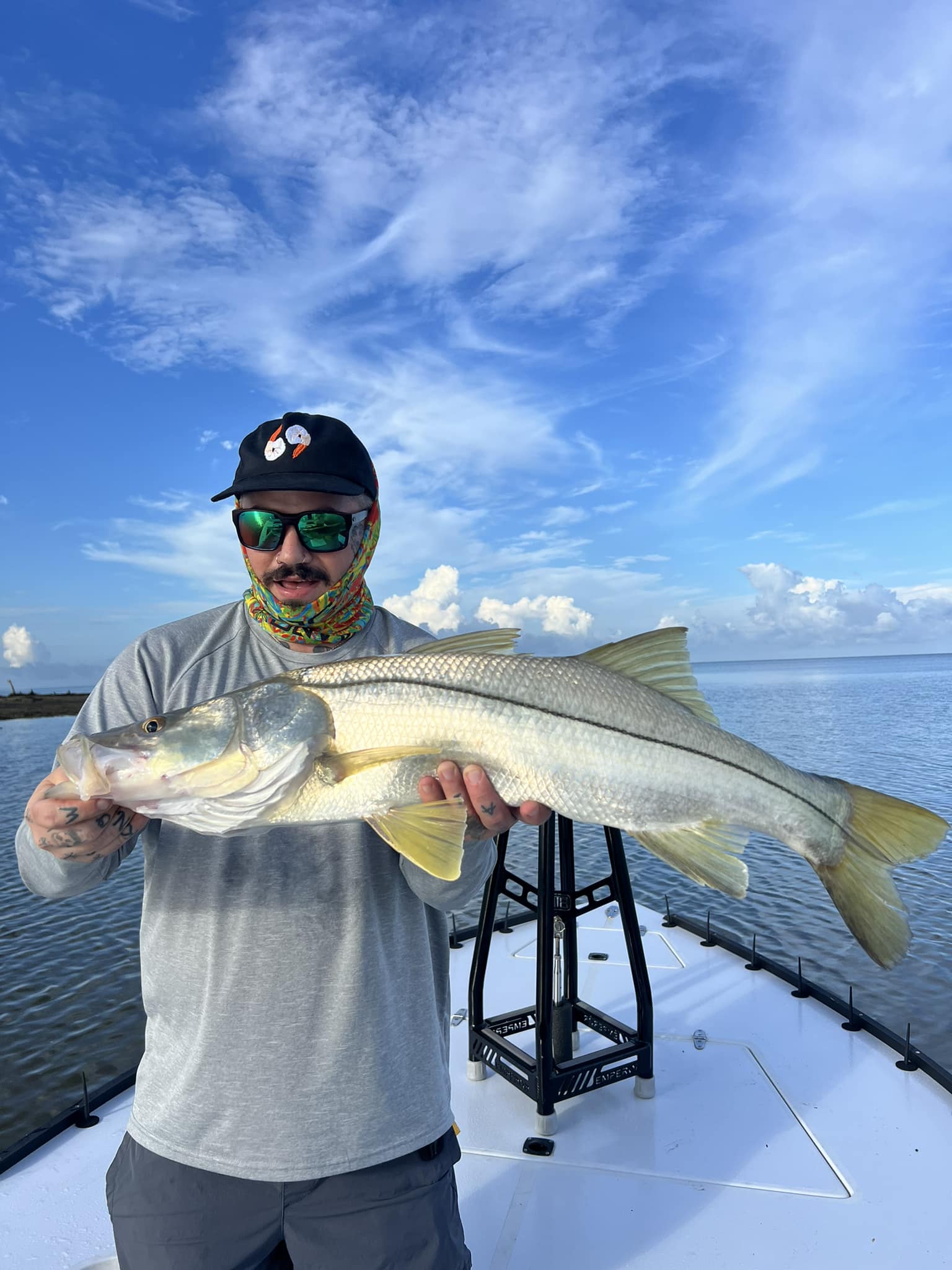
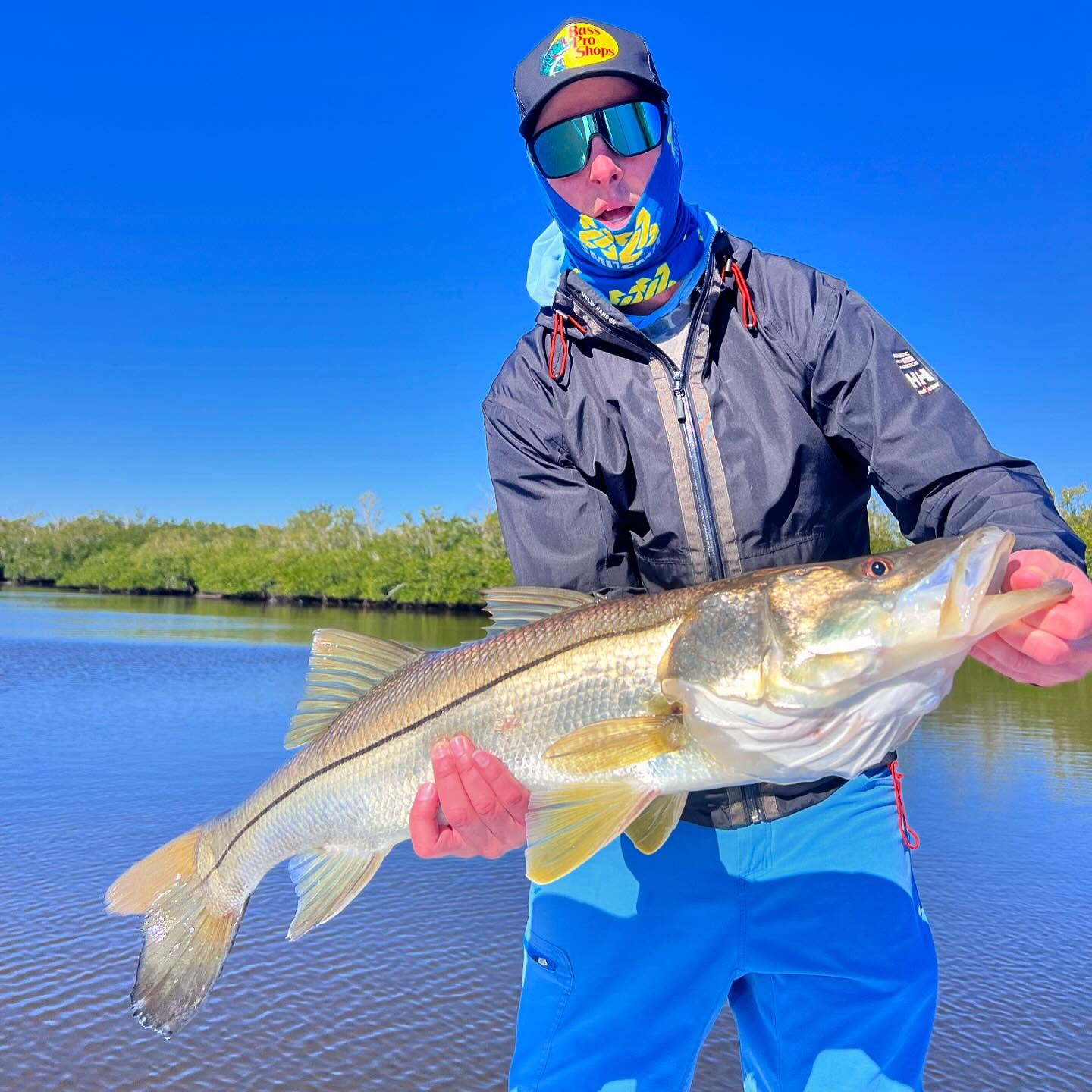
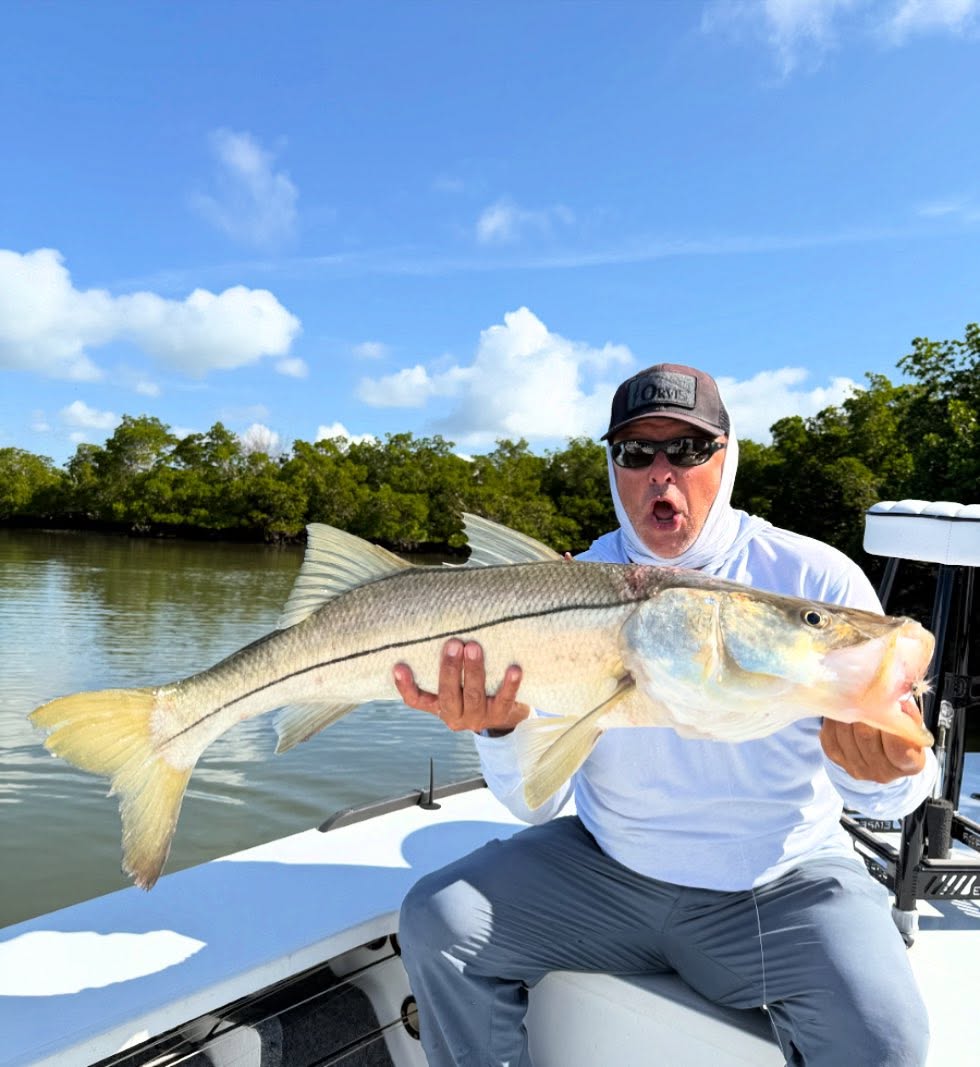
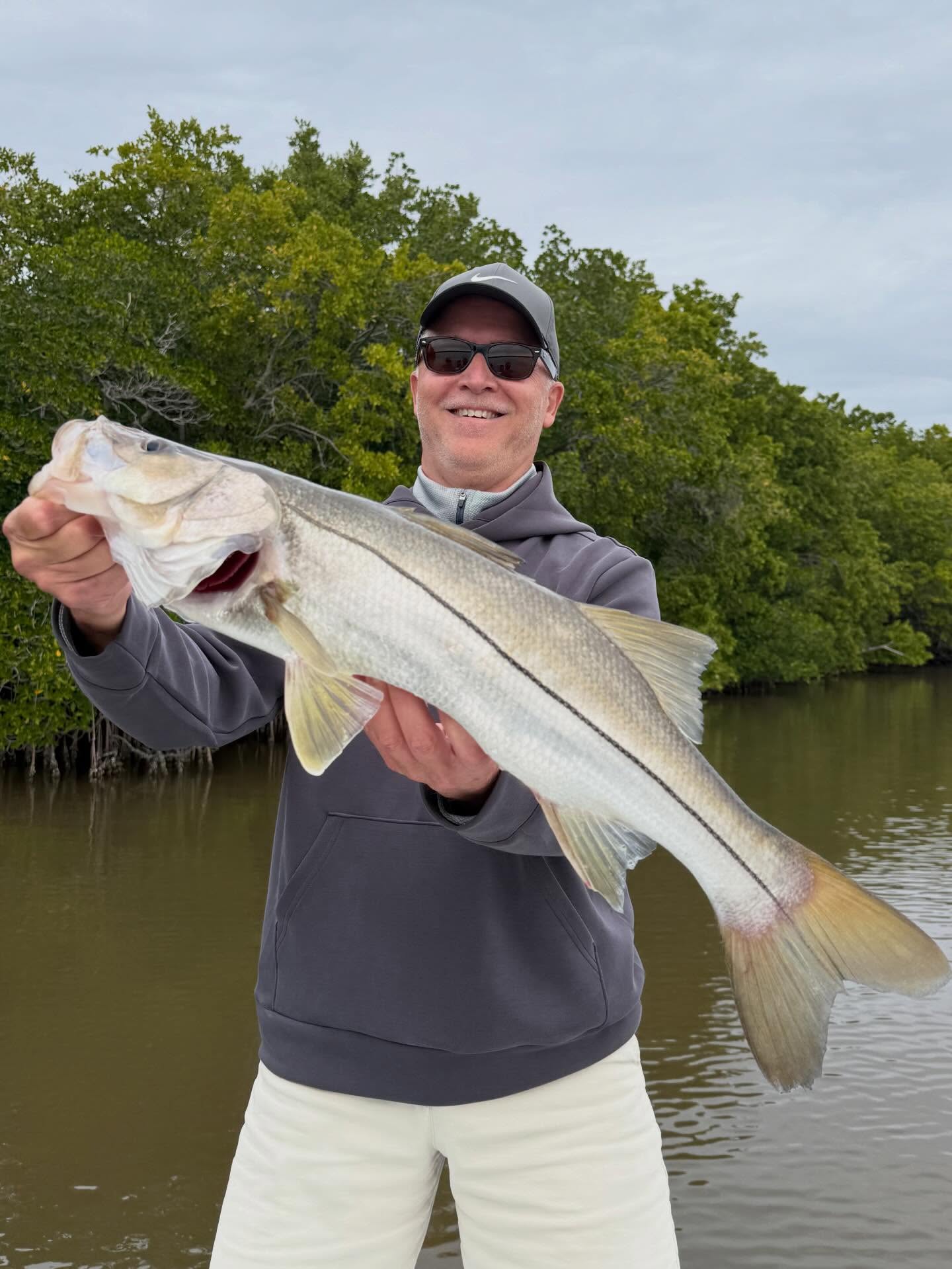
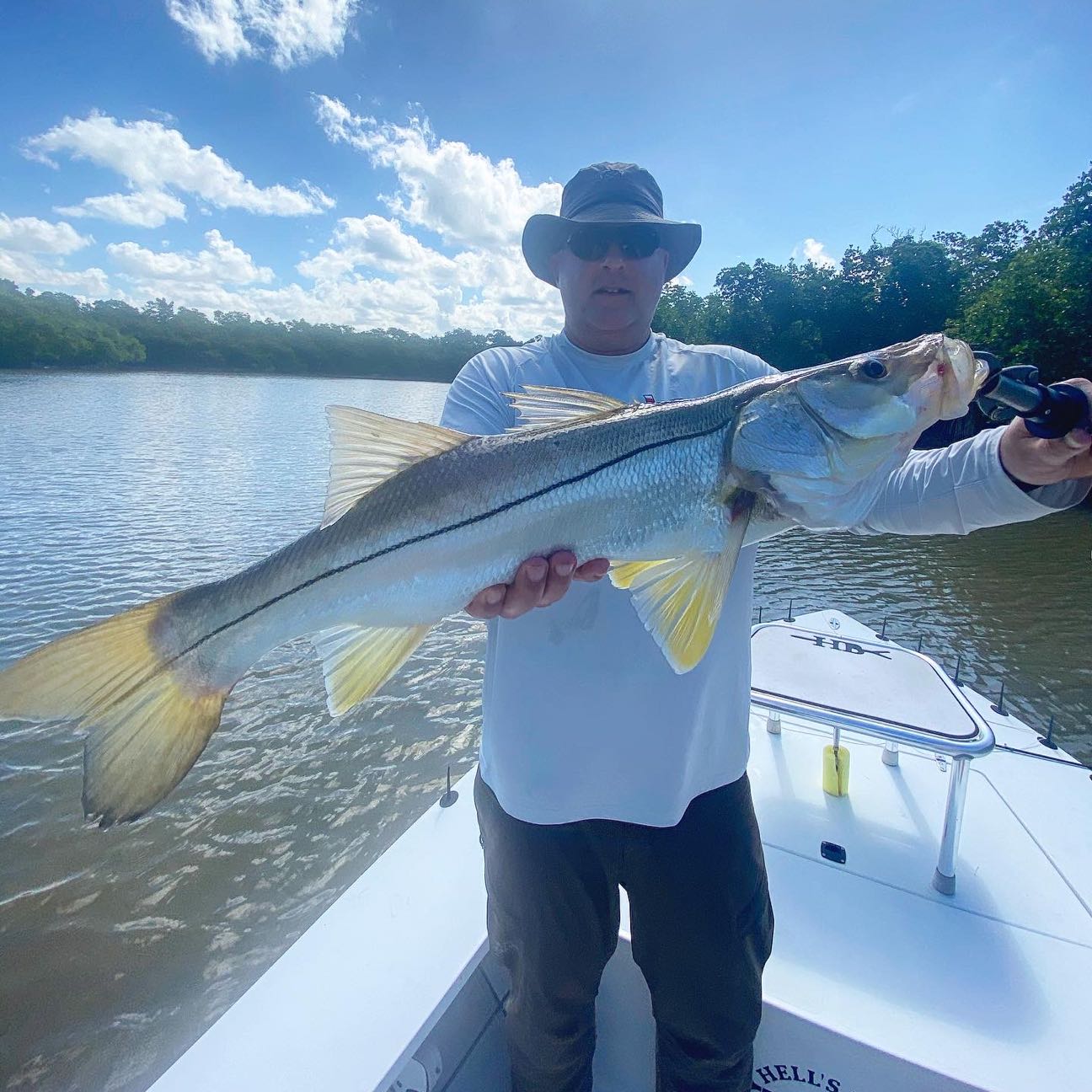
Snook are the ultimate backcountry predator and probably the most challenging fish we target. These ambush artists hang under mangrove overhangs and around structure, waiting to blast anything that looks like an easy meal. They're extremely temperature sensitive, so the best action happens when water temps are above 70 degrees, typically April through October. A good Everglades snook runs 24-32 inches and has the power to break you off in the mangroves if you're not ready. They eat aggressively but have sandpaper mouths that can cut through light leader, so every hookup is a battle from start to finish.
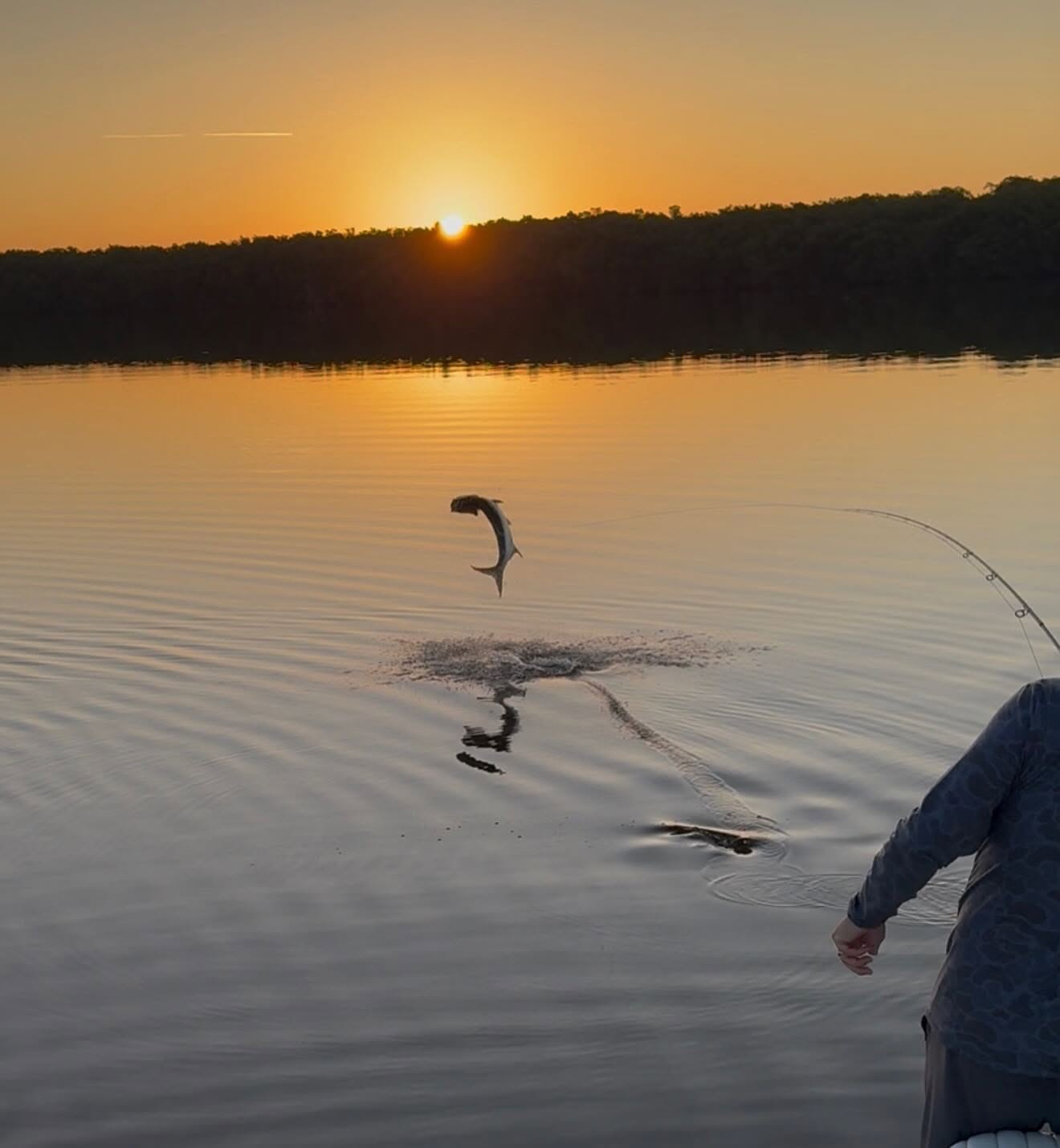
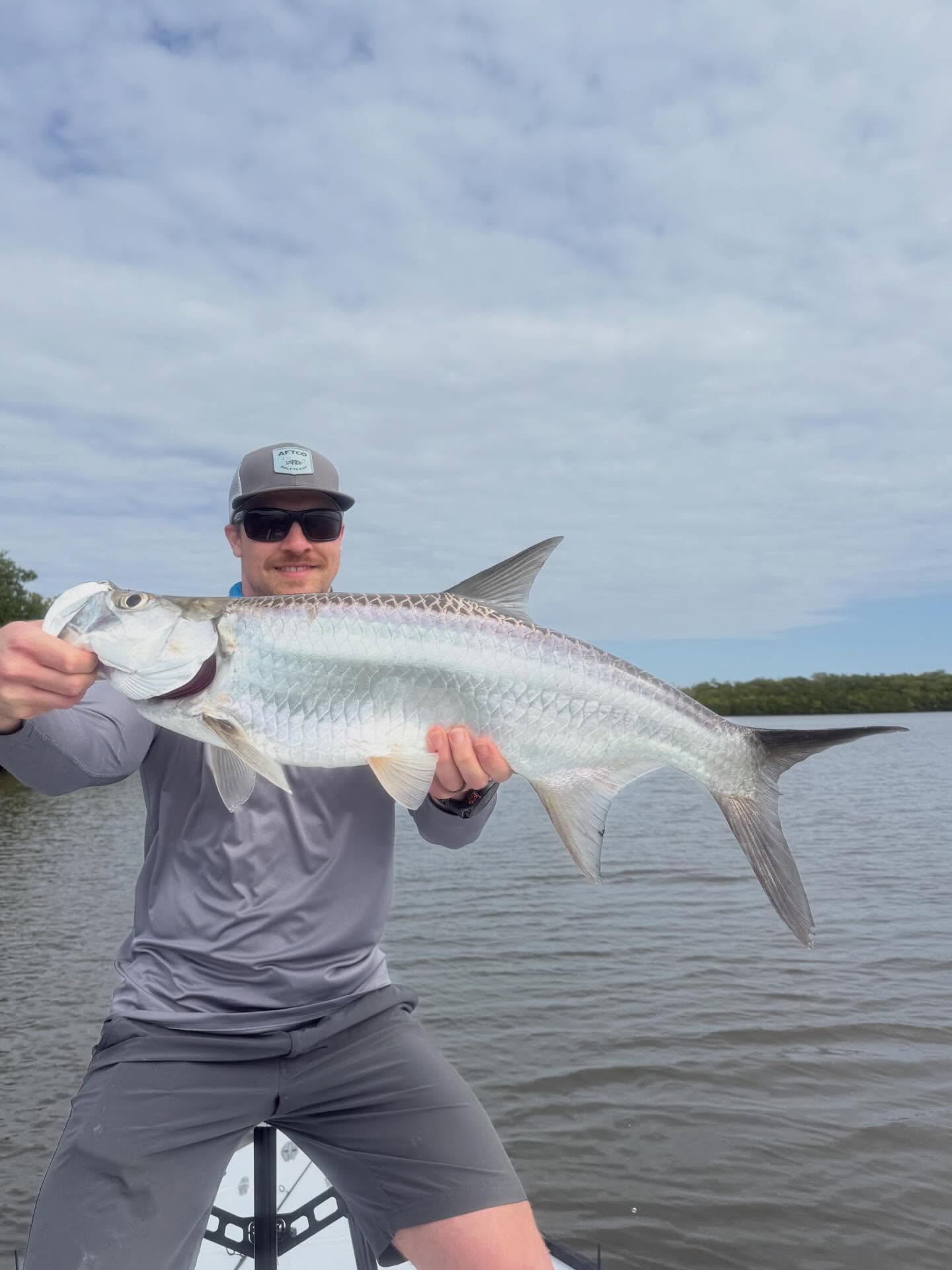
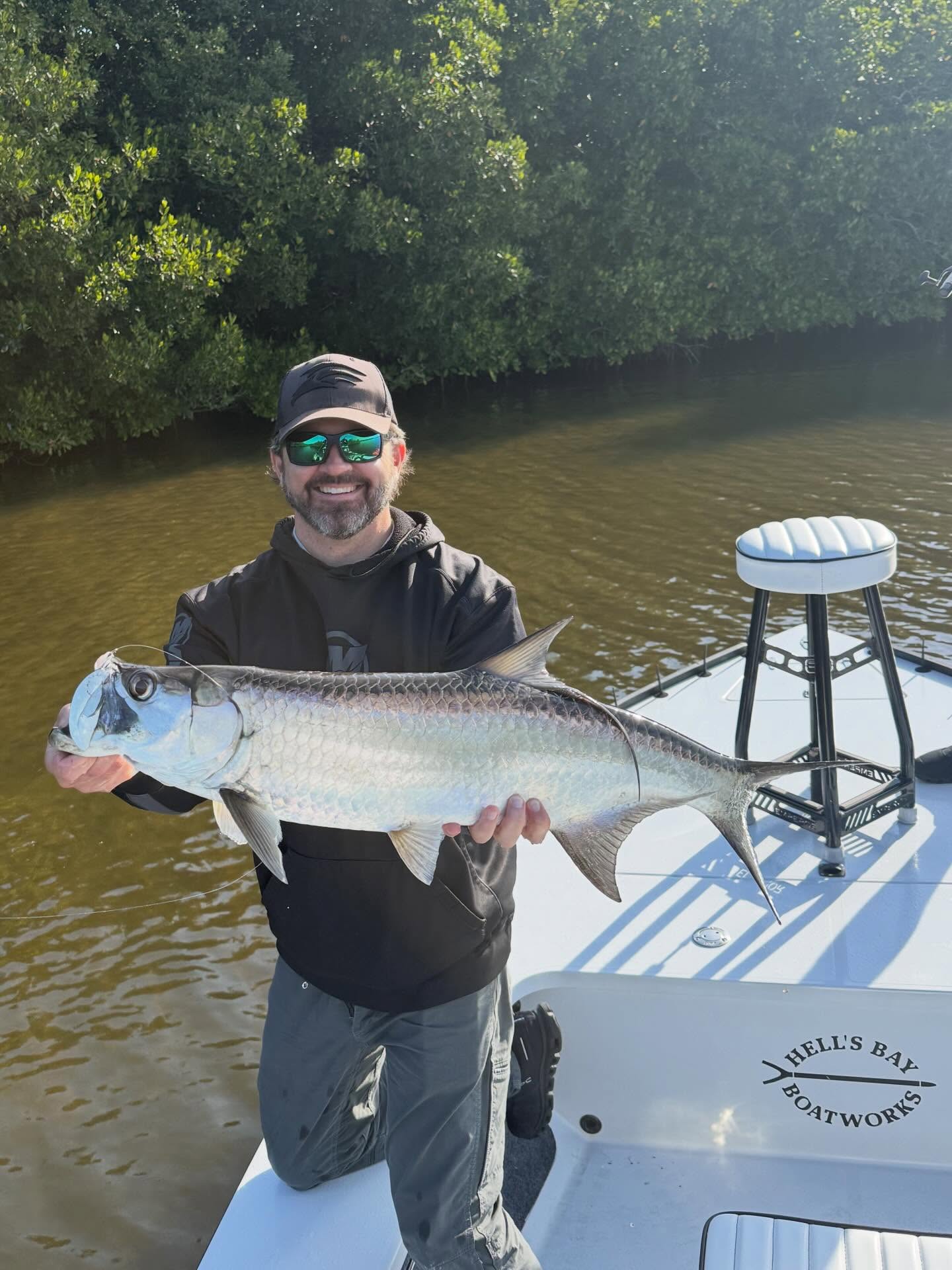
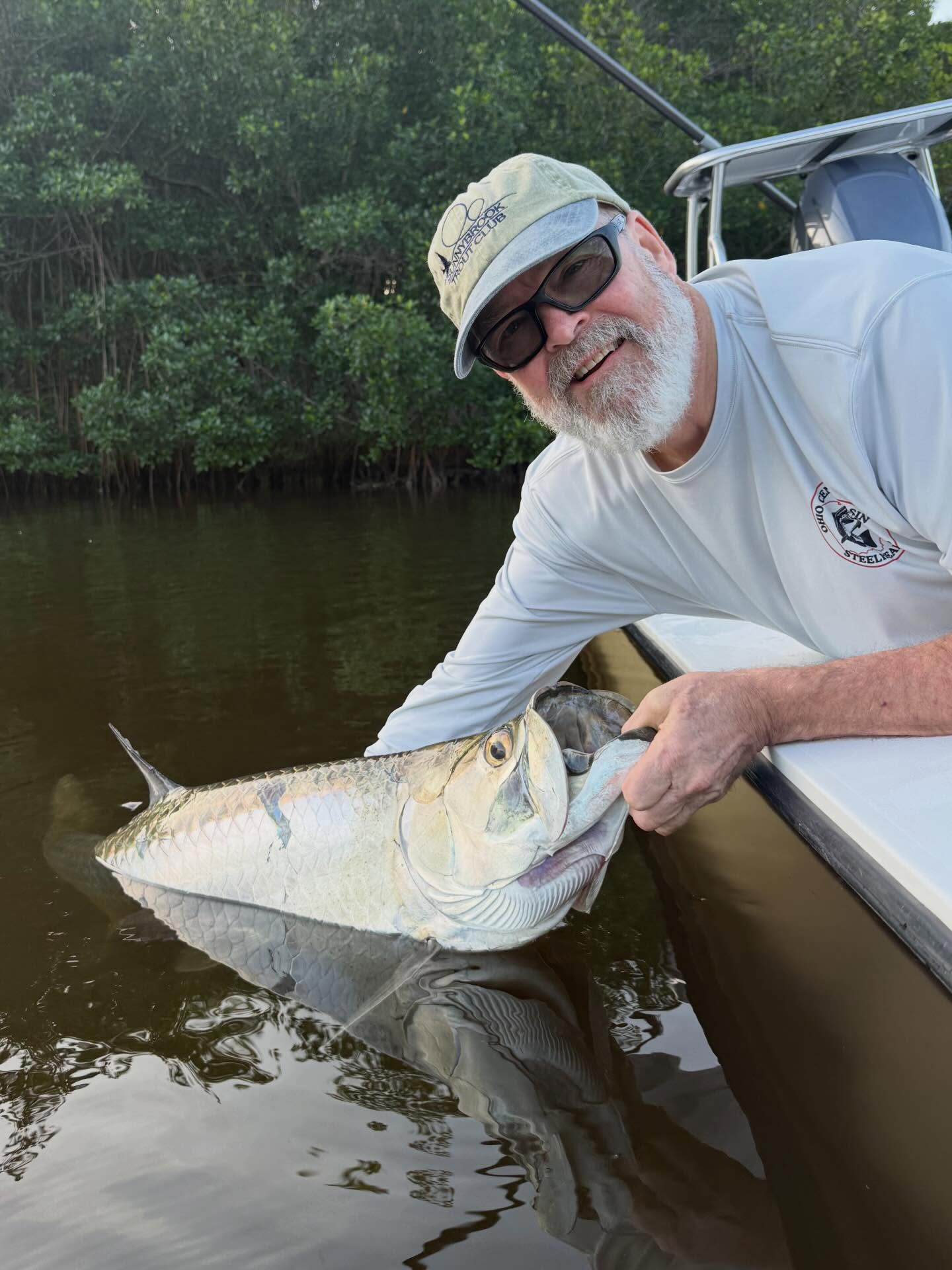
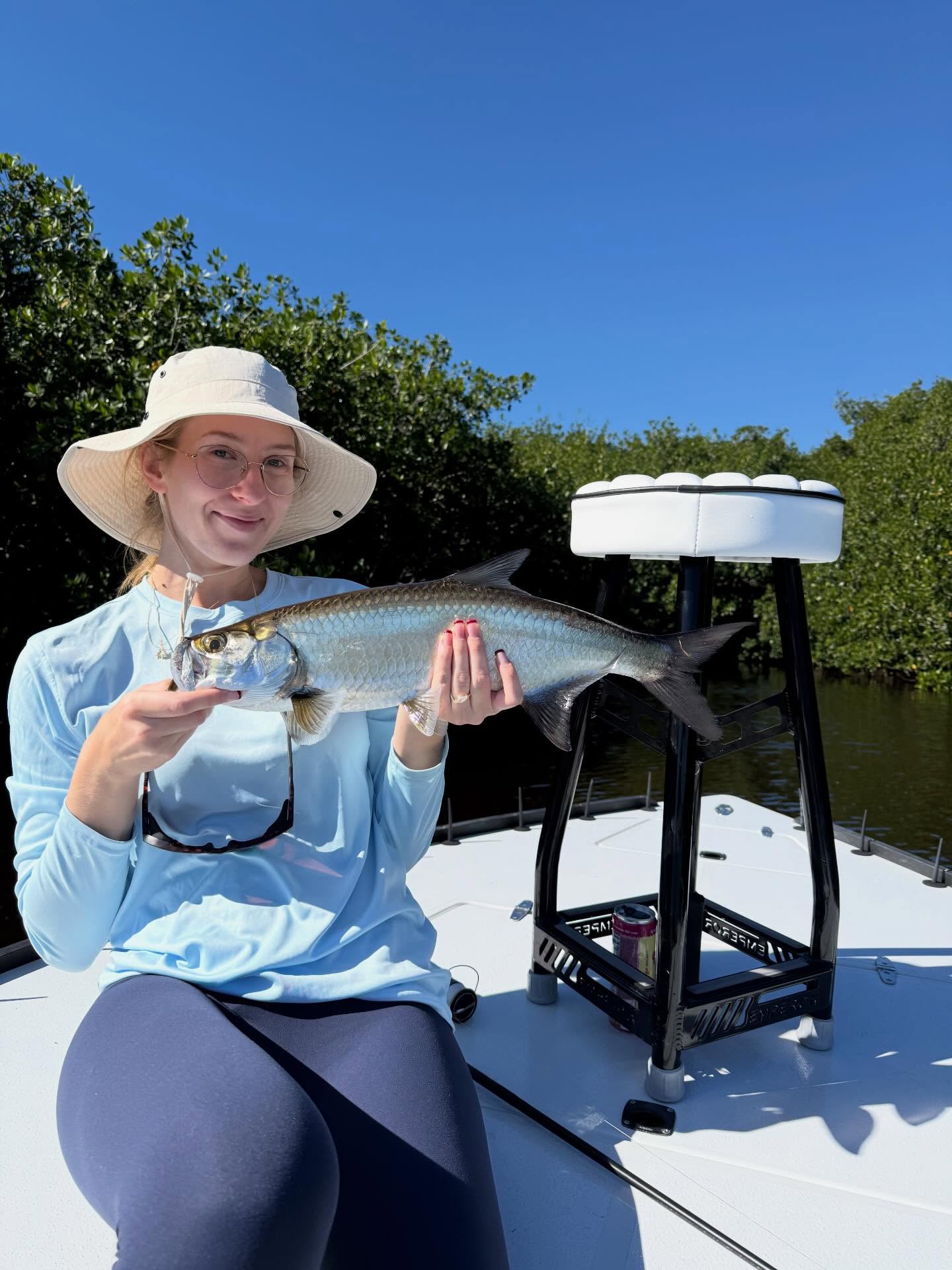
Tarpon show up seasonally and turn every trip into something special. The Everglades gets resident fish year-round, but the best action happens during the spring migration from March through June when big schools move through the backcountry. These aren't the 100-pound giants from the bridges – we're talking 30-80 pound fish that are perfectly sized for sight fishing on light tackle. When a tarpon eats your fly and goes airborne three feet from the boat, you'll understand why people get addicted to this fishery. They're incredibly strong, jump repeatedly, and test every knot and connection on your setup.
Black drum are the overlooked heavyweights of the flats, often found tailing in super shallow water as they root around oyster bars for crabs and shrimp. These fish can push 10-15 pounds in the Everglades and provide some of the most consistent action, especially during cooler months when other species slow down. They're not flashy, but they pull hard and steady, making long runs that'll test your drag system. The cool thing about drum is how you find them – look for muddy water and black tails sticking up as they feed heads-down in inches of water.
Tripletail are the wild card species that can show up anywhere there's floating debris or structure. These odd-looking fish hover on their sides under mangrove branches or around channel markers, looking exactly like floating leaves until they move. They're incredibly spooky and require perfect presentations, but a good tripletail runs 3-8 pounds and fights way above its weight class. Finding them is half the challenge – Captain Mark has trained eyes for spotting these masters of disguise in places most people would never think to look.
Time to Book Your Spot
Captain Mark's extended half-day trips fill up fast, especially during prime season from November through April when the weather's perfect and fish are most active. This
 Private Trip
 Backcountry Fishing
 Everglades


 Fly fishing and light tackle targeting redfish, snook, and tarpon