Beginner Inshore Fishing Charter Jupiter FL
Looking to get into inshore fishing around Jupiter? This half-day charter is built specifically for beginners who want to learn the ropes while targeting some of South Florida's most sought-after game fish. Whether you're flying solo, bringing the family, or meeting up with friends, this trip takes all the guesswork out of your first serious fishing adventure. Your captain handles everything from gear to licenses, so you can focus on what matters most – learning how to read the water and land some quality fish.
What to Expect on the Water
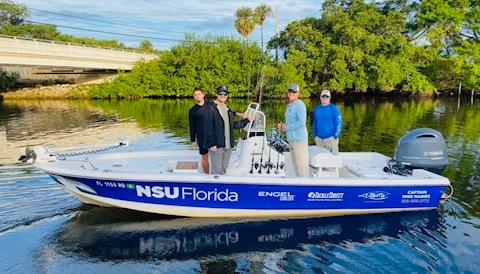
This isn't your typical tourist fishing trip where you're crammed onto a party boat with 30 other people. With just one guest capacity, you get personalized attention that makes all the difference when you're starting out. Your captain will pick you up from either Stuart or Jupiter, depending on conditions and where the fish are biting that day. The beauty of inshore fishing here is that you're never more than a few miles from shore, working the mangrove shorelines, grass flats, and oyster bars where these fish love to hang out. The water stays relatively calm, making it perfect for anyone who might get queasy on rough seas. You'll spend your time sight fishing in shallow water, watching for wakes and tails, or working structure where these fish ambush their prey. The captain reads the tides, wind, and water temperature to put you on fish, while teaching you the fundamentals of casting, retrieving, and fighting fish properly.
Gear Setup & Techniques
All your tackle comes included, which is huge when you're just getting started – no need to drop hundreds on rods and reels before you know what you like. You'll primarily fish with medium-action spinning gear loaded with braided line, perfect for the structure-heavy environment where these fish live. Live bait is king out here, and your captain will have a well full of pilchards, pinfish, or shrimp depending on what's working. You'll learn how to rig live baits on circle hooks, how to work artificial lures like soft plastics and topwater plugs, and most importantly, how to present your bait naturally in the current. The techniques vary based on conditions – some days you're sight casting to fish you can actually see, other times you're working deeper pockets and drop-offs. Your captain will teach you how to feel the difference between a bite and bottom contact, when to set the hook, and how to fight fish without losing them at the boat. The key to success in these waters is learning to read the signs – nervous baitfish, bird activity, and subtle changes in water color that indicate where predators are feeding.
Species You'll Want to Hook
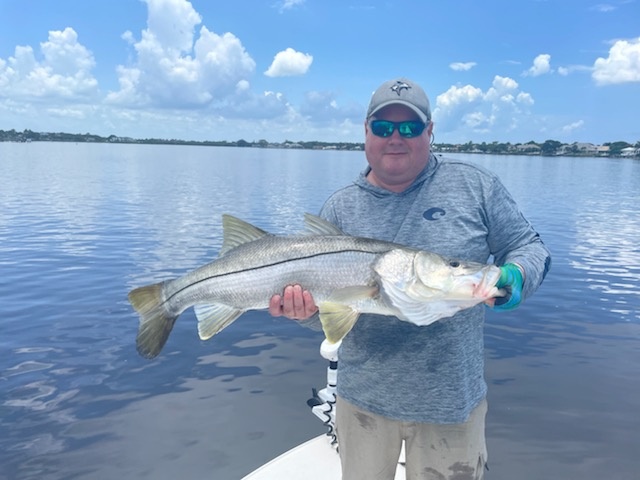
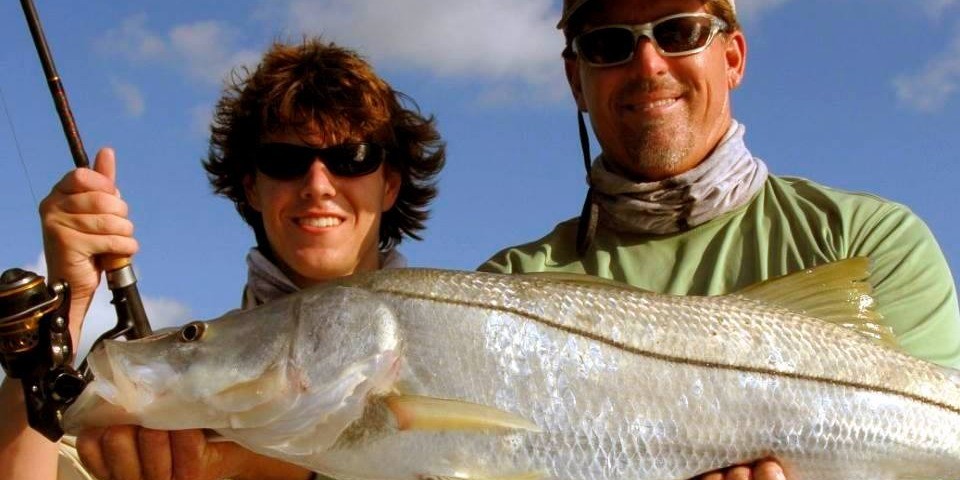
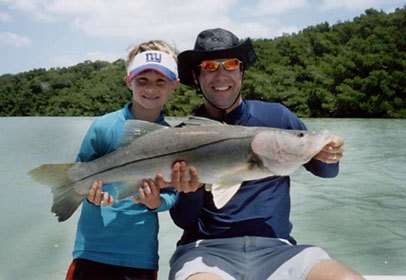
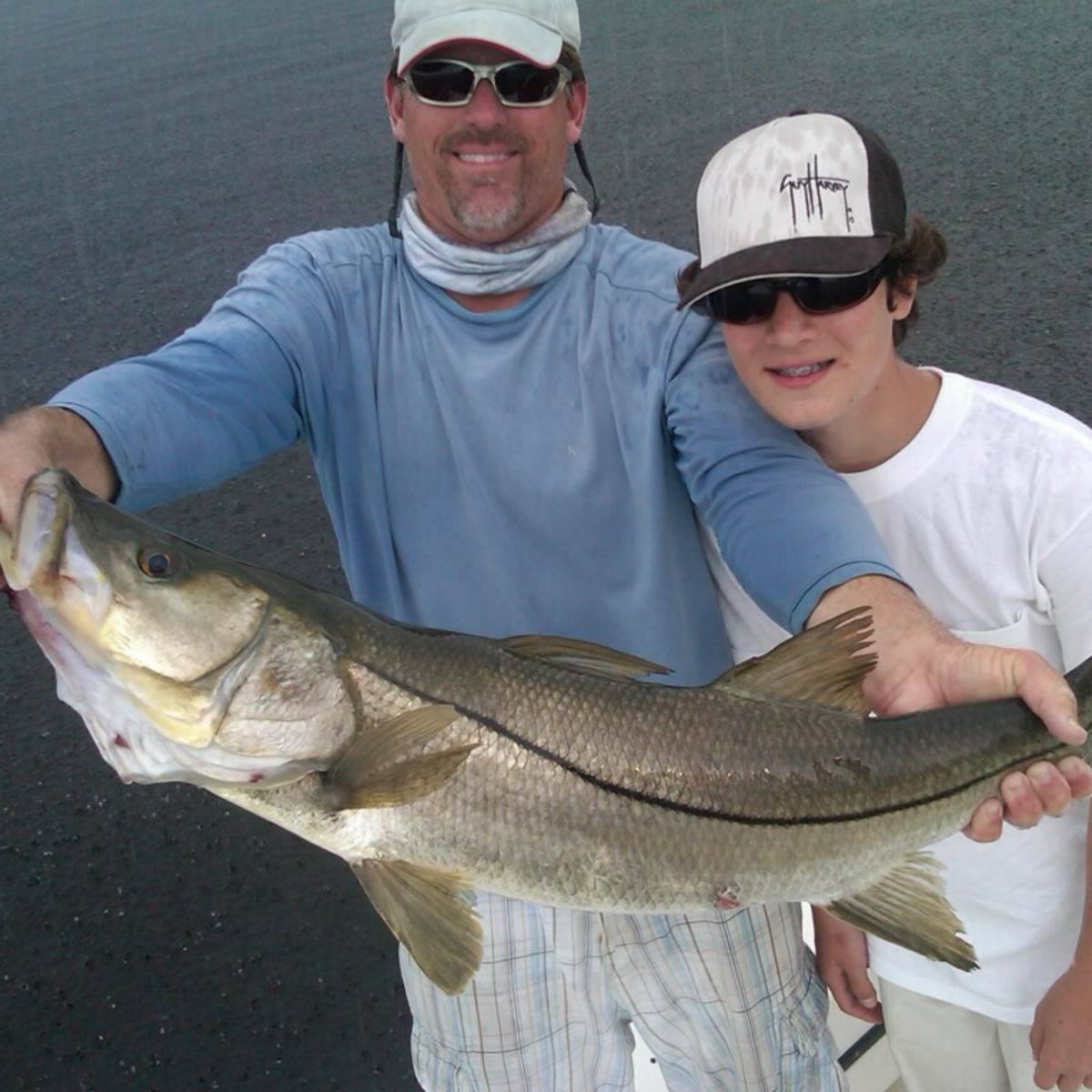
Snook are the crown jewel of inshore fishing around Jupiter, and for good reason. These ambush predators love hanging around structure – docks, mangrove overhangs, and bridge pilings where they can surprise unsuspecting baitfish. They're incredibly aggressive when feeding but notoriously finicky when they're not in the mood. What makes them so special is their explosive strike and acrobatic fight, often jumping multiple times and making blistering runs toward cover. The best action typically happens during moving tides, especially around dawn and dusk. Snook are highly seasonal, with peak fishing from April through October when water temperatures stay consistently warm. They can range from schoolie-sized fish around 18 inches up to true slobs pushing 35+ inches that will test your drag system and nerves.
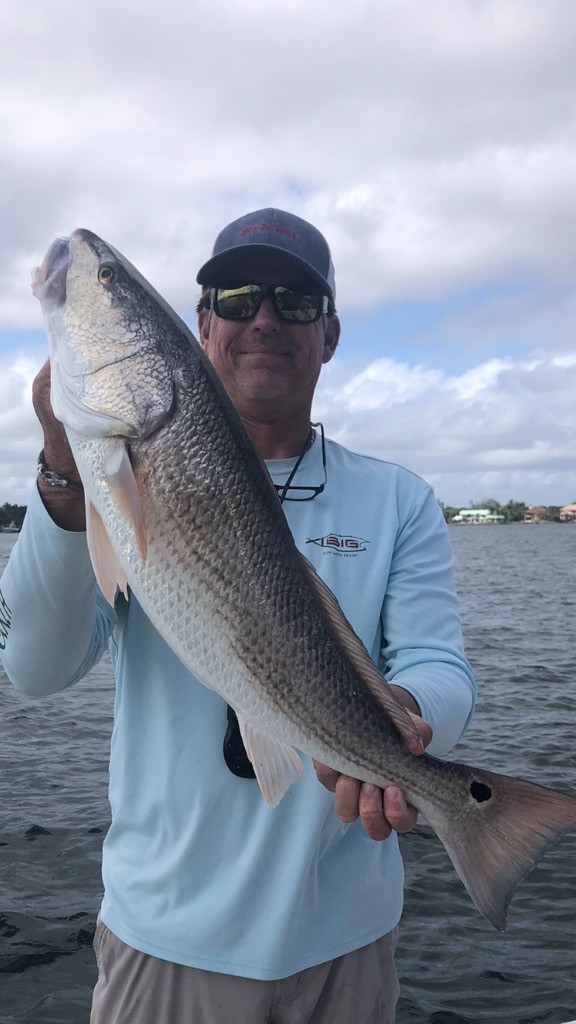
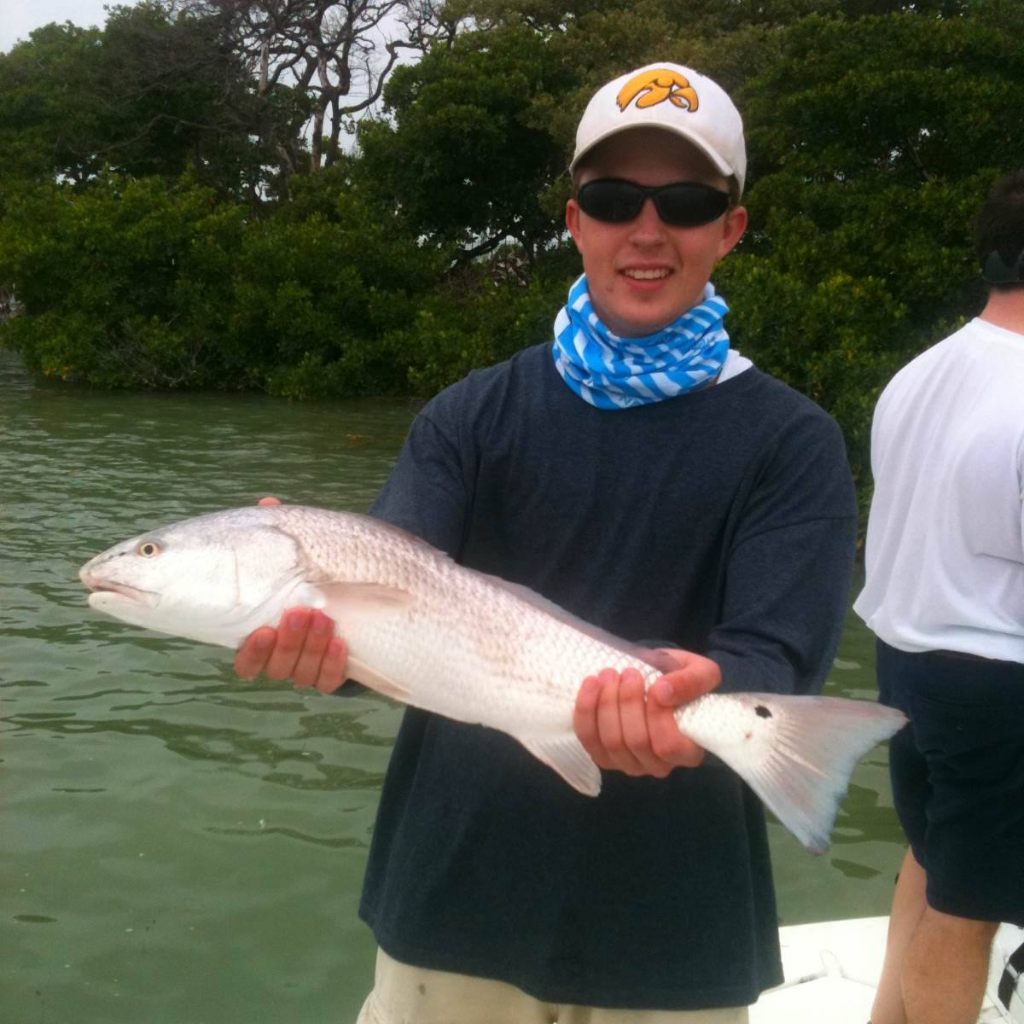
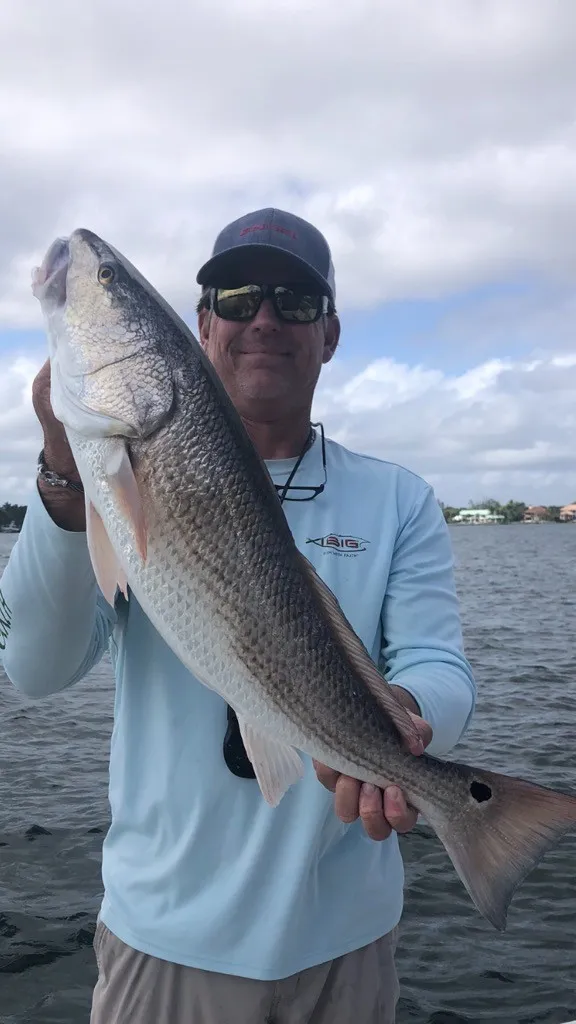
Redfish might be the most reliable target on any given day, earning them the nickname "puppy drum" for their willingness to eat just about anything you throw at them. These copper-colored bulldogs cruise the shallow flats and oyster bars, often in schools that can number in the hundreds during fall months. What sets reds apart is their incredible pulling power – they don't jump like snook, but they'll take you on long, steady runs that make your reel sing. The slot-size fish (18-27 inches) are perfect for the dinner table, while the oversized "bull" reds provide pure sport fishing excitement. Peak season runs from September through November, but you'll find quality fish year-round. They're particularly fun on topwater lures when they're feeding aggressively in skinny water.
Sea Trout add consistency to any inshore trip, especially when other species are being temperamental. These spotted beauties prefer grass flats and sandy bottoms, making them easier to target for beginners still learning to read structure. They're excellent table fare and willing biters, often coming in schools that can keep the action steady for hours. Trout fishing peaks during cooler months from November through March, when they school up in deeper pockets and channels. While they don't fight as hard as snook or redfish, they make up for it in numbers and eating quality. The bigger "gator" trout over 20 inches are legitimate trophy fish that require finesse and proper presentation.
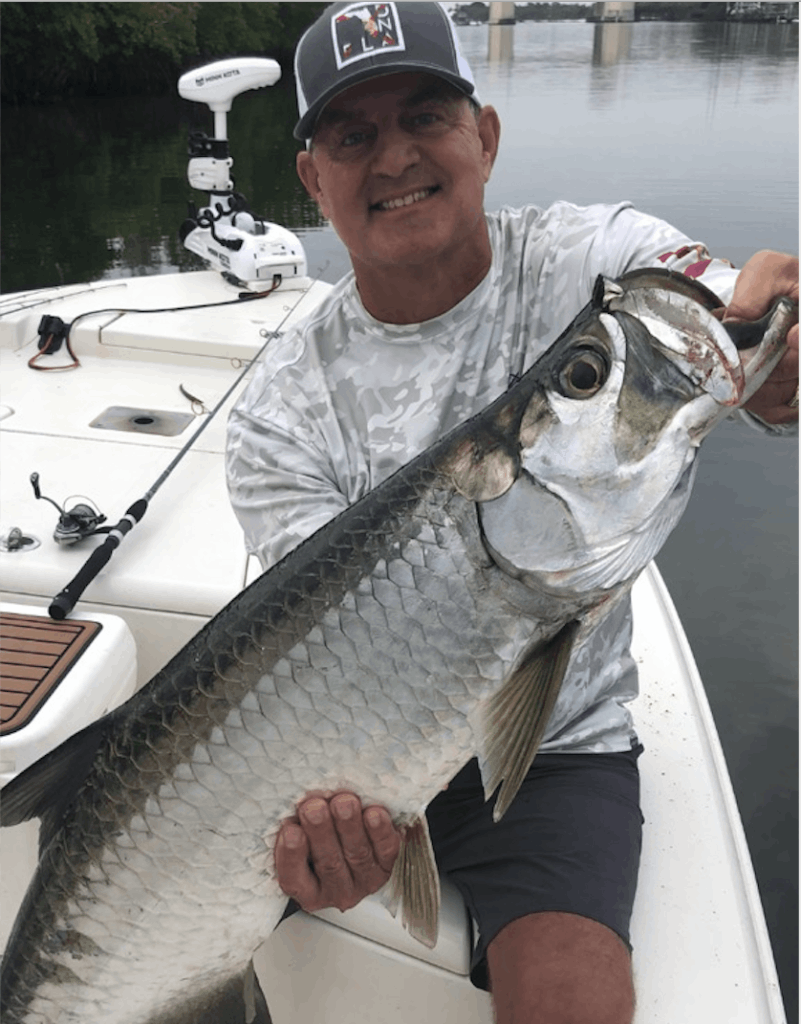
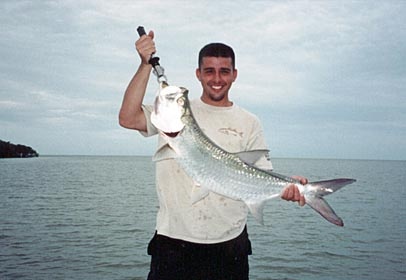
Tarpon represent the ultimate challenge in these waters, even though you're targeting the juvenile "poons" that range from 10-40 pounds. These silver bullets are pure adrenaline – when a tarpon eats your bait, everything changes in an instant. They'll jump repeatedly, often throwing the hook in spectacular fashion, which is why landing one feels like such an achievement. Baby tarpon are year-round residents, but the action heats up significantly from May through September. They're typically found around bridges, deeper mangrove creeks, and anywhere there's moving water and structure. Most tarpon are released to fight another day, making them the perfect sport fish for conservation-minded anglers.
Time to Book Your Spot
Jupiter's inshore fishing scene is world-class, and this beginner-friendly approach gives you the best shot at success while learning proper techniques from an experienced local captain. With limited availability and only one guest per trip, spots fill up quickly, especially during peak seasons. The personalized instruction and hands-on experience you'll get beats any fishing seminar or YouTube video – there's no substitute
 Private Trip
 Inshore Fishing
 Jupiter


 Beginner-friendly inshore charter targeting snook and redfish in Jupiter waters