Inshore Fishing Charter - Fort Morgan & Pensacola
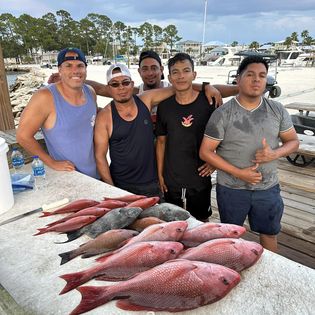
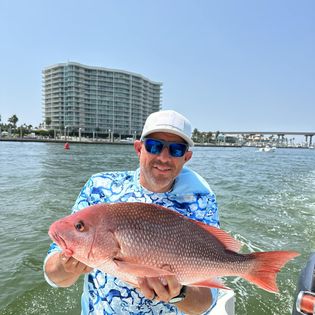
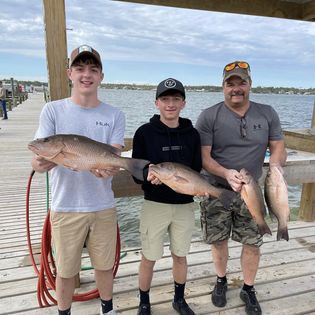
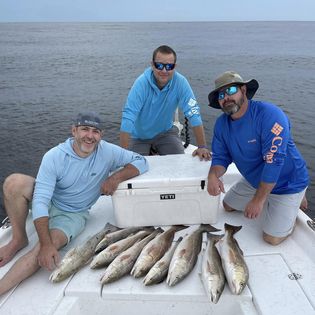
If you're looking for some of the Gulf Coast's best inshore action, you've found the right spot. Captain James runs a top-rated charter operation covering the productive waters between Fort Morgan, Alabama and Pensacola, Florida – two of the most fish-rich areas on the northern Gulf. This isn't your typical tourist boat ride. We're talking about serious fishing in waters that consistently produce keeper fish, whether you're a weekend warrior or someone who lives for the bite. With spots for up to 4 anglers, you'll have plenty of room to work without bumping elbows, and Captain James knows these waters like the back of his hand.
What to Expect on the Water
You'll be fishing some of the most diverse inshore structure along the Alabama and Florida coasts. The rock jetties at Perdido Pass are absolute fish magnets – the current breaks and eddies around those rocks hold everything from slot reds to keeper trout. We'll work the bridge footings where the structure creates perfect ambush points for predator fish. The grass flats around Ono Island are legendary among local anglers, especially when the tide is moving and baitfish are getting pushed around. Captain James will put you on the back bays when conditions call for it – these protected waters are where the big breeding redfish like to cruise, and you'll often find them in water so shallow you can see their backs. Every trip is different based on tide, weather, and what's biting, but that's what makes inshore fishing so addictive. You never know if you're going to hook into a bull red in two feet of water or find a school of trout stacked up on a grass edge.
Tackle and Techniques
Captain James runs a well-equipped boat with quality spinning gear that can handle everything from finicky trout to bruiser drum. You'll be using both live and artificial baits depending on what we're targeting. Live shrimp under popping corks is deadly for speckled trout, especially around the grass beds. For redfish, we'll throw everything from gold spoons to soft plastics, and when they're really fired up, topwater plugs will get your heart racing. The jetties call for heavier tackle and cut bait – those sheepshead have crushers for mouths and they're not shy about using them. We'll drift the flats when the fish are scattered and anchor up on structure when we mark them holding tight. Captain James will teach you how to read the water, from spotting nervous baitfish to understanding how tide direction affects fish behavior. Whether you're comfortable with a baitcaster or prefer spinning gear, we've got setups that match your skill level and the day's conditions.
Species You'll Want to Hook
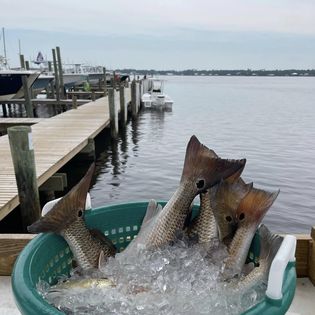
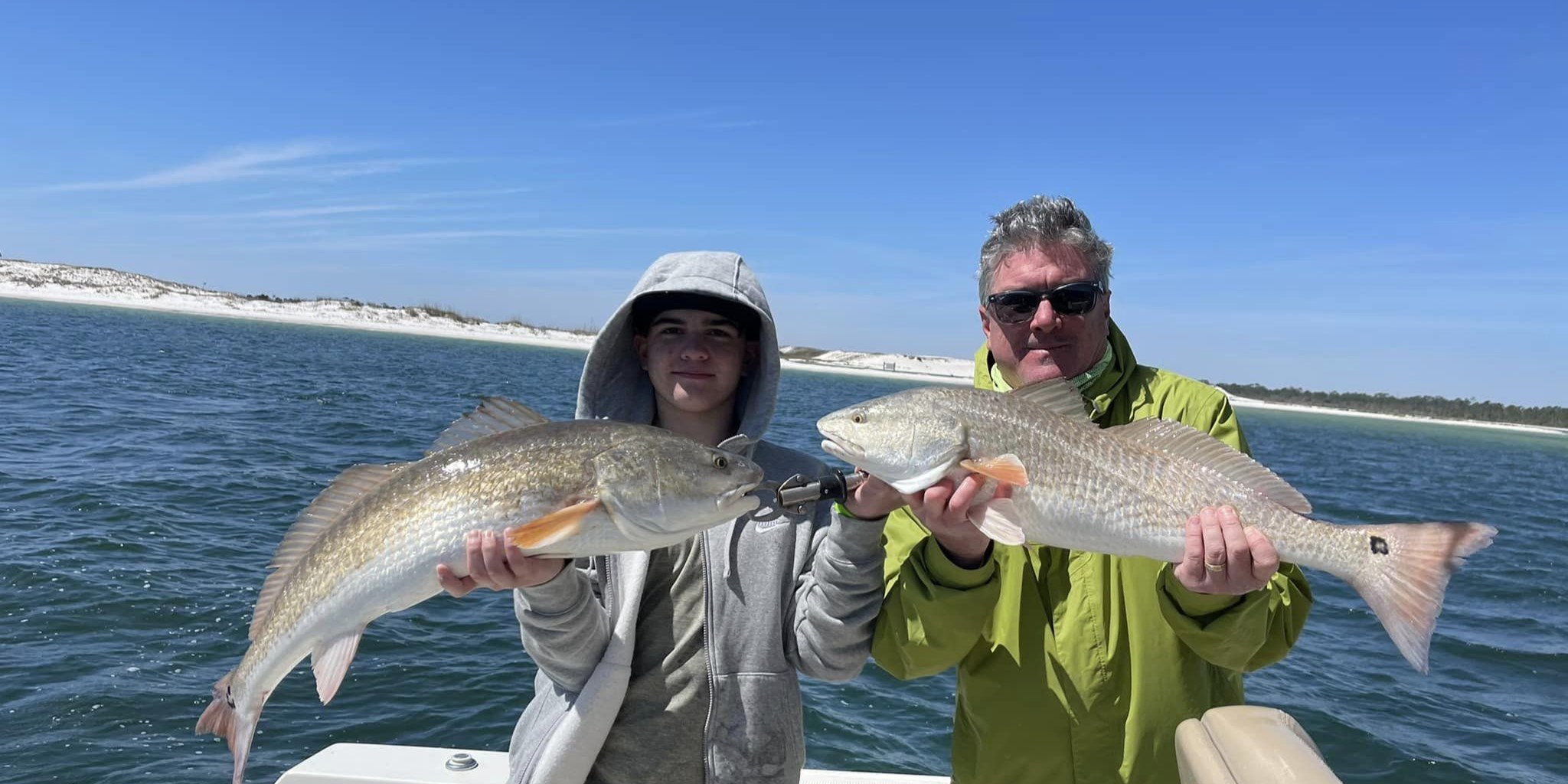
Redfish are the stars of these inshore waters, and for good reason. These copper-colored fighters are available year-round, with the best action typically from spring through fall. Slot-sized reds between 16 and 26 inches are perfect table fare, but the real fun comes from the oversized bull reds that patrol these flats. Watch for them tailing in shallow water during low tide – it's sight fishing at its finest. They'll hit hard and make long, drag-screaming runs that'll test your tackle and your patience.
Sea trout, locally called speckled trout or just "specks," are the bread and butter of Gulf Coast inshore fishing. These spotted beauties love the grass flats and drop-offs, especially around dawn and dusk. A good keeper trout runs 15 to 20 inches, and they're fantastic eating when handled properly. They're also one of the most fun fish to catch on light tackle – their initial run and head-shaking fight will keep you coming back for more. Peak season runs from April through October, with the bigger "gator trout" showing up in the cooler months.
Sheepshead might be the most underrated fish in these waters. These black-and-white striped convicts hang around any structure they can find, from pier pilings to rock jetties. They're notorious bait thieves with human-like teeth, but once you figure out their bite, they're incredibly rewarding to catch. The bigger ones push 4 to 6 pounds and fight harder than most people expect. They're also excellent table fare – firm, white meat that's perfect for grilling or frying.
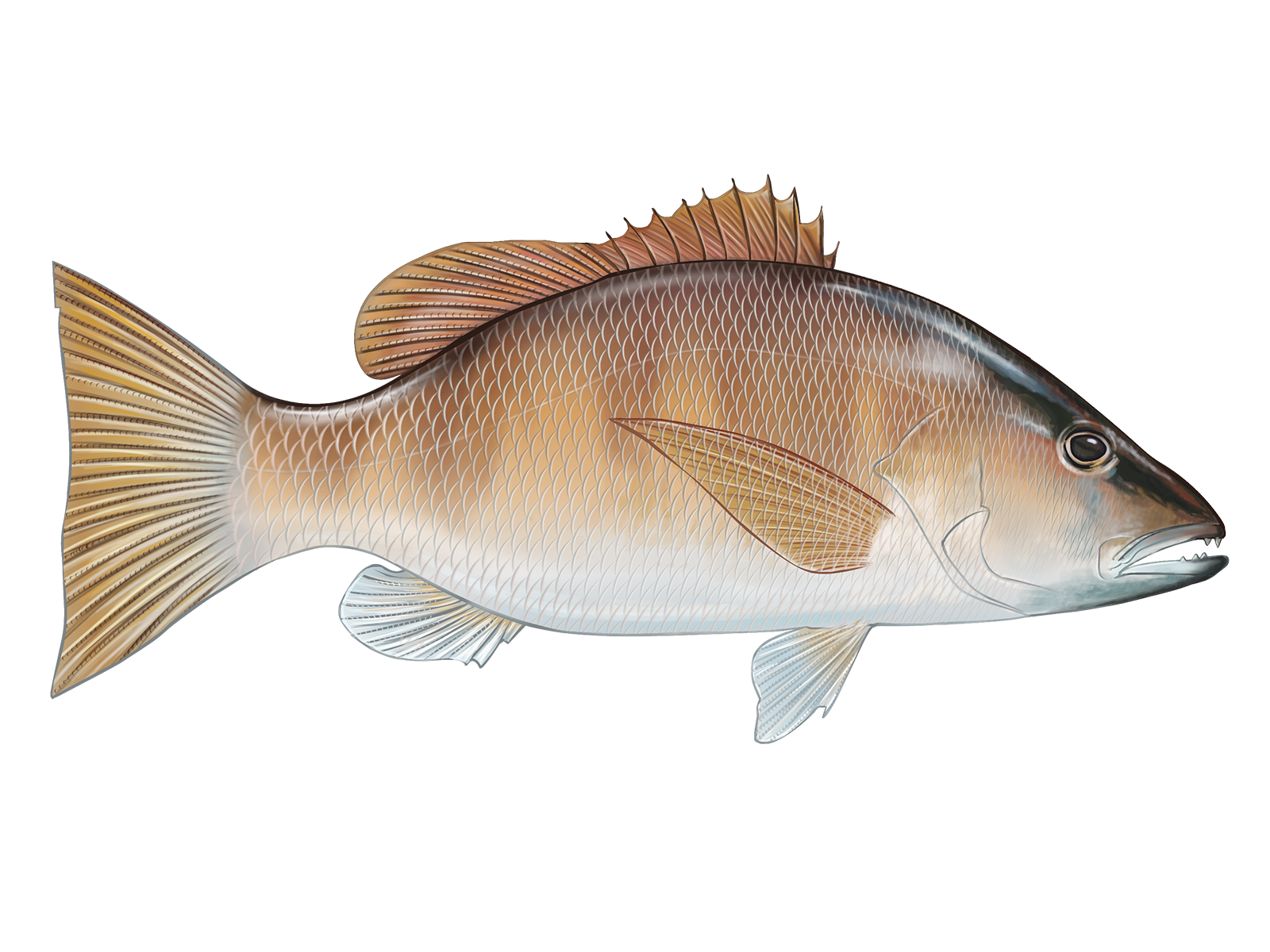
Grey snapper, or mangrove snapper as the locals call them, are year-round residents around structure. These cunning fish are line-shy and bait-smart, making them a real challenge for new anglers. They typically run 12 to 16 inches in these waters, with the occasional bigger fish pushing 20 inches. They're aggressive feeders but spook easily, so light line and small hooks are key. The fight is impressive for their size, and they're among the best eating fish in the Gulf.
African pompano are the wildcards of the inshore world. When you hook one, you'll know it immediately – they're built like living torpedoes and fight like fish twice their size. They're not as common as the other species, but when conditions are right, they'll show up around the jetties and deeper grass edges. Most run 2 to 8 pounds, but their broad, flat bodies and powerful swimming make them incredibly fun on light tackle. They're also beautiful fish with their elongated dorsal and anal fins trailing behind them.
Time to Book Your Spot
Captain James has been putting anglers on fish in these waters for years, and his repeat customer rate speaks for itself. Whether you want a morning trip to beat the heat or an afternoon adventure when the fish start moving with the tide change, Blue Water Charters delivers consistent results. The boat accommodates up to 4 anglers comfortably, making it perfect for families, couples, or small groups of friends. All tackle and bait are included, so just bring your fishing license, some snacks and drinks, and get
 Private Trip
 Inshore Fishing
 Orange Beach, AL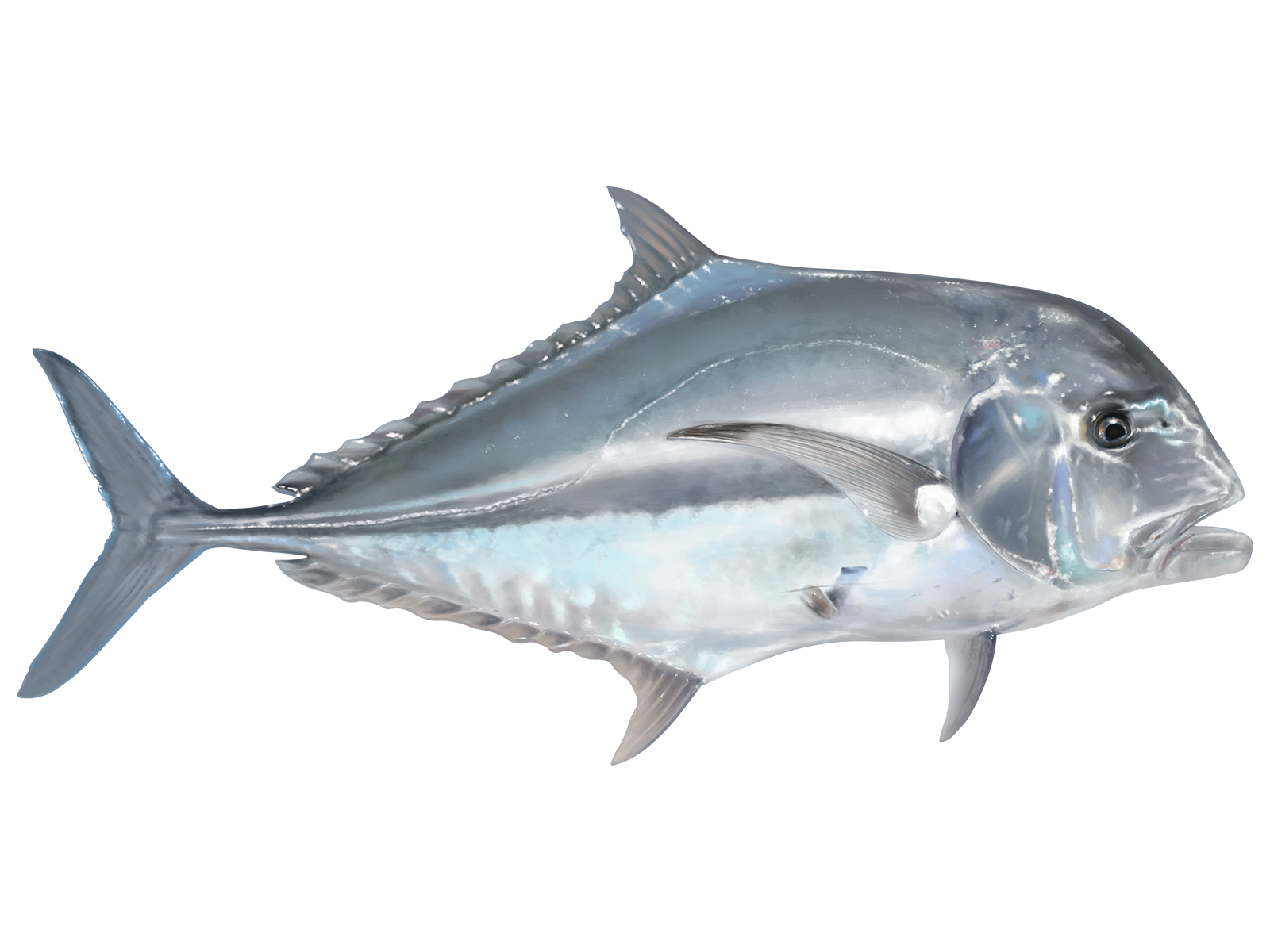


 Inshore fishing charter targeting redfish and speckled trout