Half Day Maui Pelagic Fishing Charter
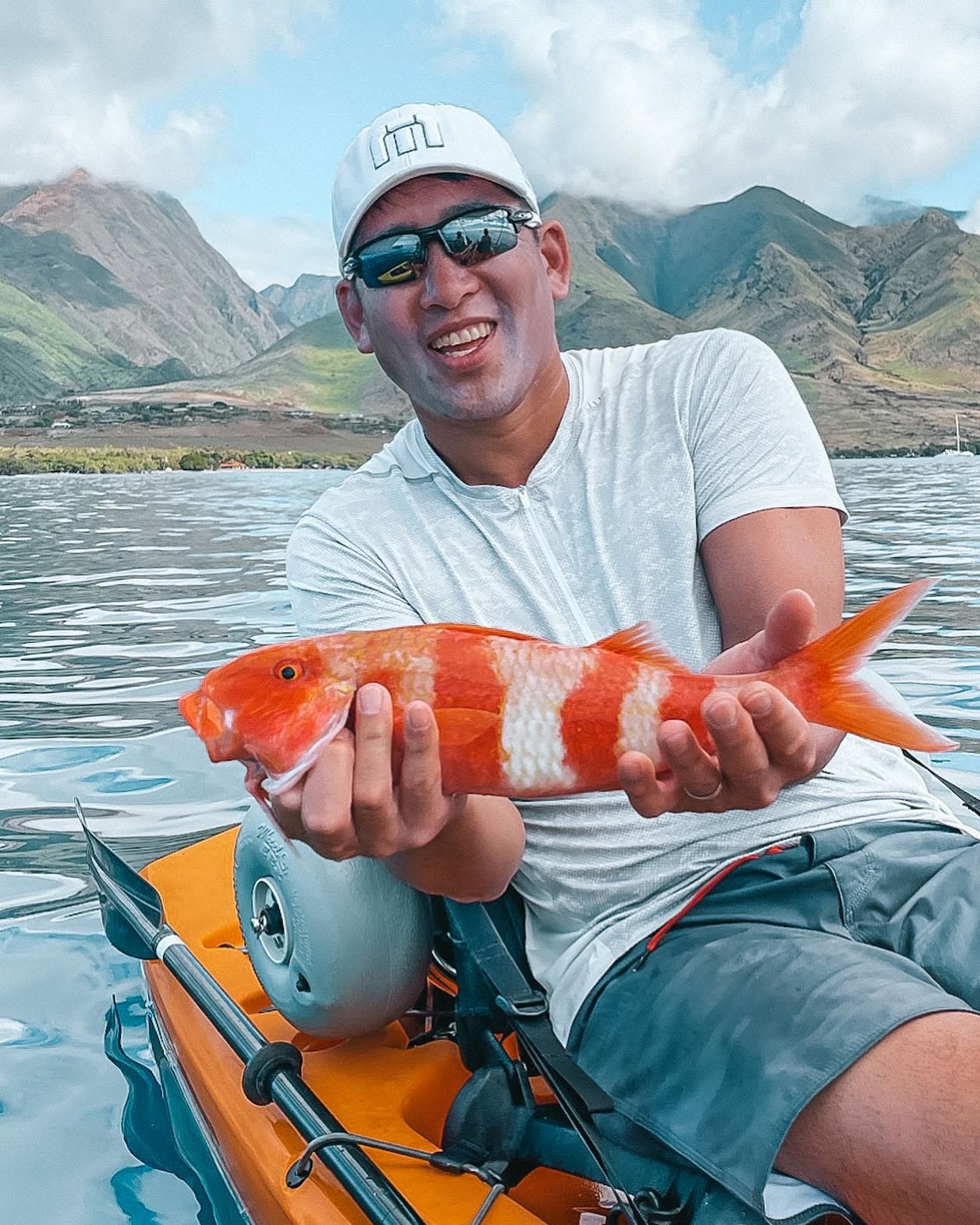
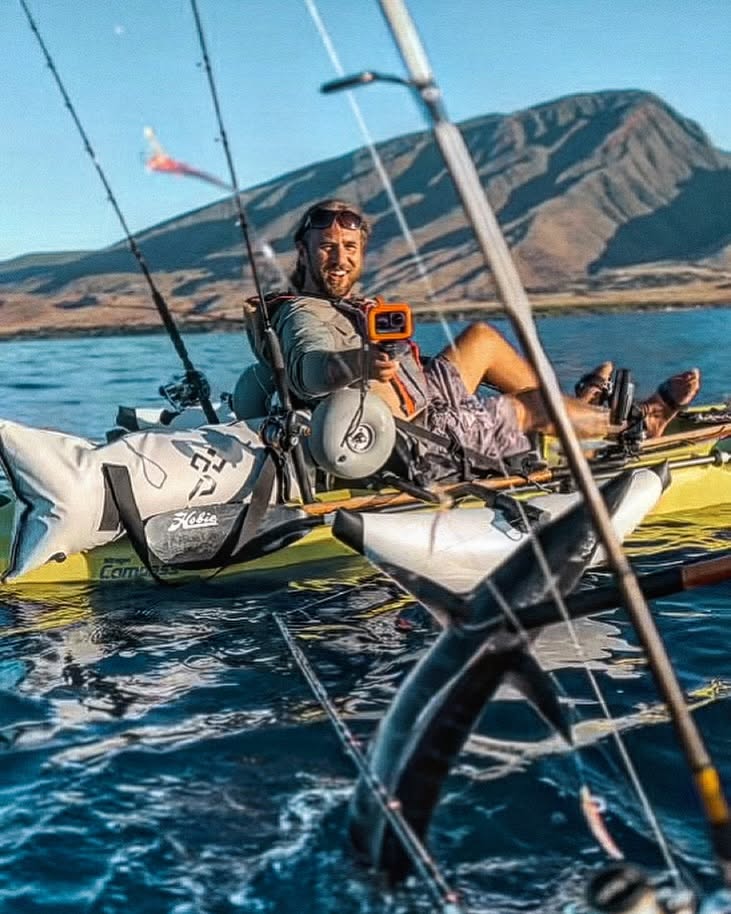
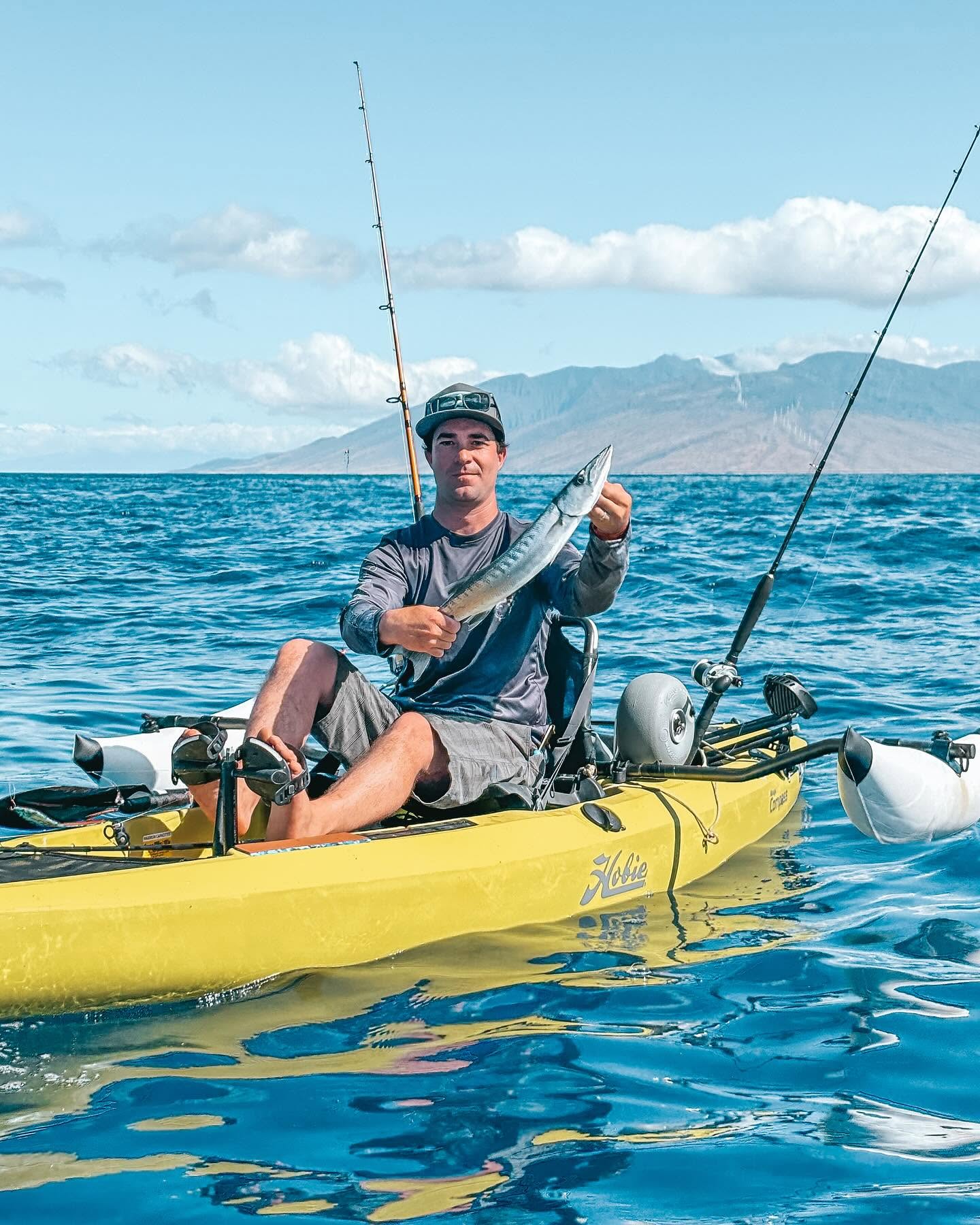
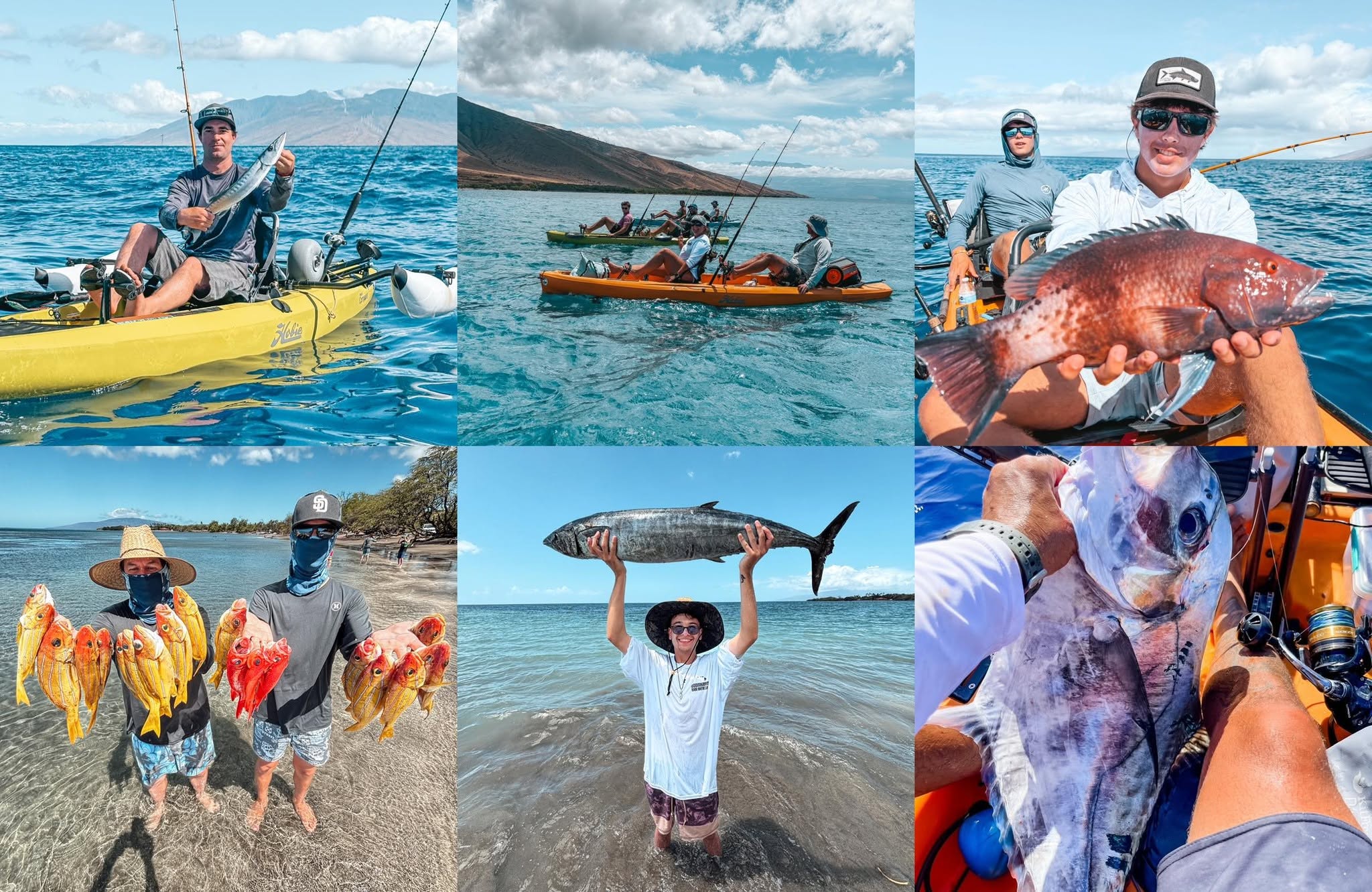
Picture this: you're sitting in a high-tech Hobie pedal kayak, 300 feet of crystal blue Hawaiian water beneath you, watching your line disappear into the deep while scanning the horizon for bird action and debris lines. This isn't your typical charter boat experience – it's something way more personal and way more exciting. Our half-day pelagic fishing adventure puts you right in the middle of Maui's most productive offshore waters, where the big fish live and the action can happen any second. Starting at 7 AM when the water's still glassy and the fish are active, you'll spend four solid hours targeting some of the Pacific's most prized game fish. We're talking Mahi Mahi, Wahoo, Yellowfin Tuna, and if you're really lucky, maybe even a Marlin will crash your party.
What to Expect on the Water
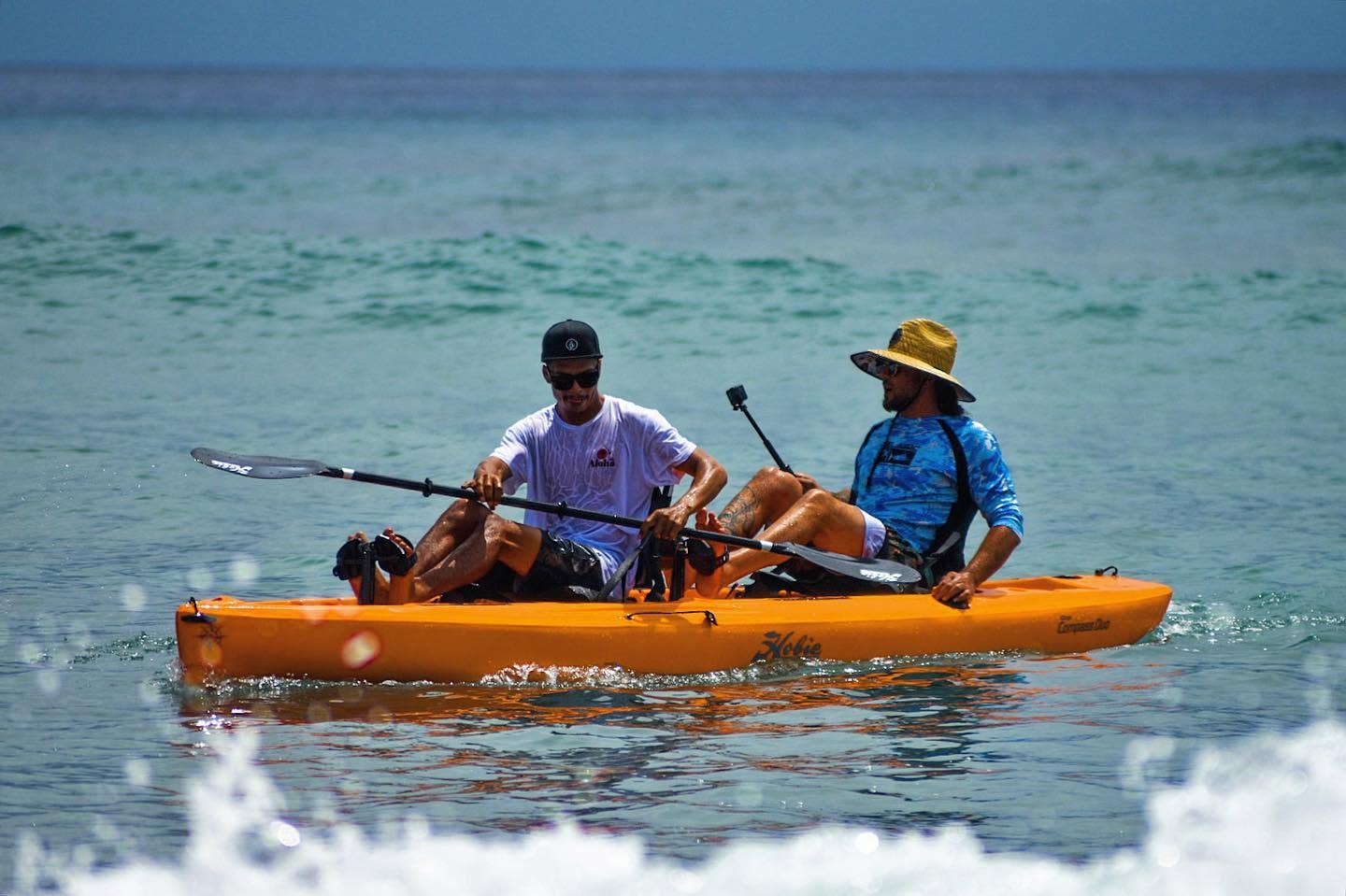
This trip is built for anglers who know their way around a rod and aren't afraid of a workout. We launch before sunrise and pedal out to the 200-400 foot depths where the magic happens. The Hobie pedal-drive system means your hands stay free for fishing while you position yourself perfectly over structure or follow bait schools. Your guide knows these waters like the back of their hand – every seamount, every current break, every spot where the big pelagics like to hunt. The beauty of kayak fishing out here is the stealth factor. You can drift quietly over fish that would spook from a big boat's engine noise. Plus, when you hook up, it's just you, the fish, and your kayak – no deck hands, no diesel fumes, just pure fishing. The early start time isn't just for show either. Dawn and the first few hours of sunlight are prime time for pelagic action, when these predators are actively feeding near the surface.
Gear Setup & Tactics
We've got you covered with top-shelf Penn and Shimano setups perfectly matched for blue water kayak fishing. Think 30-50 pound class spinning and conventional reels loaded with braid, paired with 7-8 foot rods that have enough backbone to turn a big fish but won't wear you out fighting smaller ones. The tackle box is stocked with everything that works out here – cedar plugs, feathers, rubber skirts, live bait rigs, and wire leaders for the toothy critters. Trolling is the name of the game most of the time, pulling lures behind the kayak as you pedal along current edges and temperature breaks. But don't be surprised if we switch to live bait when we mark fish on the sounder or spot diving birds. The technique changes throughout the morning based on conditions and what the fish are telling us. Your guide will have you rigged and ready before you even hit the fishing grounds, so when that first strike comes, you're not fumbling with knots or wondering which drag setting to use.
Top Catches This Season
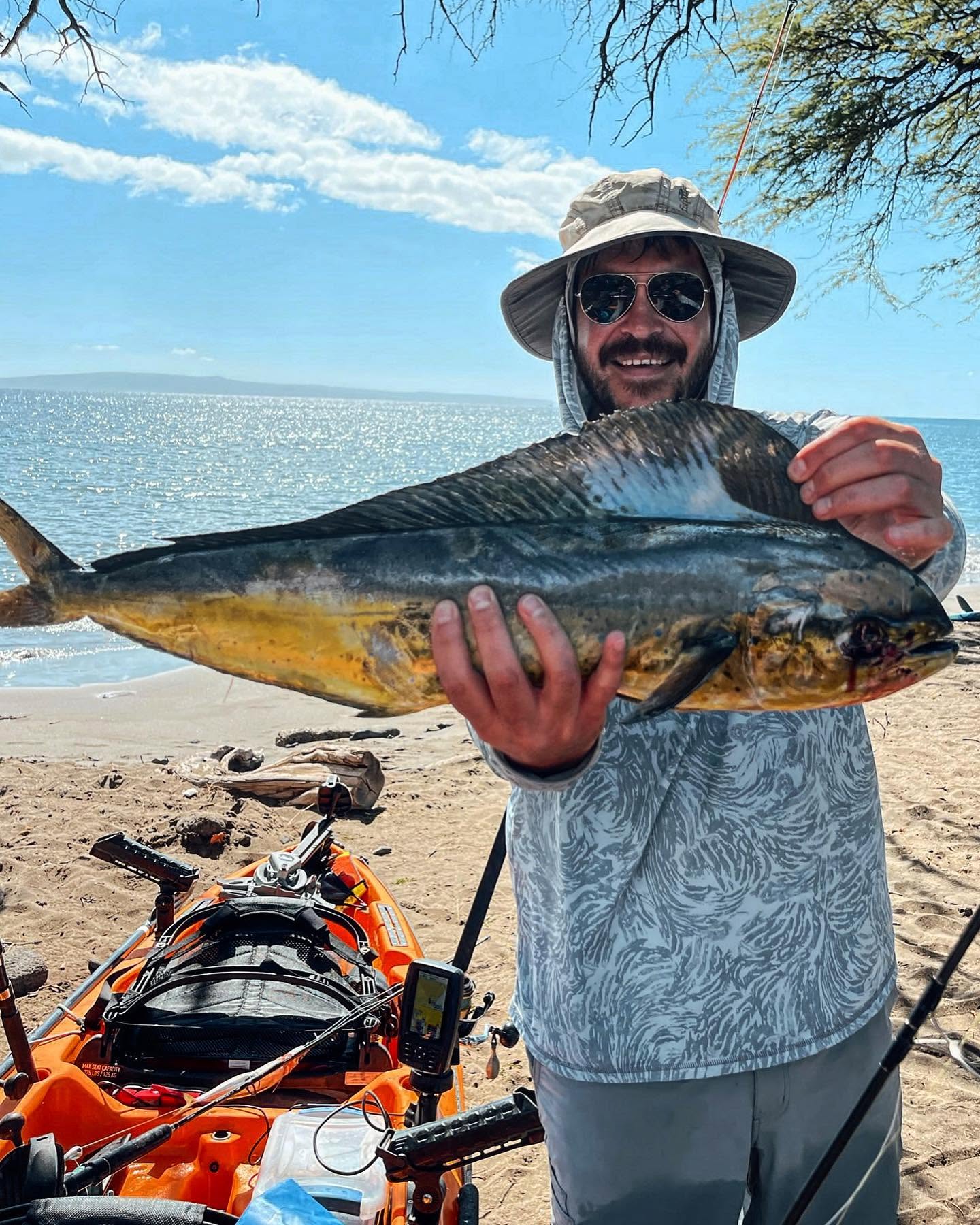
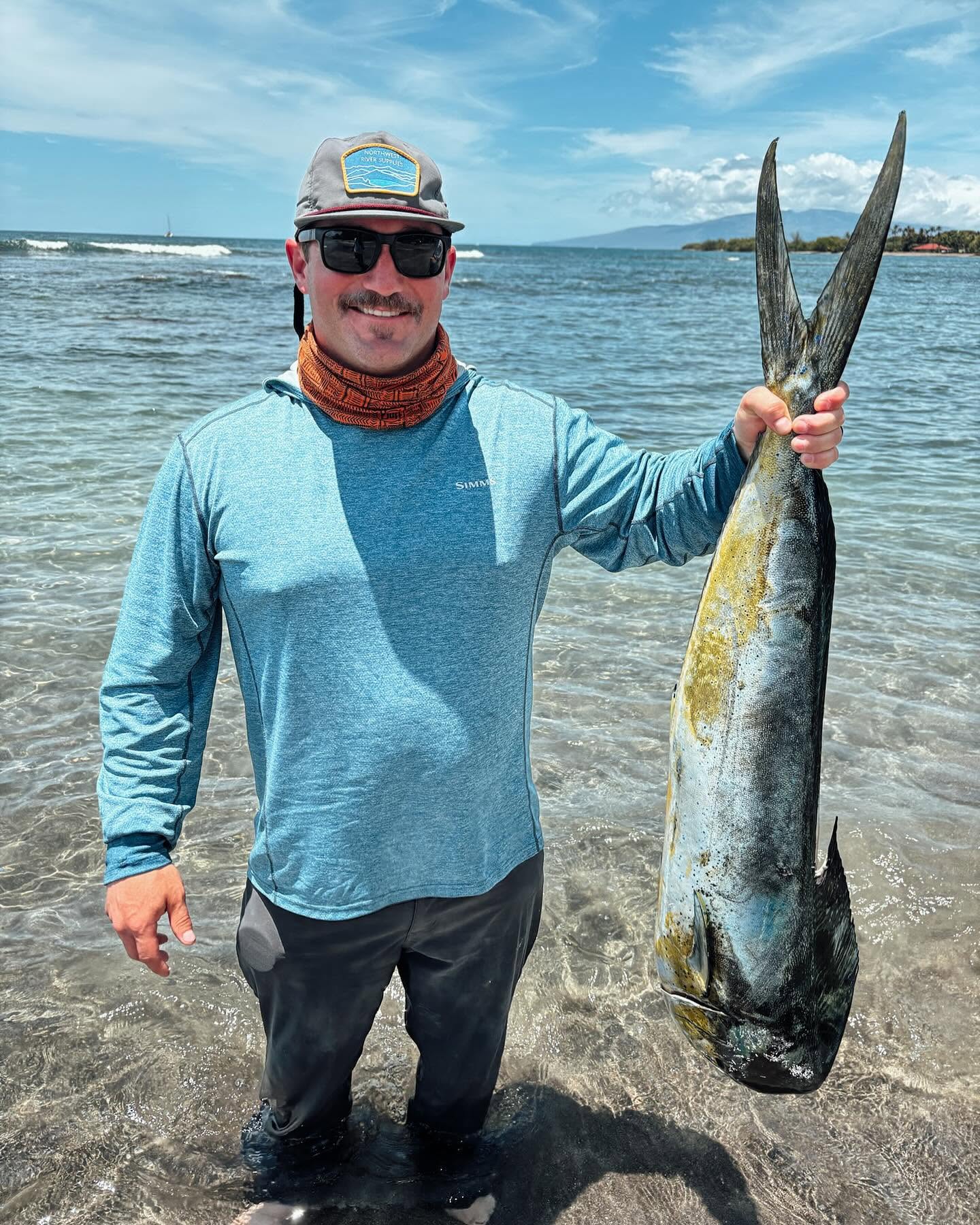
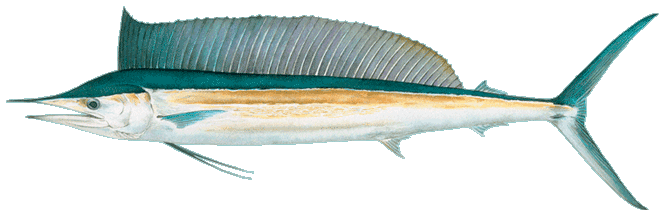
The Mahi Mahi bite has been absolutely lights-out this year, especially around floating debris and weed lines where they love to hang out. These fish are pure gold for kayak anglers – they fight hard, jump like crazy, and taste amazing on the dinner table. Most of the Mahis we're seeing range from 10-25 pounds, perfect eating size with enough fight to get your heart pumping. They're curious fish too, so don't be shocked if a whole school shows up once you hook the first one. Wahoo have been showing up more consistently than usual, probably following the bait migrations closer to shore. These speed demons will test your drag settings and your nerves – they hit like a freight train and make blistering runs that'll have your reel screaming. The Yellowfin Tuna bite has been solid in the deeper water, and while they might not jump like Mahi, they'll take you into your backing faster than you can blink. We've also had some surprise encounters with Spearfish and the occasional Blue or Striped Marlin, though those are bonus fish that make for legendary fishing stories.
Species You'll Want to Hook
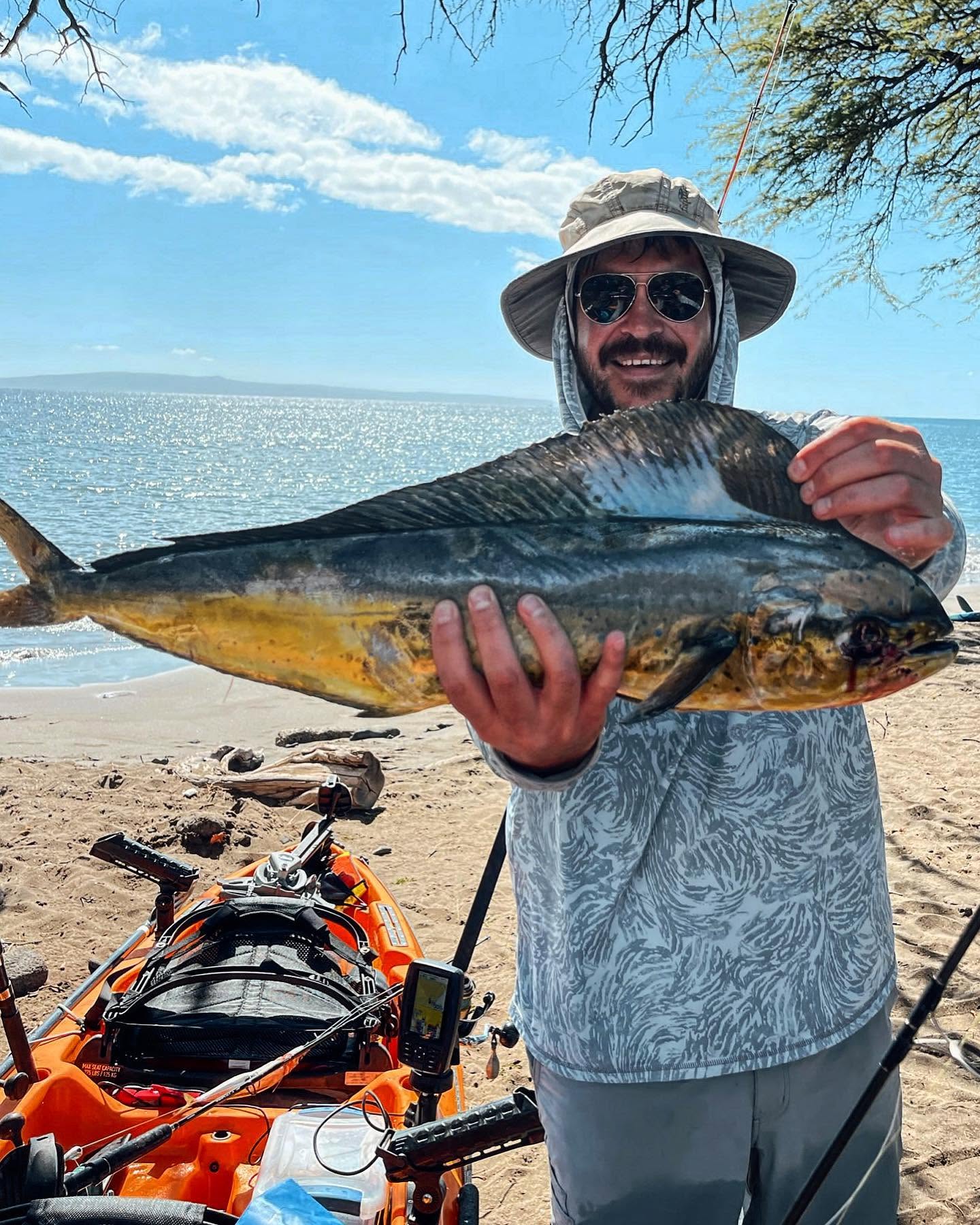
Mahi Mahi are the bread and butter of this fishery, and for good reason. These brilliant green and yellow beauties are active year-round in Hawaiian waters, though they're most abundant from spring through fall. They're structure-oriented fish, meaning they'll hold around anything floating – logs, debris, even your kayak if you sit still long enough. What makes them so exciting is their unpredictability. One minute you're trolling in empty blue water, the next you're surrounded by a school of hungry Mahis going crazy on your lures. They're acrobatic fighters that'll jump, tail-walk, and change colors as they fight, putting on a show that never gets old.
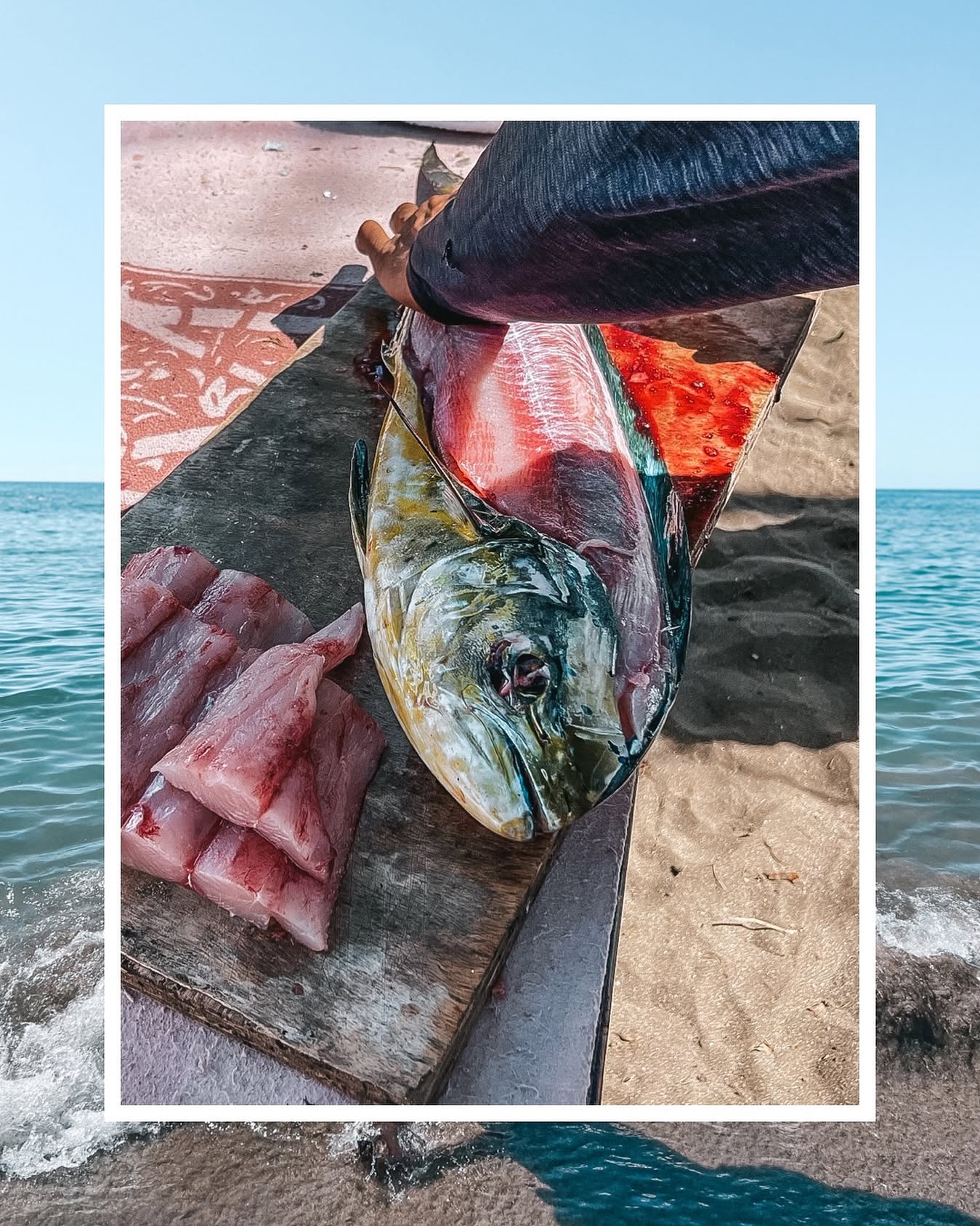
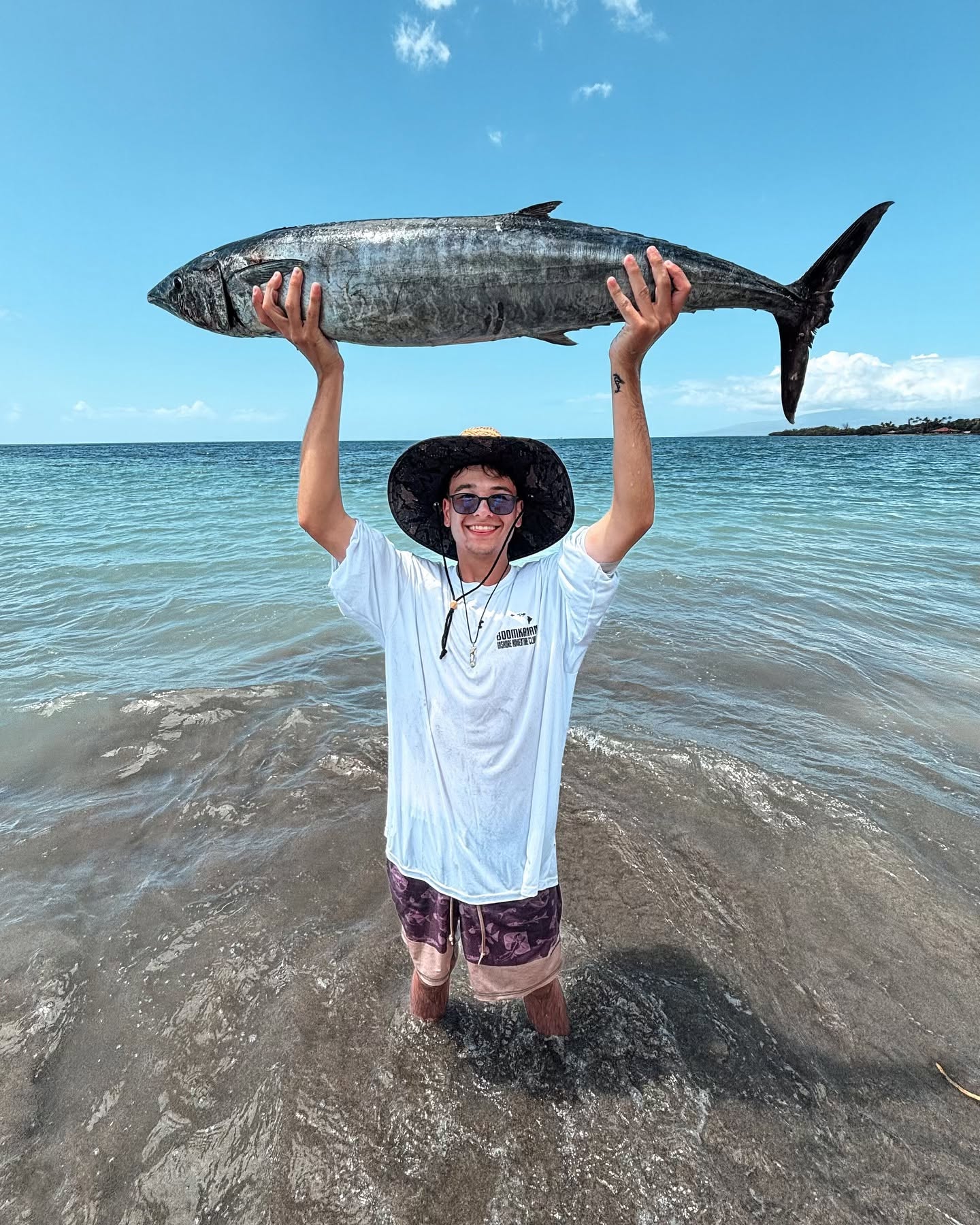
Wahoo are the speed freaks of the pelagic world, capable of hitting 60+ mph when they want to. They're more solitary than Mahis and tend to cruise deeper structure and current edges, which is why we focus on the 300-400 foot depths. These fish have razor-sharp teeth and a bad attitude, making wire leaders absolutely essential. When a Wahoo hits your lure, there's no mistaking it – the strike is violent and immediate. They're phenomenal eating fish with firm, white meat that's perfect for grilling or sashimi. Peak Wahoo season runs from fall through early spring, but don't be surprised to find them any time of year.
Yellowfin Tuna are the muscle cars of the offshore world. They don't jump much, but they'll test every knot, every connection, and every muscle in your body. These fish are built for speed and endurance, living in the deep blue water where they hunt in schools. They're more temperature-sensitive than Mahis or Wahoo, preferring the cleaner, cooler water you find in the deeper offshore areas. The bigger fish – we're talking 40+ pounders – are more common
 Private Trip
 undefined, undefined



 Four-hour offshore kayak fishing charter targeting pelagic species