Private 4-Hour Inshore Fishing Seminar
Want to take your fishing game to the next level? Captain Rob's hands-on fishing seminar puts you right where the action happens – on the water with rod in hand. This isn't your typical charter where you just cast and hope for the best. You'll spend four solid hours learning the real techniques that separate weekend warriors from serious anglers. With only two spots available, you get personalized instruction that covers everything from reading water conditions to selecting the right tackle for each situation. Perfect for anglers who want to understand the why behind every cast, not just the how.
What to Expect on the Water
This top-rated seminar transforms your boat into a floating classroom where every minute counts toward making you a better angler. Captain Rob starts by teaching you how to read seasonal patterns – when fish move, where they feed, and what triggers their feeding responses. You'll learn to spot bait schools and understand how their movements dictate where predator fish will be holding. The hands-on approach means you'll actually catch and use live bait, not just watch someone else do it. Boat positioning becomes second nature as you practice reading current breaks, wind direction, and structure that holds fish. You'll work through real scenarios like approaching bridge pilings without spooking fish, identifying productive drop-offs, and timing your presentations with tidal movements.
Techniques That Actually Work
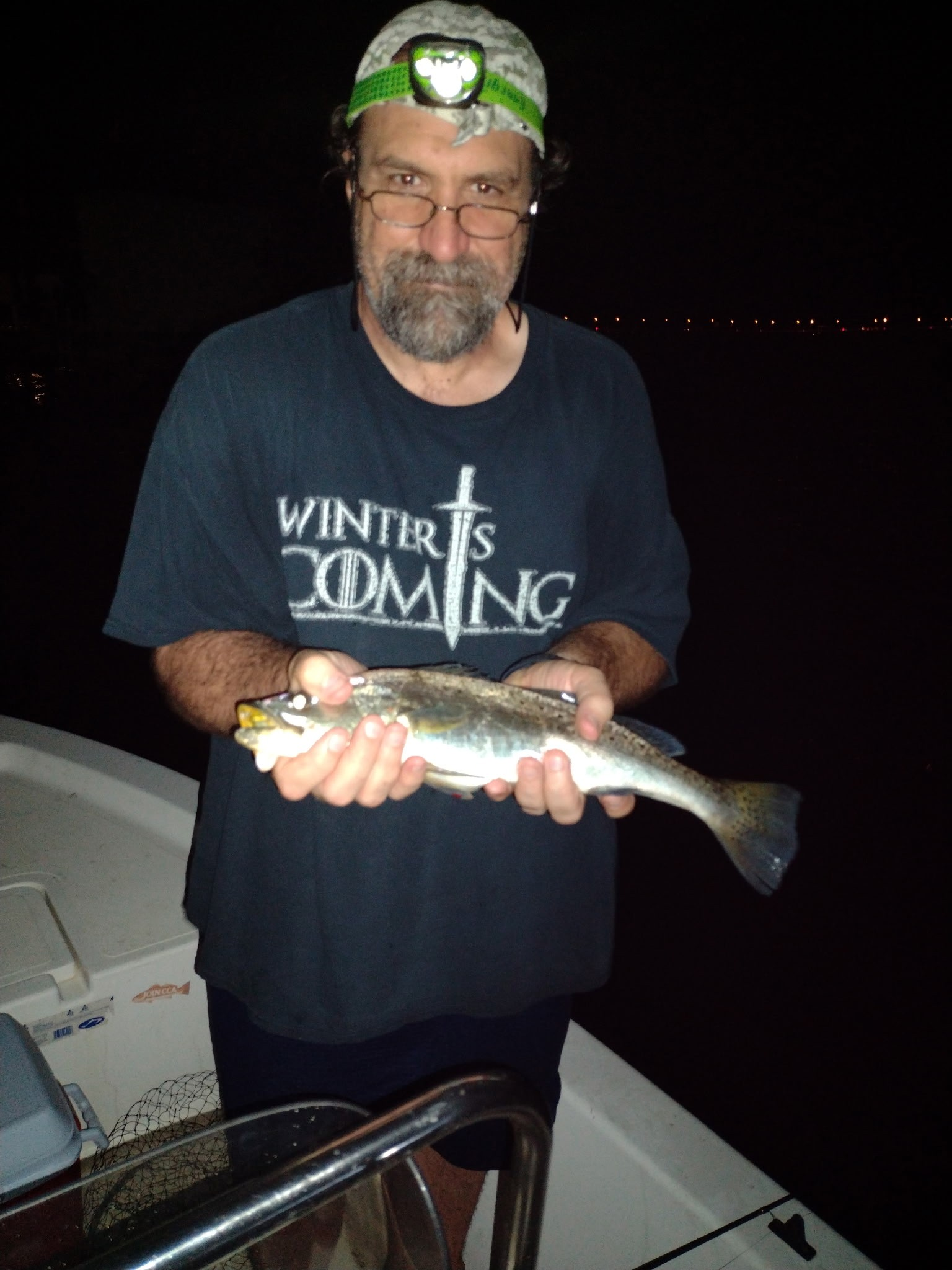
Forget generic fishing advice – this seminar covers techniques that produce consistent results in inshore waters. You'll master the art of live bait fishing, from proper hook placement to controlling drift speed for natural presentations. Captain Rob breaks down tackle selection in practical terms, showing you why certain rods, reels, and line weights work better for specific situations. Bridge fishing requires precise positioning and bait presentation – you'll practice reading current flows and placing baits in strike zones where big fish ambush prey. Dock fishing involves different strategies entirely, and you'll learn how to work structure effectively without losing expensive tackle. The current reading skills alone are worth the trip – understanding how water movement affects fish behavior gives you a massive advantage over other anglers.
Species You'll Want to Hook
Snook are the crown jewels of inshore fishing, and for good reason. These ambush predators lurk around bridges, docks, and mangrove edges, striking with explosive force that'll test your drag settings. They're most active during dawn and dusk periods, especially around moving water where baitfish get disoriented. What makes snook so special is their fighting ability – they'll jump, run for cover, and use every trick to throw your hook. The slot limit keeps the fishery healthy, so you'll learn proper handling techniques for catch and release.
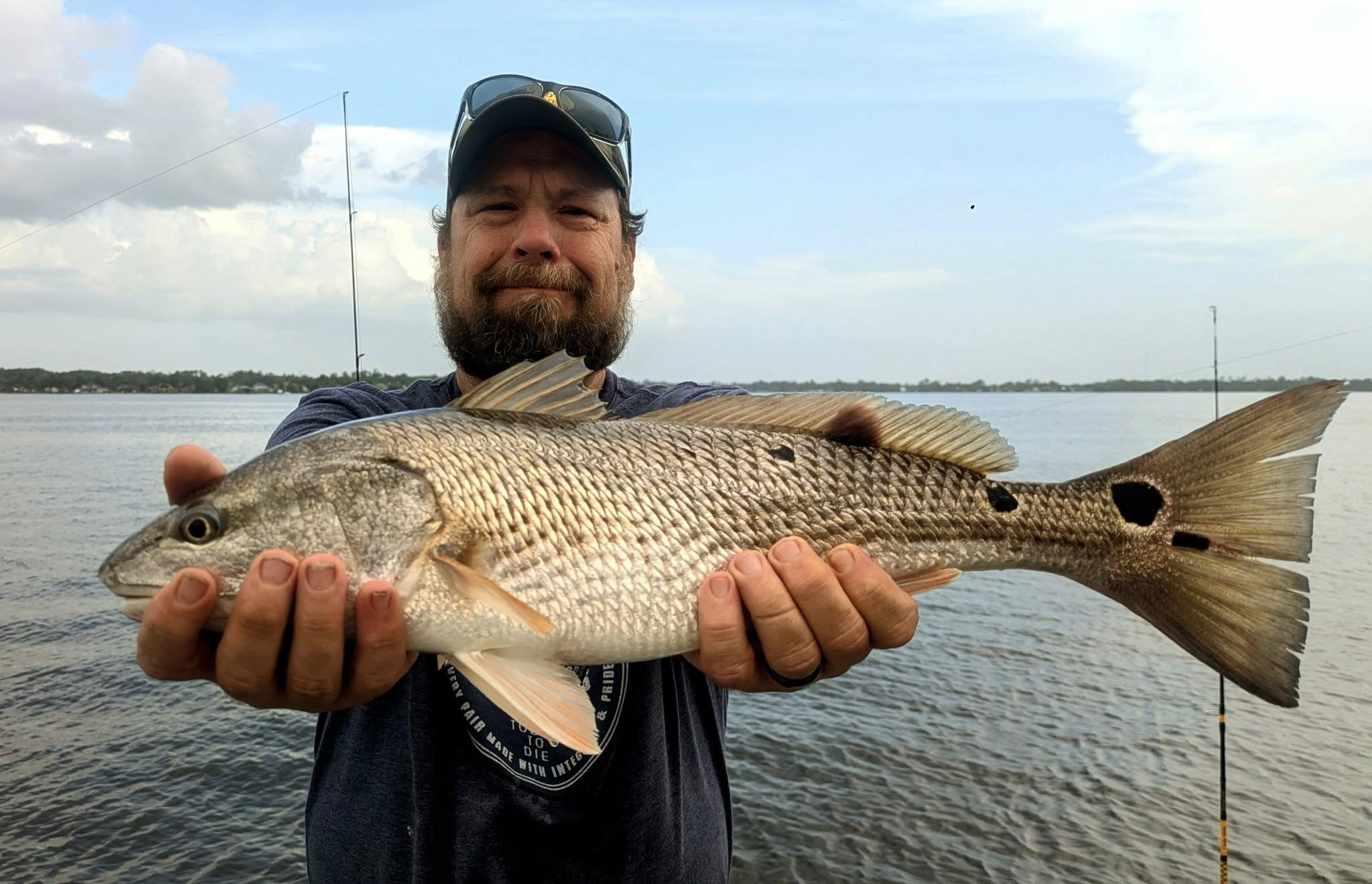
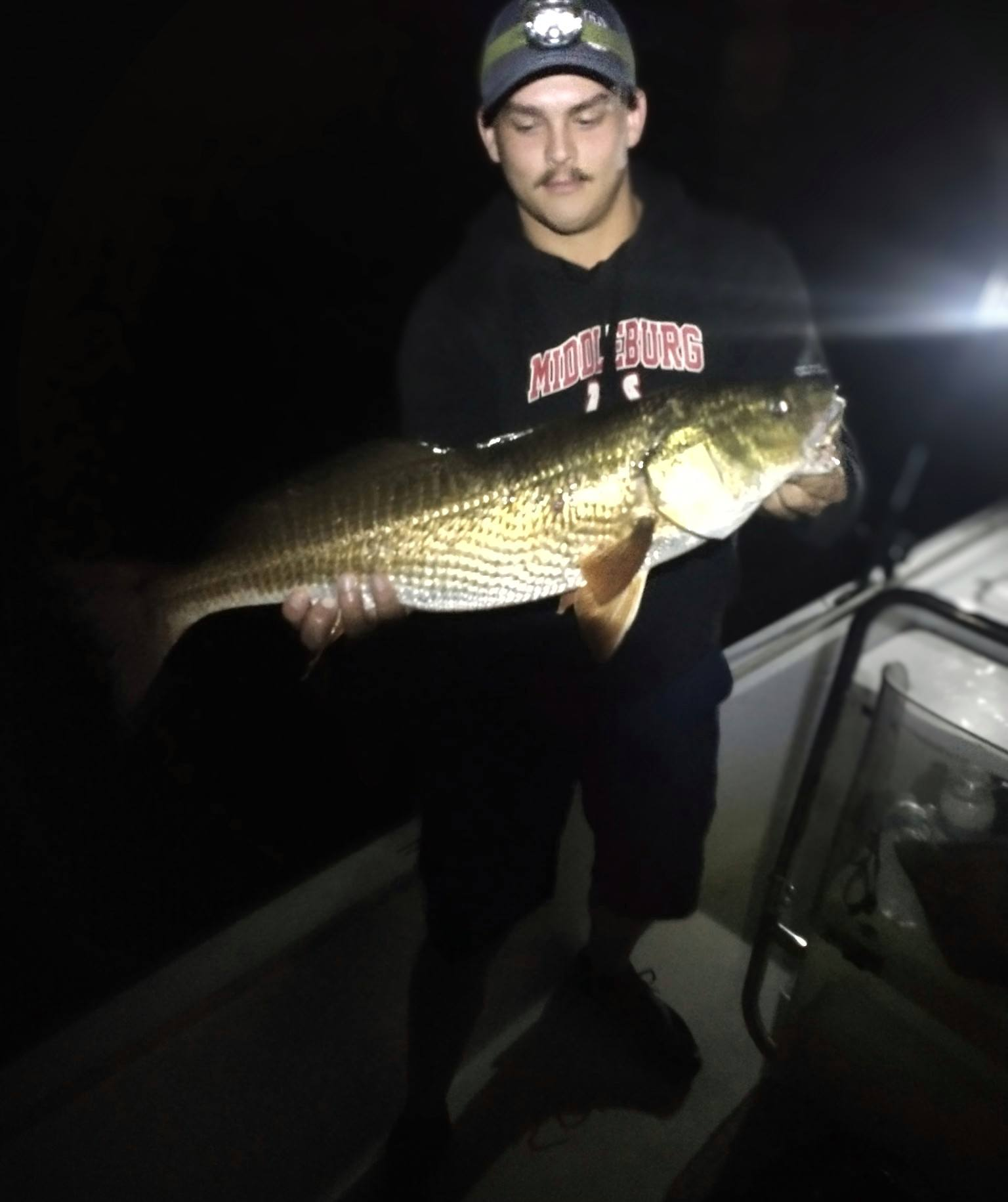
Redfish are the workhorses of the flats, cruising shallow water in search of crabs, shrimp, and small fish. These copper-colored bruisers are sight fishing favorites because they often feed with their backs out of water in skinny areas. Peak season runs from late summer through fall when they school up in massive numbers. What anglers love about reds is their willingness to eat and their bulldogging fight style – they don't jump much but they'll pull drag and test your patience with long, powerful runs.
Tarpon bring the wow factor to any fishing trip, even though most of what you'll encounter are juvenile "poon" in the 10-30 pound range. These silver rockets are acrobatic fighters that'll jump repeatedly, shaking their heads violently to throw hooks. They move through inshore waters following bait schools, particularly during warmer months. Landing a tarpon requires specific techniques – keeping your rod tip down during jumps and maintaining steady pressure throughout the fight.
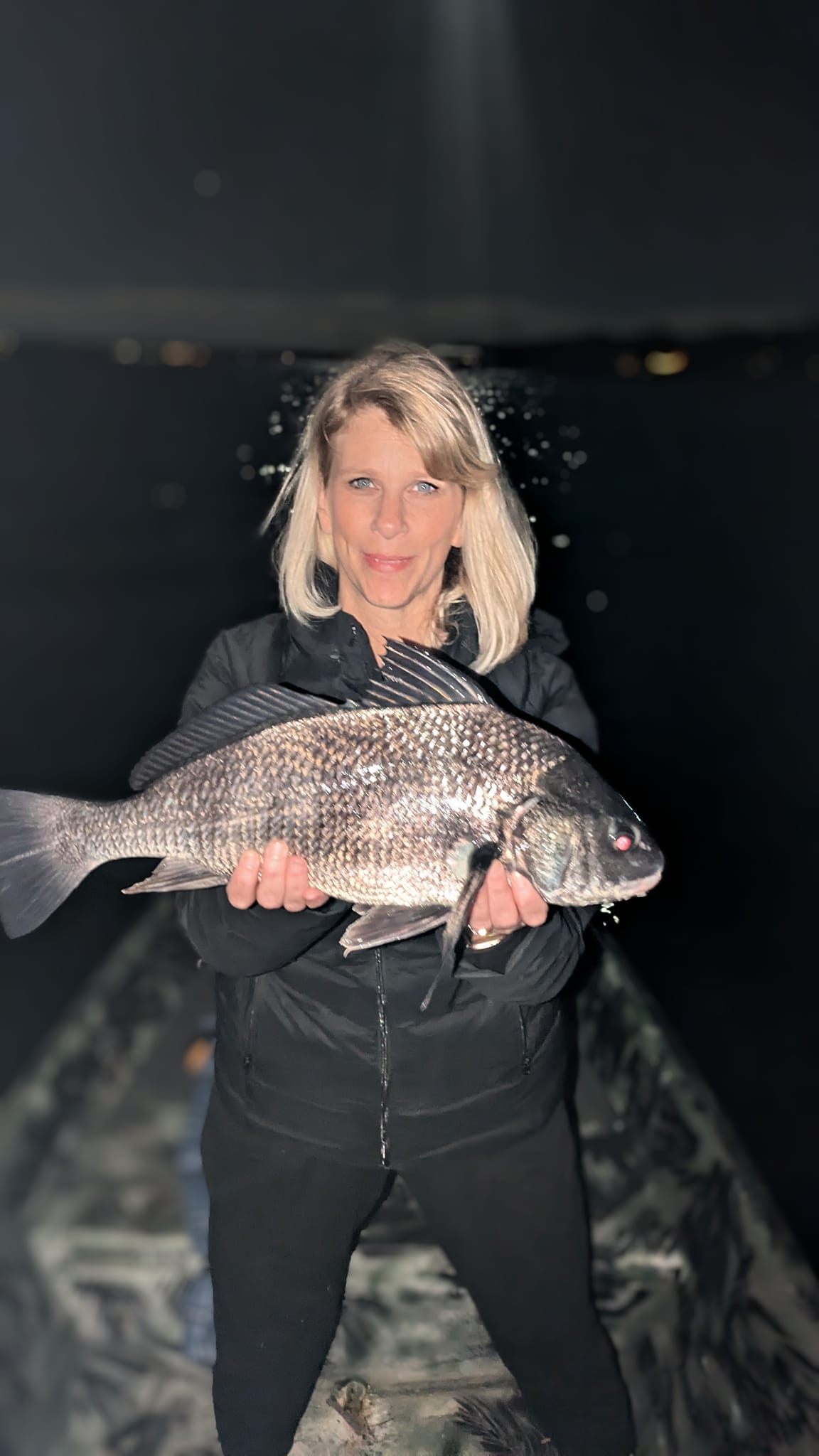
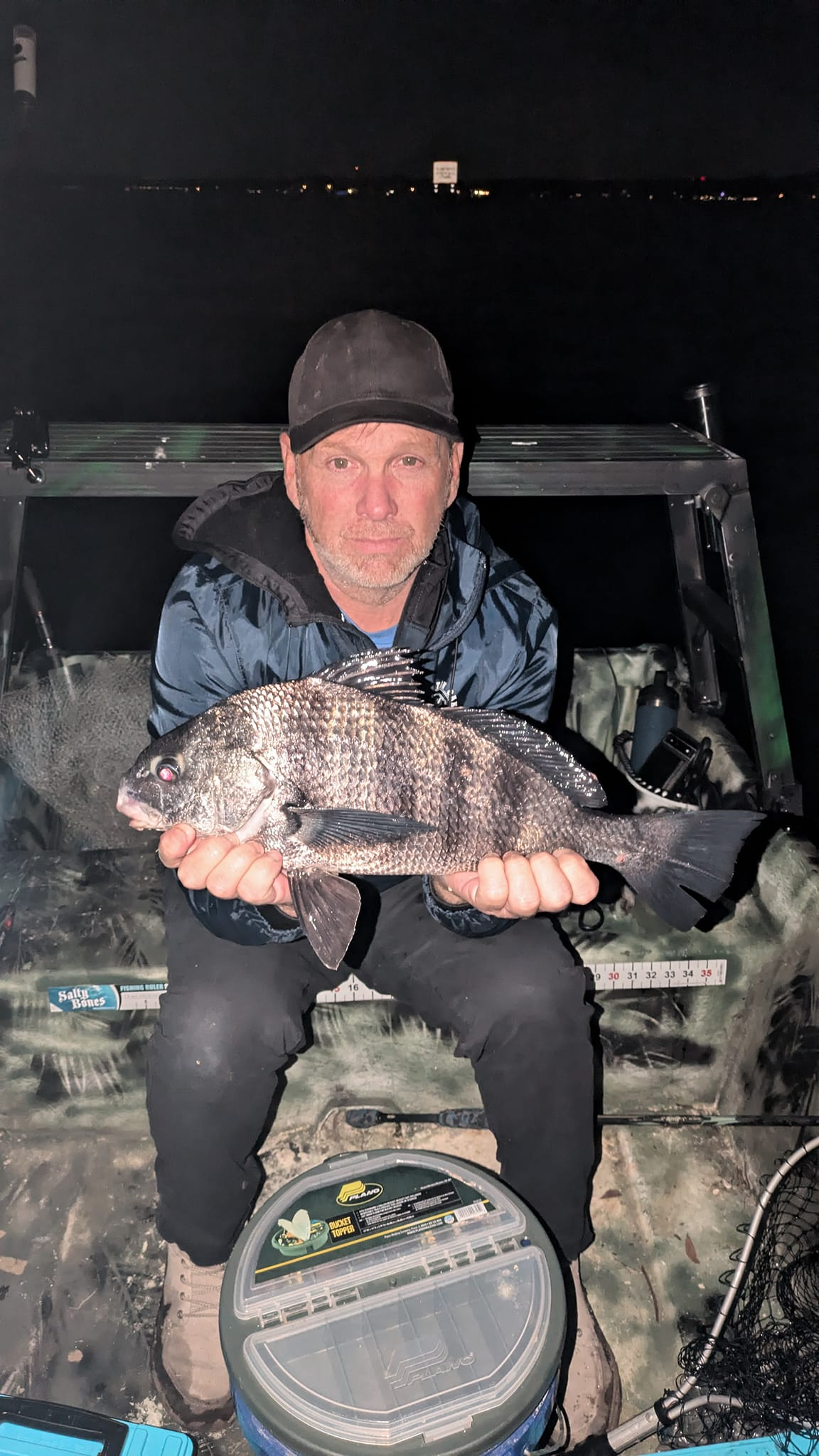
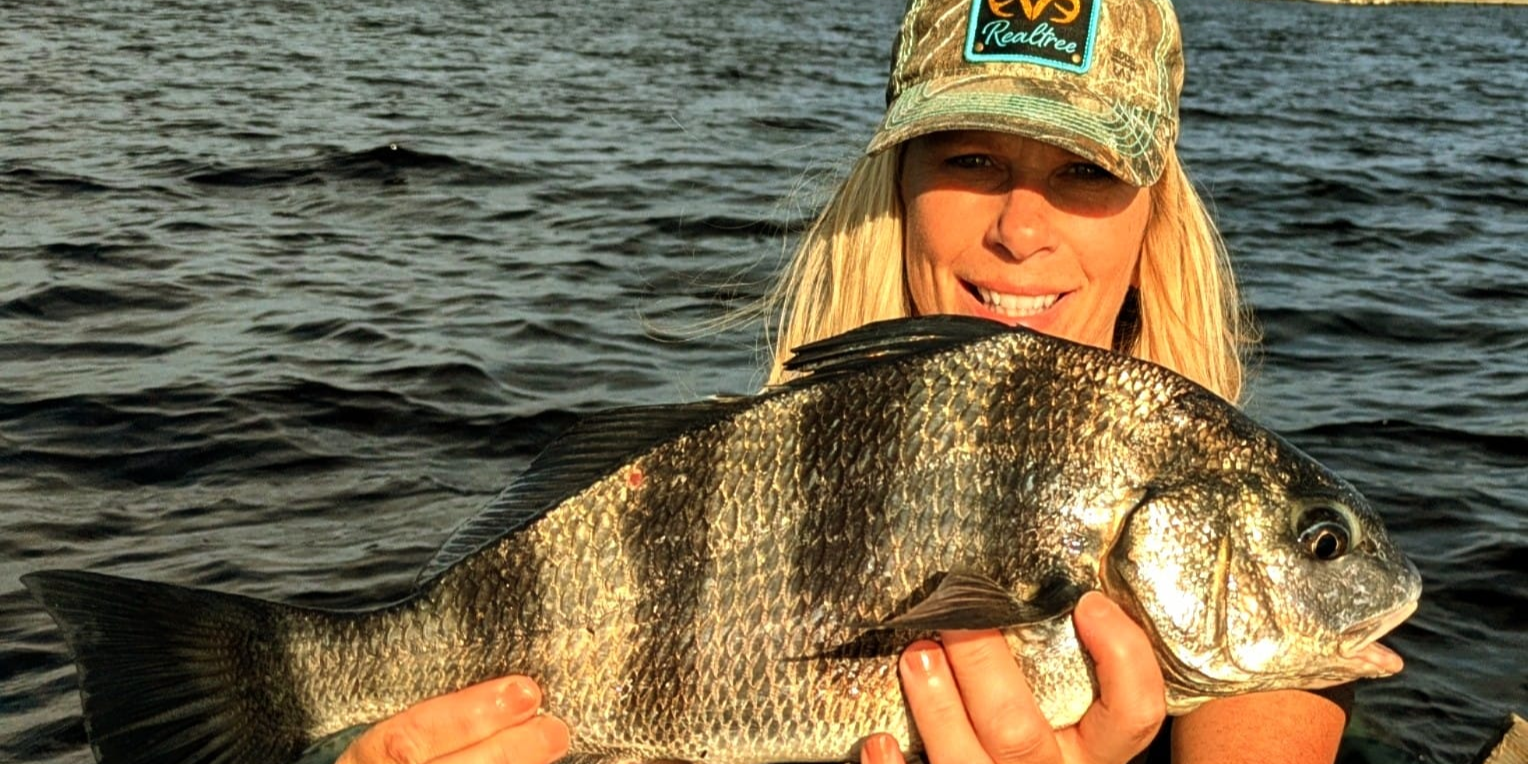
Black drum are the heavyweights of the group, often reaching impressive sizes in deeper holes and around structure. These bottom feeders use their pharyngeal teeth to crush oysters and crabs, creating distinctive drumming sounds that give them their name. They're year-round residents but feed most aggressively during cooler months. What makes drum fishing exciting is the potential for giant fish – 40-pounders aren't uncommon, and they fight with surprising power for their chunky build.
Summer flounder add variety to your target list, particularly around sandy bottoms and drop-offs where they ambush baitfish. These flatfish are masters of camouflage, burying themselves in sand with only their eyes exposed. They're most active during summer months when water temperatures rise, and they respond well to bouncing jigs or live bait presentations. Flounder fishing requires patience and technique – detecting their subtle bites and timing your hookset properly takes practice.
Time to Book Your Spot
This world-class fishing seminar fills up fast because serious anglers recognize real value when they see it. Four hours of personalized instruction with an experienced captain beats years of trial-and-error fishing on your own. You'll leave with practical skills that immediately improve your success rate, whether you're fishing local waters or traveling to new destinations. The techniques you learn apply to inshore fishing anywhere, making this investment pay dividends for years to come. With only two anglers per trip, you get the individual attention needed to master these skills properly. Don't spend another season wondering why the fish aren't biting – book your seminar today and start fishing like the locals do.
 Private Trip
 Inshore Fishing
 Jacksonville


 Four-hour hands-on fishing seminar aboard professional charter vessel