North Carolina Full Day Offshore Fishing Charter
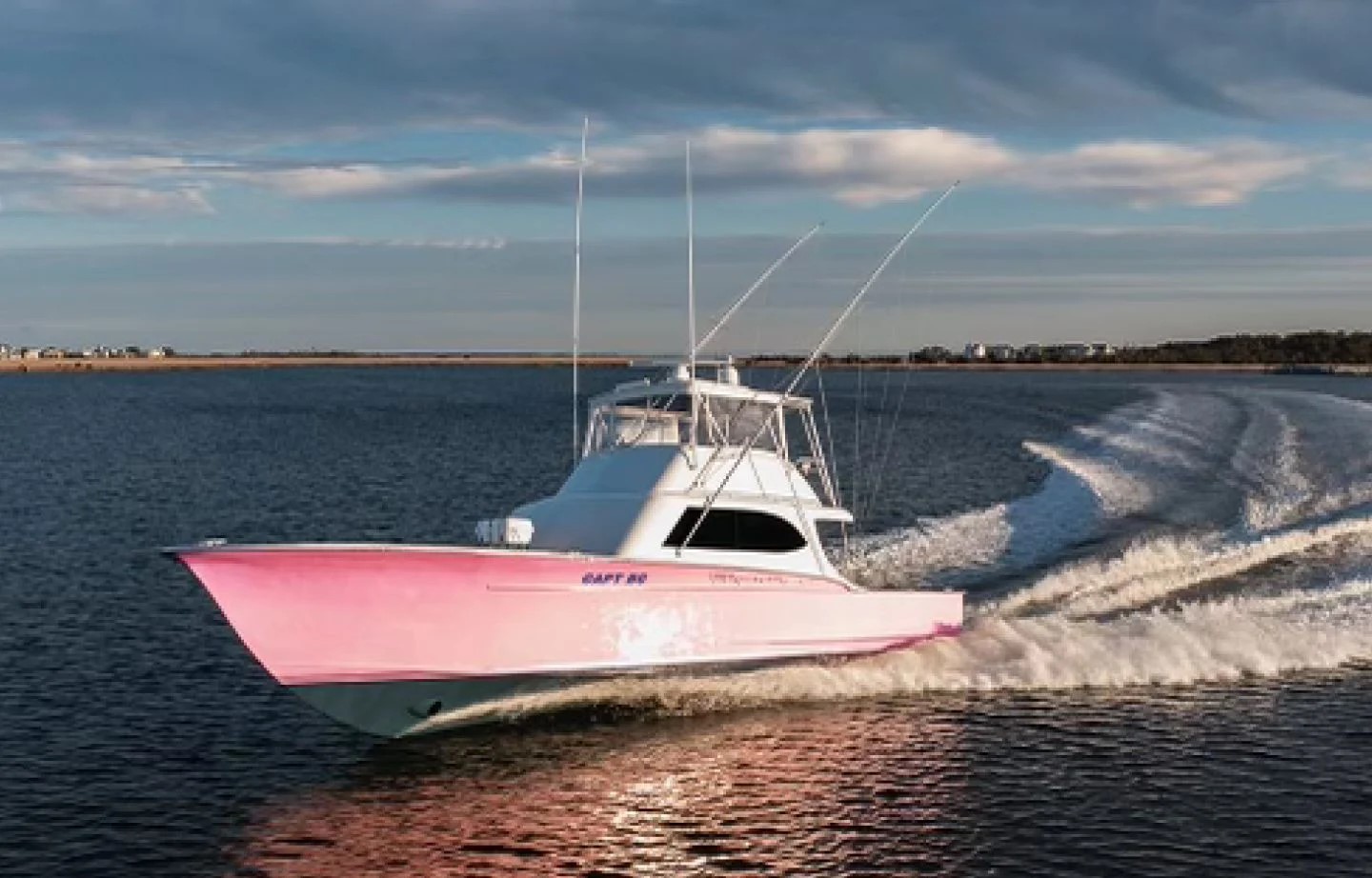
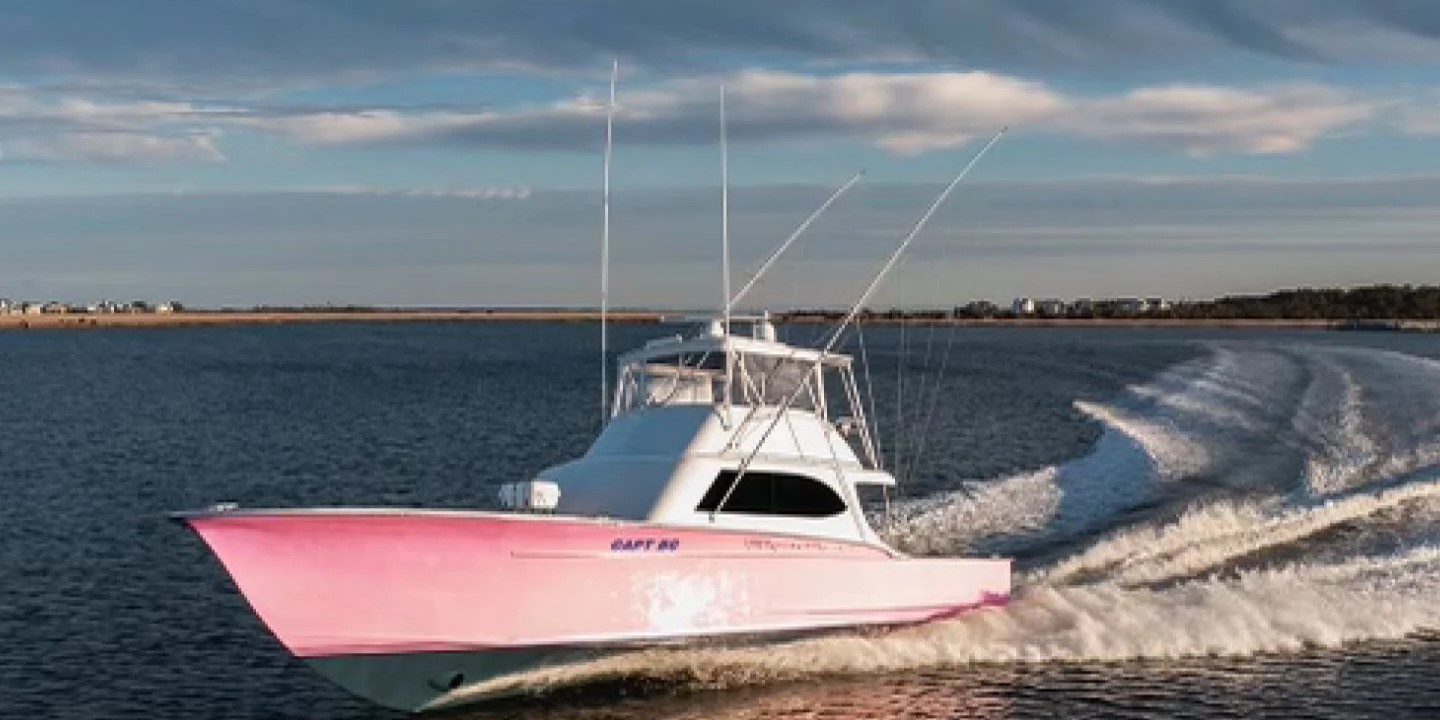
Picture this: you're pulling out of the inlet before dawn, coffee in hand, watching the North Carolina coast fade behind you as Captain Buddy points the bow toward some of the most productive blue water on the East Coast. This isn't your typical half-day trip – we're talking 10-12 hours of serious offshore fishing where the Gulf Stream meets the continental shelf, creating a feeding frenzy that attracts some of the ocean's top predators. Captain Buddy and his mate know these waters like the back of their hands, and they'll put you on fish that'll have your arms burning and your heart racing. With room for up to 6 anglers, this charter strikes the perfect balance between having enough lines in the water and giving everyone space to fight their fish properly.
What to Expect on the Water
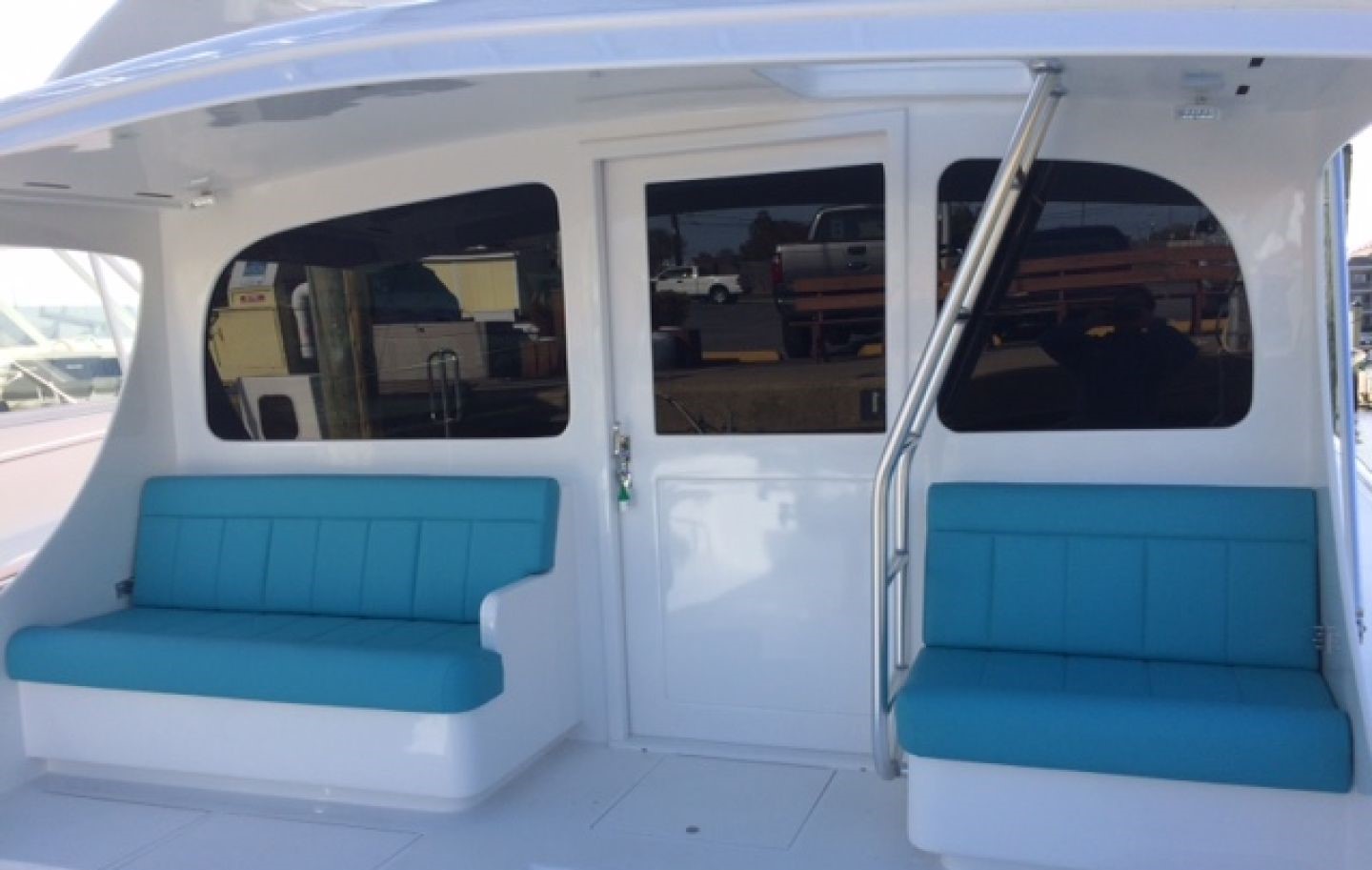
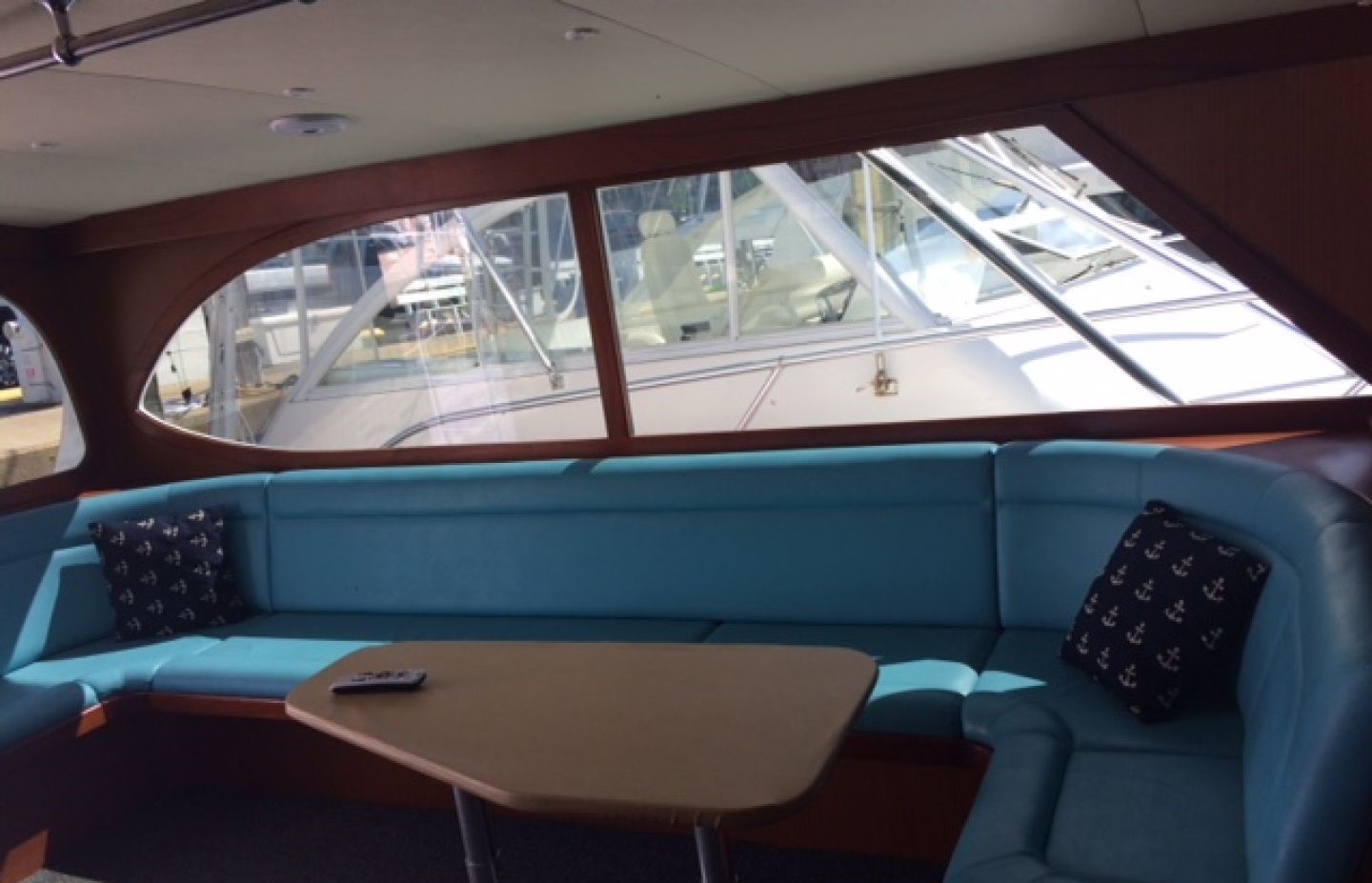
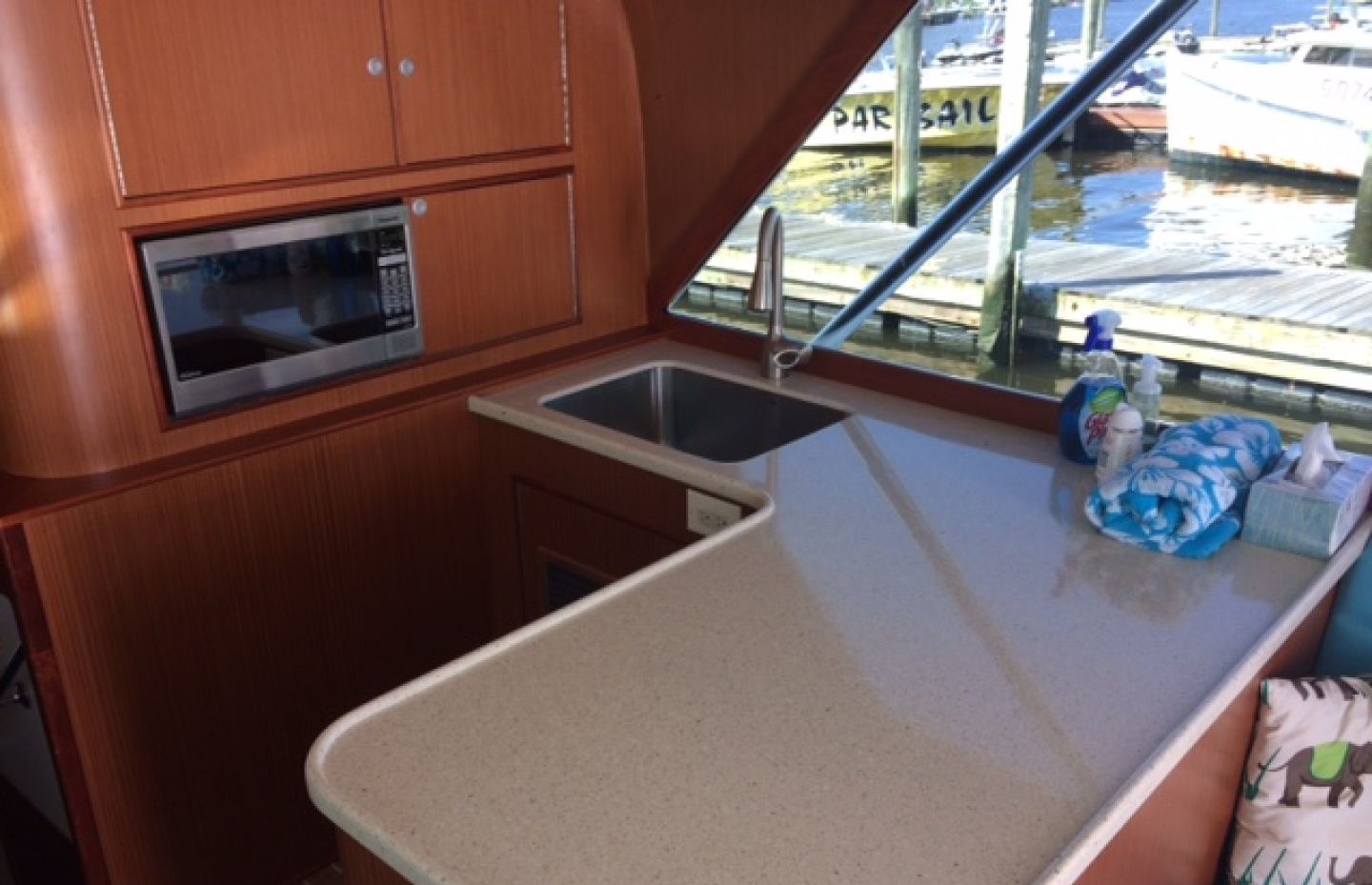
Your day starts early – and I mean early. We're talking 5:30 AM departure times to maximize your time in the prime fishing zones. The boat's equipped with both AC and heat in the salon, so you can stay comfortable during the 45-minute to 2-hour run to the fishing grounds, depending on where the fish are holding. While you're getting settled, the mate will be rigging lines, checking drag settings, and prepping the spread. Captain Buddy reads the water like a book – he's looking at temperature breaks, color changes, bird activity, and his electronics to put you on the most productive water. Once we're set up, you'll be trolling a spread of lures and baits designed to attract everything from screaming Mahi runs to the bill fish that make North Carolina waters famous. The crew handles all the technical stuff, but when that outrigger pops and line starts screaming off the reel, it's game time for you.
Trolling Tactics & Gear Setup
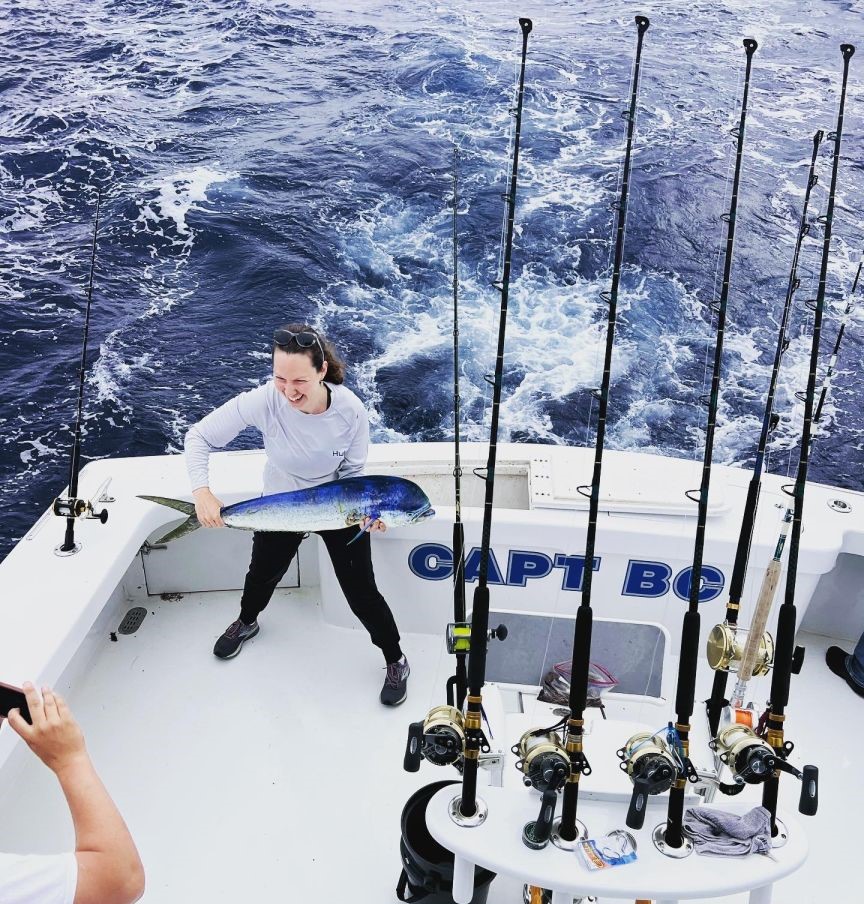
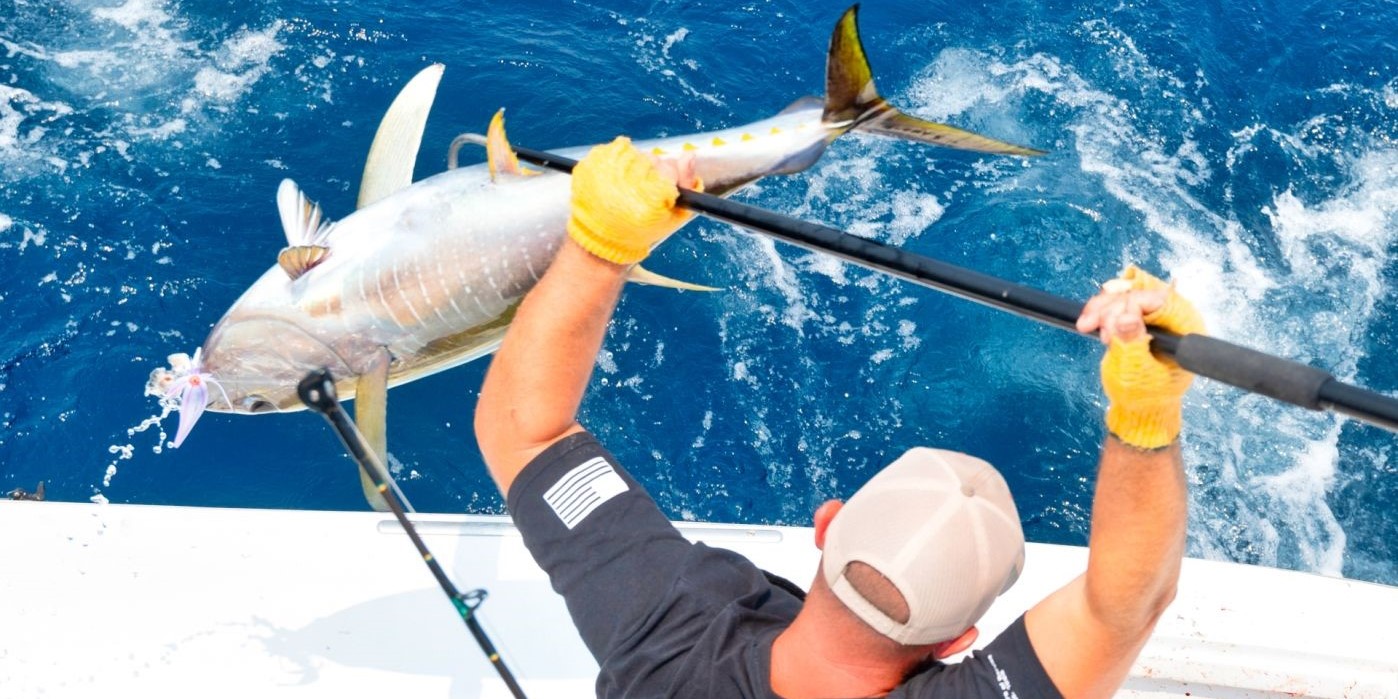
Captain Buddy runs a tournament-level spread with a mix of ballyhoo, cedar plugs, and high-speed lures that cover different depths and speeds. The boat's rigged with quality Penn and Shimano reels spooled with braided line and fluorocarbon leaders that can handle whatever North Carolina's offshore waters throw at you. Depending on conditions and target species, you might be pulling spreader bars for tuna, running dredges for billfish, or working the weedlines with lighter tackle for Mahi. The mate will coach you through the fight, helping with proper pumping technique and making sure you don't burn out before getting your fish to the boat. Everything's provided – rods, reels, tackle, and bait – though you're welcome to bring your own gear if you've got favorites. The boat's equipped with a fighting chair and plenty of rail space, so whether you prefer sitting down for the big ones or standing up for the action, you're covered.
Top Catches This Season
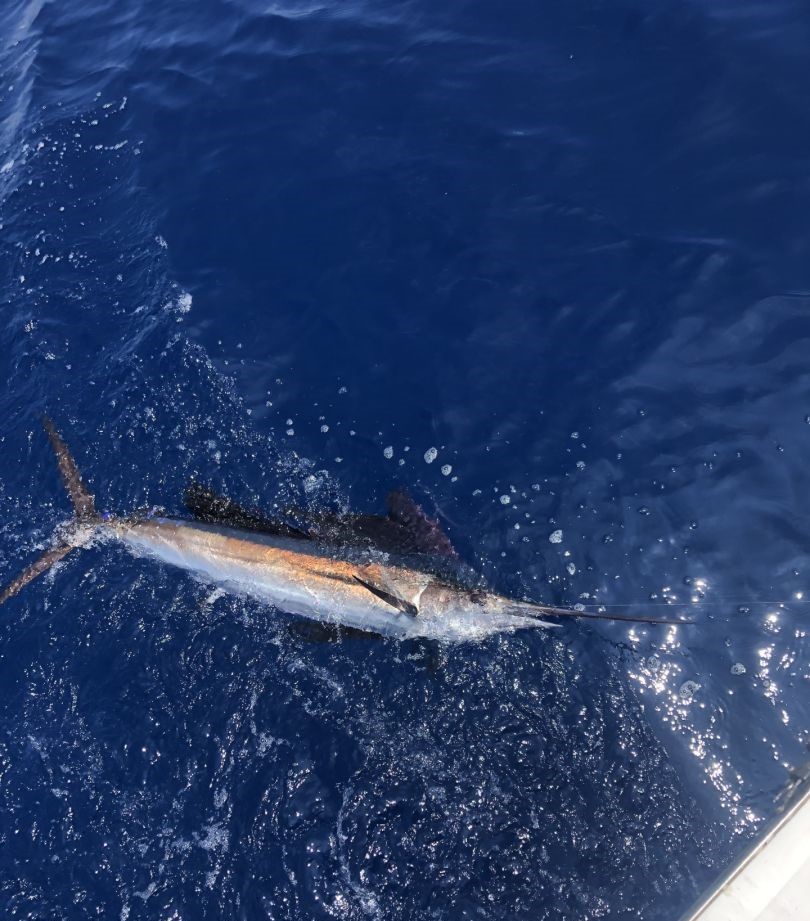
Atlantic Sailfish are the stars of North Carolina's offshore show, especially from late spring through fall. These acrobatic fighters average 6-8 feet and 40-60 pounds, and they'll put on an aerial display that'll leave you speechless. They're most active when water temps hit the mid-70s, and Captain Buddy knows exactly where to find them along the shelf break. What makes sailfish special isn't just their jumps – it's their speed and the way they can strip 200 yards of line in seconds flat.
Blue Marlin are the holy grail of North Carolina offshore fishing, and summer months offer your best shot at hooking into one of these ocean giants. We're talking fish that can push 400+ pounds and fight like nothing else in the ocean. They typically show up in the deep blue water beyond the continental shelf, often following bait schools or hanging around temperature breaks. Landing a blue marlin is a bucket-list experience that most anglers never forget – the initial run alone can peel off 300 yards of line before you even know what hit you.
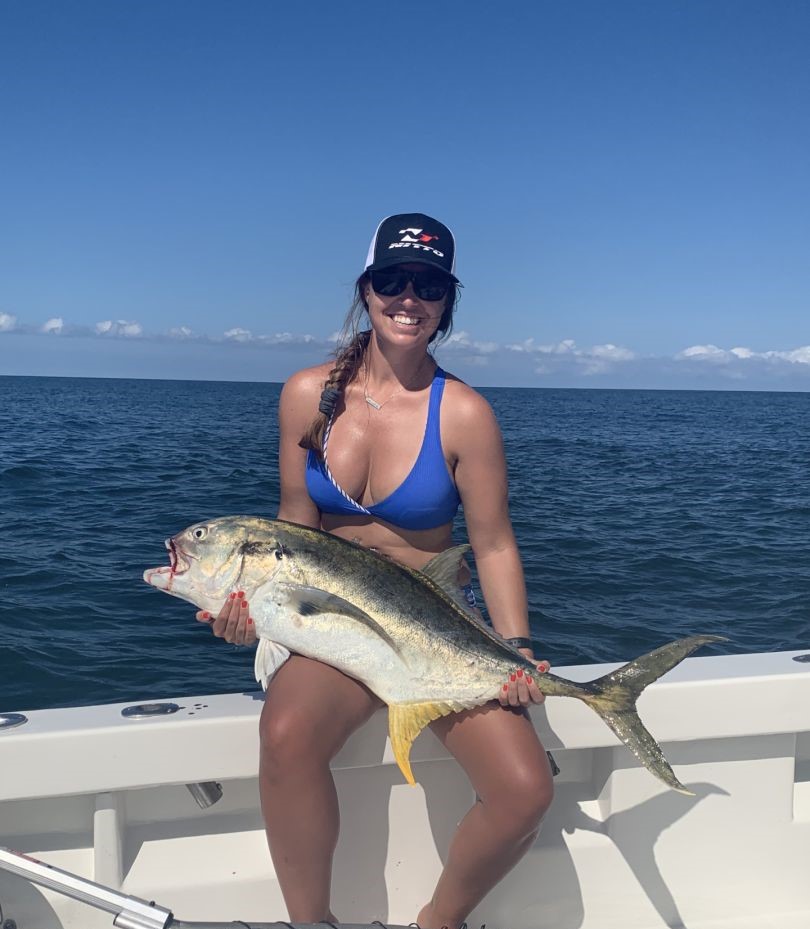
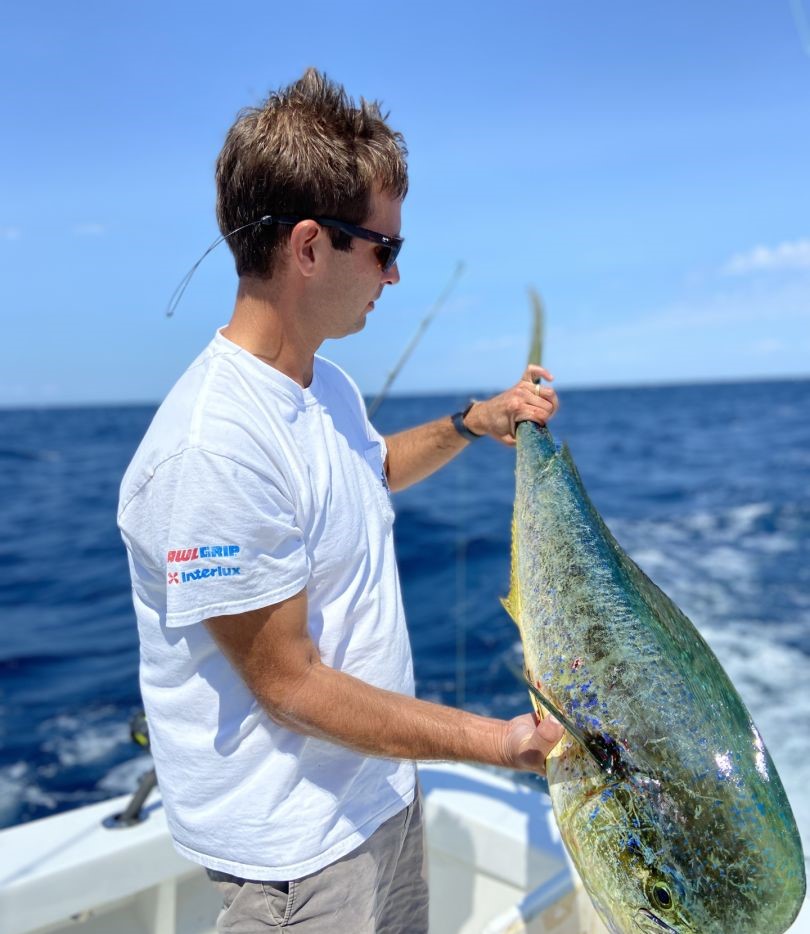
Mahi Mahi bring consistent action and incredible table fare to North Carolina charters. These colorful fighters love floating debris, weed lines, and temperature breaks, making them relatively predictable targets from late spring through early fall. They typically run 10-30 pounds in these waters, though bull Mahi can push 50+. What anglers love about Mahi is their willingness to bite, their aerial fights, and the fact that where there's one, there's usually more. Plus, they're arguably the best eating fish in the ocean.
White Marlin are smaller than their blue cousins but pound-for-pound some of the best fighters in the ocean. These fish typically run 50-80 pounds and are known for their spectacular jumps and stubborn fights. They're most common during the summer months when water temperatures are warmest, and they often travel in small groups. White marlin have a reputation for being finicky eaters, which makes hooking one even more satisfying.
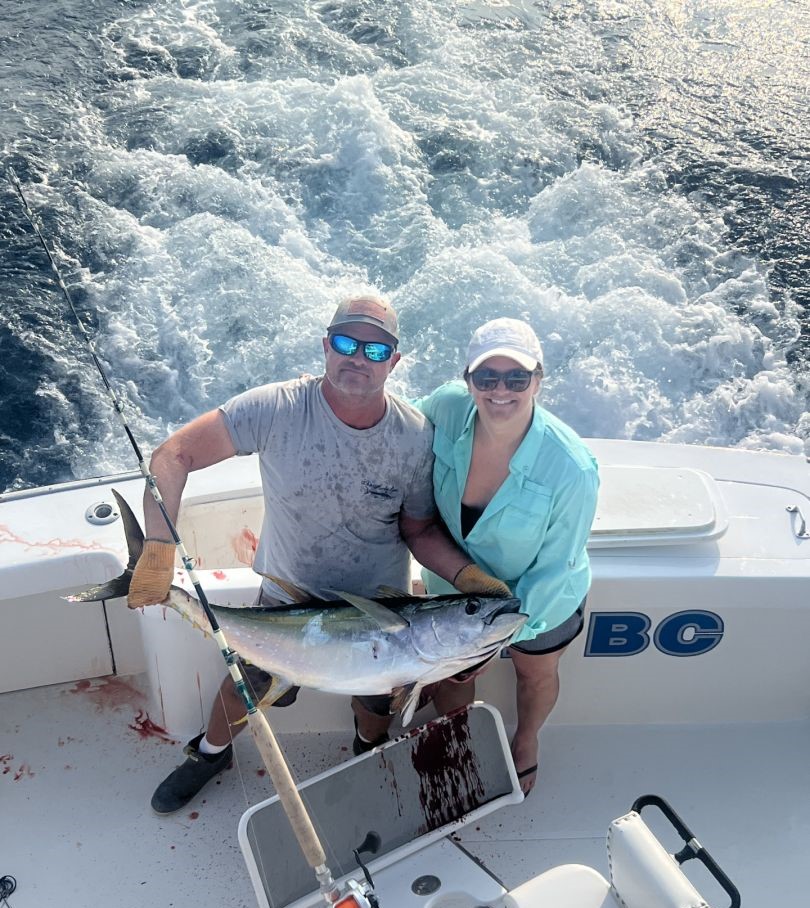
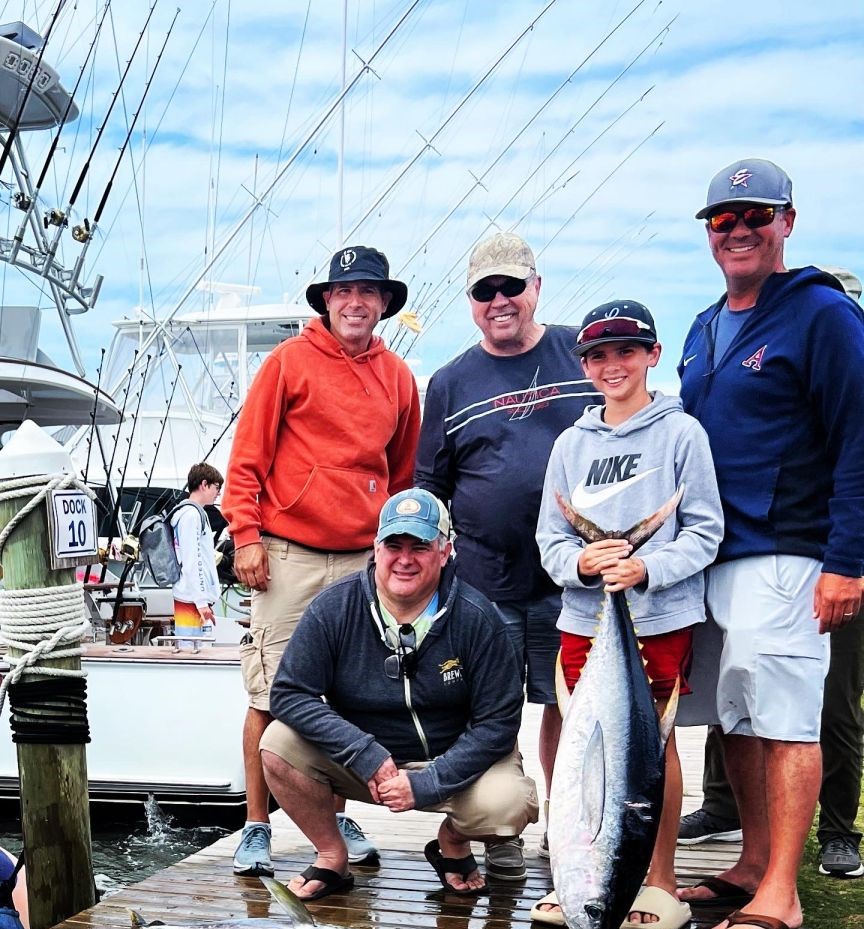
Bluefin Tuna bring raw power and incredible speed to North Carolina waters, particularly during their winter and early spring migrations. These fish can range from school-sized 40-pounders to giants pushing 200+ pounds. Bluefin are known for their initial runs that can strip hundreds of yards of line and their ability to sound deep when they get close to the boat. They're also some of the most prized fish for sushi-grade meat, making them a favorite among serious anglers.
Time to Book Your Spot
North Carolina's offshore fishing scene is world-class, and Captain Buddy's got the experience and local knowledge to put you on fish consistently. This full-day charter gives you the time to really work the water and target multiple species, from the bill fish that make headlines to the Mahi and tuna that make incredible dinners. Remember to bring your favorite snacks and drinks – the crew provides the expertise, equipment, and fish-finding ability, but you'll want to stay fueled for a long day of battling some of the Atlantic's finest game fish. These trips fill up fast during peak season, so don't wait to secure
 Private Trip
 Offshore Fishing
 Raleigh


 Full-day offshore charter targets Tuna, Mahi, Wahoo, and Billfish