Port Charlotte 8-Hour Fishing Adventure
Southwest Florida's backcountry waters around Port Charlotte offer some of the best inshore fishing you'll find anywhere along the Gulf Coast. This full-day charter with Captain Scotty Roe puts you right in the heart of it all, targeting multiple species across diverse flats, mangroves, and deeper channels. With eight solid hours on the water and room for up to three anglers, you've got plenty of time to work different spots and dial in on whatever's biting. All your tackle and gear comes included, so you can focus on what matters most – putting fish in the boat.
What to Expect on the Water
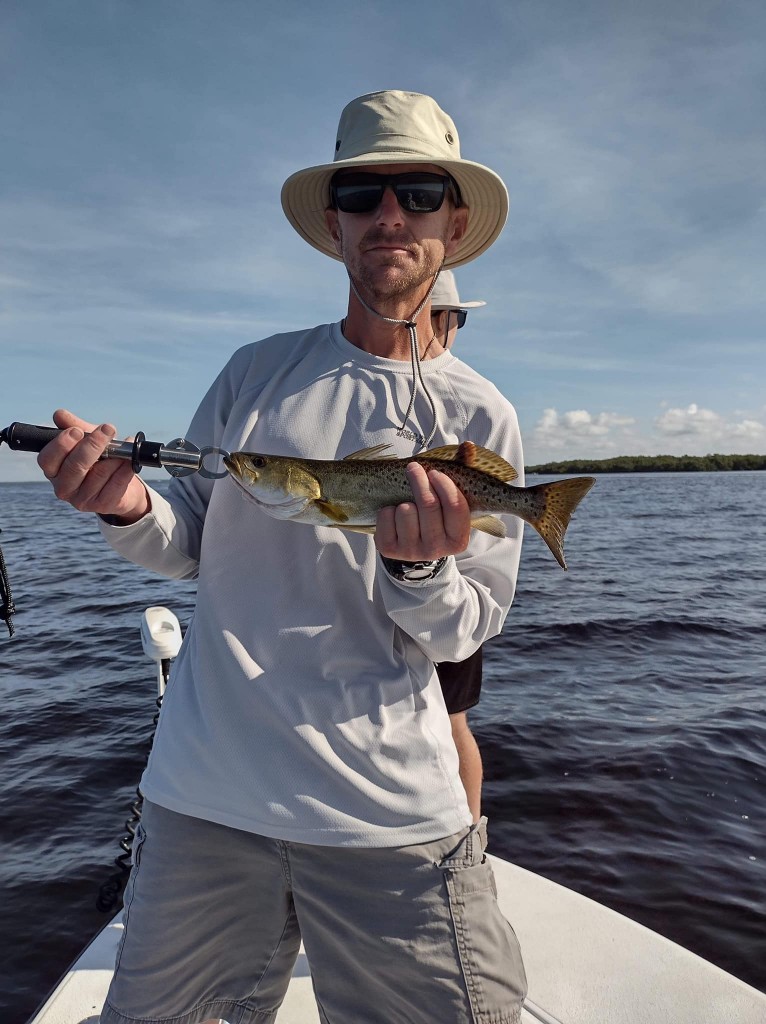
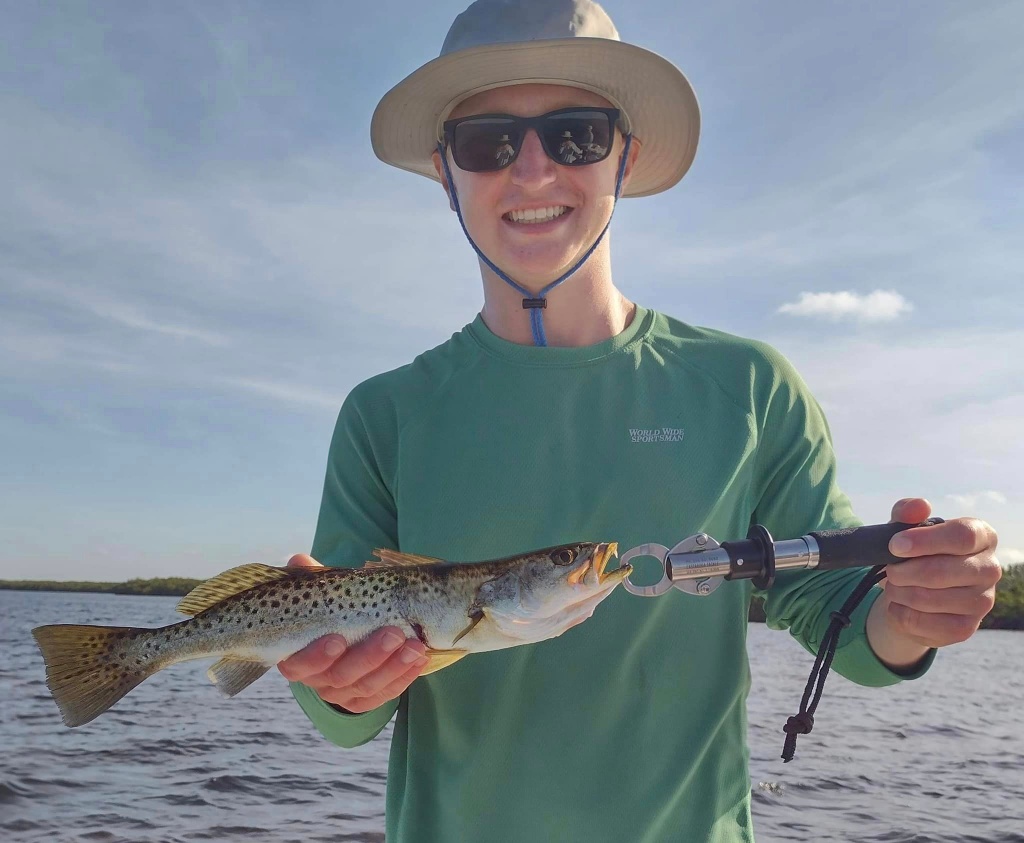
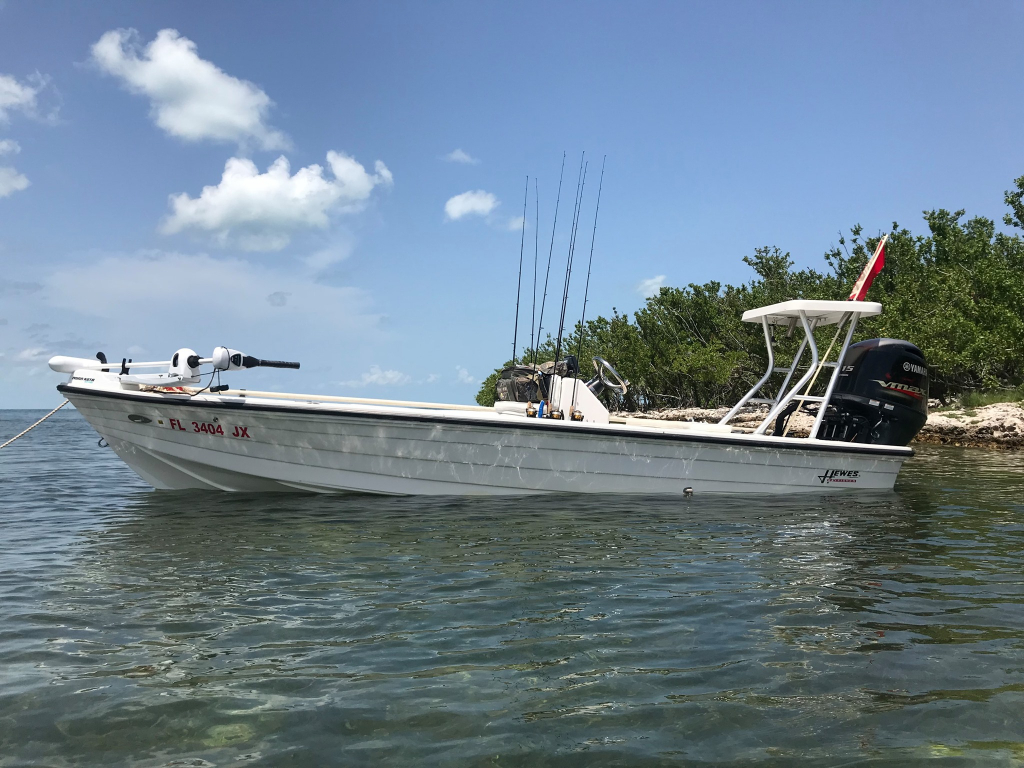
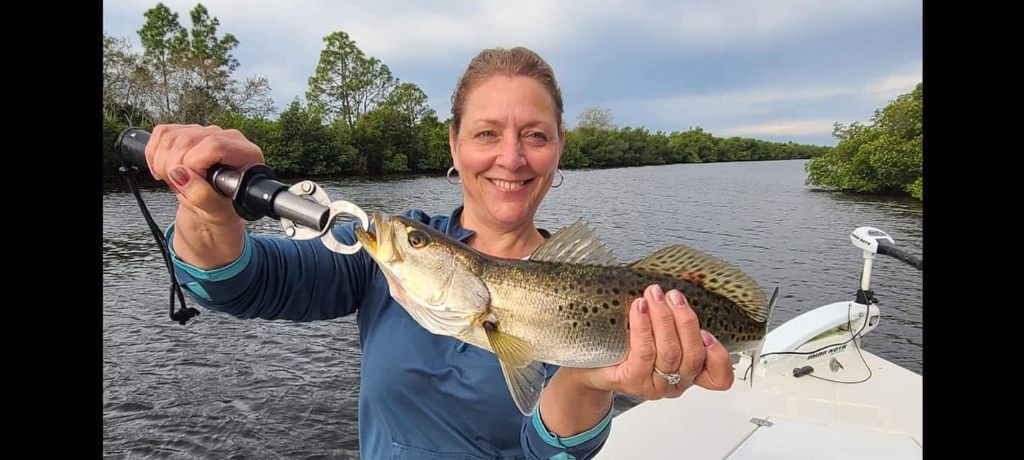
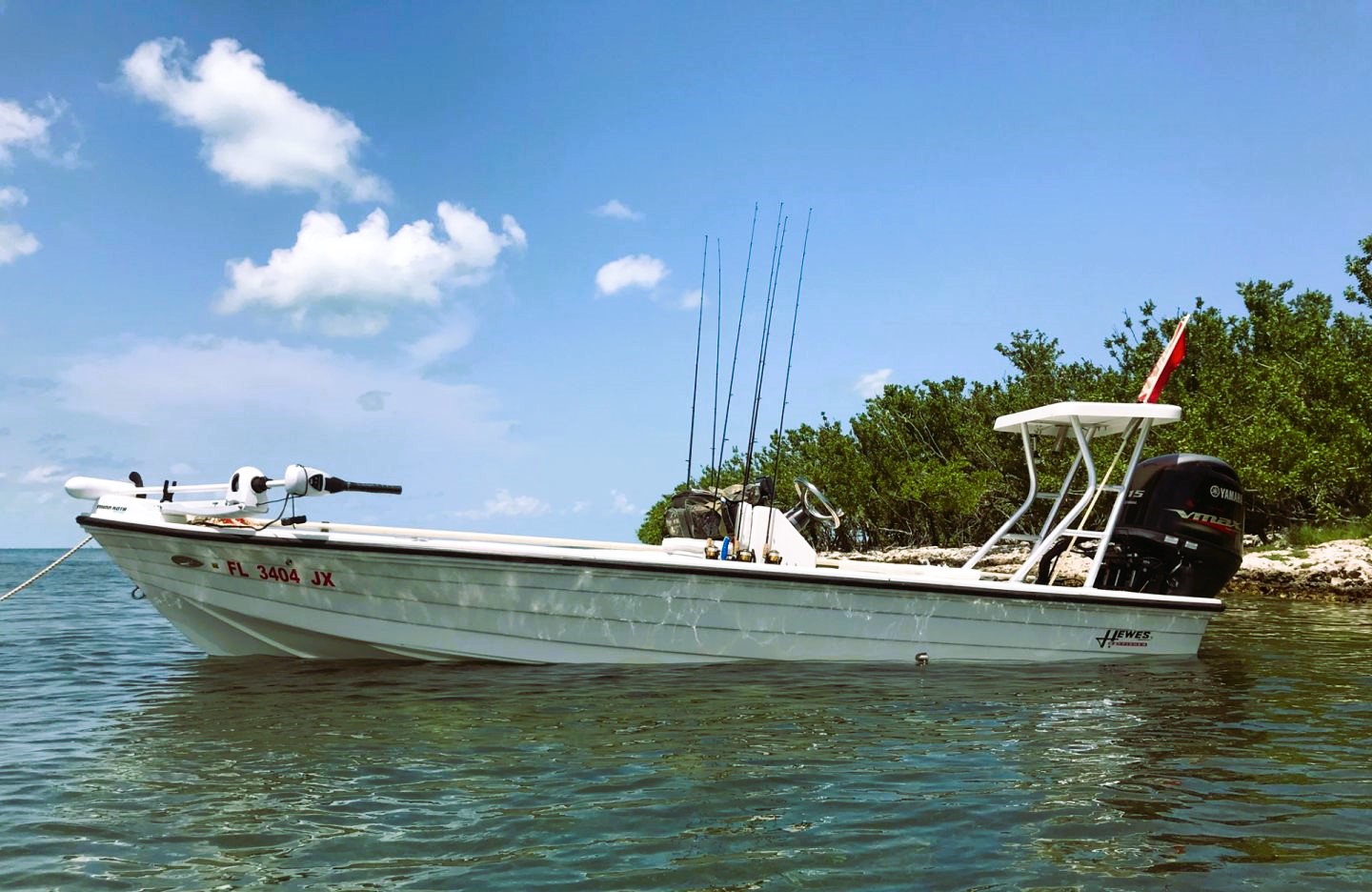
Captain Scotty knows these waters like the back of his hand, and he'll adjust the game plan based on tides, weather, and what's been producing lately. You'll start early to make the most of prime feeding times, working everything from shallow grass flats where redfish cruise to deeper holes where snook stack up. The beauty of an eight-hour trip is the flexibility – if the trout bite is hot in the morning, you can stay on them. If the afternoon tide brings tripletail up to the surface, you've got time to capitalize. This isn't a rushed experience where you're watching the clock. You'll move between spots, try different techniques, and really get a feel for how these fish behave in their home waters. The boat's equipped with everything you need, from light tackle for finicky trout to heavier gear when you hook into something that wants to drag you into the mangroves.
Techniques & Tackle
Port Charlotte fishing means adapting your approach throughout the day. You'll likely start with live bait – shrimp, pilchards, or pinfish – worked around structure where snook and redfish hang out waiting for an easy meal. As conditions change, Captain Scotty might switch you over to artificial lures. Soft plastics work great for flounder lying in sandy pockets, while topwater plugs can trigger explosive strikes from snook in the early morning or late afternoon. The tripletail fishing here is something special – these fish suspend near floating debris or channel markers, and it takes a careful presentation to get them interested. You'll learn to cast past your target and work the bait back slowly, watching for that distinctive yellow flash when one decides to commit. The gear provided covers all these scenarios, from spinning tackle perfect for sight fishing redfish on shallow flats to baitcasting setups that give you the accuracy needed around mangrove overhangs.
Top Catches This Season
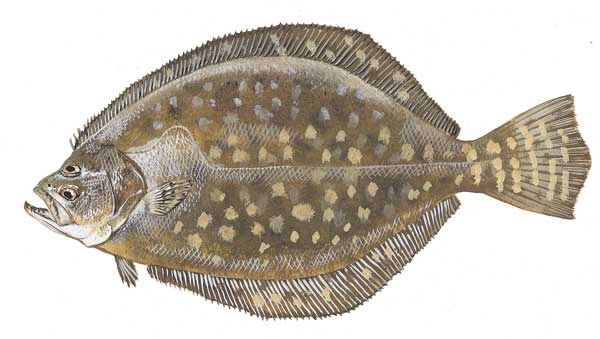
Southern Flounder are one of the most rewarding species you'll target on this trip. These flatfish are masters of camouflage, burying themselves in sandy bottoms near drop-offs and channel edges. Peak season runs from late fall through early spring when they're fattening up and easier to locate. What makes flounder fishing exciting is the hunt – you're looking for subtle bottom changes, current breaks, and areas where baitfish concentrate. When a flounder hits, there's often just a slight tick on the rod tip before the fish tries to bury back into the sand. Getting a good hookset requires patience and timing. The bigger "doormat" flounder, those over 20 inches, are true trophies and fight harder than most people expect.
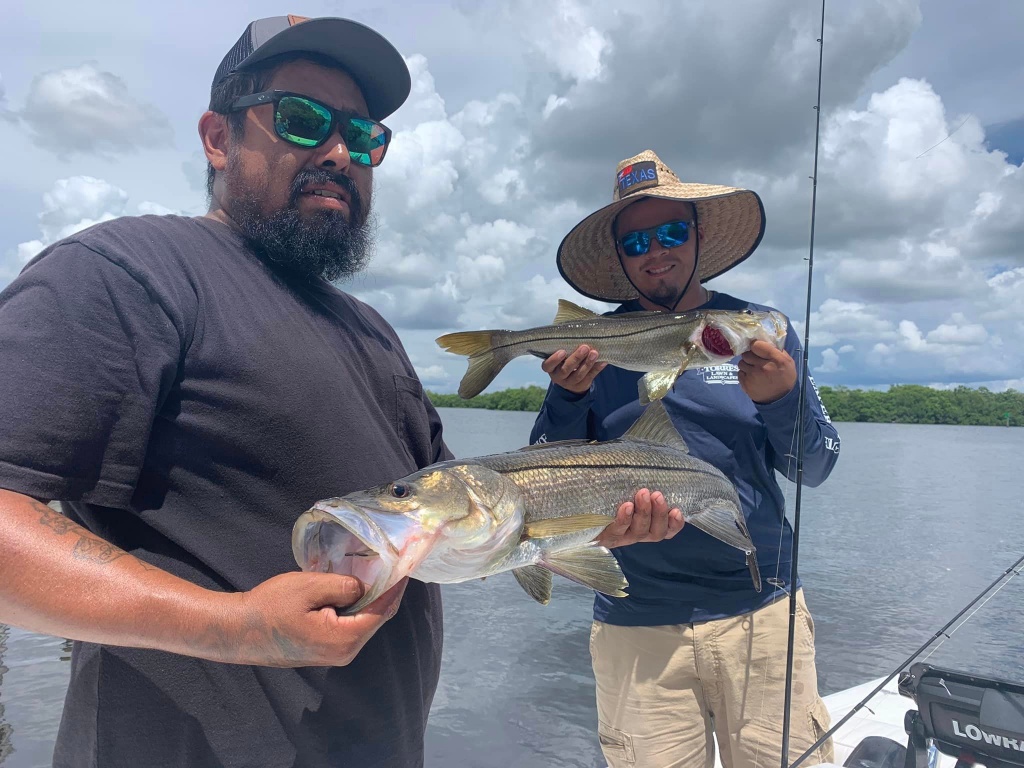
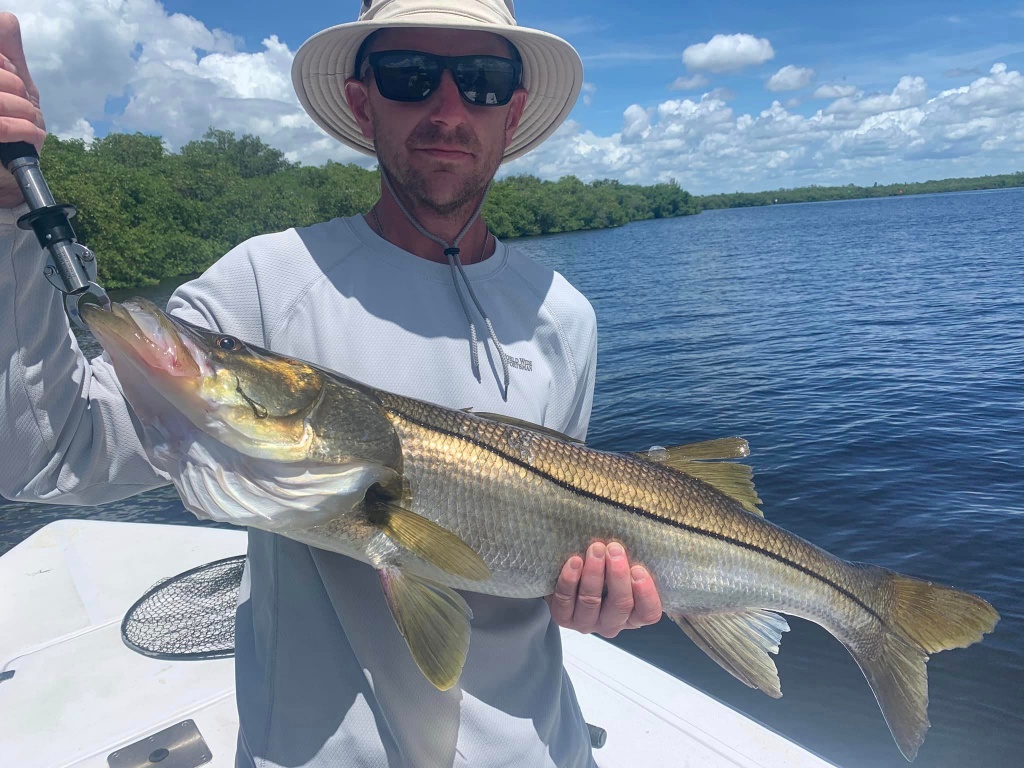
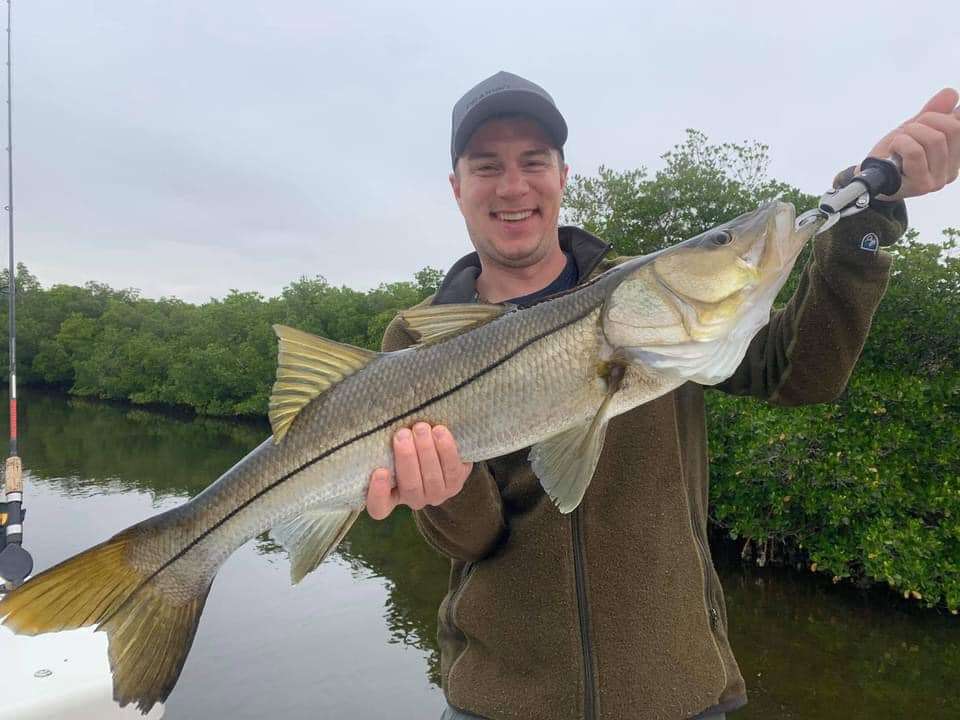
Snook fishing around Port Charlotte is legendary, and for good reason. These ambush predators love structure – docks, mangrove shorelines, oyster bars, and bridge pilings where they can dart out to grab unsuspecting baitfish. Summer months bring the best action when snook are most active, though they bite year-round in Southwest Florida. What gets anglers hooked on snook fishing is their aggressive strikes and acrobatic fights. They'll jump, run, and do everything possible to throw the hook or wrap you around the nearest piling. The slot limit means you're targeting fish between 28 and 33 inches, which are perfectly sized eating fish with firm, white meat that's excellent prepared just about any way.
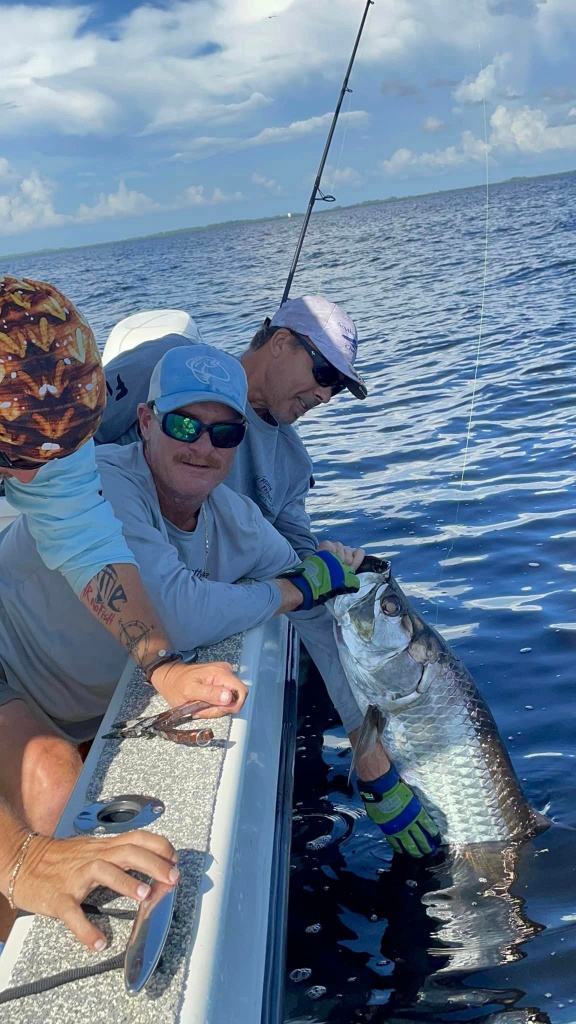
Tarpon are the ultimate gamefish, and Port Charlotte sits in prime territory for these silver kings. While the famous tarpon runs happen in late spring and summer, resident fish are around year-round in deeper channels and passes. These fish can range from juvenile "baby" tarpon of 10-30 pounds up to monsters pushing 100 pounds or more. What makes tarpon special isn't just their size – it's their fighting ability. They'll jump repeatedly, sometimes clearing the water completely, and they never give up easily. Even smaller tarpon will test your drag system and your arms. Most anglers practice catch and release with tarpon since they're primarily a gamefish, but the photos and memories last forever.
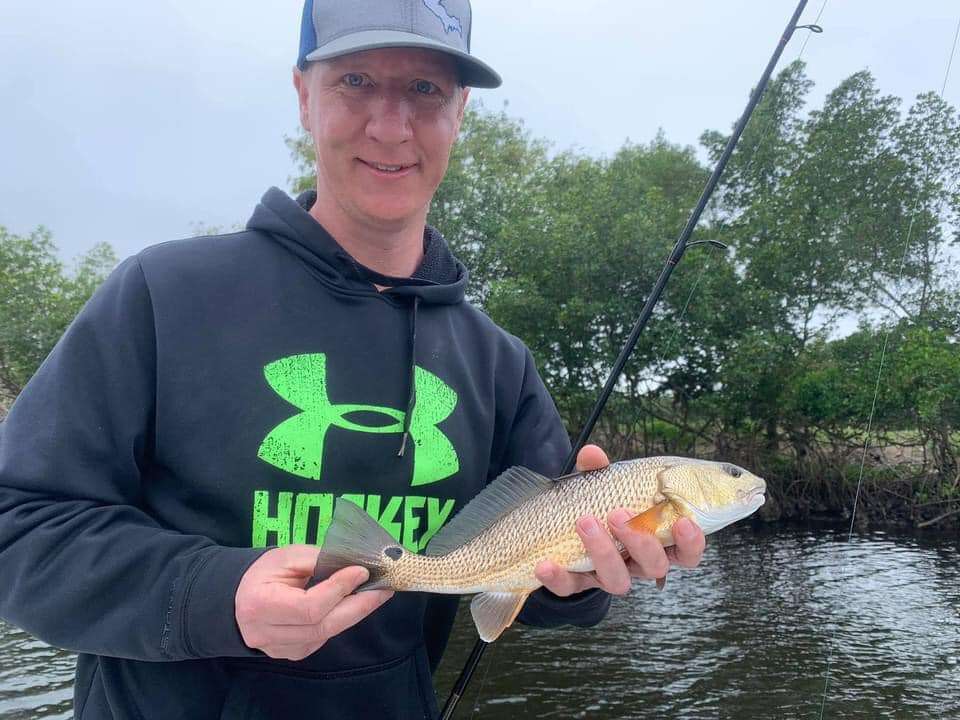
Redfish are probably the most consistent biters you'll encounter, and they're perfect for anglers of all skill levels. These copper-colored bruisers cruise shallow flats, often with their backs out of water as they root around for crabs and shrimp. Sight fishing for reds is addictive – you'll spot the fish, make your cast, and watch the entire sequence play out in clear, shallow water. Redfish aren't particularly spooky, but they can be picky about presentation. The slot size for keepers is 18 to 27 inches, and these fish are outstanding table fare. Larger "bull" reds over the slot limit are catch and release, but they provide some of the strongest fights you'll experience on light tackle.
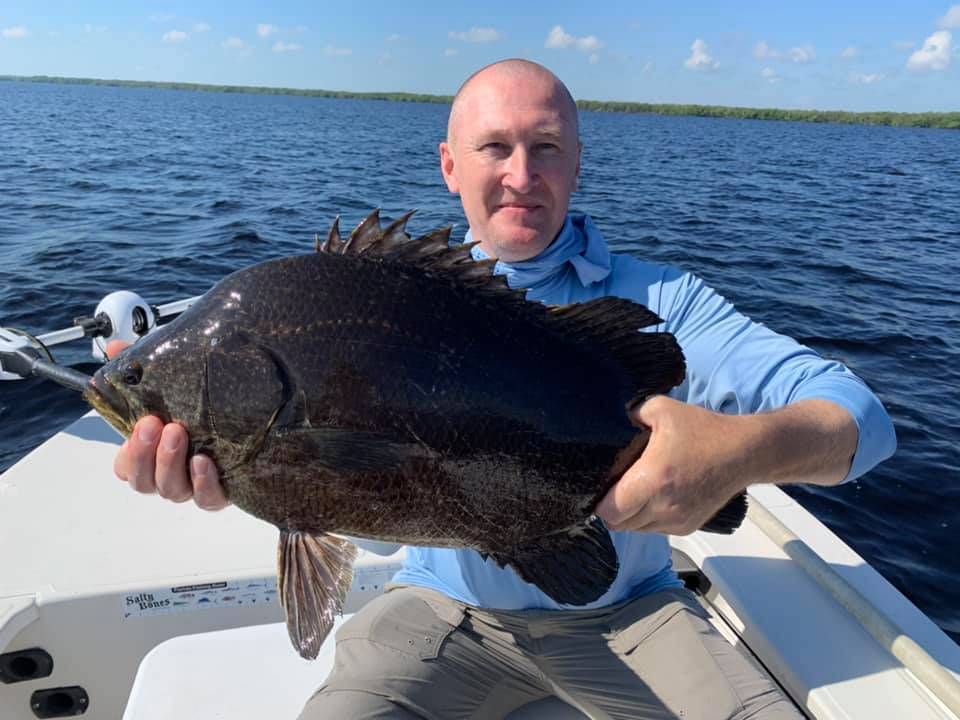
Tripletail are one of Southwest Florida's most unique species and a real local specialty. These oddly-shaped fish float near the surface around channel markers, crab trap floats, or any debris that provides shade and attracts small baitfish. They're curious fish that will often follow a lure or bait for quite a distance before deciding whether to eat. Tripletail season peaks in summer and fall, though you might encounter them any time of year. They're excellent eating with firm, white meat that's often compared to grouper or snapper. What makes tripletail fishing fun is the visual aspect – you can usually see the fish
 Private Trip
 Backcountry Fishing
 Port Charlotte, FL



 Full-day backcountry fishing adventure in Southwest Florida waters