Fort Myers Backcountry Fishing with Captain Charlie
When you're looking for world-class inshore fishing in Southwest Florida, Captain Charlie Cooper's backcountry charters deliver exactly what serious anglers are after. With decades of experience reading these waters around Fort Myers, Sanibel, and Captiva Island, Charlie knows every oyster bar, grass flat, and hidden creek that holds fish. This isn't your typical tourist fishing trip—it's a chance to fish like a local with someone who's spent his entire life mastering these productive waters. You'll target multiple species in one trip, moving between different structures and habitats as conditions and fish behavior dictate throughout the day.
What to Expect on the Water
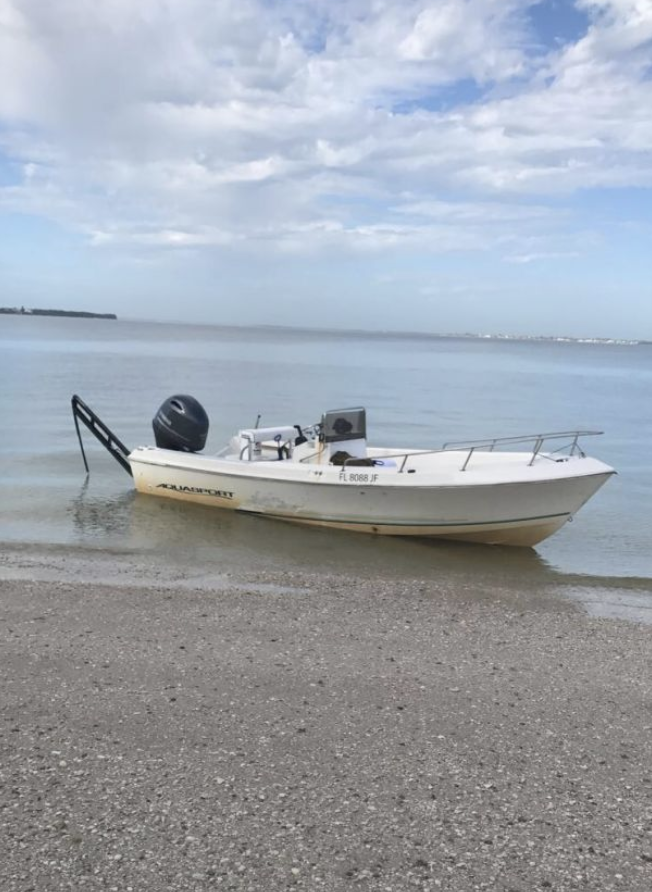
Captain Charlie runs a top-rated operation that takes full advantage of the diverse fishing opportunities in the Fort Myers backcountry. You'll launch early and spend your day working everything from shallow grass flats where redfish cruise in skinny water to deeper channels where tarpon roll during their seasonal migrations. The boat accommodates up to four anglers, which means you get personalized attention and plenty of room to work. Charlie reads the tides, weather, and seasonal patterns to put you on fish—whether that's sight-fishing for laid-up snook around mangrove shorelines or working live bait over structure for bigger sea trout. The backcountry around Captiva and Sanibel offers protected waters with incredible variety, so you're always fishing productive water regardless of wind or weather conditions.
Techniques & Tackle Setup
This customer favorite charter focuses on light tackle techniques that make every fish fight like a champion. You'll be throwing everything from topwater plugs at daybreak to live shrimp under popping corks over grass beds. Captain Charlie provides all the gear, but if you've got your own favorite rods, feel free to bring them along. Expect to fish with spinning tackle in the 2500-4000 reel class paired with 7-foot medium action rods that have the backbone to turn big fish away from structure. Bait selection changes throughout the day—live shrimp, pinfish, and pilchards are staples, while artificials like DOA shrimp, spoons, and soft plastics come into play when fish are aggressive. The key to success in these waters is staying mobile and adapting your approach based on tide, time of day, and what the fish are telling you.
Target Species You'll Hook
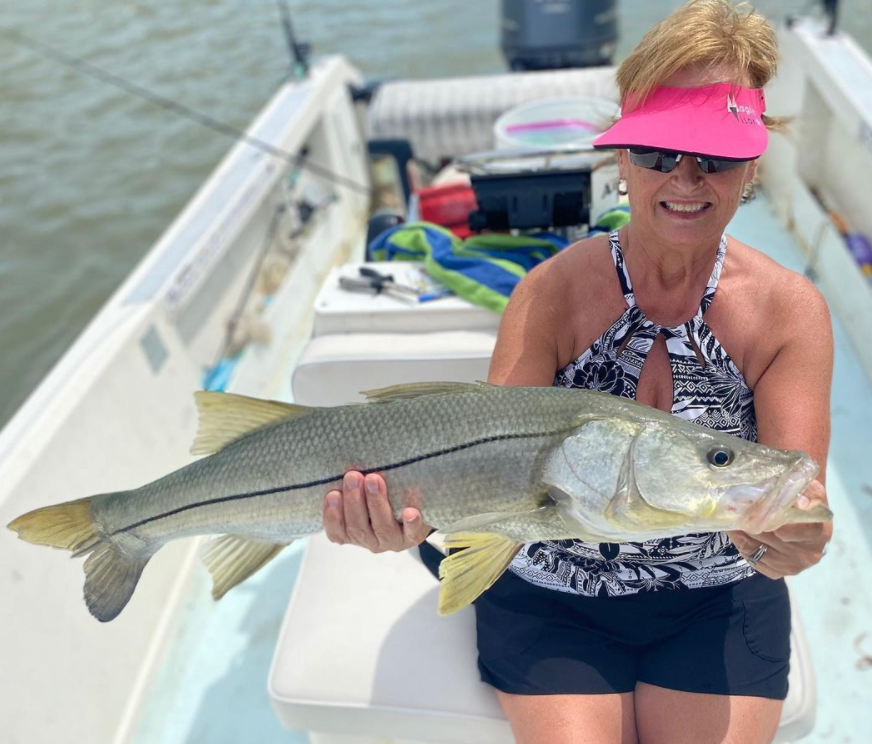
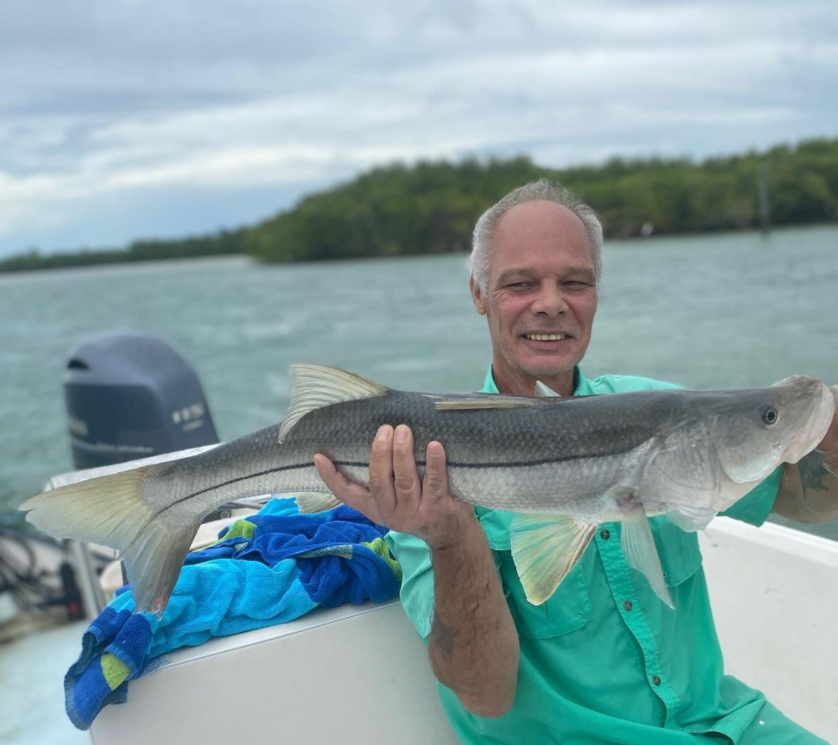
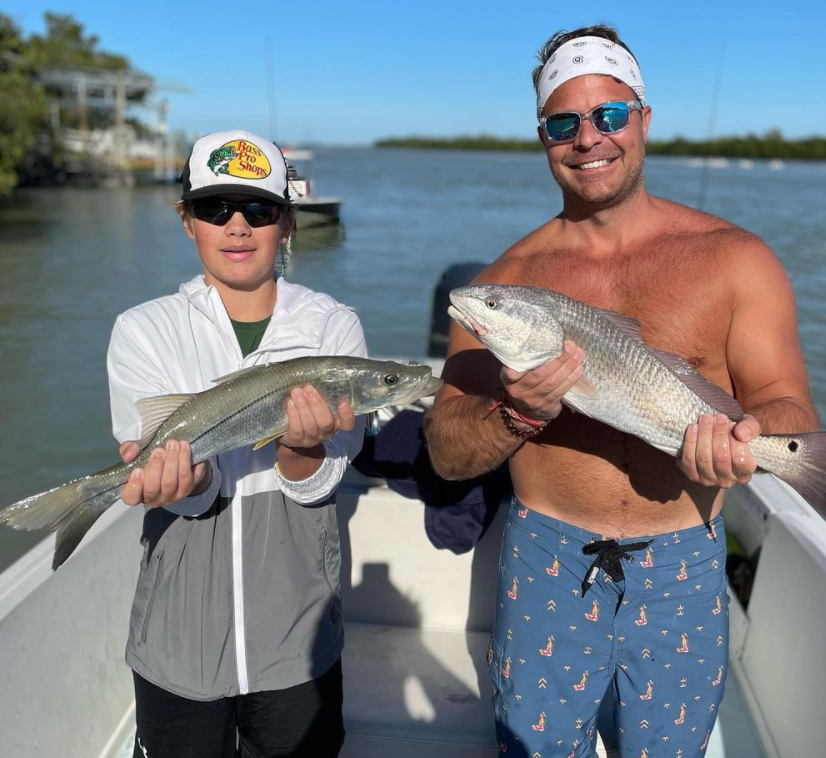
Snook are the crown jewel of Southwest Florida fishing, and Charlie knows exactly where to find them throughout the year. These ambush predators love structure—think mangrove points, oyster bars, and dock lines where they can pin baitfish against cover. Snook are incredibly seasonal, with the best action happening during warmer months when they're active and feeding aggressively. What makes them so special is their explosive strikes and acrobatic fights. A slot-sized snook will test your drag and jump repeatedly, making every hookup a memorable battle. Charlie targets them with both live bait and artificials, depending on conditions and fish mood.
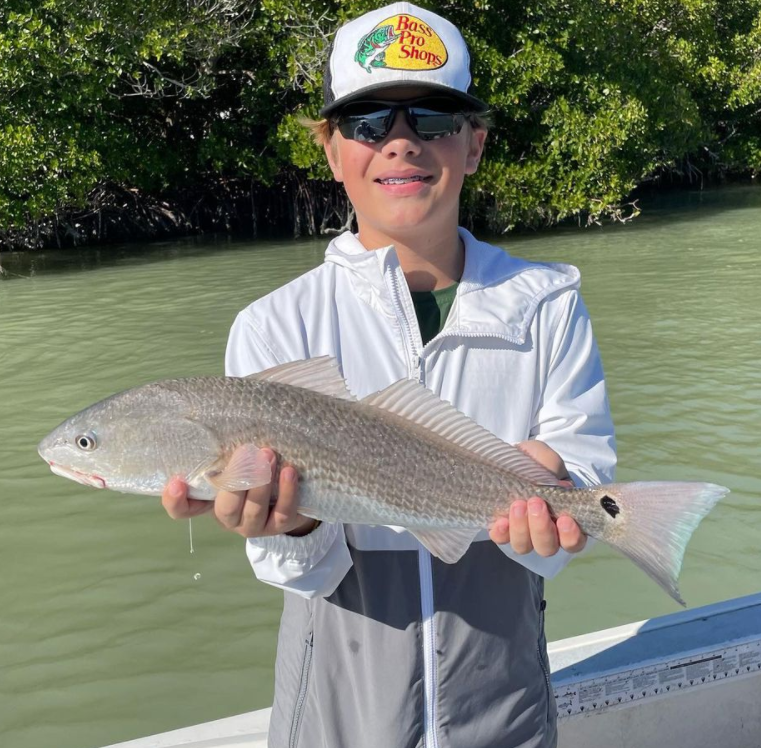
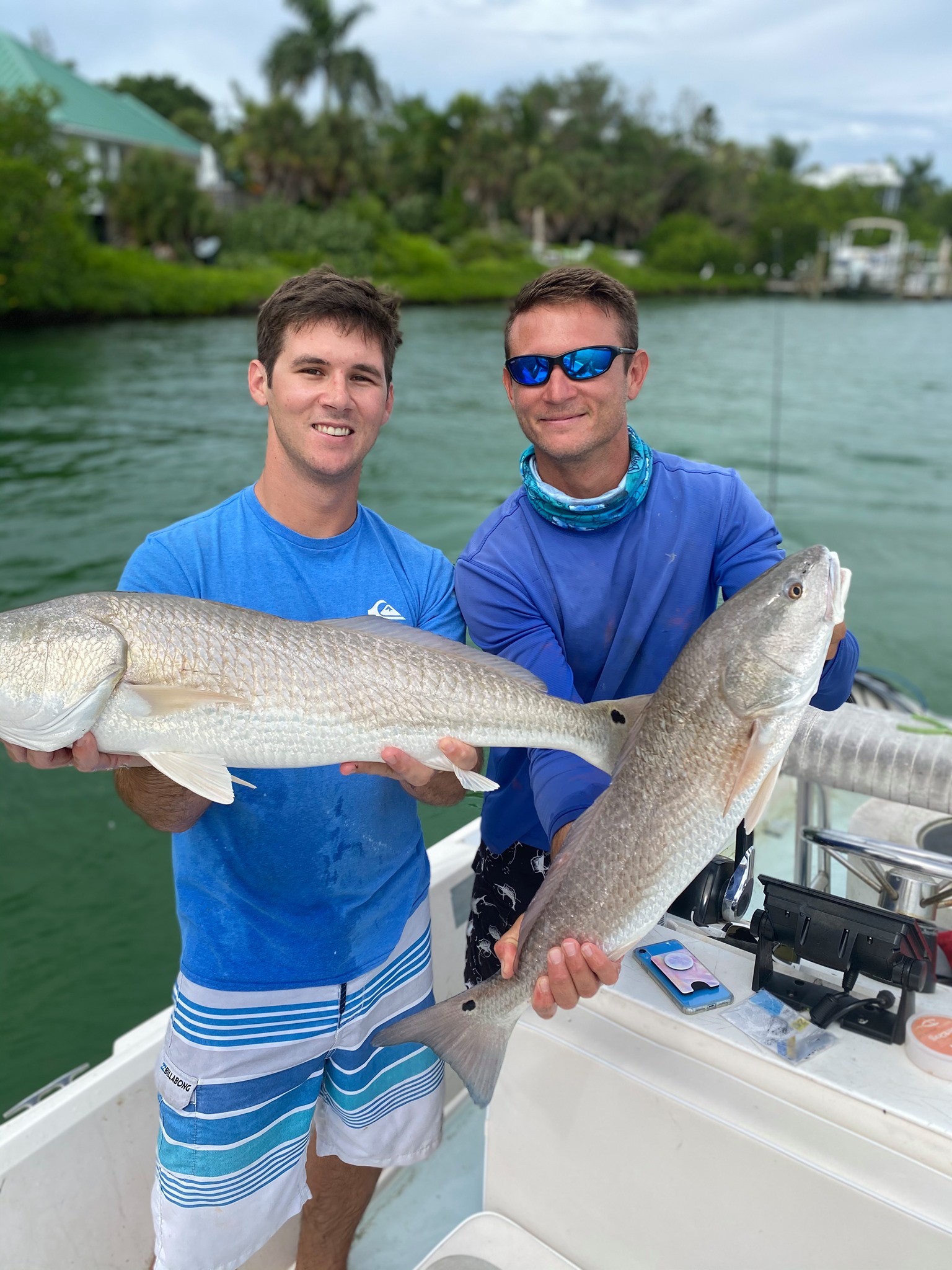
Redfish are year-round residents that provide consistent action and powerful fights in shallow water. These copper-colored bruisers cruise the flats in small schools, tailing in skinny water as they root for crabs and shrimp. Sight-fishing for reds is addictive—you'll spot their bronze backs or see their tails waving above the surface before making your cast. They're not picky eaters, but presentation matters in clear, shallow water. A well-placed shrimp or soft plastic ahead of a cruising red will usually draw a strike. The fight is all about power and endurance as they use their broad tails to make long, bulldogging runs.
Tarpon fishing around Fort Myers is world-class, especially during their spring and summer migrations. These silver kings range from juvenile fish in the 20-50 pound range that live in the backcountry year-round to massive adults that can exceed 150 pounds during peak season. What sets tarpon apart is their incredible aerial displays—they'll jump repeatedly, often throwing the hook in spectacular fashion. Charlie targets them with live bait like crabs, shrimp, and small fish, positioning the boat near channels, bridges, and passes where tarpon travel and feed. Even smaller tarpon provide fights that will leave your arms burning and your heart racing.
Sea trout are abundant throughout the grass flats and offer fantastic light tackle action. These spotted beauties are cooperative biters that respond well to both live and artificial baits. The best trout fishing happens over grass beds in 2-6 feet of water, where they ambush shrimp and baitfish. Charlie targets them with popping corks and live shrimp or works soft plastics through the grass. Trout are excellent eating, and while they don't jump like tarpon or run like snook, they provide steady action when other species are finicky. The bigger gator trout that show up in winter are particularly prized for their size and fighting ability.
Tripletail are unique fish that float near structure like crab trap buoys, channel markers, and debris. They're shaped like giant pancakes and have a habit of lying on their sides at the surface, looking like floating seaweed. What makes them exciting is their unpredictable nature—they might eat a live shrimp immediately or ignore it completely. When hooked, tripletail make powerful runs and have a tendency to jump unexpectedly. They're also outstanding table fare, with white, flaky meat that rivals grouper. Finding them requires a good eye and patience, but Charlie knows all the productive spots where they congregate.
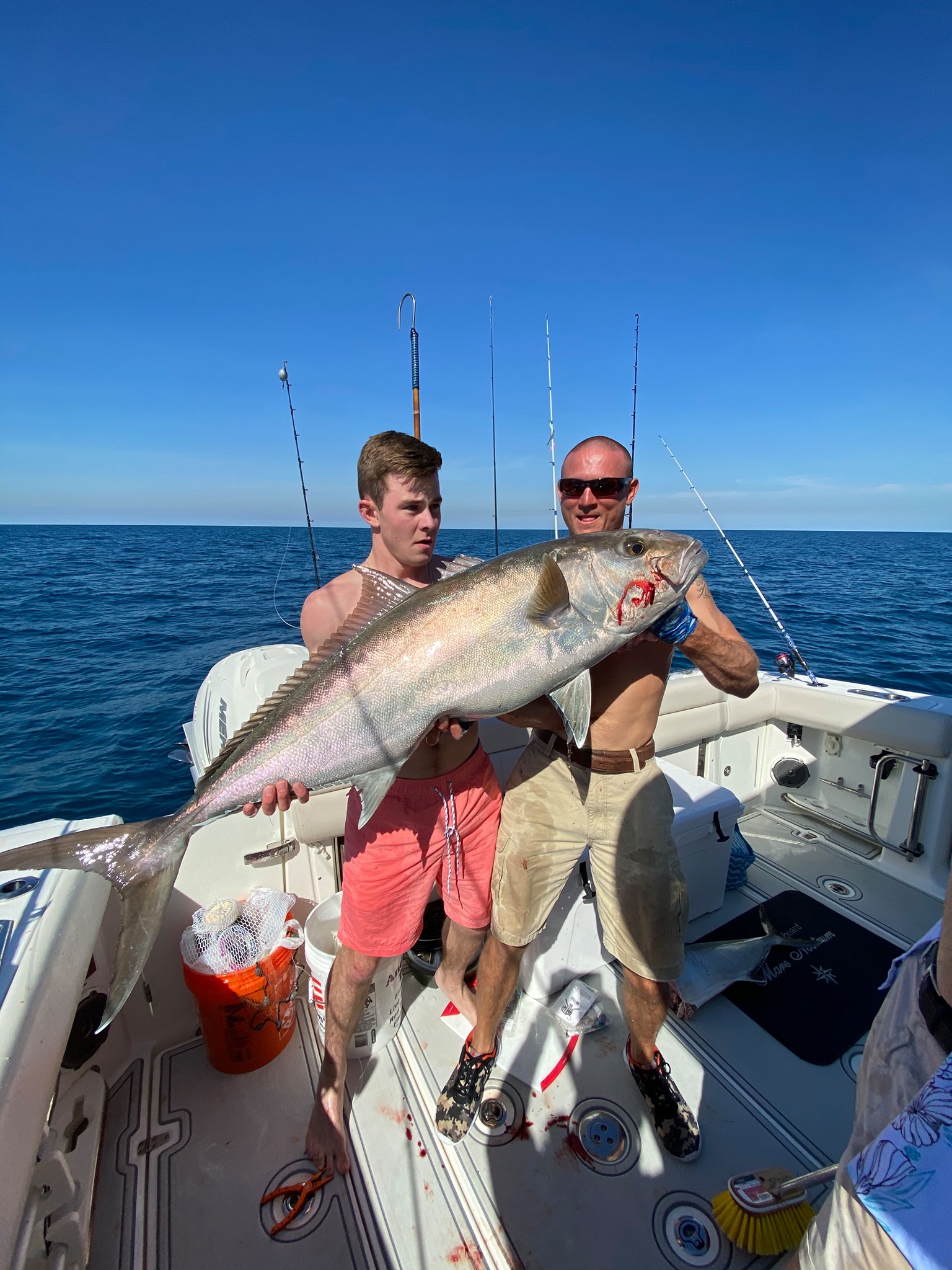
Red snapper fishing in federal waters offers a chance at one of the Gulf's most prized species during open seasons. These bottom dwellers are strong fighters that test your tackle with powerful runs toward structure. Charlie targets them with live and dead bait over hard bottom and artificial reefs where they school in large numbers. The key is getting your bait down quickly and keeping steady pressure once hooked to prevent them from cutting you off
 Private Trip
 Inshore Fishing
 Fort Myers, FL


 Target snook, tarpon, redfish and trout in Fort Myers backcountry waters