6 Hour Tampa Bay Inshore Fishing Charter
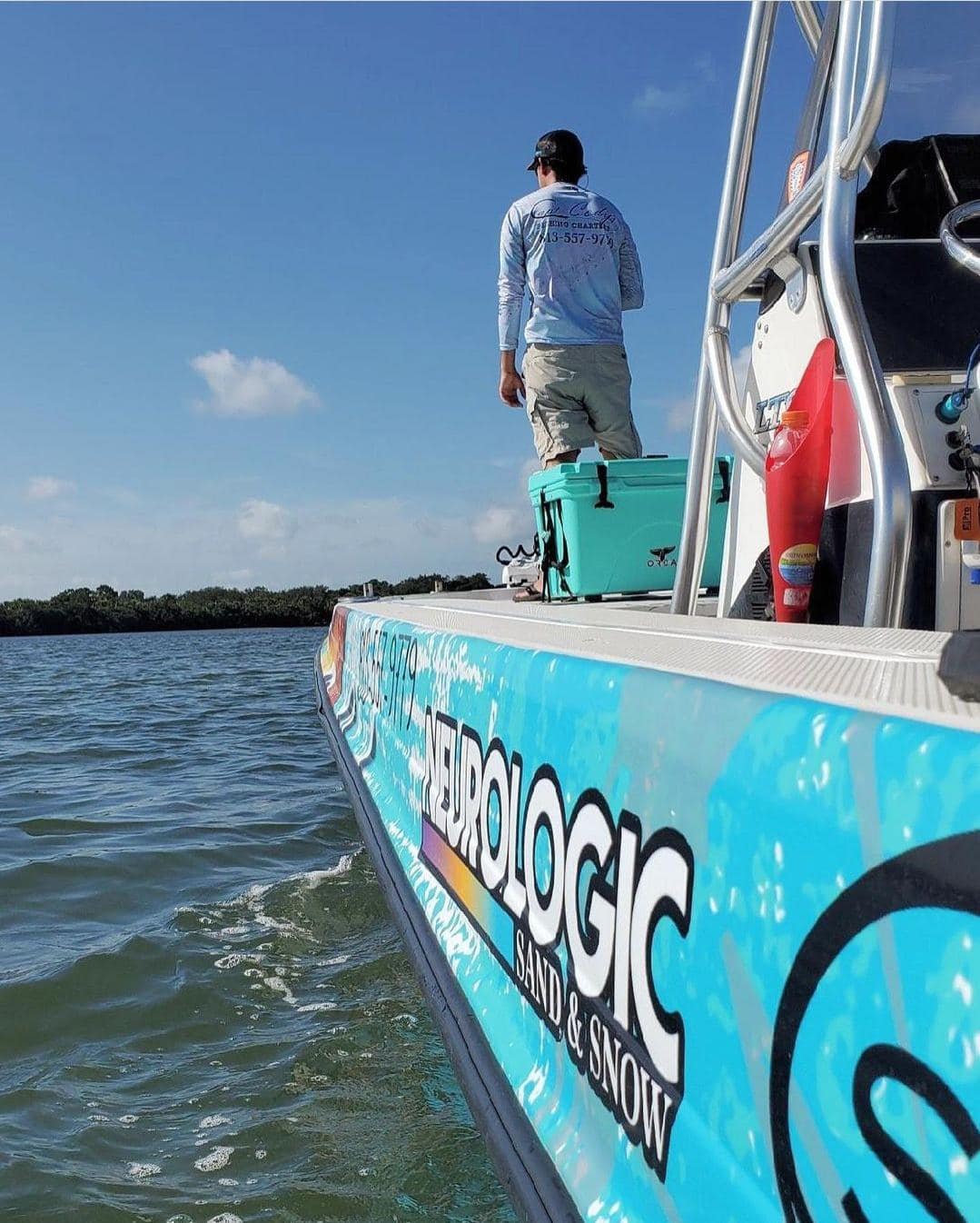
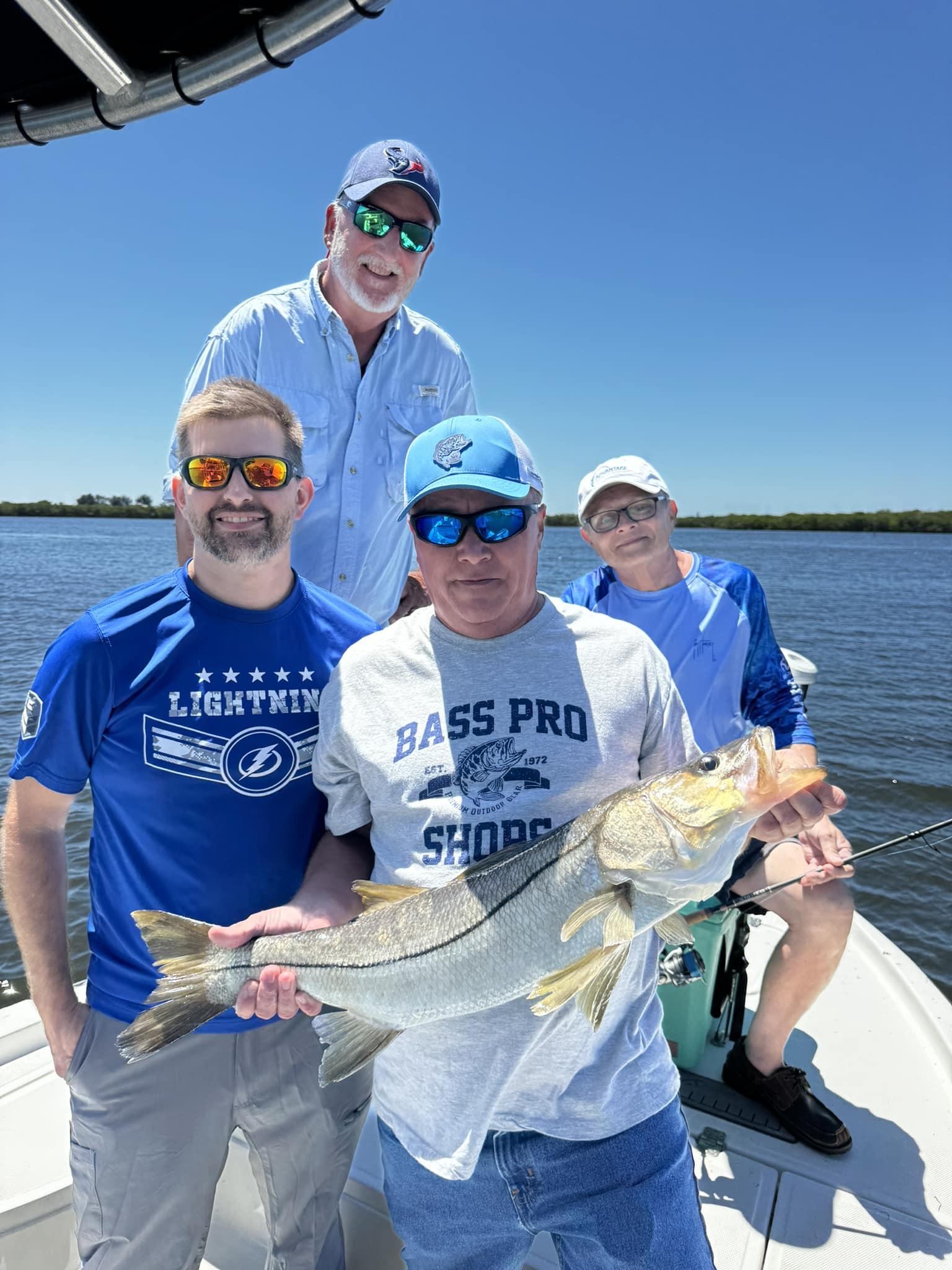
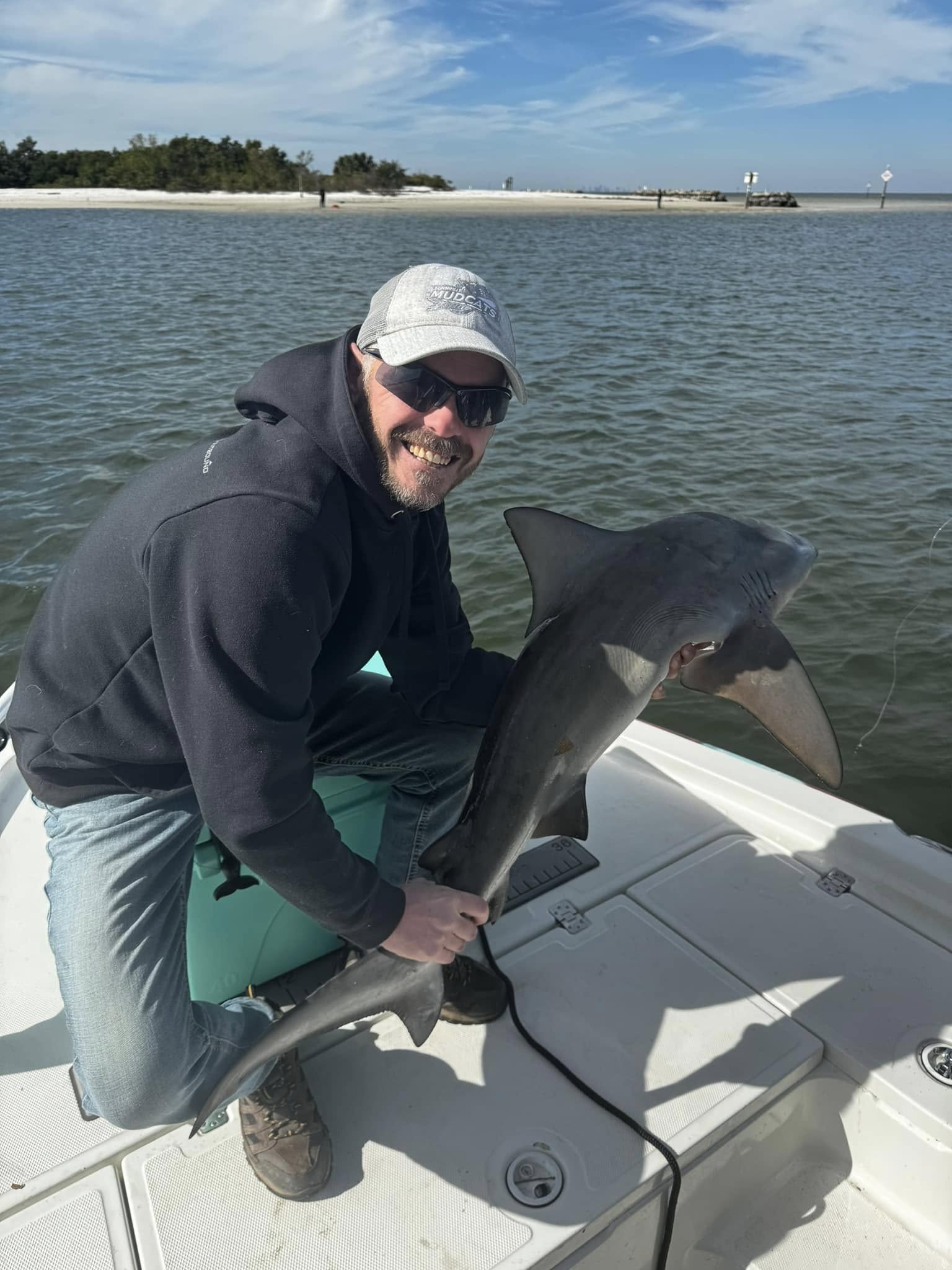
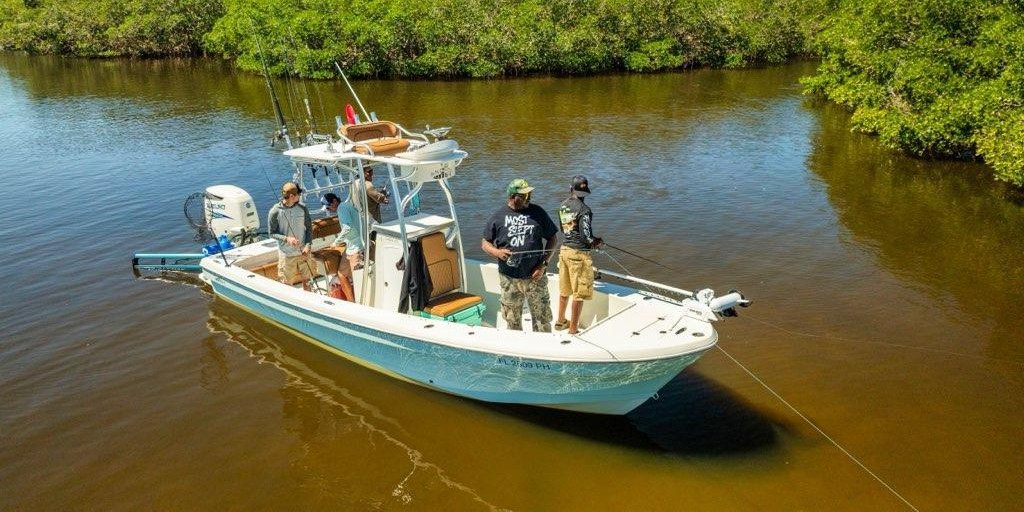
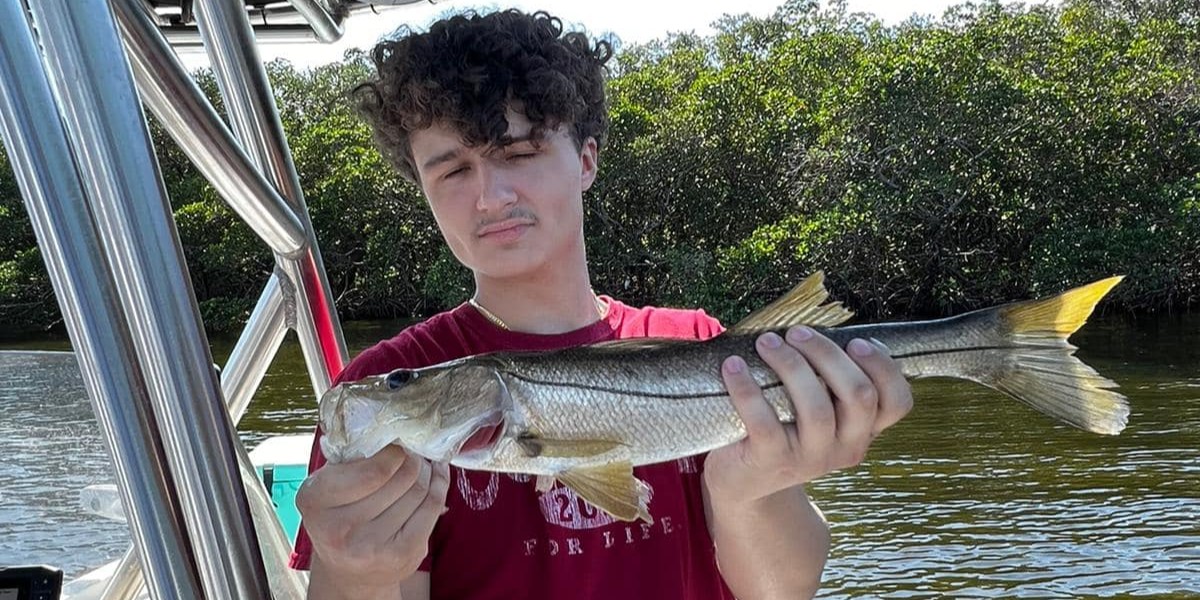
Captain Cody's three-quarter day inshore fishing adventure gives you six solid hours to work Tampa Bay's most productive waters. This top-rated charter accommodates up to six anglers and runs twice daily at 8 a.m. or 1 p.m., so you can pick the timing that works best for your crew. We'll target the bay's premier inshore species including Snook, Redfish, Spotted Seatrout, Mangrove Snapper, Jack Crevalle, and Sheepshead using light tackle that keeps the fight fun and engaging. Everything's included - rods, reels, bait, tackle, licenses, water, and ice - so you just show up ready to fish. Whether you're bringing the family, a group of buddies, or mixing experienced anglers with first-timers, this private charter delivers steady action at a relaxed pace that lets everyone enjoy the experience.
What to Expect on the Water
Tampa Bay's inshore waters offer some of Florida's most consistent fishing, and six hours gives us plenty of time to hit multiple spots and adapt to what's biting. We'll start by reading the conditions - wind, tide, water temperature, and baitfish activity - then move between grass flats, mangrove shorelines, oyster bars, and deeper holes where different species hang out. The beauty of inshore fishing here is the variety. One minute you might be sight-casting to a cruising Redfish in two feet of water, the next you're working a jig around structure for Sheepshead or drifting live shrimp for Spotted Seatrout. Captain Cody knows these waters like his backyard and adjusts tactics throughout the trip based on what's working. First-time anglers get hands-on coaching with casting, hook-setting, and fighting fish, while experienced fishermen can focus on refining techniques or targeting specific species. The six-hour timeframe hits that sweet spot where you're not rushed but not exhausted either.
Light Tackle Techniques
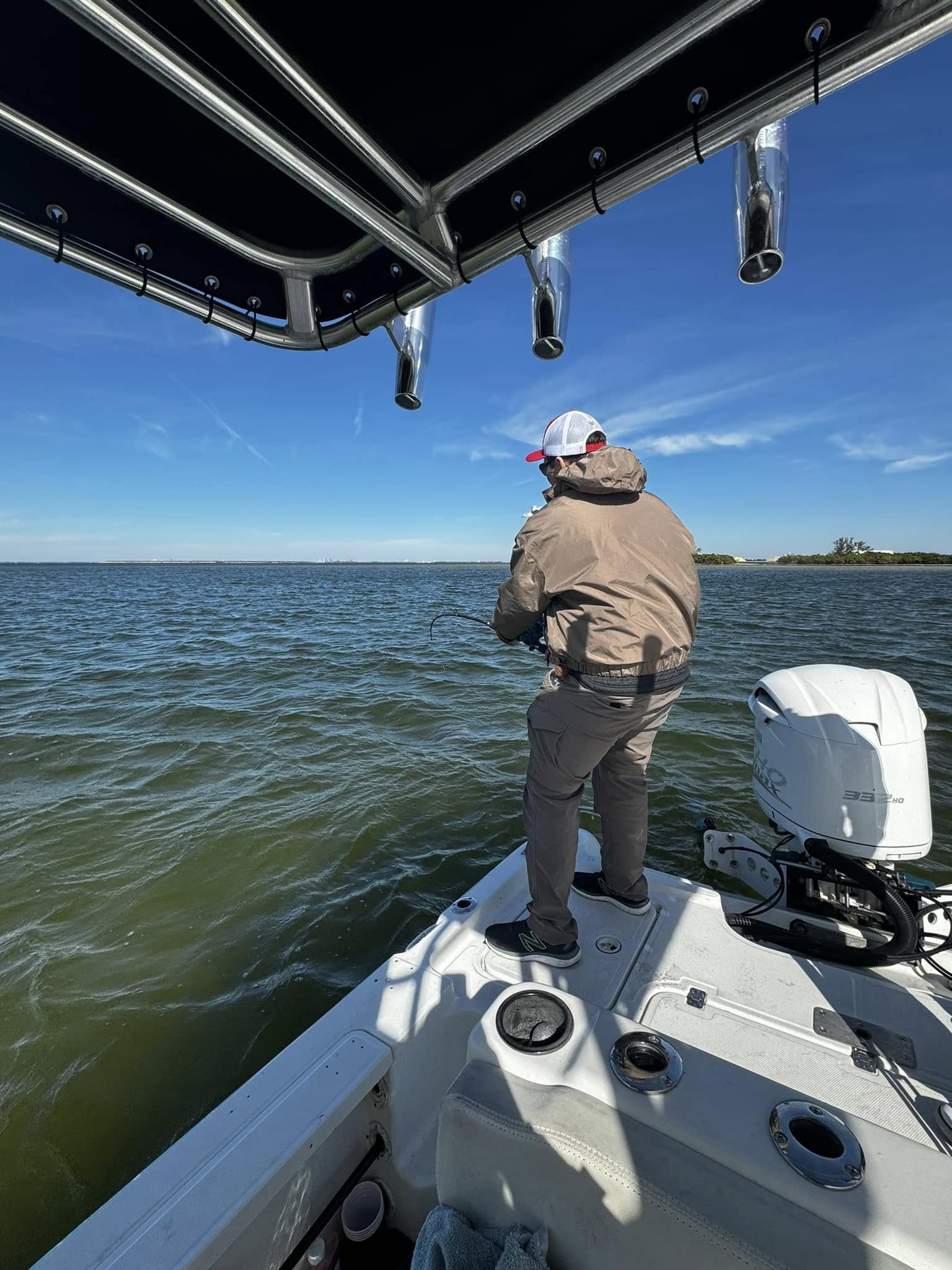
Inshore fishing in Tampa Bay is all about finesse and reading the water. We primarily use spinning tackle in the 2500-4000 size range spooled with 10-20 pound braided line, which gives you the sensitivity to feel subtle bites while having enough backbone for bigger fish. Live bait is king out here - we'll rig live shrimp, pinfish, and sardines depending on what we're targeting and what's available. Artificial lures play a huge role too, especially soft plastics like paddle tails and jerk baits that mimic the abundant baitfish. Topwater action can be explosive during low-light periods, so we always have walking baits and poppers rigged and ready. The key to success is matching your presentation to the structure and depth you're fishing. Around mangroves and docks, we'll pitch baits tight to cover and work them slowly. On grass flats, it's more about covering water with search baits until we locate active fish. Captain Cody handles all the rigging and re-rigging, plus he'll teach you the nuances of each technique so you can apply what you learn on future trips.
Target Species Breakdown
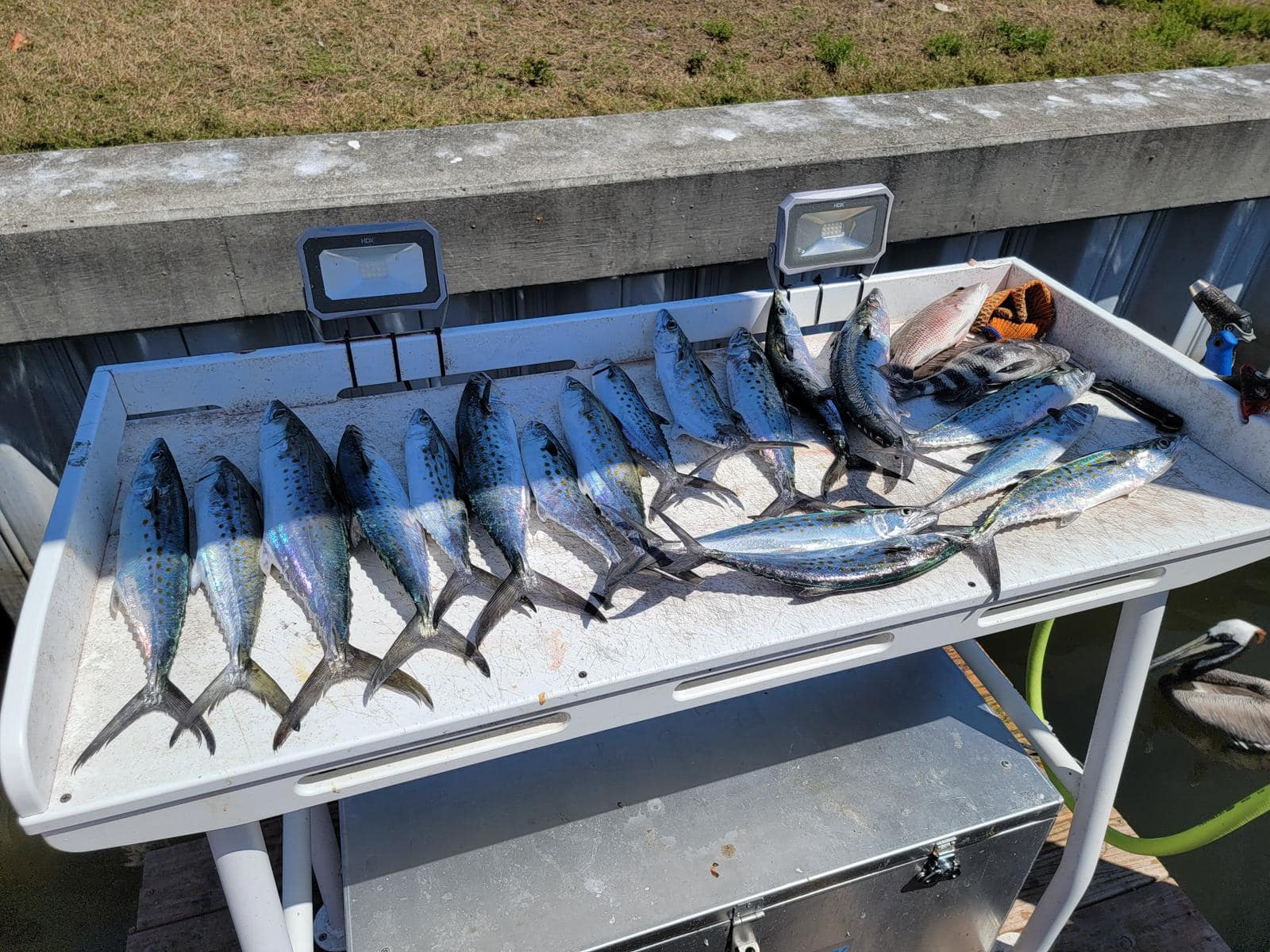
Spanish Mackerel are speed demons that provide non-stop action when they're around. These sleek predators typically show up in Tampa Bay during cooler months, roughly October through April, and they travel in aggressive schools that attack anything that moves fast enough. They'll slam small spoons, jigs, and live sardines with reckless abandon, often jumping and making screaming runs that test your drag system. Most Spanish Mackerel in the bay run 1-3 pounds, which is perfect for light tackle - they fight way above their weight class and kids absolutely love catching them because the action stays hot once you find a school.
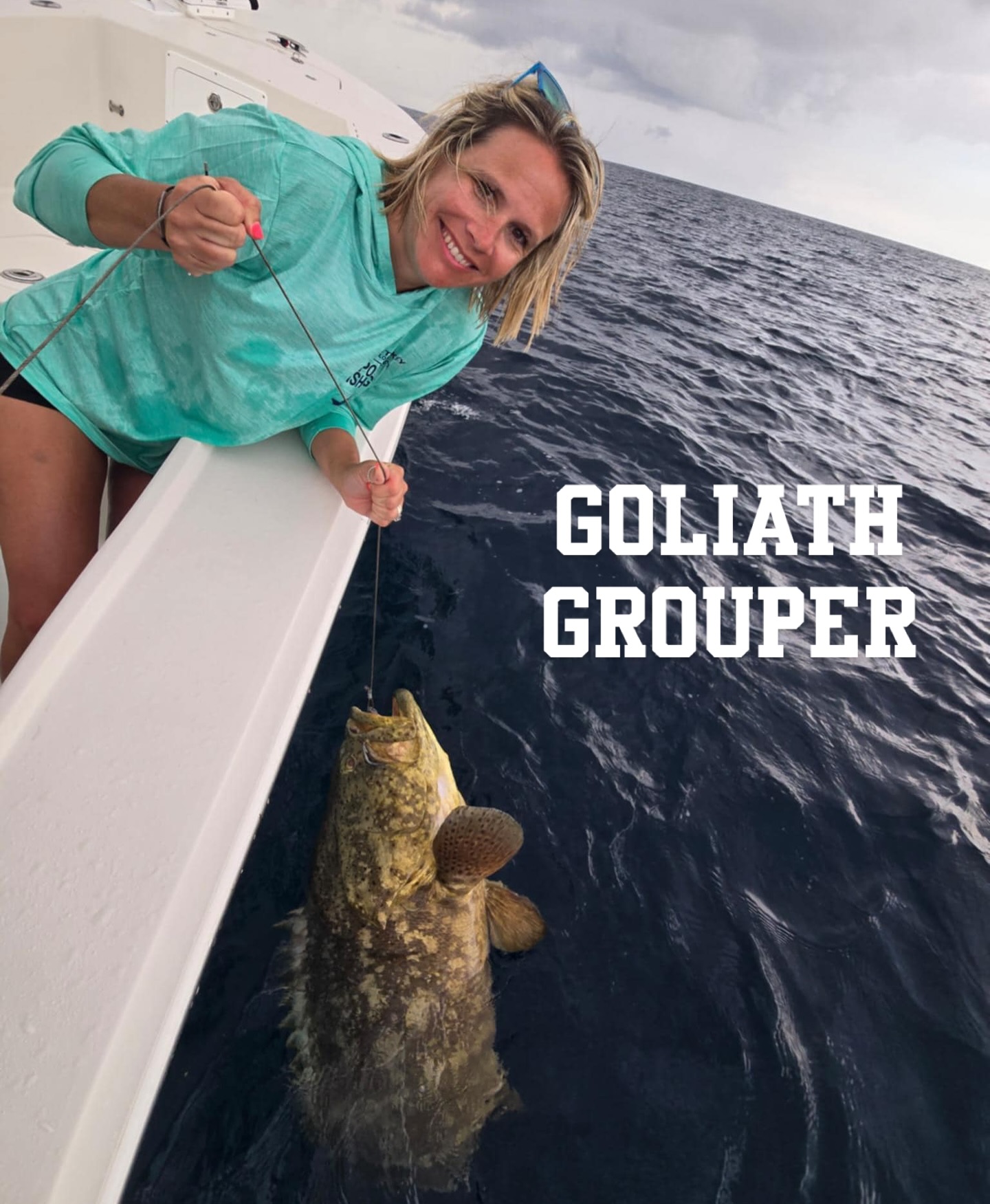
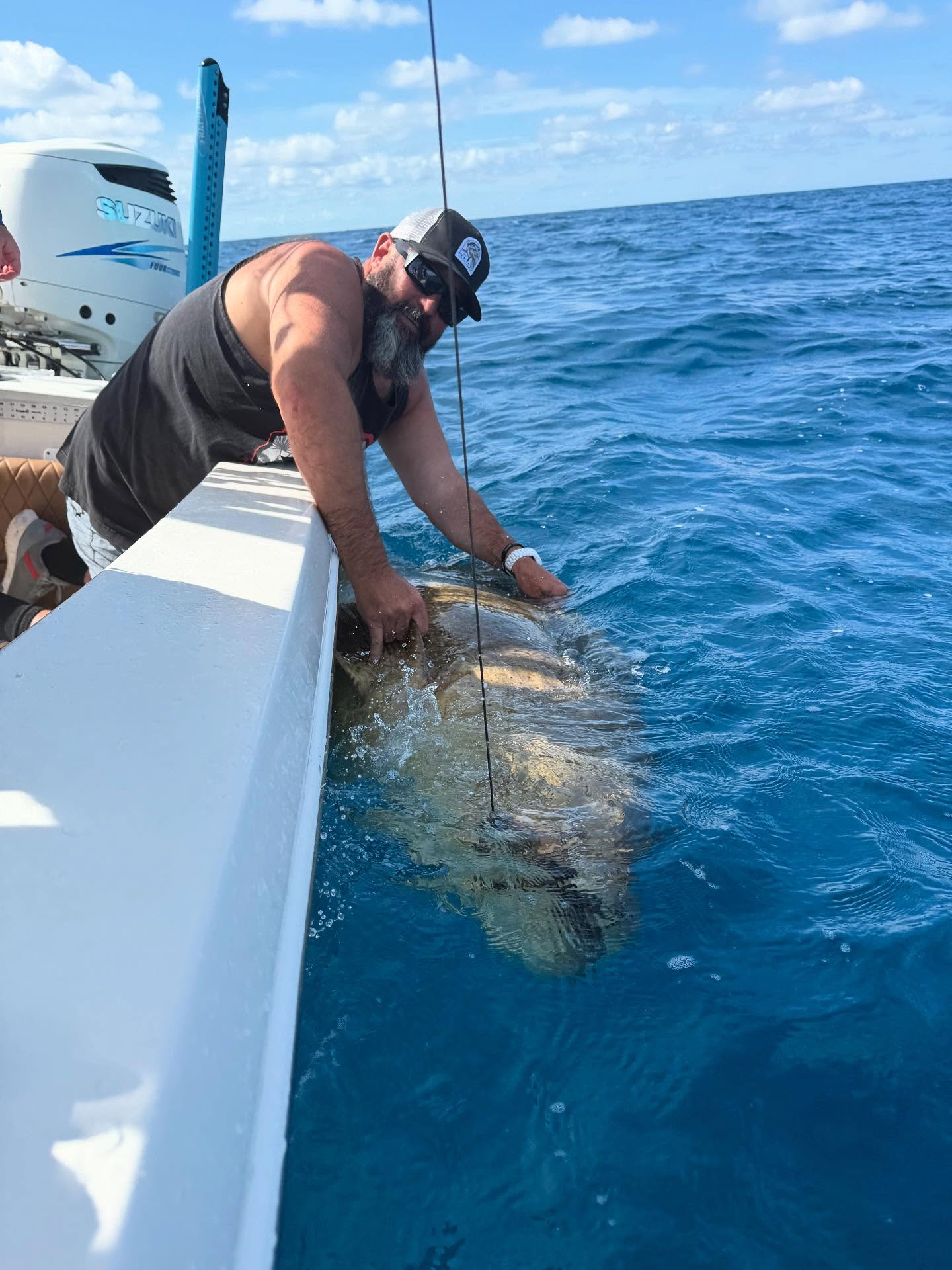
Goliath Grouper represent the ultimate inshore challenge and Tampa Bay holds some true giants. These massive fish can exceed 300 pounds and provide a tug-of-war that you'll never forget. They hang around structure like bridges, docks, and artificial reefs, typically in 15-40 feet of water. Summer months offer the best Goliath action when they move shallow to spawn. We target them with large live baits like jack crevalle or big pinfish on heavy tackle because once hooked, they head straight for cover. The fight is more about brute strength than speed - it's like being connected to a submarine. Due to regulations, all Goliaths must be released, but getting one boatside for photos and measurements creates memories that last a lifetime.
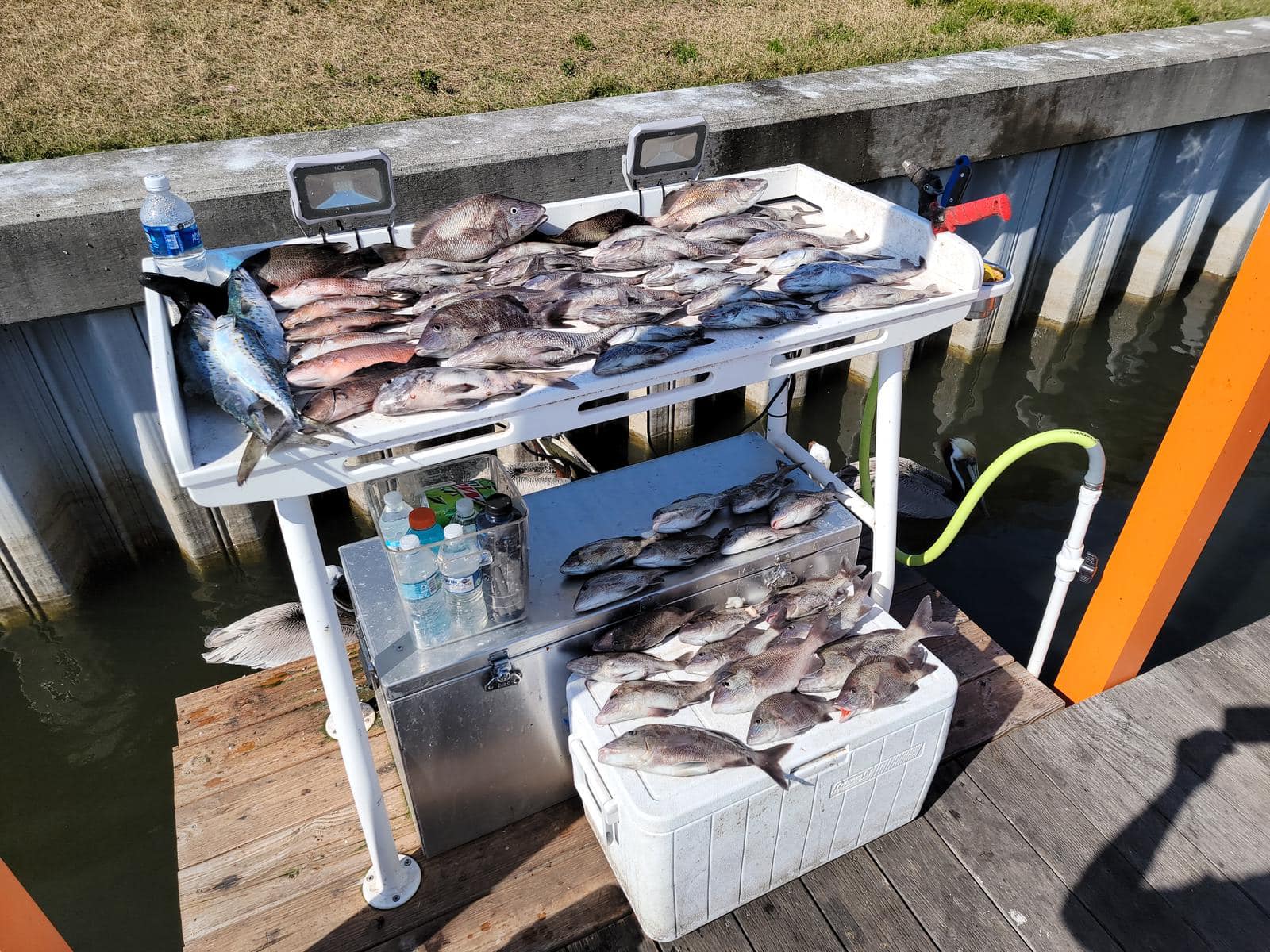
Sheepshead are the ultimate test of an angler's patience and skill. These black-and-white striped fish have human-like teeth designed for crushing crustaceans, and they're notorious bait thieves that can clean your hook without you feeling a thing. They concentrate around structure - docks, bridges, oyster bars - where they feed on barnacles, crabs, and shrimp. Winter months from December through March provide peak Sheepshead fishing when they stack up in deeper holes and around hard bottom. We use small hooks, light leaders, and fresh shrimp or fiddler crabs for bait. The bite feels like a gentle tap-tap-tap, and setting the hook requires perfect timing. Once hooked, Sheepshead make powerful runs and use their broad sides to fight in the current.
King Mackerel bring the big-game excitement to inshore waters when conditions align. These torpedo-shaped predators can reach 40+ pounds in Tampa Bay and they're built for speed, capable of stripping line faster than almost any other local species. Kings typically show up during warmer months when baitfish are abundant, especially around structure and temperature breaks. We troll large live baits or pull diving plugs to locate schools, then switch to live bait fishing once we mark fish. The initial strike is often violent - a King will grab a bait and make a blistering 100-yard run before you can b
 Private Trip
 Inshore Fishing
 undefined, undefined


 Six-hour inshore charter targets snook, redfish, and trout