Private Half-Day Indian River Lagoon Fishing
Captain Frank Catino's half-day fishing charter puts you right in the heart of Florida's Indian River Lagoon, where shallow grass flats meet winding mangrove creeks in one of the state's most productive fisheries. With 45 years of local knowledge guiding every cast, you'll fish the prime spots based on tide charts and current conditions. This isn't your typical crowded party boat experience – it's just you, one buddy, and a captain who knows exactly where the fish are biting.
What to Expect on the Water
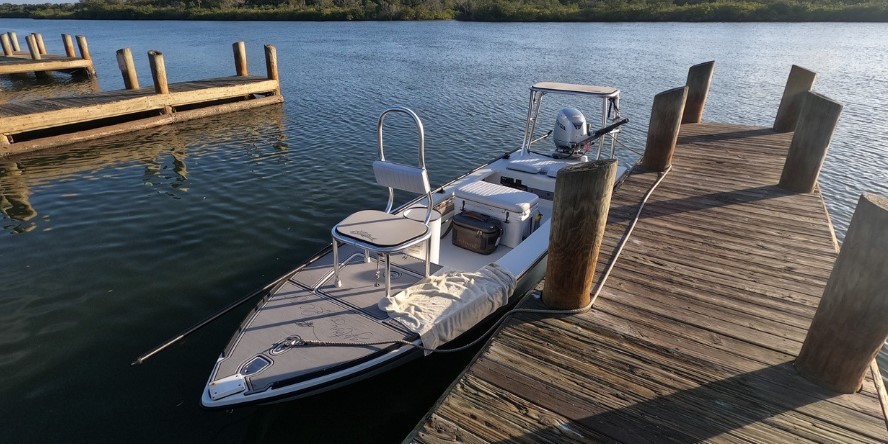
Your morning starts early when Captain Frank picks the perfect launch based on wind direction and tide movement. The Indian River Lagoon's calm waters make for comfortable fishing even when the Atlantic side gets choppy. You'll work everything from oyster bars to grass beds, casting around mangrove roots where snook love to ambush baitfish. The shallow draft boat lets you sneak into spots bigger vessels can't reach, putting you on fish that rarely see lures. Expect to move frequently – Frank knows when to stay put and when to relocate based on what the fish are telling him. All your gear, tackle, and fishing licenses come included, so you can focus on setting hooks instead of rigging lines.
Techniques & Tackle Setup
This top-rated lagoon charter runs on versatility. You'll throw everything from topwater plugs at daybreak to soft plastics when the bite slows down. Captain Frank sets you up with medium-action spinning rods perfect for the lagoon's mix of species – light enough to feel every tap from a sea trout, strong enough to turn a bull redfish away from structure. Live shrimp under popping corks work magic on the flats, while paddle tails and DOA lures shine around dock pilings and mangrove cuts. The boat's trolling motor keeps you positioned quietly over productive water, and Frank's push pole comes out when stealth mode is required. Polarized sunglasses aren't just recommended – they're essential for spotting fish in the clear shallow water and reading bottom structure.
Species You'll Want to Hook
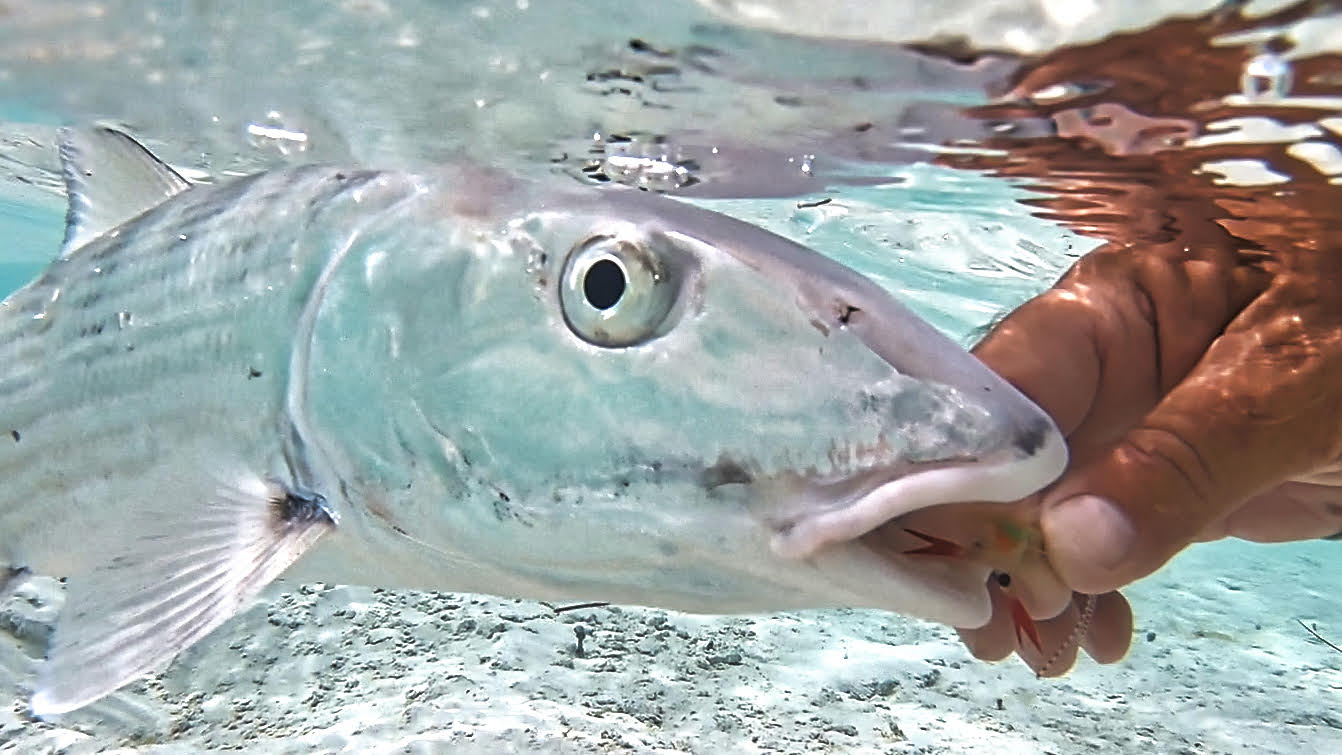
Florida Pompano cruise these flats year-round, but winter months bring the best action when schools move into the lagoon's warmer water. These silver bullets hit hard and fight clean, making long runs that test your drag system. Pompano love small jigs bounced along sandy bottom, and their white, flaky meat makes them a customer favorite for the dinner table. Captain Frank knows the specific bars and drop-offs where they concentrate, especially during moving tides.
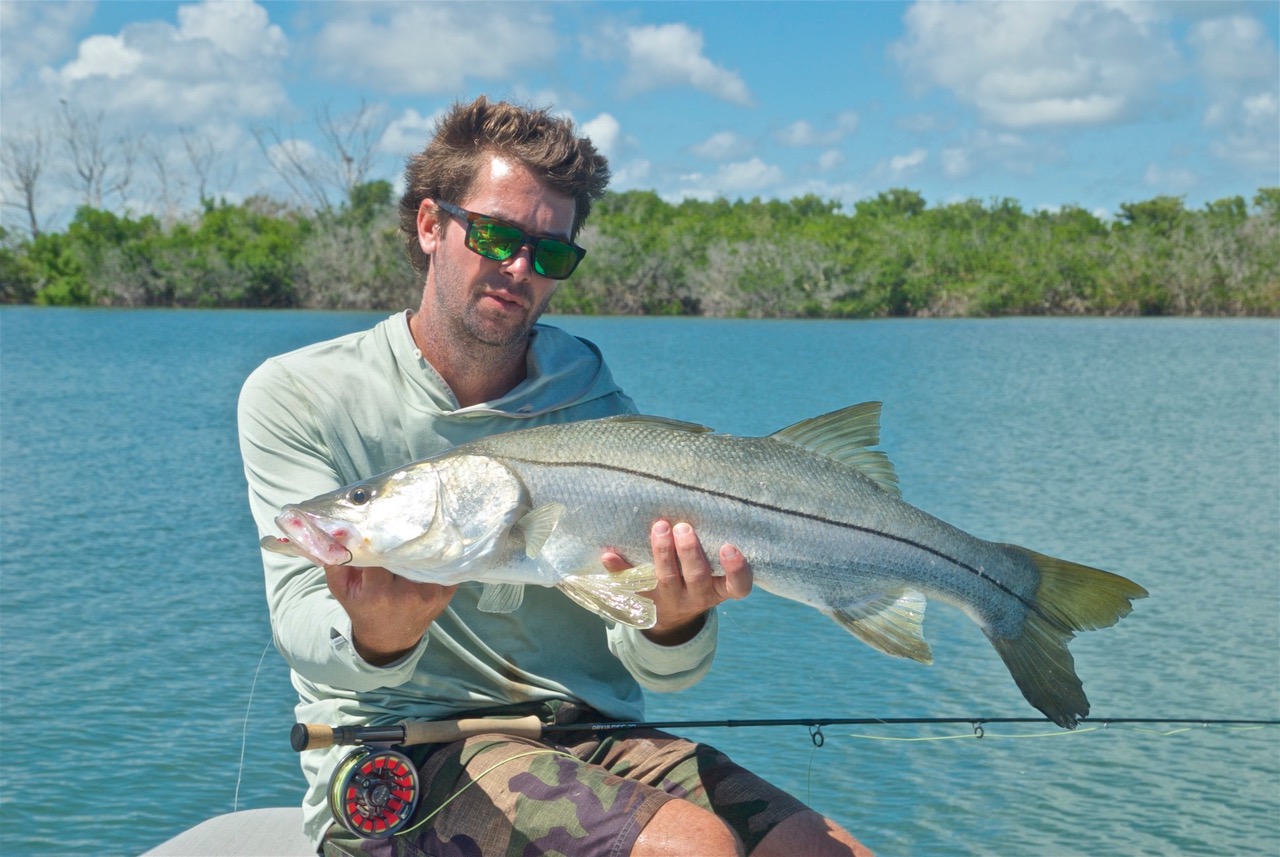
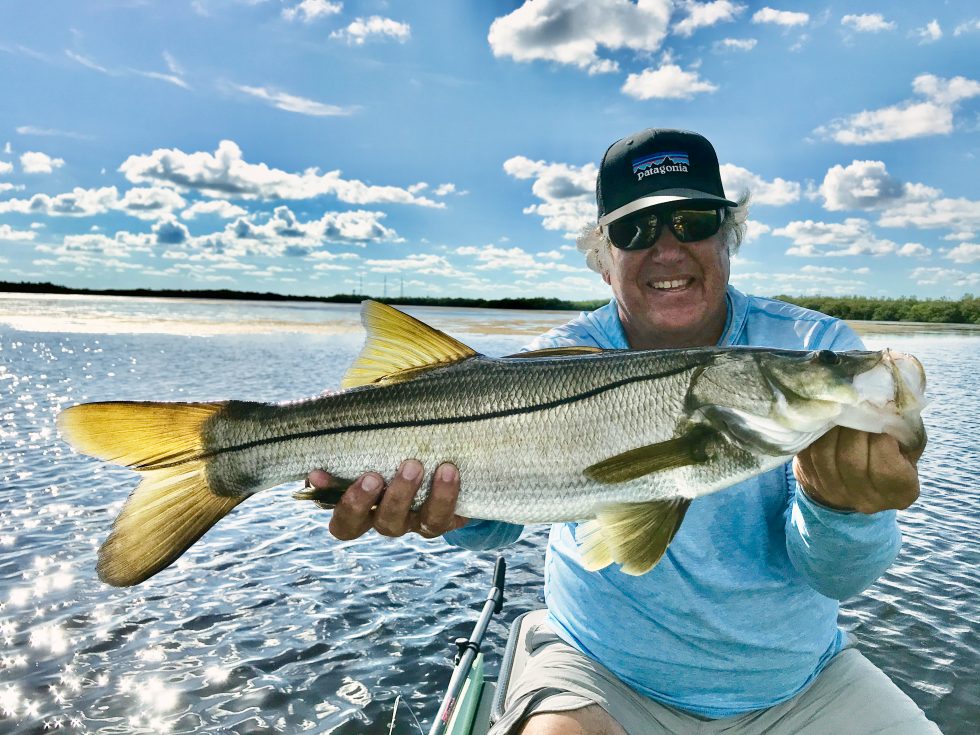
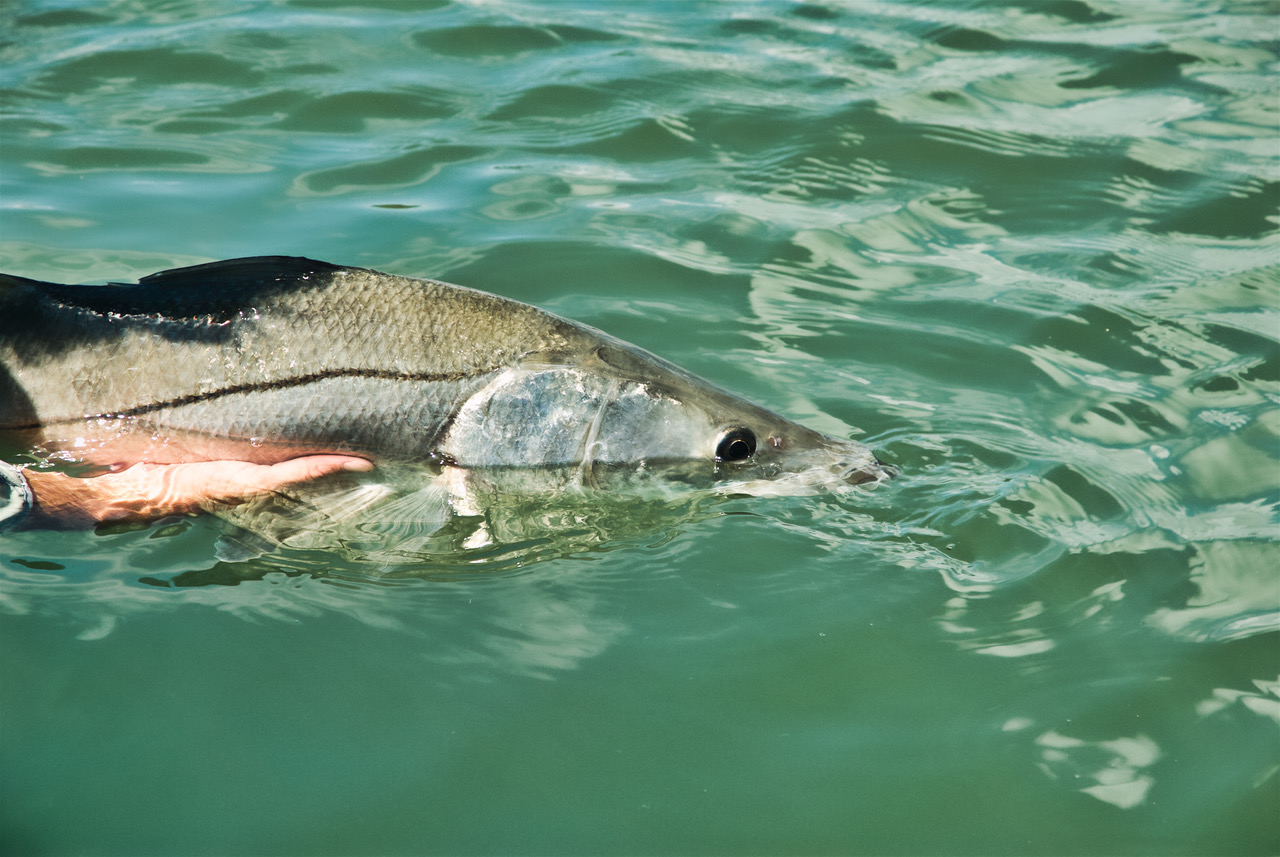
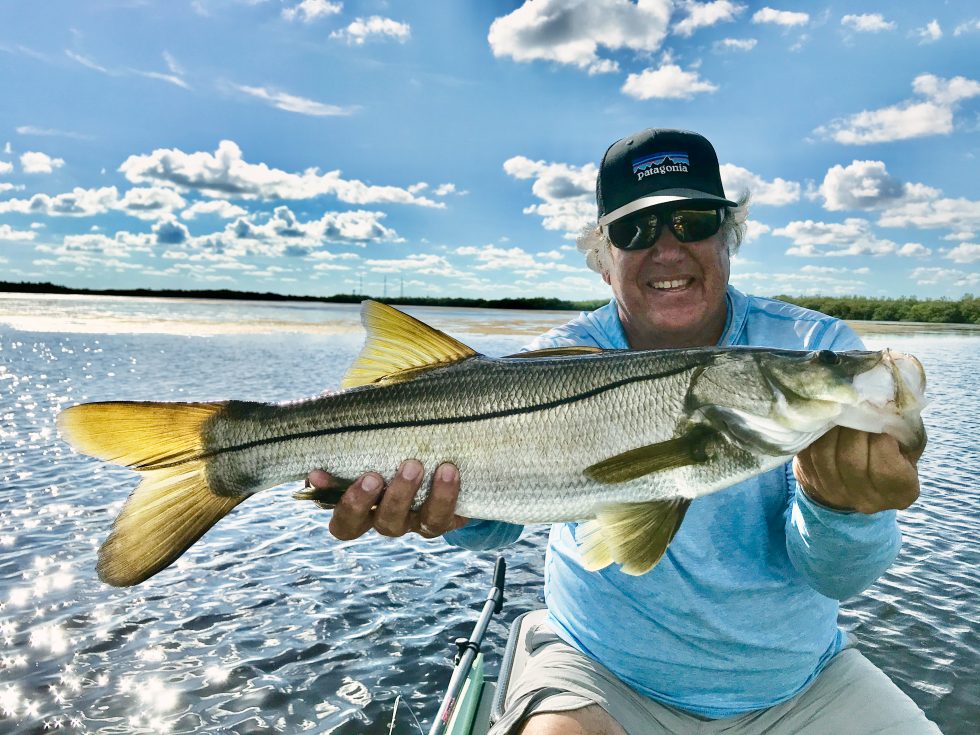
Snook rule the mangrove shorelines and dock structures throughout the lagoon, growing fat on the abundant baitfish. These ambush predators explode on topwater lures during dawn and dusk, creating some of the most exciting strikes you'll experience. Summer brings peak snook action, though they bite year-round in this renowned fishery. Their gill-rattling jumps and powerful runs toward cover make every hookup a challenge. Watch for their distinctive black lateral line as they cruise the shallows hunting for an easy meal.
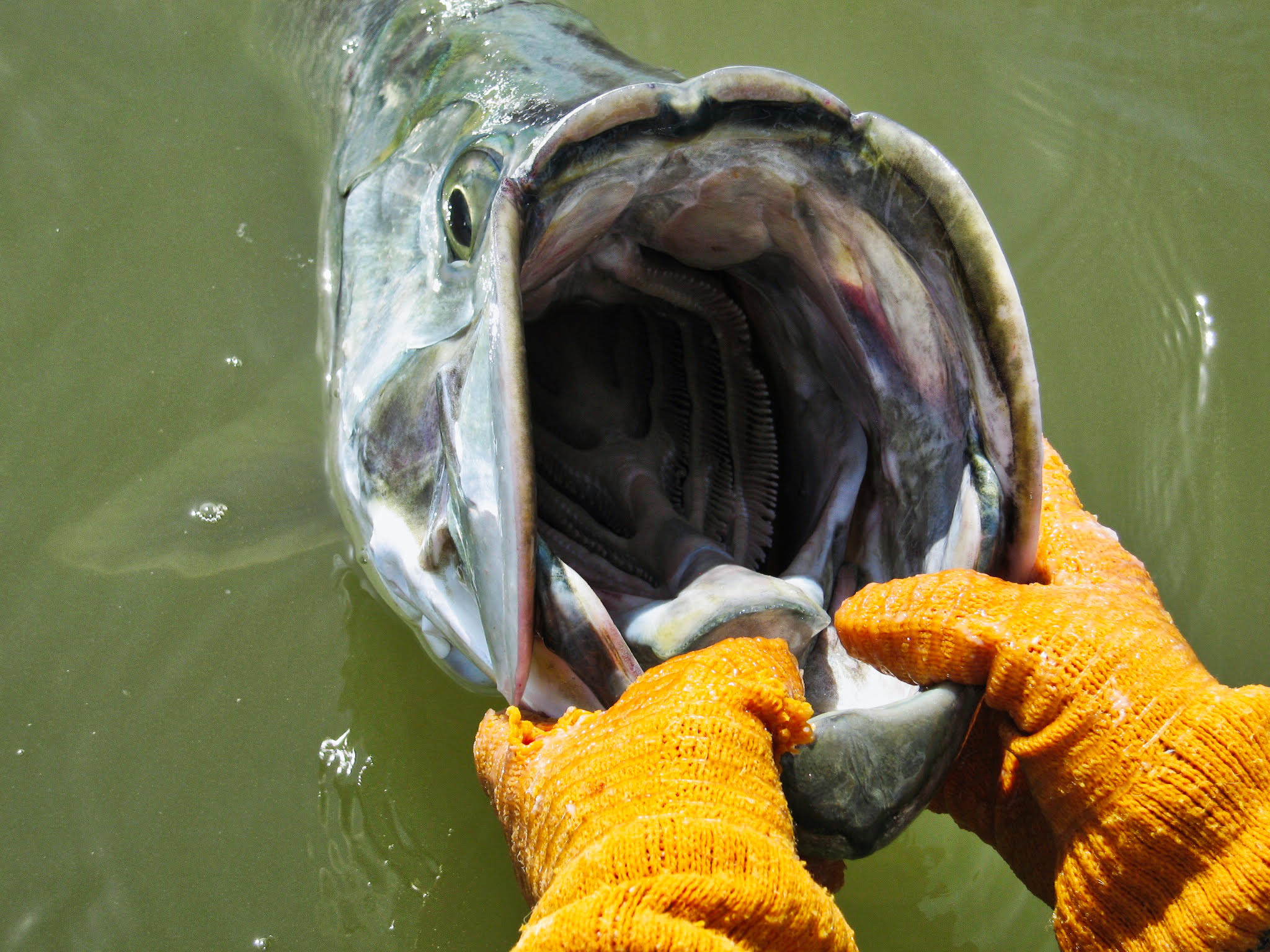
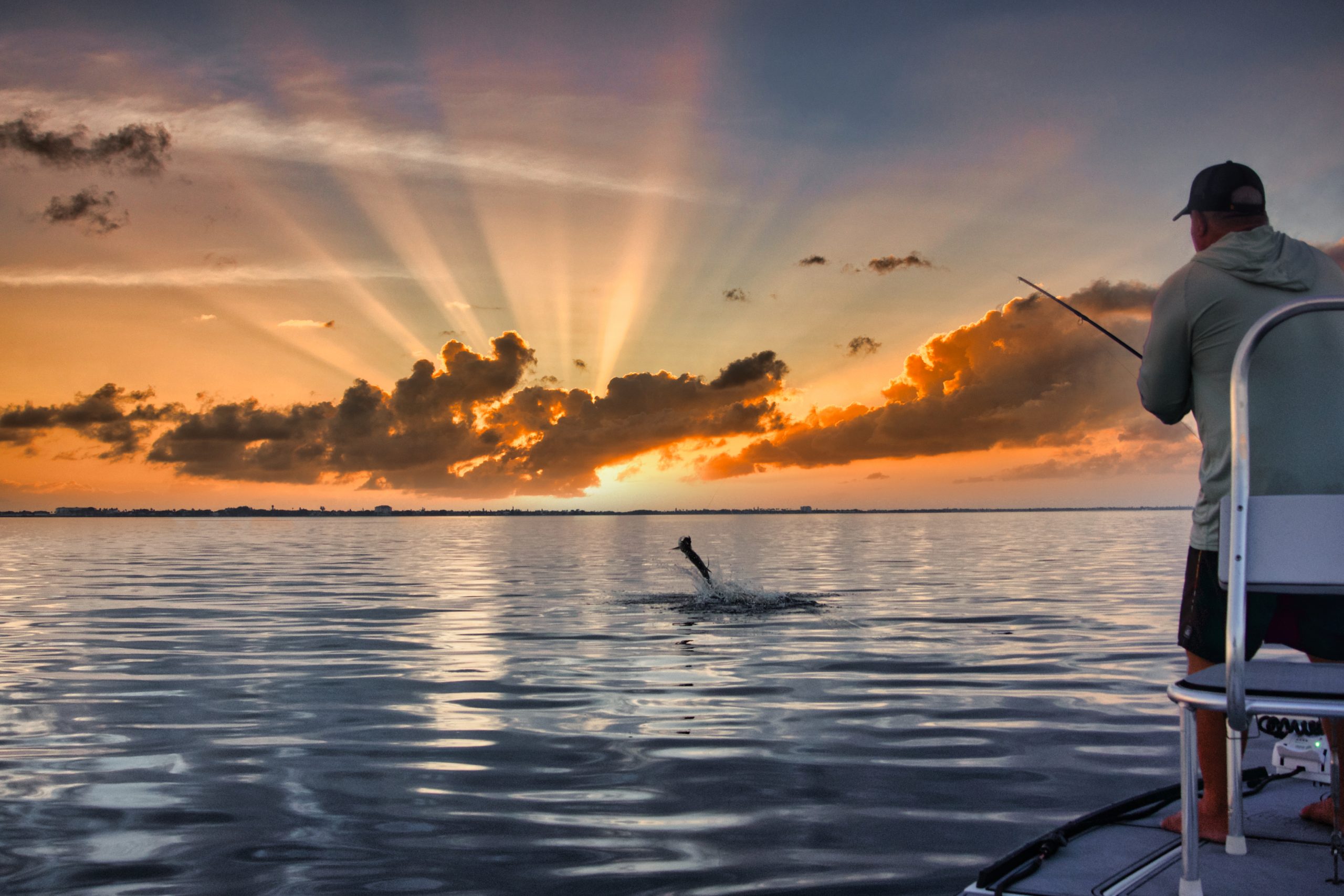
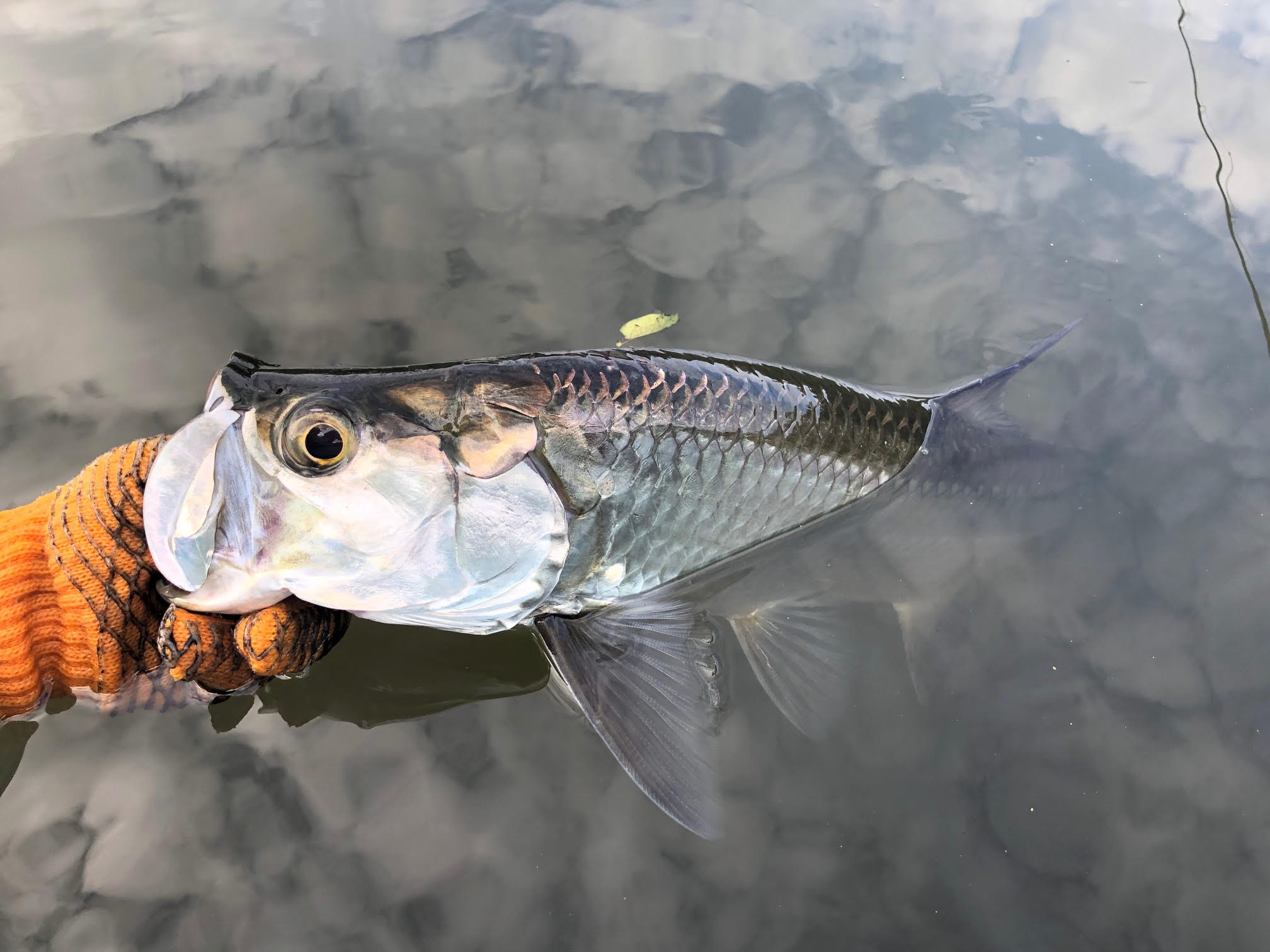
Tarpon roll through the deeper channels and basin areas, especially during summer months when juvenile "peanut" tarpon provide world-class light tackle action. These silver kings jump repeatedly when hooked, testing your reflexes and rod handling skills. Even smaller tarpon in the 20-40 pound range put up fights that'll leave your arms burning. Frank positions the boat perfectly for tarpon encounters, watching for rolling fish and working birds that signal feeding activity.
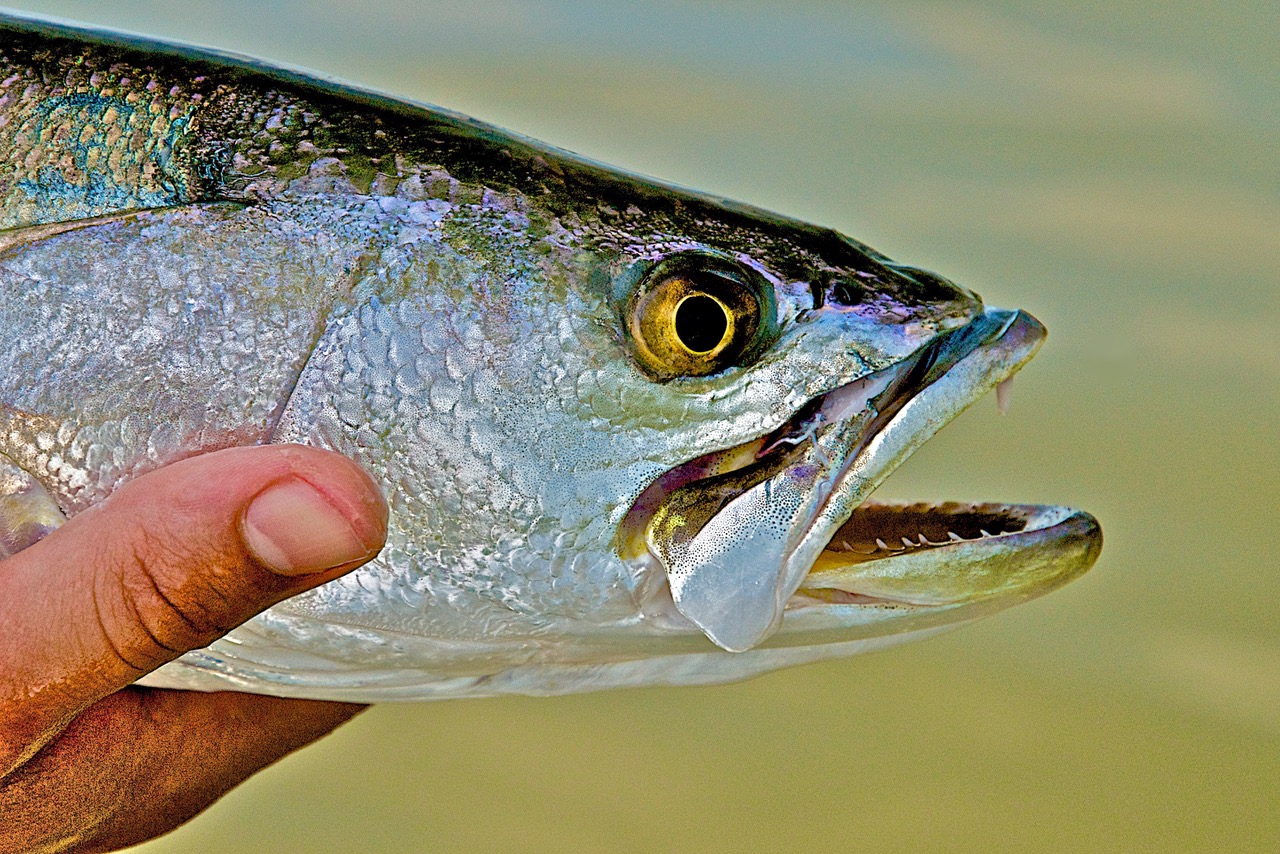
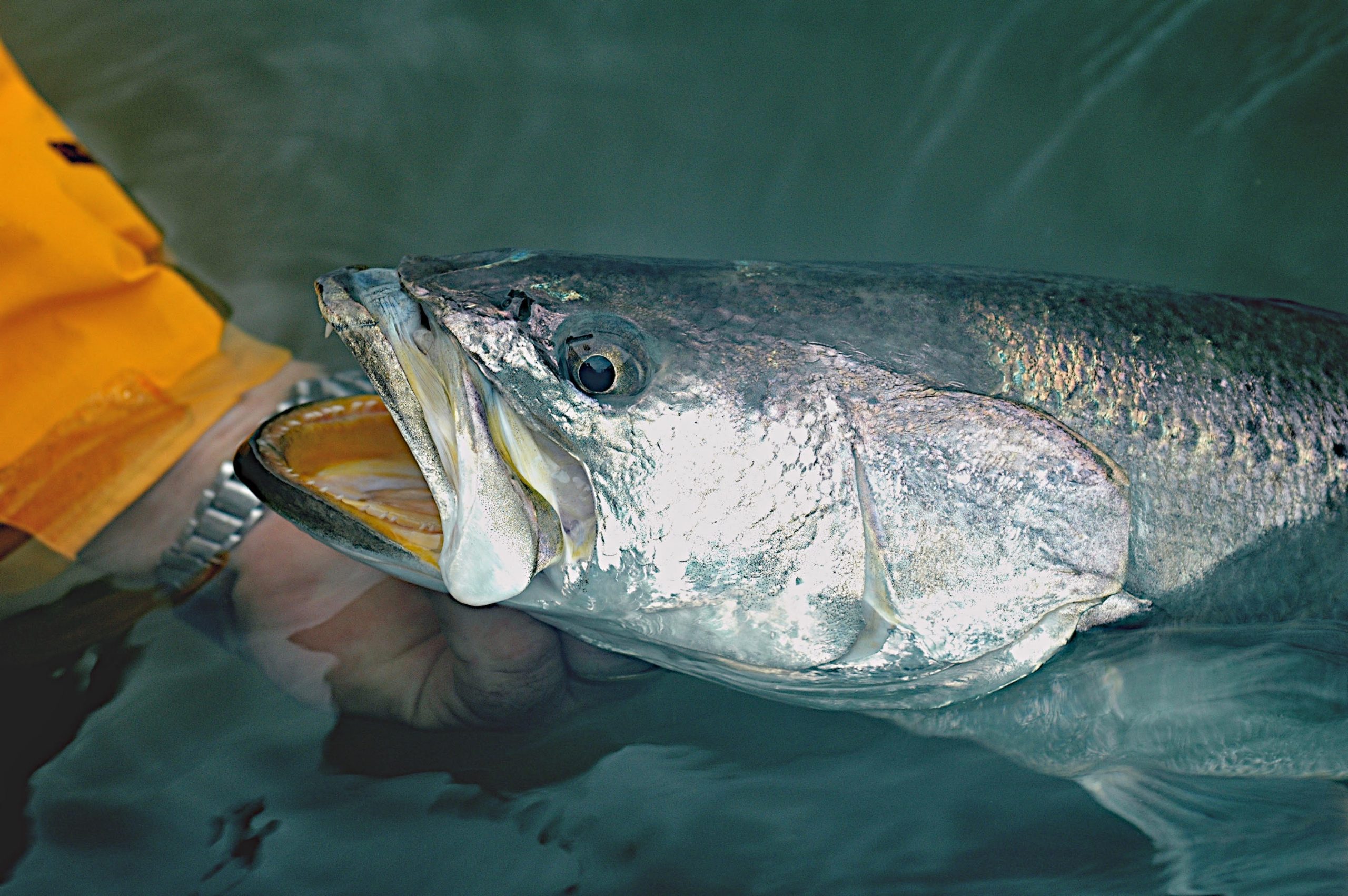
Sea Trout scatter across the grass flats in good numbers, making them perfect confidence-builders when other species play hard to get. These spotted beauties respond well to soft plastics worked slowly over the bottom, and their subtle bite teaches you to stay connected to your lure. Spring and fall offer the best trout fishing, when cooler water draws bigger "gator trout" into the shallows. Their distinctive croaking sound when landed adds character to every catch.
Redfish patrol the lagoon's edges and shallow flats in small schools, their copper-colored backs often visible in just inches of water. These bruisers bulldoze toward deeper water when hooked, using their broad tails and thick bodies to test your equipment. Reds feed aggressively on crabs and shrimp around oyster bars and mangrove roots, making them prime targets for sight fishing. Fall brings some of the year's best redfish action as they school up for their spawning runs, creating opportunities for multiple hookups.
Time to Book Your Spot
Captain Frank's private half-day charters fill up fast, especially during peak fishing months when the lagoon comes alive. His 45 years of local experience and intimate knowledge of seasonal patterns give you the best shot at a successful day on the water. Whether you're a seasoned angler looking to explore new water or a beginner wanting to learn from a true professional, this Indian River Lagoon adventure delivers the goods. The intimate two-person boat capacity means personalized attention and the flexibility to adjust techniques based on your skill level and preferences. Don't wait for the perfect weather forecast – Captain Frank fishes these protected waters in conditions that would cancel ocean trips, giving you more opportunities to get out there and bend some rods.
 Private Trip
 River Fishing
 undefined, undefined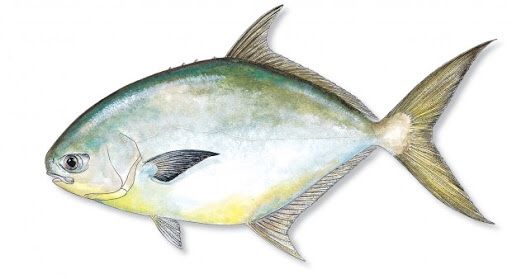


 Half-day fishing charter on Florida's Indian River Lagoon