Biscayne Bay Trophy Sight Fishing Adventure
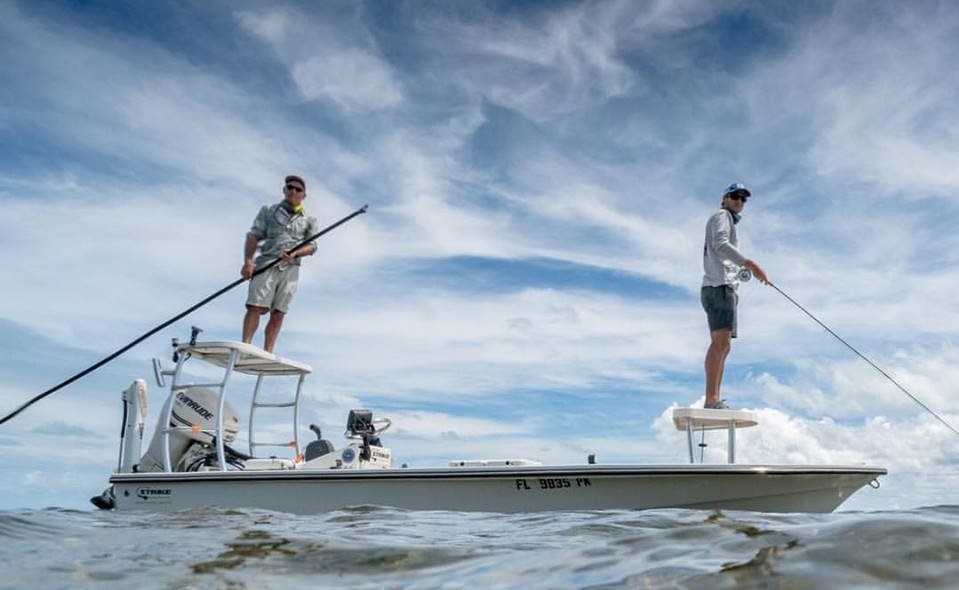
Captain Martin C. knows Biscayne Bay like the back of his hand, and there's a reason this legendary fishery draws anglers from around the globe. When you step aboard our 18-foot technical flats boat, you're entering what many consider the crown jewel of sight fishing destinations. This isn't your typical fishing trip where you cast blindly and hope for the best. Here, you'll spot your target cruising through crystal-clear shallows before making your cast, creating those heart-pounding moments that keep anglers coming back year after year.
What to Expect on the Water
Your day starts early when the light is perfect for spotting fish against the sandy bottom and turtle grass beds that make Biscayne Bay famous. Captain Martin positions the boat using his push pole, keeping noise to a minimum while scanning for tailing bonefish, rolling tarpon, or permit cruising the flats. The beauty of sight fishing is that it's a team effort – you'll learn to read the water, spot nervous water from feeding fish, and understand how tide and weather affect fish behavior. Most of the day you'll be casting from the boat, but don't be surprised if Captain Martin spots a school of fish that requires getting out and wade fishing for the perfect presentation. The technical flats boat is designed specifically for this style of fishing, with a raised platform that gives you the best vantage point to spot and cast to your targets.
Techniques and Light Tackle
This is light tackle and fly fishing at its finest. Whether you're throwing flies or using spinning gear, the emphasis is on finesse and precision rather than brute force. Captain Martin will have you rigged with the right tackle for conditions – maybe a 9-weight fly rod when the tarpon are rolling, or spinning gear with small jigs and shrimp when the permit are being picky. The key to success here is presentation, not power. You'll learn to make long, accurate casts and how to work your bait or fly to trigger strikes from fish that can see you just as well as you can see them. The shallow water means every movement matters, from how quietly you move on the deck to the splash your lure makes when it hits the water. When the sight fishing gets tough, the ever-present barracuda provide fast action and help keep your casting sharp while waiting for the premium species to show themselves.
Customer Stories
"Very knowledgeable, very patient. Excellent time." - Wesley
Species You'll Want to Hook
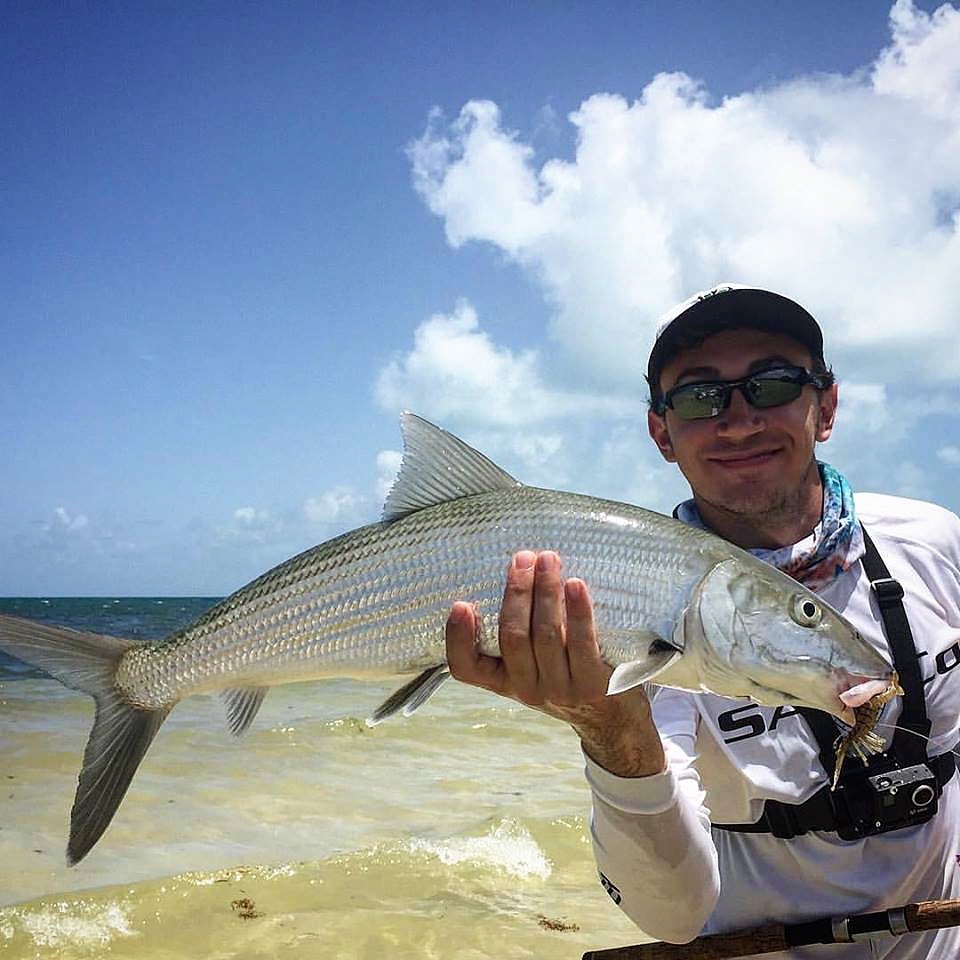
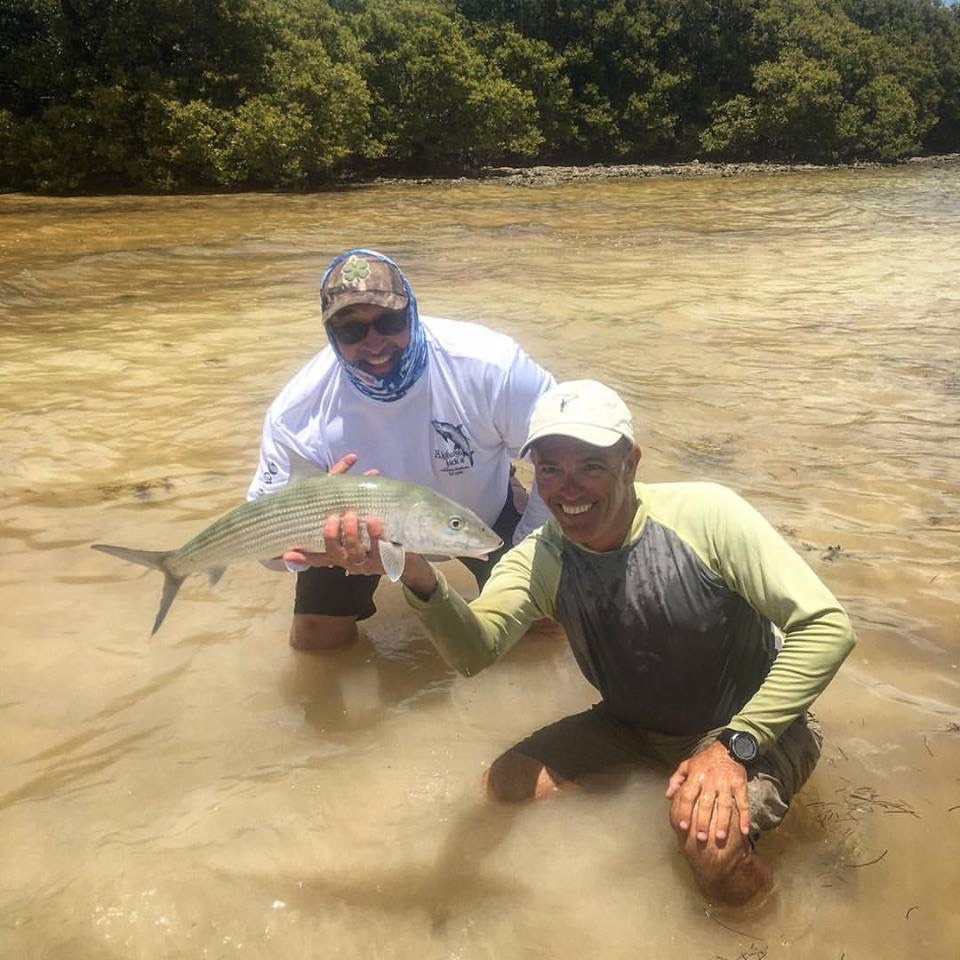
Bonefish are the ghosts of the flats, and Biscayne Bay holds some of the largest specimens in the world. These silver bullets typically range from 6 to 12 pounds, with trophy fish pushing 15 pounds or more. They're most active on incoming tides when they move onto the flats to feed on crabs and shrimp. What makes bonefish so special is their incredible speed and the challenge of spotting them before they spot you. Their initial run when hooked is legendary – stripping line off your reel faster than almost any fish their size. The best part about bonefishing here is that you can target them year-round, though fall and winter months often produce the largest specimens.
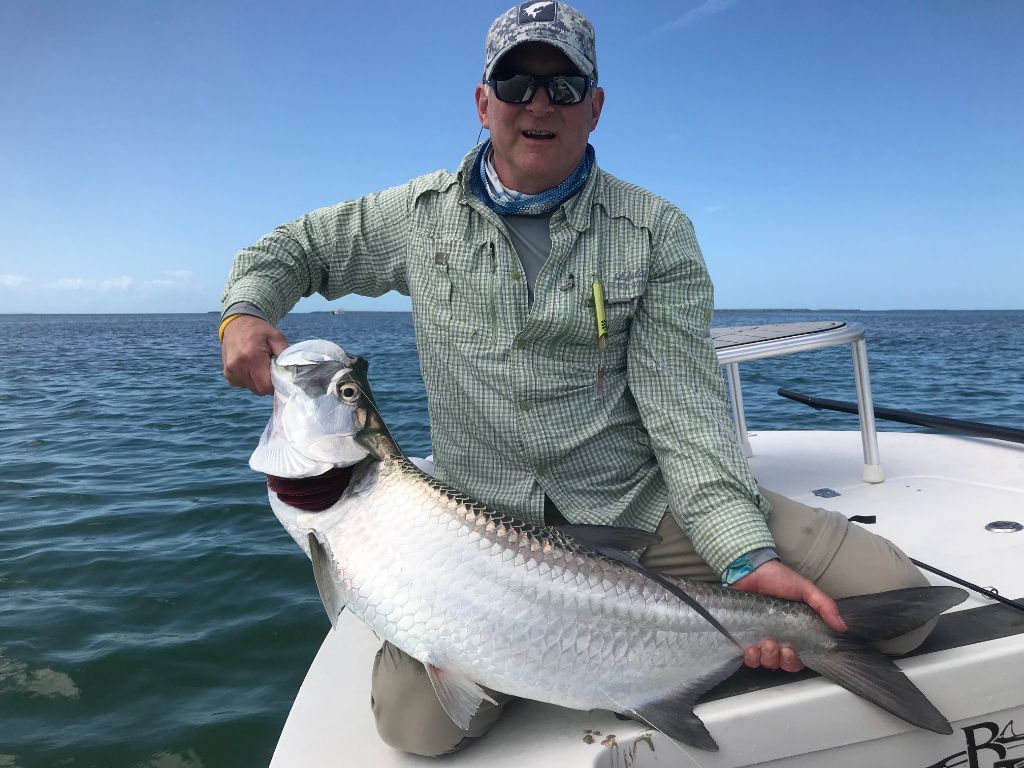
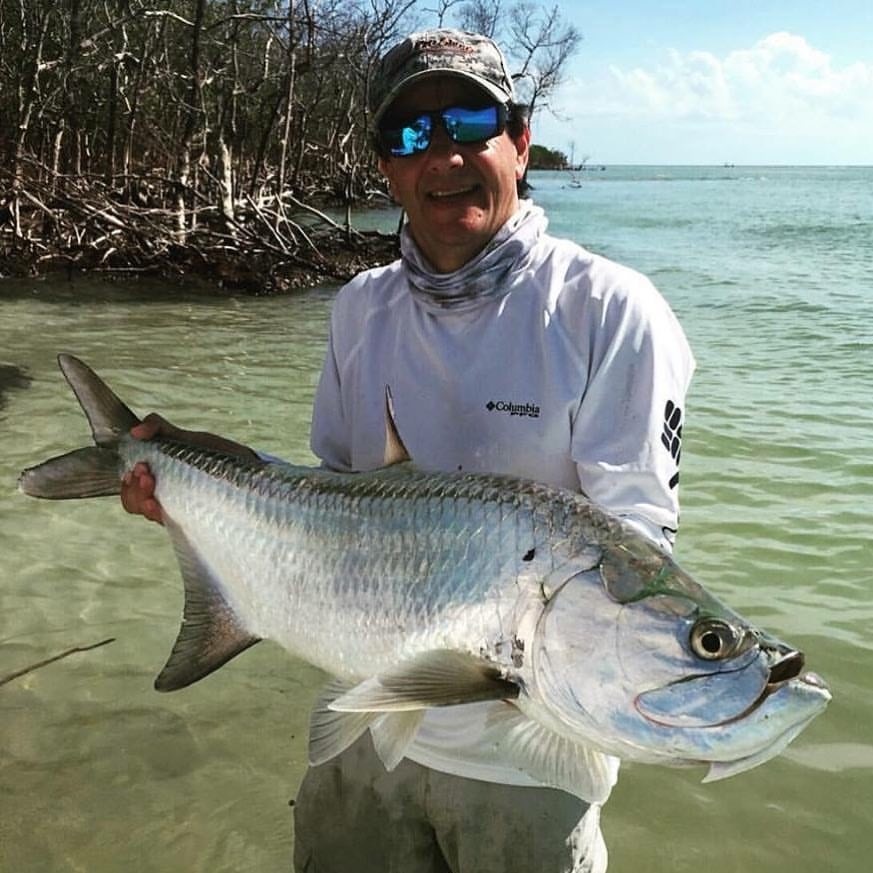
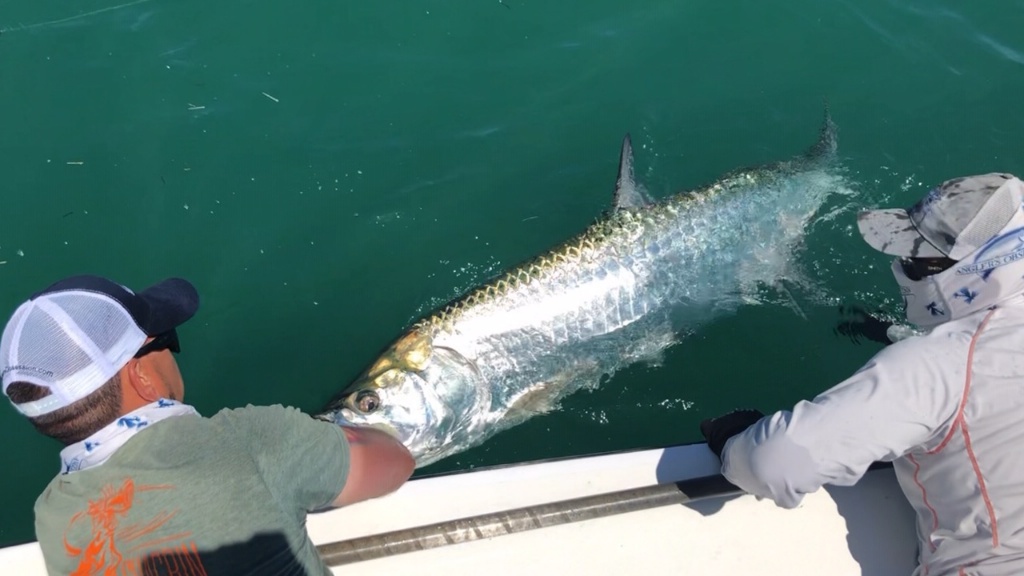
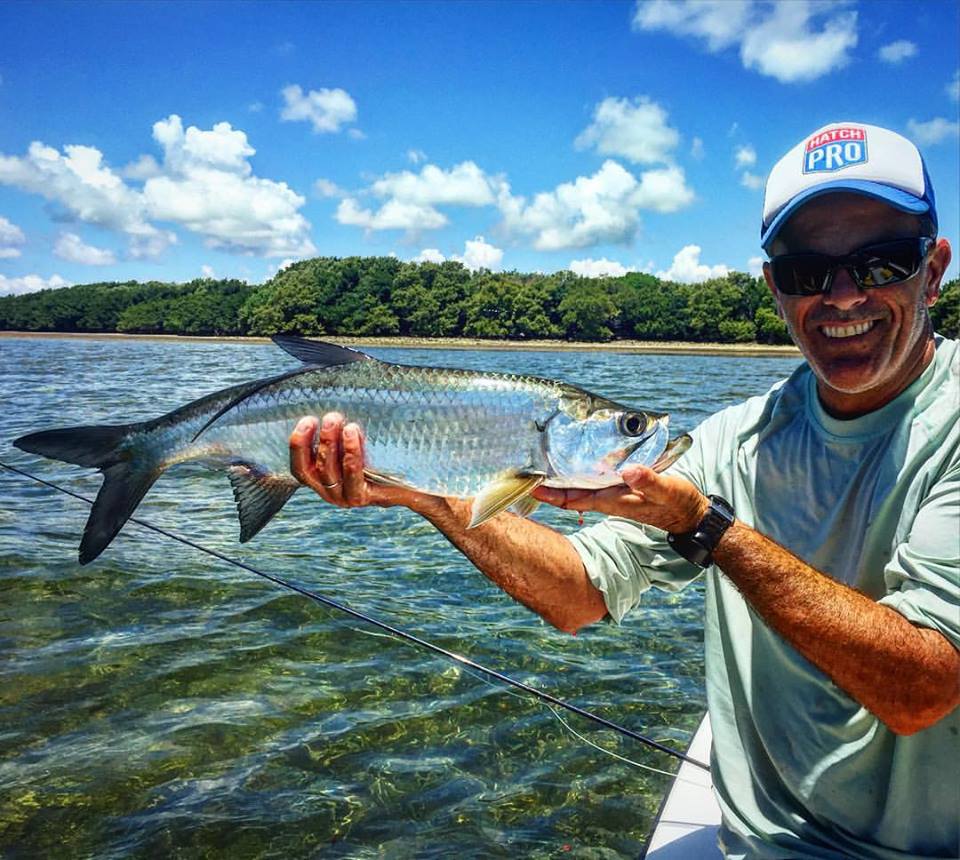
Tarpon are the silver kings of Biscayne Bay, and hooking one of these giants on light tackle is a bucket-list experience. Juvenile tarpon in the 20 to 80-pound range are common, but don't let the word "juvenile" fool you – these fish have incredible jumping ability and stamina. Spring through fall is prime tarpon season, with the largest numbers showing up during the warmer months when baitfish are abundant. What anglers love most about tarpon fishing is the visual aspect – watching a 100-pound fish roll on the surface before making your cast, then seeing it eat your fly or lure. The fights are spectacular, with multiple jumps and long runs that test your tackle and your patience.
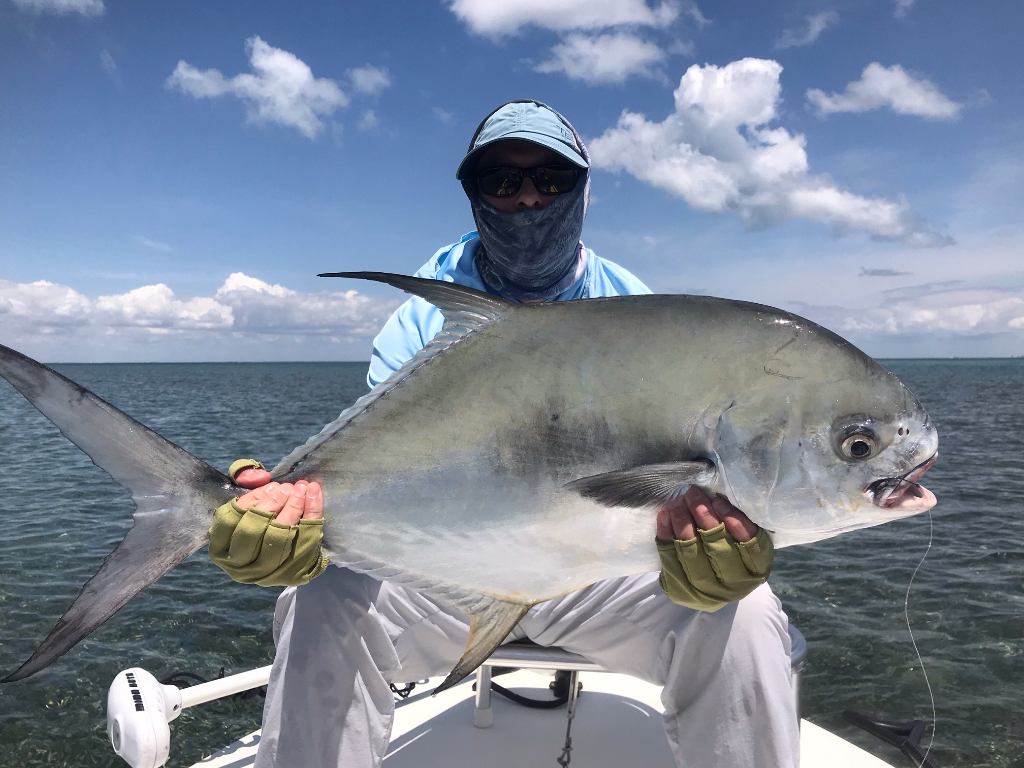
Permit are considered the holy grail of flats fishing, and Biscayne Bay offers world-class opportunities for these finicky feeders. Most permit here range from 15 to 35 pounds, with their distinctive black, sickle-shaped fins making them easy to identify when they're tailing or cruising. They're notorious for their selective feeding habits and spooky nature, often requiring perfect presentations to get a bite. Spring and fall are typically the best seasons, though permit can be found year-round in deeper channels and on the edges of flats. Landing a permit on fly or light tackle is considered one of fishing's greatest achievements because of their fighting ability and the difficulty in getting them to eat.
Redfish, or red drum, are the workhorses of the flats and provide consistent action when other species are being difficult. Bay reds typically run 18 to 27 inches, with their copper-colored sides and distinctive black spots making them easy to identify. They're aggressive feeders and more forgiving than permit or bonefish when it comes to presentation, making them perfect for anglers still learning sight fishing techniques. Fall and winter are prime redfish seasons, when they school up in large numbers and provide fast action. What makes redfish special is their willingness to eat a variety of baits and lures, plus they put up a strong fight with powerful runs and head shakes.
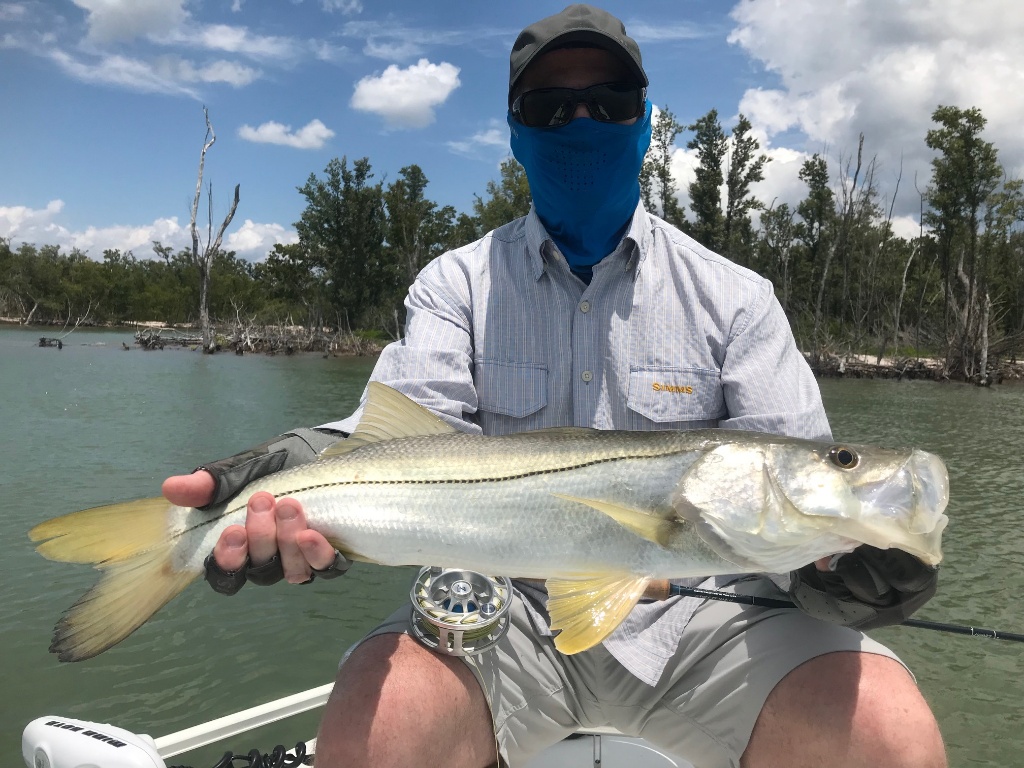
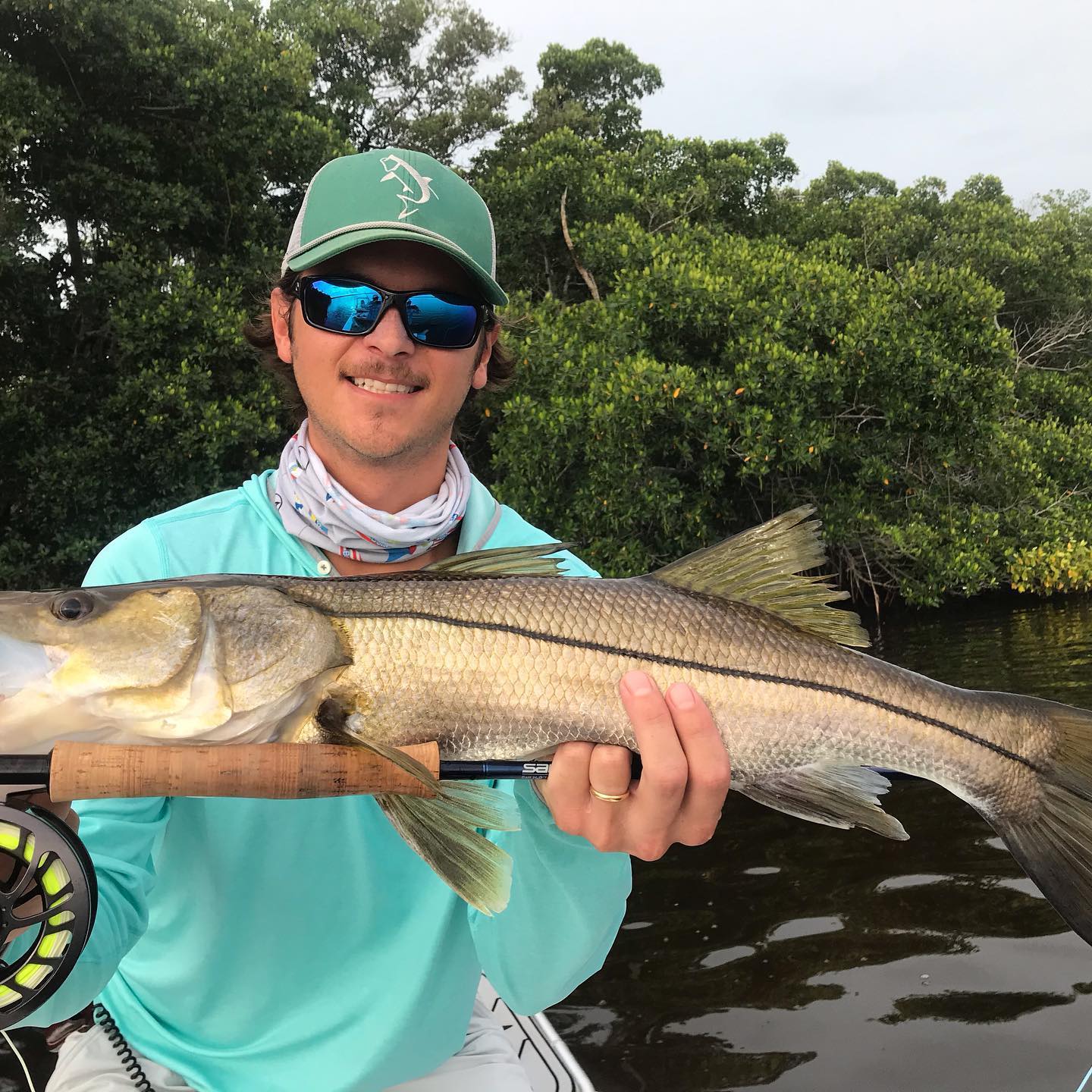
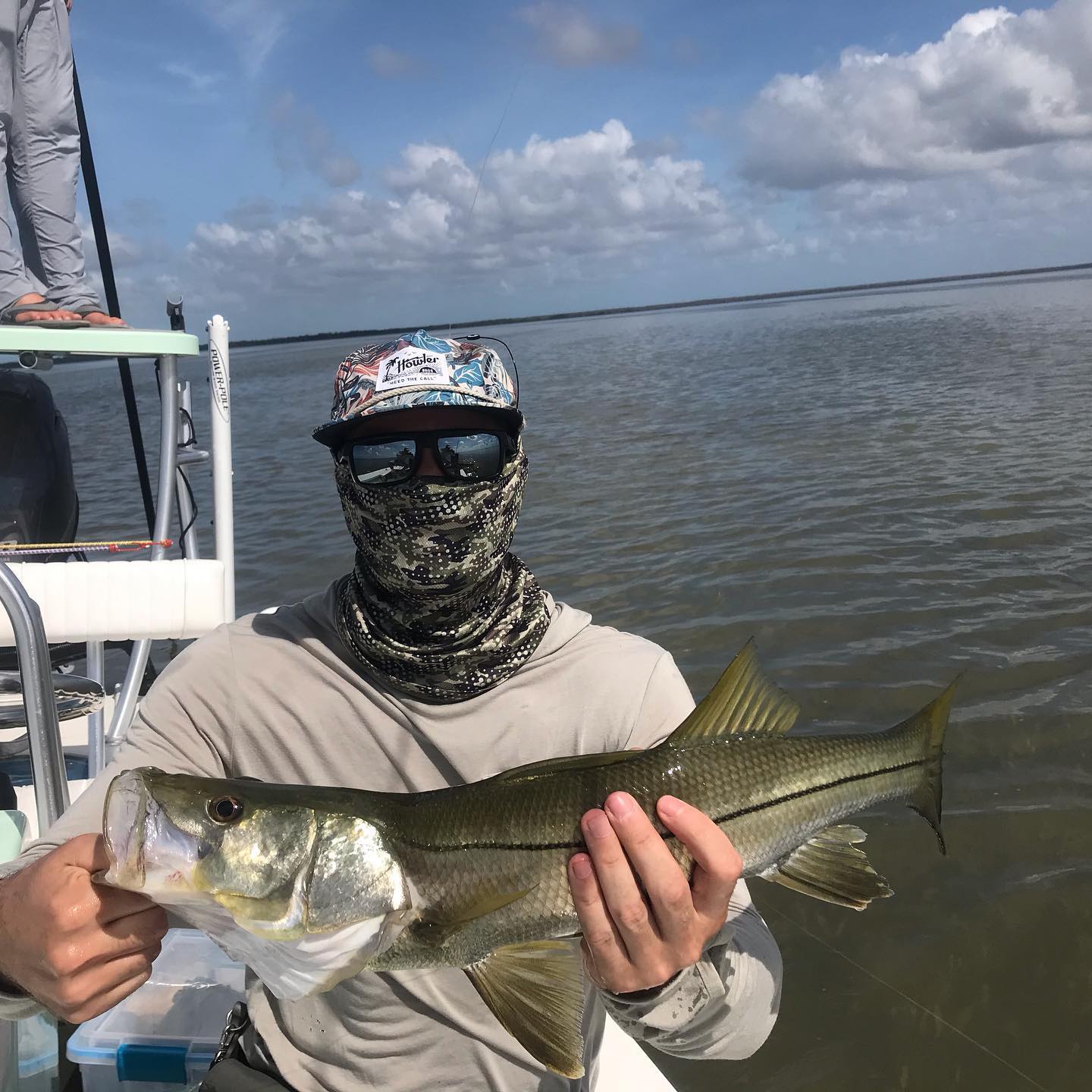
Snook are the ultimate ambush predators, lurking around structure like mangrove shorelines, docks, and channel edges. These fish range from schoolie-sized juveniles to trophy specimens over 30 inches and 15 pounds. They're most active during warmer months and around dawn and dusk when they move into shallow water to feed. Snook have a distinctive black lateral line and are known for their explosive strikes and aerial displays when hooked. What makes snook fishing exciting is their aggressive nature – when they want to eat, they'll crush your lure with authority. They're also excellent table fare, though many anglers choose to release these prized gamefish to ensure healthy populations for future
 5.0(1 Reviews)
 Private Trip
 Inshore Fishing
 Key Biscayne, FL


 World-class sight fishing for bonefish, permit, and tarpon