Everglades Fishing with Captain Martin C.
Just an hour from Miami's concrete jungle lies one of the planet's most productive fishing grounds. The Everglades isn't just another fishing spot – it's 1.5 million acres of twisted mangrove creeks, shallow flats, and hidden ponds where some of Florida's most prized gamefish call home. Captain Martin C. has been working these waters for years, and he knows exactly where the snook hide during cold fronts and which grass flats hold the biggest reds. This isn't your typical charter boat experience either – with just two anglers max, you'll get the personalized attention that makes all the difference between going home with photos or going home with fish stories that'll last a lifetime.
What to Expect on the Water
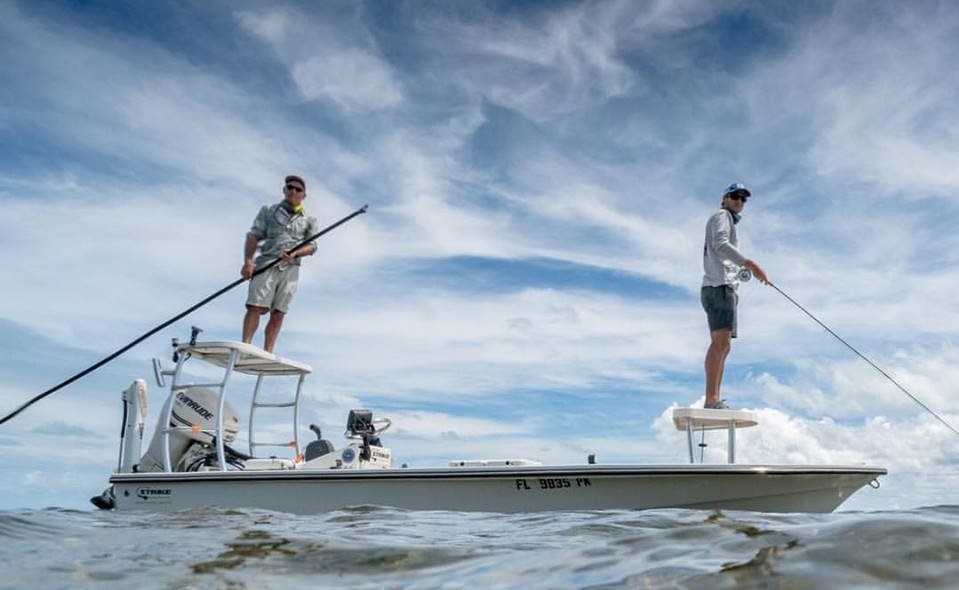
Your day starts early, meeting Captain Martin at one of the park's launch points before the sun climbs too high. The Everglades fishing game is all about timing and stealth – you'll be poling through skinny water that's barely knee-deep, sight-casting to fish you can actually see cruising the flats. This is light tackle country, so leave your heavy ocean gear at home. We're talking 15-20 pound test, spinning reels, and lures that won't spook fish in gin-clear water. The maze of creeks and backcountry ponds means you're constantly moving, reading water, and adapting your approach. One minute you're working a mangrove shoreline for snook, the next you're stalking tailing redfish on an oyster bar. Between fishing spots, keep your eyes peeled for manatees, dolphins, and the occasional crocodile sunning itself on a mudbank. The wildlife viewing alone is worth the trip, but when you combine it with world-class fishing, you've got something special.
Light Tackle Techniques
Everglades fishing is all about finesse and presentation. Captain Martin specializes in sight fishing – spotting fish before they spot you, then making the perfect cast to get their attention. Live bait works great here, especially pilchards and shrimp, but artificial lures often outproduce naturals when worked correctly. Soft plastics on jig heads are the bread and butter, bounced along grass beds and oyster bars where redfish and trout feed. For snook around the mangroves, topwater plugs during low light periods create explosive strikes that'll get your heart pumping. The key is staying quiet – these fish are spooky in shallow water, so Captain Martin uses a push pole instead of the outboard whenever possible. You'll learn to cast accurately and quickly since these opportunities don't last long. Miss your shot at a 30-inch snook, and it might disappear into the mangroves before you can reload. The gear stays light but effective – 7-foot medium action rods paired with 2500-series reels give you the backbone to turn fish away from structure while still feeling every bump and tap.
Top Catches This Season
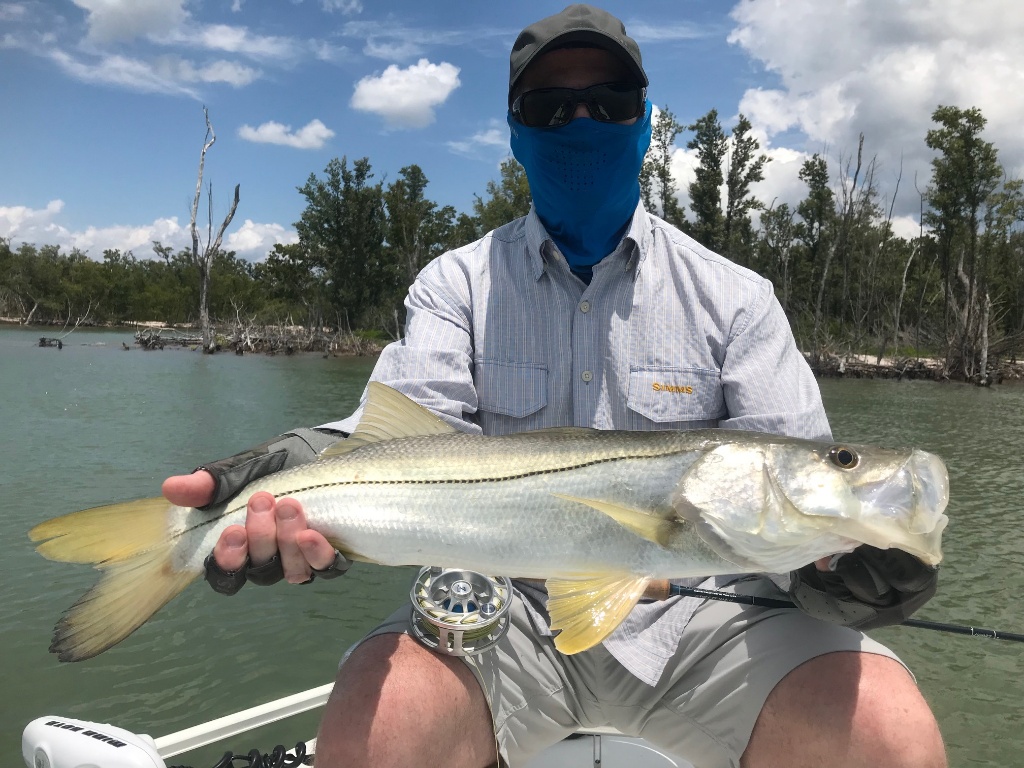
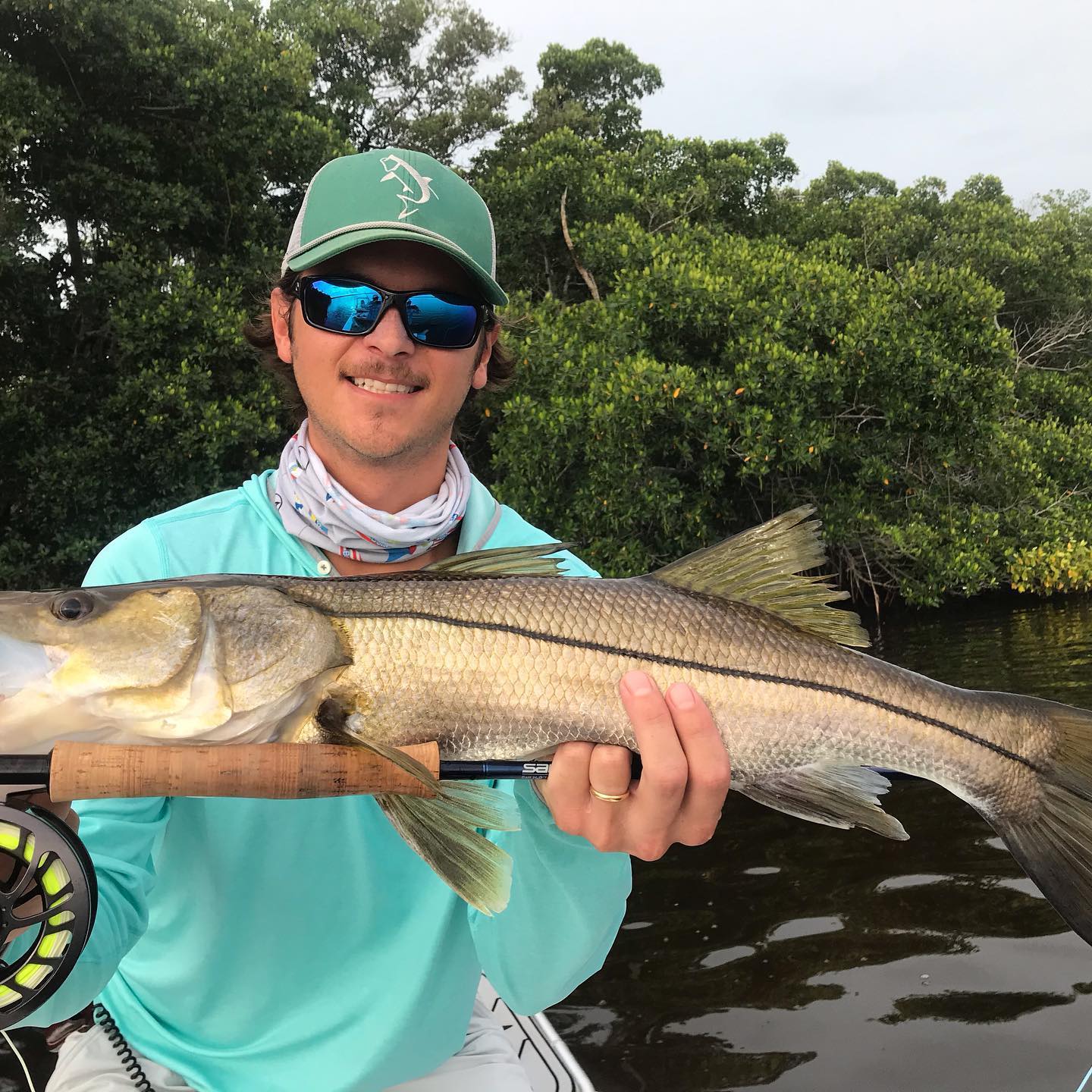
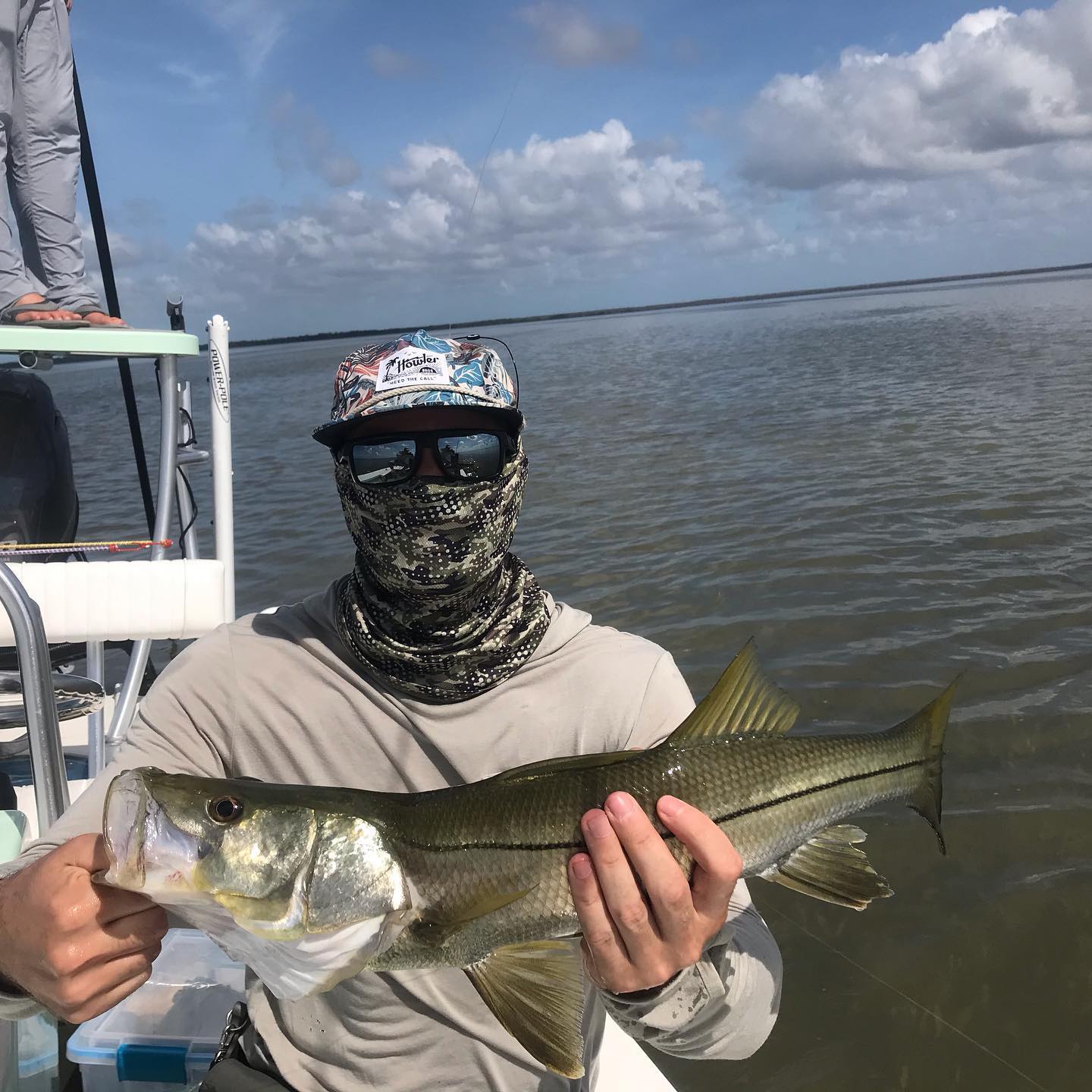
Snook are the crown jewel of Everglades fishing, and for good reason. These ambush predators love hanging around mangrove overhangs and creek mouths, waiting to demolish anything that looks like an easy meal. They're incredibly strong fighters that'll make multiple runs toward structure, testing both your drag settings and your nerves. Most Everglades snook run between 20-28 inches, but don't be surprised if you hook into a 30-plus-inch beast that'll have you questioning your tackle choices. They're most active during moving water – incoming or outgoing tides – and early morning or late afternoon when the sun isn't beating down. What makes snook special isn't just their fighting ability, it's their attitude. They hit hard, jump often, and never give up easily.
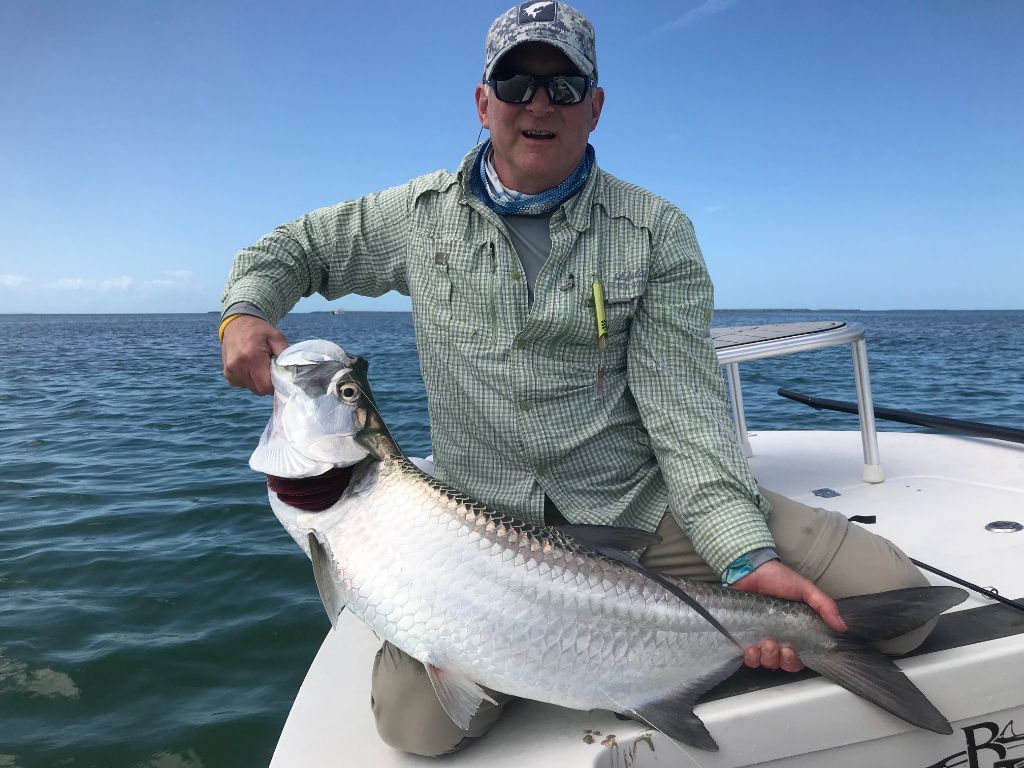
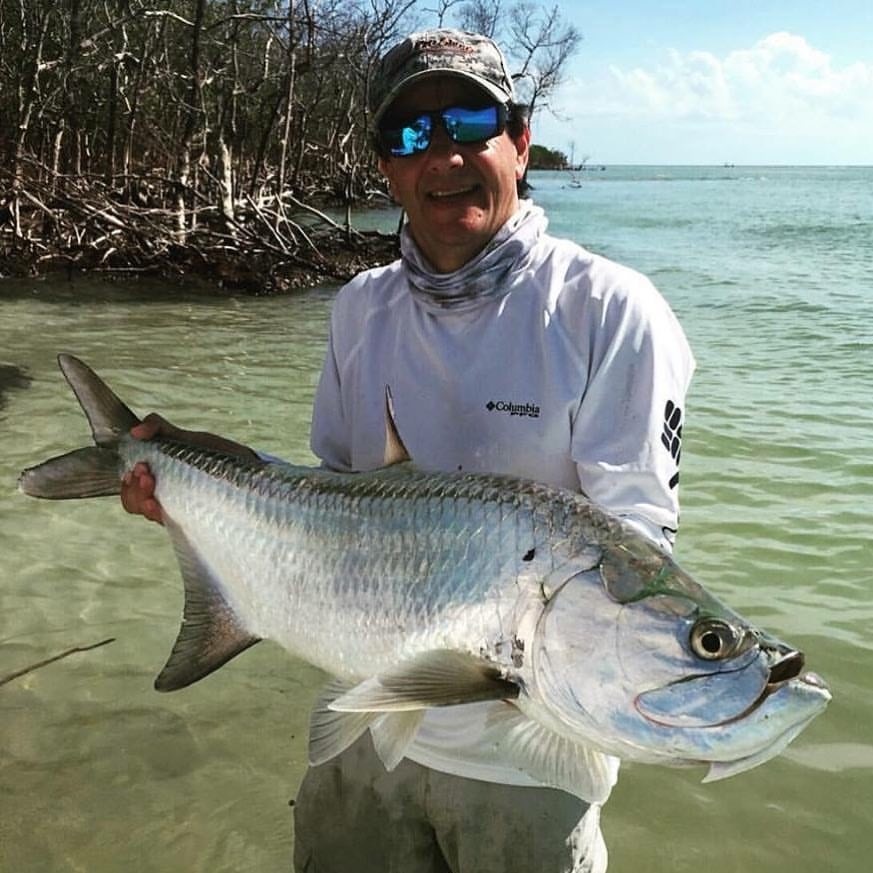
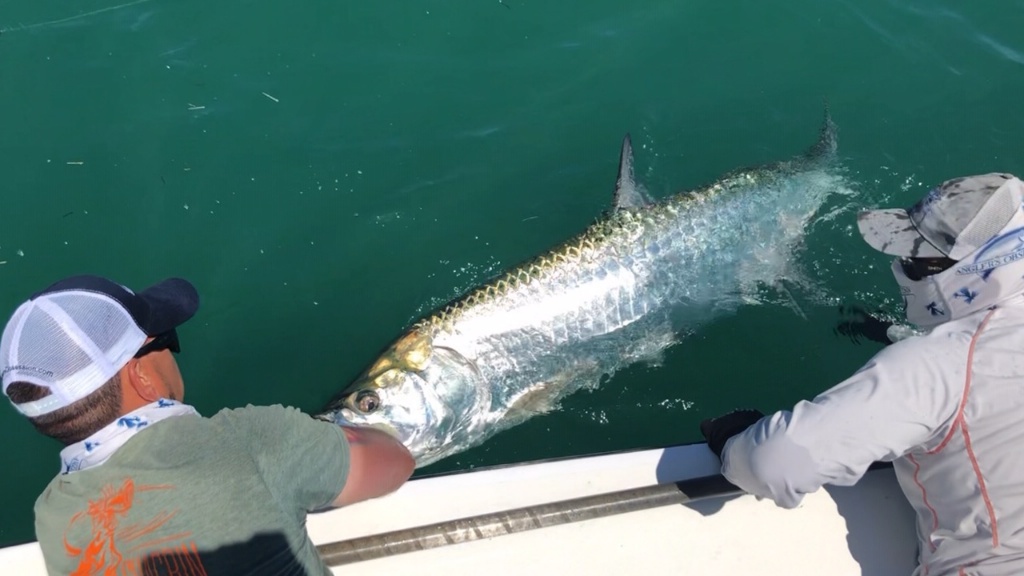
Tarpon might be the most exciting fish you'll encounter, especially the juvenile "baby" tarpon that frequent the backcountry. These silver rockets range from 10-40 pounds in the Everglades system, and pound for pound, they're some of the strongest fish in Florida waters. When a tarpon eats your lure, get ready for an aerial show that'll leave you breathless. They jump repeatedly, often throwing the hook in spectacular fashion, which is why landing one feels like such an accomplishment. Peak tarpon season runs from April through July, but you can find them year-round in the deeper creeks and channels. The best part about Everglades tarpon fishing is the visual aspect – you'll often see them rolling on the surface before you cast, giving you a target to aim for.
Sea trout are the most reliable catch in the park, especially on grass flats where they feed heavily on shrimp and small baitfish. While they might not have the raw power of snook or the acrobatics of tarpon, trout make up for it with consistency and excellent table fare. Most run 14-18 inches, perfect for the frying pan, though larger "gator" trout over 20 inches show up regularly. They respond well to both live bait and artificials, making them perfect for anglers still learning the ropes. Cold fronts actually improve trout fishing as they stack up in deeper holes and creek bends, feeding aggressively before the weather changes.
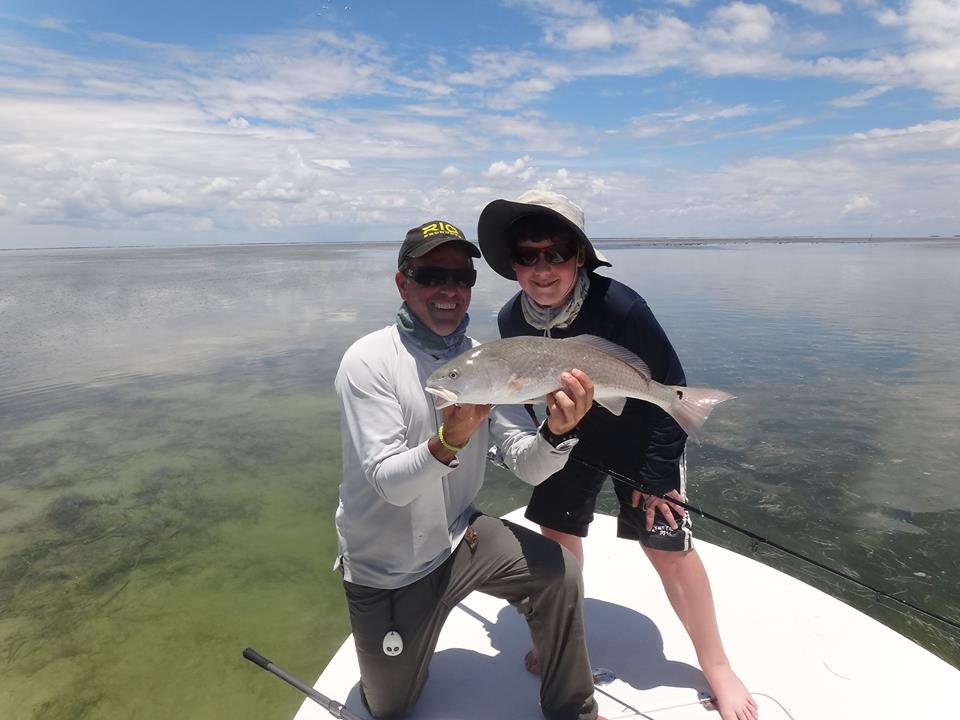
Redfish are the bulldogs of the flats, and sight-fishing for them ranks among the most exciting angling experiences anywhere. These copper-colored fighters love shallow oyster bars and grass flats where they root around for crabs and shrimp, often with their tails sticking out of the water. A good Everglades red runs 20-27 inches and fights like a fish twice its size, making long, powerful runs that test your equipment. They're less spooky than snook but more aggressive than trout, often eating lures with reckless abandon once they decide to feed. The slot-limit reds are perfect eating, while the bigger bulls (over 27 inches) provide arm-burning fights that'll leave you sore the next day.
Time
 Private Trip
 Inshore Fishing
 Key Biscayne, FL


 Inshore fishing for Snook, Tarpon, Trout, and Redfish year-round